

Tabelog Bronze #142
Our verdict
Itto places Tokyo ramen in the social register of late meals, shared snacks, and drink-led pacing rather than the quick-bowl stereotype alone. The Chofu address gives it a west-side rhythm, while recognition from Opinionated About Dining’s Casual in Japan rankings places it inside a serious ramen conversation that extends well beyond station-counter convenience.

Pearl is the En Primeur Club membership app, where members save venues, book tables and use the concierge.
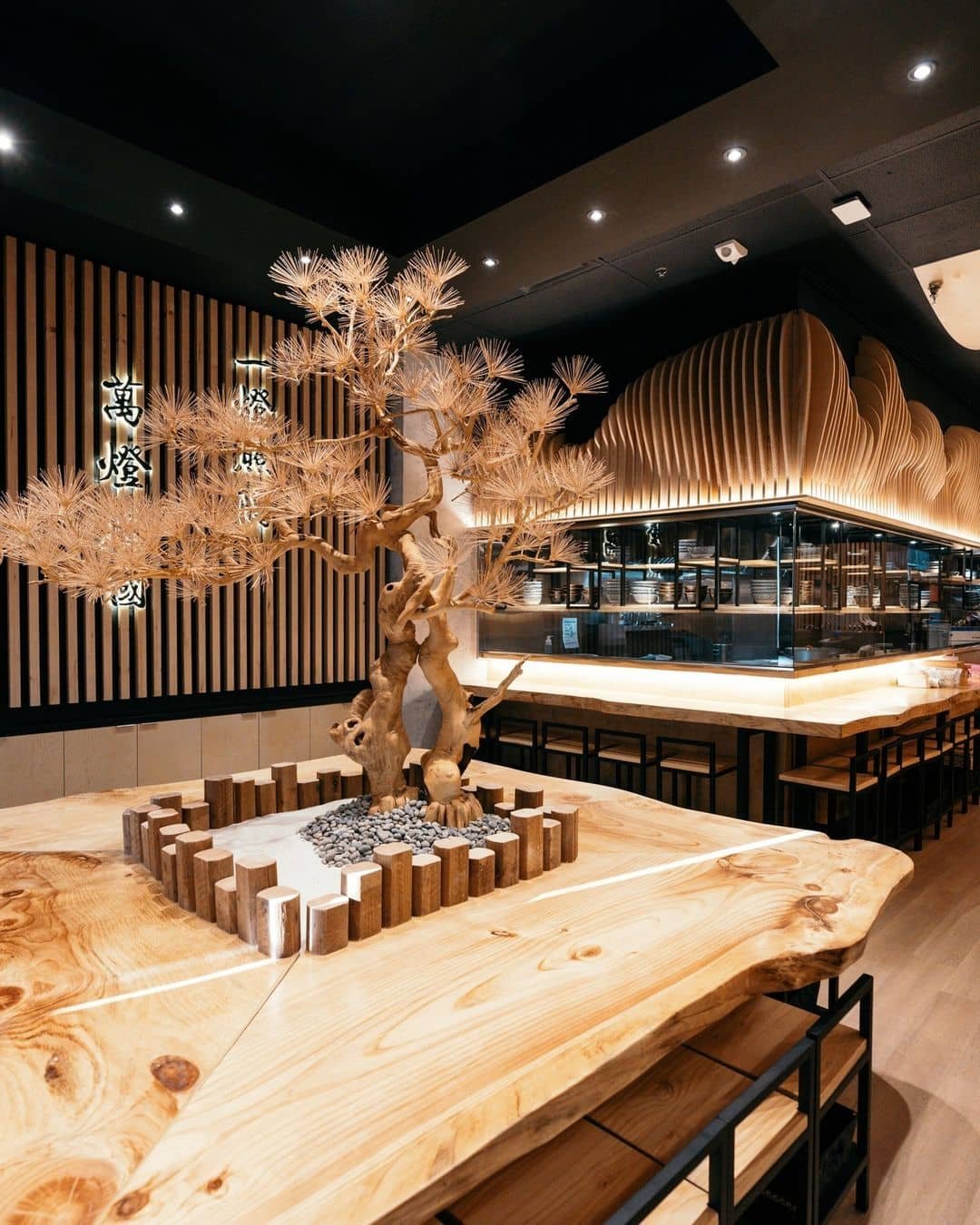
Approaching a second-floor ramen room in Chofu shifts a Tokyo meal’s tempo. The city’s ramen mythology often begins at street level: ticket machines, steamed glass, and lines around station exits. Upstairs, the climb separates dinner from the commuter current and edges it toward izakaya culture: noodles, lingering, ordering around conversation, and treating the bowl as part of a social night rather than solitary refuel.
That matters in Tokyo, where ramen is not one category but competing habits. Ginza and central wards have pushed some bowls toward reservation-era seriousness; neighbourhood shops keep the older grammar of speed, volume, and repeat custom. West-side districts such as Chofu are residential, railway-shaped, and less theatrical than the hotel-and-luxury axis. Itto reads less like a visitor-staged destination than a local ramen address with enough recognition to draw diners tracking Japan’s casual dining lists.
Ramen treated as a social meal, not just a quick bowl
Tokyo ramen rewards specialization, but better rooms understand pacing. A bowl can be the main event, a late stop after drinking, or the final move after small plates and beer. The izakaya connection does not make ramen bar food; it accepts Japanese casual dining as modular. Diners move between snacks, drinks, and carbohydrates with less ceremony than Western tasting-menu logic allows.
For category mapping, compare dining behaviours as much as ramen styles. Afuri shows the clean, citrus-accented, highly scalable side of modern Tokyo ramen. Chukasoba Ginza Hachigou represents central Tokyo’s composed chuka soba and high-demand counter format. Fuunji serves concentrated dipping noodles and queue culture. Chofu is quieter, returning ramen to the neighbourhood evening, where repeatability and ease matter as much as ceremony.
The peer field sharpens that point. Sasaki Seimenjo, Sousakumen Hitosuji, Hayashi, Kagari, and out-of-metro Chuka Soba Shibata all belong to the broad ramen conversation, but each asks a different diner question: clarity of broth, noodle craft, central convenience, price accessibility, or specialist pilgrimage. Itto’s west Tokyo position adds another criterion: how naturally a ramen room fits its surrounding social life.
What recognition means in Tokyo's casual dining hierarchy
Awards in ramen need careful reading. Michelin stars and luxury rankings often miss casual counters’ daily importance, while user-driven platforms can reward scarcity, nostalgia, or local loyalty as much as technical precision. Opinionated About Dining’s Casual in Japan rankings have included Itto, with a #12 placement in 2025 after ranked appearances in 2024 and 2023. For ramen, that signals sustained relevance in a category where new openings constantly reset attention.
A ranked ramen shop does not become formal dining, and need not. Japan’s casual food culture treats mastery and informality as compatible. A soba counter, yakitori room, curry shop, or ramen bar can become a serious culinary address without linen, long explanations, or luxury pricing. Tokyo itineraries should leave space for casual rooms alongside sushi, tempura, and kaiseki; the city’s skill is often clearest where the format looks ordinary.
Ramen also shows how Tokyo differs from New York, London, or Los Angeles, where serious ramen often announces itself through design, chef pedigree, or imported regional identity. In Tokyo’s dense category, distinction comes from smaller choices: broth weight, noodle texture, tare balance, shop rhythm, and turnover. Since specific dishes are not publicly listed here in a way that should be over-described, treat the meal as ramen first, then let the room’s evening rhythm decide whether it is a quick stop or slower drinking-and-noodle session.
For planning, our full Tokyo restaurants guide places ramen beside sushi counters, kappo rooms, yakitori specialists, and casual dining addresses. Travellers building a west-side day can pair it with our full Tokyo hotels guide, while those extending the night should cross-reference our full Tokyo bars guide. Do not over-schedule ramen. It works better as a flexible anchor, especially outside the central wards.
How to place Chofu in a Tokyo food itinerary
Chofu needs different planning from Ginza, Shinjuku, or Roppongi. It is not where most first-time visitors accidentally find dinner after a museum or hotel check-in. The trip is deliberate but revealing: Tokyo food culture is not contained in luxury districts; it spreads along private railways, suburban shopping streets, and residential pockets where regulars set the mood before visitors arrive.
Itto’s address in Fuda puts it in that west Tokyo pattern. Make the journey because the category matters to the itinerary, not because one bowl must carry an entire evening. A good Chofu plan leaves room for neighbourhood wandering, a drink before or after, and the chance that the ramen stop is shorter than a formal dinner but more memorable than another central reservation. That is casual Tokyo handled properly: less theatre, more local structure.
Readers comparing ramen across Japan and abroad can widen the lens through Chukasoba KOTETSU, Chuogo Hanten Mita, Afuri Ramen in Portland, and Akahoshi Ramen in Chicago. The international links show how ramen changes when exported: menus become more explanatory, formats more branded, regional identity more explicit. Tokyo’s advantage is compression. A serious bowl can appear with little fanfare, in a room that need not perform seriousness.
Japan’s casual dining range also rewards lateral comparison. A Tokyo ramen night shares more with specialist vernacular rooms than fine dining: the focused comfort of [Curry Senmon Ten] Maruyama Kyoju. in Sapporo, the compact city appetite behind.cafe in Osaka, or the regional specificity at [ki:] in Kyoto. For broader Japan planning beyond restaurants, our full Tokyo wineries guide and our full Tokyo experiences guide help separate dining-led days from culture-led ones.
The verdict is restrained but firm: Itto is for travellers who understand Tokyo ramen as a living social form, not a checklist category. Go for the west-side context, the casual ranking signal, and the chance to read ramen through an evening neighbourhood’s rhythms. For diners extending a Japan itinerary, contrast it with regional and cross-category addresses such as -Grilled beef Sukiyaki- KAMAKURA TANUKIAN 鎌倉 たぬき庵 in Kamakura.know in Kumamoto, and (Shoku) Vietnam in Kawasaki. The lesson is broader than one shop: Japan’s casual rooms carry serious dining intelligence without asking to be mistaken for formal restaurants.
Frequently asked questions
What should I expect cuisine-wise at Itto?
Itto serves Ramen cuisine.
How do I find Itto?
Itto is located in Tokyo.
What days is Itto closed?
Hours at Itto: Mon: 11:30 AM–2 PM, 5 PM–12 AM; Tue: 11:30 AM–2 PM, 5 PM–12 AM; Wed: 11:30 AM–2 PM, 5 PM–12 AM; Thu: 11:30 AM–2 PM, 5 PM–12 AM; Fri: 11:30 AM–2 PM, 5 PM–12 AM; Sat: 4 PM–12 AM; Sun: 4 PM–12 AM.
What is Itto known for?
Itto is primarily known for Ramen in Tokyo.
Budget and Context
Comparable venues for orientation by cuisine and category.
| Venue | Cuisine | Price | Awards | Notes |
|---|---|---|---|---|
| IttoThis venue (the venue you are viewing) | Tsukemen Ramen | $10–20 | Tabelog Bronze #142 | Not listed |
| Kan Coffee Fujifuji | Izakaya with Coffee | $30–50 | Michelin Plate | Shinjuku, Izakaya with Coffee |
| A Happy Pancake | Japanese Soufflé Pancakes | $10–20 | Not listed | Shibuya, Japanese Soufflé Pancakes |
| Kikanbo | Spicy Miso Ramen (Karashibi Miso Ramen) | $10–20 | Not listed | Chiyoda, Spicy Miso Ramen (Karashibi Miso Ramen) |
| Chukasoba KOTETSU | Classic Shoyu Chukasoba | $10–20 | Michelin Bib Gourmand | Setagaya, Classic Shoyu Chukasoba |
| IRUCA TOKYO | Modern Ramen | $20–30 | Michelin Bib Gourmand · Tabelog 100 #94 | Minato, Modern Ramen |
Recognition history
Dated appearances from independent guides and award organizations, with the underlying list record or original source where available.
Opinionated About Dining Casual in Japan Ranked #12
Opinionated About Dining
Tabelog Bronze #142
Tabelog
Full recognition history (7 entries)
Opinionated About Dining Casual in Japan Ranked #12
Opinionated About Dining
Tabelog 100 #56 · No. 56
Tabelog · Tabelog 100 - Japanese cuisine - WEST - 2025
Tabelog Bronze
Tabelog
Opinionated About Dining Casual in Japan Ranked #12
Opinionated About Dining
Opinionated About Dining Casual in Japan Ranked #7
Opinionated About Dining
Continue exploring
More in Tokyo
Restaurants in Tokyo
All restaurants in Tokyo →



Bars in Tokyo
All bars in Tokyo →

Hotels in Tokyo
All hotels in Tokyo →



Wineries in Tokyo
Browse all →
Details
- Lively
- Casual
- Casual Hangout
- A La Carte
Current opening hours
- Monday
- 11:30 AM–2 PM, 5 PM–12 AM
- Tuesday
- 11:30 AM–2 PM, 5 PM–12 AM
- Wednesday
- 11:30 AM–2 PM, 5 PM–12 AM
- Thursday
- 11:30 AM–2 PM, 5 PM–12 AM
- Friday
- 11:30 AM–2 PM, 5 PM–12 AM
- Saturday
- 4 PM–12 AM
- Sunday
- 4 PM–12 AM
Hours can change for holidays and private events. Hours as of .
Casual ramen shop with efficient service, kitchen views, and lively queues.