
Communal Sololaki Hotel occupies a address at 6 Kojori Street in Tbilisi's historic Sololaki district, where 19th-century European-influenced townhouses define the streetscape. The property sits within a neighbourhood that has become a reference point for design-conscious hospitality in Georgia's capital, attracting travellers who prioritise architectural character over branded uniformity.
Pearl is the En Primeur Club membership app — saves, bookings, and concierge access live there. Same editors, same standards.
- Address
- 6 Kojori St, Tbilisi 0105, Georgia
- Phone
- +995 599 64 99 66
- Website
- communalhotels.com
- Directions
- Get directions
 Saves & bookings on Pearl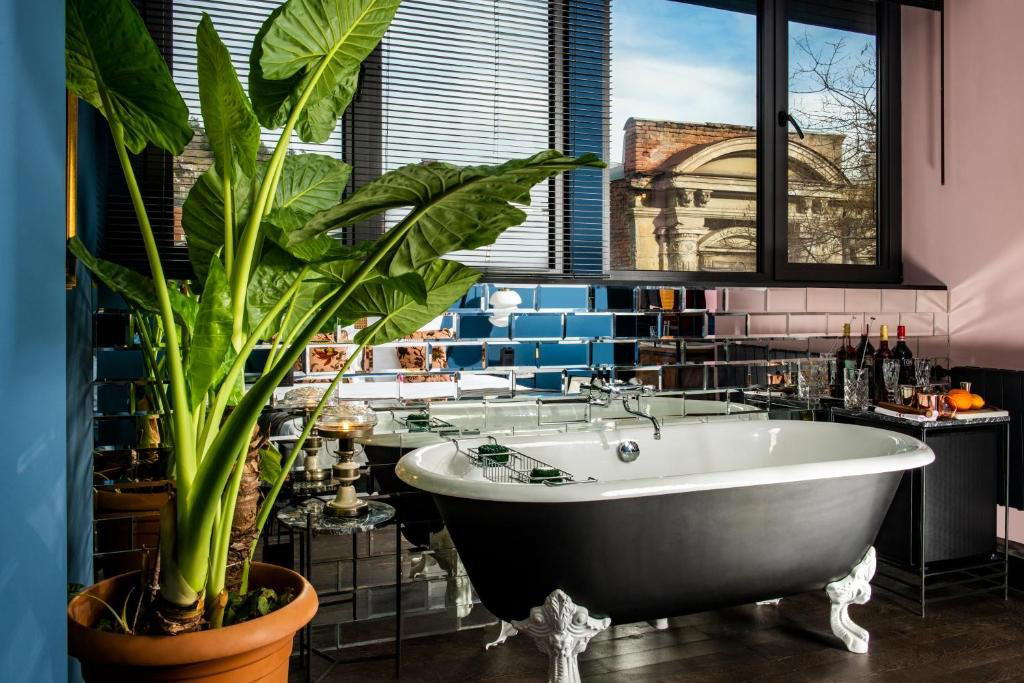
Where Sololaki's Architecture Becomes the Amenity
Tbilisi's Sololaki district is one of the few places in the South Caucasus where 19th-century European urban planning survived Soviet-era redevelopment largely intact. The neighbourhood's grid of ornate townhouses, wrought-iron balconies, and steeply pitched streets has made it the preferred address for a generation of design-led hotels that understand the building itself as the primary offering. Communal Sololaki Hotel, a 4-star hotel in Tbilisi at 6 Kojori Street, sits inside this pattern. In a city where hospitality has split decisively between international-chain formats along Rustaveli Avenue and character-driven independents in the old quarters, Sololaki properties occupy a distinct niche, smaller in scale, heavier on architectural context, and aimed at travellers who read the neighbourhood as part of the stay.
The broader shift in Tbilisi's hospitality market over the past decade is worth understanding before choosing where to base yourself. Properties like Stamba Hotel, which converted a Soviet-era printing house in the Vake-Saburtalo zone, and Rooms Hotel Tbilisi demonstrated that adaptive reuse of historically significant structures could command a premium in a market previously dominated by cookie-cutter international flags. Communal Sololaki Hotel operates within this same logic, where the inherited fabric of the building does work that no interior designer can replicate from scratch.
The Sololaki Address: What the Location Signals
Kojori Street sits in the lower Sololaki grid, within walking distance of the Narikala Fortress walls and the tight lanes of the old town that tourists photograph but rarely sleep inside. The location places guests at the intersection of Tbilisi's two dominant tourist circuits: the old Persian-influenced town below and the 19th-century European-planned city above. Few hotel addresses in Tbilisi manage both with equal proximity. For practical orientation, the Abanotubani sulphur bath district is reachable on foot, as are the riverside Metekhi area and the lower cable-car station for Narikala. The street widths and gradient make pedestrian movement the default mode.
Travellers comparing Sololaki options against the broader Tbilisi market should note the trade-offs clearly. Properties on Rustaveli Avenue, including The Biltmore Hotel Tbilisi and Paragraph Freedom Square, a Luxury Collection Hotel, offer the operational scale of international brands, uniform service standards, multiple F&B; outlets, and conference infrastructure. The Golden Tulip Design Tbilisi represents a mid-market design-conscious option at a different price point. Communal Sololaki positions itself outside all of these comparable venues by virtue of address and building type rather than amenity count.
Design Logic in a Historic Envelope
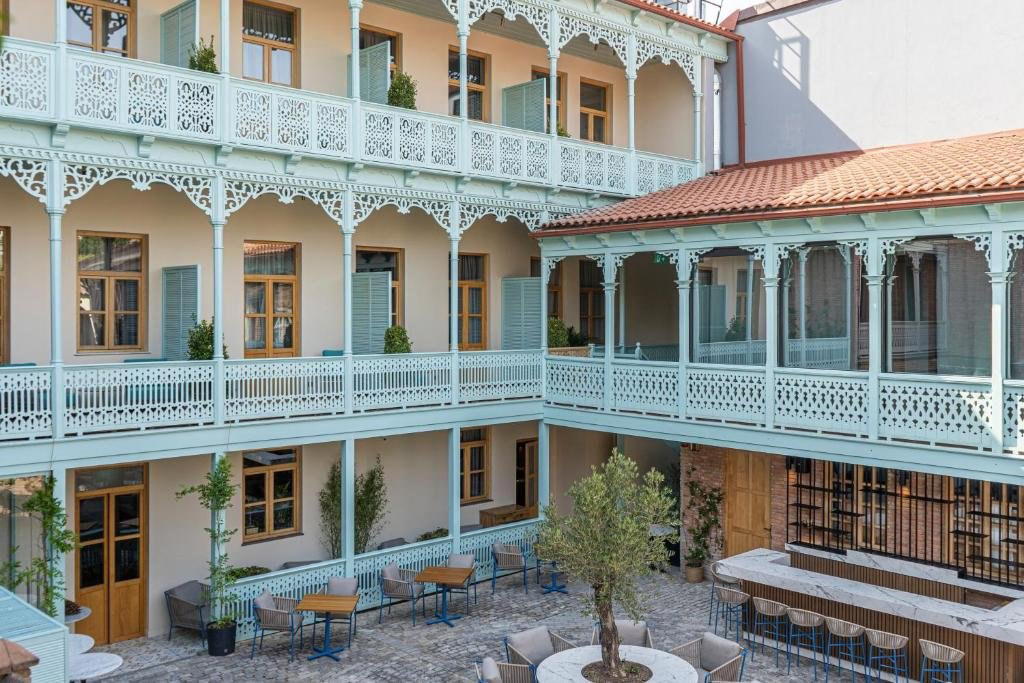
Sololaki's architecture dates primarily from the 1860s through to the early 1900s, when Tbilisi was a major administrative centre of the Russian Empire and attracted German, Armenian, and Russian merchant families who built to European bourgeois standards. The buildings that survive carry load-bearing masonry construction, high ceilings, deep-plan room arrangements, and facade ornamentation that no contemporary budget could replicate. Hotels that occupy these structures inherit spatial generosity, ceiling heights, window proportions, courtyard geometries, that newer builds cannot match.
This architectural inheritance is the reason Sololaki has become the preferred address for independent hospitality concepts in Tbilisi, in the same way that comparable historic quarters in other post-Soviet cities have attracted design-forward operators. The challenge for any such conversion is reading the existing fabric accurately: which elements to preserve, which to strip back, and where contemporary intervention adds rather than diminishes. Properties that get this balance right create spaces that feel specific to their city in a way that a purpose-built hotel rarely achieves. Fabrika Tbilisi, operating in a converted Soviet-era sewing factory, approached the same question from a different building typology with comparable intent.
Tbilisi's Independent Hotel Tier: Where Communal Fits
Georgia's capital has attracted sustained international attention since visa liberalisation made it accessible to a wider European traveller base, and the city's wine culture, rooted in the Kakheti region to the east, where properties like Vazisubani Estate and Tsinandali Estate, A Radisson Collection Hotel operate, has given the country a distinct identity in premium travel editorial. Tbilisi itself functions as the gateway, and the accommodation market reflects a city in active development: international chains arriving, design independents consolidating, and a tier of boutique properties in historic buildings claiming the attention of travellers who have already done Tbilisi once and want to go deeper the second time.
Communal Sololaki Hotel operates in this last segment. The name itself signals a communal-living or co-habitation concept that has gained traction in European city hospitality over the past decade, where shared spaces, flexible formats, and a deliberately social atmosphere distinguish properties from both traditional hotels and serviced apartments.
The Lopota Lake Resort & Spa in Napareuli and Mtserlebi Mountain Resort By Graz round out the country's resort-format options for those building a multi-night circuit.
Planning Your Stay
The hotel's address at 6 Kojori Street places it in the pedestrian-priority zone of lower Sololaki, which means taxis and rideshares drop at the edge of the immediate street network rather than directly at the door in some configurations. The property is well suited to travellers who want immediate immersion in the old-town corridor rather than the broader Vake or Vera neighbourhoods where some of Tbilisi's contemporary restaurant and bar scene has concentrated.
Quick Comparison
Comparable venues nearby, for context on price, style, and recognition.
| Venue | Cuisine | Price | Awards | Notes |
|---|---|---|---|---|
| Communal Sololaki HotelThis venue — the venue you are viewing | Restored 19th-century townhouse with communal spaces | $$$ | 4-Star | Not listed |
| Moxy Tbilisi | Modern lifestyle hotel brand targeting young, creative professionals and active travelers with a trendsetting concept. | $$ | 4-Star | Tbilisi |
| Mercure Tbilisi Old Town | Modern Western-style international hotel with eco-certified design and classic styling elements. | $$$ | 4-Star | Tbilisi |
| Tiflis Palace | Luxurious boutique in historic palace-inspired architecture | $$$$ | 4-Star | Tbilisi |
| Unfound Door - Design Hotel | Boutique design hotel in a restored 19th-century cultural monument. | $$$$ | 4-Star | Chugureti |
| Communal Hotel Plekhanovi | Historic townhouse with postmodern boutique design | $$$ | 4-Star | Tbilisi |
Recognition history
Dated appearances from independent guides and award organizations, with the underlying list record or original source where available.
Mr & Mrs Smith Smith Seal of Approval
Mr & Mrs Smith
Michelin Selected
Michelin
Continue exploring
More in Tbilisi
Hotels in Tbilisi
Browse all →
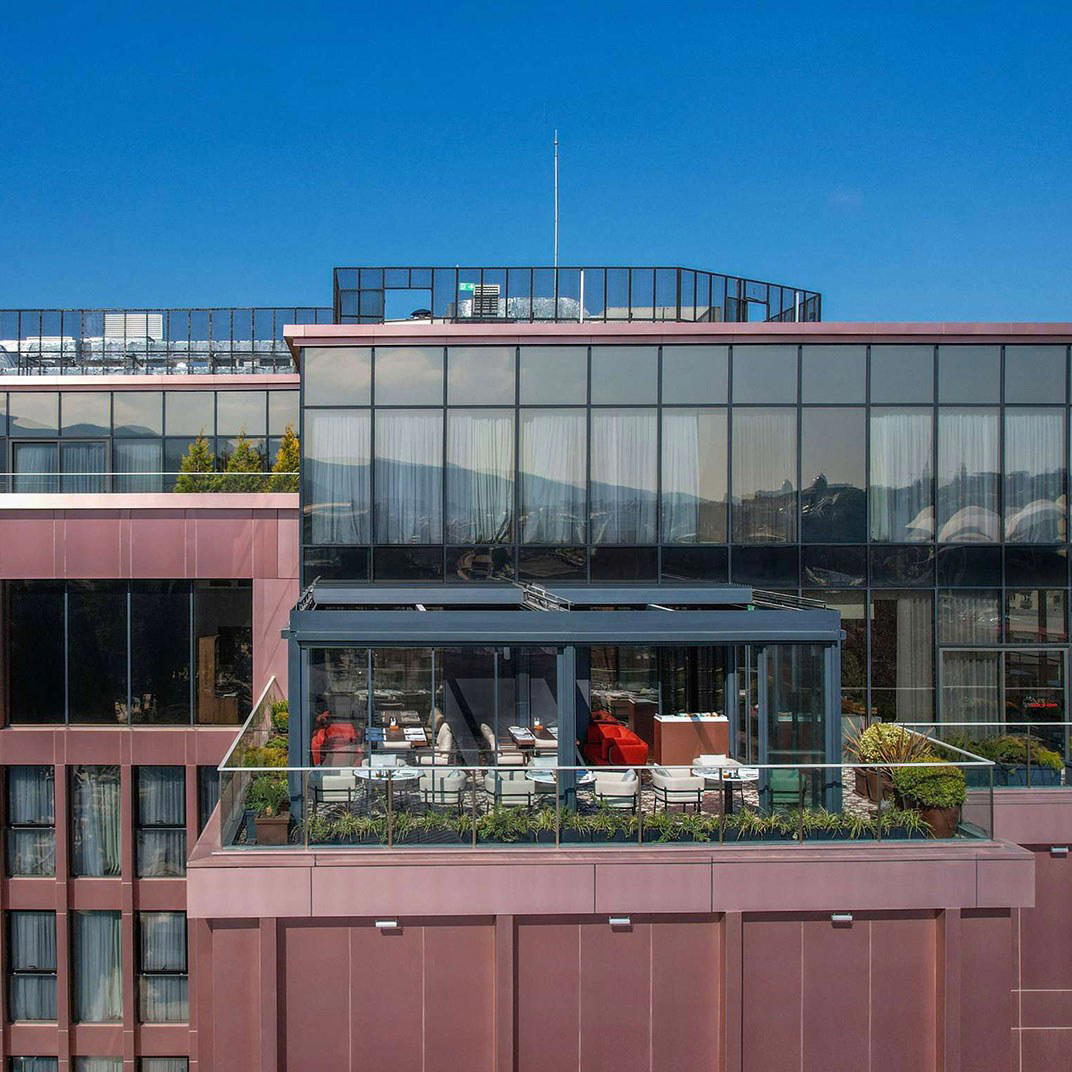
Bars in Tbilisi
Browse all →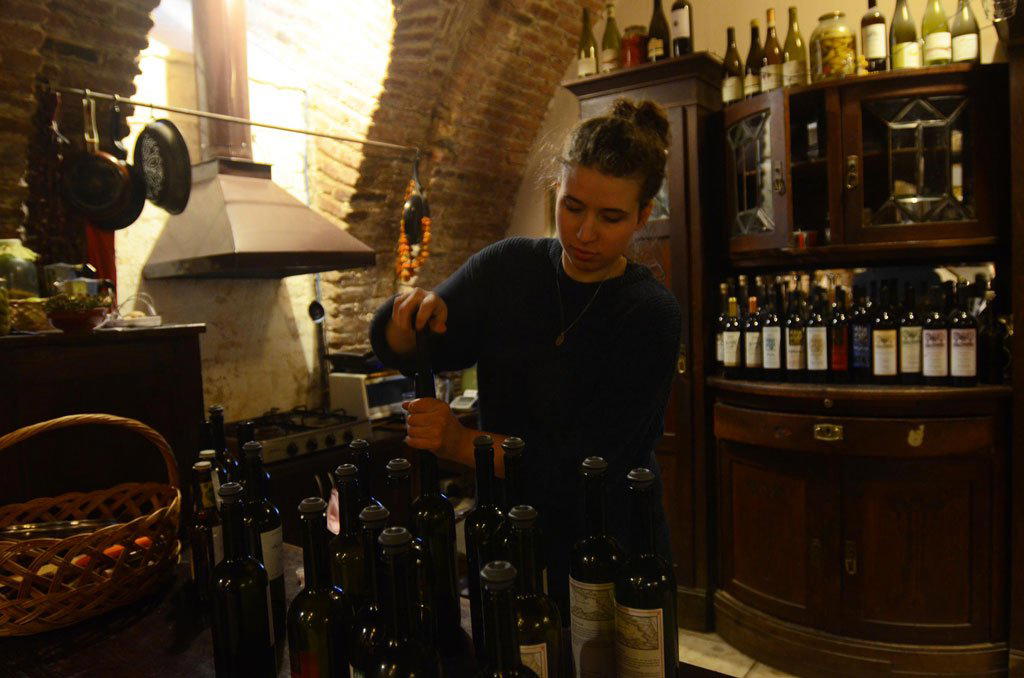
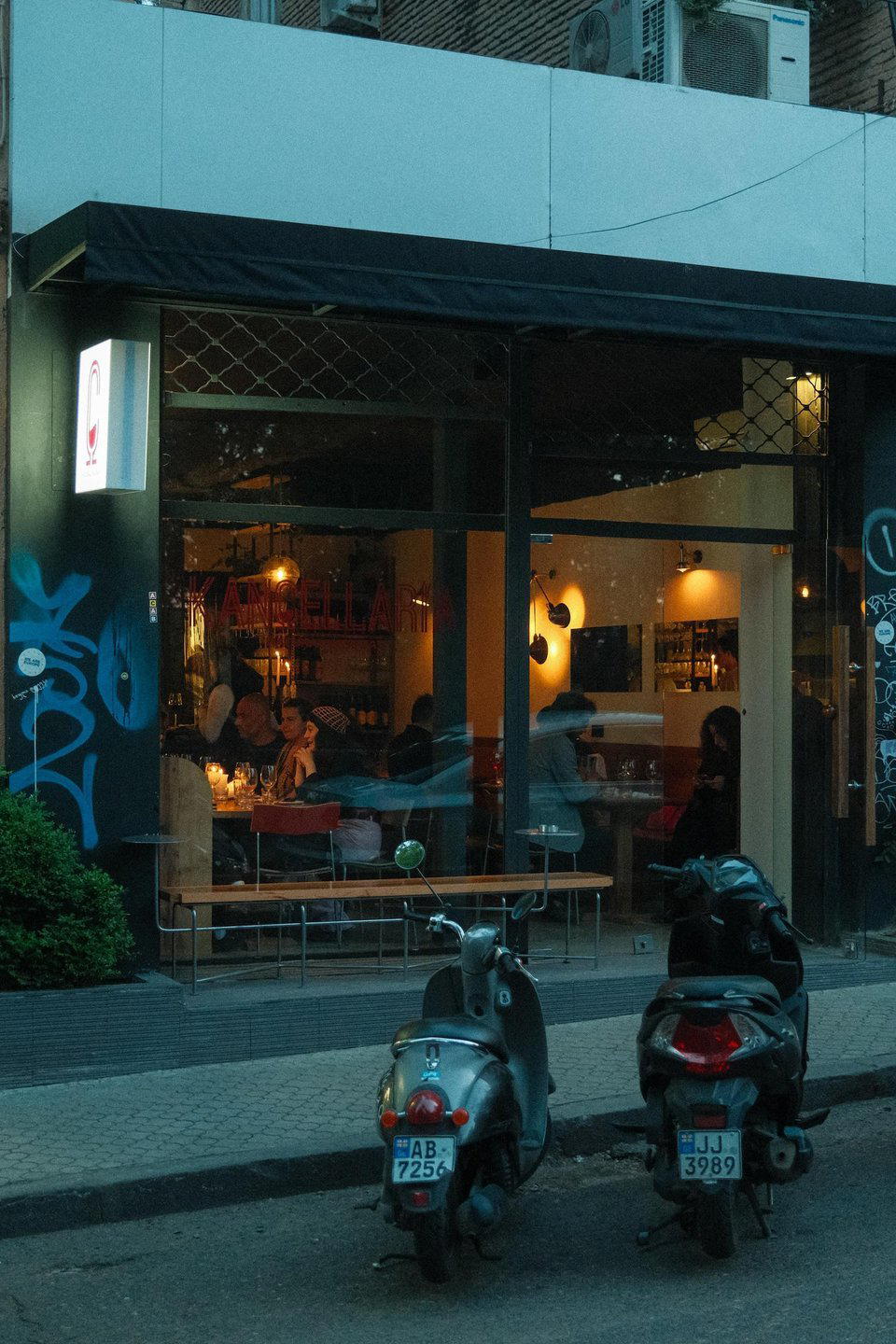
Restaurants in Tbilisi
Browse all →
Wineries in Tbilisi
Browse all →
At a Glance
- Cozy
- Trendy
- Bohemian
- Elegant
- Intimate
- Romantic Getaway
- Weekend Escape
- Terrace
- Historic Building
- Design Destination
- Wi Fi
- Air Conditioning
- Room Service
- Concierge
- Garden
- Wi Fi
- Air Conditioning
- Room Service
- Concierge
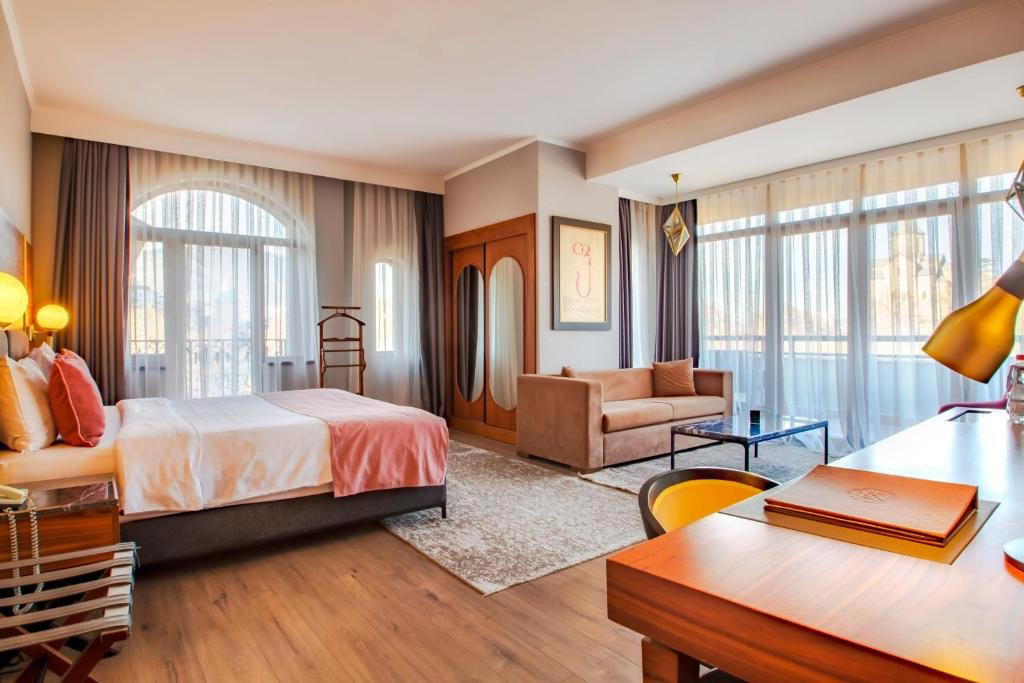
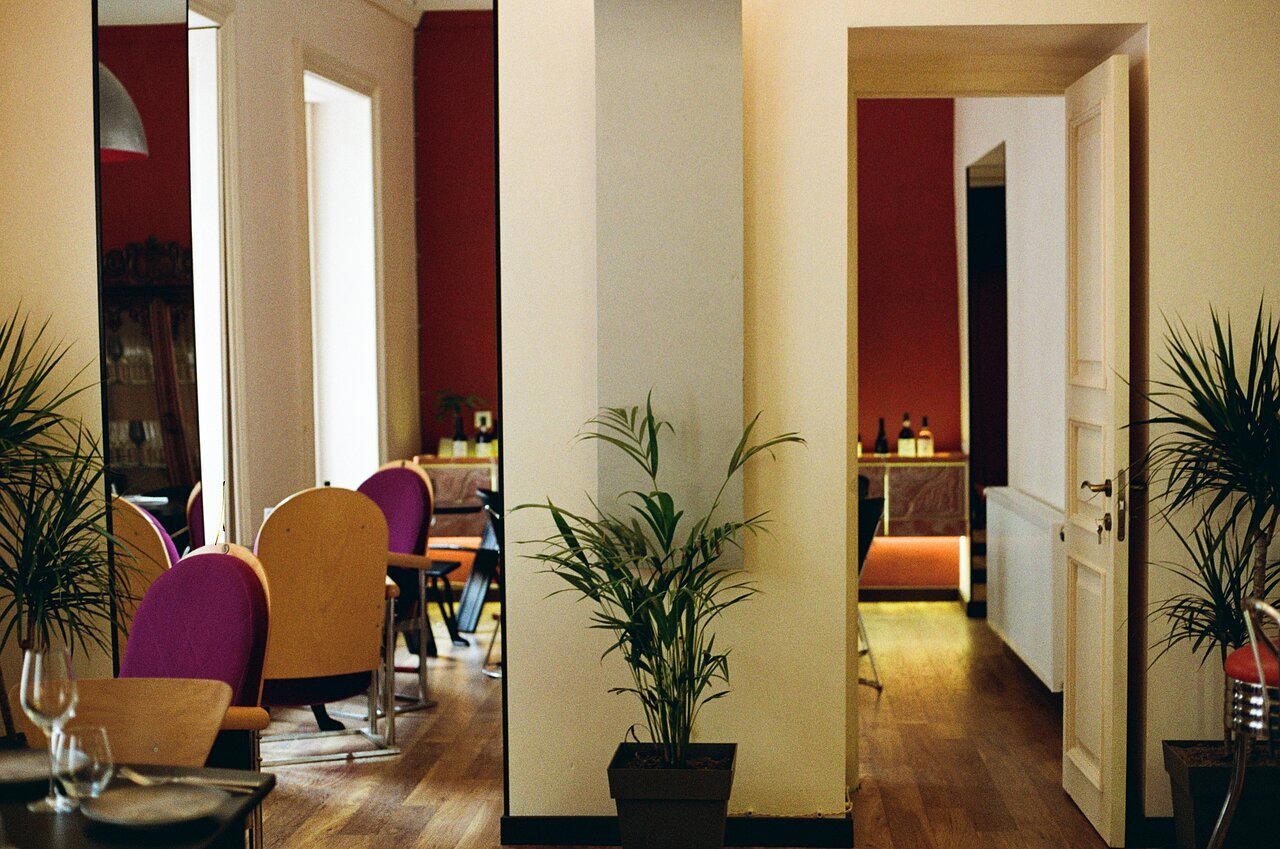
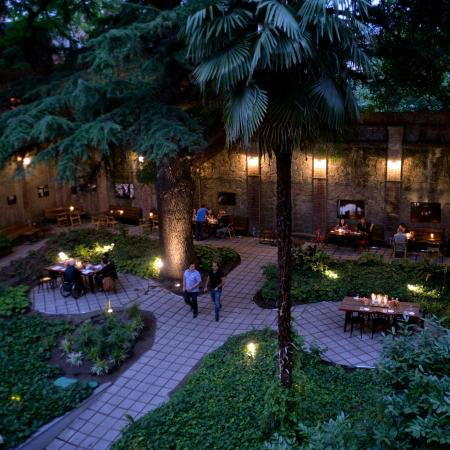
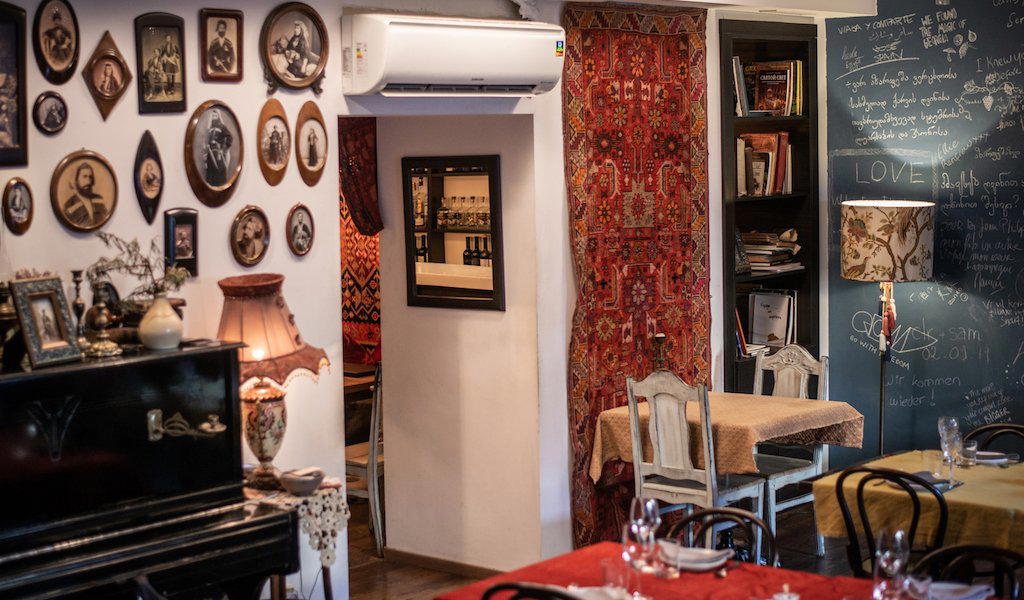
Richly eclectic with saturated jewel tones, 20th-century furniture blending Art Nouveau, Art Deco, and mid-century modern, creating a retro yet cosy atmosphere.