Feu 新新地 occupies the second floor of a low-profile building in Osaka's Kita Ward, bringing fire-led cooking to one of the city's quieter pockets of the Sonezaki Shinchi district. The address places it inside a neighbourhood known for understated restaurants that reward attention over spectacle. Details on format and pricing remain sparse, making direct contact a reliable first step for planning.
Pearl is the En Primeur Club membership app — saves, bookings, and concierge access live there. Same editors, same standards.
- Address
- Japan, ã530-0002 Osaka, Kita Ward, æ½æ ¹å´æ°å°1-7-4 YAMANA K2ãã« 2é
- Phone
- +81663426780
- Website
- kitashinchi-feu.com
- Directions
- Get directions
 Saves & bookings on Pearl
Fire and Provenance in Kita Ward
Osaka's Kita Ward contains two distinct dining registers. The first is the broad, high-visibility corridor of Umeda, where department-store restaurant floors and chain izakayas absorb the volume of commuters and tourists. The second is a quieter tier: low-signage addresses in the streets around Sonezaki Shinchi, where restaurants occupy upper floors of modest buildings and rely on word-of-mouth rather than foot traffic. Feu 北新地 is a restaurant in Osaka's Kita Ward, located on the second floor of the YAMANA K2 building at 1-7-4 Sonezakishinchi. The address alone signals where this fits within the neighbourhood's dining hierarchy.
The name Feu, French for fire, positions the kitchen inside a culinary conversation that has been running across Japan's fine-dining tier for the better part of a decade. Wood-fire and open-flame techniques, once associated almost exclusively with South American asado traditions or Basque-influenced European kitchens, have moved steadily into the repertoire of serious Japanese restaurants. Chefs in Osaka, Tokyo, and Kyoto have increasingly turned to fire not as spectacle but as a sourcing argument: the quality of the fuel, the origin of the charcoal, and the specific wood varieties used become as much a part of the dish's provenance as the protein or vegetable at its centre. In that framing, flame is an ingredient.
Sourcing as the Central Argument
Restaurants that place fire at the front of their identity tend to place ingredient sourcing at the same level of emphasis. The logic is direct: high-heat, minimal-intervention cooking does little to disguise raw material quality. A charcoal-fired piece of fish or a wood-roasted vegetable has nowhere to hide. This makes sourcing decisions more visible and more consequential than in kitchens where sauces, cures, or extended preparation cycles can compensate for variation in primary ingredients.
Kita Ward's position in Osaka gives restaurants like Feu 新新地 practical advantages in this regard. Osaka's wholesale markets remain among the more active in western Japan, with Osaka Central Wholesale Market in Noda handling significant volumes of seafood and produce that flow through to restaurant kitchens across the city. The city's geography, positioned between the Seto Inland Sea to the southwest and the mountainous inland prefectures to the north and east, means that both coastal and mountain-sourced ingredients arrive within practical supply chains. Kitchens in the Kita Ward area that prioritise direct supplier relationships can draw on that full range.
This is the context in which fire-led restaurants in Osaka operate, and it shapes what the name Feu implies about the kitchen's approach. When fire is your primary technique, the supplier list becomes the primary document of quality. Comparable operations elsewhere in Japan, from HAJIME in Osaka to Gion Sasaki in Kyoto, treat ingredient provenance as explicit editorial content, something communicated to the guest, not held back in the kitchen. That pattern is increasingly the standard in Osaka's serious restaurant tier.
Sonezaki Shinchi as a Restaurant District
Sonezaki Shinchi has a layered history as an entertainment and dining district. Its origins as a traditional hanamachi district, an area associated with geisha culture and high-end hospitality, have left an architectural and cultural residue that shapes how restaurants here position themselves. Upper-floor addresses, discreet entrances, and formats built around repeat rather than first-time visitors are characteristics of the district rather than individual eccentricities. Feu 新新地's second-floor location in a commercial building follows a neighbourhood logic that diners familiar with this part of Osaka will recognise immediately.
The comparison within Osaka's wider restaurant map is instructive. Addresses like Ajihei Sonezaki and Ajikitcho Bunbuan occupy similar spatial logic in the city: non-obvious addresses that require a degree of intent from the diner. Aka to Shiro, Az, and Calendrier represent a further cluster of Osaka addresses where format and location work together to define the experience before a dish is served. Feu 新新地 fits within this broader pattern of intentional obscurity as a quality signal.
Japan's Wider Fire-Cooking Moment
The fire-cooking approach that Feu 新新地's name signals is not Osaka-specific. Across Japan's restaurant tier, wood and charcoal cooking has moved from peripheral technique to central identity. Harutaka in Tokyo and Goh in Fukuoka both represent serious kitchens where technique and sourcing are argued together rather than separately. The pattern extends into regional addresses: Abon in Ashiya, akordu in Nara, affetto akita in Akita, Aji Arai in Oita, Ajidocoro in Yubari District, and Akakichi in Imabari each reflect, in different regional registers, the same broad turn toward primary-technique cooking where ingredient quality cannot be obscured.
Internationally, the conversation is equally active. Le Bernardin in New York City and Lazy Bear in San Francisco both operate within frameworks where technique transparency and sourcing specificity are central to the guest proposition. The particulars differ from the Japanese context, but the underlying argument, that fewer interventions require better materials, translates across traditions.
Planning Your Visit
Feu 新新地 is located at 1-7-4 Sonezakishinchi, Kita Ward, Osaka, on the second floor of the YAMANA K2 building. The Sonezaki Shinchi district sits within easy reach of Umeda and Namba stations, making access from central Osaka direct. Reservations are essential, and the restaurant opens daily from 6 to 11 PM.
Accolades, Compared
Comparable venues nearby, for context on price, style, and recognition.
Continue exploring
More in Osaka
Restaurants in Osaka
Browse all →

Bars in Osaka
Browse all →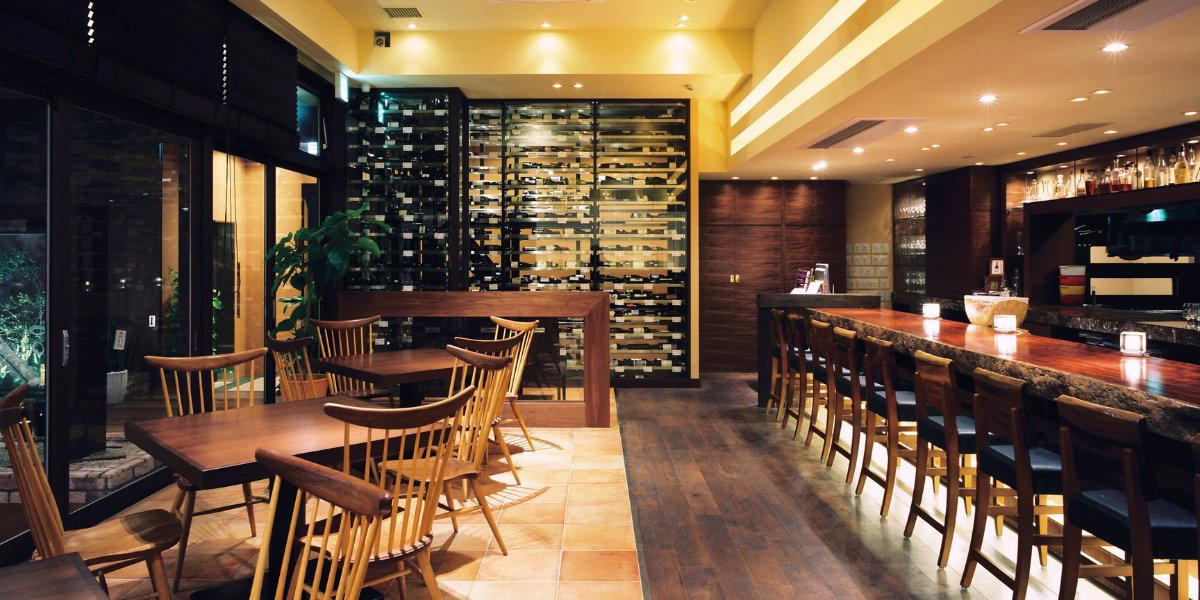
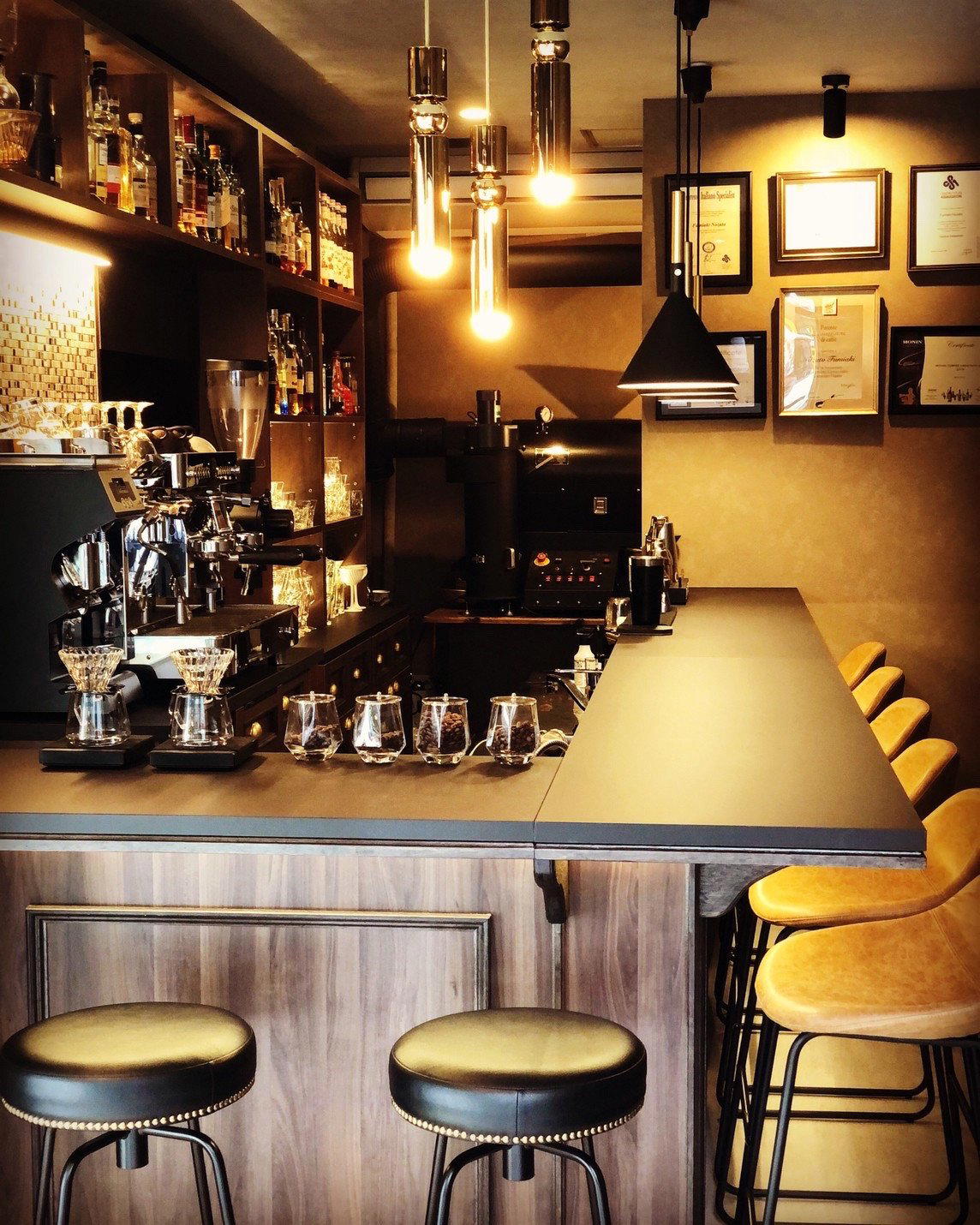
Hotels in Osaka
Browse all →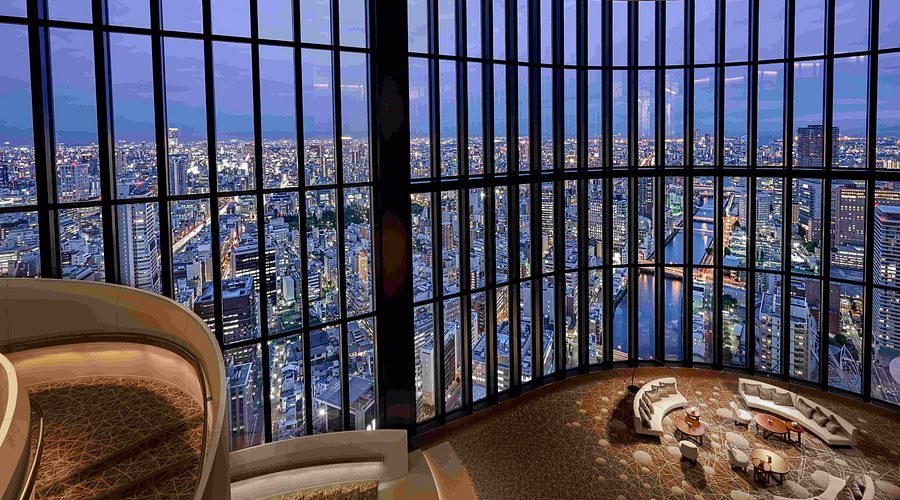



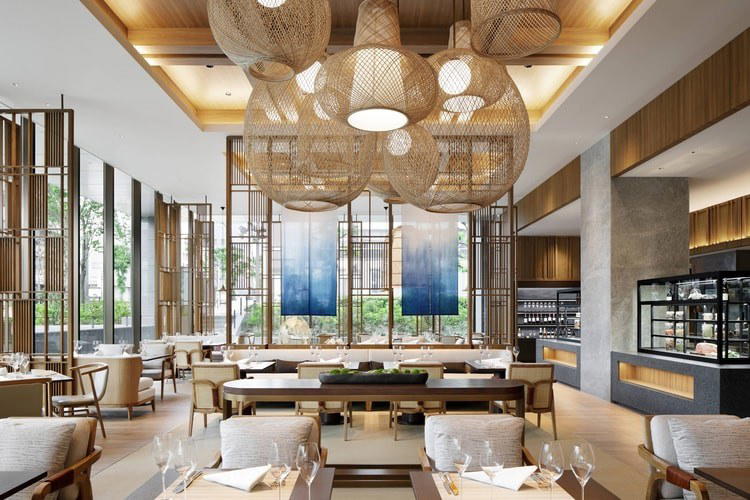
Wineries in Osaka
Browse all →
At a Glance
- Special Occasion
- Chefs Counter
- Sake Program
Current opening hours
- Monday
- 6–11 PM
- Tuesday
- 6–11 PM
- Wednesday
- 6–11 PM
- Thursday
- 6–11 PM
- Friday
- 6–11 PM
- Saturday
- 6–11 PM
- Sunday
- 6–11 PM
Hours can change for holidays and private events. Last verified .