




1 Michelin Star · Gambero Rosso 2 Forchette · We're Smart World 4 Radishes
Our verdict
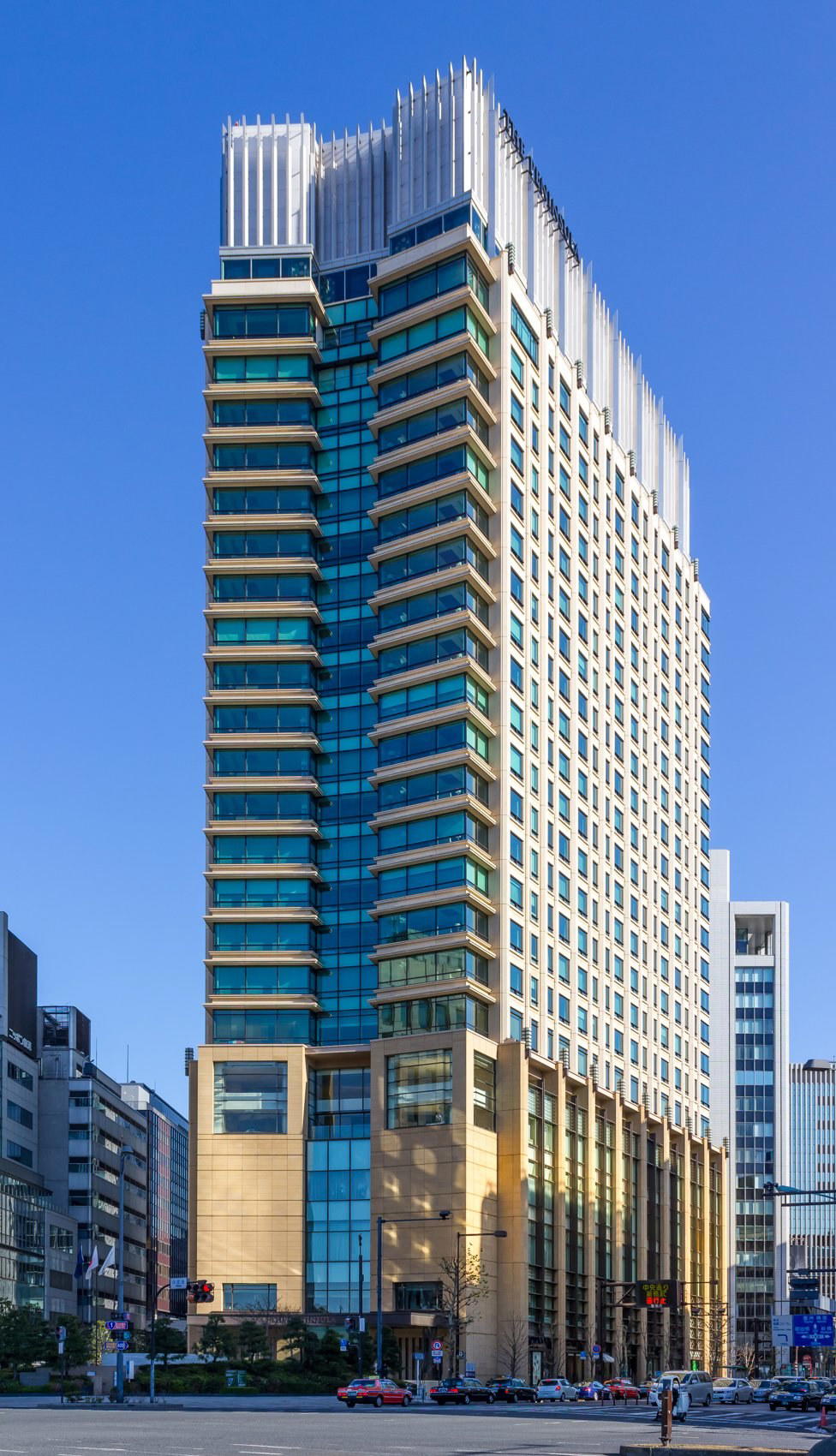
Occupying the tenth floor of the Shiseido Ginza Building, FARO brings Italian structure to Japanese agricultural produce, with a vegetable-forward program that includes a dedicated gourmet vegan menu. Chef Kotaro Noda sources directly from provincial farms across Japan, translating seasonal harvests into a format that sits at the intersection of European technique and Japanese terroir. Opinionated About Dining has ranked it among Japan's top restaurants consistently since 2023.

Pearl is the En Primeur Club membership app — saves, bookings, and concierge access live there. Same editors, same standards.
- Address
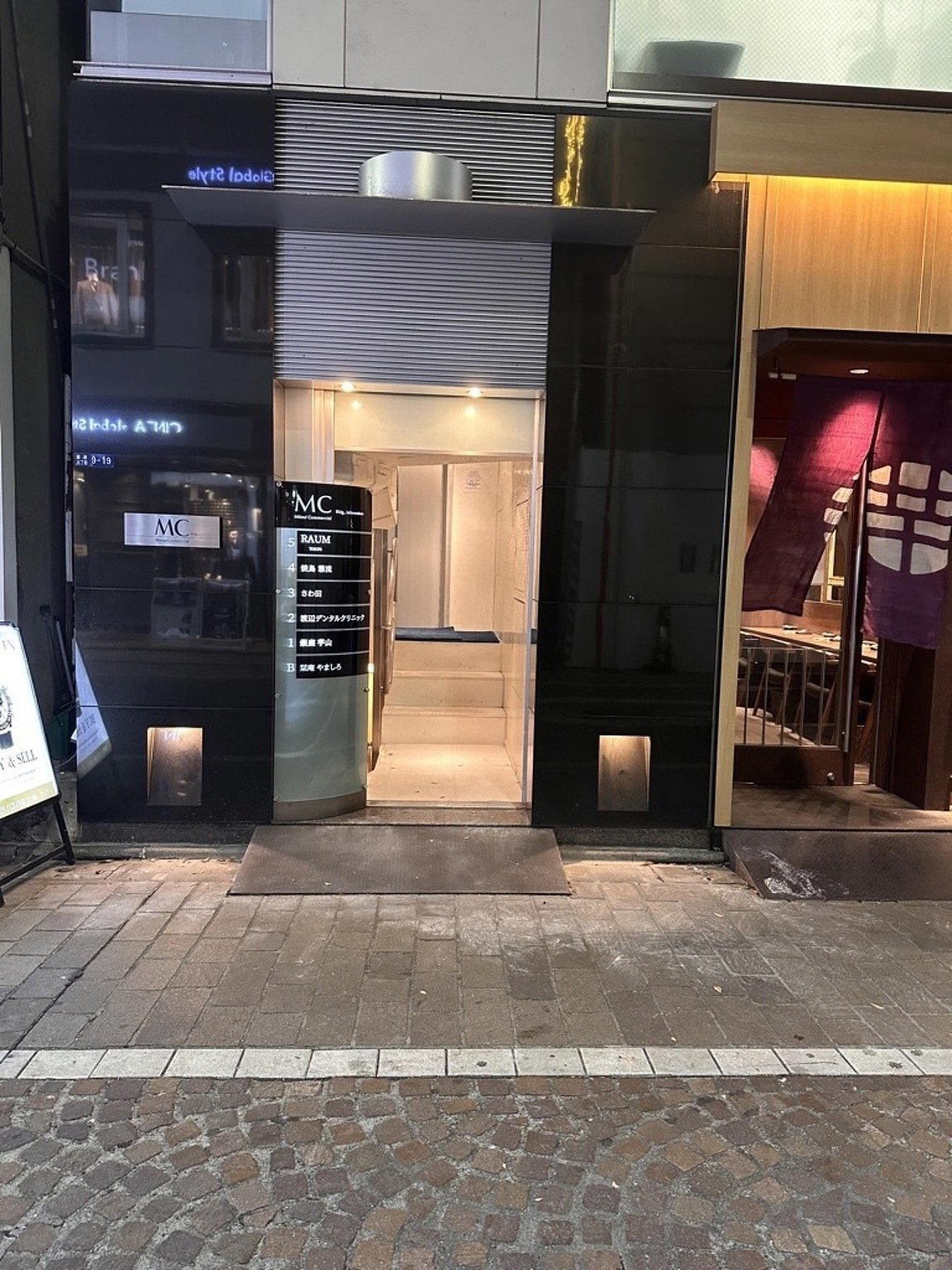
- Japan, 〒104-0061 Tokyo, Chuo City, Ginza, 8 Chome−8−3 資生堂銀座ビル 10 階
- Phone
- +81 3-3572-3911
- Hours
- Mon ClosedTue 6–10 PMWed–Sat 12–3 PM, 6–10 PMSun Closed
- Website
- faro.shiseido.co.jp
- Directions
- Get directions
- Booking
- Book on TableCheck
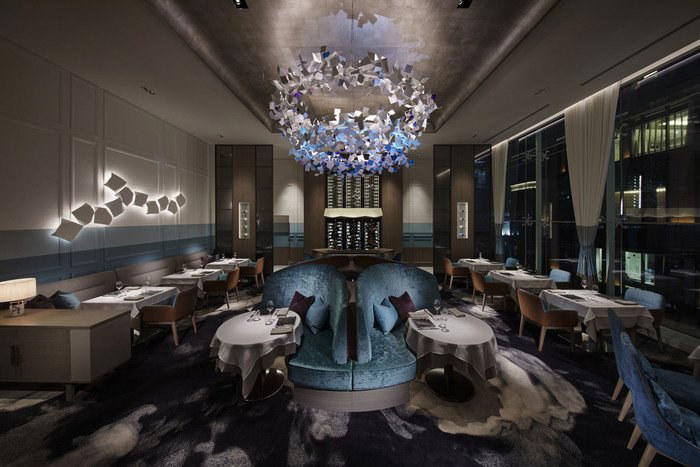
Where Italian Technique Meets Japan's Agricultural Depth
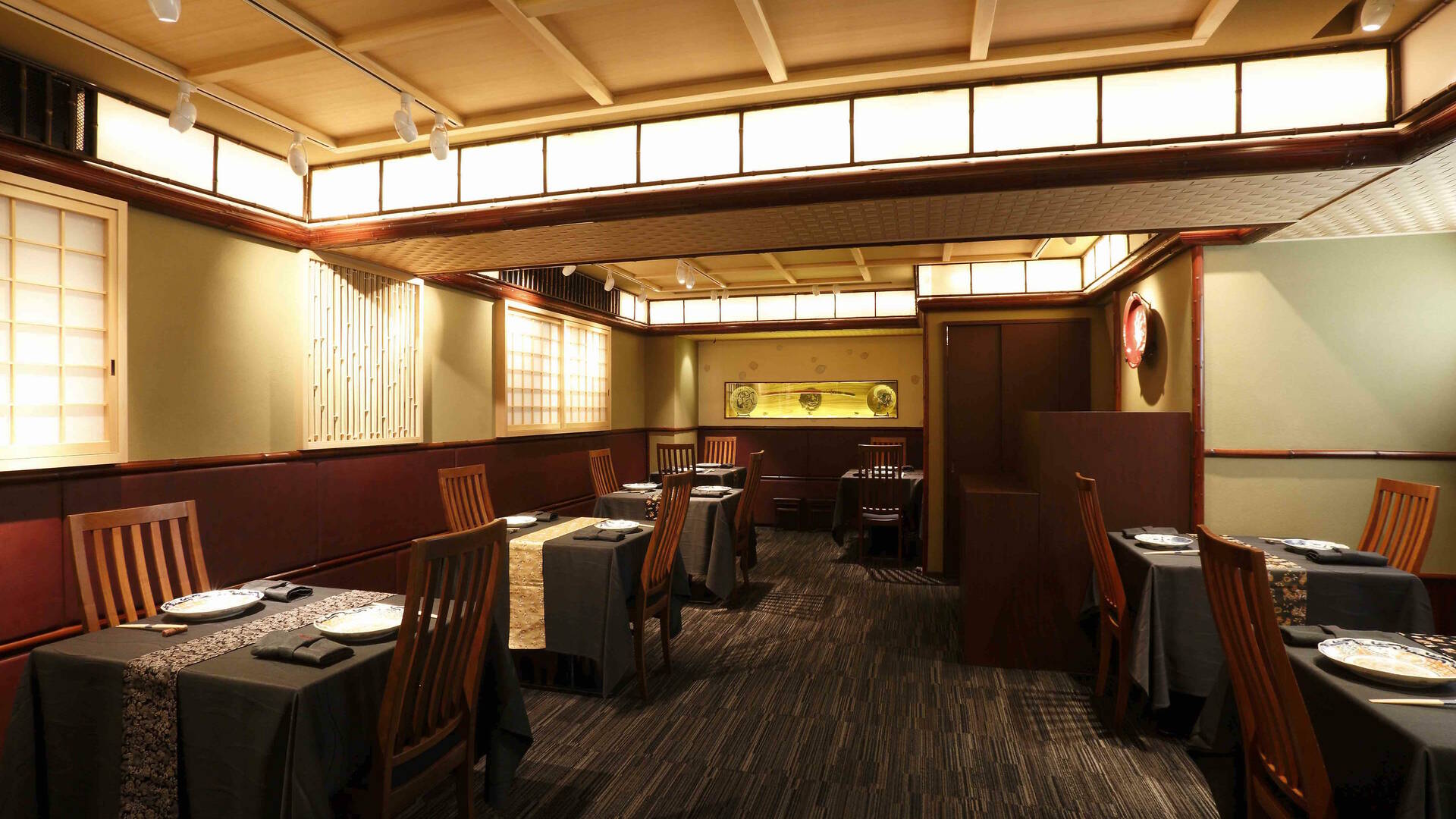
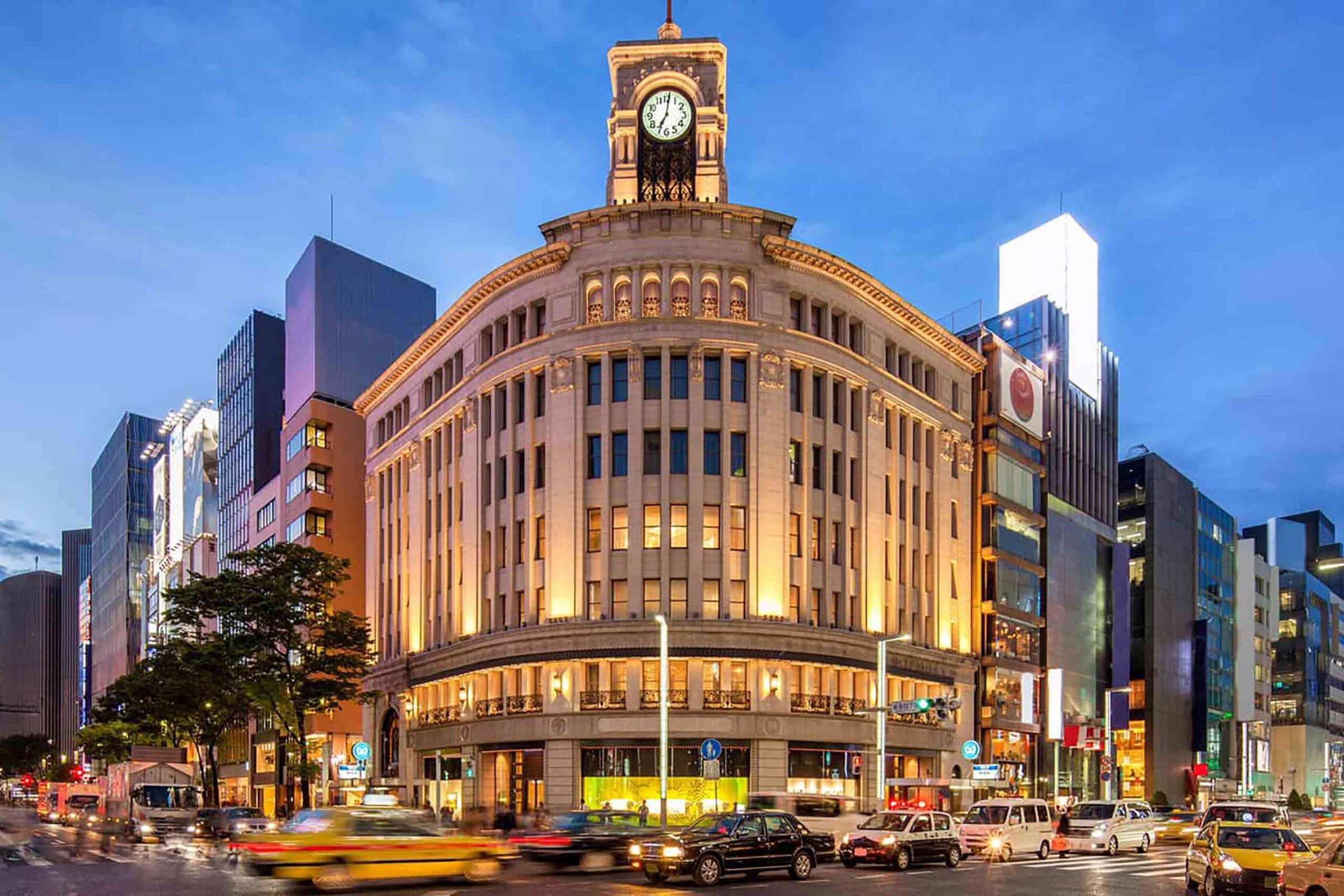
The tenth floor of the Shiseido Ginza Building sits above one of Tokyo's most commercially saturated stretches, yet the view from FARO's dining room — over Ginza's rooflines toward the broader city — establishes a remove from the street-level noise that shapes the meal before a single dish arrives. This is Italian dining in one of the world's most ingredient-literate cities, and the tension between those two facts is the whole point.
Italian cuisine landed in Tokyo decades ago and has since split into distinct tiers. At one end, precise replications of regional Italian cooking serve a clientele that treats authenticity as the primary value. At the other, a smaller cohort of restaurants treats Italian structure as a framework, the pasta, the progression, the emphasis on fat and acid as flavor carriers, while sourcing almost entirely from Japan's farming regions. FARO belongs clearly to the second group, and operates at a price point (¥¥¥) that positions it below the ¥¥¥¥ tier occupied by kaiseki houses like RyuGin or French rooms like L'Effervescence, while still reading as a considered special-occasion destination rather than a casual Italian trattoria.
The Farm-to-Table Argument, Made Seriously
The sourcing model here is not incidental branding. The kitchen works through direct relationships with farms across Japan, with the chef team travelling to those producers rather than waiting for deliveries to arrive. This kind of farm engagement is more common in kaiseki and contemporary Japanese cooking, where seasonal produce has always carried menu-level significance. That FARO applies the same methodology inside an Italian framework places it in a small peer group of restaurants reconsidering what Italian cooking means when the supply chain is entirely Japanese.
The Primavera menu, built around vegetables, fruit, and herbs, reflects this logic across the full progression. The gourmet vegan offering takes the argument further, removing fish and dairy as structural crutches and asking Italian technique to carry the meal on plant material alone. In a city where vegan fine dining remains a niche within a niche, that commitment is a meaningful differentiator. The We're Smart Green Guide, which evaluates restaurants on their vegetable-forward credentials, has recognised FARO in its listings, a signal that the plant-forward positioning holds up to specialist scrutiny, not just general praise.
Dessert program extends the philosophy into territory that most European-technique restaurants leave underdeveloped in Japan. Crafted around the herbs of Japan's rural regions, including a flower tart that references the culture of the provincial hills, the desserts act as a form of geographic argument: the possibilities of Japan's village farming presented through the grammar of Italian pastry. Whether or not every element of that argument lands depends on the season and the current harvest, but the structural intention is clear and consistent.
FARO in the Context of Tokyo's Italian Scene
Tokyo's Italian restaurant tier has enough depth that meaningful comparisons are possible. Aroma Fresca and PRISMA represent the more classically Italian end of the upper-mid tier, with European-trained kitchens and sourcing that skews toward imported product. Gucci Osteria da Massimo Bottura Tokyo brings a high-profile Italian brand into the Tokyo market with its own sourcing logic. Principio and AlCeppo occupy different positions within the broader scene. FARO's distinction within that set is not primarily about technique or pedigree, it is about the decision to make Japanese agriculture the explicit subject of Italian cooking, including the choice to center vegetables as the main event rather than a supporting register.
That positioning resonates beyond Tokyo. cenci in Kyoto operates a comparable Italian-Japanese synthesis in a different register, drawing on Kyoto's particular agricultural character. The comparison is instructive: both restaurants use Italian form to express Japanese place, but the cities they operate in produce different flavors of that conversation. The contrast between Ginza's urban remove and Kyoto's more grounded relationship to its surrounding farmland shows up in the tone of the cooking at each address.
Beyond Japan, 8 1/2 Otto e Mezzo Bombana in Hong Kong represents a different answer to the question of Italian fine dining in Asia, one that leans into European sourcing and classical luxury rather than local-produce synthesis. The comparison illustrates how different the strategic choices are across the Asian Italian fine-dining tier.
Recognition and Where It Places FARO
Opinionated About Dining, which aggregates critic and connoisseur evaluations into restaurant rankings, placed FARO at number 388 in Japan in 2024, rising from a Highly Recommended designation in 2023. The 2025 ranking shows a movement to 447, a shift that reflects the relative density of competition in Japan's restaurant scene rather than any categorical diminishment of the kitchen's output. Chef Kotaro Noda received a nomination for Leading Vegetables Restaurant Discovery of the Year in Japan 2021 through the We're Smart Green Guide recognition process, which further anchors the vegetable-first positioning within a specialist evaluative framework.
For readers tracking the broader Japanese restaurant scene, the range of what serious cooking looks like across the country is illustrated by restaurants like HAJIME in Osaka, Gion Sasaki in Kyoto, akordu in Nara, Goh in Fukuoka, 1000 in Yokohama, and 6 in Okinawa. Each sits in a different regional context with different sourcing realities; understanding the differences between them sharpens the reading of what FARO is doing in Ginza specifically.
Planning Your Visit
FARO sits on the tenth floor of the Shiseido Ginza Building at 8-8-3 Ginza, Chuo-ku, Tokyo. The Ginza address means it is within walking distance of Ginza Station on multiple lines. For context on how FARO's logistics compare to peer venues in its tier:
| Venue | Cuisine | Price Tier | Location |
|---|---|---|---|
| FARO | Italian (vegetable-forward) | ¥¥¥ | Ginza, 10F Shiseido Building |
| Aroma Fresca | Italian | ¥¥¥ | Ginza |
| PRISMA | Italian | ¥¥¥ | Tokyo |
| Gucci Osteria Tokyo | Italian | ¥¥¥¥ | Tokyo |
Explore the full range of Tokyo dining, drinking, and hospitality through our full Tokyo restaurants guide, our full Tokyo hotels guide, our full Tokyo bars guide, our full Tokyo wineries guide, and our full Tokyo experiences guide.
Frequently asked questions
How much does it cost to eat at FARO?
Pricing at FARO is listed as ¥¥¥.
What are the opening hours for FARO?
Hours at FARO: Location.
What's FARO's location?
FARO is located at Japan, 〒104-0061 Tokyo, Chuo City, Ginza, 8 Chome−8−3 資生堂銀座ビル 10 階, Tokyo.
Reputation Context
| Venue | Cuisine | Price | Awards | Notes |
|---|---|---|---|---|
| FAROThis venue — the venue you are viewing | Modern Italian with Japanese Influences | $100–150 | 1 Michelin Star · Gambero Rosso 2 Forchette | Not listed |
| Harutaka | Edo-Style Omakase Sushi | $200–300 | 3 Michelin Stars · World's 50 Best #76 | Sushi |
| RyuGin | Modern Kaiseki | $500+ | 3 Michelin Stars · World's 50 Best #41 | Kaiseki, Japanese |
| L'Effervescence | Modern French with Japanese Influences | $200–300 | 3 Michelin Stars · World's 50 Best #69 | French |
| HOMMAGE | Modern French with Japanese Influences | $150–200 | 2 Michelin Stars · World's 50 Best #78 | Innovtive French, French |
| MAZ | Innovative Peruvian-Japanese Fusion | $150–200 | 2 Michelin Stars · World's 50 Best #28 | Innovative |
Recognition history
Dated appearances from independent guides and award organizations, with the underlying list record or original source where available.
Michelin 1 Star
Michelin
Gambero Rosso 2 Forchette
Gambero Rosso
Opinionated About Dining Top Restaurants in Japan Recommended
Opinionated About Dining
Tabelog 100 #99 · No. 99
Tabelog · Tabelog 100 - Italian - TOKYO - 2025
We're Smart World 4 Radishes
We're Smart World
Full recognition history (9 entries)
Opinionated About Dining Top Restaurants in Japan Ranked #447
Opinionated About Dining
Michelin 1 Star
Michelin
Opinionated About Dining Top Restaurants in Japan Ranked #388
Opinionated About Dining
Opinionated About Dining Top Restaurants in Japan Highly Recommended
Opinionated About Dining
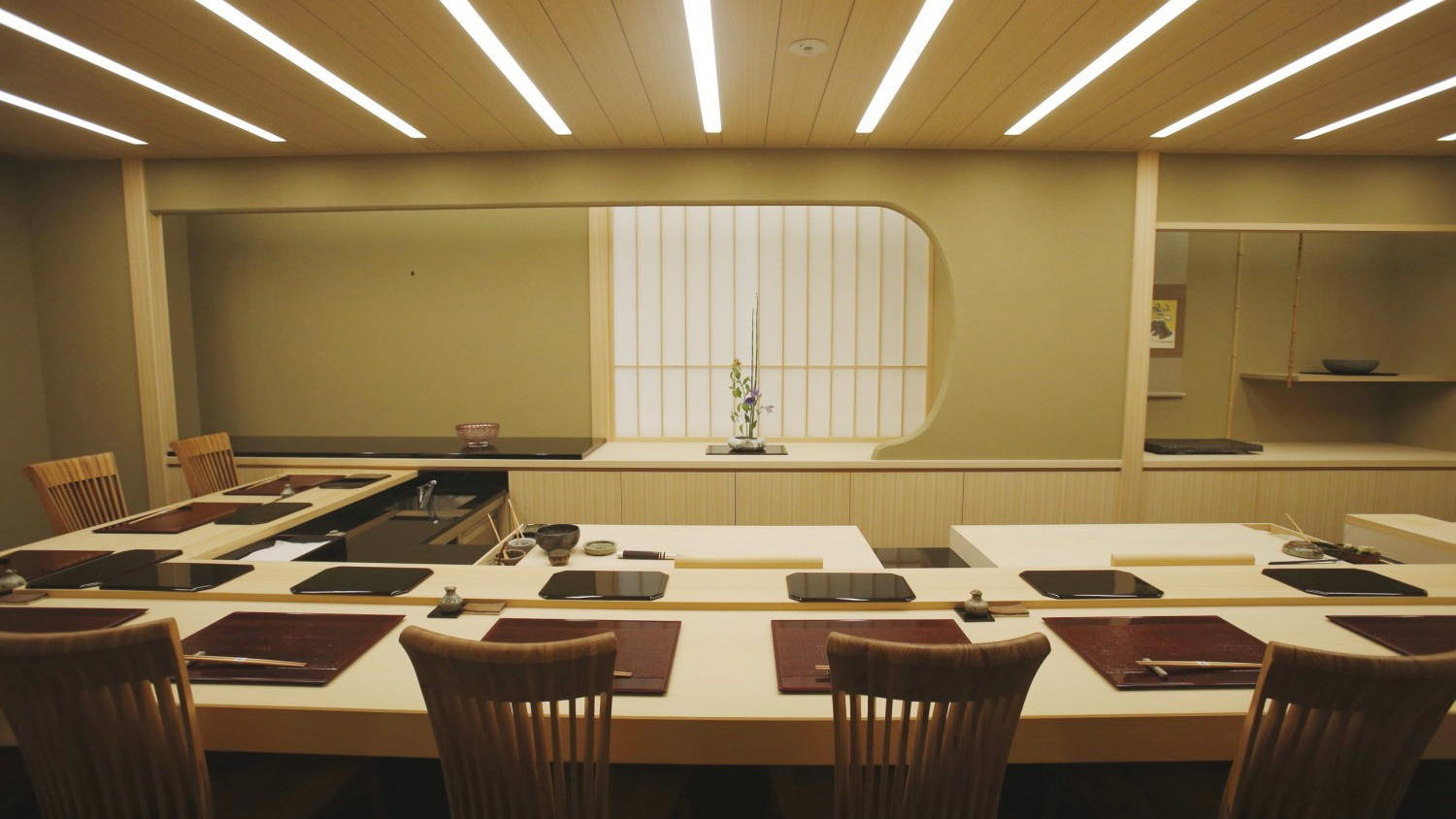
FARO
The wine
- Wine program
- Curated wine list
- Extensive wine list
- Sake program
Details
- Elegant
- Sophisticated
- Intimate
- Modern
- Date Night
- Special Occasion
- Celebration
- Open Kitchen
- Extensive Wine List
- Sake Program
- Local Sourcing
- Organic
- Street Scene
- Tasting Menu
- Set Menu
- Sake Program
- Wine Pairing
- Vegetarian Friendly
- Vegan Options
Current opening hours
- Monday
- Closed
- Tuesday
- 6–10 PM
- Wednesday
- 12–3 PM, 6–10 PM
- Thursday
- 12–3 PM, 6–10 PM
- Friday
- 12–3 PM, 6–10 PM
- Saturday
- 12–3 PM, 6–10 PM
- Sunday
- Closed
Hours can change for holidays and private events. Last verified .
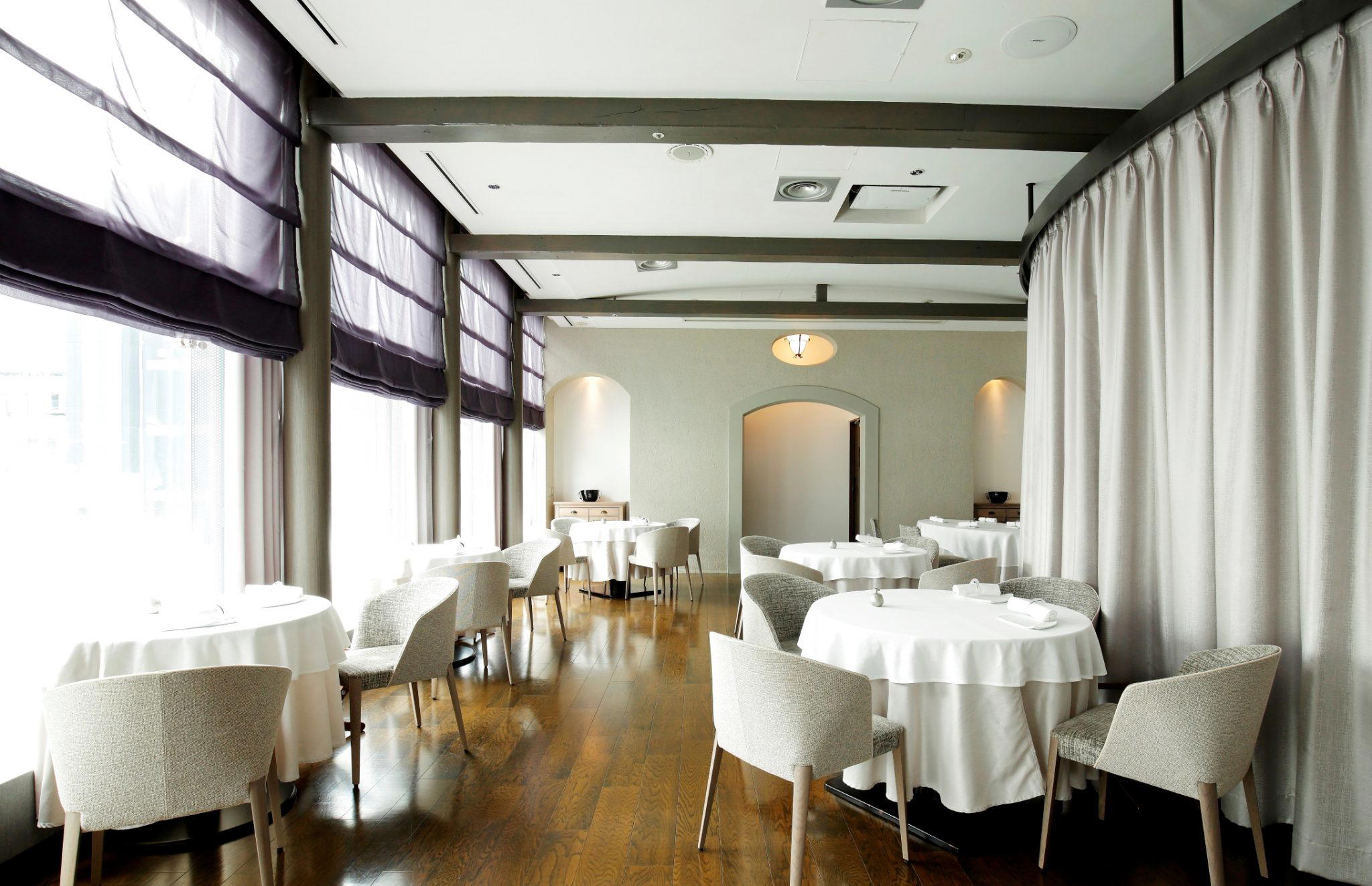
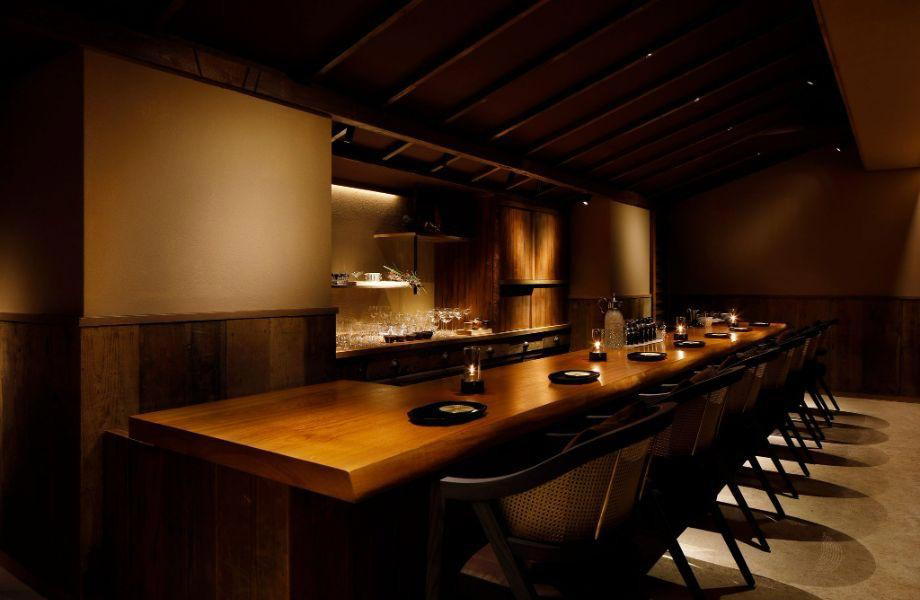
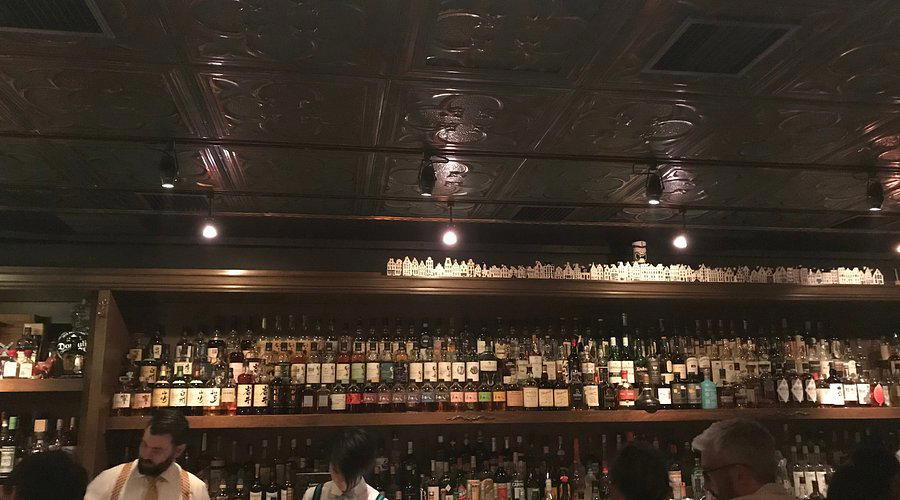
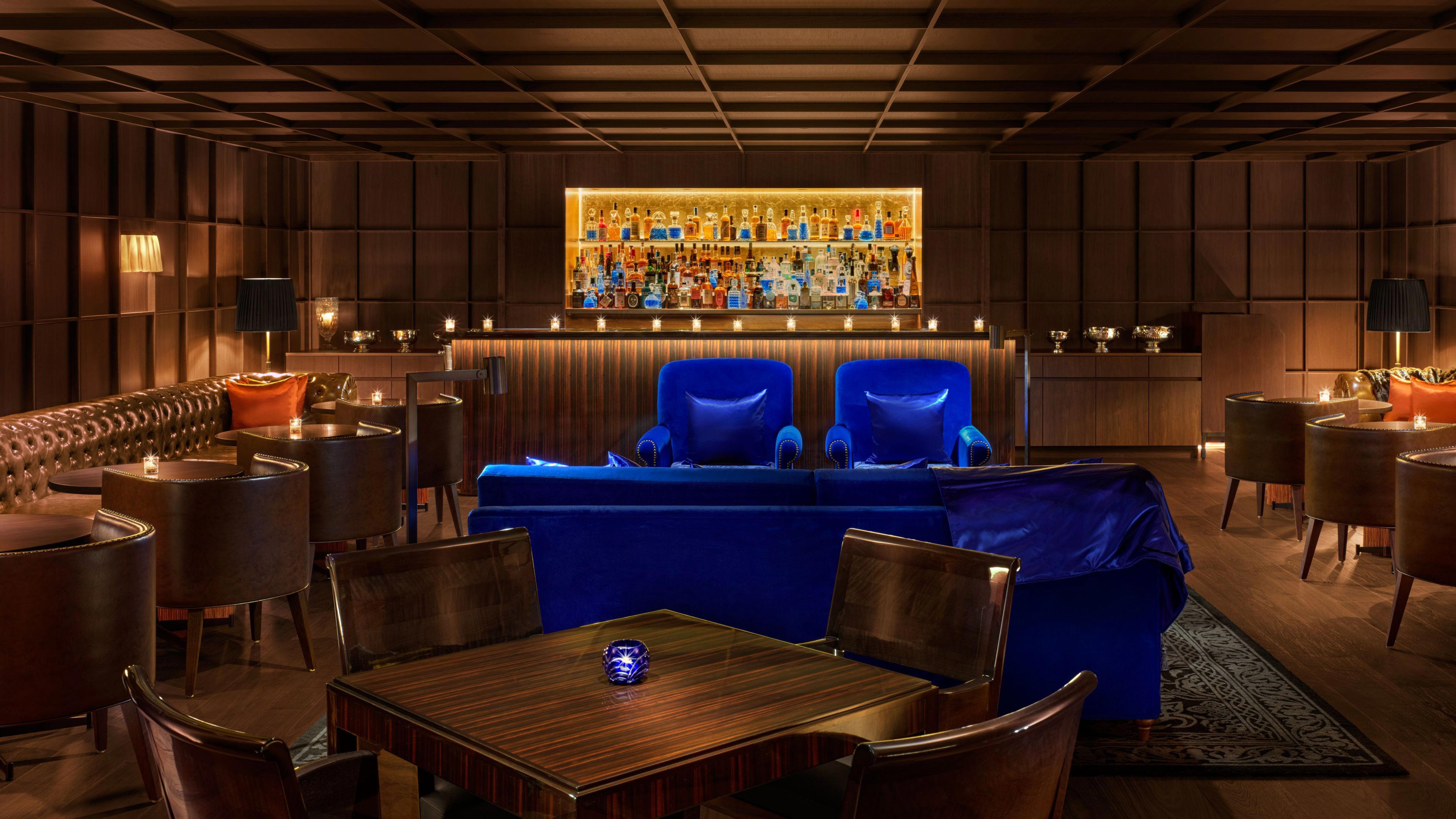
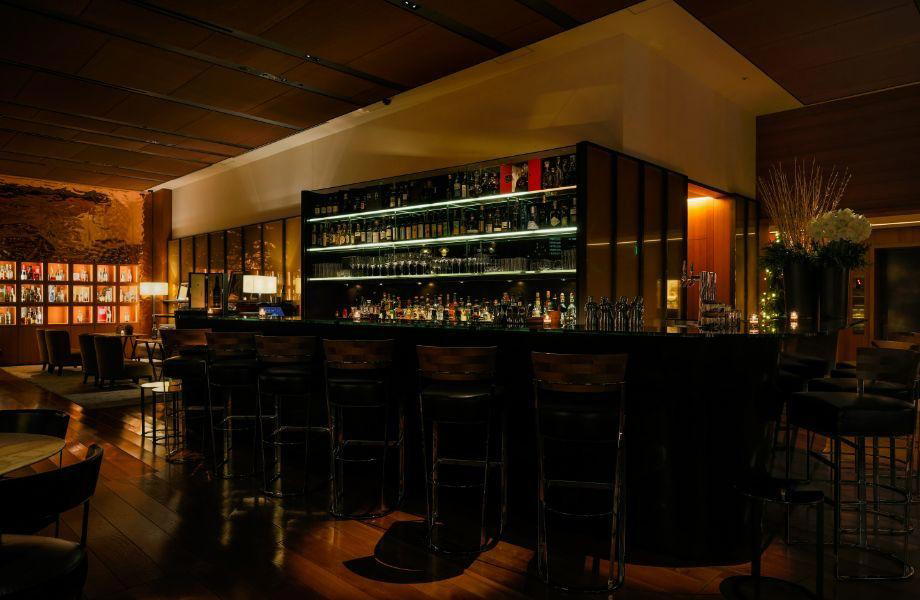
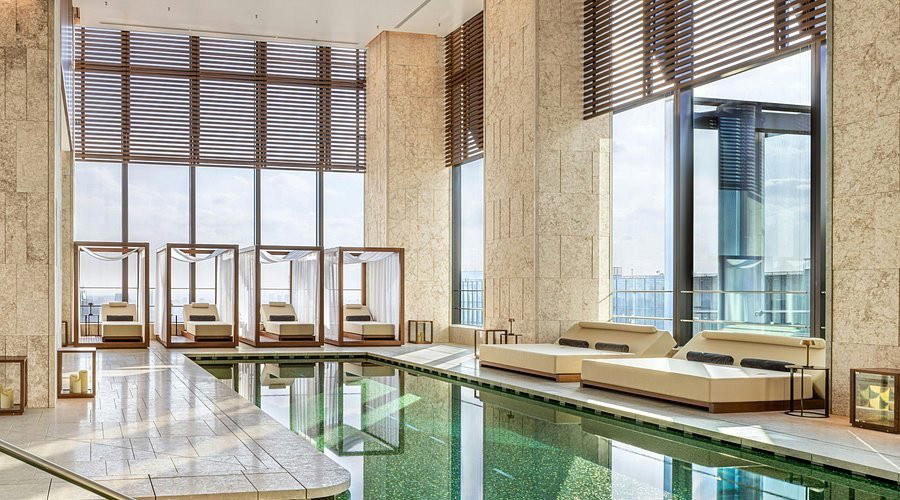
Cool-colored interiors of blues, greys, and whites bathed in natural light, creating an upmarket yet relaxed, elegant atmosphere.