



1 Michelin Star · La Liste Top Restaurants · Tabelog 100 #48
Our verdict
The Robuchon atelier format arrived in Tokyo carrying a specific tension: French classicism against the discipline of Japanese ingredient culture. Holding one Michelin star and scored at 86.5 points on La Liste 2025, the Roppongi Hills counter operates double sittings across lunch and dinner, two services that diverge considerably in pacing, price, and atmosphere. Chef Kenichiro Sekiya leads the kitchen.

Pearl is the En Primeur Club membership app, where members save venues, book tables and use the concierge.
The menu
What to order
- La Pomme de Terre Robuchon
- Quail stuffed with duck liver
Counter Intelligence: The Atelier Format in Tokyo
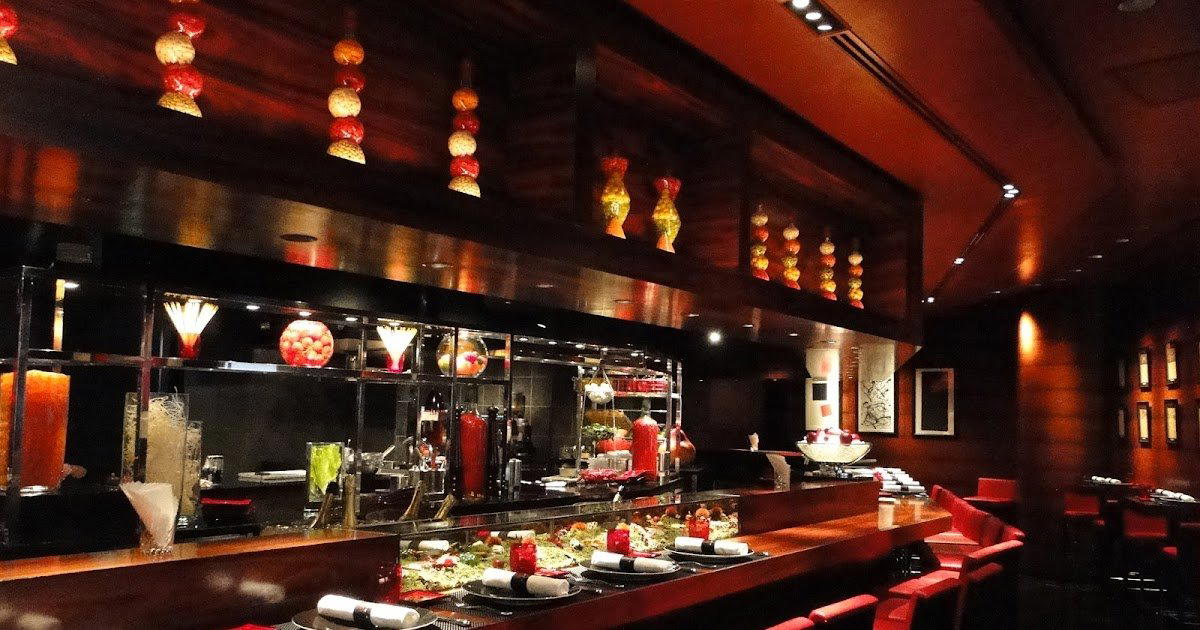
The counter-dining format that Joël Robuchon introduced to Paris in 2003 was a deliberate disruption of the white-tablecloth formality that defined his earlier career. In Tokyo, that same format collides with a city already fluent in counter culture. Roppongi has long hosted the expensive end of the French import trade, and L'Atelier sits at the Hillside section of Roppongi Hills, a complex that functions as its own hospitality district, drawing both international visitors and Tokyo's corporate dining circuit in roughly equal measure. The red-and-black interior, consistent across every Atelier in the global network, reads differently here. In Paris or London it signals theatrical contrast. In Tokyo, surrounded by a city of precise interiors and immaculate service choreography, the same palette settles into something calmer.
Within Tokyo's French dining tier, the Atelier occupies a distinct position. L'Effervescence holds three Michelin stars and operates as a conceptually autonomous house; Sézanne has built its identity around seasonal Japanese produce filtered through a French sensibility; ESqUISSE sits in a more intimate fine-dining register. L'Atelier is the network entry-point, globally legible, with a house vocabulary that requires no explanation for frequent travellers, and a reputation that arrives fully formed before the first course does. That is both its strength and the question it must answer every service.
Lunch in Roppongi: The More Considered Choice
The twin-sitting structure, lunch runs 12 to 2pm, dinner from 6 to 8pm across all seven days, creates a structural gap between the two services that matters more than the menu overlap between them. Roppongi at midday is a different environment from Roppongi after dark. The complex loses the evening crowd of late-night bar-seekers; the restaurant fills instead with lunching executives, visiting food writers working through itineraries, and couples using proximity to the Mori Art Museum to sequence culture and food in the same afternoon.
In most French fine-dining operations, the lunch service carries a value signal even when the menu is near-identical to dinner. Shorter tasting lengths, lunch-specific set pricing, and lighter room energy tend to concentrate in the midday sitting. At the Atelier format specifically, where the counter arrangement means guests watch the kitchen at close range, the lunch service has an additional quality: the kitchen is often executing with the first-service focus that softens slightly by the final dinner covers. This is a general pattern in multi-sitting counter restaurants; the Tokyo Atelier's two-hour window per service reinforces the discipline on both ends.
For visitors treating Tokyo as a multi-day itinerary rather than a single-destination stop, lunch at L'Atelier pairs logically with afternoon exploration of Roppongi Hills and the Mori collection, freeing the evening for a different culinary register, kaiseki at RyuGin a short distance away, or something in the innovative French category like Florilège.
What the Awards Record Implies
L'Atelier de Joël Robuchon Tokyo holds one Michelin star as of 2024. On La Liste, which aggregates critical scores across multiple international guides, it scored 86.5 points in 2025, down from the same source's 2024 score, and appears at position 120 in Opinionated About Dining's Japan rankings for 2024. The OAD ranking shifted to 150 in the 2025 edition. A Google aggregate of 4.4 from 1,157 reviews adds a volume signal: this is a restaurant generating real throughput, not a low-capacity counter playing to a narrow audience.
The Michelin single star, in the Tokyo context, deserves specific framing. Tokyo has more Michelin-starred restaurants than any other city, and the distribution between one, two, and three stars is calibrated against an unusually dense competitive field. One star here is not a consolation; it places a restaurant in a large but genuinely distinguished tier. What the awards record collectively suggests is a venue operating at a consistent high level without the critical consensus elevation that peers like L'Effervescence command. The Robuchon name does part of the work that additional stars might otherwise signal, it is a globally validated framework the guides acknowledge without necessarily needing to escalate.
Elsewhere in the Robuchon Tokyo operation, Château Restaurant Joël Robuchon represents the full formal expression of the house in a different setting, for those wishing to compare the two formats directly.
The Menu Logic: Classics in a Japanese Ingredient Context
The Atelier format's menu structure is built around a core of Robuchon signatures, dishes that have been in rotation across the global network for years, combined with seasonal adjustments that, in Tokyo specifically, draw on Japanese ingredients. This is not fusion in the colloquial sense; it is the Robuchon kitchen applying its classical technique to what the Japanese market provides in its leading form. The distinction matters. Seasonal Japanese produce accessed through Tokyo's supplier networks is categorically different from the same ingredients sourced in Paris or Las Vegas. The kitchen at Roppongi operates at the end of one of the world's most developed ingredient supply chains.
Chef Kenichiro Sekiya leads the kitchen. The La Liste citation frames the menu as moving between long-standing Robuchon specialities and new arrangements incorporating seasonal Japanese ingredients, a description that positions the kitchen as custodial of the house vocabulary rather than redefining it. That is the correct framing for an atelier format: the interest is in the execution of a known system, not the invention of a new one.
For comparisons further afield within the Japan French-cuisine tier, HAJIME in Osaka takes a more conceptually autonomous approach at three Michelin stars, while akordu in Nara works a European framework against a regional Japanese context. In the global French restaurant conversation, Hotel de Ville Crissier and Les Amis in Singapore offer points of comparison for how the classical French tradition performs in different cultural and geographic registers.
Dinner: A Different Register
The evening service at Roppongi carries a different social charge. Roppongi after dark activates its hospitality infrastructure in ways that make L'Atelier's 6pm start feel like an opening act rather than a destination in itself. This is not a criticism, it reflects the location's character. The two-hour dinner window (last seating at 8pm) means the restaurant clears before the neighbourhood shifts toward its later identity. For visitors, this creates a logical sequence: dinner at the Atelier, then a move to Roppongi's bar scene or a late drink elsewhere in the complex.
The counter configuration means dinner here is more interactive than a tablecloth house of the same tier. The kitchen is visible, the pacing is negotiated between the pass and the seat, and the format rewards guests who engage with what they're watching. This is the structural argument for the Atelier counter over the Château's formal dining room when the preference is participatory rather than ceremonial.
For those building a broader Tokyo itinerary, Gion Sasaki in Kyoto, Goh in Fukuoka, 1000 in Yokohama, and 6 in Okinawa represent different expressions of the high-end dining culture available across the broader region. The full context for Tokyo's restaurant scene is available in our full Tokyo restaurants guide, with complementary coverage in our full Tokyo hotels guide, our full Tokyo bars guide, our full Tokyo wineries guide, and our full Tokyo experiences guide.
Planning Your Visit
Quick reference: Roppongi Hills Hillside 2F, Minato City, Tokyo. Open daily, lunch 12–2pm, dinner 6–8pm. One Michelin star (2024). La Liste score 86.5pts (2025).
Frequently asked questions
at L'Atelier de Joël Robuchon Tokyo?
The kitchen is structured around the Robuchon house canon, long-running specialities that carry the weight of the name, combined with seasonal Japanese ingredients that shift the execution toward what Tokyo's supply networks do well. La Liste describes the menu as moving from famous Robuchon signatures to new arrangements incorporating seasonal Japanese produce. Given that framing, the most direct approach is to follow the set menu format, which sequences those two registers in the order the kitchen intends. The counter positioning means you can observe which preparations are receiving the most focused attention during service, a useful read on where the kitchen's current energy is directed. Chef Kenichiro Sekiya leads the program, and the Michelin recognition (one star, 2024) applies to the kitchen under his direction.
What's the signature at L'Atelier de Joël Robuchon Tokyo?
The Atelier format across the global network is defined by a set of core Robuchon dishes that have been in continuous rotation since the concept launched, preparations that became attached to the Robuchon name precisely because they were executed at the same level across decades and geographies. In Tokyo, those signatures are filtered through the local ingredient context: the same techniques applied to Japanese seasonal produce rather than their European equivalents. La Liste's citation specifically notes both the classic specialities and the seasonal Japanese arrangements as the menu's two poles, with an OAD ranking of 120 in Japan for 2024 and a La Liste score of 86.5pts in 2025 placing the kitchen in the confirmed upper tier of Tokyo's French restaurant field.
Side-by-Side Snapshot
| Venue | Cuisine | Price | Awards | Notes |
|---|---|---|---|---|
| L'Atelier de Joël Robuchon TokyoThis venue (the venue you are viewing) | Modern French Fine Dining | $150–200 | 1 Michelin Star · La Liste Top Restaurants | Not listed |
| Harutaka | Edo-Style Omakase Sushi | $200–300 | 3 Michelin Stars · World's 50 Best #76 | Sushi |
| RyuGin | Modern Kaiseki | $500+ | 3 Michelin Stars · World's 50 Best #41 | Kaiseki, Japanese |
| L'Effervescence | Modern French with Japanese Influences | $200–300 | 3 Michelin Stars · World's 50 Best #69 | French |
| HOMMAGE | Modern French with Japanese Influences | $150–200 | 2 Michelin Stars · World's 50 Best #78 | Innovtive French, French |
| MAZ | Innovative Peruvian-Japanese Fusion | $150–200 | 2 Michelin Stars · World's 50 Best #28 | Innovative |
Recognition history
Dated appearances from independent guides and award organizations, with the underlying list record or original source where available.
Michelin 1 Star
Michelin
La Liste Top Restaurants
La Liste
Opinionated About Dining Top Restaurants in Japan Highly Recommended
Opinionated About Dining
Tabelog 100 #48 · No. 48
Tabelog · Tabelog 100 - French - TOKYO - 2025
Full recognition history (9 entries)
La Liste Top Restaurants
La Liste
Opinionated About Dining Top Restaurants in Japan Ranked #150
Opinionated About Dining
Michelin 1 Star
Michelin
Opinionated About Dining Top Restaurants in Japan Ranked #120
Opinionated About Dining
Opinionated About Dining Top Restaurants in Japan Ranked #140
Opinionated About Dining
Continue exploring
More in Tokyo
More from Chef Kenichiro Sekiya
Browse all →
Restaurants in Tokyo
All restaurants in Tokyo →

Bars in Tokyo
All bars in Tokyo →





L'Atelier de Joël Robuchon Tokyo
The wine
- Wine program
- Deep wine list
- Extensive wine list
- Sommelier-led
- Sake program
Details
- Elegant
- Sophisticated
- Modern
- Intimate
- Date Night
- Business Dinner
- Special Occasion
- Celebration
- Chefs Counter
- Open Kitchen
- Extensive Wine List
- Sommelier Led
- Sake Program
- Tasting Menu
- A La Carte
- Prix Fixe
- Wine
- Sake
Current opening hours
- Monday
- 12–2 PM, 6–8 PM
- Tuesday
- 12–2 PM, 6–8 PM
- Wednesday
- 12–2 PM, 6–8 PM
- Thursday
- 12–2 PM, 6–8 PM
- Friday
- 12–2 PM, 6–8 PM
- Saturday
- 12–2 PM, 6–8 PM
- Sunday
- 12–2 PM, 6–8 PM
Hours can change for holidays and private events. Last verified .
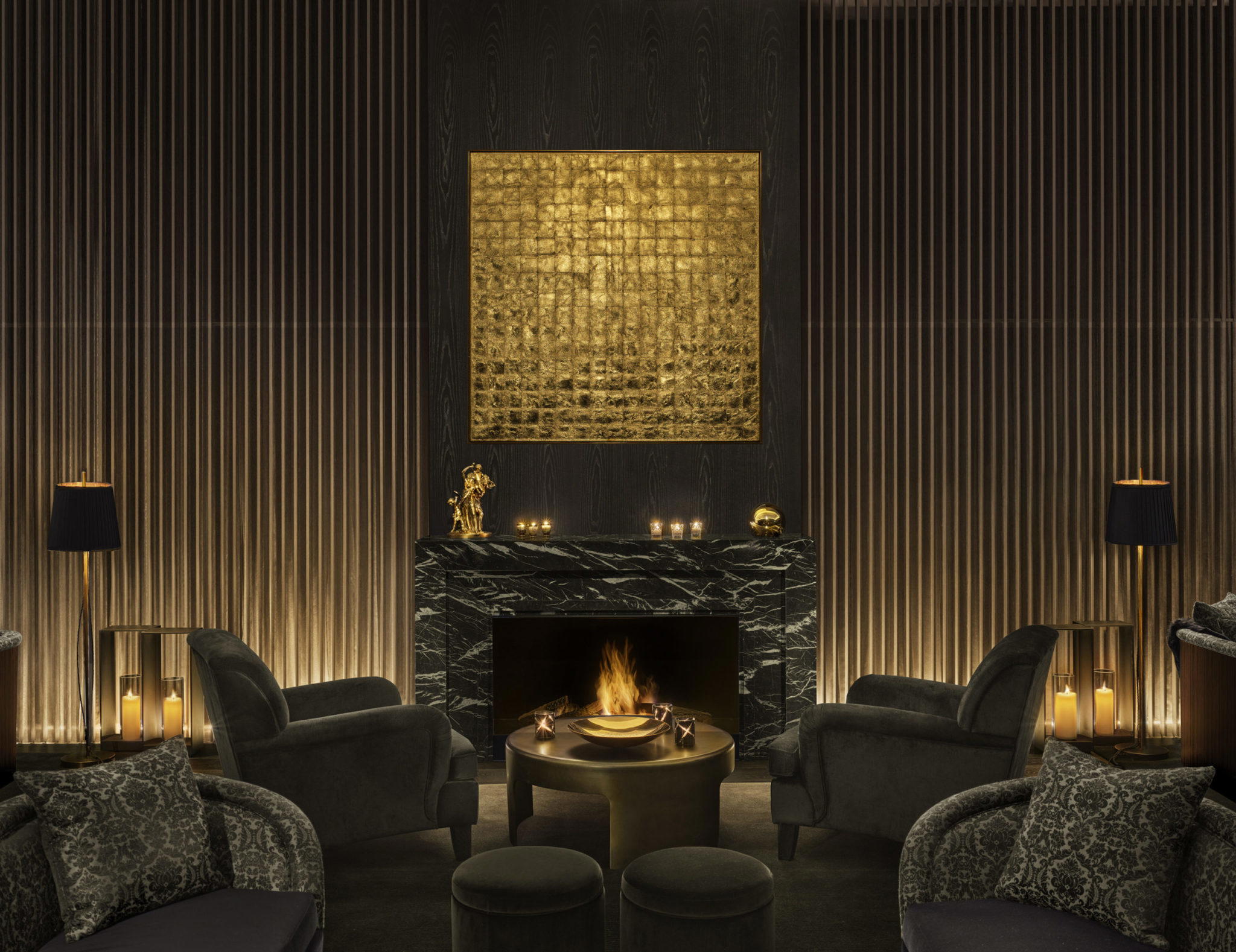
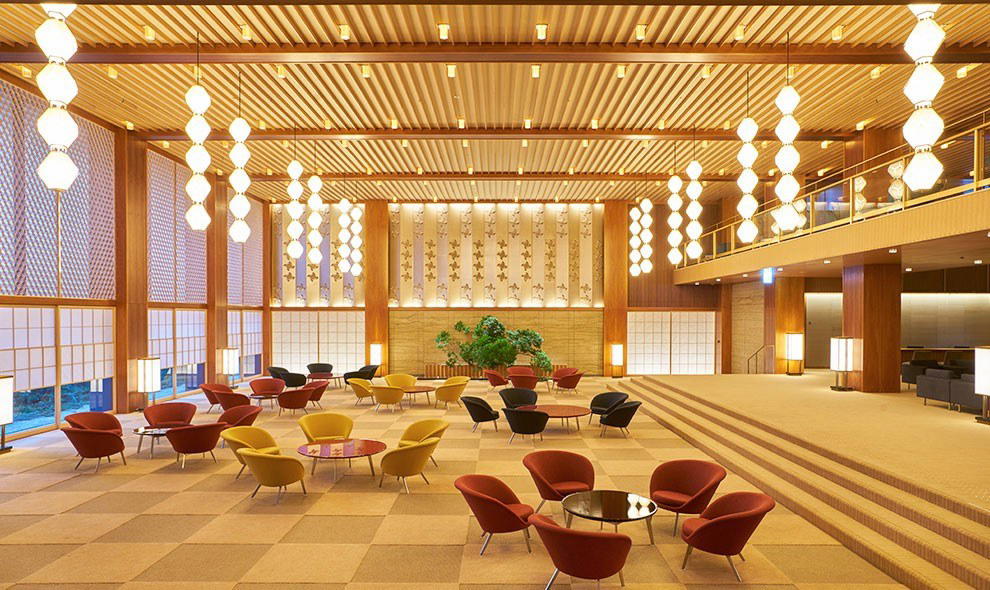
Sophisticated Paris-inspired interior with red and black tones, stylish and trendy bar-like atmosphere around a spacious open kitchen.