Google: 4.6 · 180 reviews
.png)

L'aube holds a Michelin star (2024) in Higashi Azabu, where a trio of chef, pastry chef, and sommelier builds contemporary French cooking around direct relationships with Japanese producers. Positioned at ¥¥¥ in a city where French fine dining runs from three-star flagships to neighbourhood tables, it occupies the tier where seasonal ingredients and technical precision matter more than ceremony. Google reviewers rate it 4.6 across 158 responses.
Pearl is the En Primeur Club membership app — saves, bookings, and concierge access live there. Same editors, same standards.

Arriving at ARK Hills: the physical premise of L'aube
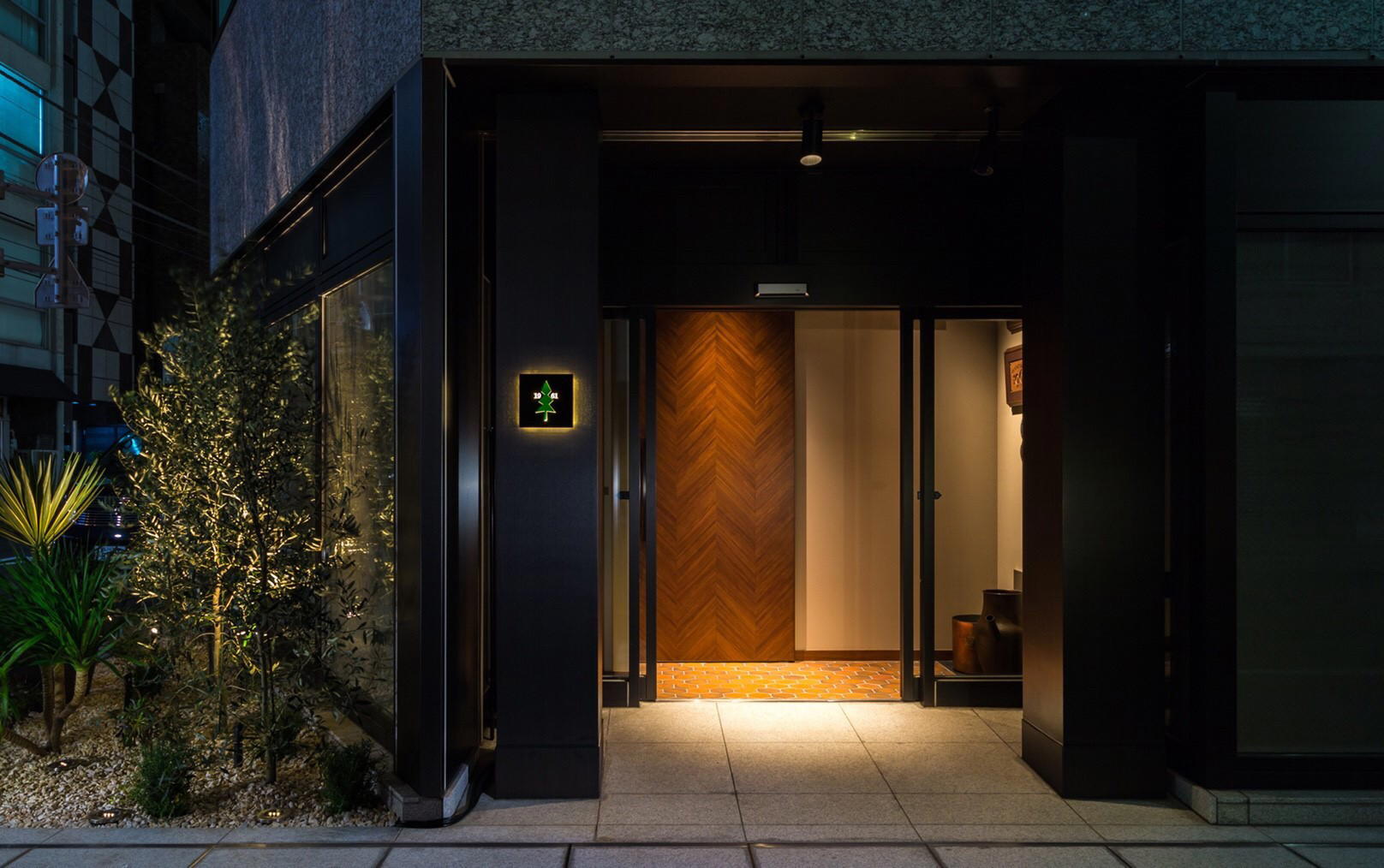
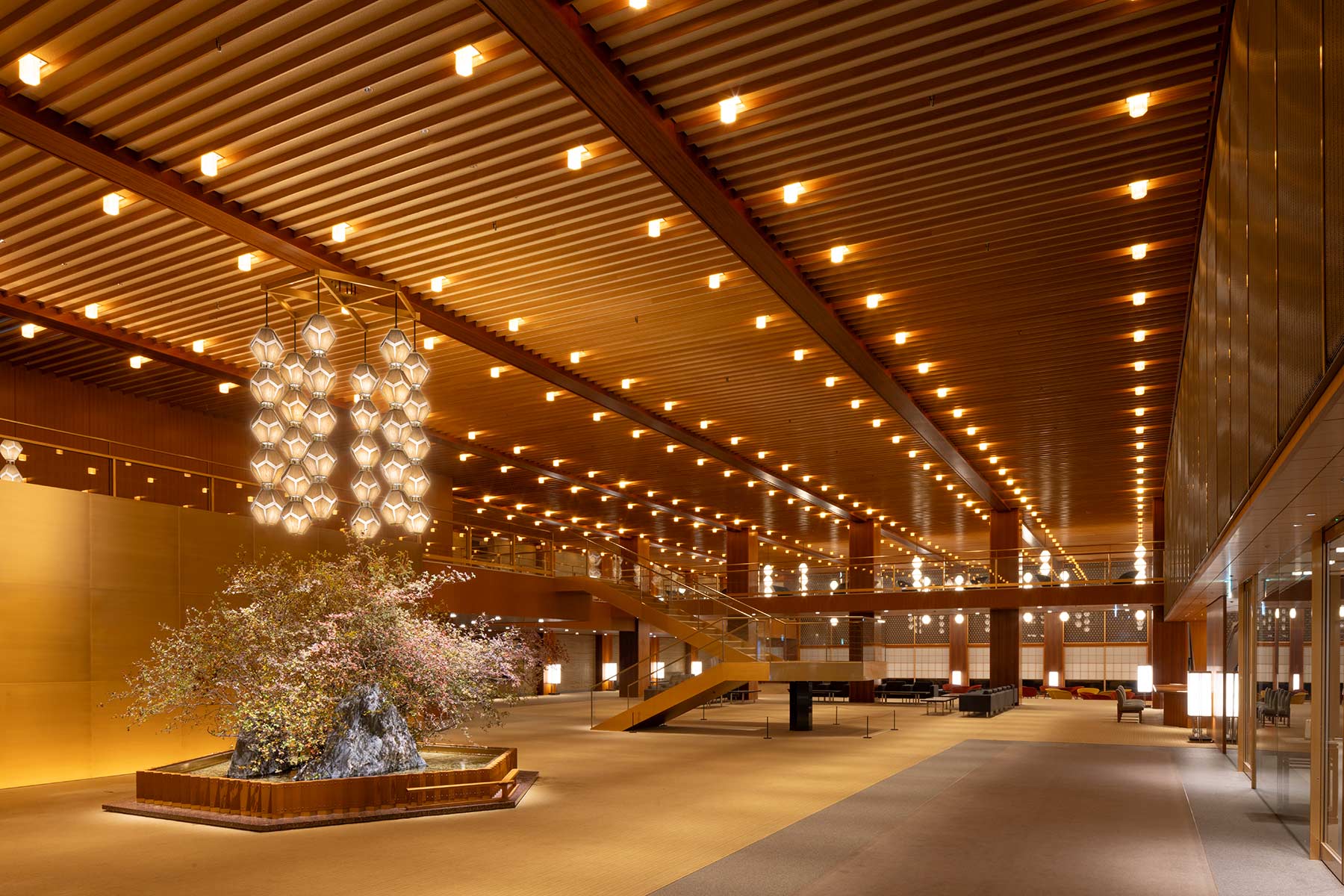
The address alone sets expectations. ARK Hills Sengokuyama Mori Tower in Roppongi anchors a stretch of Minato City where corporate towers and high-end residential blocks have gradually accumulated enough critical mass to sustain serious restaurants at ground level. L'aube occupies a first-floor position in that complex, which means the approach is urban and deliberate: glass, polished stone, the particular silence of a building designed to muffle the city outside. Higashi Azabu, a few minutes from the busier Roppongi strip, has that quality common to the leading residential-adjacent dining districts in Tokyo — close enough to major transport, calm enough to feel considered.
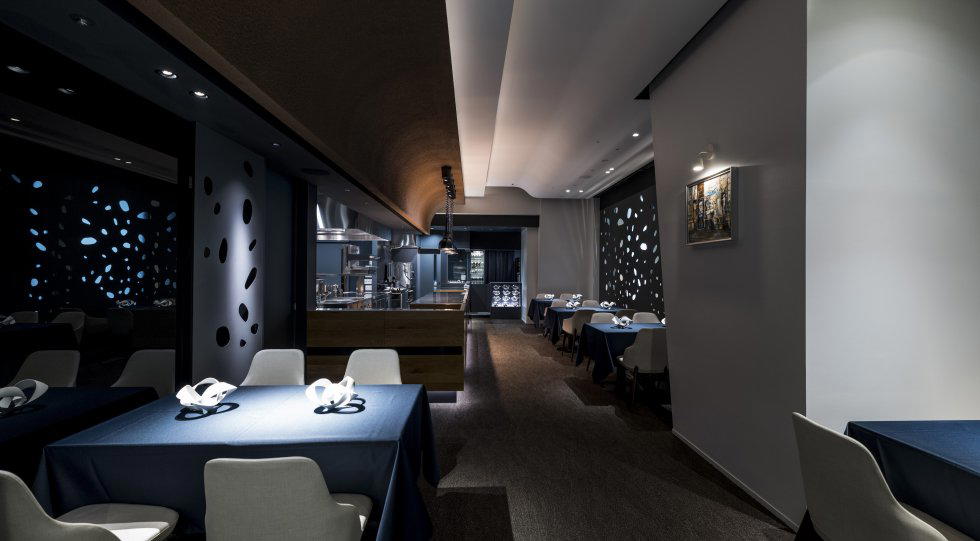
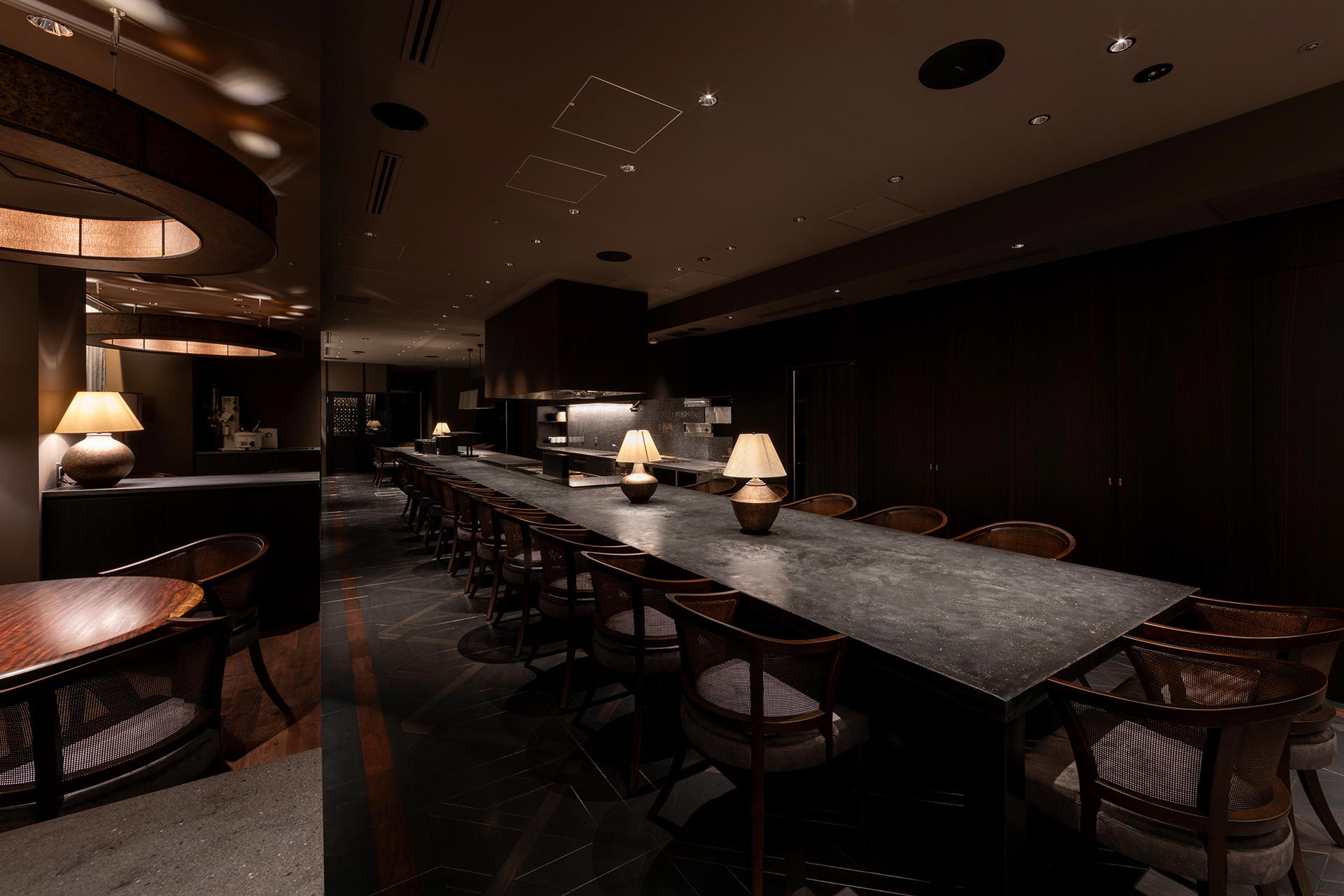
In Tokyo's French fine-dining tier, the physical setting is rarely incidental. Restaurants like ESqUISSE and Sézanne have each chosen locations that reinforce their editorial identity. L'aube's open kitchen format places the cooking itself at the centre of that identity: what you see on entering is the team at work, not a closed door separating the dining room from the production happening behind it.
The sourcing model behind contemporary French cooking in Tokyo
The more consequential story at L'aube is not stylistic but agricultural. The team — chef, pastry chef, and sommelier working as a defined trio , builds its menus through direct visits to producing regions across Japan. That model, where the kitchen travels to farmers rather than sourcing through intermediaries, has become the defining characteristic of the most ingredient-driven French restaurants in Tokyo over the past decade.
The practice matters beyond symbolism. Direct producer relationships give a kitchen first access to varieties grown for flavour rather than yield, to quantities too small for distributor networks, and to the kind of seasonal granularity that separates a menu built week by week from one built season by season. At L'aube, the stated approach is to translate what the team encounters in those regions , specific fragrances, particular textures, the visual logic of a harvest , into the plates themselves. The pastry chef's involvement in those sourcing trips is notable: dessert courses at this level are often the point where the sourcing story gets dropped in favour of technique for its own sake, but here the intention is continuity across the whole meal.
This places L'aube within a specific current in Tokyo's French scene, closer to the philosophy running through L'Effervescence , which has built one of Tokyo's most documented cases for French cooking rooted in Japanese ecological thinking , than to the classical French tradition represented by Château Restaurant Joël Robuchon. The latter anchors Tokyo's French dining to European technique and product at the three-star level. L'aube operates at ¥¥¥ and one Michelin star, but its sourcing logic belongs to the same conversation about what French cooking means when it is practised at a sustained level in Japan.
The sustainability argument in Tokyo fine dining
Tokyo's French restaurants have, over roughly the last fifteen years, developed two distinct approaches to environmental responsibility. The first treats sustainability as a sourcing constraint: reduce imports, use Japanese producers, apply classical technique to local ingredients. The second treats it as a structural commitment: redesign waste streams, communicate with producers about growing methods, accept yield uncertainty as a design condition of the menu rather than a problem to be managed around.
L'aube's model of touring producing regions and building menus around what those regions offer in a given period is closer to the second category. Menus structured around farm visits rather than fixed seasonal templates produce lower food waste by design, because the kitchen is not committed to ingredients before it knows what condition they are in. The open kitchen format reinforces this: the team works without the separation between production and presentation that makes waste invisible to diners.
Comparable approaches in the broader Japan market can be found at HAJIME in Osaka, which has made ecological sourcing central to its three-star identity, and at akordu in Nara, where the relationship between regional agriculture and fine-dining technique operates at a different price point but with similarly direct producer logic. Outside Japan, the French tradition that most closely parallels this sourcing philosophy runs through houses like Hotel de Ville Crissier in Switzerland, where proximity to specific agricultural regions has historically defined the menu. In Southeast Asia, Les Amis in Singapore operates French fine dining in a similarly ingredient-forward register, though in a market where local sourcing faces different structural constraints.
Where L'aube sits in Tokyo's French competitive tier
Tokyo carries more Michelin-starred French restaurants than Paris in some guide cycles, which means that a single star at ¥¥¥ occupies a specific and well-defined position in a crowded field. The three-star tier , L'Effervescence at ¥¥¥¥, and others , commands both higher prices and longer booking windows. The two-star tier, represented by restaurants like Florilège, which has built a distinct identity around sustainable and local sourcing within a French framework, operates at a similar conceptual register to L'aube but with greater recognition.
At ¥¥¥ and one star, L'aube competes on depth of ingredient sourcing and menu coherence rather than on ceremony or name recognition. A Google rating of 4.6 across 158 reviews is a meaningful signal in this segment: the volume is modest compared to neighbourhood casual dining, but at this price tier, that score reflects a consistently high conversion from visit to satisfaction. Guests who spend at this level tend to review critically when expectations fall short.
For comparison, Goh in Fukuoka demonstrates that the model of building French-influenced fine dining around regional Japanese sourcing is not uniquely a Tokyo phenomenon, and 1000 in Yokohama offers a nearby reference point for how the Kanto region's French dining scene extends beyond central Tokyo. For Japanese culinary traditions that share the same sourcing philosophy through a different cuisine lens, Gion Sasaki in Kyoto and 6 in Okinawa each work with regional producers at a level of granularity that parallels what L'aube pursues through a French format.
Among Tokyo's innovative end of the spectrum, Florilège and the Japanese-inflected creative cooking at Sézanne represent the immediate peer set for diners choosing between contemporary French options at a similar spend level.
The trio model and why it matters for consistency
The three-way partnership of chef, pastry chef, and sommelier is structurally significant beyond the obvious division of responsibilities. In most restaurants at this level, the sommelier operates independently of the creative process, pairing to the menu rather than shaping it. A trio model where all three travel together to sourcing regions means the wine and beverage program is developed in relation to the same agricultural references as the food, which tends to produce more coherent pairings and a more unified experience across a tasting format.
The name encodes this logic: L'aube translates as daybreak or beginning, and the team describes approaching each service as a fresh perspective rather than the execution of a fixed formula. Whether that claim is operational or aspirational, the menu structure that results from sourcing trips , built around what was found rather than what was planned , provides a structural mechanism for it to be true.
Planning a visit
L'aube is located at ARK Hills Sengokuyama Mori Tower, 1F, 1 Chome−9−10 Roppongi, Minato City, Tokyo. The ¥¥¥ price positioning places it below the four-tier flagship French restaurants in Tokyo but above casual French dining; budget accordingly for a full tasting format with wine. Booking specifics, hours, and current availability are not held in our database , confirm directly with the restaurant. For broader planning across Tokyo's dining, hotel, bar, and cultural options, see our full Tokyo restaurants guide, our full Tokyo hotels guide, our full Tokyo bars guide, our full Tokyo wineries guide, and our full Tokyo experiences guide.
At a glance: Michelin 1 Star (2024) | ¥¥¥ | Contemporary French | Higashi Azabu, Minato City | Open kitchen | 4.6 on Google (158 reviews)
Price Lens
A quick peer list to put this venue’s basics in context.
At a Glance
- Elegant
- Intimate
- Sophisticated
- Modern
- Date Night
- Special Occasion
- Business Dinner
- Celebration
- Open Kitchen
- Private Dining
- Sommelier Led
- Extensive Wine List
- Local Sourcing
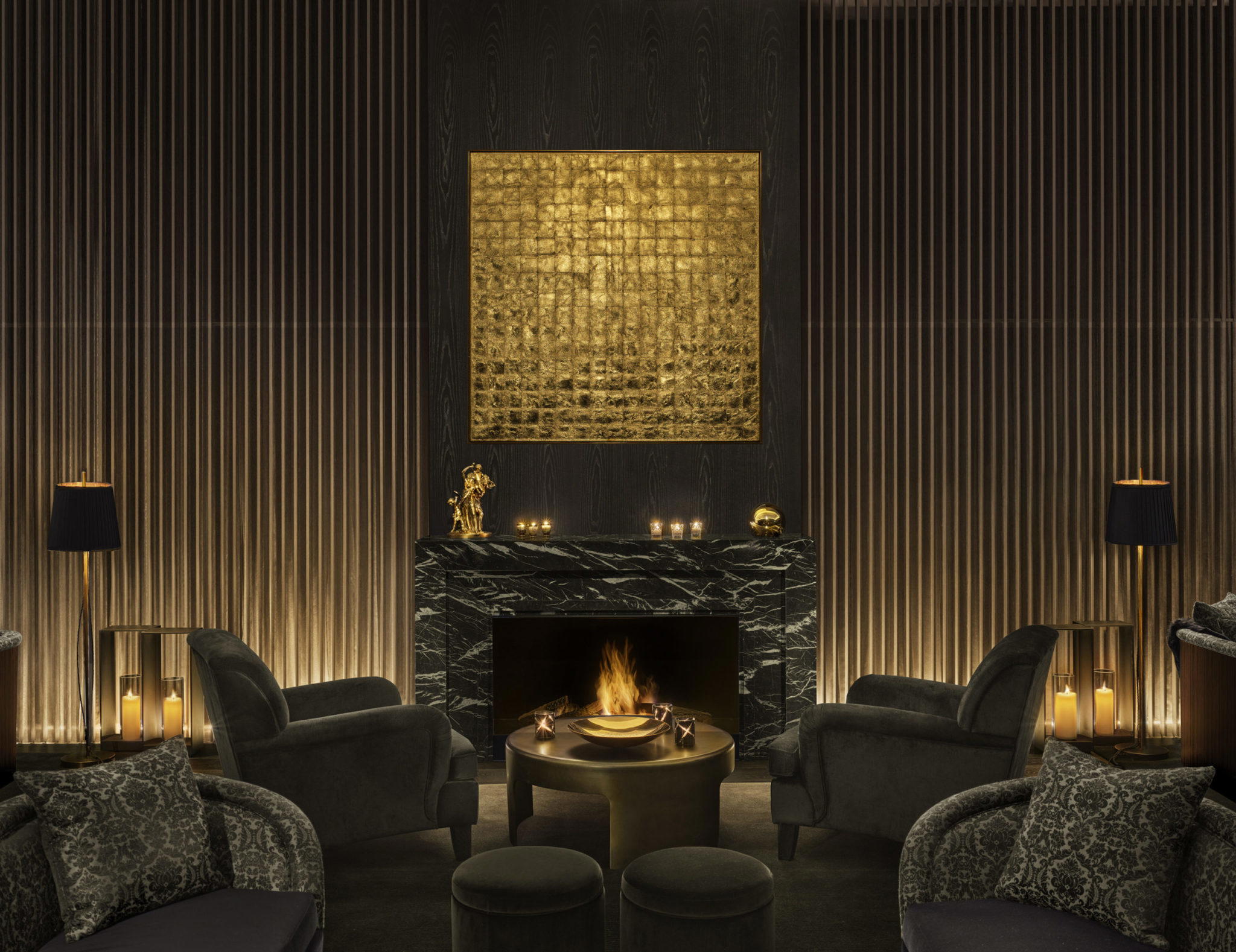
Intimate and refined with sky-blue color scheme evoking the evening sky, contemporary interior design with custom tableware, soft lighting, and a sophisticated yet welcoming atmosphere that feels both luxurious and approachable.