Google: 4.7 · 72 reviews


A Michelin-starred kaiseki counter in Nishi-Shimbashi, Shimbashi Sasada draws on Kyoto culinary tradition to present seasonally driven dishes at a ¥¥¥ price point accessible below Tokyo's top-tier omakase bracket. The kitchen's emphasis on aemono appetisers and sake pairings gives evening service a distinct character, with a Tabelog score of 3.91 and a Bronze Award (2025) confirming its standing among serious Japanese dining rooms in Minato.
Pearl is the En Primeur Club membership app — saves, bookings, and concierge access live there. Same editors, same standards.

Kyoto Roots in a Shimbashi Office District
Tokyo's Michelin-starred Japanese dining scene divides cleanly along price and lineage. At one end sit the kaiseki and omakase counters priced at ¥¥¥¥ and above, venues such as RyuGin that operate in a competitive tier defined by multi-course spectacle and international reservation queues. Below that, a smaller group of one-starred rooms holds a different position: Kyoto-trained technique, seasonal discipline, and pricing that stops short of the ¥¥¥¥ bracket. Shimbashi Sasada occupies that space, carrying both a Michelin star (2024) and a Tabelog Bronze Award with a score of 3.91 (2025), from a dining room in the Nishi-Shimbashi business corridor of Minato-ku.
The address matters to understanding the room. Nishi-Shimbashi is not a destination dining neighbourhood in the way that Ginza or Azabu are. It is a district of ministries, trading companies, and long-established izakaya that have served office workers for decades. A Michelin-starred counter in this environment reads differently from one on a curated Ginza side street. The restaurant's audience skews toward regulars with deep knowledge of Japanese cuisine rather than tourists working through a starred list, and that shapes the register of the room.
Evening Service: Sake, Aemono, and the Logic of the Menu
Shimbashi Sasada's evening service runs Tuesday through Saturday from 18:00 to 21:00, a relatively tight window for a kaiseki-format room. The menu structure follows a logic that is distinctly Kyoto in orientation: the meal opens with delicacies and aemono (dressed preparations, typically vegetables or seafood in sesame, tofu, or vinegar-based sauces) specifically sequenced to support sake drinking. This is not incidental; it reflects the Kansai tradition of treating the early courses as a platform for the drink rather than an independent appetiser sequence.
That sequencing positions Shimbashi Sasada differently from Tokyo's more kaiseki-by-the-clock rooms, where the progression is often tighter and the wine list given equal billing. Here, the sake pairing logic is primary, and guests who arrive without that frame of reference may find the pacing less intuitive than at a room where a sommelier is steering. For guests who do understand it, the early courses function as an argument for why Japanese cuisine and sake belong together in a way that Western pairings rarely replicate.
A Kyoto-trained kitchen working with seasonal ingredients in a kaiseki format necessarily produces a menu that shifts across the year. Spring brings mountain vegetables and river fish; autumn shifts toward root vegetables, mushrooms, and richer preparations. The details of the current menu are not published in advance, which is standard for rooms operating at this tier and with this philosophy. What the awards record confirms is consistency: a Michelin star held into 2024 alongside a Tabelog score above 3.9 is, within the Tokyo restaurant ecosystem, a reliable signal of kitchen discipline rather than a single exceptional season.
The Speciality That Defines the Kitchen
Within kaiseki traditions, a kitchen's identity is often defined less by its most elaborate preparation than by the dish it has spent the longest perfecting. At Shimbashi Sasada, that dish is warm boiled wild mustard greens with deep-fried tofu, a preparation the chef has refined over many years. The choice is instructive. Wild mustard greens (karashina) are seasonal, slightly bitter, and among the more demanding vegetables to treat simply without losing their character. Pairing them with agedashi-style tofu is a decision rooted in contrast: the vegetal sharpness against yielding, crisped tofu in a dashi-based sauce. The fact that this, rather than a protein course, functions as the signature preparation says something about where the kitchen's priorities sit. Simplicity is not a shortfall here; it is the method.
This places Shimbashi Sasada in a lineage that includes rooms such as Kagurazaka Ishikawa and Azabu Kadowaki, where the Kyoto-influenced kaiseki tradition is expressed through restraint rather than elaboration. The difference is price tier: those rooms operate at ¥¥¥¥, while Sasada holds at ¥¥¥, which makes it one of the more accessible entries into starred Kyoto-style dining in central Tokyo.
How This Compares Within Tokyo's Japanese Dining Tier
Tokyo's starred Japanese dining market is not uniform. At the ¥¥¥¥ end, venues such as Myojaku and Ginza Fukuju operate with higher per-cover costs and, in many cases, longer booking lead times. At ¥¥¥, a guest absorbs the same seasonal discipline and Michelin credentialling at a structurally different price point. The trade-off is not quality but scale: smaller rooms, shorter menus, and kitchens that express personality through fewer courses rather than more. Jingumae Higuchi occupies a comparable position in a different Tokyo neighbourhood, making it a useful reference point for readers mapping the city's mid-tier starred Japanese dining.
Beyond Tokyo, the tradition Sasada draws on connects to Kyoto's deep kaiseki lineage. Rooms such as Gion Sasaki in Kyoto and Isshisoden Nakamura in Kyoto represent that tradition in its home city, while Kashiwaya Osaka Senriyama and HAJIME in Osaka show how different Kansai kitchens interpret the same seasonal grammar. For readers building a Japan itinerary that includes Nara, Fukuoka, or Okinawa, akordu in Nara, Goh in Fukuoka, and 6 in Okinawa complete the picture of how regional Japanese cooking diverges from the Kyoto template. 1000 in Yokohama adds proximity if a day trip from Tokyo is on the agenda.
The Dinner-Only Format and What It Signals
Shimbashi Sasada operates exclusively in the evening, opening at 18:00 across its six-day week. There is no lunch service, which removes the option of a more informal, lower-commitment midday visit that many starred Tokyo rooms now offer as an entry point. This is a deliberate configuration: the kitchen is presenting one format, at one price tier, once per day. The absence of a lunch service places the entire dining relationship in the evening register, where the sake pairing logic has room to develop across a full meal rather than being compressed into a working lunch.
For visitors to Tokyo used to booking starred rooms at lunch to manage cost, Shimbashi Sasada does not offer that option. The ¥¥¥ pricing does, however, mean that the cost differential between lunch and dinner at comparable rooms is largely absorbed by the base price point. Our full Tokyo restaurants guide covers how to approach booking across the city's various price tiers and formats.
Planning a Visit
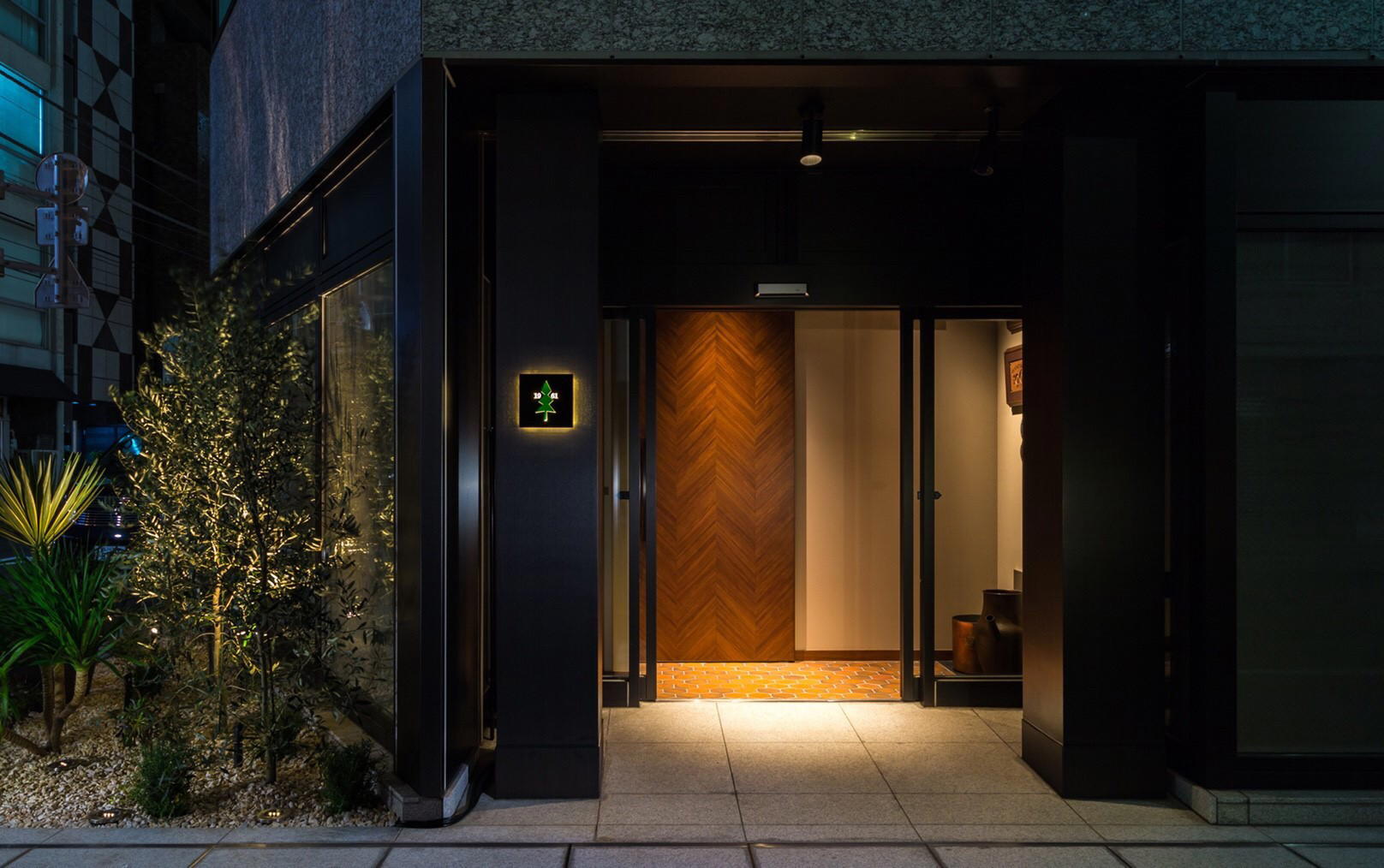
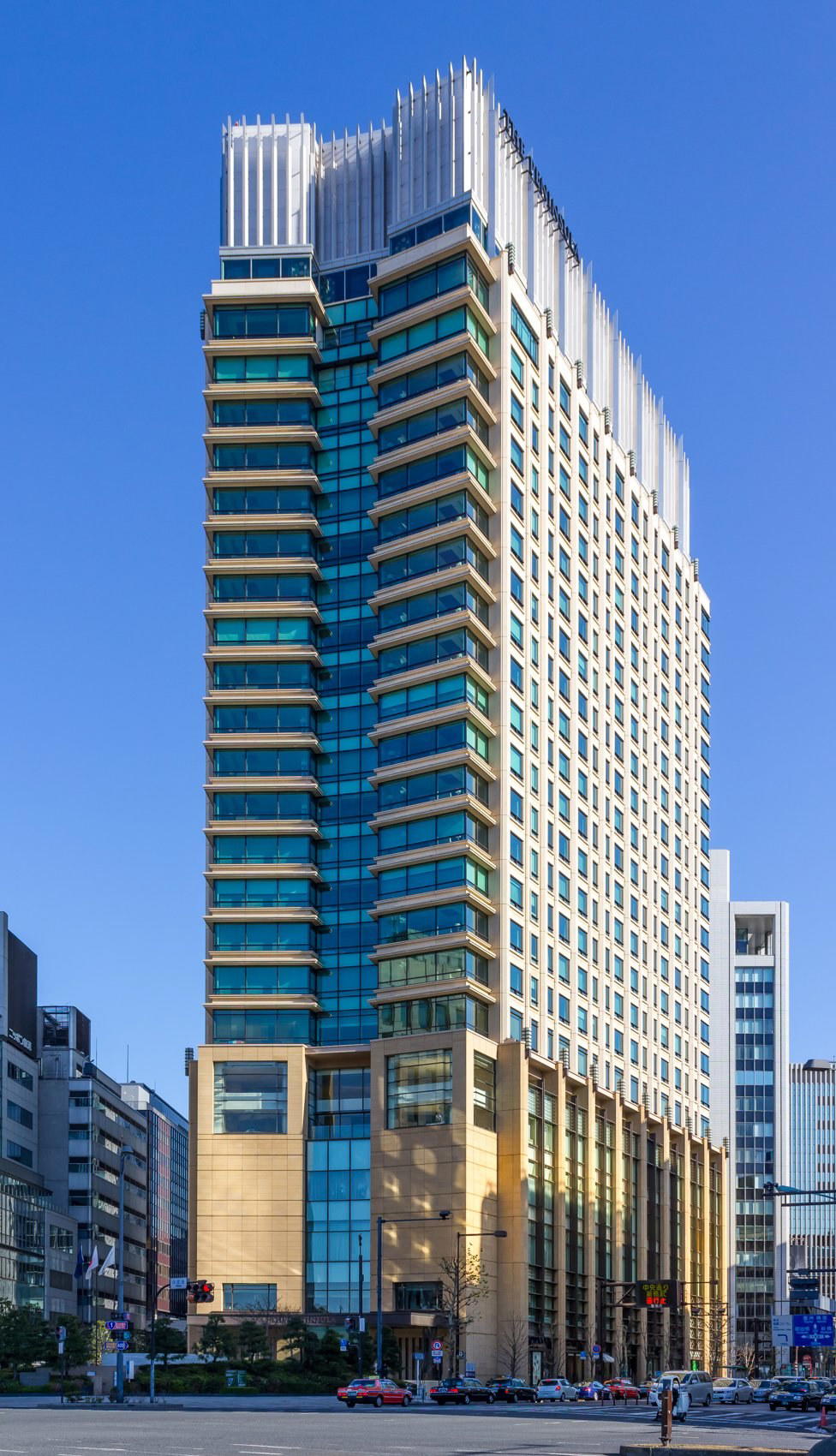
Shimbashi Sasada is located at Nishishinbashi 1-23-7, Precious Court Toranomon, Minato-ku, Tokyo. The address places it within walking distance of Toranomon Hills and the Toranomon metro station, making it accessible from most central Tokyo locations without requiring a taxi. Reservations: bookings are required and should be made well in advance; a Tabelog score of 3.91 with a Bronze Award places this among rooms where last-minute availability is uncommon. Contact is available via telephone at 03-3507-5501. Hours: Monday through Saturday, 18:00 to 21:00; the database does not confirm Sunday closures, so verification before planning is advisable. Budget: priced at ¥¥¥, which positions it below the ¥¥¥¥ bracket of comparable starred kaiseki rooms in Ginza and Azabu. Language: as with most specialist Japanese rooms at this tier, confirming reservation logistics in Japanese or with a hotel concierge assistance is practical. For broader Minato-ku planning, our full Tokyo hotels guide, our full Tokyo bars guide, our full Tokyo experiences guide, and our full Tokyo wineries guide cover the surrounding options.
Where It Fits
A quick look at comparable venues, using the data we have on file.
| Venue | Cuisine | Awards | Notes |
|---|---|---|---|
| Shimbashi Sasada | Japanese | Michelin 1 Star | This venue |
| Harutaka | Sushi | Michelin 3 Star | Sushi, ¥¥¥¥ |
| RyuGin | Kaiseki, Japanese | Michelin 3 Star | Kaiseki, Japanese, ¥¥¥¥ |
| L'Effervescence | French | Michelin 3 Star | French, ¥¥¥¥ |
| HOMMAGE | Innovtive French, French | Michelin 2 Star | Innovtive French, French, ¥¥¥¥ |
| MAZ | Innovative | Michelin 2 Star | Innovative, ¥¥¥¥ |
At a Glance
- Intimate
- Elegant
- Cozy
- Hidden Gem
- Sophisticated
- Date Night
- Special Occasion
- Business Dinner
- Open Kitchen
- Sake Program
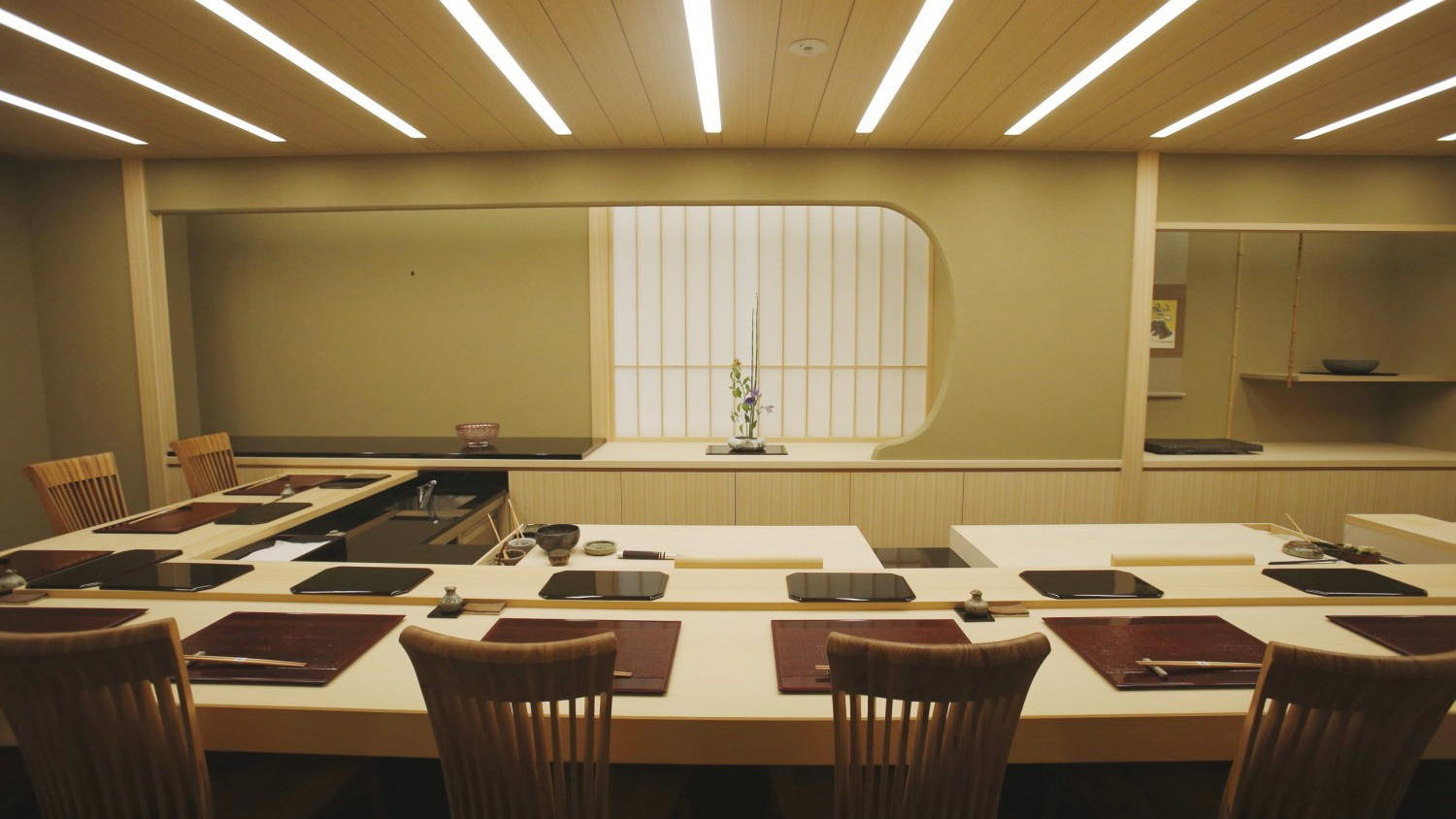
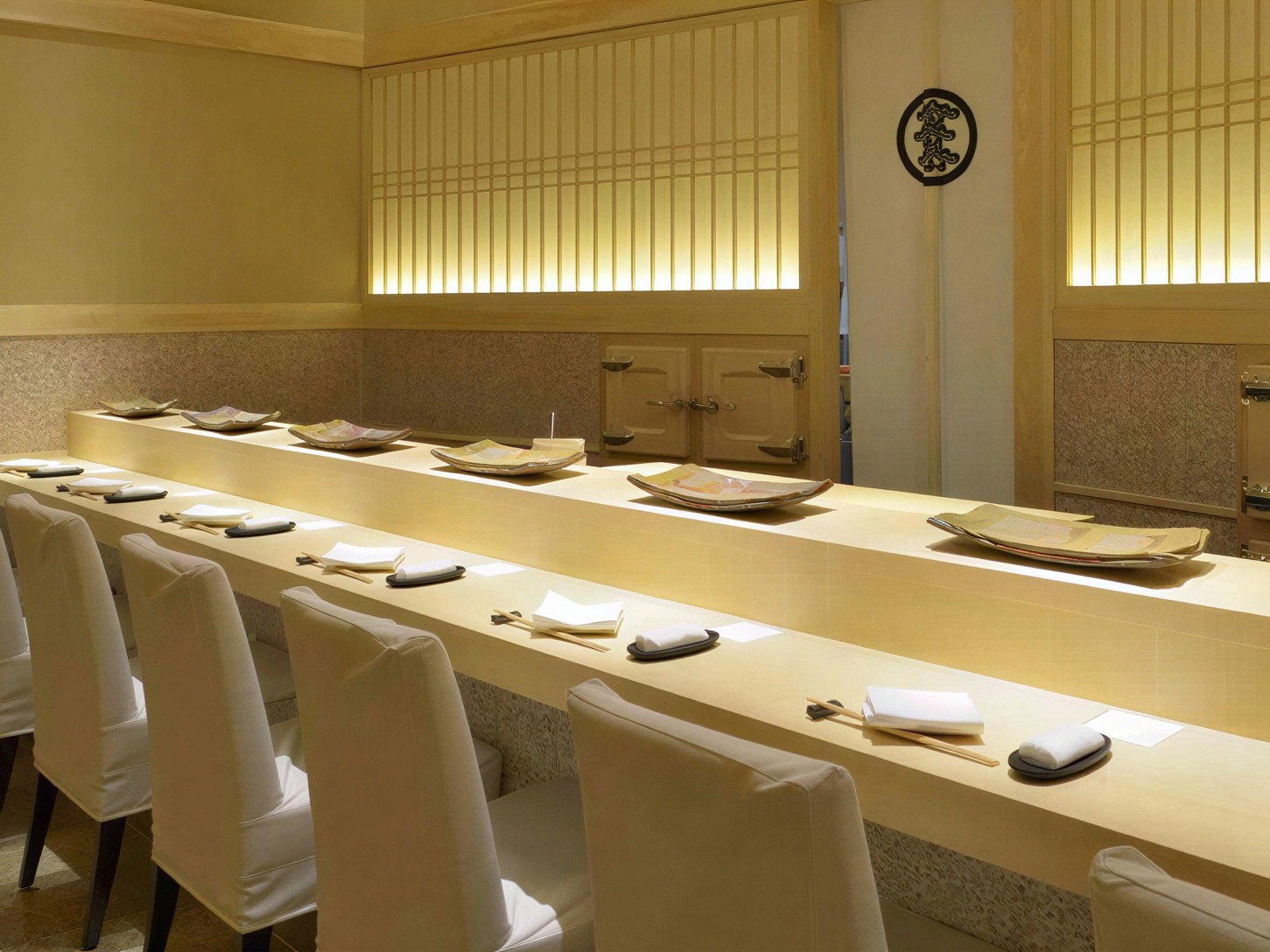
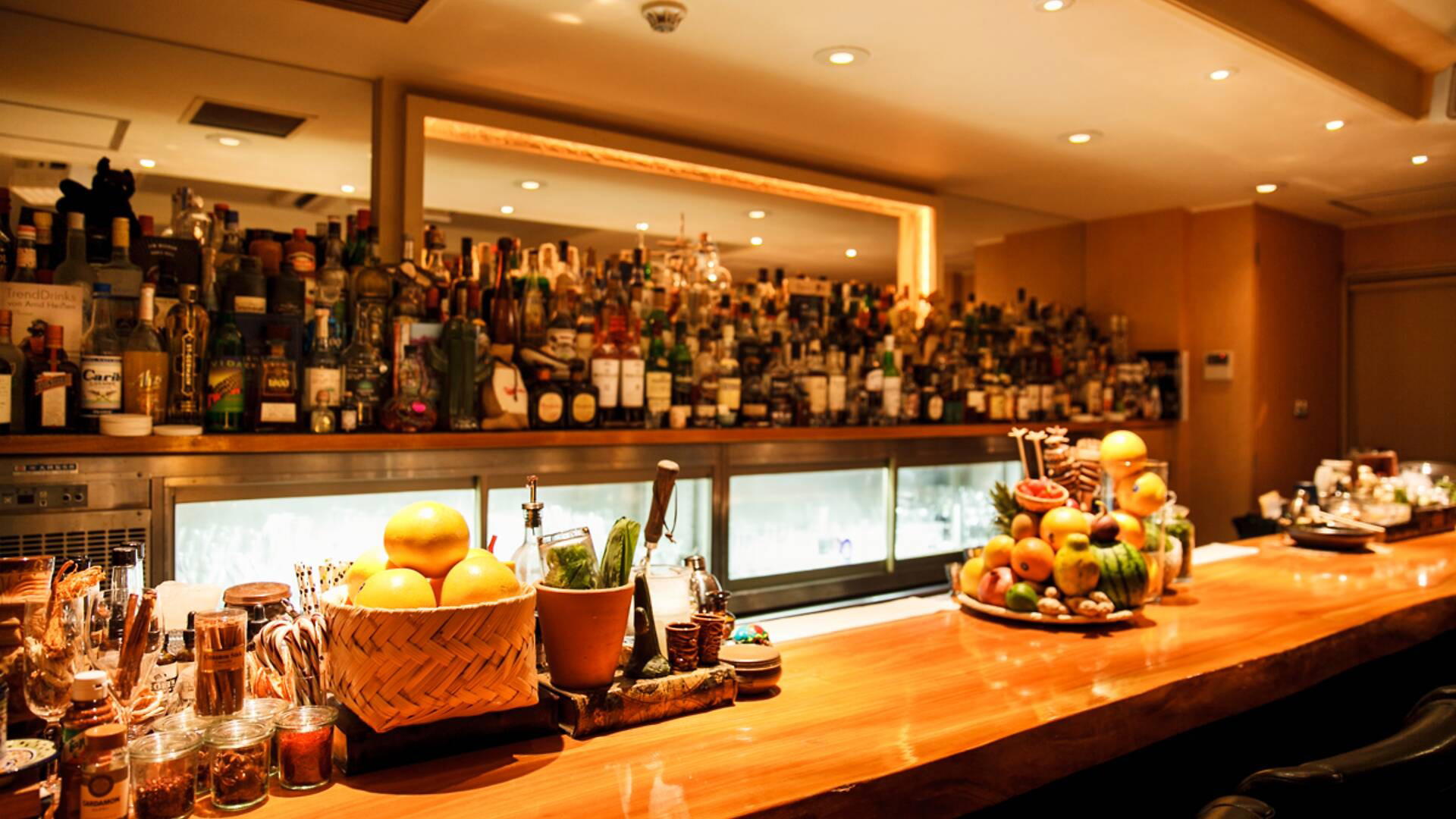
Relaxed and refined atmosphere with a stylish cypress counter, creating an intimate and calming space focused on simplicity and hospitality.