

Our verdict
In the quieter residential streets east of Kamakura Station, 鎌倉 北じま occupies a position that places it alongside the city's more considered dining options rather than its tourist-facing strip. The address in Ōmachi puts it within the older, temple-adjacent grid that shapes much of Kamakura's off-season character. For visitors already exploring the city's serious restaurant scene, it merits attention alongside peers like ETE Kamakura and Restaurant Michel Nakajima.

Pearl is the En Primeur Club membership app, where members save venues, book tables and use the concierge.
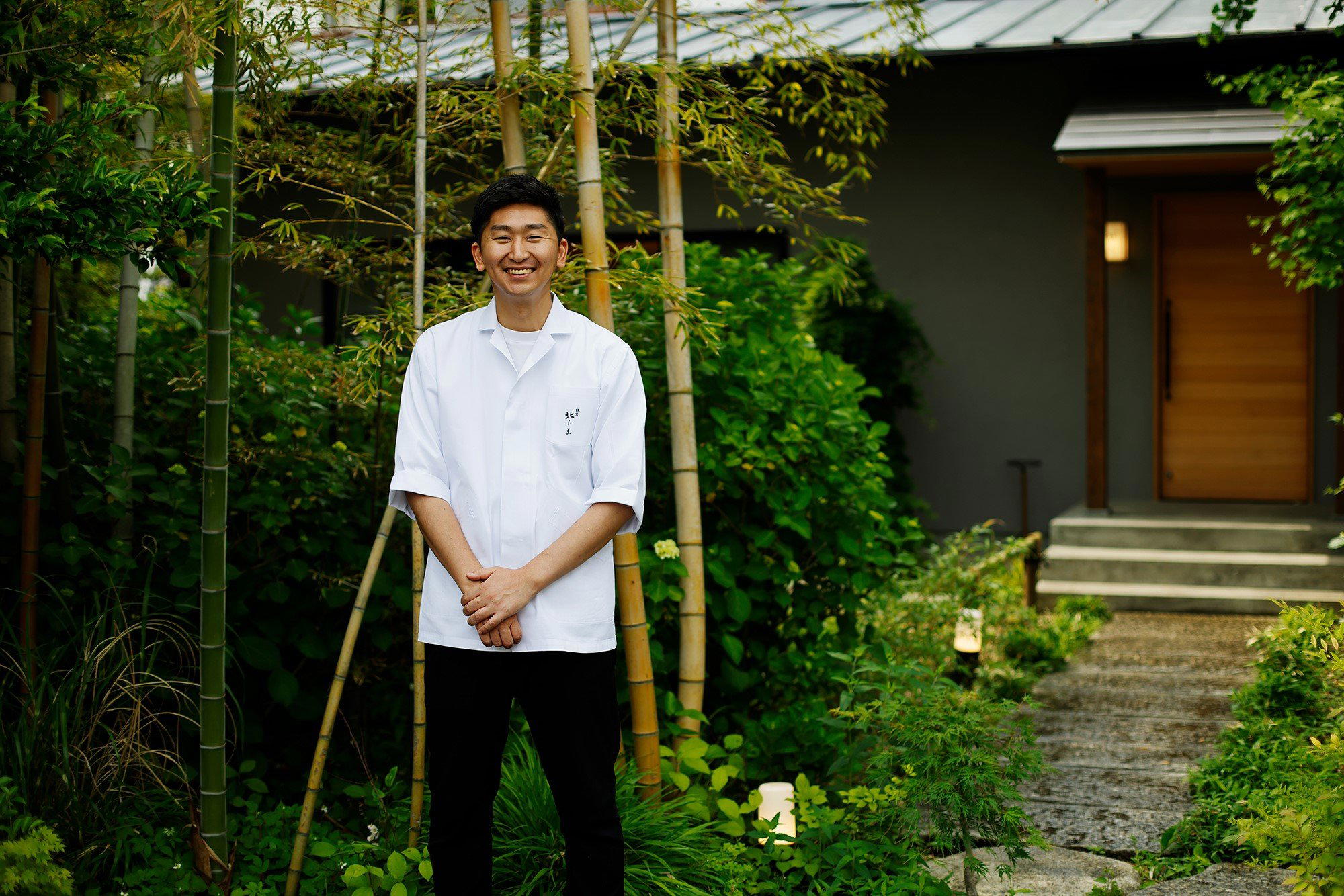
The Physical Address of Serious Dining in Kamakura
Kamakura's restaurant geography divides more cleanly than most Japanese cities of comparable size. The dense corridor near Kamakura Station and Komachi-dori draws the volume trade, while the streets pushing east toward Ōmachi and the older residential quarters have, over time, accumulated a different kind of establishment: smaller, less signposted, and more likely to reward the visitor who already knows the name before arriving. 鎌倉 北じま sits at 4 Chome-3-18 Ōmachi, a Kamakura address that places it firmly in the latter category.
That physical positioning matters in ways that go beyond simple geography. In Japanese dining culture, particularly in cities where the temple circuit defines the visitor rhythm, the restaurants located away from the commercial axis tend to operate with different assumptions about who is coming and why. They are not discovered accidentally. The walk from central Kamakura to Ōmachi takes visitors past the Myōhon-ji approach and through a neighbourhood where the built scale shifts from retail to residential. By the time you arrive at 北じま, the context has already been established.
How the Space Reads Against Kamakura's Dining Architecture
Kamakura's serious restaurants have, almost without exception, adopted spatial restraint as a working principle. This is partly practical, the city's preserved streetscape and planning constraints limit the kind of large-format conversions that define Tokyo's mid-century restaurant boom, and partly editorial. A city that draws visitors specifically for its quieter, more contemplative character generates a hospitality culture that mirrors those expectations. The spaces at ETE Kamakura and Restaurant Michel Nakajima both operate on the logic that scale and spectacle are beside the point here.
What the address and neighbourhood context do confirm is that this is not a large-format venue. The Ōmachi grid does not produce them. Japanese restaurants in this price band and city position typically work with counter arrangements, a small number of tables, or both, formats where the seating arrangement itself becomes part of the dining logic, placing guests in proximity to the kitchen's rhythm rather than separated from it by distance and decor.
That counter-and-small-room format, common across Japan's regionally significant restaurant scene from Harutaka in Tokyo to Gion Sasaki in Kyoto, carries specific implications for the dining experience. It creates a pacing structure determined by the kitchen rather than the guest, and it means that the physical container, walls, light, material surfaces, carries more expressive weight than in larger rooms where atmosphere is diffused across more seats and more movement.
Kamakura as a Restaurant City: Where 北じま Fits
It is worth establishing what kind of dining city Kamakura actually is, because the answer is less obvious than it appears. Day-trip volumes from Tokyo are high, the Yokosuka Line puts central Kamakura roughly an hour from central Tokyo, but the visitor profile has shifted over the past decade toward travelers who arrive with specific restaurant targets rather than simply walking Komachi-dori and eating wherever the queue is shortest. That shift has supported a tier of serious independent restaurants that would be implausible in a purely tourist-volume economy.
Ichirin Hanare, IL NODO, and Roastbeef Kamakurayama each occupy distinct positions in that tier, Chinese-led, Italian-inflected, and meat-focused respectively, which indicates a restaurant scene with enough depth to sustain genuine specialism rather than simply serving consensus comfort food at a tourist markup. 北じま operates within this context. It is one address in a city that has developed a legitimate, if compact, independent restaurant culture.
For comparison with what this kind of regional Japanese restaurant culture can produce at its ceiling, it is useful to look at peers in other secondary cities: akordu in Nara, Goh in Fukuoka, and HAJIME in Osaka all demonstrate that serious culinary ambition is not exclusive to Tokyo's dining density. Kamakura, with its particular visitor profile and proximity to coastal Kanagawa's ingredient supply, has its own version of that dynamic.
Further afield, regional Japanese independents like 一本木 佳川制 in Nanao, 古代山乃 in Sapporo, 湖国庵墨 in Takashima, and 鳳翔庵 in Nishikawa Machi reinforce a pattern visible across Japan: the most considered dining experiences are frequently found at addresses that require deliberate travel rather than casual discovery. Birdland in Sakai is another example of a restaurant that rewards the traveler prepared to move beyond the obvious urban centre. 北じま fits that national pattern at a Kamakura scale.
Planning a Visit: What to Know Before You Go
Japanese restaurant booking culture at this level does not typically accommodate walk-ins, and the smaller the room, the more each seat matters to the kitchen's planning.
Kamakura is leading approached as a full day rather than a rushed lunch stop. The Yokosuka Line from Tokyo makes early arrival direct, which creates the option of a morning at the temples before a lunch or dinner reservation. Visitors combining 北じま with other Ōmachi-area exploration will find the neighbourhood quieter than the central tourist corridor, which is part of its character. Our full Kamakura restaurants guide maps the broader scene for visitors planning a more complete stay. For those accustomed to the booking dynamics of New York's serious independents, Le Bernardin and Atomix both require lead time measured in weeks, the Japanese provincial equivalent will feel familiar in its advance-planning logic, if different in the communications format it requires.
Frequently asked questions
Where do I go for 鎌倉 北じま?
鎌倉 北じま is located at 4 Chome-3-18 Ōmachi, Kamakura, Kanagawa 248-0007, Japan, Kamakura.
Is 鎌倉 北じま suitable for a solo diner visiting Kamakura for the day?
The Ōmachi location, away from the main station crowd, makes 北じま a more considered stop than a spontaneous one, which suits a solo visitor who has structured the day around the restaurant rather than fitting it in between temples. No counter or seating configuration is confirmed in the public record, but smaller Kamakura restaurants of this address type frequently accommodate single diners without issue. Factor in travel time from Kamakura Station when planning, as Ōmachi sits east of the central tourist corridor.
What's the best thing to order at 鎌倉 北じま?
The restaurant sits in Ōmachi, a residential quarter of Kamakura well removed from the tourist-facing strips, which typically signals a kitchen cooking to local repeat custom rather than a curated visitor menu. Ask the kitchen what is running that day and follow their lead.
How far ahead should I plan for 鎌倉 北じま?
Booking procedures and lead times for 北じま are published details are limited, and the restaurant does not appear to operate a listed phone or website at time of writing. The safest course is to approach through a hotel concierge in Kamakura or Yokohama, or to visit in person at the Ōmachi address to ask directly. For a Kamakura restaurant of this address type, same-week availability is plausible outside peak autumn and spring seasons, but cannot be guaranteed. Check the venue's official channels for the latest details.
What makes 鎌倉 北じま worth seeking out?
The address tells part of the story: 4 Chome-3-18 Ōmachi places 北じま in a residential pocket of Kamakura that functions entirely outside the Komachi-dori tourist circuit. Restaurants that sustain themselves in this part of the city do so on the basis of repeat local trade rather than day-trip footfall, which generally produces a more considered kitchen and room. Whether that holds for 北じま specifically requires a visit to verify, but the geography alone filters out the indifferent operators.
What if I have allergies at 鎌倉 北じま?
In smaller Japanese restaurants of this type, written allergy cards in Japanese tend to produce more reliable results than verbal communication in English.
A Tight Comparison
Comparable venues nearby, for context on price, style, and recognition.
| Venue | Cuisine | Price | Awards | Notes |
|---|---|---|---|---|
| 鎌倉 北じまThis venue (the venue you are viewing) | Kamakura Seasonal Japanese Omakase | $200–300 | Not listed | Not listed |
| 季音 | Traditional Kaiseki | $200–300 | Tabelog 100 #8 | Kamakura, Traditional Kaiseki |
| Moana Makai Sango Sho | Japanese Curry | $10–20 | Tabelog 100 #50 | Kamakura, Japanese Curry |
| Restaurant Michel Nakajima | Modern French Fine Dining | $150–200 | Not listed | Kamakura, Modern French Fine Dining |
| OXYMORON komachi Komachi | Japanese-style spice curry & café | $10–20 | Tabelog 100 #25 | Kamakura, Japanese-style spice curry & café |
| -Grilled beef Sukiyaki- KAMAKURA TANUKIAN 鎌倉 たぬき庵 | Grilled Wagyu Sukiyaki | Not listed | Not listed | Kamakura, Grilled Wagyu Sukiyaki |
Recognition history
Dated appearances from independent guides and award organizations, with the underlying list record or original source where available.
Opinionated About Dining Top Restaurants in Japan Recommended
Opinionated About Dining
The Japan Times Destination Restaurants Destination Restaurants Selection #4
The Japan Times Destination Restaurants
Continue exploring
More in Kamakura
Restaurants in Kamakura
All restaurants in Kamakura →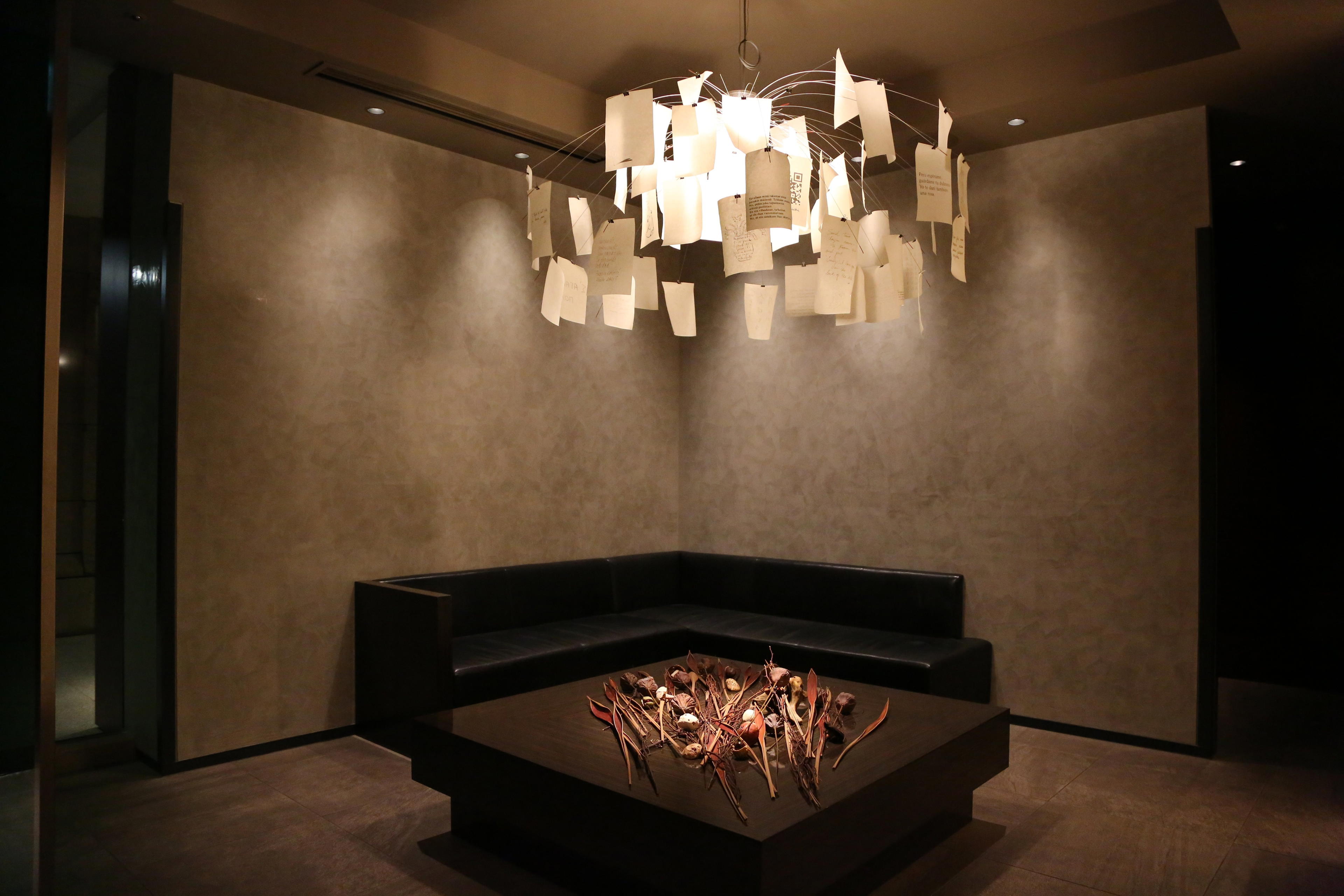

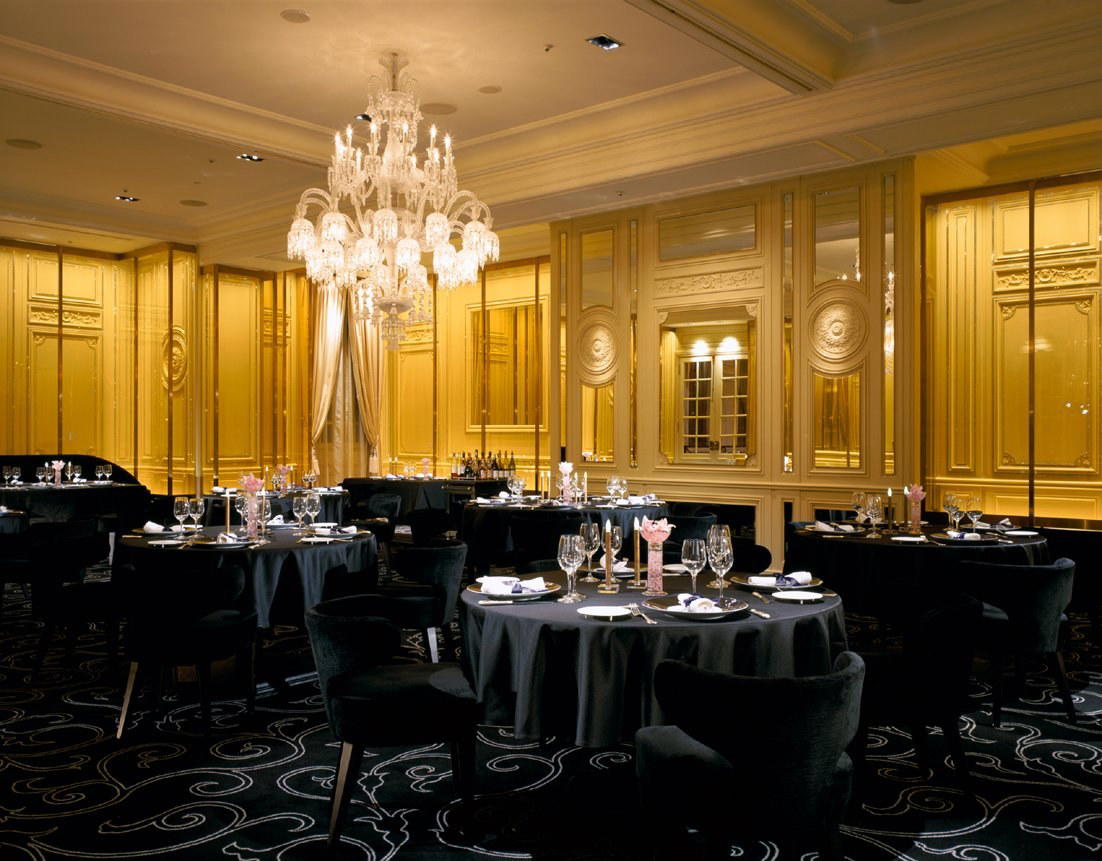

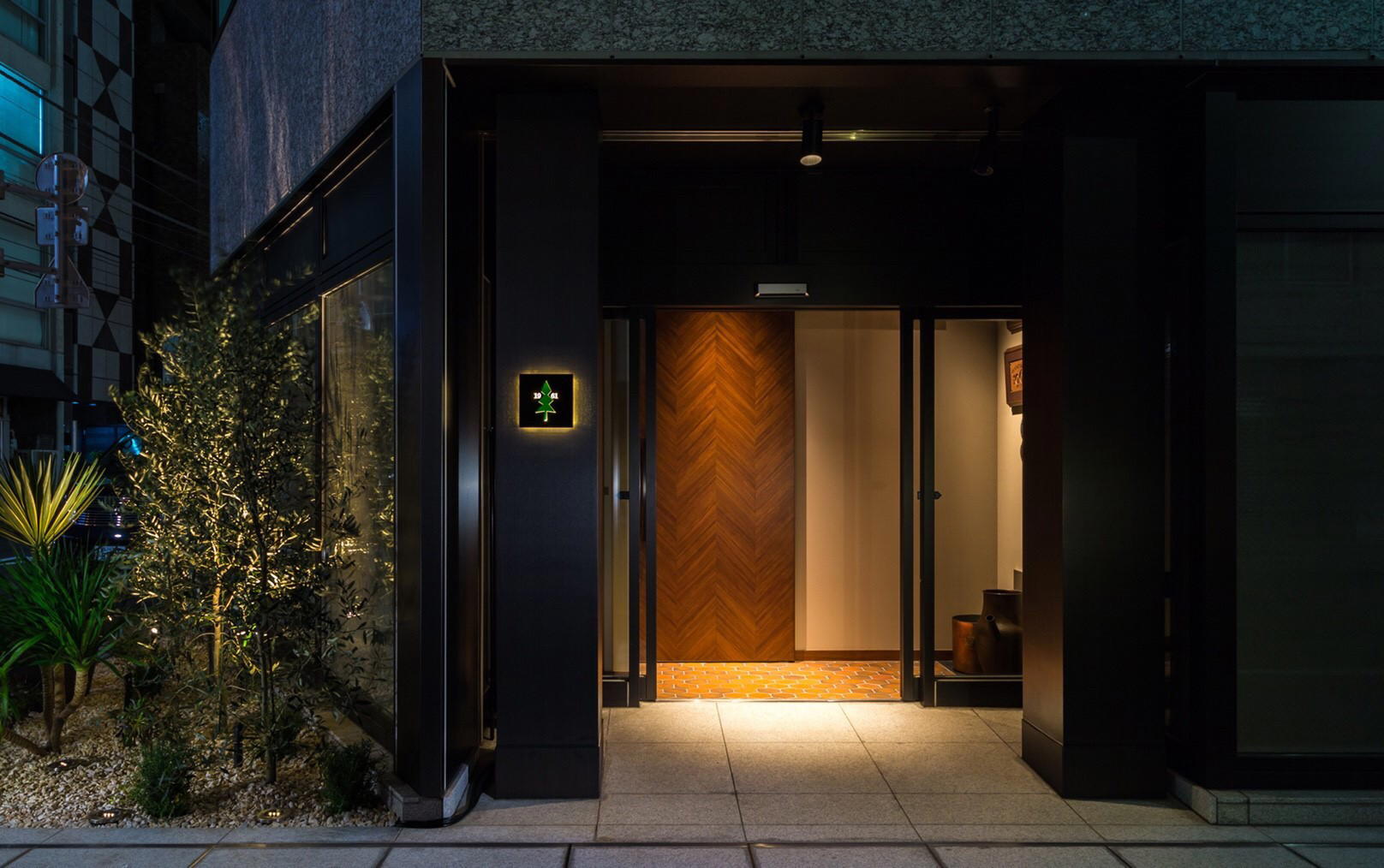
Bars in Kamakura
Browse all →



Details
- Quiet
- Elegant
- Rustic
- Intimate
- Cozy
- Special Occasion
- Date Night
- Historic Building
- Sake Program
- Local Sourcing
- Garden
- Omakase
- Tasting Menu
Current opening hours
- Monday
- 6–10 PM
- Tuesday
- 6–10 PM
- Wednesday
- 6–10 PM
- Thursday
- 6–10 PM
- Friday
- 6–10 PM
- Saturday
- 12–3 PM, 6–10 PM
- Sunday
- 6–10 PM
Hours can change for holidays and private events. Hours as of .
Minimalist counter seating in a tea room-like space of earth, wood, and stone, with flowers arranged by the chef from the front garden adorning the soil walls.