リストランテ イルノード occupies a second-floor address in Komachi, Kamakura's most trafficked shopping corridor, yet operates at a register that distances it from the street-level foot traffic below. The Italian format here fits within a broader pattern of European dining taking root in historic Japanese cities, drawing a local clientele that returns with frequency rather than novelty.
Pearl is the En Primeur Club membership app — saves, bookings, and concierge access live there. Same editors, same standards.
- Address
- Japan, 〒246-0008 Kanagawa, Kamakura, Komachi, 2 Chome−6−12 くすの木443 2階3号
- Phone
- +81467388296
- Website
- tablecheck.com
 Saves & bookings on Pearl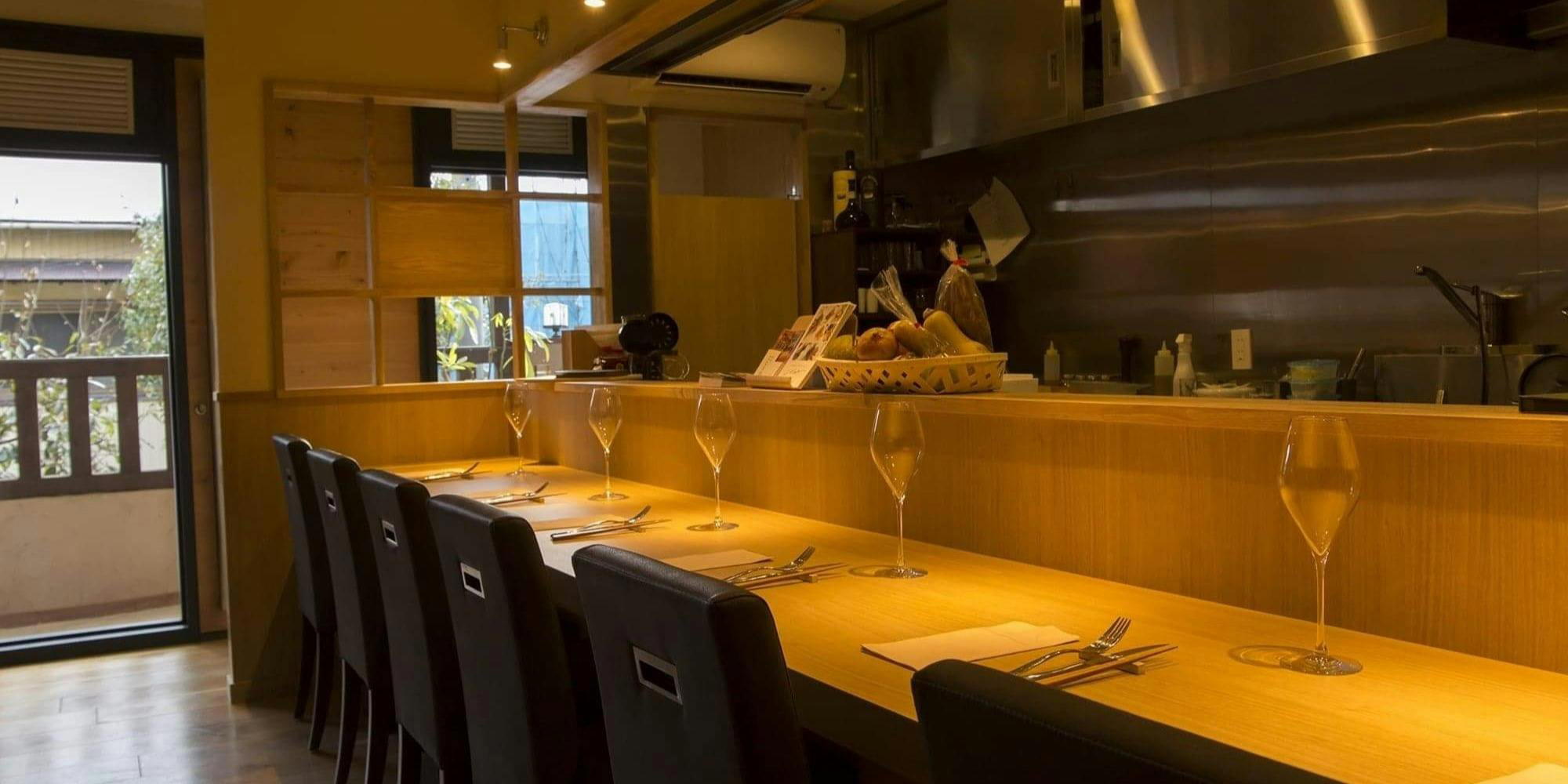
Where Kamakura's European Dining Scene Has Quietly Taken Hold
Second-floor restaurants in Japan carry a particular logic. Remove yourself one flight from the street and the clientele self-selects: people who already know why they're climbing those stairs. リストランテ イルノード, a Japanese restaurant in Kamakura serving Kamakura Vegetable Italian Fine Dining at about $100 per person, occupies exactly that register. The Komachi-dori corridor threads between Kamakura Station and Tsurugaoka Hachimangu shrine, and it draws the full range of day-trippers, weekenders, and serious diners that the city attracts. A second-floor Italian room on that street is, by design, a filter.
That filtering matters because it shapes who the regulars are. Kamakura has developed a cohort of serious independent restaurants serving a local population that is, by regional Japanese standards, highly travelled and food-literate. リストランテ イルノード sits within that cohort, alongside neighbours like ETE Kamakura and Restaurant Michel Nakajima, forming a cluster of European-format dining that rewards residents returning on a monthly or seasonal cadence rather than tourists passing through once.
The Italian Format in a Japanese Historical City
Italian cuisine in Japan has a long and now deeply embedded history. By the 1990s, Italian had overtaken French as the dominant European format in Japanese cities, and the subsequent decades produced a generation of Japanese chefs who trained in Italy and returned to build serious ristorante programs. That pattern played out most visibly in Tokyo and Osaka, but it filtered into secondary and tertiary cities as those chefs, or their students, sought lower rents and a different pace. Kamakura, with its blend of affluent permanent residents and strong weekend visitor traffic, became a natural landing point for this secondary wave.
What distinguishes the Italian format in a city like Kamakura from its metropolitan counterpart is the relationship to local produce. The Shonan coast provides access to seafood that metropolitan restaurants often source through intermediaries, and the Kanagawa interior offers vegetable-growing traditions that align well with the Italian emphasis on seasonal, ingredient-led cooking. A serious Italian room here has geographic arguments in its favour that a comparable address in Shibuya or Shinjuku simply does not.
Comparable European-format restaurants in other mid-sized Japanese cities have found similar footing. akordu in Nara built a credible program around Spanish technique and local Yamato ingredients. Goh in Fukuoka works the French-Japanese interface with Kyushu's coastal larder as its raw material. The pattern, European format, Japanese ingredient logic, non-metropolitan setting, has proven consistently durable.
What the Regulars Are Actually There For
The regulars' perspective on a restaurant like リストランテ イルノード differs structurally from what a first-time visitor might prioritise. A tourist navigating Kamakura's dining scene for a single afternoon is making a selection from limited information, often driven by proximity or platform visibility. A local returning for the fourth or eighth time is optimising for something else entirely: consistency, the ease of a known quantity, the specific dish or seasonal rotation they have been anticipating.
In Italian restaurants operating at this tier across Japan, that returning behaviour tends to cluster around pasta execution and the handling of the day's fish. These are the two categories where kitchen confidence shows most plainly, and where a regular learns, across multiple visits, exactly what to trust. The broader antipasto spread and the meat course matter, but they are rarely the gravitational pull that brings someone back.
This same dynamic appears at Italian rooms across the country, from HAJIME in Osaka at the high end to smaller neighbourhood rooms operating without awards or media profiles. The common thread is a kitchen that has settled into its identity and a front-of-house that knows its clientele by face. リストランテ イルノード's Komachi address, on a street that generates constant new foot traffic, makes the active cultivation of a regular base a deliberate choice rather than a default outcome. That the restaurant occupies this position within the neighbourhood suggests it has made that choice successfully.
For context on how this address relates to others in the city's Italian and European orbit, IL NODO and Ichirin Hanare both operate nearby and serve a partly overlapping clientele. The differentiation between these rooms is a useful exercise for anyone spending more than a night in Kamakura and wanting to understand the city's European dining range rather than cherry-picking a single reservation. Roastbeef Kamakurayama occupies a different register again, leaning into a specific format with mass appeal.
Kamakura's Position in Japan's Broader Dining Circuit
Kamakura is roughly an hour from Tokyo by train on the Yokosuka Line, and that proximity has defined its character as a dining destination. It is close enough for Tokyo-based visitors to treat as a day trip, but sufficiently distinct in atmosphere, low-rise, temple-dense, coastal, that serious restaurants here are not simply Tokyo satellites. They operate with a different set of pressures and a different customer rhythm.
The contrast with, say, Kyoto's dining ecosystem is instructive. Kyoto's European rooms exist within a city that has deep international dining infrastructure and year-round luxury tourism. Kamakura's equivalent restaurants serve a more locally concentrated audience with weekend peaks and quieter midweek periods. For reference, Gion Sasaki in Kyoto and Harutaka in Tokyo both operate within high-density dining markets where the competitive pressure and the media infrastructure are categorically different from what Kamakura offers. That difference is not a disadvantage for a restaurant like リストランテ イルノード, it simply means the success metrics and the customer relationship look different.
For those exploring Japan's wider independent restaurant scene, the pattern of serious European rooms in historically significant, lower-density cities extends well beyond Kamakura. Venues like 一本木 虎丸 in Nanao, 湖畔荘 in Takashima, and 羽黒屋 in Nishikawa Machi illustrate how Japan's serious dining culture has distributed itself far beyond the metropolitan cores. The appetite for considered cooking in historically rooted, slower-paced cities is a real and growing phenomenon, and Kamakura is one of its clearer expressions.
Planning a Visit
The restaurant is located at 2 Chome-6-12 Komachi, Kamakura, on the second floor of the くすの木443 building. Komachi-dori is a short walk from Kamakura Station's east exit, making the address straightforwardly accessible from Tokyo or Yokohama. Given the restaurant's positioning as a local regular's room rather than a tourist-first venue, advance contact is advisable before arriving, particularly on weekends when Kamakura's visitor numbers spike sharply. The restaurant is essential to book, and it is open Wednesday 12 to 3 PM and 6 to 10 PM, Thursday 6 to 10 PM, Friday 12 to 3 PM and 6 to 10 PM, Saturday 6 to 10 PM, and Sunday 12 to 3 PM and 6 to 10 PM; it is closed Monday and Tuesday.
What It’s Closest To
Comparable venues nearby, for context on price, style, and recognition.
| Venue | Cuisine | Price | Notes |
|---|---|---|---|
| リストランテ イルノードThis venue — the venue you are viewing | Kamakura Vegetable Italian Fine Dining | $$$$ | Not listed |
| イザ | Modern Italian with Local Japanese Seafood | $$$$ | Kamakura |
| フィエルテ | French Fine Dining | $$$ | Kamakura |
| 鎌倉 北じま | Kamakura Seasonal Japanese Omakase | $$$$ | Kamakura |
| Latteria Bebe Kamakura | Cheese-focused Neapolitan pizzeria & Italian | $$ | Kamakura |
| Spanish restaurant Arashida | Refined Spanish & Basque Counter Dining | $$$ | Kamakura |










At a Glance
- Intimate
- Elegant
- Cozy
- Sophisticated
- Date Night
- Special Occasion
- Celebration
- Sake Program
- Local Sourcing
Current opening hours
- Monday
- Closed
- Tuesday
- Closed
- Wednesday
- 12–3 PM, 6–10 PM
- Thursday
- 6–10 PM
- Friday
- 12–3 PM, 6–10 PM
- Saturday
- 6–10 PM
- Sunday
- 12–3 PM, 6–10 PM
Hours can change for holidays and private events. Last verified .
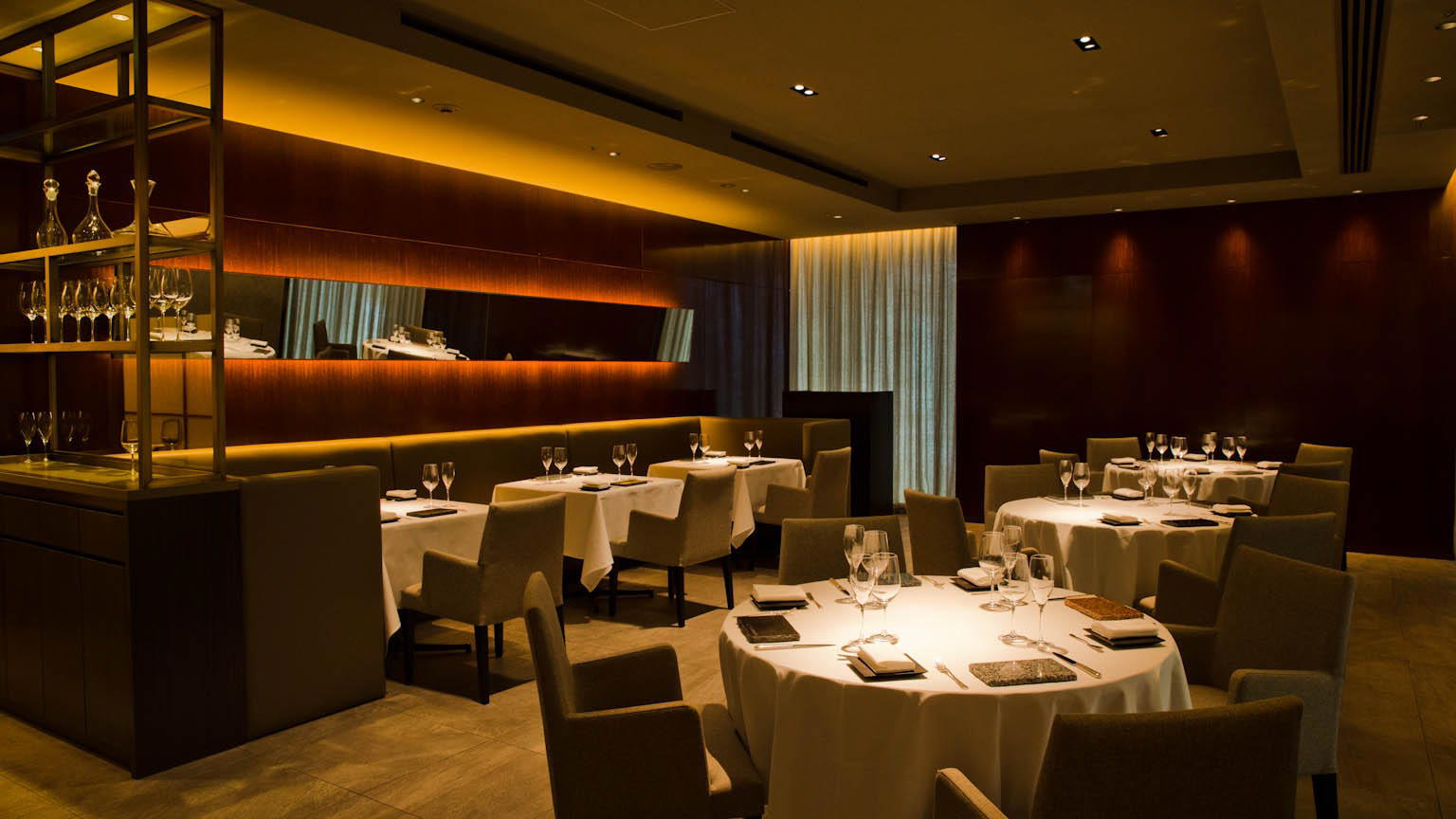
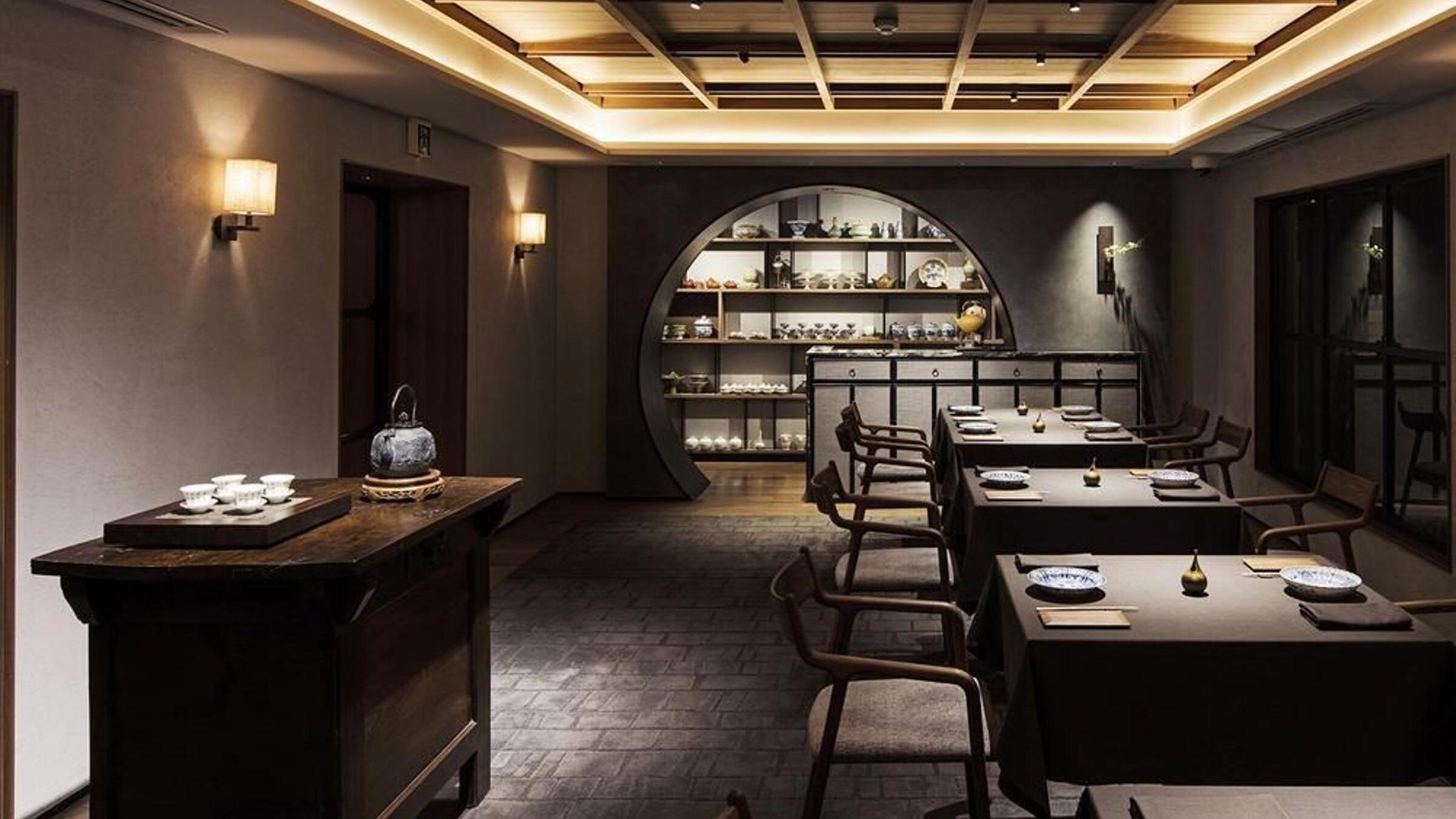
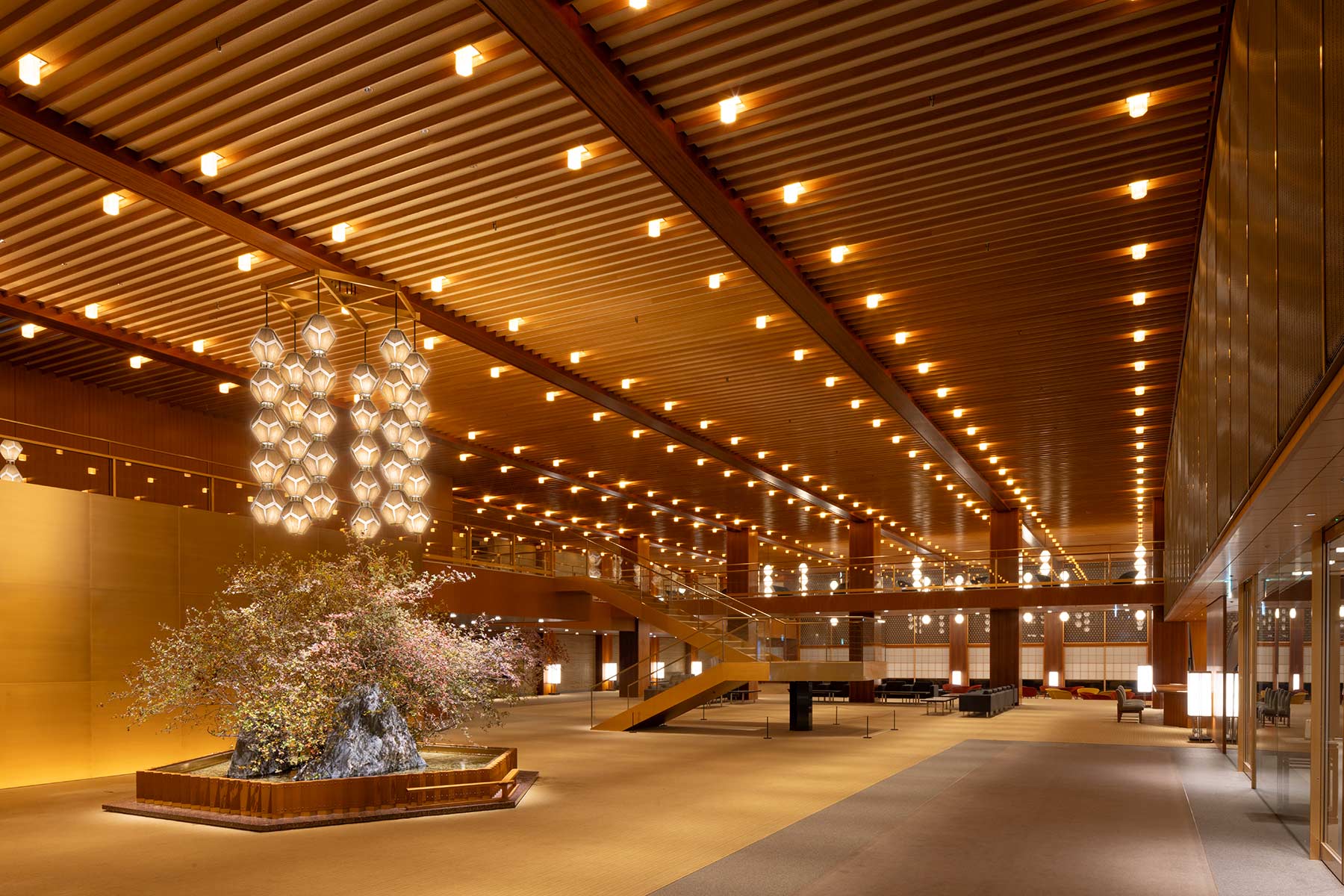
Quiet, healing, and relaxing hideaway interior well-suited for intimate occasions.