Located on the upper floors of a Ginza building at 3-3-1 Chome, Argento occupies a tier of the district where address and altitude carry their own signal. Ginza's premium dining corridor has tightened considerably in recent years, and venues at this level sit in a competitive set defined less by cuisine category than by sourcing discipline, format rigor, and proximity to Japan's most demanding dining public.
- Address
- Japan, 〒104-0061 Tokyo, Chuo City, Ginza, 3 Chome−3−1 ZOE銀座 8F 9F
- Phone
- +81355241270
- Website
- hiramatsurestaurant.jp
- Directions
- Get directions
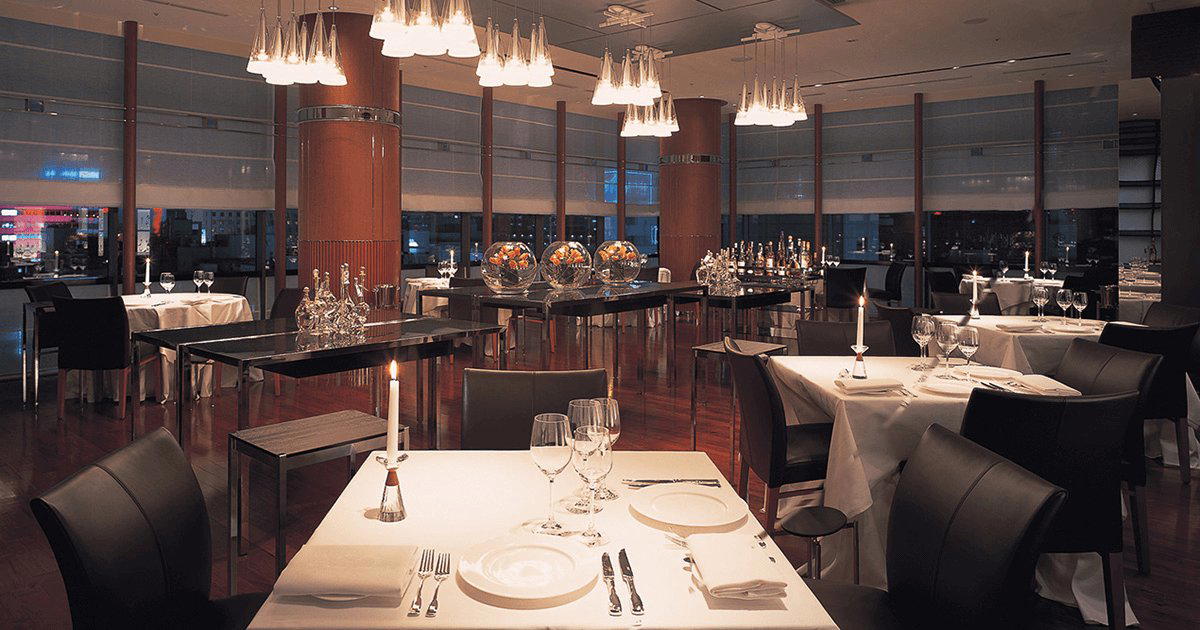
Ginza at Altitude: What the Address Signals
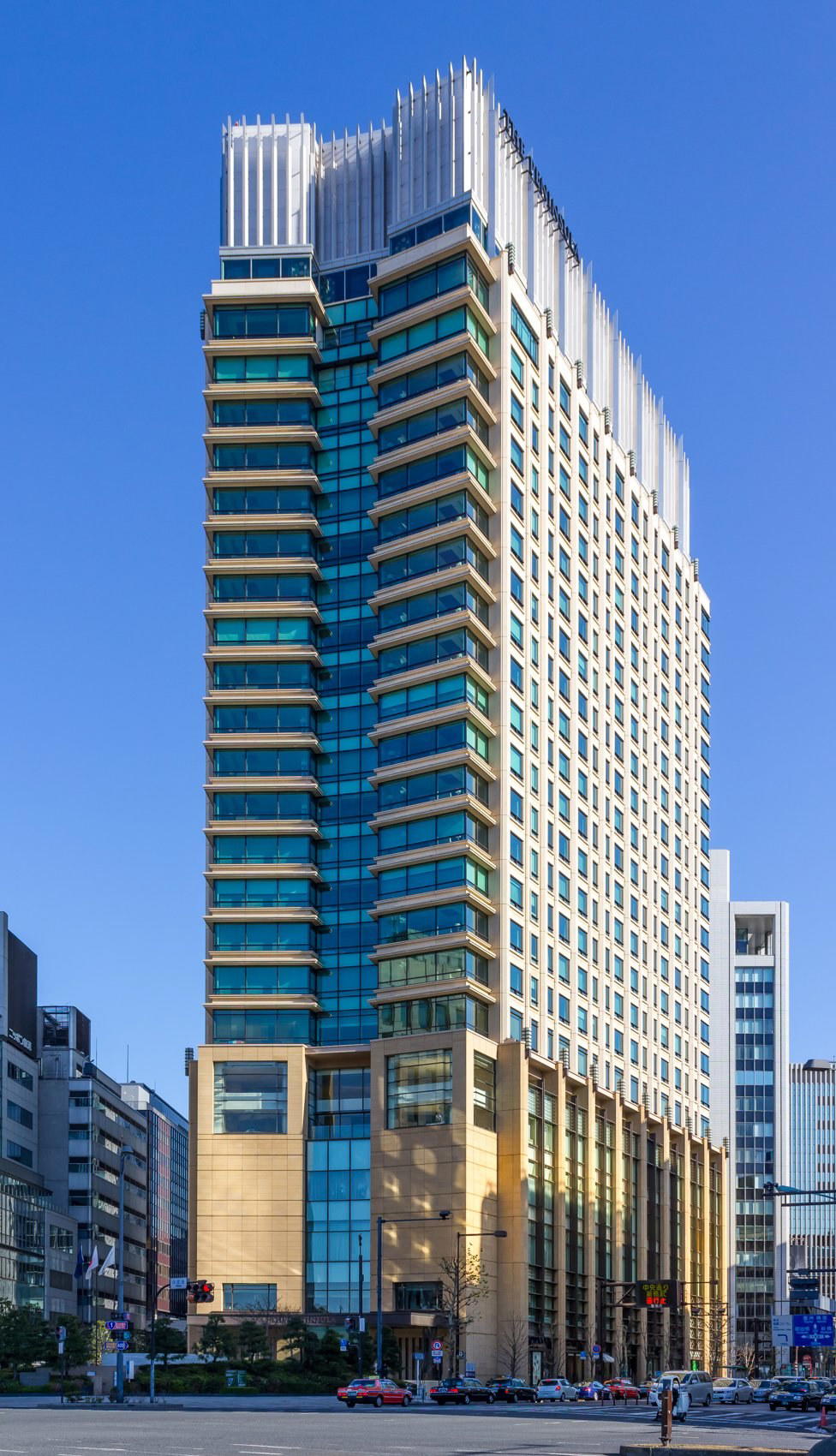
Argento is a restaurant in Ginza, Tokyo, on the eighth and ninth floors of ZOE Ginza at 3-3-1 Ginza, Chuo City. The upper-floor setting gives the dining room a quieter, more removed atmosphere. In Ginza, verticality functions as a price signal before a menu is ever read.
That physical context matters because Ginza's premium restaurant scene is highly stratified. The district now separates into omakase counters commanding ¥30,000-plus per head, midrange French and Italian addresses built around European-trained chefs, and a smaller cluster of concept-driven venues that sit slightly outside the traditional Japanese fine-dining taxonomy. The neighbourhood sets expectations that no single venue controls.
The Sourcing Logic Behind Ginza's Premium Tier
Across Tokyo's fine-dining circuit, the question of ingredient provenance has shifted from background detail to primary editorial claim. This is especially pronounced in Ginza, where the density of competing addresses means that sourcing specificity has become one of the clearest ways a kitchen distinguishes its position. Venues at the ¥¥¥¥ level in this district are not competing on price: they are competing on the credibility of their supply chains, the seasonality of their menus, and the demonstrable relationship between what arrives at the kitchen and what reaches the counter.
Japan's ingredient geography rewards this kind of specificity. Tsukiji's successor market at Toyosu sits less than two kilometres from Ginza's core, and the proximity gives high-commitment kitchens in this district a structural advantage over peers in other cities. The leading tuna from Oma, the leading seasonal vegetables from Kyoto's Nishiki corridor, and the prized wagyu cuts from Kagoshima or Miyazaki all move through supply chains that terminate, in their highest-grade form, in restaurants operating at exactly this tier. A kitchen serious about sourcing in Ginza is working with particularly competitive ingredient pipelines in the world.
That same logic plays out across Japan's broader fine-dining geography. HAJIME in Osaka built its three-Michelin-star reputation partly on a hyper-local sourcing philosophy that treats ingredient origin as artistic statement. Gion Sasaki in Kyoto operates within a kaiseki tradition where seasonal produce from the surrounding region is the grammar of the menu. akordu in Nara takes a cross-cultural approach that still anchors itself in Japanese regional produce. The pattern holds from Goh in Fukuoka to aki nagao in Sapporo to affetto akita in Akita: particularly compelling restaurants in Japan at the moment are using geography as a menu-building discipline, not just a marketing footnote.
Argento Within the Ginza comparable set
Ginza's premium set includes a range of formats that would have seemed unusually diverse a decade ago. Harutaka anchors the sushi counter end of the market with a format built around intimate omakase and long-standing seasonal relationships with suppliers. L'Effervescence and Sézanne occupy the French fine-dining space, both working with Japanese producers to bridge European technique and local ingredient logic. RyuGin holds its position within the kaiseki tradition while pushing against its formal boundaries. Crony sits in the innovative French category, where creative latitude is wider and the format is less codified.
Argento's address on floors eight and nine of the ZOE Ginza building places it within this bracket. The upper-floor format is common enough in Tokyo to constitute a recognizable dining typology, separating the room from street noise and pedestrian density. It is a format that tends to attract diners already operating in the upper tier of the market, which in turn shapes the service calibration and the way menus are written and priced.
Japan's Regional Restaurant Network and the Ginza Standard
Understanding what a Ginza address demands also means understanding what it is measured against. Japan has a remarkably distributed fine-dining culture, and the capital's premium venues are benchmarked not only against each other but against regional restaurants that have built national reputations on different terms. Abon in Ashiya, Aji Arai in Oita, Ajidocoro in Yubari District, and Akakichi in Imabari all represent the kind of regionally rooted, produce-first cooking that has made Japan's dining culture unusually deep outside its metropolitan centres. A kitchen in Ginza that is not paying attention to that regional standard is operating at a disadvantage, because the diners who eat in Tokyo's top tier also travel widely and hold regional Japanese restaurants to the same level of scrutiny.
The international frame is also relevant. Le Bernardin in New York City and Lazy Bear in San Francisco represent different models of premium dining, both of which have influenced how Tokyo's more internationally oriented kitchens think about format, sourcing narrative, and the relationship between technique and ingredient. The cross-pollination between Japanese fine dining and its international peers is not new, but it has accelerated in the post-pandemic period as chefs and diners move more deliberately between markets.
The Minimal Set
Comparable venues nearby, for context on price, style, and recognition.
| Venue | Cuisine | Price | Notes |
|---|---|---|---|
| ArgentoThis venue — the venue you are viewing | Chūō, Italian Contemporary | $$$$ | Not listed |
| タクボ | Shibuya, 薪火イタリアン | $$$$ | Not listed |
| アルヴァ | Not listed | $$$$ | Chiyoda, Modern Italian with Japanese Ingredients |
| ペレグリーノ | Not listed | $$$$ | Shibuya, Traditional Parma Italian Fine Dining |
| L'appartamento di NAOKI | Chūō, Wood-fired Italian tasting counter | $$$$ | Not listed |
| Ristorante Hiro Aoyama | Minato, Seasonal Italian Fine Dining | $$$$ | Not listed |
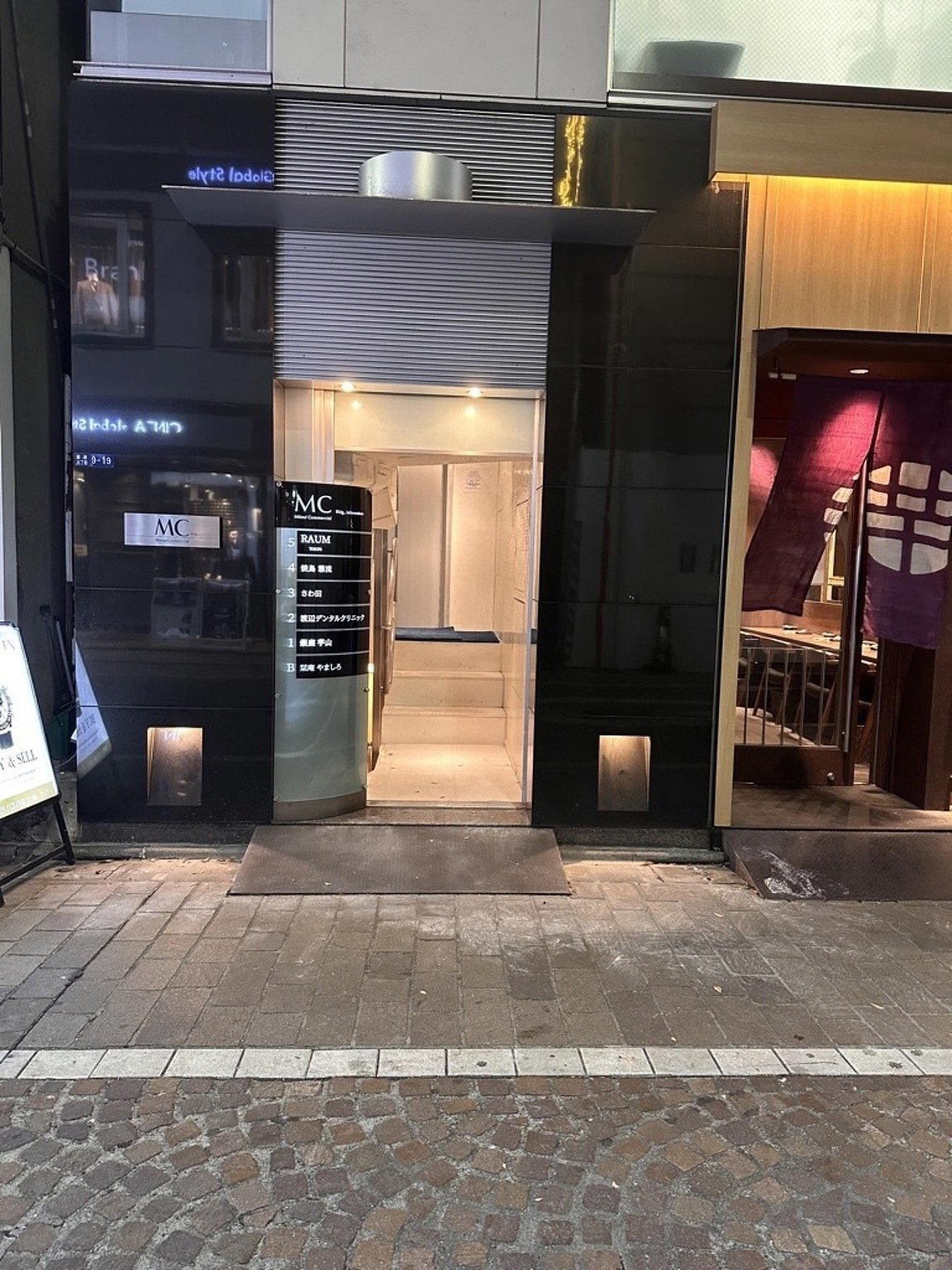









At a Glance
- Elegant
- Sophisticated
- Date Night
- Special Occasion
- Business Dinner
- Panoramic View
- Extensive Wine List
- Skyline
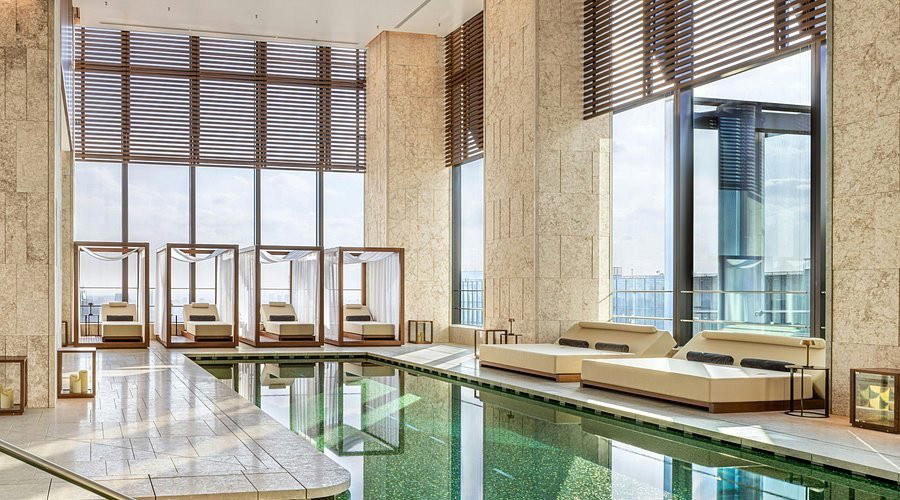
Elegant and sophisticated atmosphere on the 8th and 9th floors with dramatic views.