Tabelog Bronze #456
Our verdict
Opened in October 2024, tens. brings Italian cooking to a 15-seat basement counter in Minamiaoyama, with a program built around fish-forward sourcing and a wine list the kitchen takes seriously. A Tabelog Award 2026 Bronze winner with a score of 4.31, it reached that recognition within its first year of operation — placing it among Tokyo's most closely watched new Italian addresses.

Pearl is the En Primeur Club membership app — saves, bookings, and concierge access live there. Same editors, same standards.
- Address
- Japan, 〒107-0062 Tokyo, Minato City, Minamiaoyama, 2 Chome−27−28 B1F
- Phone
- +81 3-6434-9908
- Hours
- Mon ClosedTue–Sat 5 PM–2 AMSun Closed
- Website
- svolta.co.jp
- Directions
- Get directions
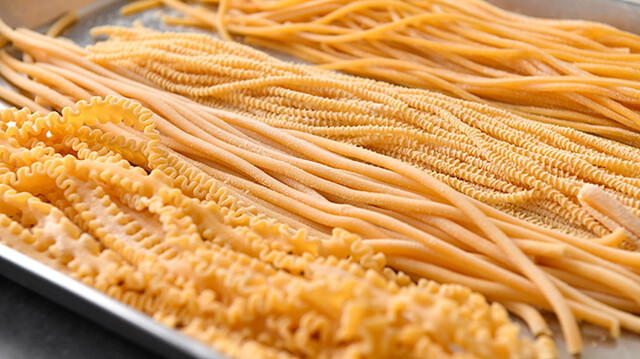
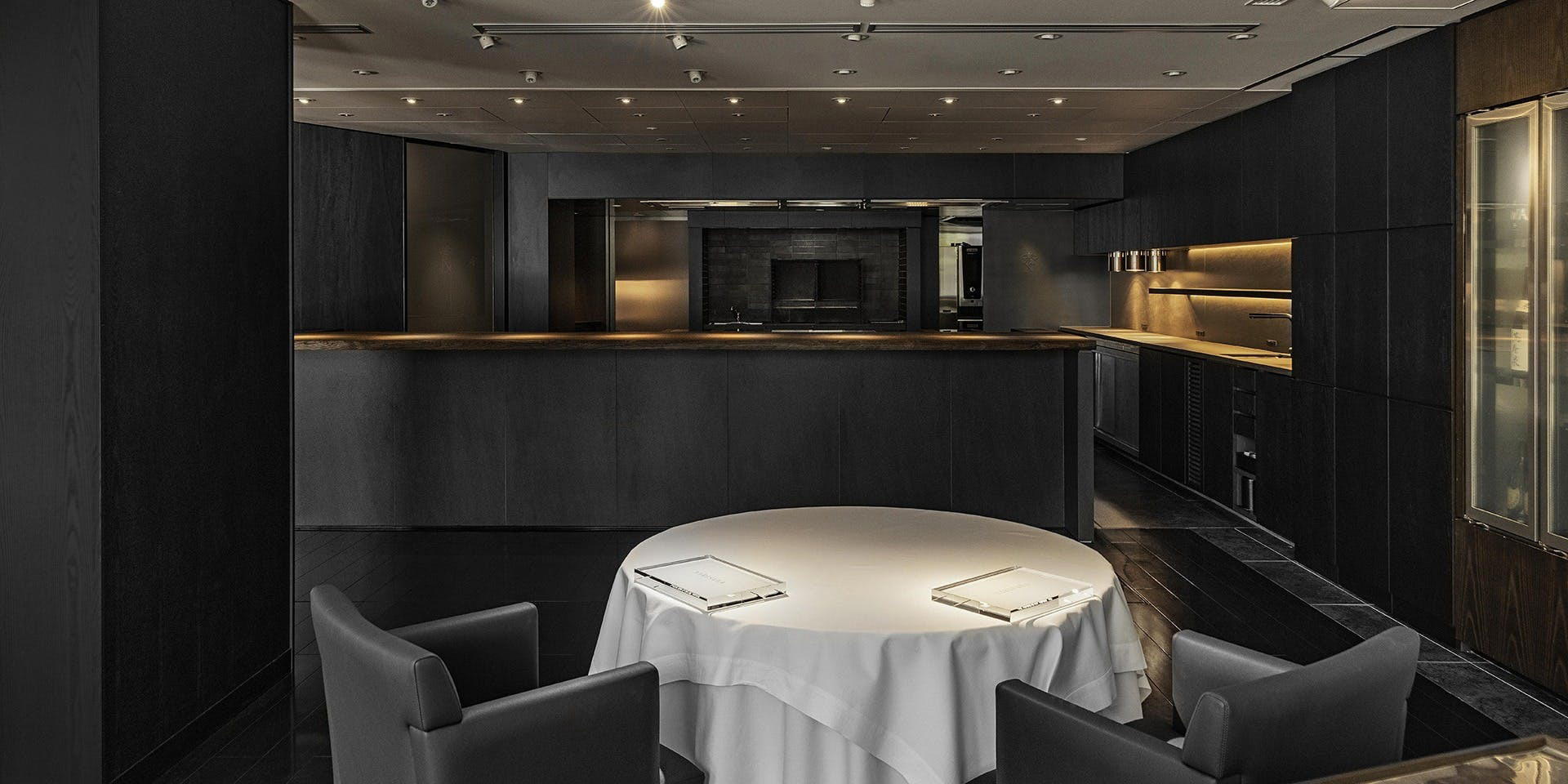
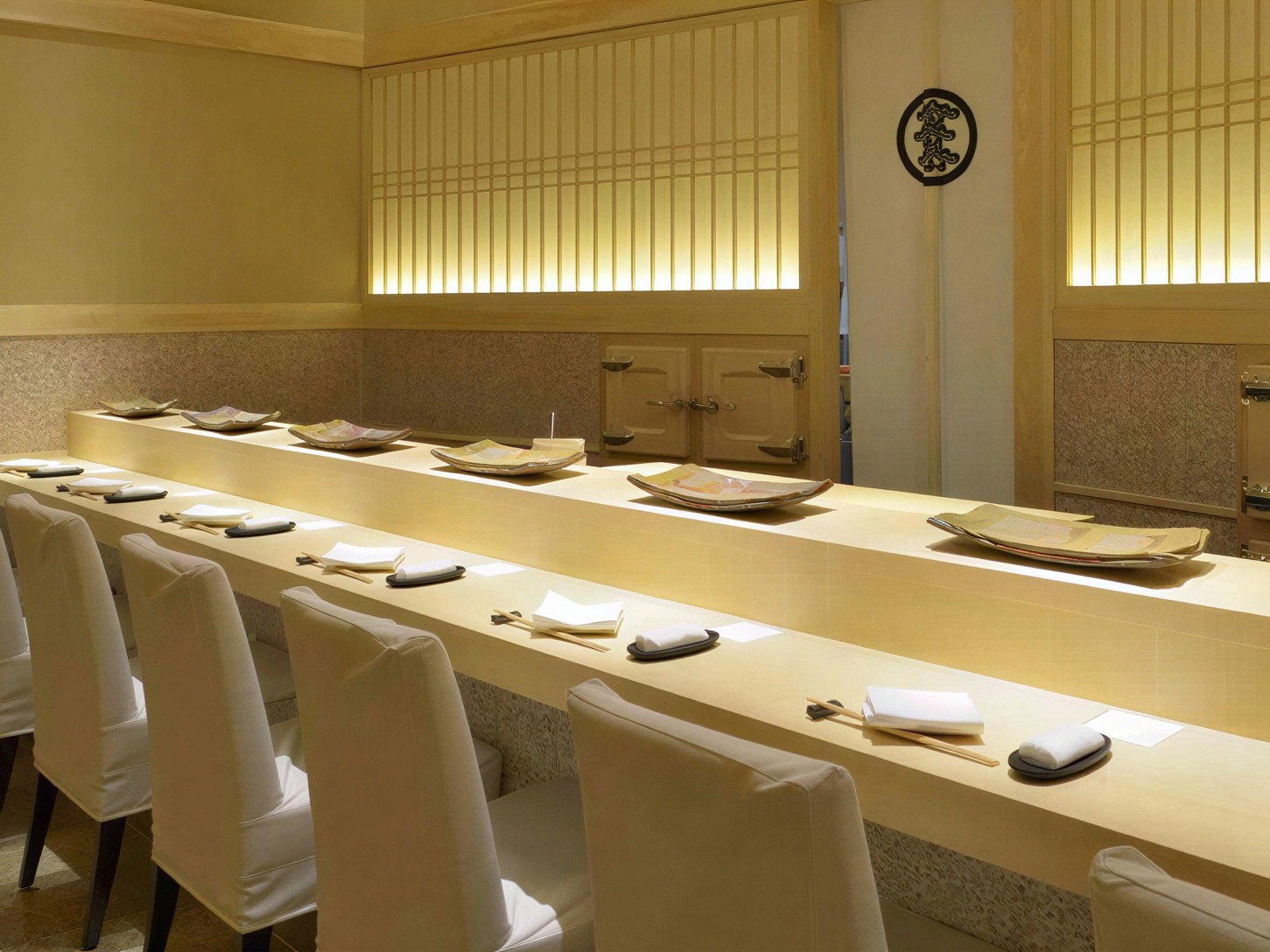
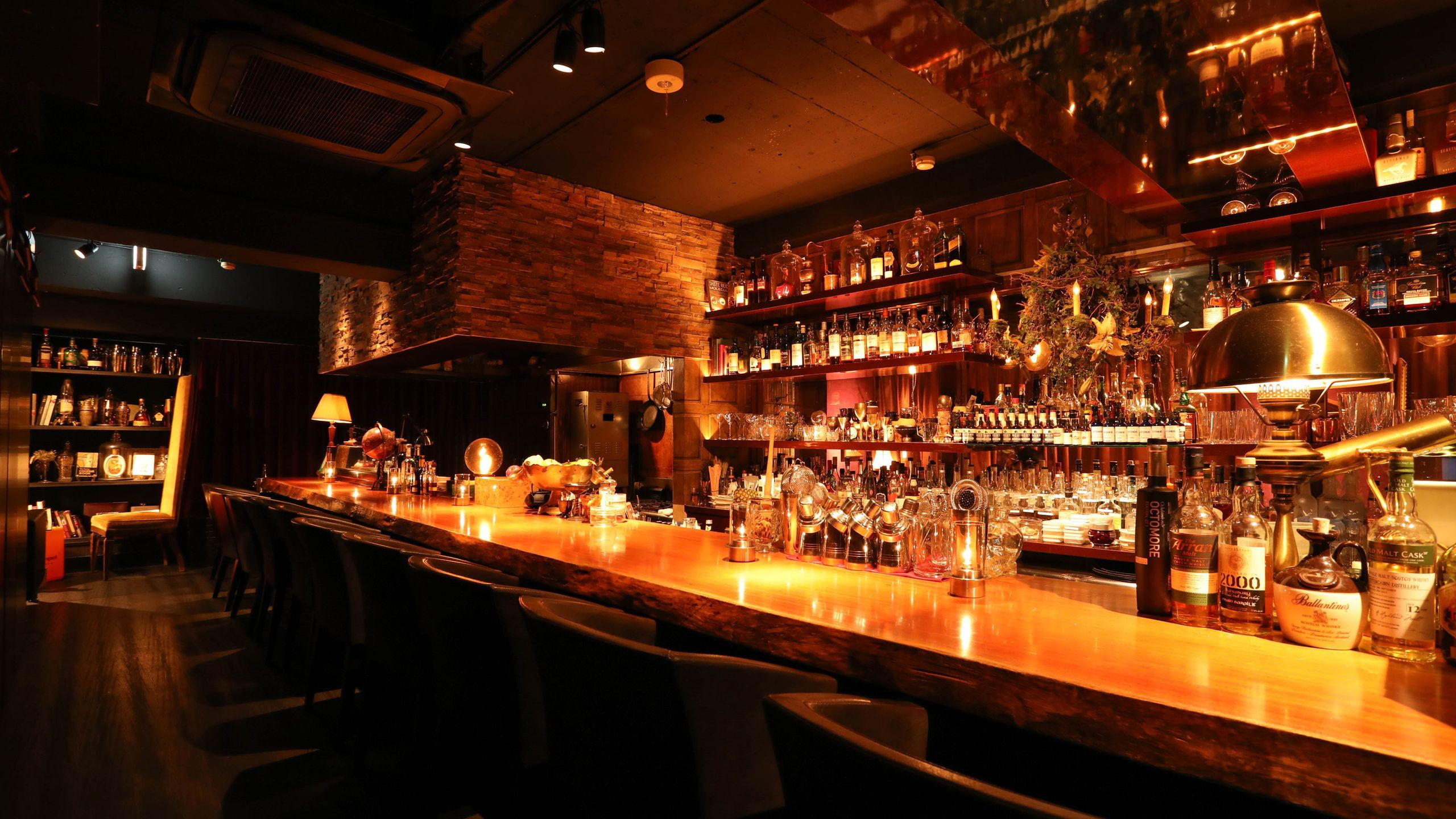
Fifteen seats. A basement address in Minamiaoyama. Opened in late October 2024, and already holding a Tabelog Award 2026 Bronze at a score of 4.31 — placing it inside Tokyo's Tabelog Italian TOKYO "Tabelog 100" 2025 selection within its first twelve months. The count matters: at this scale, a single empty seat represents nearly seven percent of a full house, which means the kitchen is cooking for an intimate room every service, and the room knows it.
Italian Cooking in Tokyo: A Scene That Rewards Specificity
Tokyo's Italian dining scene has been serious for decades — longer, arguably, than the city gets credit for internationally. The restaurants that have accumulated sustained Tabelog scores in the 4.0-plus range tend to cluster around particular disciplines: rigorous sourcing, pasta technique that borrows from specific Italian regions without flattening them into a generic "Italian" shorthand, and wine programs that treat Italian viticulture as a subject rather than a supplier list. Aroma Fresca and Principio represent different expressions of this discipline; AlCeppo and PRISMA occupy different price tiers and formats within the same competitive field. tens. enters this conversation at the JPY 20,000-29,999 dinner price point (with actual spend per Tabelog reviewer data trending toward JPY 30,000-39,999 once wine and service are included), which places it in a bracket where diners expect more than competence, they expect a coherent point of view.
The Tabelog description flags two specific emphases: aroma, temperature, and ambiance as experiential priorities, and a particular focus on fish. In Italian cooking, that second signal is worth reading carefully. The peninsula's coastal traditions, from Ligurian seafood to Venetian crudo, from the brodetti of the Adriatic coast to Sicilian preparations built around the day's catch, offer a very different architecture from the beef-and-pork-driven inland cuisines that often dominate the global Italian imagination. A kitchen that identifies fish sourcing as a point of distinction is positioning itself in a specific culinary conversation, one that prizes delicacy, timing, and acidity over richness and slow braise.
The Pasta Tradition at This Latitude
Italian pasta has proven to be one of the more portable culinary forms, not because it travels easily, but because the technique is exacting enough to reward the Japanese kitchen's strengths: precision, repetition, attention to texture at the moment of service. The traditions that translate most directly are those built on restraint: a dough mixed to a specific hydration level, rolled to a specific thickness, matched to a sauce philosophy where the pasta itself carries flavour rather than drowning in it. Rome's cacio e pepe tradition, the egg-yolk-heavy tajarin of Piedmont, the chitarra of Abruzzo, each format encodes a set of regional decisions about wheat, fat, and water that a skilled kitchen reproduces through discipline rather than improvisation.
Tokyo's better Italian addresses have understood this for years. What varies is which regional tradition a kitchen chooses to anchor to, and how it responds to the availability of Japanese ingredients that have no direct Italian equivalent, specific fish, mountain vegetables, domestic truffles, without abandoning the structural logic of the Italian form. tens. with its stated emphasis on fish and aroma, appears to approach this integration from the coastal Italian side of the tradition, where seafood pasta formats (linguine alle vongole, pasta con le sarde, bigoli in salsa) are already built around the interplay between sea, salt, and starch. For a Tokyo kitchen sourcing high-quality Japanese fish, that's a structurally coherent foundation.
The wine program reinforces the positioning. The listing notes shochu alongside wine, and flags the team as particularly focused on their wine selection. In Tokyo's Italian restaurant context, this matters: a kitchen serious about fish-forward Italian cooking needs an acid-driven wine list, Campanian whites, Friulian skin contacts, Sicilian Nerello Macedonio, to match the register of the food. Venues that reach Tabelog's top-tier recognition in this category consistently treat the wine program as an extension of culinary argument, not an afterthought.
For broader context on Italian cooking in Japan, cenci in Kyoto represents a different geographic expression of the same underlying question, how Italian structure absorbs Japanese ingredients without losing its identity, while Gucci Osteria da Massimo Bottura Tokyo approaches it from the opposite angle, with a global brand anchoring a Tokyo outpost of Italian fine dining. The comparison is instructive: tens. operates at fifteen seats in a basement in Minamiaoyama, earning its recognition through Tabelog's peer-reviewed score system rather than international brand affiliation.
Minamiaoyama After Dark
The address, Gran Aoyama B1F, Minamiaoyama 2-chome, places tens. in a neighbourhood that functions as Tokyo's most concentrated zone for the overlap between fashion, design, and serious dining. Gaienmae Station on the Tokyo Metro Ginza Line is the access point, one minute's walk away. The basement location and the operating hours (17:00 to 02:00, Tuesday through Saturday and public holidays, last seating at midnight) describe a room that leans into the late-night eating culture that distinguishes Tokyo's leading small restaurants from the city's earlier-closing prestige tier. A last seating at midnight is not incidental, it signals that the kitchen is genuinely staffed and cooking late, not just technically open.
The combination of fifteen seats, a private room for six, counter seating, and a format described as stylish and relaxing without exclusion (children are welcome, private room access available for families by advance arrangement) suggests a room that works for both focused couples dining and small-group occasions, without the formality that characterizes many Tokyo restaurants in this price bracket. The no-cash policy, with credit cards (Visa, Mastercard, JCB, Amex), iD, and QUICPay accepted, is standard for Tokyo's newer serious restaurants.
For context on the broader Tokyo dining field, see our full Tokyo restaurants guide. Restaurants at similar price points and critical standing in other formats include HAJIME in Osaka and Gion Sasaki in Kyoto for those building a wider Japan itinerary. Additional regional references: akordu in Nara, Goh in Fukuoka, 1000 in Yokohama, and 6 in Okinawa. For Italian in the wider Asian region, 8 1/2 Otto e Mezzo Bombana in Hong Kong represents the benchmark for Italian fine dining at this longitude.
Explore Tokyo further: our full Tokyo hotels guide, our full Tokyo bars guide, our full Tokyo wineries guide, and our full Tokyo experiences guide.
Know Before You Go
- Address: Gran Aoyama B1F, 2-27-28 Minamiaoyama, Minato, Tokyo
- Access: 1-minute walk from Gaienmae Station (Tokyo Metro Ginza Line)
- Hours: Tuesday–Saturday and public holidays, 17:00–02:00; closed Monday and Sunday
- Last seating: 24:00
- Price: JPY 20,000–29,999 (dinner); reviewer average JPY 30,000–39,999 including wine and service
- Service charge: 10%
- Seats: 15 total; private room for up to 6
- Reservations: Via TableCheck (accessible through the venue website or Instagram profile)
- Payment: Cashless only, Visa, Mastercard, JCB, Amex, iD, QUICPay; no cash, no QR code payments
- Opened: 27 October 2024
- Recognition: Tabelog Award 2026 Bronze (score 4.31); Tabelog Italian TOKYO "Tabelog 100" 2025
Frequently asked questions
What style of cooking does tens. do?
tens.
Does tens. have a Michelin star or similar recognition?
tens. has received recognition including: {"Year":"2026","Award Source":"Tabelog","Award Type":"The Tabelog Award","Award Group":"bronze","Award Group Rank":"456","Restaurant Name":"tens.","Score":"4.31","Budget":"Dinner: JPY 20,000 - JPY 29,999; Lunch: -","Budget Dinner":"JPY 20,0….
What dish is tens. famous for?
tens. has built its early identity around a fish-focused Italian program at a 15-seat counter in Minamiaoyama. The venue's Tabelog listing explicitly flags fish as a primary focus, and its 4.31 score with a 2026 Bronze award — earned within its first year of operation — reflects consistent execution of that approach. Specific dishes are not publicly listed, so confirm the current menu when booking through TableCheck.
How much does it cost to eat at tens.?
Pricing at tens. is listed as JPY 20,000 - JPY 29,999.
What's tens.'s location?
tens. is located at Japan, 〒107-0062 Tokyo, Minato City, Minamiaoyama, 2 Chome−27−28 B1F, Tokyo.
Do they take walk-ins at tens.?
Walk-ins are unlikely to succeed here. The counter seats 15, runs Tuesday through Saturday from 17:00 to 02:00 (last seating midnight), and carries a Tabelog score of 4.31 at JPY 20,000–29,999 per person. Reservations are handled exclusively through TableCheck, accessible via the venue's website at svolta.co.jp or its Instagram profile.
What has tens. built its reputation on?
Opened in October 2024, tens. reached a Tabelog score of 4.31 and earned both the 2026 Bronze award and a place on the Tabelog Italian Tokyo 100 within its first operating year. That recognition rests on a small-counter format — 15 seats, private room available for up to six — anchored by a fish-driven Italian program and a wine list the venue describes as a deliberate focus.
Cuisine Lens
Comparable venues nearby, for context on price, style, and recognition.
| Venue | Cuisine | Price | Awards | Notes |
|---|---|---|---|---|
| tens.This venue — the venue you are viewing | Italian with handmade pasta | Not listed | Tabelog Bronze #456 | Not listed |
| イル・プレージョ | Modern Sensory Italian | $100–150 | Tabelog 100 #64 | Shibuya |
| Oyamadai Yamada | Wood-fired Pizza Kappo Counter | $100–150 | Tabelog 100 #77 | Setagaya |
| リストランテ ホンダ | Modern Italian with Japanese Seasonal Ingredients | $150–200 | Michelin Plate · Tabelog 100 #90 | Minato |
| Inbosuko Jingumae | High-end Seasonal Italian Counter | $300–500 | Tabelog 100 #50 | Shibuya |
| Chanfe Tokyo | Modern Italian with Japanese Influences | $50–100 | Not listed | Taitō |
Recognition history
Dated appearances from independent guides and award organizations, with the underlying list record or original source where available.
Tabelog Bronze #456
Tabelog
Full recognition history (2 entries)
Tabelog 100 #56 · No. 56
Tabelog · Tabelog 100 - Italian - TOKYO - 2025