イル・プレージョ occupies the second floor of a low-key residential building in Uehara, Shibuya, a neighbourhood that has quietly become one of Tokyo's more interesting addresses for Italian cooking. The format sits within a category of small, proprietor-run Italian restaurants that have developed a distinct following in the city's dining culture. Booking in advance is advisable given the intimate scale typical of this type of establishment.
 Discover on Pearl
Pearl is the En Primeur Club membership app — saves, bookings, and concierge access live there. Same editors, same standards.
- Address
- Japan, 〒151-0064 Tokyo, Shibuya, Uehara, 1 Chome−17−7 フレニティハウス 2F
- Phone
- +815035031990
- Website
- ilpregio.jp
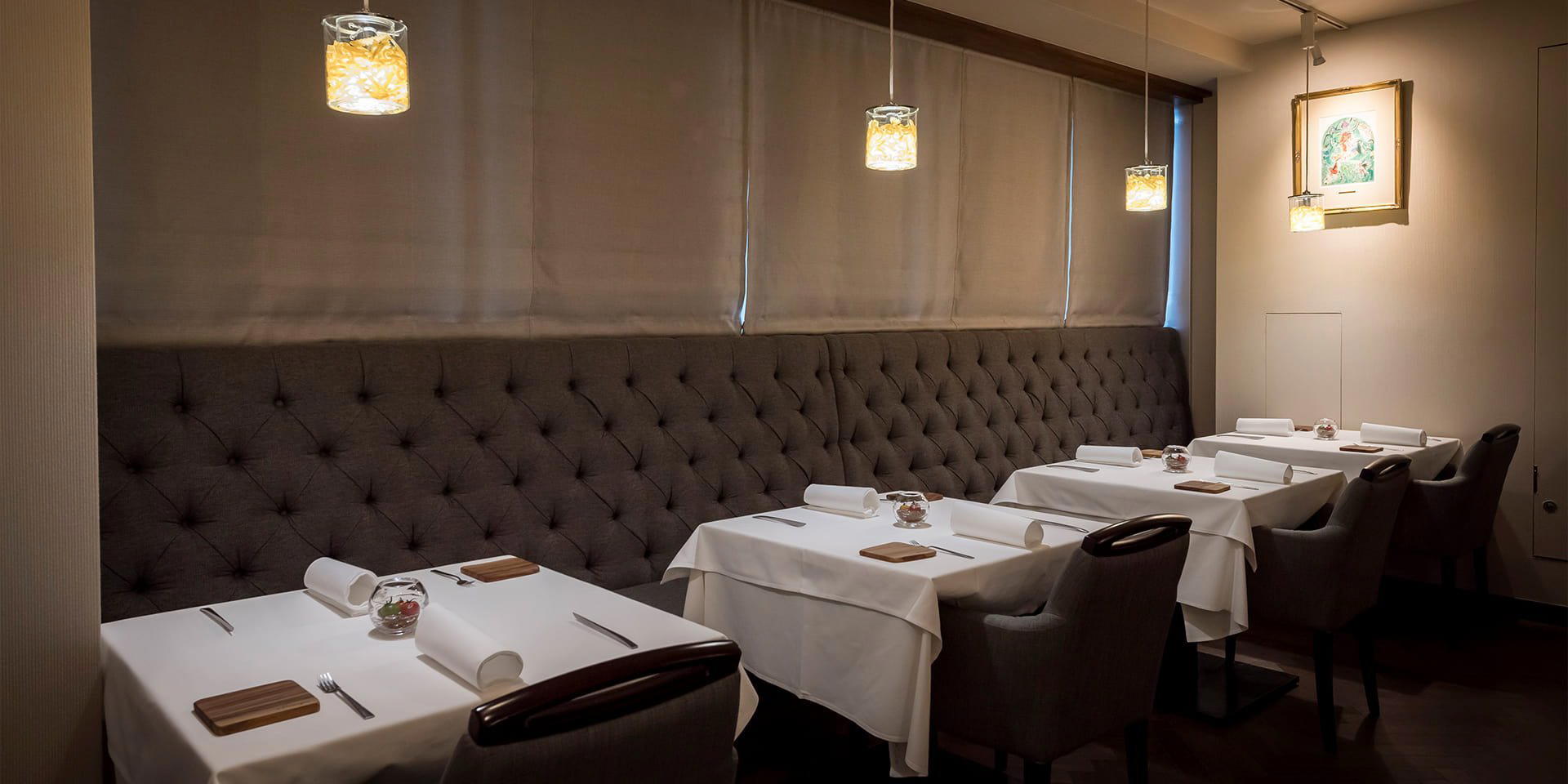
Uehara and the Quiet Italian Tradition in Tokyo's Residential Neighbourhoods
Some of Tokyo's most considered Italian cooking happens nowhere near Roppongi or Ginza. It happens in places like Uehara, a leafy residential quarter in Shibuya that sits between the commuter intensity of Yoyogi-Uehara station and the calmer domestic rhythms of side streets lined with low-rise apartment buildings. The area has attracted a cluster of small, chef-driven restaurants over the past two decades, partly because lower rents allow a different kind of ambition: the kind that prioritises sourcing and technique over room size and décor budgets. イル・プレージョ (Il Pleggio) sits inside this broader pattern, occupying the second floor of a building on a quiet residential stretch of Uehara 1-chome.
Approaching the address requires the kind of attention that Tokyo's smaller neighbourhood restaurants demand. There is no high-visibility frontage, no restaurant row to orient you. The building is a modest residential structure, and the restaurant lives on the upper floor, a physical arrangement that filters out casual foot traffic almost entirely. This matters in context: Tokyo has refined the art of the destination restaurant that does not announce itself, where the act of finding the place is itself a signal of intent. The format is common across the city's premium Italian tier, from Minami-Aoyama down to pockets of Meguro and Nakameguro, and Uehara fits within that geography.
Italian Cooking in Tokyo: A Category That Has Developed Its Own Logic
The trajectory of Italian cuisine in Japan is worth understanding if you want to make sense of what restaurants like イル・プレージョ represent. Japan began absorbing Italian cooking seriously in the 1970s and 1980s, initially through hotel dining rooms and urban trattorias that adapted southern European ingredients to local palates. By the 1990s and 2000s, a generation of Japanese chefs had trained in Italy, primarily in northern and central regions, and returned with enough technical fluency to build something that no longer felt derivative. The result is a category of Italian restaurant in Tokyo that is neither a replica of Rome or Milan nor a fusion exercise, but a distinct cooking tradition shaped by Japanese ingredient culture, seasonal discipline, and service standards.
This tradition has parallels in other adopted cuisines across the city. Just as Harutaka and its peer counters have pushed sushi into an internationally benchmarked art form, and as L'Effervescence and Sézanne represent a French dining tradition that has absorbed Tokyo's own rigour, the city's Italian restaurants now occupy a recognisable tier of their own. The finest of them are not attempting to replicate Italy; they are doing something that Italy's own restaurants often cannot, because they have access to Japan's extraordinary produce networks and a dining public with extremely high baseline expectations. For comparison, Tokyo venues benchmarked at the ¥¥¥¥ level include RyuGin in kaiseki and Crony in the innovative French register, restaurants where format and sourcing discipline have become the point as much as the food itself.
The Residential Second-Floor Format: What It Signals
In Tokyo's dining economy, a second-floor location in a residential building is not incidental. It represents a deliberate trade-off: lower visibility in exchange for lower fixed costs, which in turn allows more investment in the kitchen. Restaurants that choose this model are typically betting on repeat local clientele and word-of-mouth rather than tourist walk-ins. The format also creates an atmosphere that differs markedly from ground-floor commercial spaces: quieter, more contained, with a sense of occasion built from intimacy rather than design theatrics.
This pattern appears across several of Japan's most respected dining cities. In Osaka, HAJIME operates at the intersection of rigorous technique and considered space. In Kyoto, Gion Sasaki deploys a similar logic of restraint and focus. In Nara, akordu has built a following for European cooking in a city not typically associated with that register. What these venues share with smaller Tokyo operators is a willingness to let the food carry the weight of the experience, rather than the room. The format and location place it within that structural tradition.
Situating Uehara Within Tokyo's Italian Geography
Uehara's position within Tokyo's dining map is relatively recent. The neighbourhood draws a mix of international residents, creative industry workers, and long-term local families, which creates the kind of clientele that sustains neighbourhood restaurants with serious cooking intentions. It is adjacent to Tomigaya, where a small cluster of wine bars and bistros has developed over the past decade, and within reach of Daikanyama and Nakameguro. The cumulative effect is a pocket of western Shibuya where a certain kind of cooking, ingredient-led, format-conscious, modest in presentation, has found consistent support.
For context on how this neighbourhood dynamic plays out across Japan's culinary geography, it is worth noting that the pattern repeats in smaller cities too. Bistro Ange in Toyohashi and Goh in Fukuoka both demonstrate how serious cooking ambitions can operate outside of Tokyo's central density, often with equivalent technical rigour. The international dimension of this comparison extends further: New York venues like Le Bernardin and Atomix demonstrate that the proprietary-space, chef-led format translates across markets, with booking demand and format discipline as the common denominators.
Planning Your Visit
イル・プレージョ is located at 1 Chome-17-7 Uehara, Shibuya, Tokyo, on the second floor of フレニティハウス. The nearest station is Yoyogi-Uehara on the Odakyu and Tokyo Metro Chiyoda lines, placing it within comfortable walking distance of central Shibuya. Reservations are essential. Additional Japan context is available through venues including 湖畔荘 in Takashima, 奥羽本荘 in Nishikawa Machi, Birdland in Sakai, Blue Ocean Steak in Nakagami District, and bodai in 那智勝浦町.
Cost and Credentials
Comparable venues nearby, for context on price, style, and recognition.
| Venue | Cuisine | Price | Awards |
|---|---|---|---|
| イル・プレージョThis venue — the venue you are viewing | Shibuya, Modern Creative Italian | $$$$ | , |
| 神楽坂 ヴェーリ | Shinjuku, Modern Italian Fine Dining | $$$$ | , |
| Argento | Chūō, Italian Contemporary | $$$$ | , |
| タクボ | Shibuya, 薪火イタリアン | $$$$ | , |
| La Barrique Tokyo | Bunkyō, Italian Fine Dining | $$$ | , |
| Il Pregio | Shibuya, Modern Sensory Italian | $$$$ | 2 recognitions |









At a Glance
- Elegant
- Intimate
- Sophisticated
- Cozy
- Date Night
- Special Occasion
- Open Kitchen
- Sake Program
- Local Sourcing
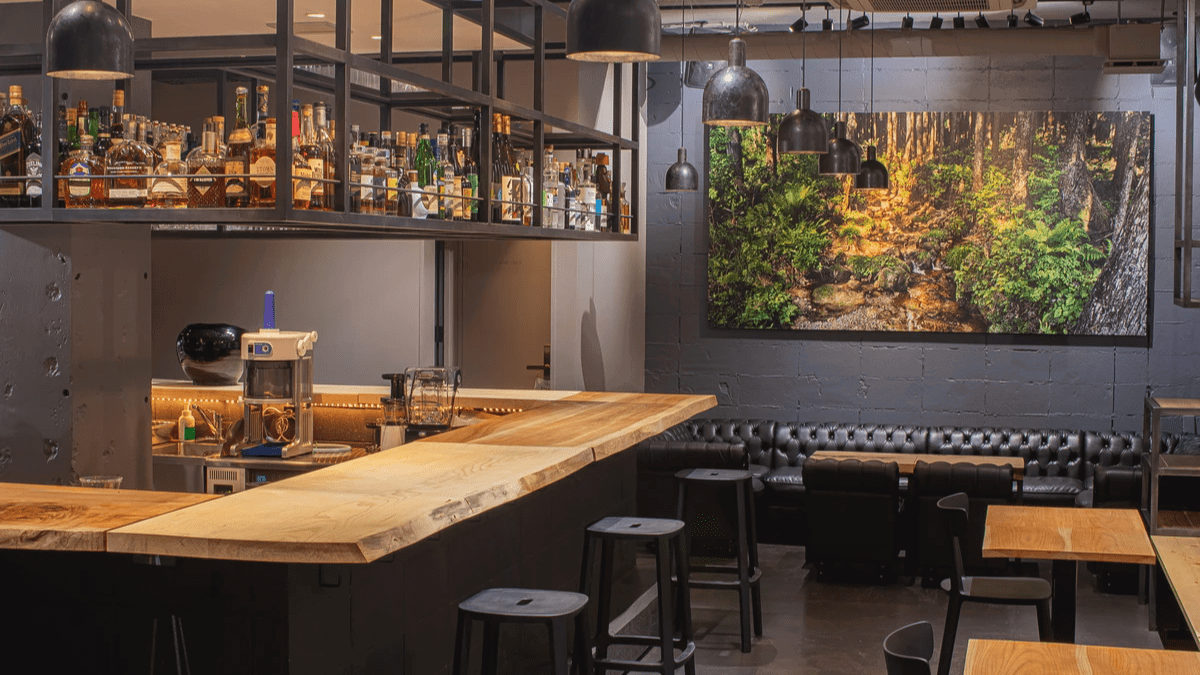
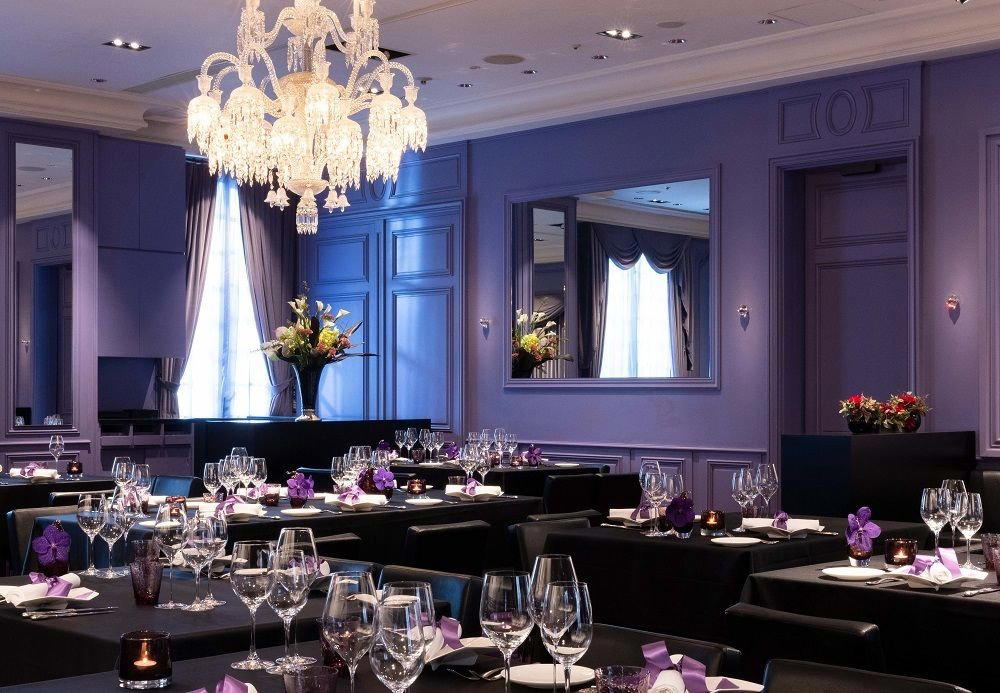
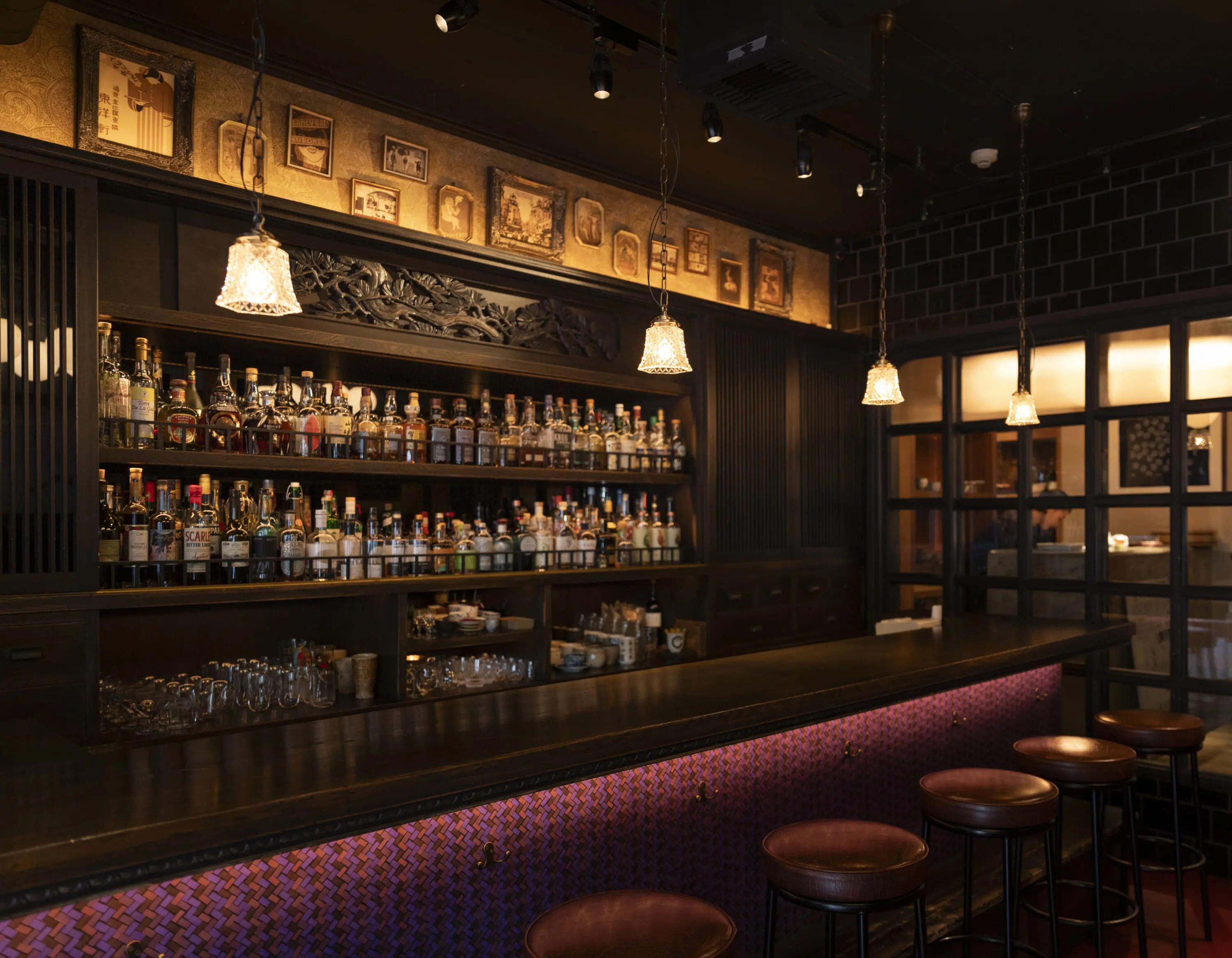
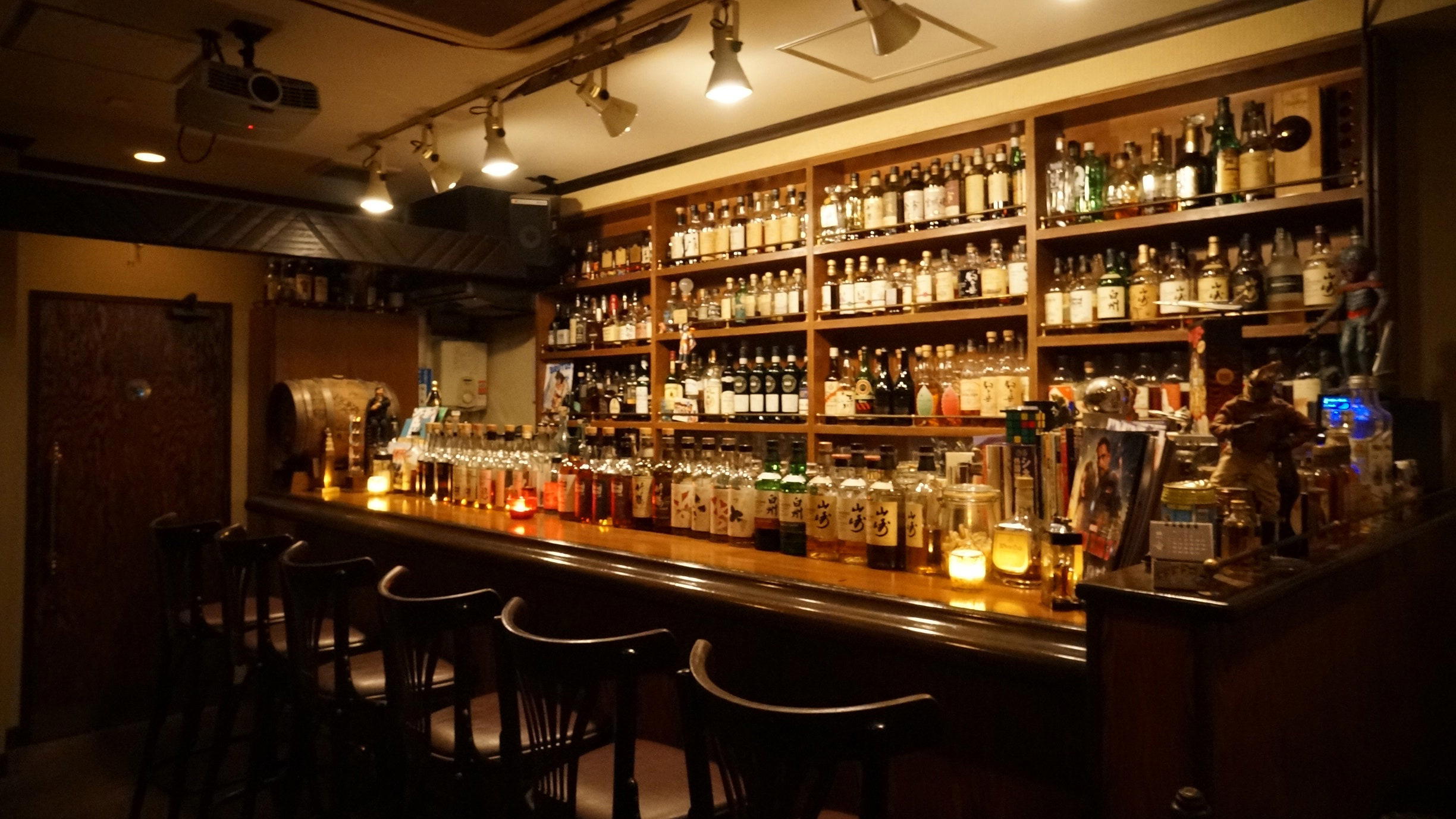
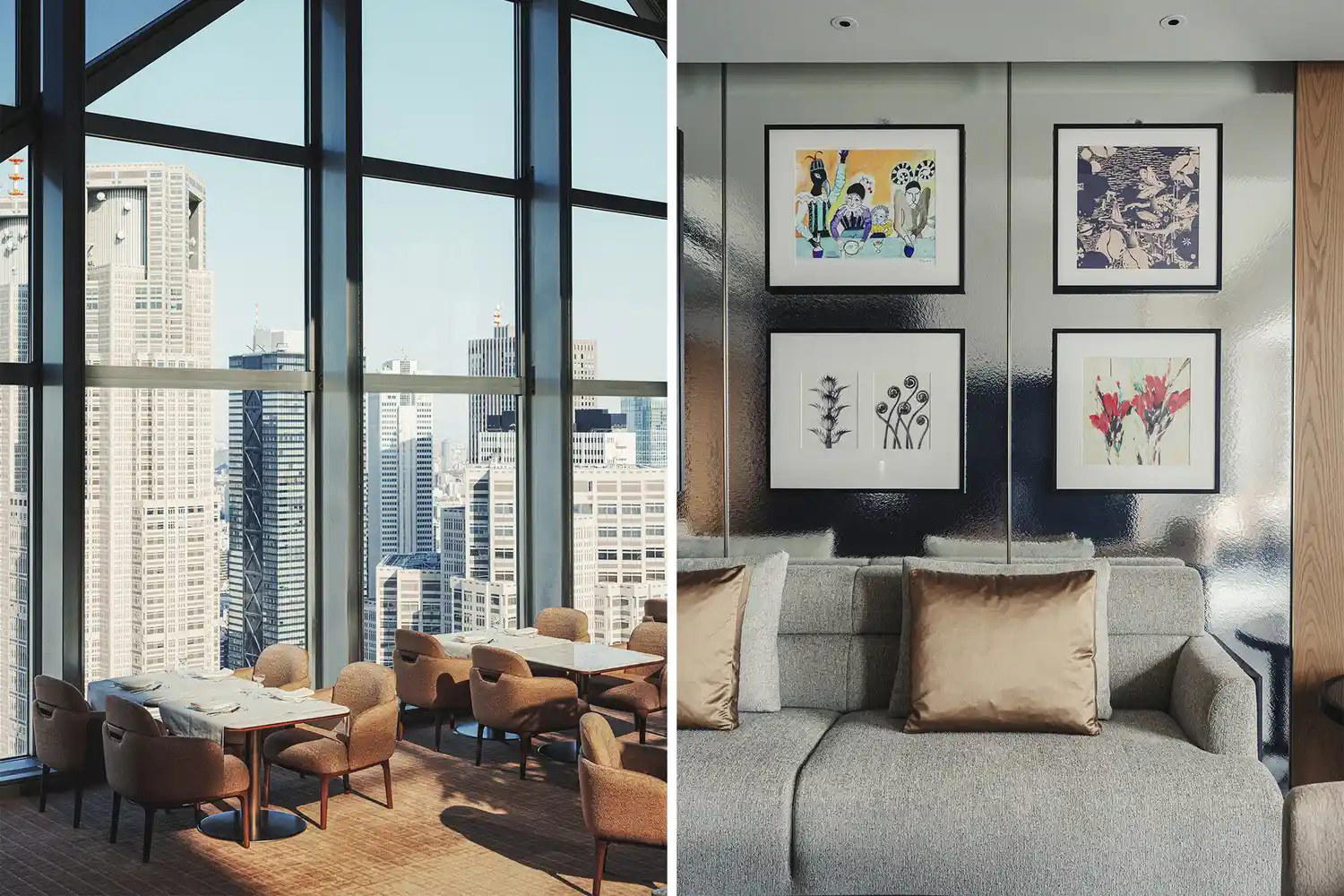
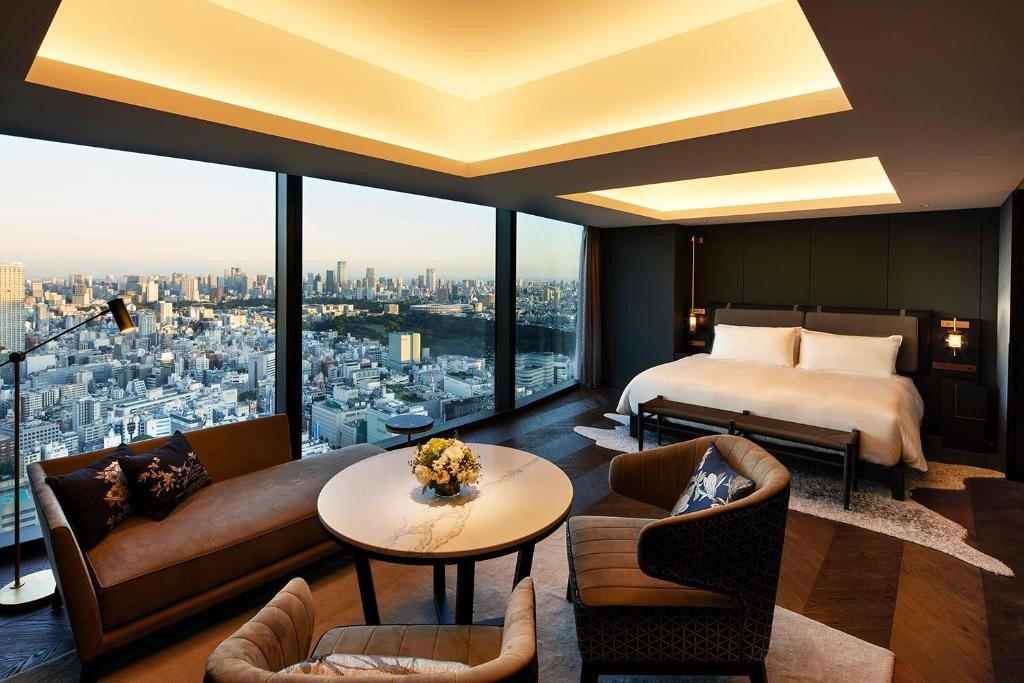
Calm and relaxed atmosphere in a quiet neighborhood setting, ideal for couples or friends without a stuffy feel.