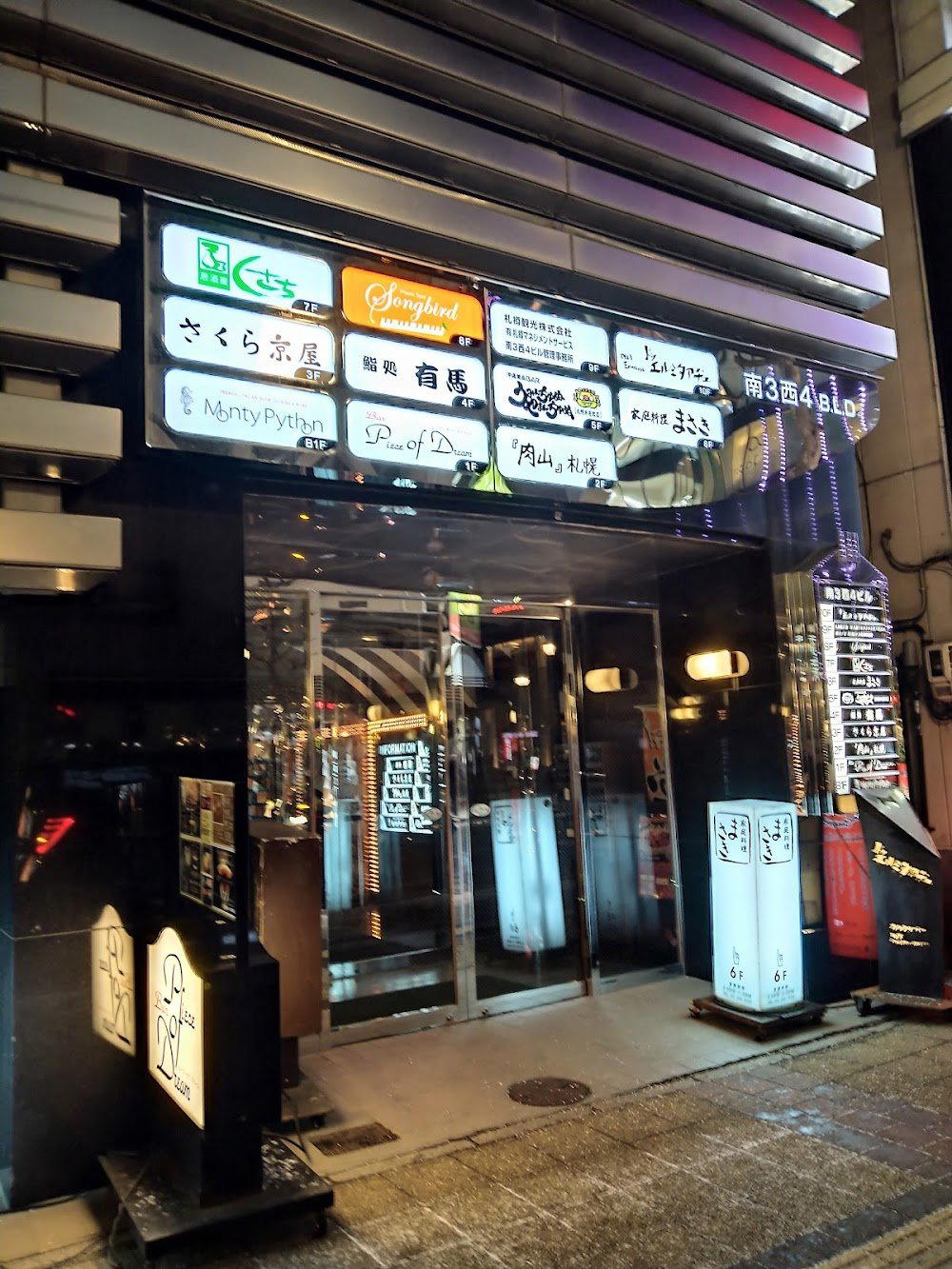
メリメロ occupies the second floor of N Messe in Sapporo's Chuo Ward, positioned within a dining district where French-influenced and contemporary formats compete for the city's most demanding tables. The address places it among a compact cluster of serious restaurants in the Minami 3 Jonishi corridor, a part of central Sapporo that rewards those who research beyond the obvious.
 Discover on Pearl
Pearl is the En Primeur Club membership app — saves, bookings, and concierge access live there. Same editors, same standards.
- Address
- Japan, 〒060-0063 Hokkaido, Sapporo, Chuo Ward, Minami 3 Jonishi, 3 Chome−11 N Messe, 2F
- Phone
- +81112235075
- Website
- melimelo-sapporo.com
The Second Floor and What It Signals
In Sapporo's central dining circuit, address geometry matters more than most cities. The Minami 3 Jonishi corridor in Chuo Ward concentrates a disproportionate number of the city's serious restaurants across a walkable grid, kaiseki counters, French-influenced rooms, and specialist formats that draw from Hokkaido's agricultural and marine depth rather than merely referencing it. メリメロ sits on the second floor of the N Messe building at 3 Chome-11, a position that typifies a particular urban dining pattern across Japanese cities: the refined room, slightly removed from street-level foot traffic, that signals a destination rather than a walk-in.
The approach requires intention, a staircase or lift, a door that opens onto a different register of space than the street below. In Sapporo's better restaurants, this vertical separation often corresponds to a shift in format: the ground floor handles volume, the upper floor handles consideration.
Sapporo as a Dining City: The Context メリメロ Operates In
Sapporo's restaurant scene occupies an unusual position in Japan's dining geography. The city draws from one of the country's richest ingredient pools, Hokkaido dairy, seafood from the surrounding seas, root vegetables and lamb from inland farms, while sitting outside the primary Michelin-dense corridors of Tokyo, Kyoto, and Osaka. That combination produces a dining culture with genuine material confidence and less pressure to perform for international recognition alone.
The comparison set around メリメロ in Chuo Ward illustrates the range. Arima (Sushi) and Hanakoji Sawada (Kaiseki) represent the city's more codified high-end formats, omakase and kaiseki structures where the sequence and seasonal logic are established before the first course arrives. aki nagao, Hidetaka, and Higebozu occupy different registers in the city's broader dining conversation. A French-leaning or contemporary room like メリメロ sits in a different tier from both, less bound by the formal grammar of kaiseki, more focused on the translation of Hokkaido ingredients through a European or hybrid lens.
Across Japan's secondary cities, this French-influenced contemporary format has proven more durable than trends suggested it would be. Restaurants at this address type, mid-scale building, upper floor, central ward location, have survived repeated cycles of Tokyo-centric attention precisely because they build local regulars rather than chasing destination diners. The parallels appear in Fukuoka with Goh, in Nara with akordu, and in the quieter French rooms that persist in Osaka alongside headline addresses like HAJIME.
Interior Logic: What the Space Communicates
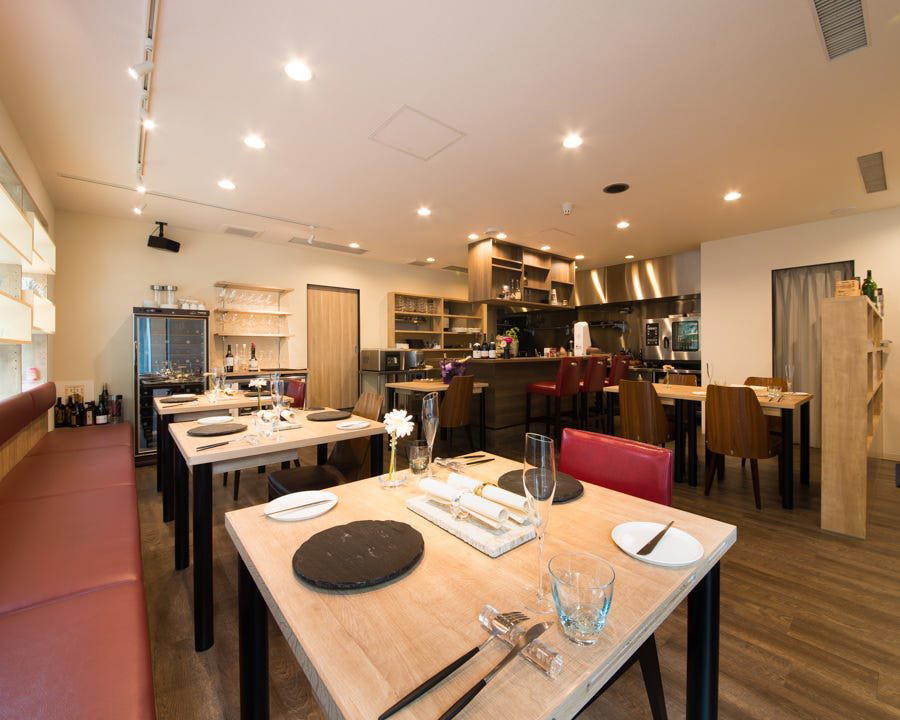
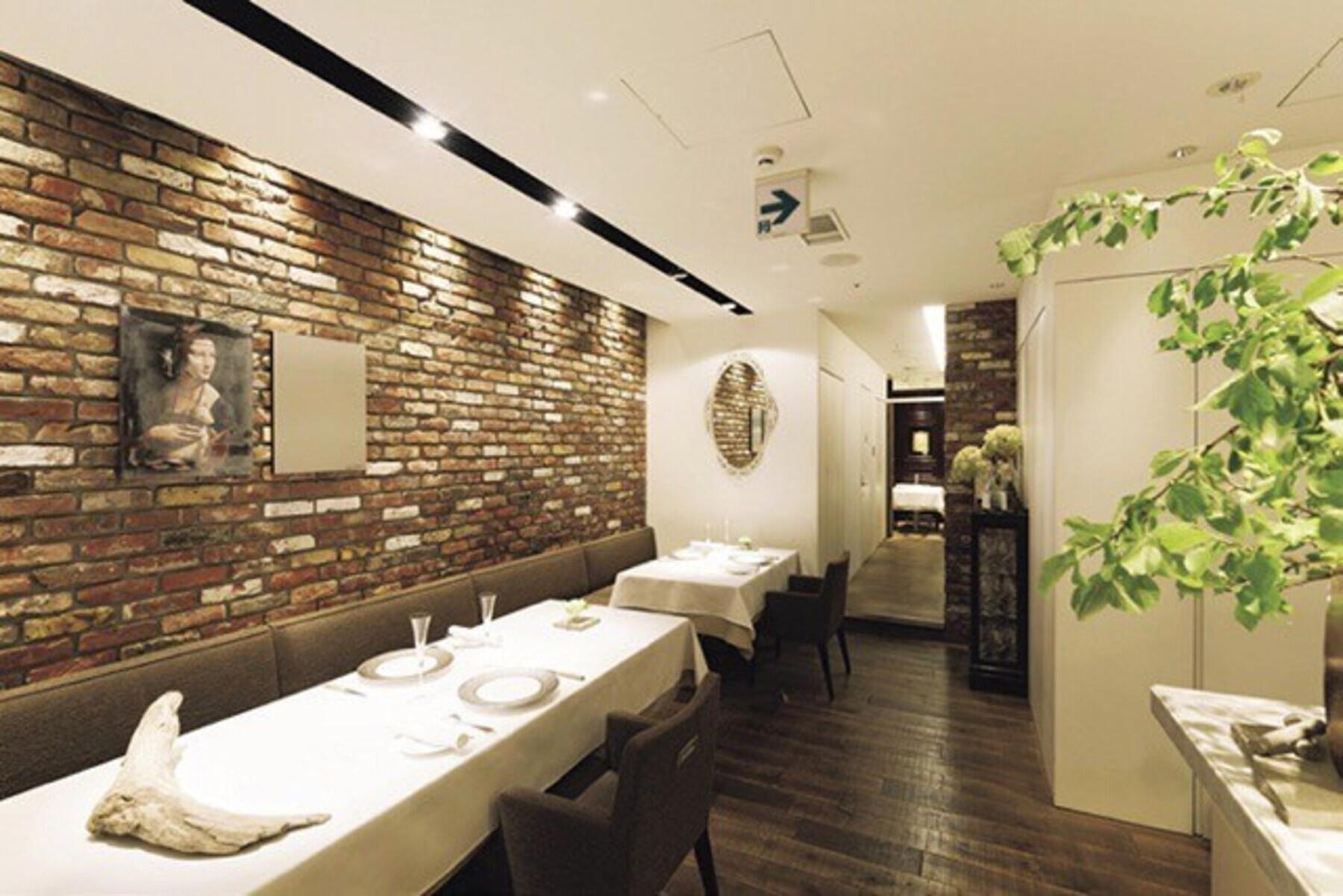
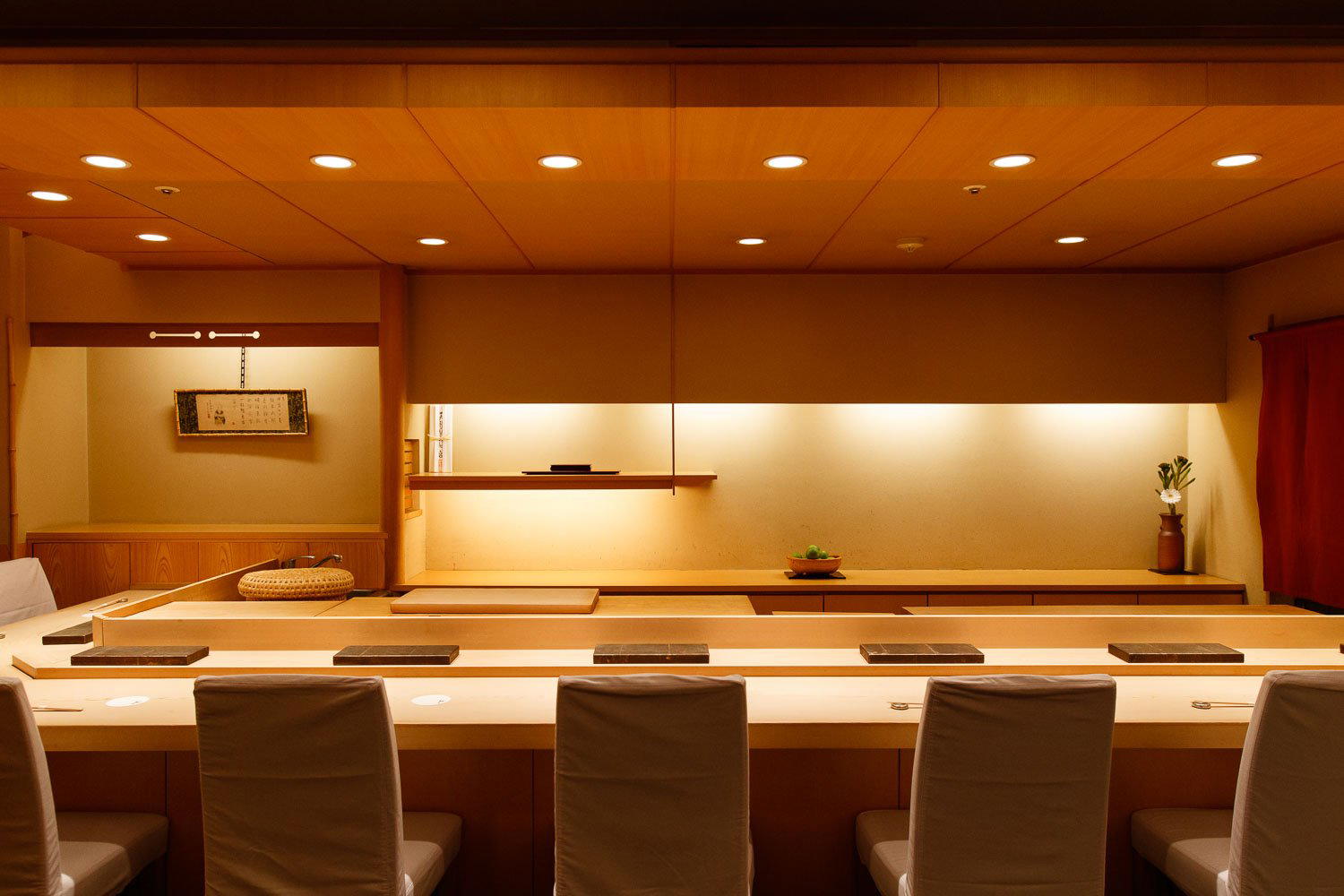
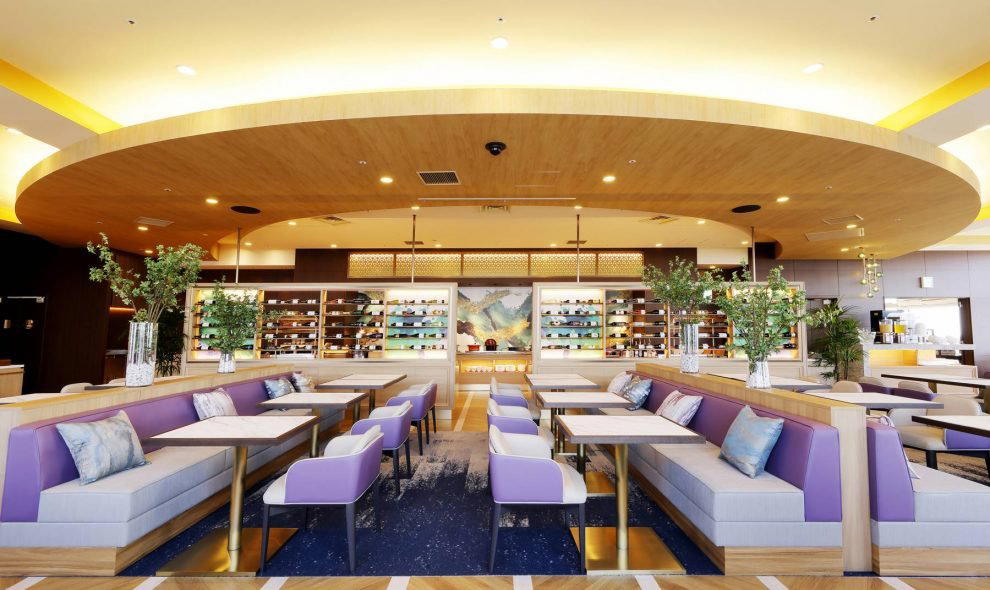
Second-floor rooms in this part of Sapporo tend toward one of two spatial orientations: the intimate counter that mirrors sushi and kaiseki traditions, or the table-service room that allows a more varied dining dynamic. The N Messe address and second-floor position suggest the latter, a room configured for table dining rather than a bar-facing omakase format.
What the physical container communicates, regardless of exact layout, is a separation from the casual. The decision to house a restaurant on an upper floor, in a purpose-built commercial building in a dense urban ward, implies an operator who expects guests to arrive with a reservation and a plan. That expectation shapes the room's atmosphere before any food or drink arrives: the space is set up for engagement rather than impulse. For a city like Sapporo, where dining culture runs more local and less tourist-dependent than Tokyo equivalents, that architecture of intention produces a different kind of regularity in the clientele.
Across Japan's dining rooms, the spatial design of serious mid-tier restaurants often does more communicative work than the menu copy. The distance from the street, the height above it, the decision to use an upper floor rather than a corner unit, these are choices that frame expectation. Kyoto's kaiseki rooms have used this principle for generations; contemporary urban restaurants in Sapporo and elsewhere have adapted it to their own contexts. Compare the physical positioning of rooms like Gion Sasaki in Kyoto or Harutaka in Tokyo and the spatial logic recurs across different formats and price points.
Where メリメロ Sits in a Broader Japanese Dining Map
Japan's regional restaurant culture is not a simplified version of its metropolitan counterpart. In cities like Sapporo, Nanao (see 一本木 花川寺), Takashima (see 湖畔荘), or Nishikawa Machi (see 庄羽屋), the dining rooms that sustain themselves over years typically do so through ingredient specificity and community embeddedness rather than award cycles. The same holds for smaller contemporary rooms in prefectural cities across Honshu, from Bistro Ange in Toyohashi to Birdland in Sakai.
メリメロ's Chuo Ward position in Sapporo places it at the intersection of local dining infrastructure and the kind of address that visiting guests from elsewhere in Japan or from overseas would seek out when moving beyond the city's ramen or crab corridors. The Minami 3 Jonishi grid is dense enough to offer alternatives within walking distance, which means competition is immediate and real. Restaurants at this kind of address in this kind of city hold their position through consistency, not novelty.
Planning a Visit
メリメロ is located on the second floor of N Messe at 3 Chome-11, Minami 3 Jonishi, Chuo Ward, Sapporo, Hokkaido 060-0063. The central ward location puts it within reach of the city's main transit corridors, making access direct from Sapporo Station or the Odori area. Reservations are essential, and the restaurant follows these opening hours: Mon: Closed; Tue: 5–10 PM; Wed: 5–10 PM; Thu: 5–10 PM; Fri: 12–2:30 PM, 5–10 PM; Sat: 12–2:30 PM, 5–10 PM; Sun: 12–2:30 PM, 5–10 PM. Expect a smart casual dress code and roughly $300 per person.
Cuisine and Credentials
Comparable venues nearby, for context on price, style, and recognition.
| Venue | Cuisine | Price | Awards | Notes |
|---|---|---|---|---|
| メリメロThis venue — the venue you are viewing | Modern French Fine Dining | $$$$ | , | |
| コートドール | Modern French | $$$ | , | Chūō |
| ミクニ サッポロ | Seasonal French Fine Dining | $$$$ | , | Kita |
| ワインレストラン アキヒサ ハンダ | Hokkaido French with Local Ingredients | $$$ | , | Chūō |
| ゴーシェ | French Wild Game Bistro | $$$ | , | Chūō |
| Sushi Kai | Intimate Omakase Sushi Counter | $$$$ | , | Chūō |
At a Glance
- Elegant
- Sophisticated
- Intimate
- Classic
- Date Night
- Special Occasion
- Business Dinner
- Chefs Counter
- Open Kitchen
- Local Sourcing
- Farm To Table
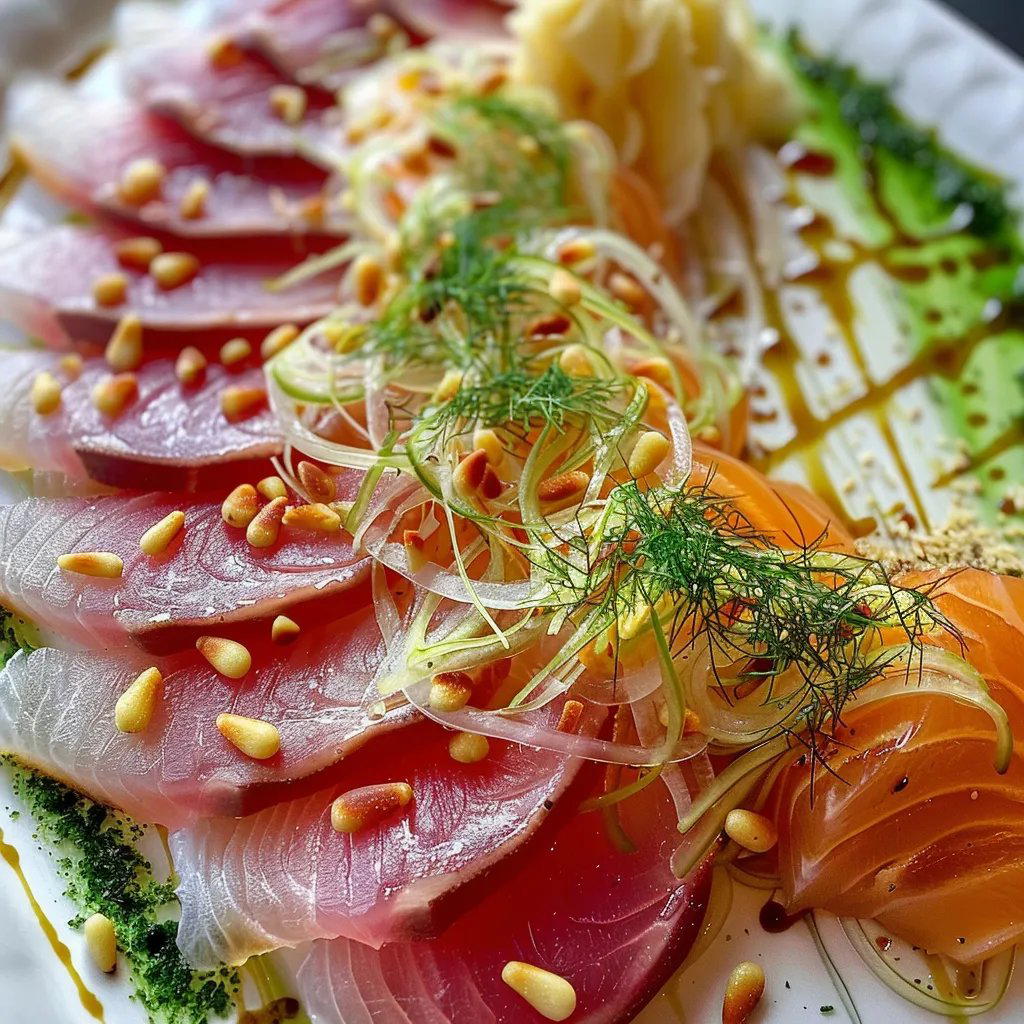
Sophisticated and refined dining space on the second floor with carefully presented plated dishes; intimate counter seating for 6 guests creates a personal connection with the culinary artistry.