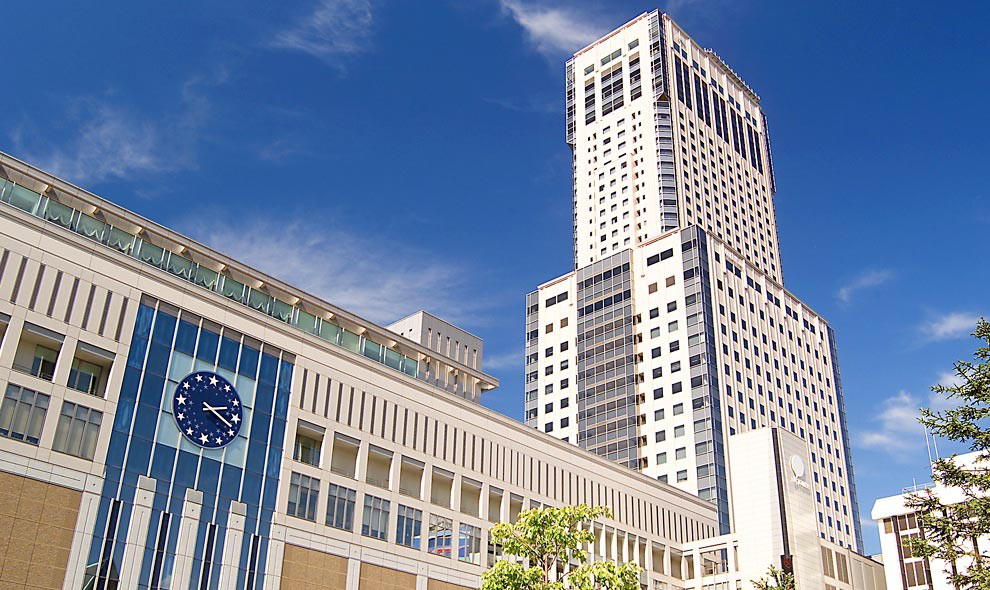
ミクニ サッポロ occupies the ninth floor of Sapporo's Stella Place, bringing the Mikuni name, long associated with French technique adapted to Japanese produce, to Hokkaido's capital. The restaurant draws a loyal local following that returns for the kitchen's handling of the island's notable dairy, seafood, and seasonal vegetables within a French-influenced framework. Booking in advance is advisable for weekend sittings.
Pearl is the En Primeur Club membership app — saves, bookings, and concierge access live there. Same editors, same standards.
- Address
- Japan, 〒060-0005 Hokkaido, Sapporo, Chuo Ward, Kita 5 Jonishi, 2 Chome−5 番地 札幌ステラプレイス センタ 9階
- Phone
- +81112510392
- Website
- jrhotels.co.jp
- Directions
- Get directions
 Saves & bookings on Pearl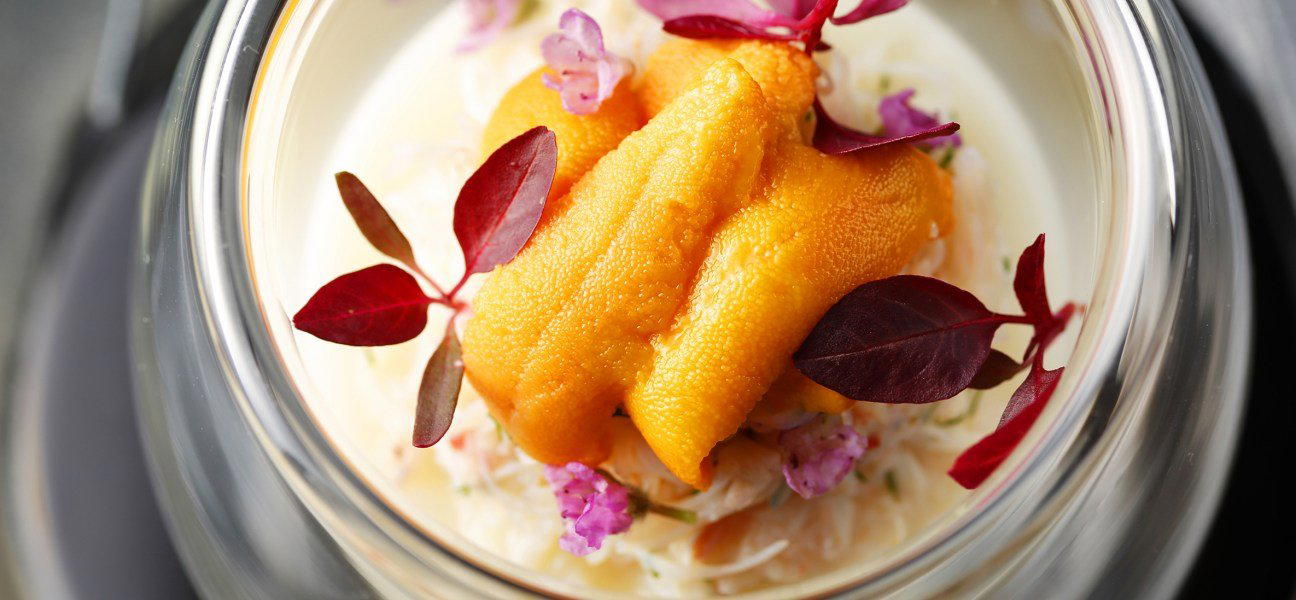
French Technique in Hokkaido's Larder
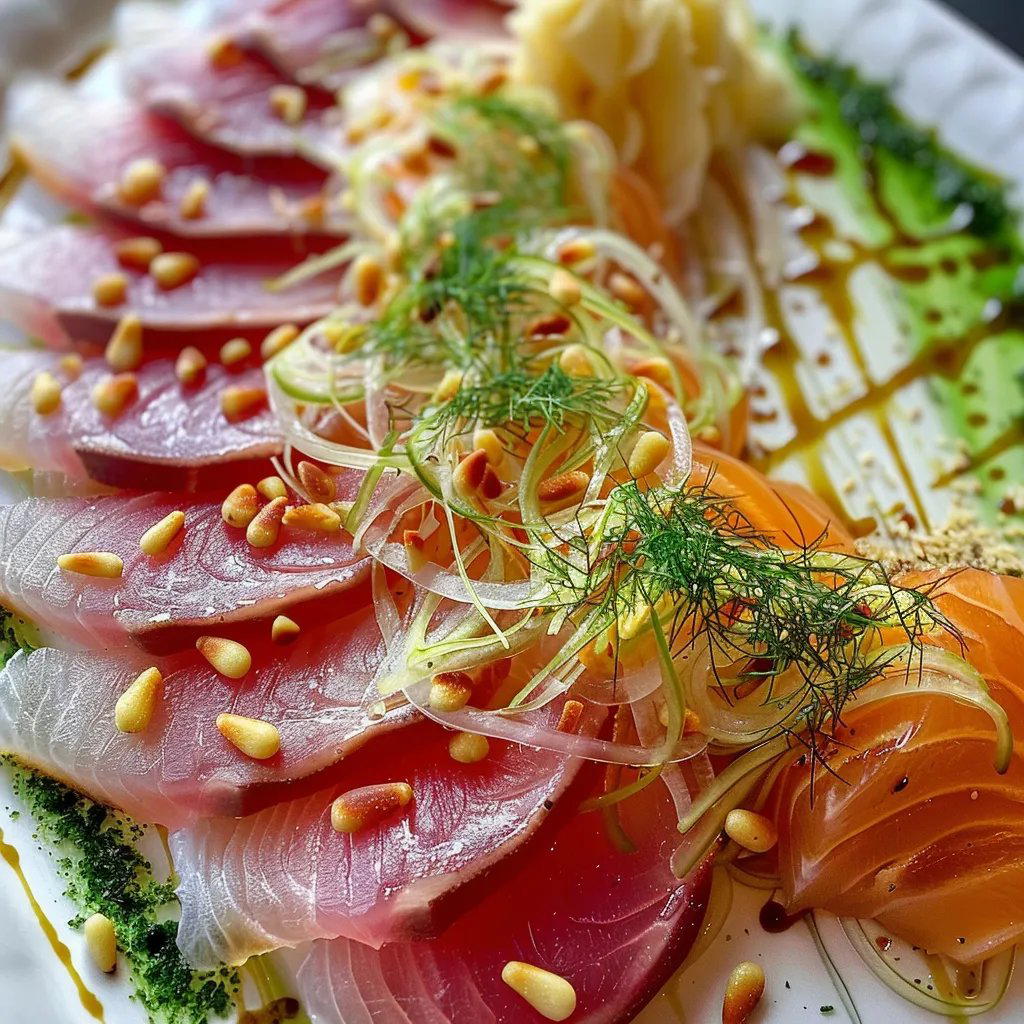
ミクニ サッポロ is a French restaurant in Sapporo, with meals priced at about $120 per person. Hokkaido has a particular standing among Japan's culinary regions. Its dairy is richer than anything the main island reliably produces, its seafood runs from Hakodate squid to Rausu sea urchin, and its short growing seasons force a produce intensity that French-trained kitchens tend to find immediately usable. When a restaurant operating within the Mikuni lineage sets up on the ninth floor of a department-adjacent building in central Sapporo, the kitchen treats the prefecture as both source material and argument.
This approach, French culinary structure meeting notable regional produce, has precedent across Japan. HAJIME in Osaka operates in a similar register, where classical European form carries hyper-local Japanese ingredients. Gion Sasaki in Kyoto crosses kaiseki and French sensibility in its own mode. In Sapporo, the Mikuni presence anchors a segment of dining that sits between the kaiseki tradition, represented nearby by Hanakoji Sawada, and the more informal, ingredient-forward restaurants that define much of Hokkaido's day-to-day food culture.
The Loyalty Loop: What Keeps Regulars Returning
At ミクニ サッポロ, the pattern points toward seasonal consistency, the kitchen marking each shift in Hokkaido's calendar with specific produce and a changing response to it. That rhythm, more than any single dish, is what the regulars are booking.
Hokkaido's four seasons are pronounced, and a kitchen with French training has the repertoire to treat each differently: cream sauces that make sense in February, reductions that would be too heavy in July, cold preparations that use the prefecture's summer vegetables at their most fleeting. Regulars learn to read the menu as a seasonal calendar, which is why they come back in March when they were just there in November.
Sapporo's Broader Dining Position
It is, by raw ingredient access, among the more advantaged dining cities in Japan. Crab, the focus at Nukumi, one of its specialist venues, arrives from the Sea of Japan and the Okhotsk coast. The ramen culture, anchored by operations like Menya Saimi, has its own national reputation. The kaiseki tier, including Hanakoji Sawada, operates at a level that competes with Kyoto-trained houses on comparable produce.
Within that ecosystem, French-inflected dining represents a smaller but durable niche. Japan's engagement with French technique has a long history, Kobe, Tokyo, and Osaka have all had sustained French presences since the postwar decades, and the provinces have generally followed with their own interpretations rather than copying the capital's model. Hokkaido's French kitchens have always been able to argue, convincingly, that the raw material on their doorstep is superior to what any Tokyo kitchen can source at equivalent freshness. ミクニ サッポロ makes that argument through its menu, which is the correct place to make it.
Harutaka in Tokyo holds its own tier in the capital's sushi hierarchy. akordu in Nara does something structurally similar to what the restaurant attempts, European training applied to regional Japanese produce in a city not typically associated with that format. Goh in Fukuoka anchors the same category in Kyushu. The pattern suggests that Japan's secondary cities have developed their own serious French-adjacent dining rather than simply importing Tokyo's. Sapporo fits that pattern.
Stella Place and the Department Store Dining Tier
In Japan, the ninth floor of a major commercial complex is not a compromise location, it is a defined dining tier. Department store restaurant floors across Japan (the so-called restoran gai) have historically housed serious kitchens with high foot traffic from consumers already in a spending frame of mind. Sapporo's Stella Place, connected to Sapporo Station, follows this model. The address means high weekday-lunch volume from nearby offices, strong weekend dinner demand from residents who treat the building as a destination, and a guest profile that skews toward established earners rather than first-time tourists.
That clientele composition shapes the menu's evolution cycle. Regulars at station-adjacent fine-dining restaurants in Japan's regional cities tend to visit on a monthly or quarterly basis and expect the kitchen to track the season without requiring them to study the menu for novelty. It is a sophisticated loyalty model, and it suits a kitchen working in Hokkaido's produce calendar.
Other Sapporo restaurants worth placing in context alongside the restaurant include aki nagao and Hidetaka, both of which serve a similar city-centre dining audience through different culinary modes.
Price and Recognition
Comparable venues nearby, for context on price, style, and recognition.
| Venue | Cuisine | Price | Notes |
|---|---|---|---|
| ミクニ サッポロThis venue — the venue you are viewing | Kita, Seasonal French Fine Dining | $$$$ | Not listed |
| オーベルジュ・ド・リル・サッポロ | Chūō, Alsatian French Fine Dining | $$$$ | Not listed |
| コートドール | Chūō, Modern French | $$$ | Not listed |
| タテオカ タケシ | Not listed | $$$ | Chūō, One Michelin-Star French with Hokkaido Seasonal Tempura |
| Moliere Montagne | Not listed | $$$$ | /, French fine dining in the Hokkaido mountains |
| クネル | Not listed | $$ | Chūō, French Bistro with Hokkaido Ingredients |
Continue exploring
More in Sapporo
Restaurants in Sapporo
Browse all →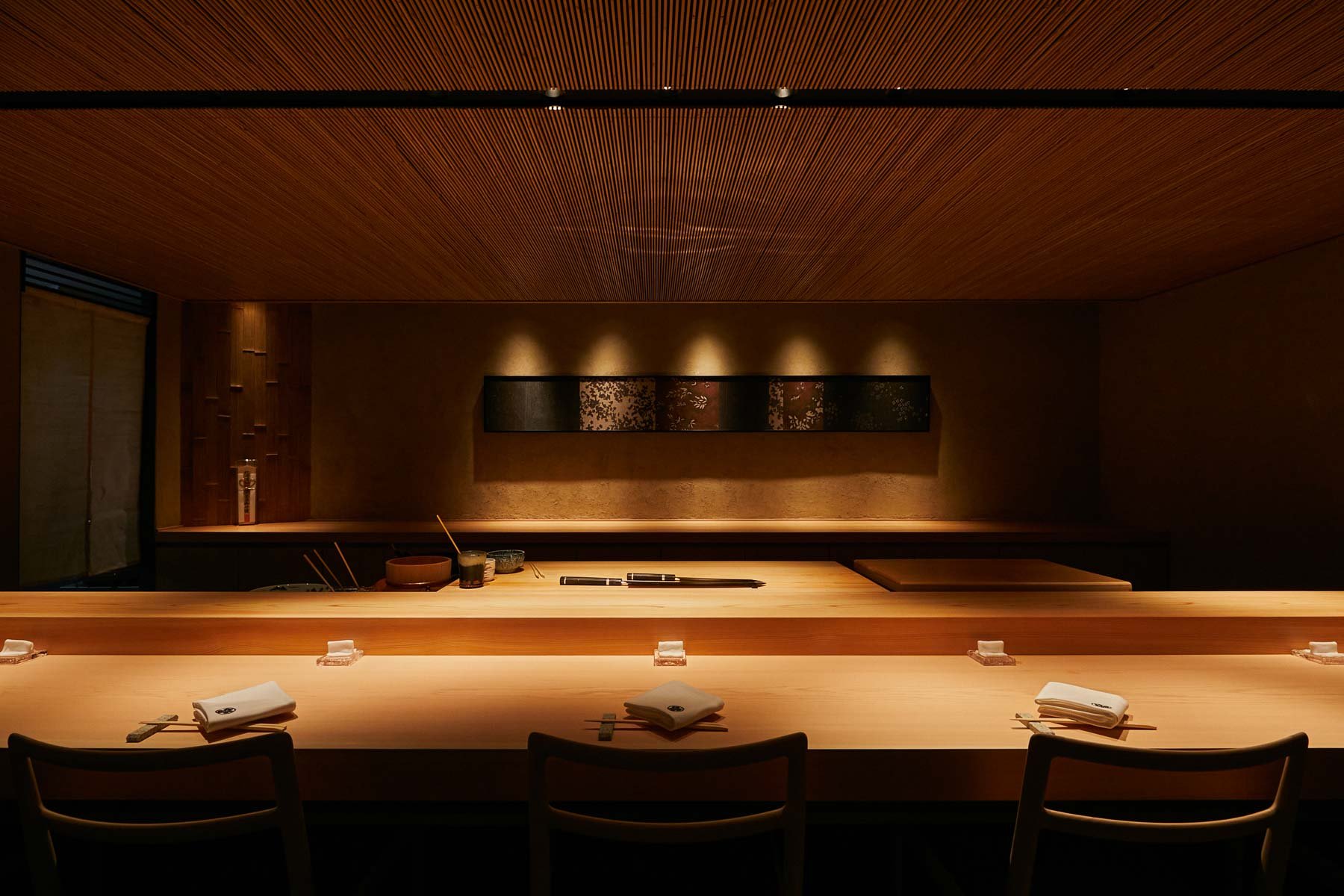
At a Glance
- Elegant
- Sophisticated
- Intimate
- Special Occasion
- Business Dinner
- Celebration
- Private Dining
- Hotel Restaurant
- Extensive Wine List
- Sake Program
- Local Sourcing
Current opening hours
- Monday
- 11:30 AM–3 PM, 5:30–9:30 PM
- Tuesday
- Closed
- Wednesday
- 11:30 AM–3 PM, 5:30–9:30 PM
- Thursday
- 11:30 AM–3 PM, 5:30–9:30 PM
- Friday
- 11:30 AM–3 PM, 5:30–9:30 PM
- Saturday
- 11:30 AM–3 PM, 5:30–9:30 PM
- Sunday
- 11:30 AM–3 PM, 5:30–9:30 PM
Hours can change for holidays and private events. Last verified .
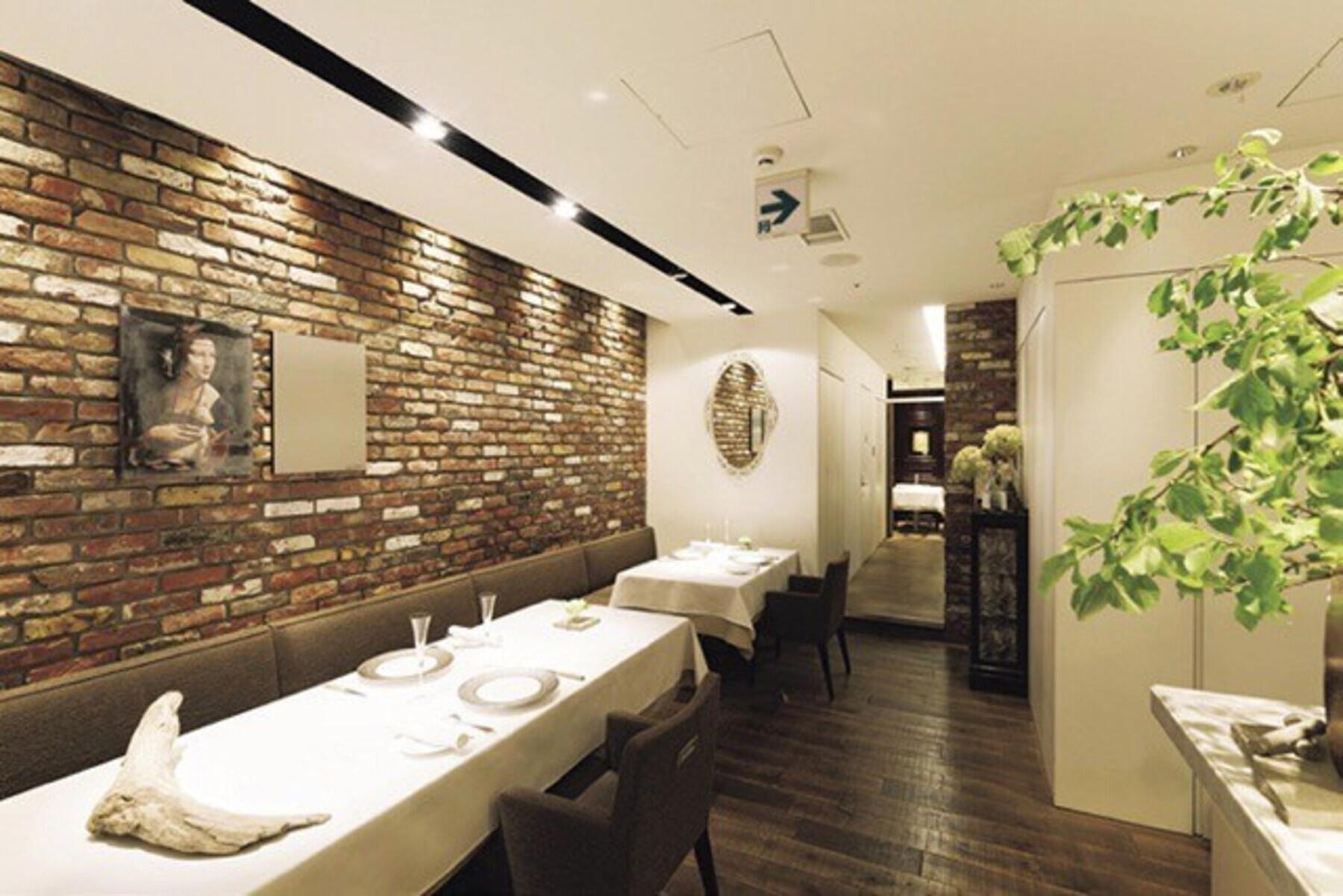
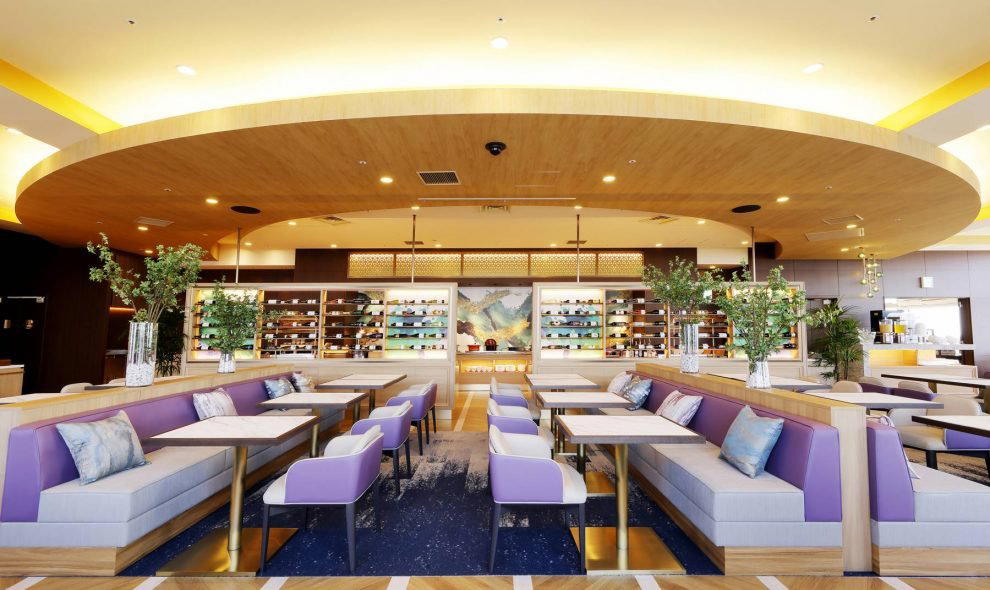
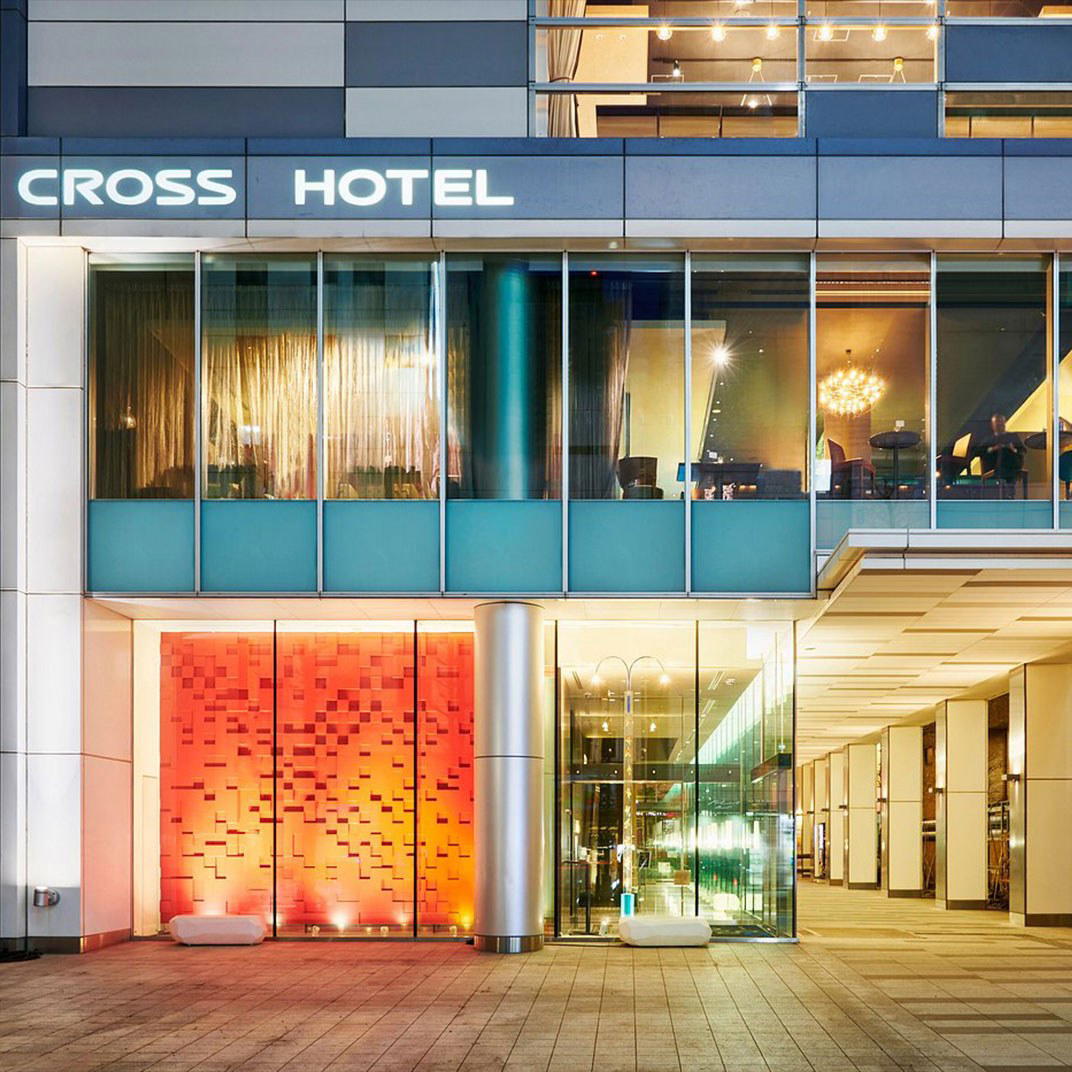
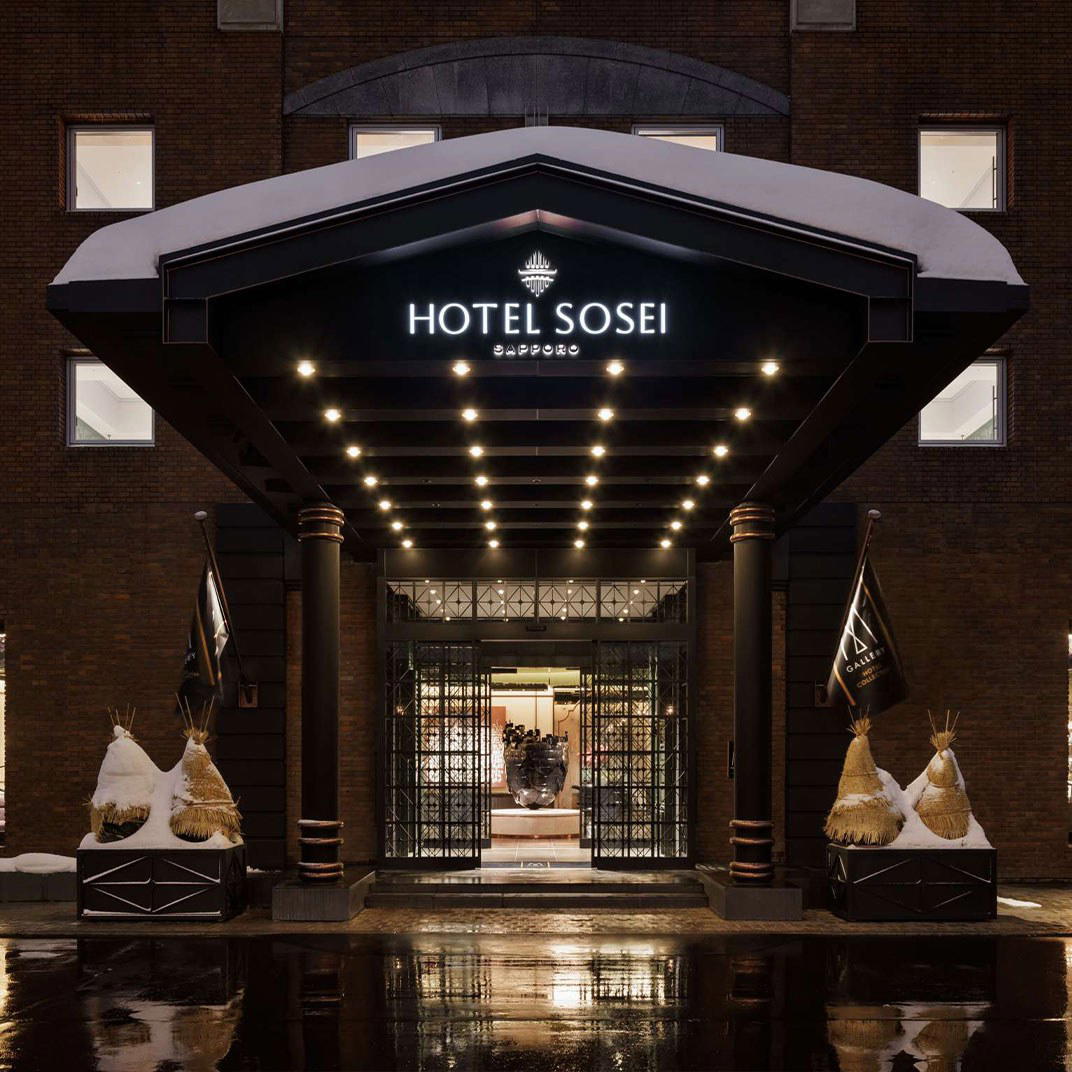
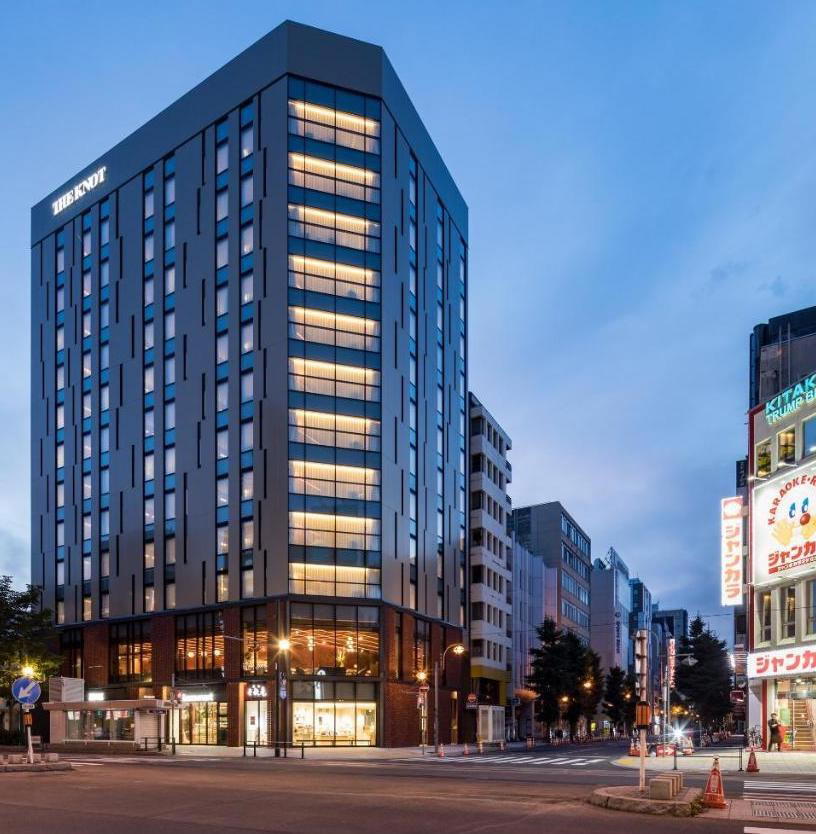
Elegant hotel restaurant atmosphere with sophisticated lighting, suitable for special occasions.