ラ・ロシェル山王 occupies the ground floor of the Tokyu Capitol Tower in Nagatachō, placing classical French technique inside one of Tokyo's most politically charged neighbourhoods. The restaurant sits within a district better known for Diet buildings and ministry offices than dining destinations, which shapes the tone of the room and the clientele it draws. For serious French cuisine in central Tokyo, this address carries weight.
Pearl is the En Primeur Club membership app — saves, bookings, and concierge access live there. Same editors, same standards.
- Address
- Japan, 〒100-0014 Tokyo, Chiyoda City, Nagatachō, 2 Chome−10−3 東急キャピトルタワ 1F ※入口は通りに面しております(ホテル内からはお入りいただけません
- Phone
- +815054840212
- Website
- la-rochelle.co.jp
- Directions
- Get directions
 Saves & bookings on Pearl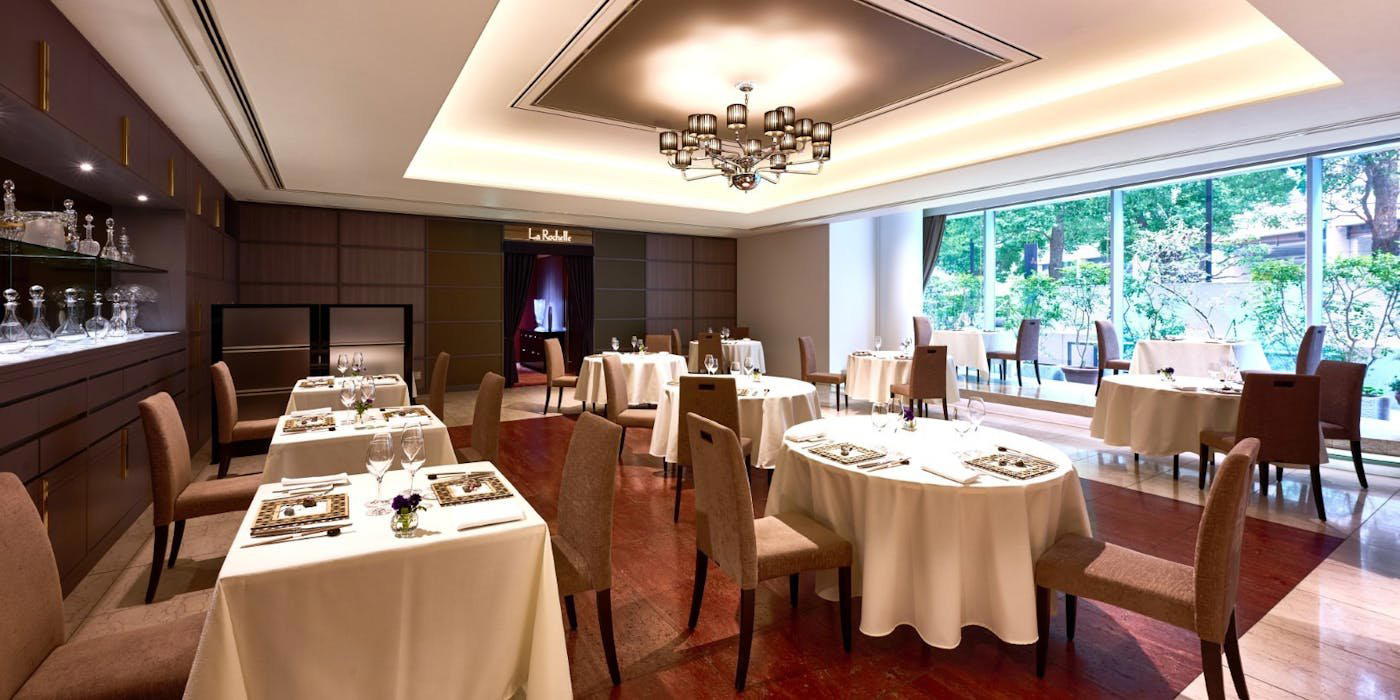
French Cuisine in the Shadow of Japanese Power
Nagatachō is a business district in Tokyo's Chiyoda City. The district around the National Diet Building and the Prime Minister's Official Residence runs on a different schedule from Ginza or Roppongi, ministerial lunches, political meetings, the quiet movement of people who prefer not to be noticed. It is precisely this context that makes ラ・ロシェル山王 an interesting address. The Tokyu Capitol Tower, where the restaurant occupies a ground-floor position with a street-facing entrance, is one of the few buildings in the area that bridges the world of high-end hospitality with the area's administrative gravity. The room draws a clientele shaped by that environment: business lunches with an agenda, occasions that require discretion, the kind of dinner where the setting is a deliberate signal.
La Rochelle as a name has long carried associations with classical French cooking adapted for a Japanese sensibility, a style that took root in Tokyo during the era when French cuisine was the dominant international prestige format, before the city's restaurant culture fragmented into the multi-cuisine sophistication it reflects today. The Nagatachō branch operates inside that tradition, distinct from the louder, more experimental end of the city's French dining scene. Where venues like L'Effervescence or Crony push the format forward with contemporary technique and seasonal provocation, ラ・ロシェル山王 serves a clientele that values a different register: composed, familiar, reliable.
Where the Address Does the Work
Tokyo's premium French restaurants cluster in a handful of zones. Minami-Aoyama and Hiroo carry design-led, chef-forward rooms. The Marunouchi corridor serves the corporate expense account. Ginza positions French cuisine as luxury adjacency. Nagatachō sits outside all of those patterns, and that separation is meaningful. A restaurant in this district is not relying on foot traffic, neighbourhood buzz, or proximity to retail energy. It is serving a repeat clientele with specific requirements for privacy and consistency. That kind of dining culture tends to value the room's ability to accommodate important conversations over its willingness to surprise.
The Capitol Tower address also places the restaurant in proximity to some of Tokyo's most formal hospitality infrastructure. The Hotel Okura, long the hotel of choice for foreign dignitaries in Tokyo, is a short walk east. The ANA InterContinental sits nearby. This is a district accustomed to high-expectation international visitors who want formality managed rather than deconstructed. For context on how Tokyo's French dining scene distributes across these zones, the EP Club Tokyo guide maps the full picture.
Classical French in Tokyo's Broader Context
Tokyo's relationship with French cuisine is longer and more structured than most international cities. From the early 1970s onward, a generation of Japanese chefs trained in France and returned to build restaurants that applied classical technique with local precision. That tradition produced particularly technically consistent French cooking anywhere in the world, a fact that institutions like Sézanne and RyuGin (the latter working the boundary between kaiseki and modern French) demonstrate in different ways. At the high end of the scale, Tokyo's French scene competes with Le Bernardin in New York in terms of technical discipline, if not in volume of starred addresses.
Across Japan, the French tradition surfaces in unexpected places. HAJIME in Osaka operates at the intersection of French rigour and Japanese philosophy of form. akordu in Nara applies European technique to a deeply local setting. Even at the regional level, restaurants like Bistro Ange in Toyohashi or Goh in Fukuoka, the French influence runs through Japanese fine dining in ways that have no real equivalent in other Asian culinary traditions. ラ・ロシェル山王 belongs to the Tokyo chapter of that longer national story.
The comparison set for a restaurant in Nagatachō is not primarily other French venues in the city. It is the full tier of business-district fine dining, rooms that include Harutaka for Japanese counter formats and Atomix in New York as a reference for how politically adjacent dining in a capital city can still carry serious culinary intent. The question the neighbourhood asks of any restaurant is whether it can hold the room's attention when the room is already carrying weight of its own.
The Format Question
Classical French restaurants in Tokyo tend to run either a course menu format or a la carte service, with the division often tracking whether the kitchen prioritises tasting-menu precision or tableside flexibility. Both formats exist across the city's French tier: L'Effervescence operates a set-menu structure tied to seasonal produce; Sézanne works within the Four Seasons framework with defined tasting formats. For venues in business-district locations, flexibility of format often matters as much as culinary ambition, a lunch that can be completed in ninety minutes without sacrificing quality is a different technical problem from an evening tasting menu.
Beyond Tokyo, the range of dining formats across Japan's fine dining tier is documented at venues like Gion Sasaki in Kyoto and 一本木 名川製 in Nanao, where regionality shapes the format as much as any international influence. The 湖畔荘 in Takashima and 羽根屋 in Nishikawa Machi similarly show how Japanese fine dining adapts European structure to local conditions.
Planning Your Visit
The restaurant is located at 2 Chome-10-3 Nagatachō, Chiyoda City, Tokyo, on the ground floor of the Tokyu Capitol Tower. Access: The entrance faces the street directly; the venue is not accessible from within the hotel, which is worth confirming before arrival, particularly for guests staying in the tower. The nearest station is Tameike-Sannō on the Tokyo Metro Ginza and Namboku lines, approximately two minutes on foot. Reservations: Reservations are recommended. Context: The district's dining rhythm peaks at lunch (business-driven) and early evening; late-night sittings are less consistent with the neighbourhood's operating pattern.
What It’s Closest To
Comparable venues nearby, for context on price, style, and recognition.
| Venue | Cuisine | Price | Notes |
|---|---|---|---|
| ラ・ロシェル山王This venue — the venue you are viewing | French Kaiseki | $$$$ | Not listed |
| ル・サロン・プリべ | Modern French Fine Dining | $$$$ | Minato |
| ロオジエ | Classic French Fine Dining | $$$$ | Chūō |
| ブノワ | French Bistro with Japanese Influences | $$$$ | Minato |
| ラルジャン | Modern French with Japanese Seasonal Influences | $$$$ | Chiyoda |
| Peter | Modern French Grill with Japanese Influences | $$$$ | Chiyoda |

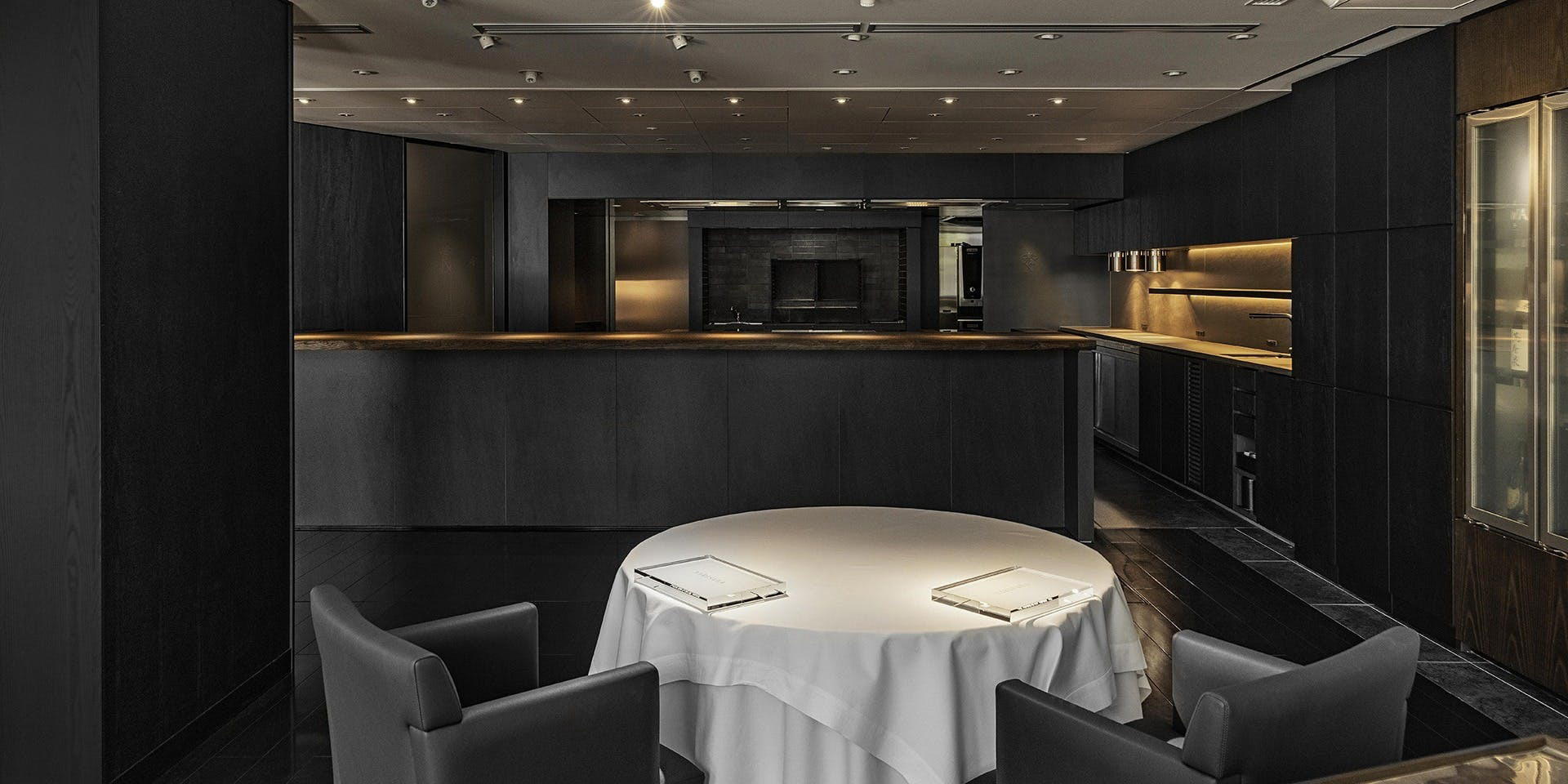
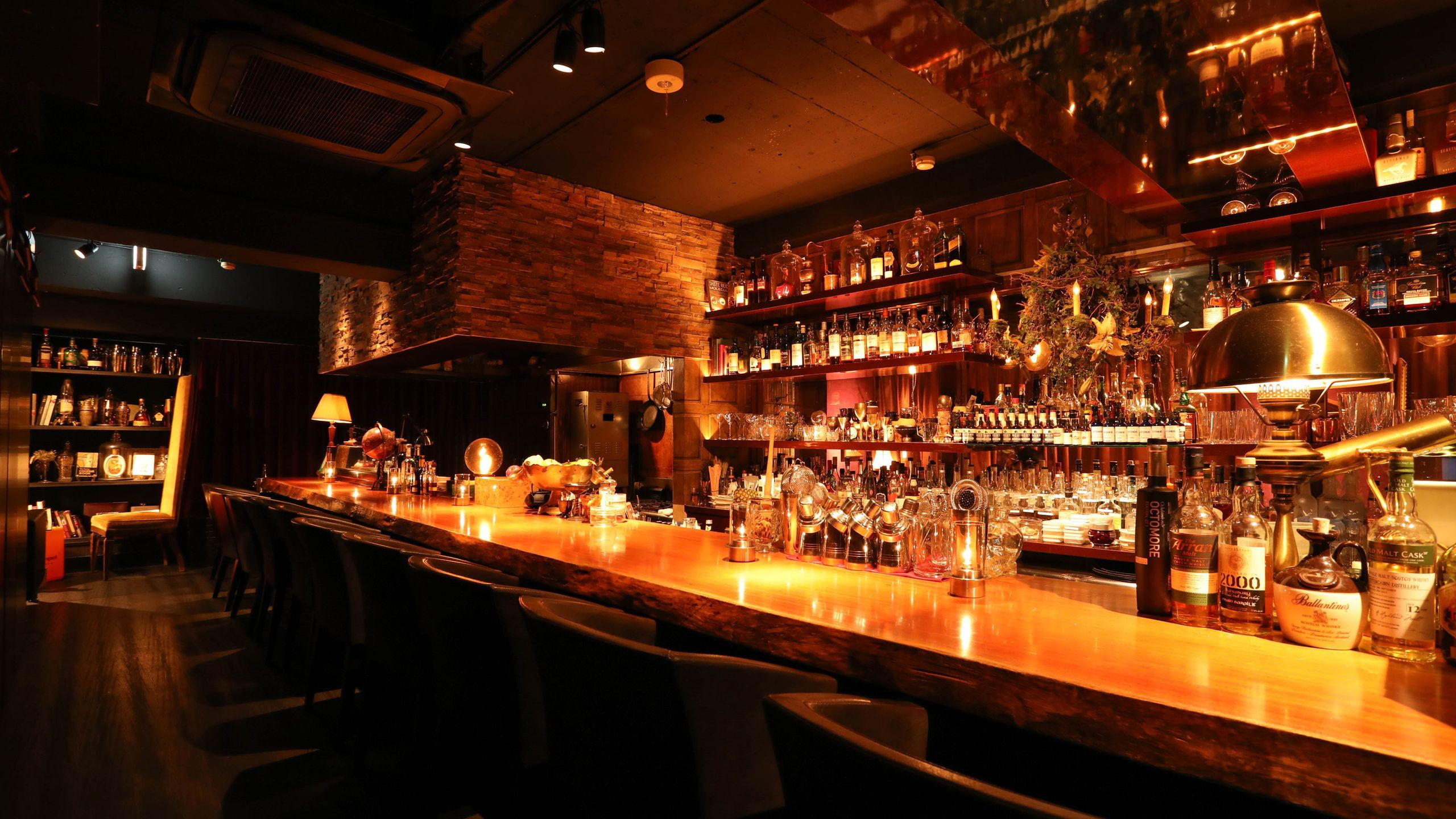
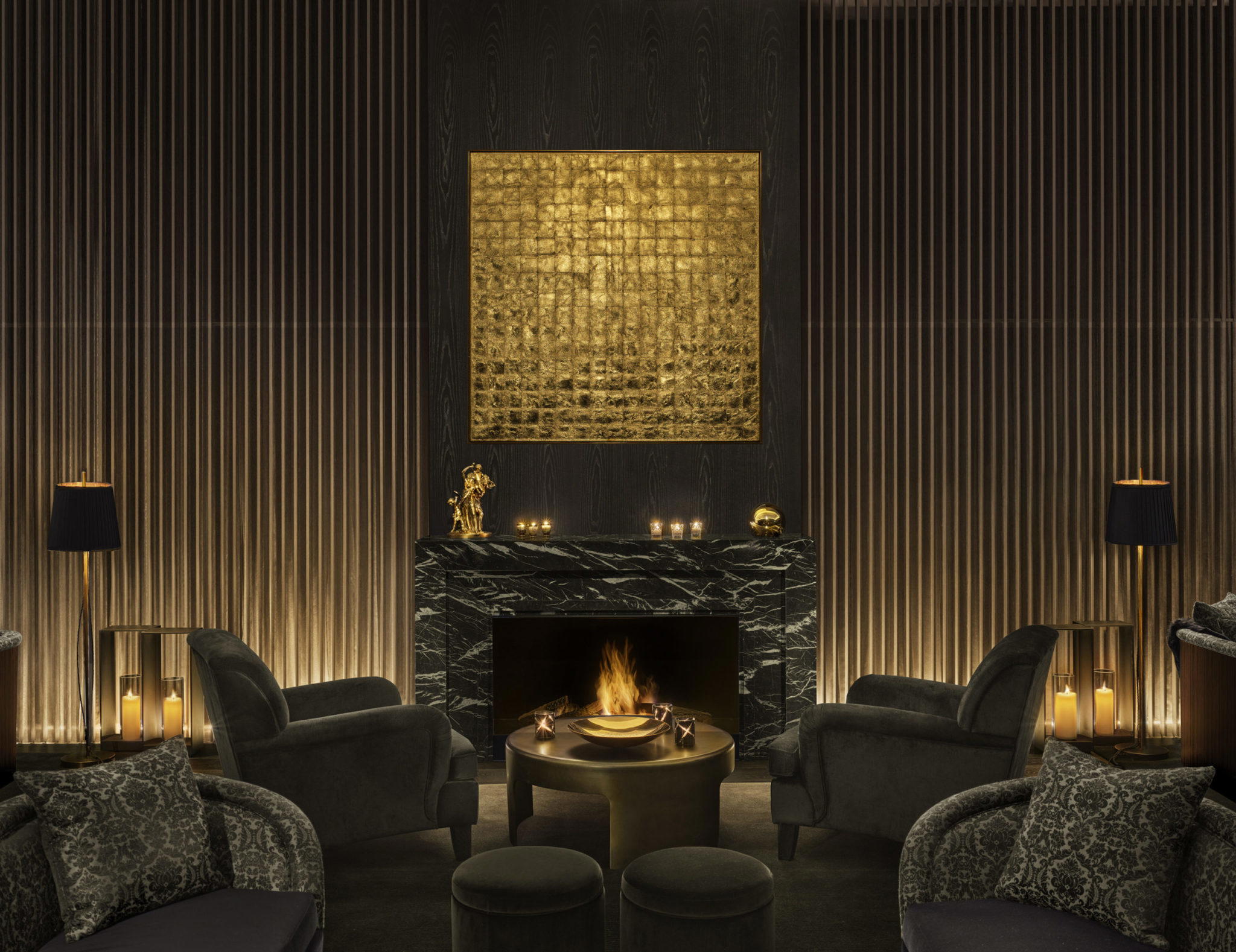


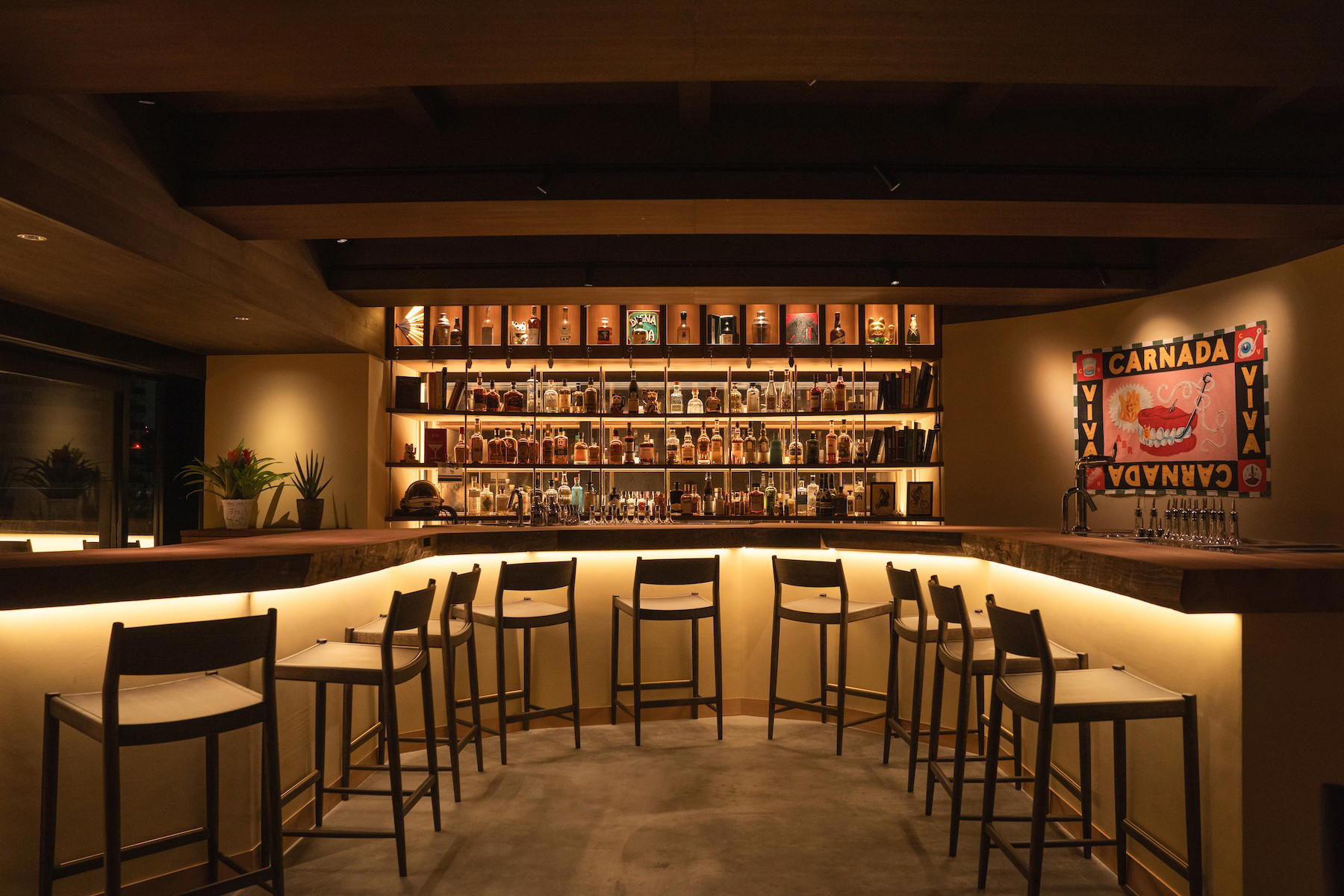




At a Glance
- Elegant
- Sophisticated
- Modern
- Intimate
- Date Night
- Special Occasion
- Open Kitchen
- Sake Program
- Extensive Wine List
- Local Sourcing
- Garden
Current opening hours
- Monday
- Closed
- Tuesday
- Closed
- Wednesday
- 11:30 AM–3 PM, 6–10 PM
- Thursday
- 11:30 AM–3 PM, 6–10 PM
- Friday
- 11:30 AM–3 PM, 6–10 PM
- Saturday
- 11:30 AM–3 PM, 6–10 PM
- Sunday
- 11:30 AM–3 PM, 6–10 PM
Hours can change for holidays and private events. Last verified .
Red and black modern interior with open terrace surrounded by greenery, creating an elegant and inviting atmosphere.