Star Wine List
Our verdict
Perched on the 24th floor of The Peninsula Tokyo in Yurakucho, Peter occupies a tier of hotel dining where wine program seriousness matches the altitude. Recognised by Star Wine List with a White Star designation in December 2021, it draws a clientele that expects sourcing depth alongside the view. For Tokyo's hotel restaurant circuit, that combination carries real weight.

Pearl is the En Primeur Club membership app — saves, bookings, and concierge access live there. Same editors, same standards.
The menu
What to order
- Grilled Angus Sirloin
- Kobe Beef
- Hokkaido Scallops
- Chutoro Tuna Carpaccio
High Above Yurakucho: The Hotel Restaurant That Takes Its Wine Seriously
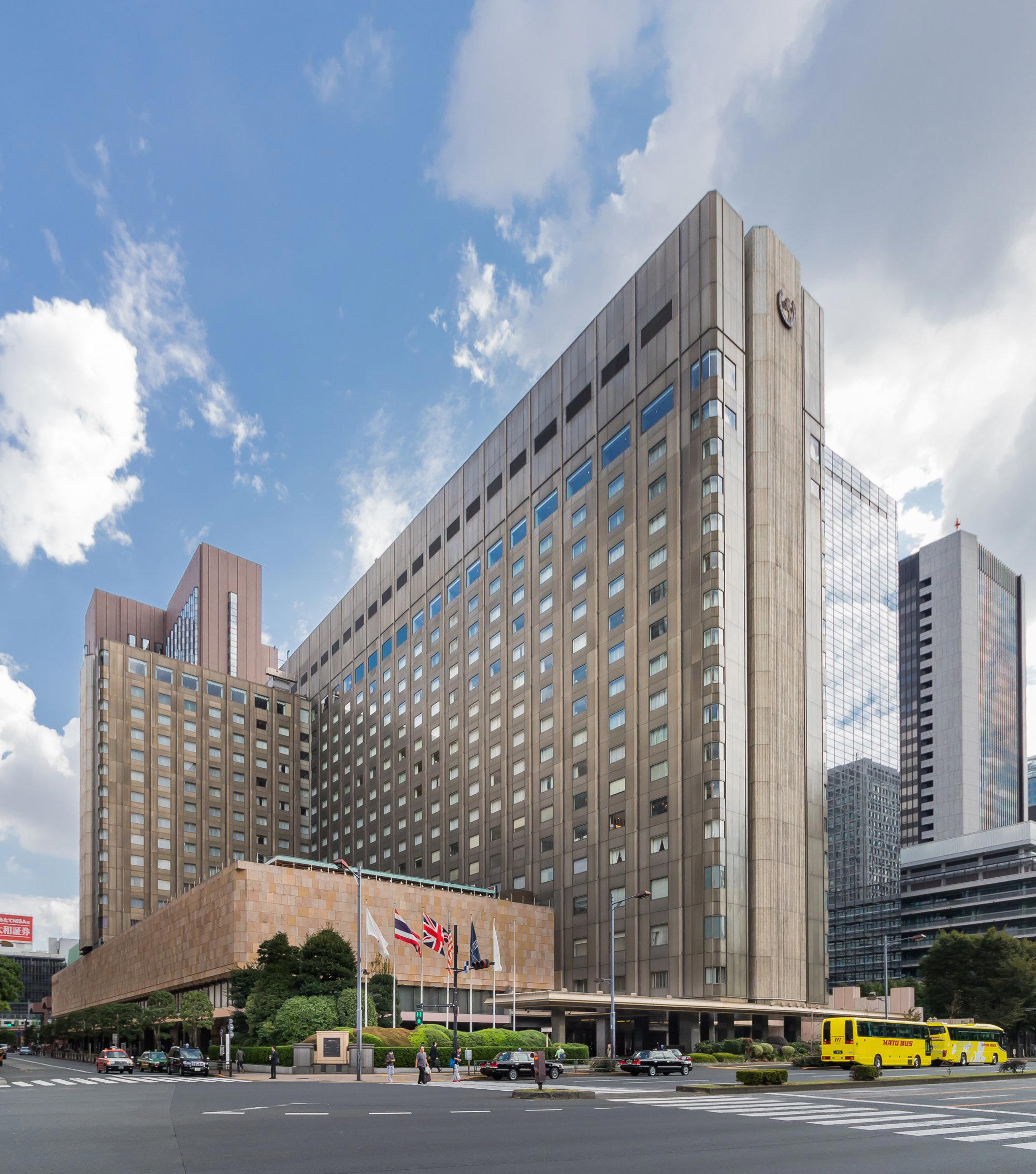
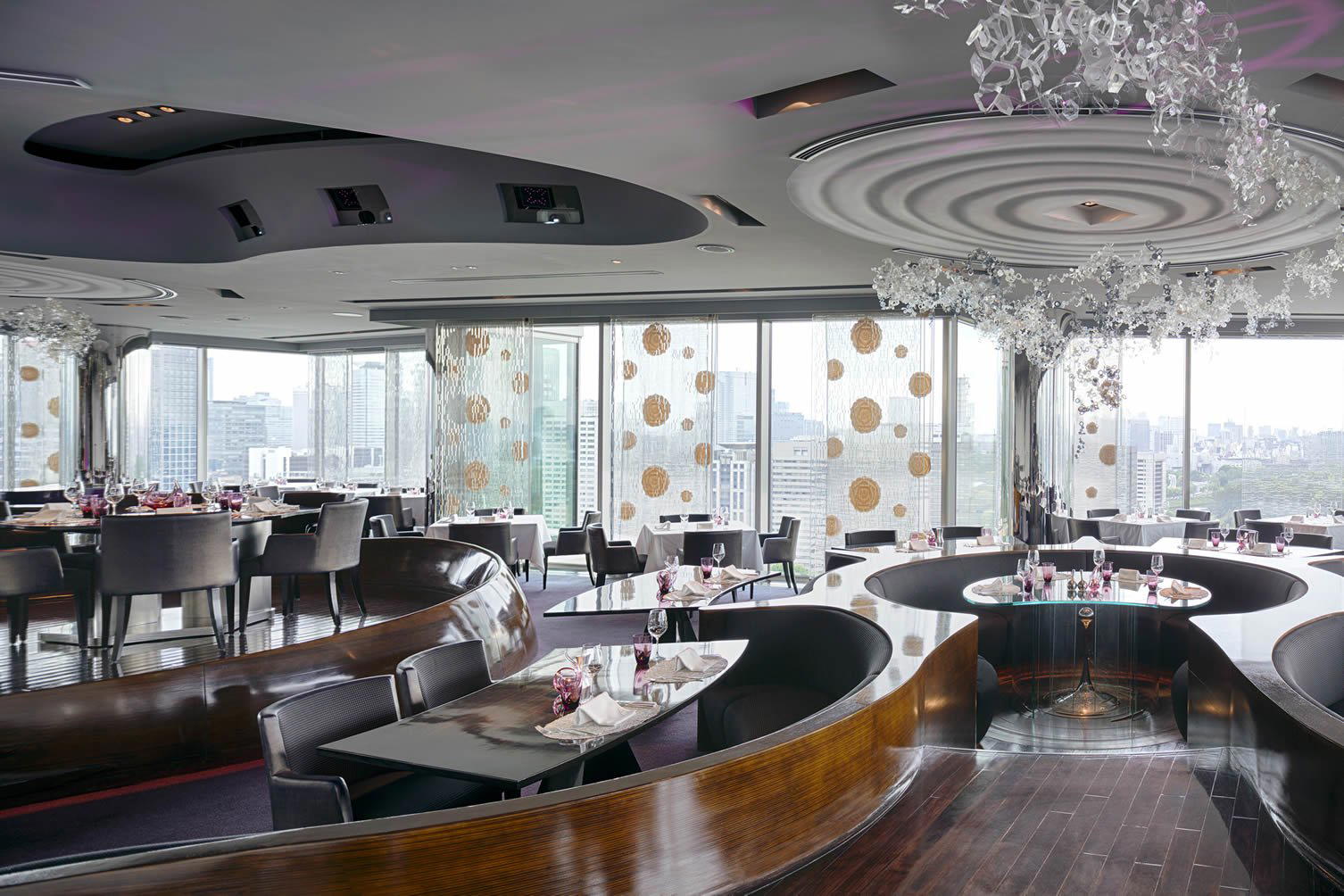
At 24 floors above Yurakucho, the approach to Peter already frames the experience before a menu arrives. The Peninsula Tokyo sits at the edge of the Imperial Palace's green belt, and the northward view from the upper floors makes the city's density feel temporarily suspended. Hotel dining at this altitude in Tokyo tends to operate in a specific register: formal enough for the business crowd, polished enough for the anniversary dinner, and — at its better end — serious enough about wine and ingredients to justify the positioning. Peter, according to its December 2021 recognition by Star Wine List, falls into that credentialled tier, having earned a White Star designation that places it among Tokyo venues where the wine program is treated as editorial subject matter rather than supporting cast.
Tokyo's Hotel Restaurant Category and Where Peter Sits
Tokyo's luxury hotel restaurant scene has long operated on a different logic than the standalone fine-dining circuit. Where a counter like Harutaka or a kaiseki room like RyuGin derives authority from the chef's lineage and the intimacy of a small format, hotel restaurants trade in accessibility and consistency across a broader audience. The competitive pressure runs in both directions: the standalone fine-dining scene demands that hotel kitchens meet the same sourcing expectations, while hotel operators expect formats that function across breakfast, lunch, and dinner for guests who may not be choosing where to eat so much as defaulting to convenience. The properties that win in this environment are those that find a genuine program identity rather than a compromise position. The White Star from Star Wine List is a signal that Peter has done this on the beverage side at minimum, placing it alongside a smaller cohort of Tokyo hotel venues where a guest who cares about what is in the glass will find that care reciprocated.
For context within Tokyo's broader dining map, the French-leaning positions hold particular relevance at the peninsula's altitude. L'Effervescence, Sézanne, and Crony each represent distinct framings of what European-influenced cooking looks like when it lands in Tokyo, whether through ingredient-forward restraint, classical French technique reinterpreted, or a more experimental posture. Peter operates in a different register than any of them, shaped by the hotel format rather than the standalone ambition, but the sourcing expectations in that broader category have raised the floor for everyone operating in this tier.
Ingredient Sourcing as Competitive Positioning
One of the defining shifts in Tokyo's premium dining circuit over the past decade has been the migration of sourcing seriousness from specialist restaurants into hotel dining rooms. What was once the exclusive territory of hyper-focused kaiseki chefs, direct relationships with vegetable farmers in Kyoto, fish sourced through personal arrangements with Tsukiji's most selective wholesalers, dairy from specific prefectures, has become a baseline expectation at any hotel restaurant that wants to hold its position against the standalone competition. The logic is direct: a guest who has eaten at RyuGin or at comparable destination restaurants during a Tokyo visit will carry those expectations into the hotel dining room the following morning. Properties that meet that bar on provenance and seasonal specificity retain credibility across the stay; those that don't lose it quickly.
This matters for Peter because Yurakucho and the surrounding Hibiya corridor sit at the intersection of Tokyo's business and cultural centers, drawing an international clientele that skews toward exactly this kind of comparative awareness. The Peninsula's positioning as a property in the upper bracket of Tokyo luxury hotels means that guests arriving here have typically encountered serious food in other cities, whether at Le Bernardin in New York or at destination restaurants across Japan, from HAJIME in Osaka to Gion Sasaki in Kyoto. The sourcing conversation is not abstract for this audience.
The Wine Program as a Differentiator
A White Star from Star Wine List is not a general quality endorsement, it is specifically a recognition of wine program quality, depth, and curation. In Tokyo's hotel dining context, that credential carries particular weight because the city's wine culture has matured considerably: Japanese sommelier training is among the most rigorous in Asia, and the domestic market for imported wine at the premium end has created both demand and expertise. Hotel restaurants that have invested in serious cellars and trained service teams find themselves positioned differently from those that treat wine as a revenue line managed by a food and beverage director with no specialist focus. The Star Wine List White Star signals that Peter belongs to the former group, which in practical terms means guests with specific interests, whether in Burgundy, in older vintages, or in Japanese domestic wine from regions like Nagano's Bleston Court Yukawatan territory, are likely to find something worth the conversation with the sommelier team.
Planning a Visit: What to Know Before You Go
Peter sits on the 24th floor of The Peninsula Tokyo, at 1-8-1 Yurakucho, Chiyoda City. Yurakucho Station on the JR Yamanote Line and Hibiya Station on the Tokyo Metro network both place the property within a short walk, making it accessible from most central Tokyo neighborhoods without requiring a taxi. For those building an itinerary around Tokyo's wine-serious venues, the Star Wine List White Star recognition is the most concrete credential in the public record at the time of writing. Reservations for hotel restaurants at this level in Tokyo typically benefit from advance booking, particularly for dinner on weekends or during peak travel periods in spring (cherry blossom season) and autumn. Our full Tokyo restaurants guide maps the broader dining circuit, while our Tokyo hotels guide covers the property tier context. The Tokyo bars guide and experiences guide round out the picture for guests building a longer stay. For travelers extending beyond Tokyo, the sourcing-conscious restaurant category appears at comparable quality levels across Japan: akordu in Nara, Goh in Fukuoka, and giueme in Akita each represent different regional expressions of the same underlying commitment to where ingredients come from and why that provenance shapes what ends up on the plate. That thread runs through Japan's premium dining circuit broadly, and Peter's position within the Tokyo end of that circuit is anchored by exactly this kind of program seriousness. Also, if you are heading to the American South, Emeril's in New Orleans offers a useful point of contrast for how sourcing-led thinking translates across entirely different culinary traditions.
Frequently asked questions
Can I bring kids to Peter?
Peter occupies the 24th floor of The Peninsula Tokyo, a formal hotel property with a wine program serious enough to earn a White Star from Star Wine List. The setting and tone skew toward adult dining occasions. Families with older children who are comfortable in quiet, hotel-level dining rooms will find it more manageable than younger groups.
Is Peter formal or casual?
The room sits on the 24th floor of one of Tokyo's most recognized luxury hotels, which sets a clear register: this is not a drop-in venue. The White Star wine recognition from Star Wine List signals a program built for guests who engage with a wine list, which shapes the overall pace and formality of service. Dress accordingly for a Peninsula property.
Is Peter Michelin-listed?
Peter has received recognition including: Peter is a restaurant in Tokyo, Japan. It was published on Star Wine List on December 17, 2021 and is a White Star..
What do regulars order at Peter?
At 24 floors above Yurakucho, the house wine pairings are the natural anchor of any return visit rather than a single signature dish.
Side-by-Side Snapshot
Comparable venues nearby, for context on price, style, and recognition.
| Venue | Cuisine | Price | Awards | Notes |
|---|---|---|---|---|
| PeterThis venue — the venue you are viewing | Modern French Grill with Japanese Influences | $150–200 | Star Wine List | Not listed |
| クラフタル | Modern French with Japanese Influences | $100–150 | 1 Michelin Star · Tabelog 100 #28 | Meguro |
| ラ・ブーシェリー・デュ・ブッパ | French Wild Game Brasserie | $150–200 | Not listed | Meguro |
| ボンシュマン | Modern French with Japanese Influences | $50–100 | Michelin Plate | Meguro |
| La Maison du Chocolat Marunouchi ten | French Chocolate Boutique & Patisserie | $20–30 | Tabelog 100 #50 | Chiyoda |
| Paris Yugao | Neo-French Japonism & Teppanyaki in Ginza | $150–200 | Tabelog 100 #18 | Chūō |
Recognition history
Dated appearances from independent guides and award organizations, with the underlying list record or original source where available.
Star Wine List
Star Wine List