
Tabelog 100 #86
Our verdict
Located at 242 Kugikakushicho in Kyoto's Shimogyo Ward, çæ¡ sits within a city where the bar for refined dining is set by generations of kaiseki tradition. Against peers like Gion Sasaki and Hyotei, this address occupies a quieter register, one where the details of sourcing, seasonality, and material restraint carry the editorial weight that louder venues assign to spectacle.

Pearl is the En Primeur Club membership app, where members save venues, book tables and use the concierge.
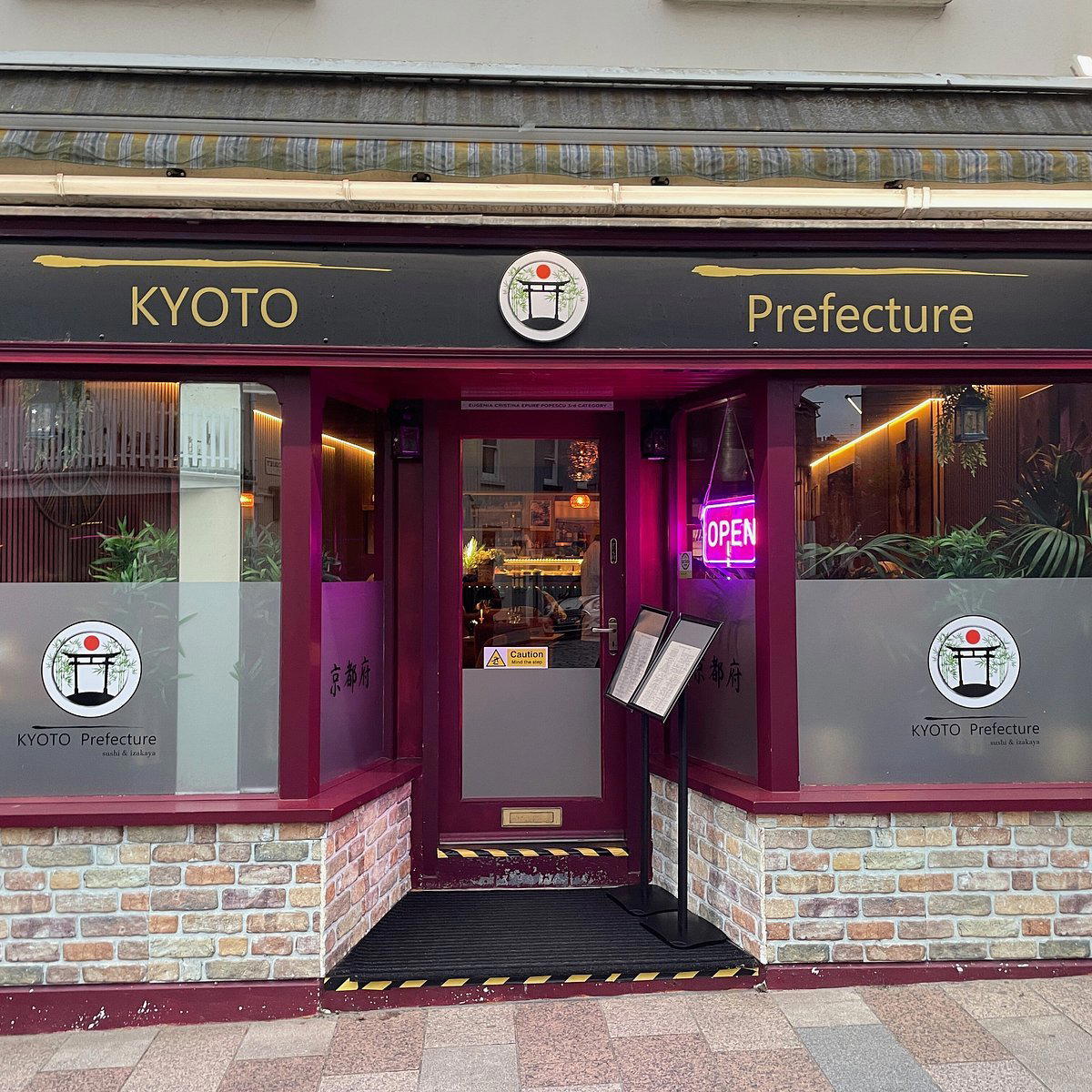
Where Shimogyo Ward's Quieter Streets Set the Standard
Kyoto's most discussed dining addresses cluster around Gion and Higashiyama, but the city's southern wards, Shimogyo in particular, have long supported a different register of restaurant. The streets around Kugikakushicho carry the particular hush of a neighbourhood that has hosted craftspeople and merchants for centuries, and the buildings along these lanes tend toward understatement: narrow frontages, materials that have aged rather than been renovated. It is the kind of district where a restaurant's presence announces itself through absence of signage rather than through display. çæ¡, at 242 Kugikakushicho, belongs to that tradition of deliberate quietness.
In a city where kaiseki counters like Gion Sasaki and Hyotei operate with the weight of documented lineage behind every course, the smaller, less-chronicled addresses often carry a different kind of authority, one built on local trust rather than international recognition. Kyoto has always sustained both categories simultaneously, and the tension between them is part of what makes the city's dining scene more layered than Tokyo's or Osaka's.
Sustainability as Structure, Not Gesture
Across Japan's premium dining tier, the conversation around ethical sourcing and waste reduction has matured considerably. What began as a peripheral talking point in Western fine dining has found a more native expression in Japanese kitchens, where the principle of mottainai, the deep cultural resistance to waste, was always present, long before sustainability became a marketing category. In Kyoto specifically, that ethic is embedded in the kaiseki form itself: the relentless attention to seasonal ingredients, the use of every part of a vegetable or fish, the way a dish is designed around what the market offers that morning rather than what a fixed menu requires.
Restaurants in the Shimogyo district that operate within this tradition tend to source from the Nishiki Market corridor and from the farming communities of the surrounding Kyoto basin, where producers have maintained relationships with city kitchens across generations. This is not the performative farm-to-table framing familiar from Western restaurant culture. It is a supply chain that predates the concept, structured around seasonal necessity and mutual dependence between kitchen and grower. Venues operating within it, including addresses across the Shimogyo and Fushimi wards, typically work with a smaller, rotating roster of producers rather than a fixed supplier list, which means the menu's actual content shifts more frequently than in restaurants that source from national distributors.
For comparable approaches elsewhere in the Kansai region, HAJIME in Osaka has built an international profile around a zero-waste philosophy applied to French-Japanese technique, while akordu in Nara works within a European framework but draws heavily on Yamato vegetables from the Nara basin. Both represent the more documented end of Japan's sustainability-in-fine-dining conversation. The quieter Kyoto addresses work from the same material ethics but within a less theorised, more pragmatic framework, the natural outgrowth of a city that has never wasted what the season provides.
The Kaiseki Context and Where çæ¡ Sits Within It
Kyoto's kaiseki tradition represents one of the most codified fine-dining formats in the world. The sequence of courses, from sakizuke through hassun, yakimono, and shiizakana to the rice service, follows a structure that has been refined over roughly four centuries, with the form's current expression largely settled by the late Edo and early Meiji periods. Within that structure, individual kitchens distinguish themselves through sourcing philosophy, the weight they give to particular courses, and the way they balance visual presentation against flavour directness.
Among the city's most documented kaiseki addresses, Kikunoi Honten and Mizai represent the Michelin-anchored tier, where the format is executed with technical precision and international legibility. Isshisoden Nakamura carries the weight of historical continuity, one of Kyoto's oldest operating kitchens. The less-documented addresses, of which Shimogyo has several, tend to operate with fewer seats, shorter booking windows visible to international travellers, and a guest composition that skews toward regular local visitors rather than destination diners. That demographic difference shapes everything from portion calibration to the pace of service.
For those mapping Japan's premium dining geography more broadly, the range of approaches is considerable. Harutaka in Tokyo and Goh in Fukuoka demonstrate how far Japanese fine dining has moved from strict format adherence, with each kitchen applying its own structural logic. Regionally, addresses like aki nagao in Sapporo, Abon in Ashiya, and affetto akita in Akita show how sourcing-led kitchens outside the major centres have developed their own rhythms, often with a more direct relationship to local producers than their urban counterparts. Farther afield, Aji Arai in Oita, Ajidocoro in Yubari District, and Akakichi in Imabari each anchor their menus in ingredients that could not convincingly be served anywhere else, a form of geographic honesty that Kyoto's own kaiseki tradition has always demanded of its kitchens.
Planning a Visit
The Shimogyo Ward address, 242 Kugikakushicho, is accessible from Kyoto Station on foot in roughly fifteen minutes, or by taxi in under five. Kugikakushicho sits south of Shijo-dori, in a section of the ward where the street grid tightens and navigation rewards patience over speed. This is a pattern common to several of Kyoto's smaller, locally anchored kitchens: discretion about availability is itself a signal about the intended guest profile. For broader orientation across Kyoto's dining options, the EP Club Kyoto restaurants guide maps the city's premium addresses across neighbourhoods and price tiers.
For international points of comparison outside Japan, Le Bernardin in New York City and Lazy Bear in San Francisco both demonstrate how sourcing discipline and format rigour translate into sustained critical recognition in Western markets, a useful frame for visitors approaching Kyoto's quieter addresses from a non-Japanese dining background.
Frequently asked questions
Can I bring kids to çæ¡?
Kaiseki formats, the tradition çæ¡ operates within, are structured around sequential courses, extended seatings, and a level of quiet that most venues in this Shimogyo Ward category expect guests to maintain. Young children who are comfortable with that pace are unlikely to pose a problem in principle, but the format itself is demanding.
Where is çæ¡ located?
çæ¡ is located at 242 Kugikakushicho, Shimogyo Ward, Kyoto, 600-8423, Japan, Kyoto.
Do they take walk-ins at çæ¡?
Reservations are recommended for çæ¡ in Kyoto. Confirm current policy via the venue's official channels.
What is çæ¡ known for?
çæ¡ is best approached by focusing on the core concept and signature offerings.
Compact Comparison
Comparable venues nearby, for context on price, style, and recognition.
| Venue | Cuisine | Price | Awards | Notes |
|---|---|---|---|---|
| 熙怡This venue (the venue you are viewing) | Kyoto Saba Sushi | $10–20 | Tabelog 100 #86 | Not listed |
| Menya Yuko | Japanese Ramen | $10–20 | Tabelog 100 #53 | Nakagyō, Japanese Ramen |
| Ramen Jiro Kyoto ten | Jiro-style ramen | $10–20 | Tabelog 100 #70 | Sakyō, Jiro-style ramen |
| Seabura no Kami Mibu honten | Back-fat niboshi ramen | $10–20 | Tabelog 100 #96 | Nakagyō, Back-fat niboshi ramen |
| Mangetsu JR kyoto isetan ten | Traditional Japanese sweets (wagashi) take-out | $1–10 | Tabelog 100 #7 | Shimogyō, Traditional Japanese sweets (wagashi) take-out |
| Ichiwa Ichimonjiya Wasuke | Traditional Kyoto wagashi & aburi-mochi teahouse | $1–10 | Tabelog 100 #66 | Kita, Traditional Kyoto wagashi & aburi-mochi teahouse |
Recognition history
Dated appearances from independent guides and award organizations, with the underlying list record or original source where available.
Tabelog 100 #86 · No. 86
Tabelog · Tabelog 100 - Italian - WEST - 2025
Continue exploring
More in Kyoto
Restaurants in Kyoto
All restaurants in Kyoto →
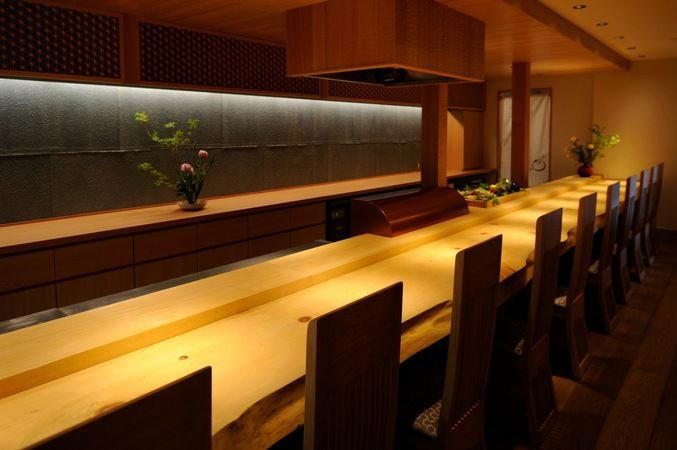
Bars in Kyoto
All bars in Kyoto →
Hotels in Kyoto
All hotels in Kyoto →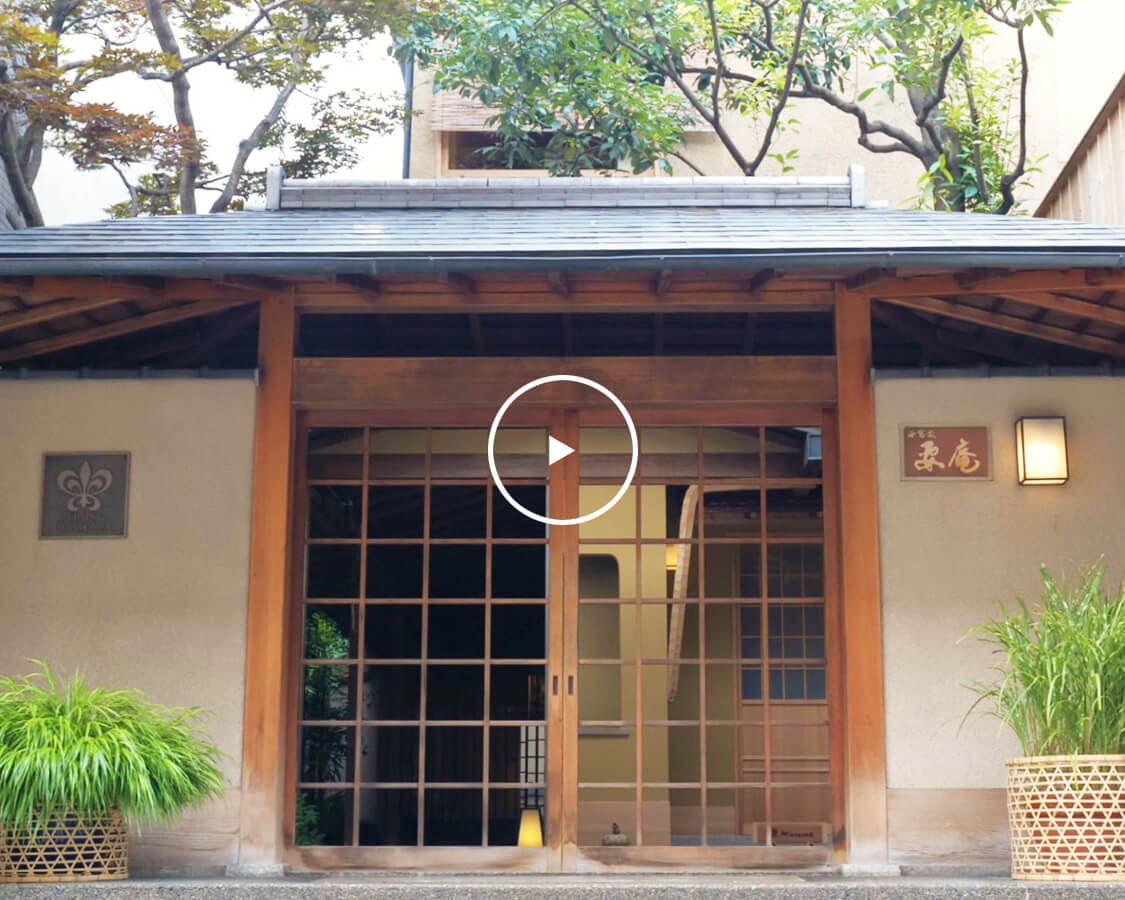

Wineries in Kyoto
Browse all →
Details
- Casual Hangout
- Family
- Standalone
- A La Carte
Traditional and welcoming with a casual, homey feel.