
Menya Yuko places Kyoto ramen in a compact, counter-led register near Karasuma Oike, where speed, solo dining and close attention to broth define the experience. Its repeated selection for Tabelog Ramen WEST 100 in 2023, 2024 and 2025 gives it a clear credential in a city better known abroad for kaiseki, tofu and tea cuisine.
Pearl is the En Primeur Club membership app — saves, bookings, and concierge access live there. Same editors, same standards.
- Address
- 588 Banocho, Nakagyo Ward, Kyoto, 604-8172, Japan
- Phone
- +81 75-256-3434
- Website
- yukou-kiyo.com
 Saves & bookings on Pearl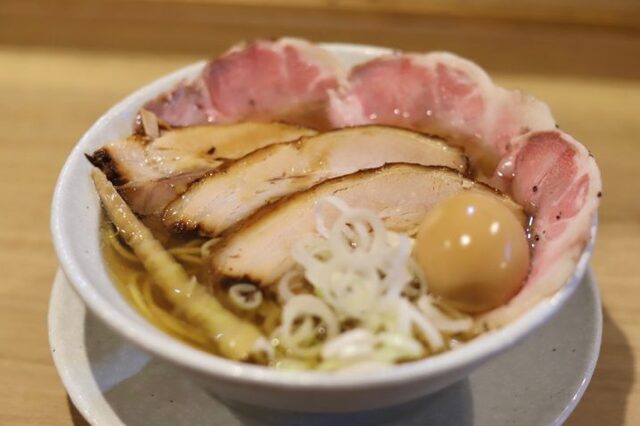
Karasuma Oike is not Kyoto’s postcard face. The area runs on office blocks, subway exits, narrow side streets and the lunch-hour rhythm of people who know exactly how long a bowl should take. That setting matters for ramen. Kyoto’s dining reputation is often filtered through temples, ryotei and seasonality, but the city’s everyday food culture also depends on counters where the transaction is direct: order, sit, eat, leave room for the next guest.
Menya Yuko belongs to that second Kyoto. The room is built around counter seating, a format that suits ramen better than ceremony because the bowl is meant to arrive fast and be eaten while the noodles hold their texture. In a city where travelers often plan around reservations and set menus, this is a different kind of precision. The appeal is not luxury theatre; it is compression, a short meal with enough craft and local confidence to justify a detour between cultural stops.
Kyoto ramen outside the kaiseki frame
Ramen in Kyoto carries a different cultural charge from the city’s formal dining traditions. Kaiseki asks the diner to read season, vessel and sequence. Ramen asks for attention to balance in a single bowl: soup, tare, oil, noodle and topping working in a narrower register. That difference is part of its strength. It gives Kyoto a democratic counterpoint to its high-ritual reputation, especially in central districts where commuters, students and visitors overlap.
The Tabelog Ramen WEST 100 selections are useful here because they separate ramen from generic tourist popularity. Menya Yuko was selected for the 2023, 2024 and 2025 editions, placing it within a regional group judged against western Japan’s ramen field rather than against Kyoto dining as a whole. That comparison matters. Kyoto’s ramen shops compete not only with local soba, udon and set-meal culture, but with Osaka, Kobe and wider Kansai ramen expectations. Repeated selection signals consistency in a category where lines can form quickly and quality can vary by hour.
For travelers building a Kyoto food itinerary, this is the category that keeps the city grounded. A day might begin with sweets at Aburi Mochi Honke Nemoto Kazariya, move through central dining around 3TOKU6MI Shijo karasuma ten or [ki:], and end with ramen rather than another long-form meal. Kyoto rewards that mix. The city is not a single dining tradition; it is a set of tempos.
A counter format for solo diners and short windows
The strongest argument for Menya Yuko is format. Counter seating and a solo-dining-friendly reputation put it in the practical ramen lane rather than the destination-restaurant lane. That does not make the meal casual in the lazy sense. In Japan, counter restaurants often create the clearest view of craft because the distance between preparation and guest is minimal. Ramen benefits from that immediacy more than almost any other dish.
Reservations are unavailable, which changes how the meal should be understood. This is not a table to secure months ahead; it is a timing decision. Central Kyoto restaurants with no-reservation formats often reward off-peak planning, especially when the surrounding district empties and refills around office schedules. The Thursday closure also shapes the week for anyone trying to slot ramen between hotel check-in, temple visits and evening drinks.
Payment is another signal of the genre. Cash-only operations remain common across smaller Japanese food counters, particularly in ramen and specialist casual dining. That detail is not atmosphere; it is logistics. Visitors who have built a Kyoto itinerary around hotel bars, card-friendly dining rooms and online reservations need to reset expectations before stepping into a ramen shop.
The location near Karasuma Oike also gives it a useful role in the city. This is a junction rather than a scenic cul-de-sac, with subway access that makes the meal easier to fold into a day crossing north-south or east-west. Travelers staying in central Kyoto can pair it with broader planning through Our full Kyoto restaurants guide, then branch into Our full Kyoto bars guide for the evening or Our full Kyoto hotels guide for a base that keeps transit simple.
How it fits a broader Kyoto itinerary
Kyoto’s stronger itineraries avoid treating every meal as a monument. A ramen counter has a different job from a French dining room such as Abbesses, a hotel restaurant such as Mr. Maurice’s Italian, or a casual regional staple such as 551蓬莱. The decision is not which venue carries more prestige; it is which pace the day needs. After gardens, museums or shopping around Shijo and Karasuma, ramen offers a clean break from itinerary inflation.
That is where the restaurant earns its place. The repeated Tabelog Ramen WEST 100 recognition gives the shop a credential, but the deeper value is cultural context. It shows Kyoto through a form built for regular use, not visitor ceremony. The city’s acclaimed restraint appears differently here: in a focused menu category, a compact room and the expectation that the diner understands the rhythm of a counter.
For readers comparing beyond Kyoto, the same logic applies across Japan and abroad. Specialist casual formats often carry serious craft without the signals attached to tasting menus. A curry counter such as [Curry Senmon Ten] Maruyama Kyoju. in Sapporo, a compact Vietnamese address such as (Shoku) Vietnam in Kawasaki, or a rice-ball specialist such as Onigiri Time in Pasadena all point to the same editorial lesson: category discipline can matter more than formality.
Kyoto also supports detours that stretch beyond restaurants. Pairing a central ramen stop with Our full Kyoto experiences guide keeps the day anchored in place rather than meal-chasing, while Our full Kyoto wineries guide helps map a different side of the region’s drinking culture. For readers continuing through Japan or crossing to the United States, references such as.cafe in Osaka.know in Kumamoto. 鮪と炭火焼き うお炭 秋葉原店 in Tokyo, -Grilled beef Sukiyaki- KAMAKURA TANUKIAN 鎌倉 たぬき庵 in Kamakura and Jōdo Saké Bar in Los Angeles underline how small formats can carry a city’s food identity without needing a grand room.
A Pricing-First Comparison
Comparable venues by category and price.
| Venue | Cuisine | Price | Notes |
|---|---|---|---|
| Menya YukoThis venue — the venue you are viewing | Nakagyō, Japanese Ramen | $ | Not listed |
| Flip up! | Nakagyō, Kyoto bakery & bagel shop | $ | Not listed |
| Rokuyosha Chika ten | Not listed | $ | Nakagyō, Traditional Kyoto kissaten & coffee bar |
| Shinrin Shokudo | Nakagyō, Japanese curry house | $ | Not listed |
| Daigokuden Honpo Rokkaku ten | Nakagyō, Japanese Sweets Cafe | $ | Not listed |
| 熙怡 | Shimogyō, Kyoto Saba Sushi | $ | Not listed |
Recognition history
Dated appearances from independent guides and award organizations, with the underlying list record or original source where available.
Tabelog 100 #53 · No. 53
Tabelog · Tabelog 100 - Ramen - WEST - 2025
Continue exploring
More in Kyoto
Restaurants in Kyoto
Browse all →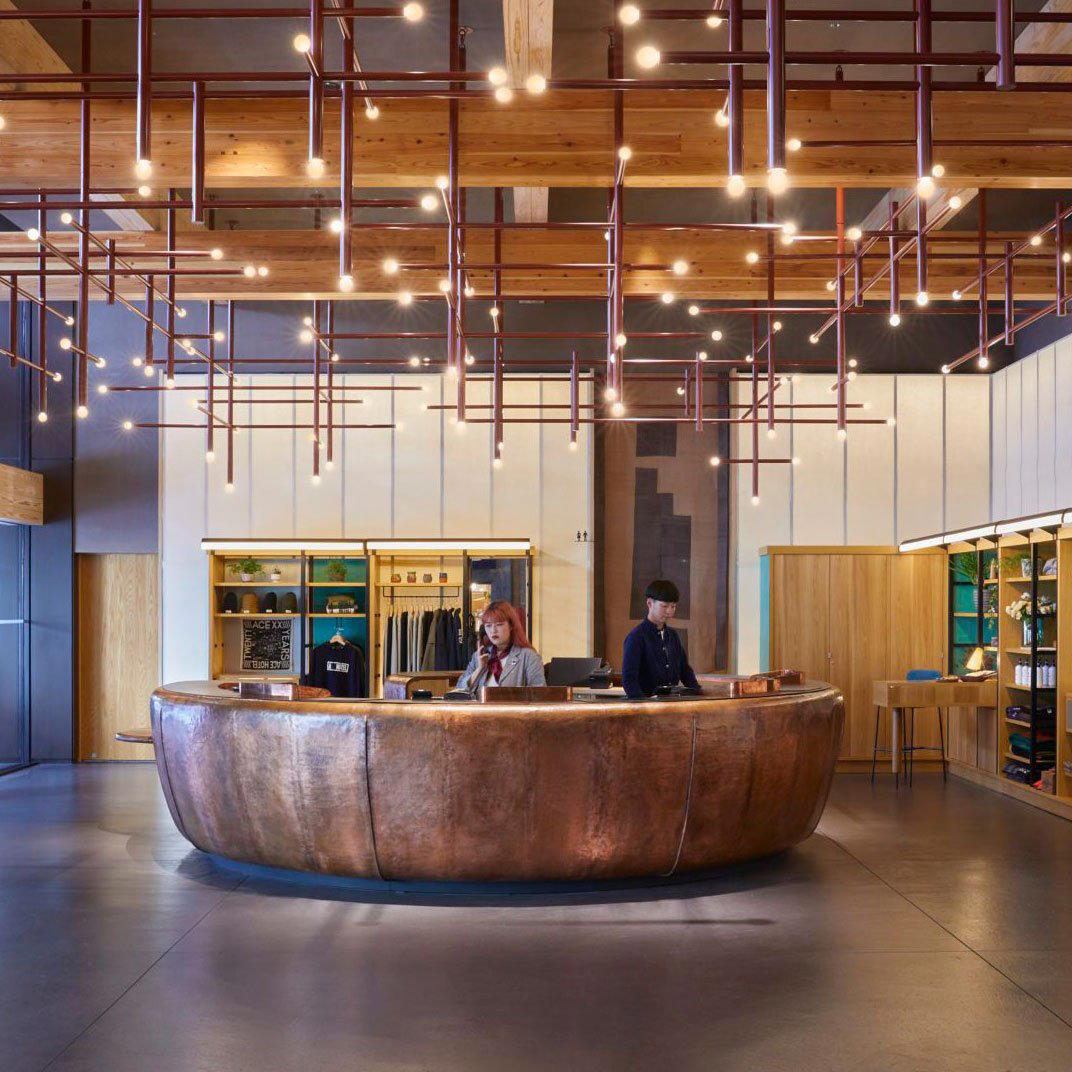
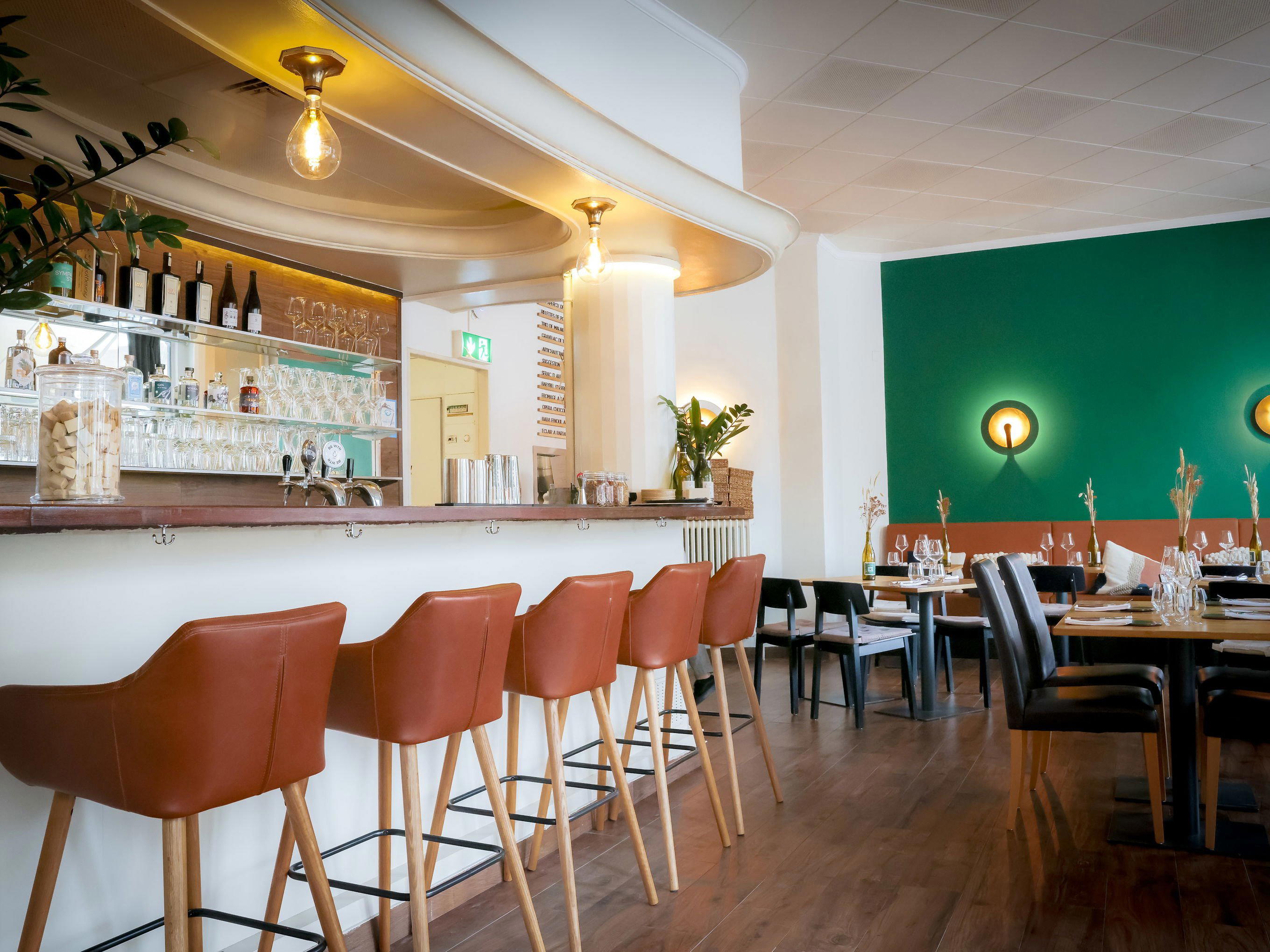
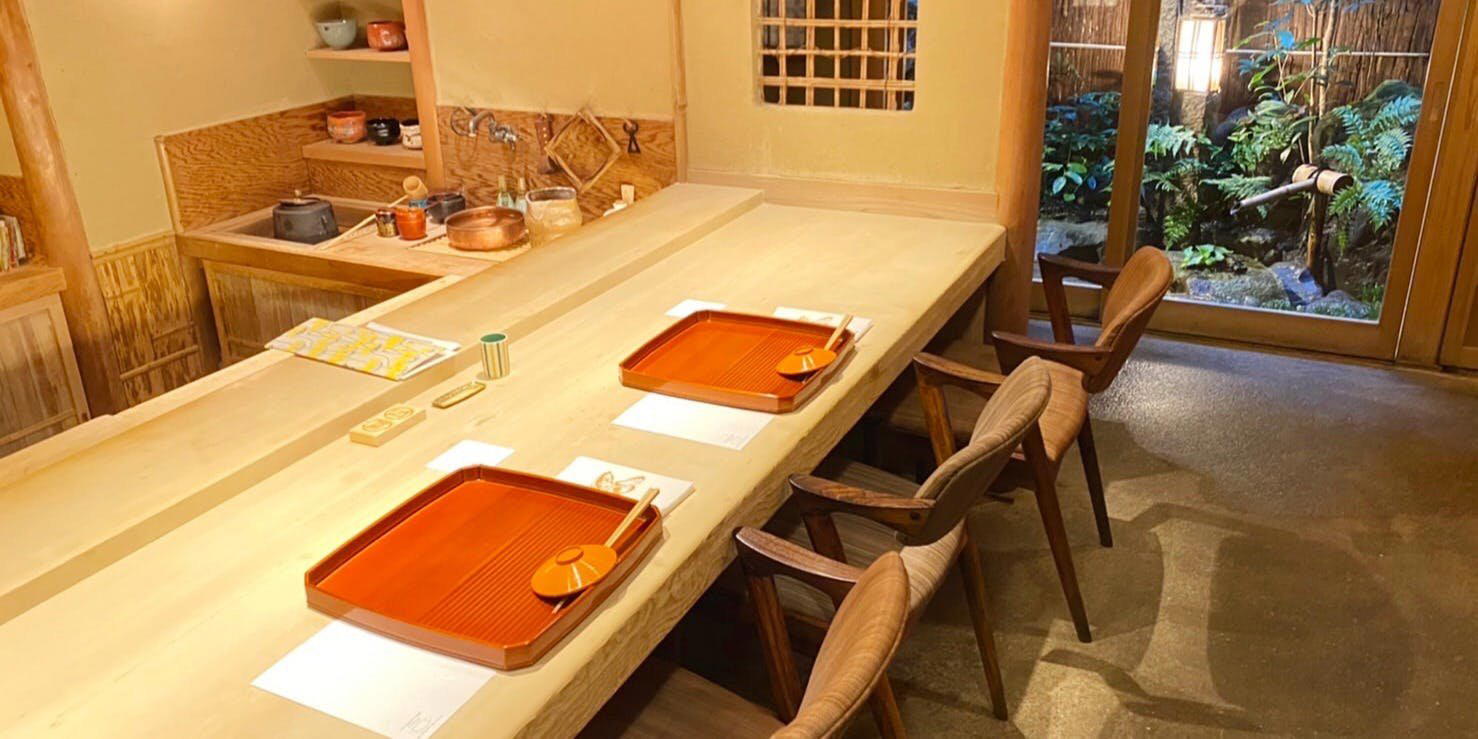
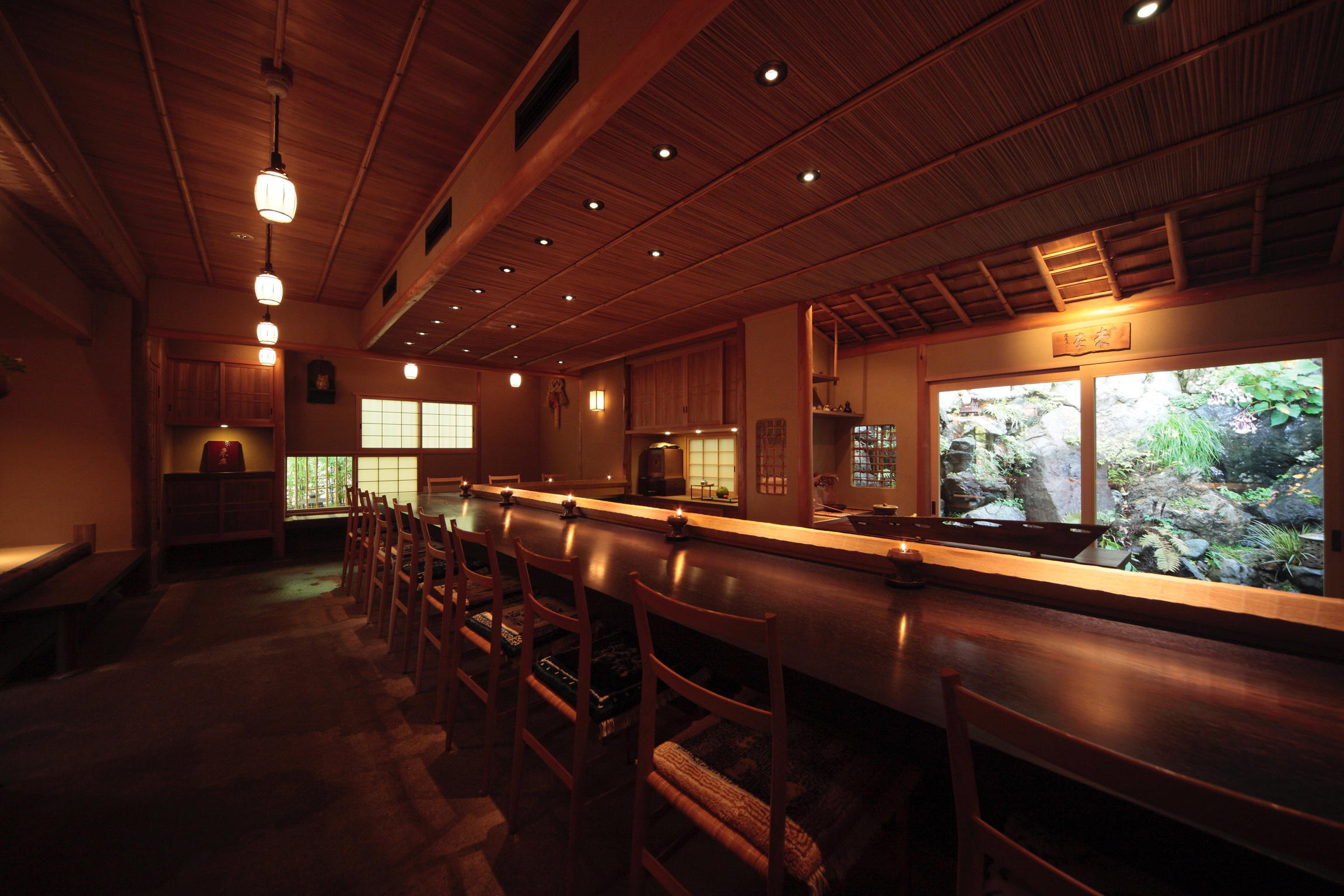
Bars in Kyoto
Browse all →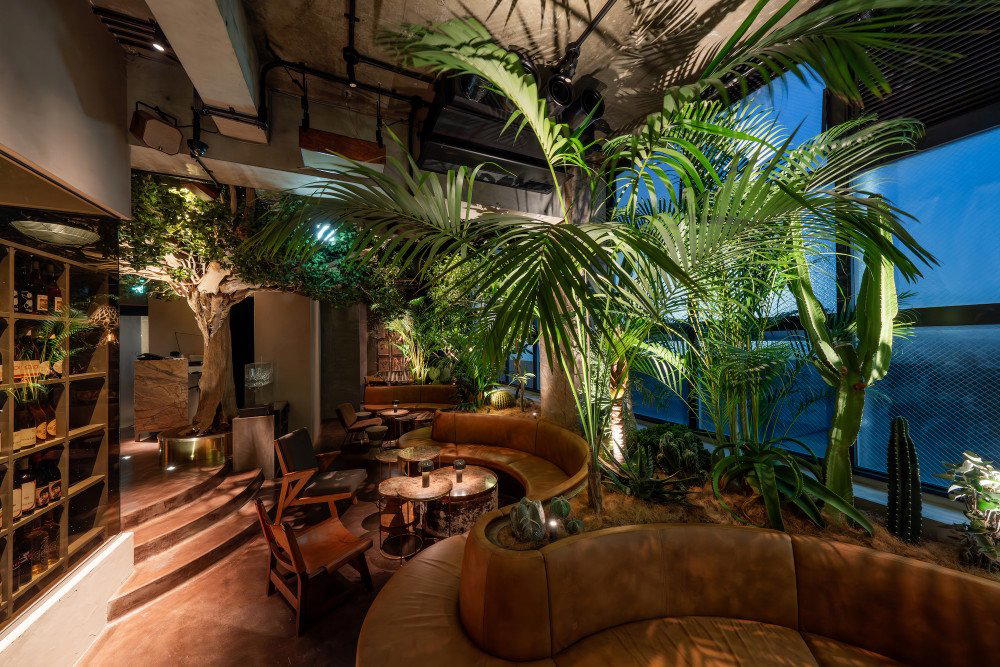
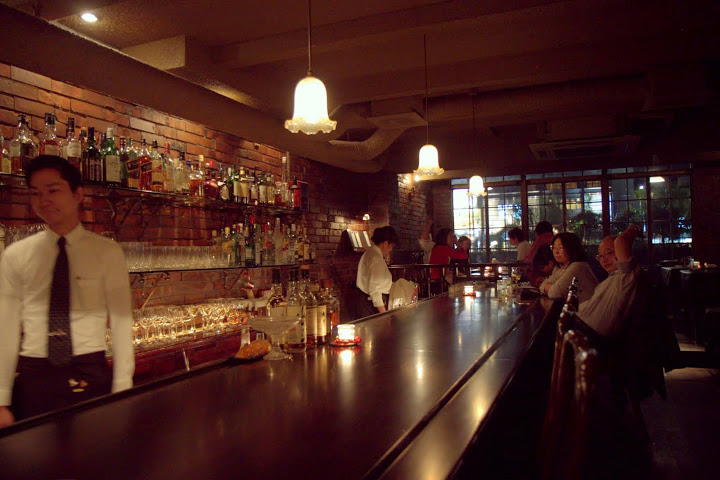


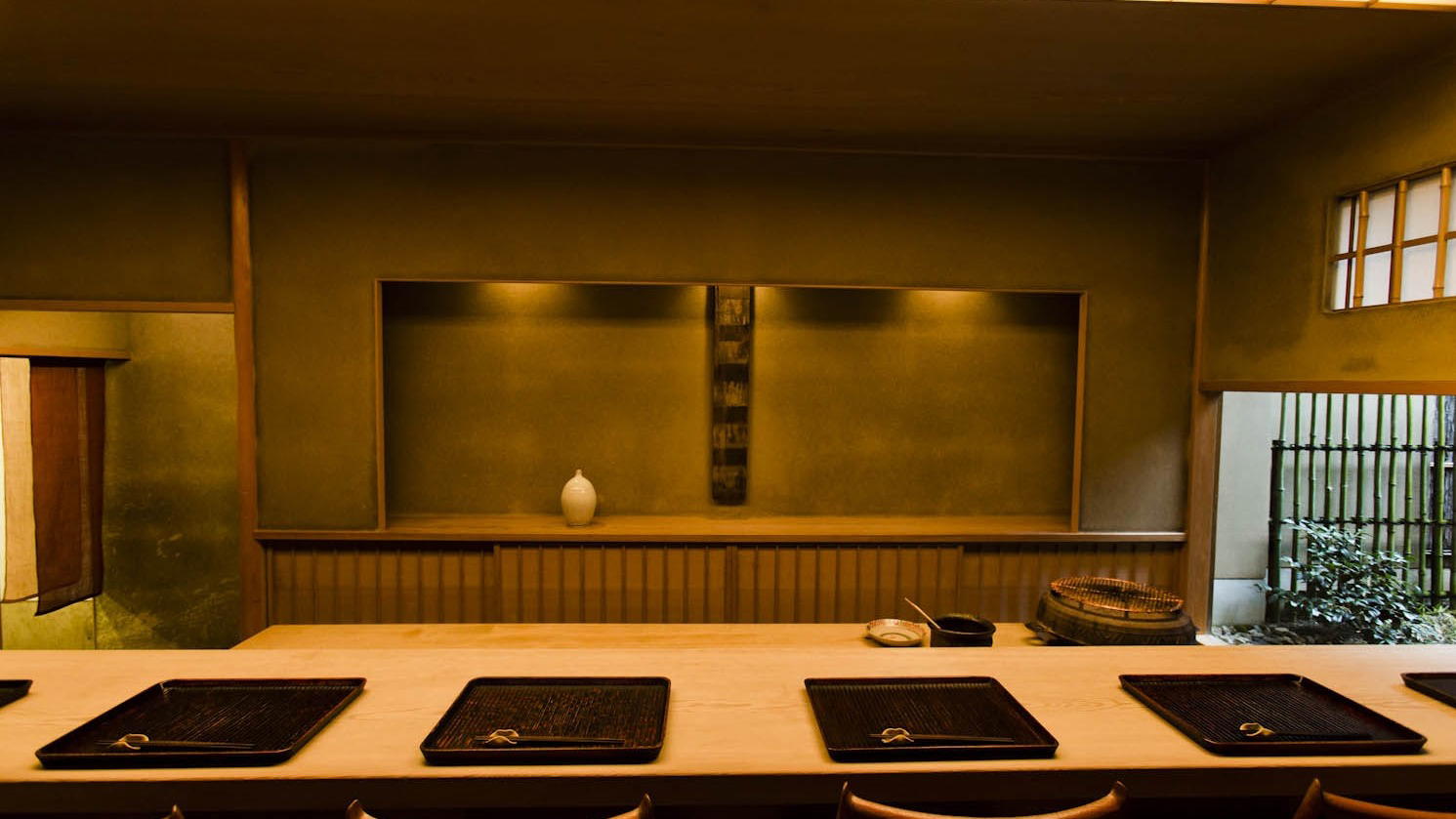
Hotels in Kyoto
Browse all →

Wineries in Kyoto
Browse all →
At a Glance
- Cozy
- Quiet
- Modern
- Solo
- Casual Hangout
- Standalone
Current opening hours
- Monday
- 11 AM–3 PM, 5:30–10 PM
- Tuesday
- 11 AM–3 PM, 5:30–10 PM
- Wednesday
- 11 AM–3 PM, 5:30–10 PM
- Thursday
- Closed
- Friday
- 11 AM–3 PM, 5:30–10 PM
- Saturday
- 11 AM–3 PM, 5:30–10 PM
- Sunday
- 11 AM–3 PM, 5:30–10 PM
Hours can change for holidays and private events. Last verified .
Small, stylish, and clean with a calm, café-like feel rather than a typical ramen-shop atmosphere; it appears especially welcoming for solo diners and women.