
A compact Kyoto ramen and tsukemen address in Mibu, Seabura no Kami Mibu honten belongs to the city’s everyday noodle culture rather than its temple-district dining circuit. Its Tabelog Ramen WEST “Tabelog 100” selections from 2017 and 2019 through 2025 give it a clear signal among Kansai ramen specialists, with a low spend bracket and a no-reservations format.
Pearl is the En Primeur Club membership app — saves, bookings, and concierge access live there. Same editors, same standards.
- Address
- Japan, 〒604-8812 Kyoto, Nakagyo Ward, Mibuaiaicho, 25-4 デイスターアベニュ 1F
- Phone
- +81 75-432-7077
- Website
- seaburanokami.jp
 Saves & bookings on Pearl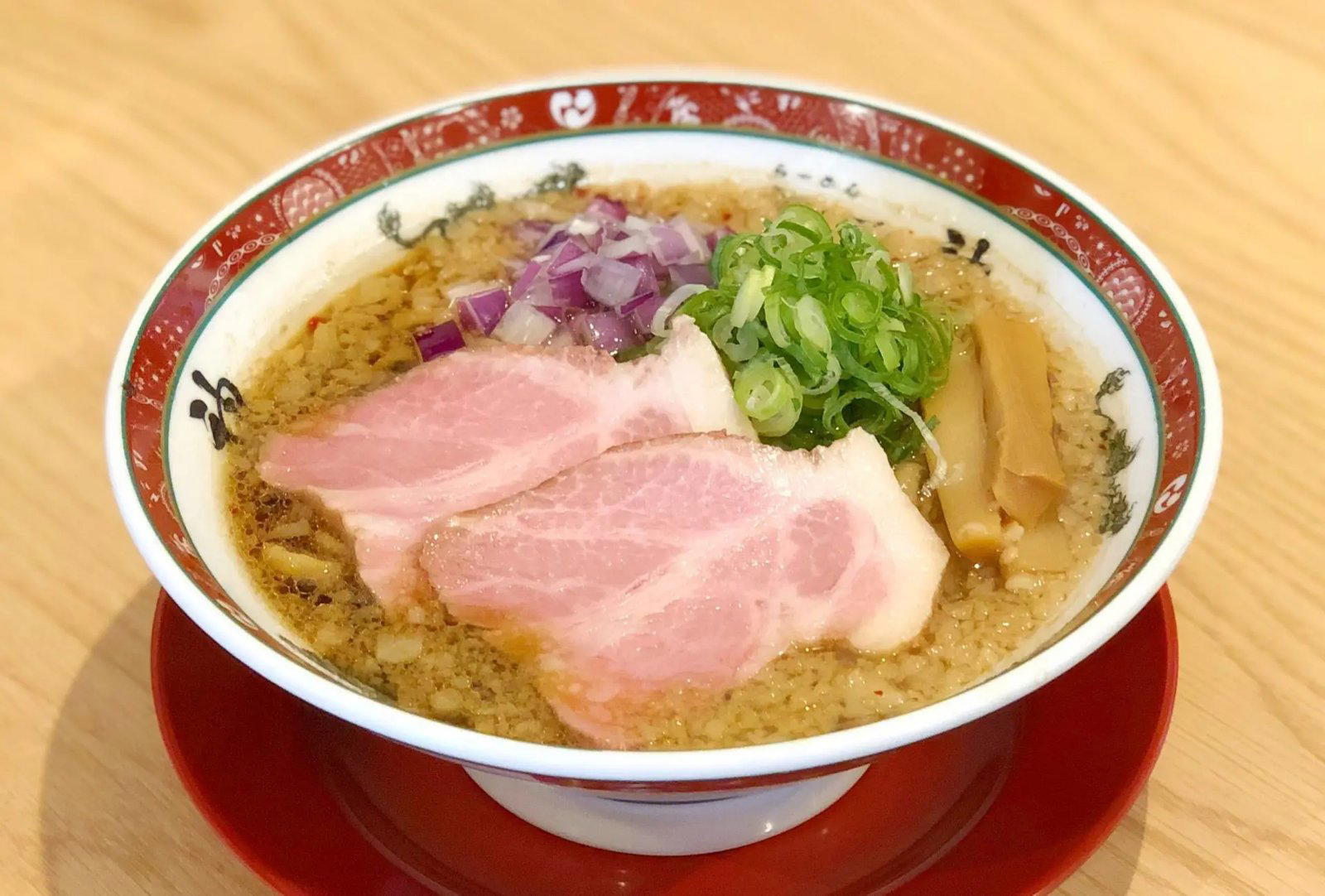
Approaching a Kyoto ramen shop in Mibu is unlike approaching a kaiseki counter in Gion. The cues are smaller and functional: street frontage, a quick threshold, steam, turnover, and a bowl built for immediacy rather than ceremony. In a city often reduced abroad to tea houses and multi-course refinement, ramen is the everyday counter meal for workers, students, solo diners, families, and late-running friends, without high-dining etiquette.
That matters at Seabura no Kami Mibu honten. The name points to seabura, pork back fat, a style marker associated with weight, sheen, and a more forceful ramen register than Kyoto’s gentler culinary clichés suggest. Kyoto noodle culture has long allowed concentration and intensity, from thick broths to dipping noodles built around separation and control. Here, ramen and tsukemen share one vocabulary: broth, noodle texture, fat, seasoning, and pace, compressed into a meal judged quickly but not casually.
Kyoto ramen beyond the temple-district script
Kyoto dining coverage often starts with seasonality, lacquerware, and kaiseki’s quiet grammar. That is only part of the city. The ramen map tells a more urban story, shaped by station areas, university neighbourhoods, commuter routes, and small rooms where the counter is practical, not theatrical. Seabura no Kami Mibu honten sits in Nakagyo Ward, outside the polished tourist shorthand of the eastern hills. This is not postcard Kyoto; it is Kyoto as a working food city.
The shop’s recognition on Tabelog Ramen WEST “Tabelog 100” in 2025, with earlier selections in 2017 and from 2019 through 2024, places it in a sustained Kansai ramen conversation, not a passing online spike. Tabelog scores are not substitutes for taste, but repeated inclusion in a regional ramen list is a meaningful trust signal in Japan’s crowded noodle field. Editorially, the address has been measured against a broad western Japan category, not only nearby casual lunch options.
Within Kyoto, the comparison is less with high-end reservations than with specialised everyday food addresses. A visitor weighing quick, affordable meals might place it beside bakeries, curry rooms, dumpling counters, and noodle shops rather than formal restaurants. For the city’s range, Our full Kyoto restaurants guide is the better frame; for contrast, 551蓬莱, Aburi Mochi Honke Nemoto Kazariya, and 3TOKU6MI Shijo karasuma ten show how much Kyoto eating happens outside the tasting-menu frame.
Back-fat ramen, tsukemen, and the discipline of a small room
Seabura ramen is not minimalism. The category depends on controlled richness: fat must carry flavour without flattening the bowl, while noodles need structure to stay legible against the broth. The shop’s noted use of Teigaku noodles is therefore not decorative. In ramen, noodle choice is architecture. Thickness, hydration, surface texture, and elasticity decide whether a bowl reads sharp, heavy, slippery, or balanced. In tsukemen, with noodles and dipping broth separated, that structure is more exposed.
The room reinforces the discipline. A compact 16-seat layout, including counter seating, keeps the experience closer to a neighbourhood ramen shop than a destination restaurant for lingering. Size matters because ramen is sensitive to rhythm. Long menus, slow decisions, and spread-out service can weaken the format’s energy. A small shop with counter seats focuses the sequence: order, bowl, eat, clear the seat. This is not pejoratively rushed; it protects temperature, texture, and turnover.
The absence of reservations is part of the equation. In Kyoto, premium dining often revolves around advance access and hotel-concierge choreography. Ramen uses a more democratic system, where timing and willingness to queue replace booking. For travellers, it is a useful counterweight to formal meals, fitting between temple visits, after a bar, or as a low-friction lunch if the plan allows for walk-in uncertainty.
Seabura no Kami Mibu honten is not the only way to read Kyoto’s casual dining layer. Contemporary rooms such as [ki:] and Abbesses sit in another register, while Kyoto comparison venues such as Mujara, COPPIE, Maruki Sei Pan Sho, and Yakitate Pan Manhattan show how modest spend categories can carry serious local intent. The point is range, not equivalence. Kyoto’s food culture is strongest when ramen, bread, sweets, curry, and formal cuisine are read together rather than sorted into tourist and non-tourist boxes.
How to place it in a Kyoto itinerary
The editorial case is clearest for travellers wanting one ramen stop with documented local reputation and a format that does not consume an evening. It suits solo dining, casual pairs, and families comfortable with compact seating and quick service norms. Children are welcomed, private rooms are absent, and the no-smoking policy suits diners seeking a cleaner ramen-room experience without turning the meal into a polished restaurant occasion.
Payment shows how Japan’s casual specialists can remain deliberately analogue. Cash planning matters, since card, electronic money, and QR payments are not accepted. Parking is not provided, though coin parking exists nearby, so fold the meal into a rail, bus, or walking route through central-west Kyoto rather than a car-led excursion.
For a full Kyoto day, use contrast. Pair a ramen lunch in Mibu with a quieter afternoon in Nakagyo or Shimogyo, then save evening for a reservation-led meal, bar, or hotel dining room. Broader planning can be split across Our full Kyoto hotels guide, Our full Kyoto bars guide, Our full Kyoto wineries guide, and Our full Kyoto experiences guide. Readers building a wider Japan route can compare casual formats across cities, from.cafe in Osaka and.know in Kumamoto to [Curry Senmon Ten] Maruyama Kyoju. in Sapporo, (Shoku) Vietnam in Kawasaki. 鮪と炭火焼き うお炭 秋葉原店 in Tokyo, and -Grilled beef Sukiyaki- KAMAKURA TANUKIAN 鎌倉 たぬき庵 in Kamakura. For Japanese food culture beyond Japan, Jōdo Saké Bar in Los Angeles and Onigiri Time in Pasadena offer another lens on how everyday formats become curated abroad.
The critical read is simple: this ramen specialist has enough repeated recognition to justify attention, but its value lies in what it reveals about Kyoto’s less formal appetite. Seabura, tsukemen, counter seating, cash payment, no reservations, and a compact room show a city where precision is not confined to expensive meals. Kyoto’s luxury dining may dominate the international imagination; its noodle counters often explain the city faster.
Cost and Credentials
Comparable venues by category and price.
| Venue | Cuisine | Price | Notes |
|---|---|---|---|
| Seabura no Kami Mibu hontenThis venue — the venue you are viewing | Nakagyō, Back-fat niboshi ramen | $ | Not listed |
| Kamesuehiro | Not listed | $ | Nakagyō, Traditional Kyoto Wagashi (Japanese Sweets) |
| Curry Senmon Ten Biyanto | Sakyō, Japanese Curry | $ | Not listed |
| Mikura Ya | Not listed | $ | Kita, Traditional Kyoto Wagashi (Japanese confectionery) |
| Mangetsu JR kyoto isetan ten | Not listed | $ | Shimogyō, Traditional Japanese sweets (wagashi) take-out |
| Maruki Sei Pan Sho | Not listed | $ | Shimogyō, Classic Kyoto bakery & sandwich shop |
Recognition history
Dated appearances from independent guides and award organizations, with the underlying list record or original source where available.
Tabelog 100 #96 · No. 96
Tabelog · Tabelog 100 - Ramen - WEST - 2025
Continue exploring
More in Kyoto
Restaurants in Kyoto
Browse all →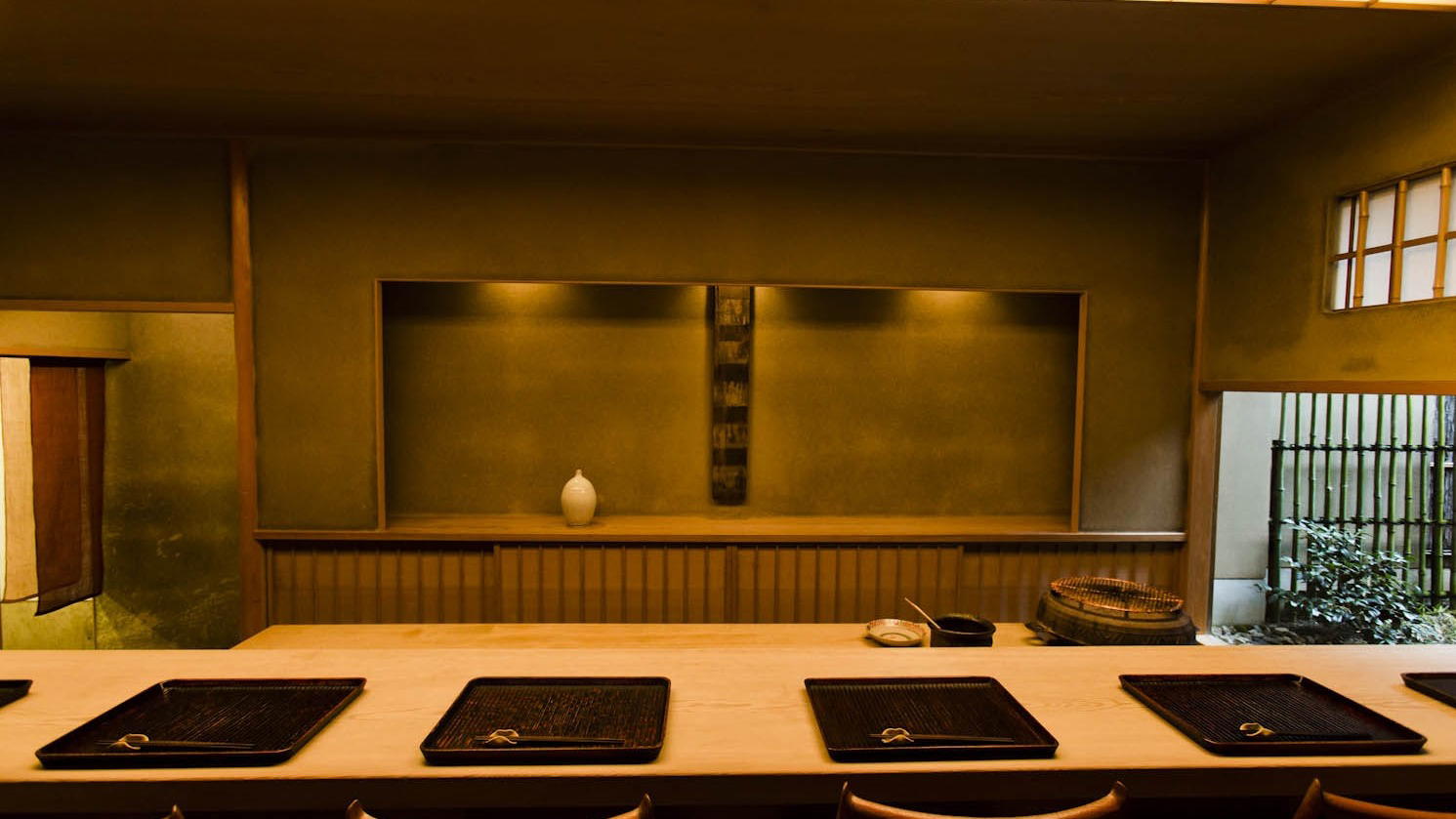
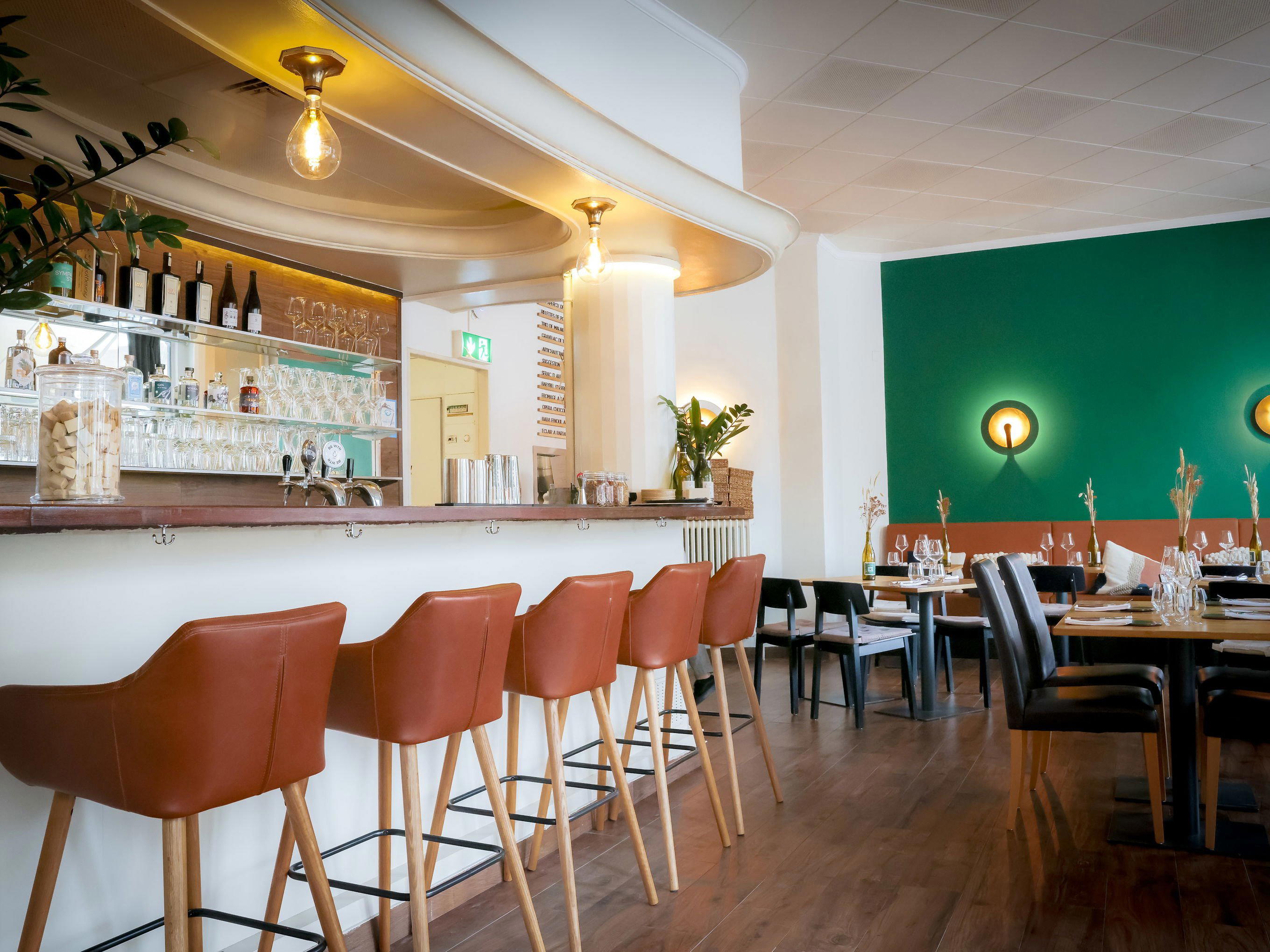
Bars in Kyoto
Browse all →
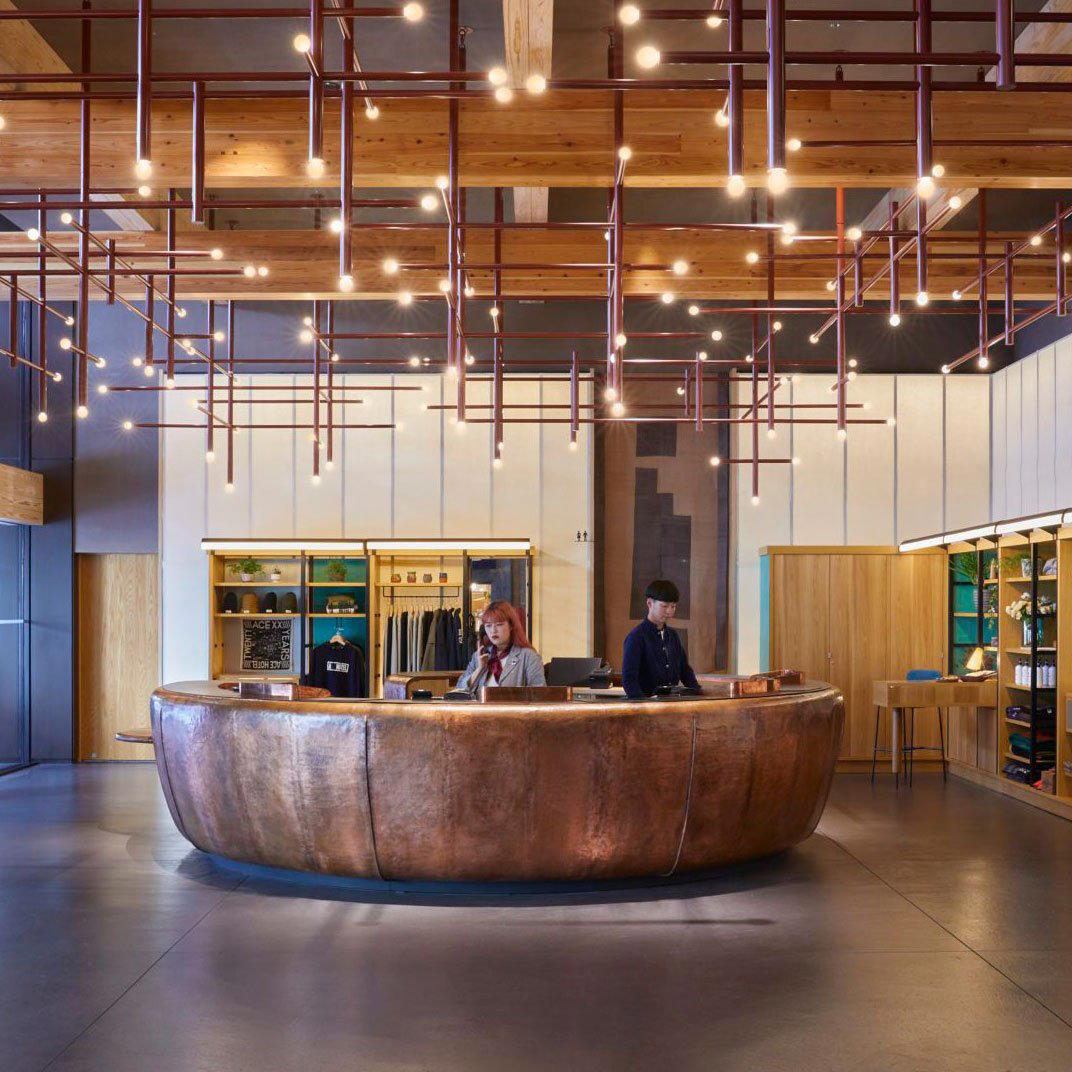
Hotels in Kyoto
Browse all →
Wineries in Kyoto
Browse all →
At a Glance
- Lively
- Cozy
- Solo
- Casual Hangout
- After Work
- Late Night
- Family
- Standalone
Current opening hours
- Monday
- 11 AM–3 PM, 6–10 PM
- Tuesday
- 11 AM–3 PM, 6–10 PM
- Wednesday
- 11 AM–3 PM, 6–10 PM
- Thursday
- 11 AM–3 PM, 6–10 PM
- Friday
- 11 AM–3 PM, 6–10 PM
- Saturday
- 11 AM–3 PM, 6–10 PM
- Sunday
- 11 AM–3 PM, 6–10 PM
Hours can change for holidays and private events. Last verified .
A compact, no-frills neighborhood ramen joint with counter-centric seating, bright functional lighting, and a casual, energetic atmosphere filled with the sounds and aromas of busy noodle service.