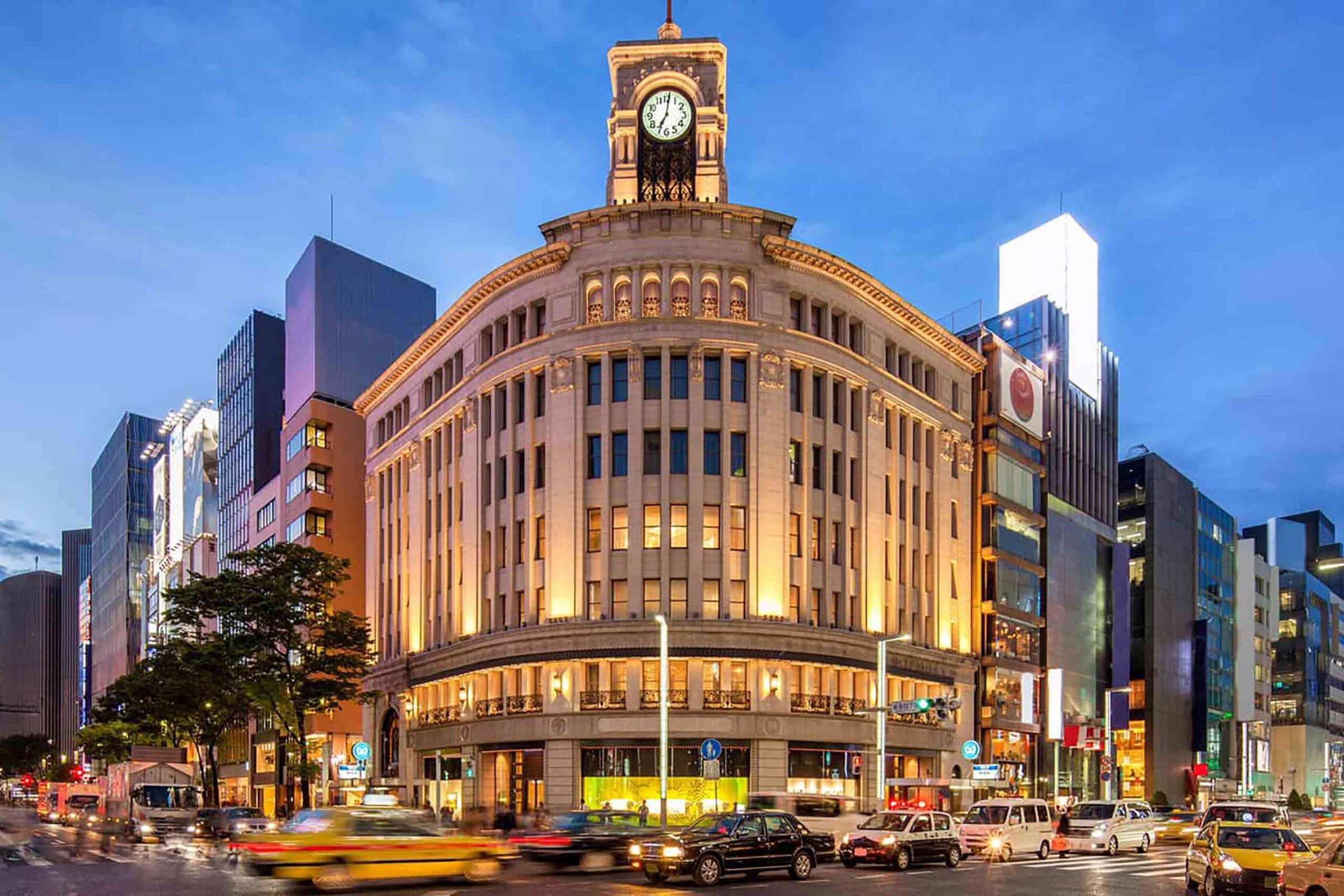
HIGASHIYA GINZA occupies the second floor of the Pola Ginza Building in Chuo City, positioning itself within Tokyo's most concentrated tier of premium tea and wagashi culture. Where Ginza's dining scene leans toward French influence and omakase counters, this address represents a different register entirely: one rooted in Japanese confectionery tradition, refined spatial design, and the deliberate pace of a tea service format.
Pearl is the En Primeur Club membership app — saves, bookings, and concierge access live there. Same editors, same standards.
- Address
- Japan, 〒104-0061 Tokyo, Chuo City, Ginza, 1 Chome−7−7 ポーラ銀座ビル 2階
- Phone
- +81 3 3538 3230
- Website
- higashiya.com
- Directions
- Get directions
 Saves & bookings on Pearl
What the Second Floor of Pola Ginza Tells You About Ginza's Other Luxury Register
Ginza is often read through the lens of its French-influenced dining rooms and high-stakes sushi counters. Venues like Harutaka and Sézanne define one pole of the district's premium food culture: tightly controlled, counter-led, omakase in format. But Ginza has always supported a parallel tradition, quieter and less internationally covered, built around wagashi and the tea service rituals that predate the Meiji-era Western imports that now dominate the neighbourhood's restaurant identity. HIGASHIYA GINZA, on the second floor of the Pola Ginza Building at 1-7-7 Ginza, Chuo City, sits squarely in that tradition — and the building address alone signals something about how the venue positions itself. The Pola Ginza Building is associated with precision retail and Japanese aesthetics; a tea and confectionery room on its second floor is not an accident of real estate but a deliberate placement within a specific cultural register.
The Physical Container: Space as Argument
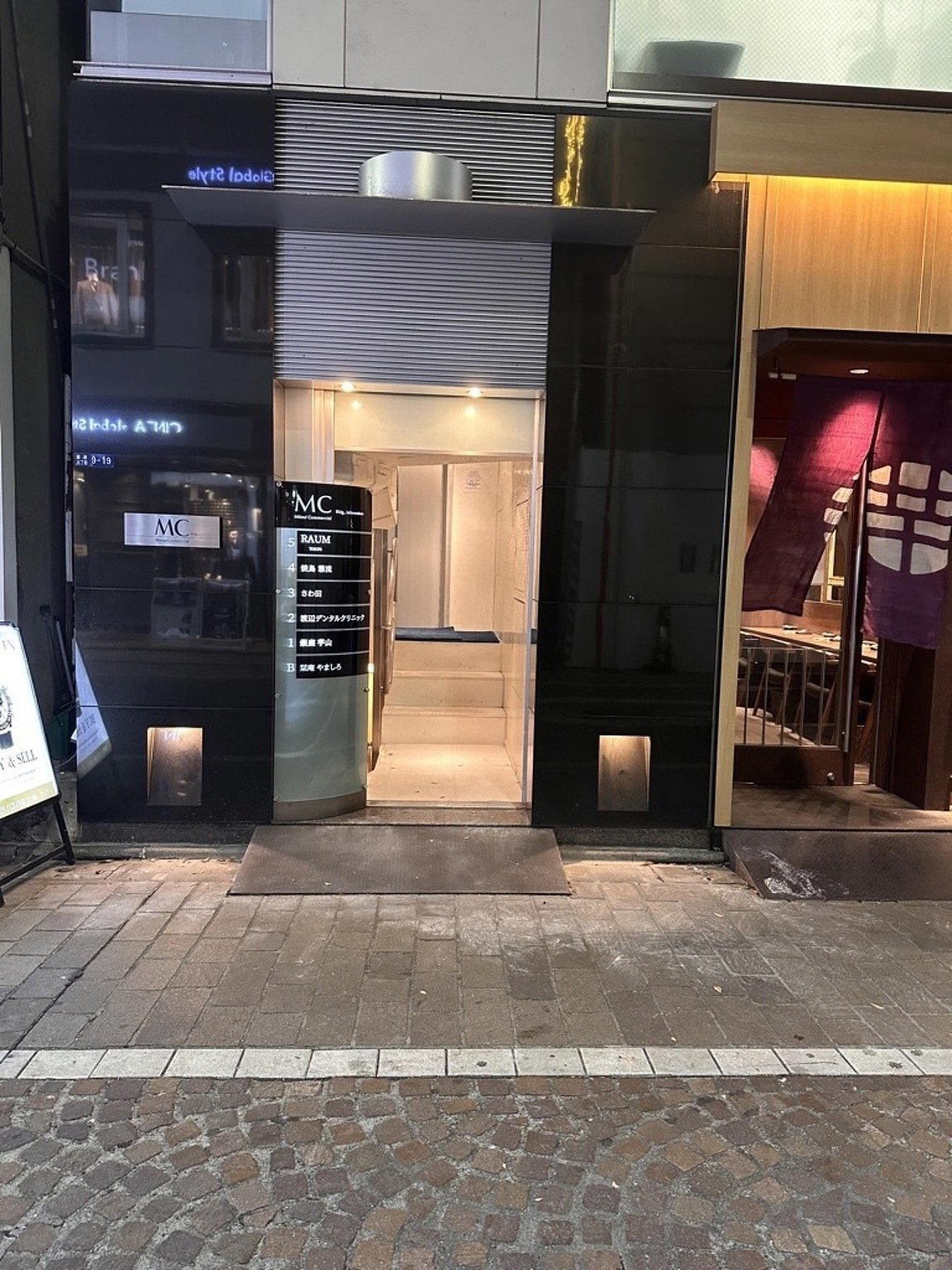
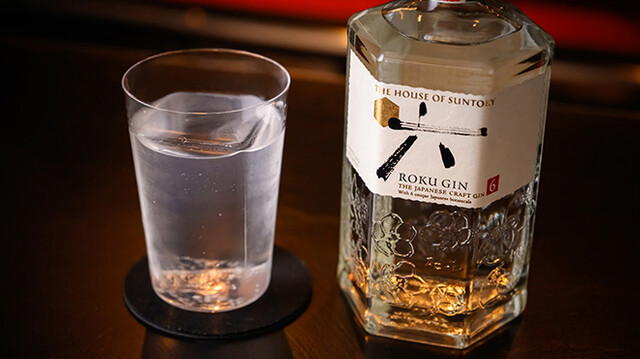
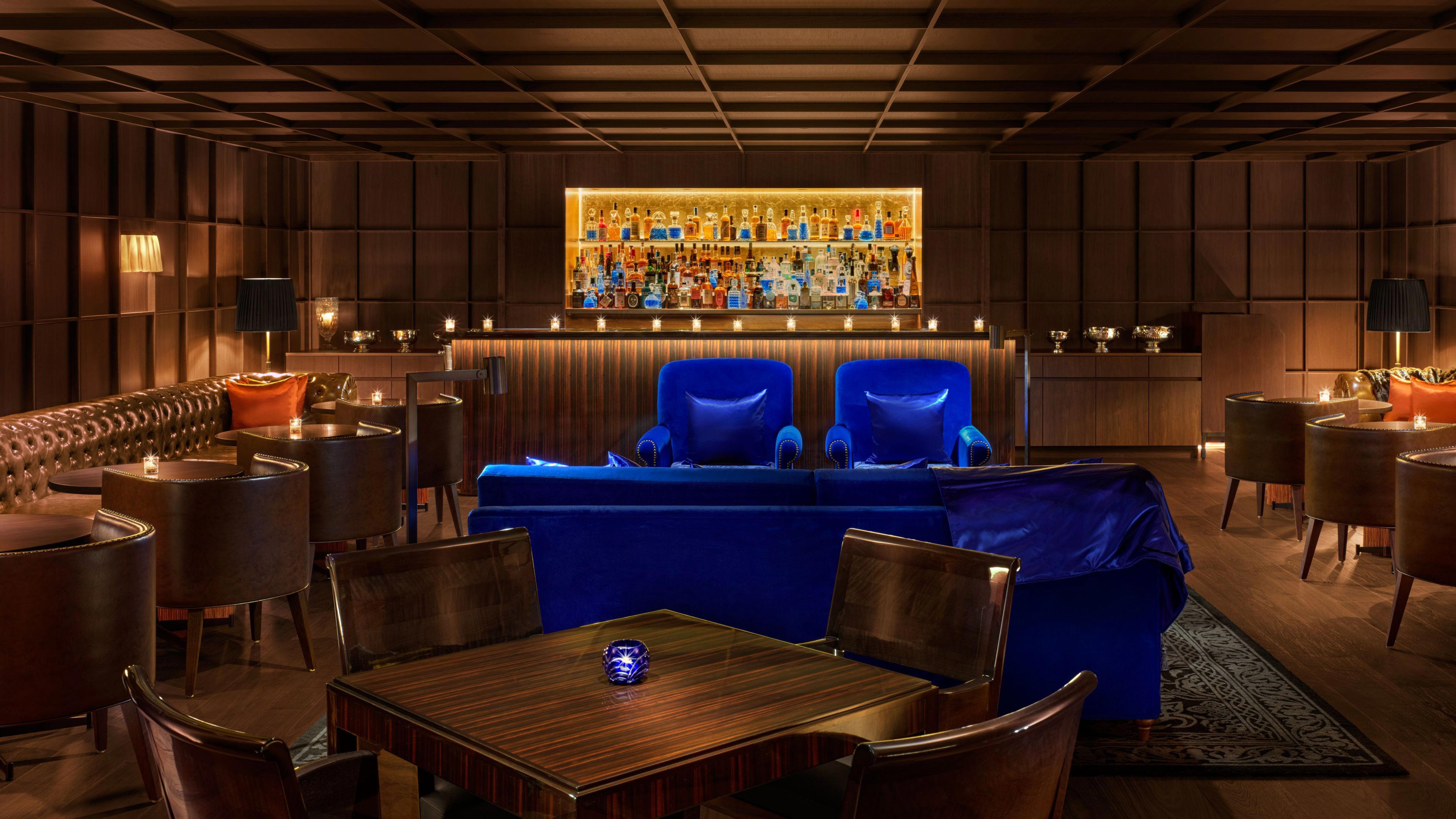
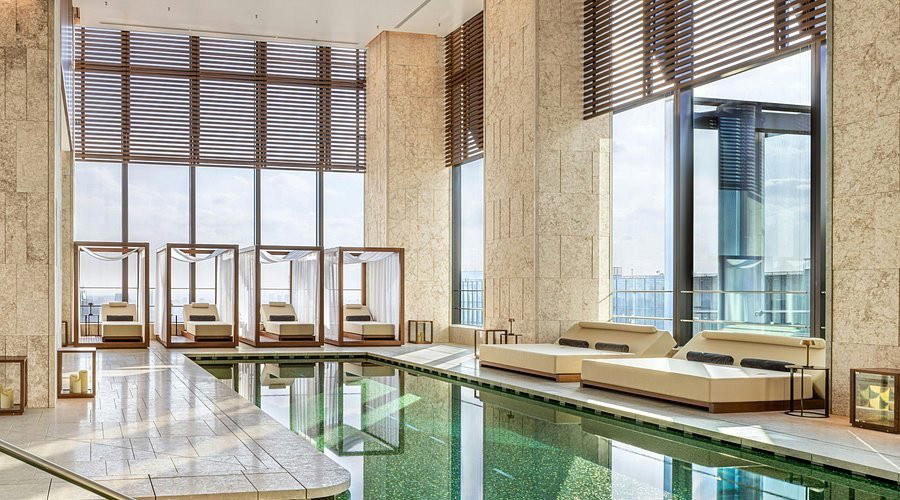
In Tokyo's premium dining and tea culture, the room itself functions as an editorial statement. At the level where HIGASHIYA GINZA operates, interior architecture is not background — it is part of the proposition. Japanese tea spaces have a centuries-long tradition of using restraint in material and proportion to create a particular kind of attention in the guest: less sensory noise, more focus on what is placed before you. The design language of serious wagashi and tea establishments in Japan tends toward natural materials, controlled light, and the deliberate removal of the visual clutter that fills most commercial interiors.
Venues like Gion Sasaki in Kyoto operate in a similar register of environmental intentionality, where the room's design actively shapes how the food and drink are received. In Ginza specifically, where the competing visual register is often maximalist retail and international brand architecture, a space built on material restraint reads as a counter-position, which is itself an argument about what premium means in this context.
Wagashi Culture in a Kaiseki and Omakase City
Tokyo's most-discussed food experiences tend toward the counter format: sushi at venues like Harutaka, kaiseki at RyuGin, or the French-Japanese hybrids represented by L'Effervescence and Crony. These formats share a common logic: a sequence of courses, a single-minded progression, a chef's hand visible throughout. The wagashi and tea format operates differently. The confection arrives as a complete object, made in advance, its craft expressed through form and texture rather than through last-minute preparation in front of the guest. The tea follows, or precedes, or accompanies, and the pacing is set not by a kitchen's output but by the drinker's engagement with the bowl.
This distinction matters for understanding what HIGASHIYA GINZA is and is not. It is not a restaurant where the primary experience is a meal. It is a space where Japanese confectionery and tea ceremony culture are made accessible within an urban, contemporary Ginza context. The broader trend it reflects is real: across Japan's major dining cities, premium food culture has been expanding its definition beyond the kaiseki and omakase formats that attract international attention. In Osaka, venues like HAJIME push toward fine dining innovation, while in smaller cities and prefectures, deeply local traditions continue with their own internal logic, as seen in venues like affetto akita in Akita or Aji Arai in Oita. HIGASHIYA GINZA represents the Tokyo end of that same diversity: a format that is Japanese in its bones, not a fusion or adaptation.
Ginza as the Right Address for This Format
The choice to locate in Ginza rather than in Yanaka, Nezu, or one of Tokyo's older shitamachi neighbourhoods is significant. Wagashi culture has roots in those older districts, where established confectionery houses have operated for generations. Placing a tea and wagashi room in Ginza, arguably Japan's highest-profile commercial district, is a statement about audience and intention. The guests at a Ginza address are often international travellers, high-end retail visitors, and Tokyo professionals with a different relationship to time and space than the neighbourhood regulars of a traditional confectionery shop. HIGASHIYA GINZA's placement responds to that audience without abandoning the formal discipline of the tradition it represents.
For visitors working through Tokyo's wider food culture, this address makes geographic sense when combined with the district's other premium experiences. Our full Tokyo restaurants guide maps the district-by-district logic of the city's dining culture, and Ginza's concentration of premium formats, from counter sushi to French tasting menus to tea rooms at this level, is one of the most coherent arguments for spending serious time in a single neighbourhood. Japan's regional dining depth is also worth noting: akordu in Nara and Goh in Fukuoka represent how far the premium experience extends beyond Tokyo, but Ginza remains the densest single postcode for this calibre of experience.
Planning a Visit
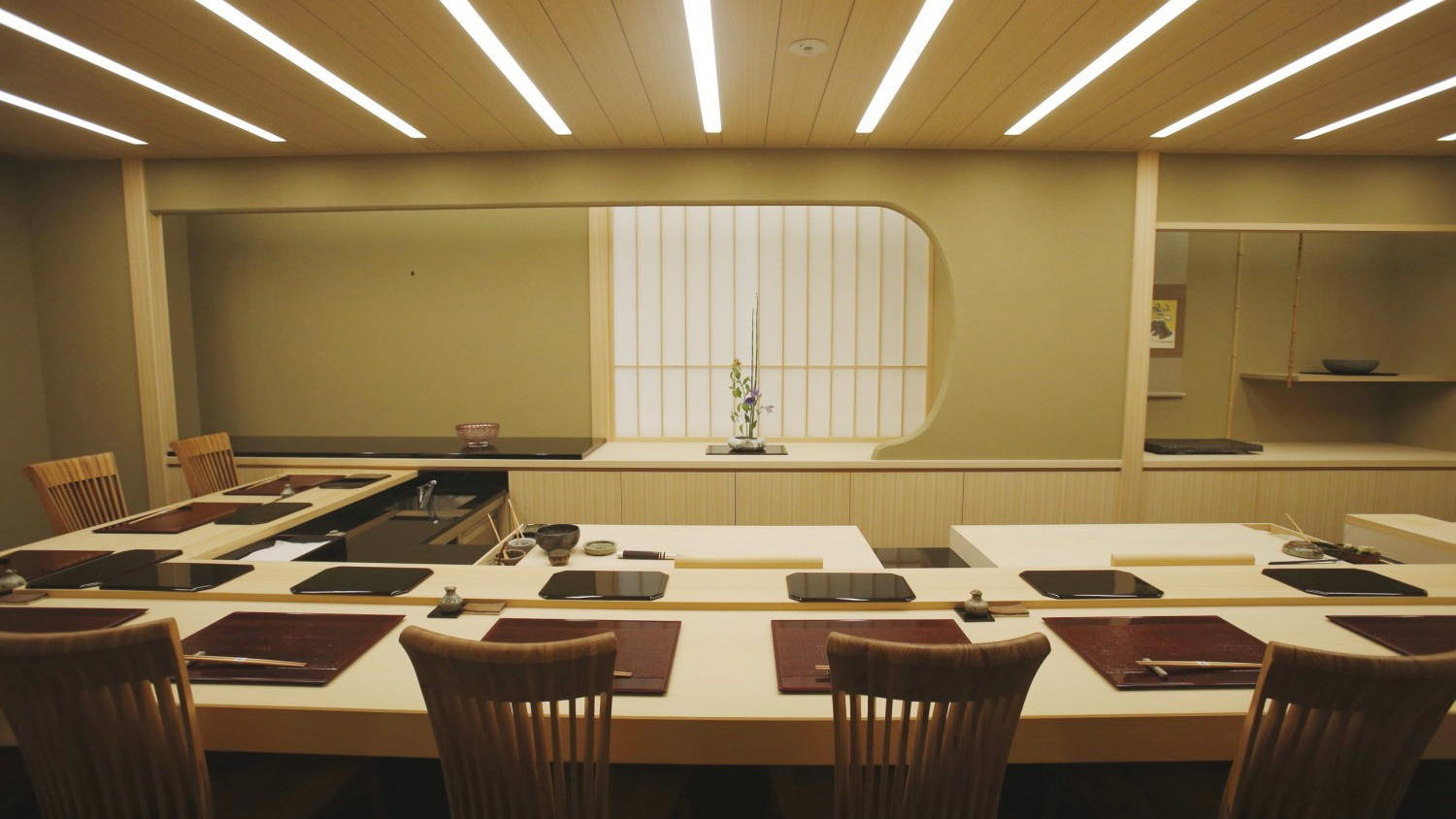
HIGASHIYA GINZA is located at 1-7-7 Ginza, Chuo City, on the second floor of the Pola Ginza Building. The Ginza station on the Tokyo Metro is within walking distance, making the address direct to reach from across the city. For a tea and wagashi experience at this level in Tokyo, advance research into booking practice is advisable, premium tea rooms in Japan often have limited capacity by design, and the format rewards arriving without time pressure. Afternoons tend to be the natural window for this kind of visit, fitting the traditional rhythm of tea culture rather than the lunch or dinner service patterns of the restaurant venues nearby. Visitors already engaged with Japan's broader premium tea culture may find useful comparison in Abon in Ashiya or Akakichi in Imabari, both of which operate in regional registers of the same Japanese craft tradition. For those approaching this from an international fine dining perspective, the frame shifts considerably: the premium signals here are spatial and material rather than culinary technique in the Western sense, closer in logic to the experiential formats seen at Lazy Bear in San Francisco than to the service model of a restaurant like Le Bernardin in New York City.
At a Glance
| Venue | Cuisine | Price |
|---|---|---|
| HIGASHIYA GINZAThis venue — the venue you are viewing | Not listed | Not listed |
| Harutaka | Sushi | ¥¥¥¥ |
| L'Effervescence | French | ¥¥¥¥ |
| RyuGin | Kaiseki, Japanese | ¥¥¥¥ |
| Crony | Innovative, French | ¥¥¥¥ |
| Den | Innovative, Japanese | ¥¥¥ |





At a Glance
- Elegant
- Quiet
- Sophisticated
- Minimalist
- Solo
- Date Night
- Special Occasion
- Sake Program
Current opening hours
- Monday
- Closed
- Tuesday
- 11 AM–7 PM
- Wednesday
- 11 AM–7 PM
- Thursday
- 11 AM–7 PM
- Friday
- 11 AM–7 PM
- Saturday
- 11 AM–7 PM
- Sunday
- 11 AM–7 PM
Hours can change for holidays and private events. Last verified .
Refined and quiet Japanese tea salon atmosphere with lovely Japanese feel, contemporary design, and attention to detail in service and presentation.
Know Before You Go
- Getting there
- Japan, 〒104-0061 Tokyo, Chuo City, Ginza, 1 Chome−7−7 ポーラ銀座ビル 2階