ル・マンジュ・トゥー occupies a specific niche in Tokyo's French dining scene: a Shinjuku address where classical French technique meets the disciplined sourcing culture that defines high-end Japanese hospitality. Among Tokyo's ¥¥¥¥-tier French houses, it draws comparisons to L'Effervescence and Sézanne for its commitment to technique-led menus rooted in French culinary grammar, applied to Japanese produce.
Pearl is the En Primeur Club membership app — saves, bookings, and concierge access live there. Same editors, same standards.
- Address
- 22 Nandomachi, Shinjuku City, Tokyo 162-0837, Japan
- Phone
- +81332685911
- Website
- le-mange-tout.com
- Directions
- Get directions
 Saves & bookings on Pearl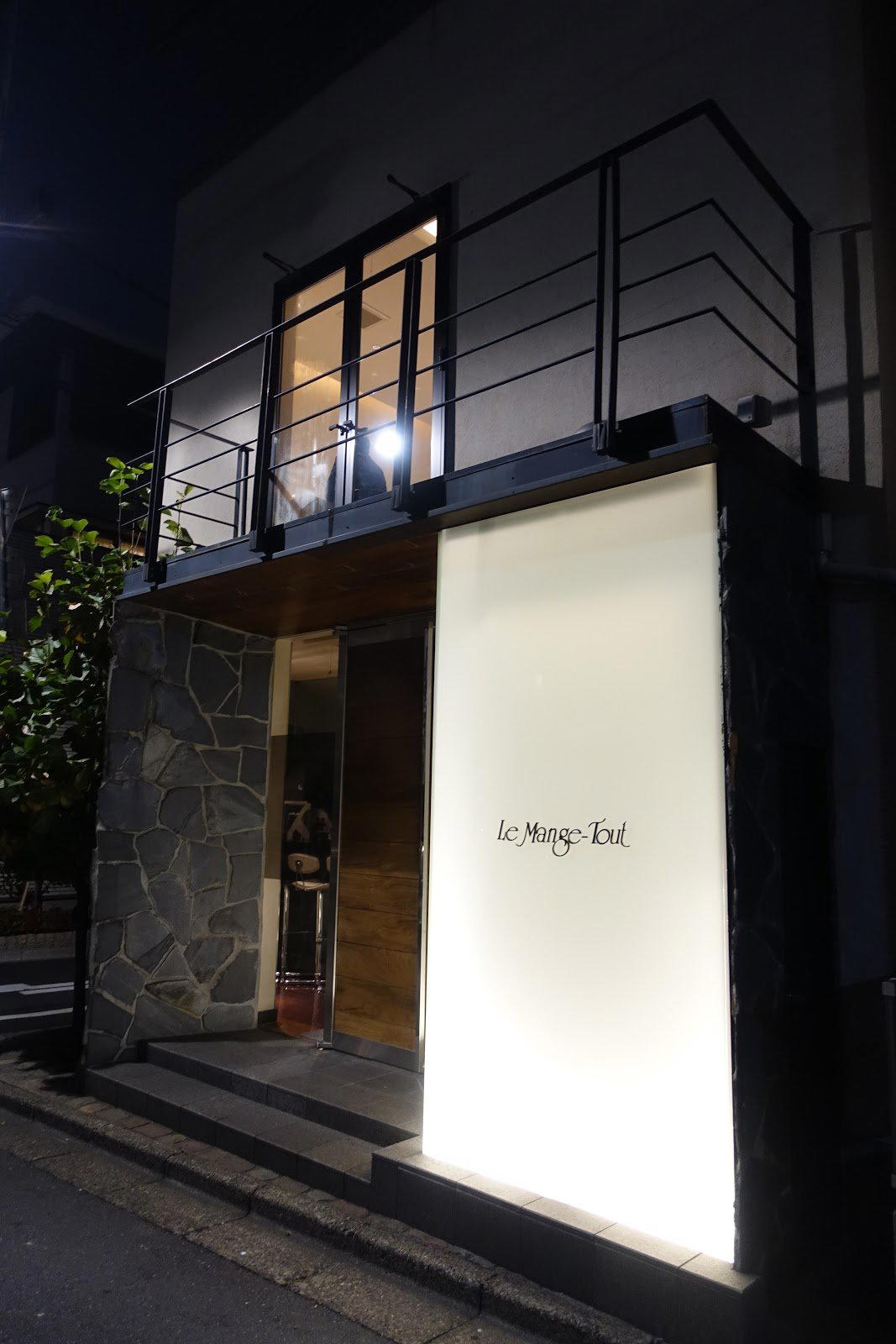
Where French Classical Technique Meets Japanese Ingredient Culture
Tokyo's French dining scene has always operated at a different register from its European counterpart. The city's leading French restaurants don't simply replicate Paris: they occupy a position shaped by Japan's extraordinary ingredient networks, its culture of producer relationships, and a kitchen discipline that treats French classical training as a foundation rather than a ceiling. ル・マンジュ・トゥー, located in Nandomachi in Shinjuku City, sits inside that tradition. Its address places it away from the high-visibility clusters of Ginza and Minami-Aoyama, in a quieter part of the city where French restaurants of a certain generation established themselves before Tokyo's dining geography consolidated around the central luxury corridors.
That positioning matters as context. The French restaurants that opened in Tokyo's residential and mixed-use neighbourhoods during the late twentieth century were often more technically rigorous and less marketed than their counterparts in hotel dining rooms. ル・マンジュ・トゥー belongs to that lineage, a restaurant whose reputation has circulated primarily through the professional dining community and serious repeat visitors rather than through international press cycles.
The Editorial Logic of Local Ingredients, European Grammar
The defining characteristic of Tokyo's most serious French houses is not an attempt to out-French France. It is the application of French culinary architecture, sauce-building, protein cookery, structural progression from amuse to dessert, to ingredients that have no equivalent in a European context. This is precisely where the intersection becomes editorially interesting. When a kitchen trained in classical French method works with Hokkaido dairy, aged Japanese wagyu, or seasonal seafood pulled from the Tsugaru Strait, the result is a cuisine that French technique cannot fully explain and Japanese tradition does not fully claim. It occupies the space between.
Among Tokyo's ¥¥¥¥-tier French restaurants, this approach has become something close to a house standard. L'Effervescence works seasonal Japanese produce through a highly personal lens; Sézanne, operating from the Four Seasons Marunouchi, applies Anglophone French training to Japanese product with considerable precision. Crony represents a younger generation applying similar principles with less formality. ル・マンジュ・トゥー belongs in the same conversation, with the additional context that it has been doing this work long enough that the younger generation of chefs now operating these kinds of restaurants passed through kitchens like it.
Shinjuku as a Dining Address
Shinjuku is not where most international visitors think to look for serious French dining. The ward's reputation runs toward izakaya, ramen, and the densely packed entertainment districts around the station. But Shinjuku City's quieter residential pockets, particularly those in the western and northern sections away from Kabukicho, have historically supported a different kind of hospitality: counter-format French restaurants, specialist wine bars, and neighbourhood Japanese restaurants that serve a local clientele rather than tourist flow. The Nandomachi address of ル・マンジュ・トゥー puts it in that category, accessible by train but not positioned for foot traffic, which is itself a signal about its intended audience.
For comparison within the broader Japan context, this kind of neighbourhood French address has equivalents in other cities. HAJIME in Osaka operates with similar remove from tourist geography. akordu in Nara represents the same logic applied in a smaller city: European technique in a context defined by Japanese agricultural specificity. The pattern holds across Japan, and the restaurant is a Tokyo instance of it.
Placing ル・マンジュ・トゥー in Its Competitive Set
French dining in Tokyo occupies several distinct tiers. At the upper bracket sit restaurants with active Michelin recognition and international press coverage, including L'Effervescence and the kaiseki-adjacent French houses. Below that, a broader set of technically serious but less-discussed restaurants operates with strong local followings and less international visibility. The restaurant has historically been associated with the latter group: known within Tokyo's French dining community, less legible to visitors arriving with a shortlist assembled from English-language sources.
That dynamic has a parallel in other cities. In New York, Le Bernardin operates at the tip of the French fine dining pyramid, while technically rigorous but less marketed French restaurants persist in outer neighbourhoods with loyal clienteles. The Tokyo equivalent is a set of restaurants that trained the city's current generation of French-trained chefs and continue to serve as reference points for serious diners even as newer addresses attract more attention. The restaurant functions in that capacity.
For readers mapping Tokyo's French scene alongside its Japanese fine dining, RyuGin and Harutaka represent the Japanese-technique tier at comparable price points; the French tier, of which the restaurant is part, runs a parallel track with different sourcing priorities and service grammar. Both traditions, however, share the same underlying relationship with Japanese producers, the ingredient pipeline is common to both.
The Broader French Restaurant Tradition in Japan
Japan absorbed French classical cooking more thoroughly than almost any other non-French culinary culture. The adoption ran through formal apprenticeship pipelines that sent Japanese chefs to French kitchens for years before they returned to open their own addresses. That training model produced a generation of restaurateurs in Tokyo, Osaka, and Kyoto whose technical fluency in French cooking is not in question, but whose work has always been shaped by the availability of Japanese ingredients that simply don't exist in France. The result is a cuisine that serious diners in both countries recognise as distinct from either parent tradition.
Gion Sasaki in Kyoto and Goh in Fukuoka represent related but distinct versions of this meeting point, filtered through kaiseki and contemporary Japanese frameworks respectively. The restaurant stays more firmly within the French structural tradition, which places it in a specific position: not a fusion project, but a French restaurant whose ingredient sourcing is Japanese by circumstance, discipline, and design. This is, broadly speaking, how the category works at its most serious level, and it is the frame through which the restaurant is best understood.
Readers building itineraries that span Japan should note comparable addresses in other prefectures: Bistro Ange in Toyohashi and Birdland in Sakai represent the regional French and European-influenced dining tradition outside Tokyo's centre. Our full Tokyo restaurants guide maps the broader picture across cuisine types and price points.
Planning Your Visit
A Lean Comparison
Comparable venues nearby, for context on price, style, and recognition.
| Venue | Cuisine | Price | Notes |
|---|---|---|---|
| ル・マンジュ・トゥーThis venue — the venue you are viewing | Shinjuku, Modern French | $$$$ | Not listed |
| フルヤ オーガストロノム | Minato, Modern French Fine Dining | $$$$ | Not listed |
| ル・サロン・プリべ | Minato, Modern French Fine Dining | $$$$ | Not listed |
| Paris Yugao | Not listed | $$$$ | Chūō, Neo-French Japonism & Teppanyaki in Ginza |
| コウタロウ ハセガワ ダウンタウン キュイジーヌ | Not listed | $$$$ | Taitō, Modern French with Japanese Influences |
| オルガン | Suginami, Modern French Bistro | $$$$ | Not listed |











At a Glance
- Elegant
- Intimate
- Classic
- Sophisticated
- Date Night
- Special Occasion
- Business Dinner
- Standalone
- Open Kitchen
- Extensive Wine List
- Sommelier Led
- Local Sourcing
Current opening hours
- Monday
- 5–9 PM
- Tuesday
- 5–9 PM
- Wednesday
- 5–9 PM
- Thursday
- 5–9 PM
- Friday
- 5–9 PM
- Saturday
- 5–9 PM
- Sunday
- Closed
Hours can change for holidays and private events. Last verified .
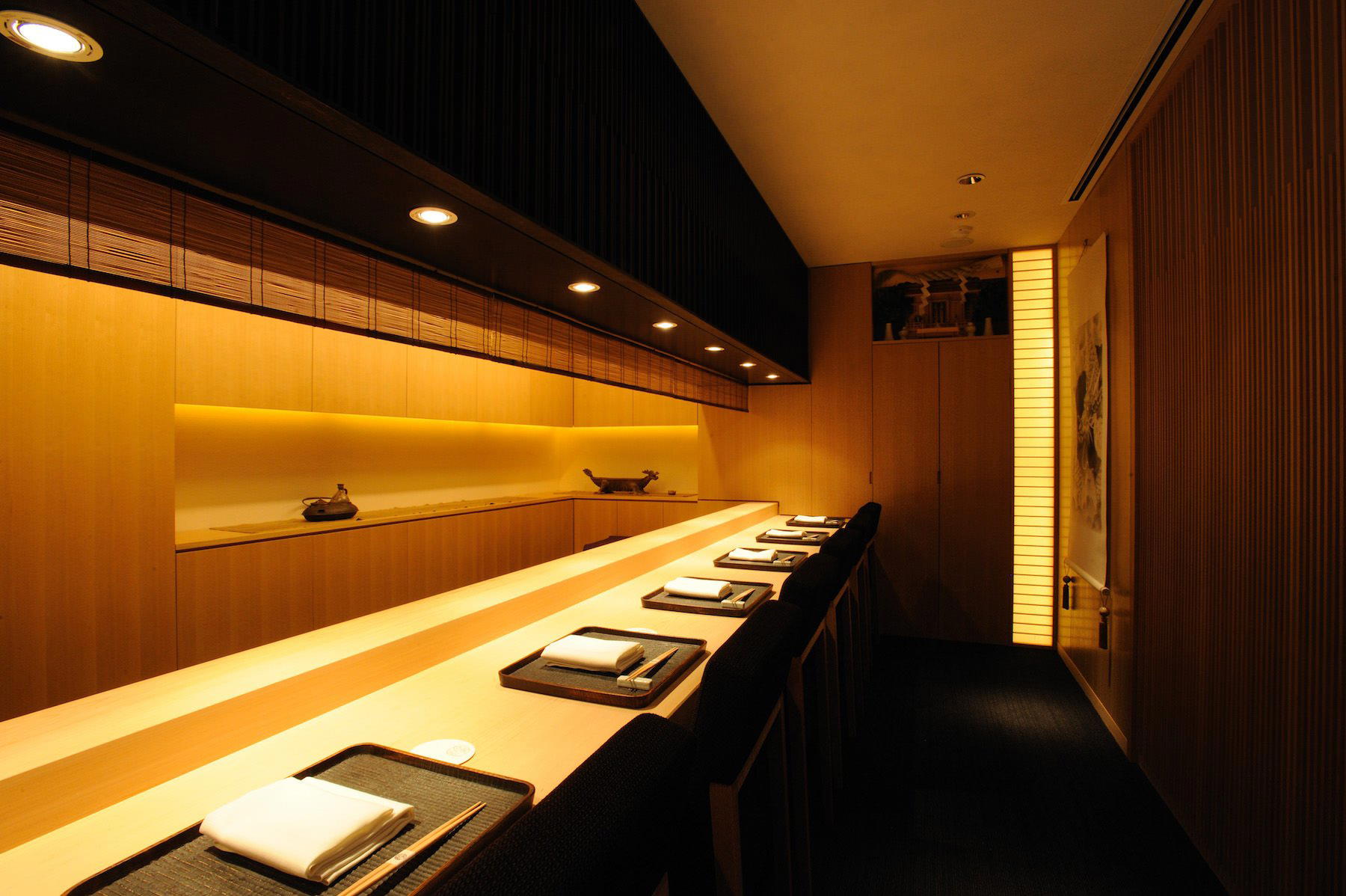
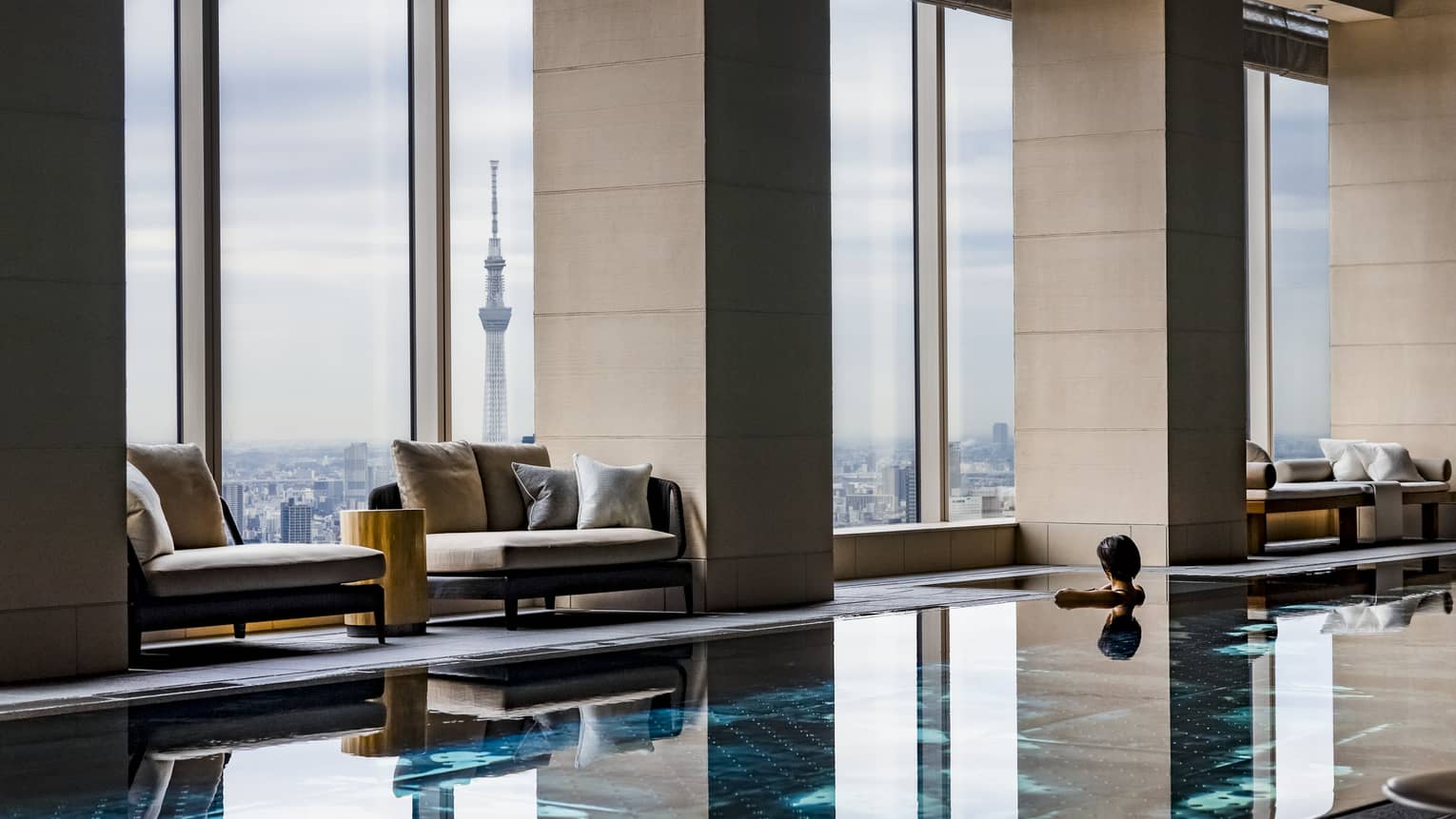
Quiet, refined residential setting with elegant, understated atmosphere befitting a fine dining establishment.