Our verdict
Ganjya at the Shin-Yokohama Ramen Museum occupies the basement of Japan's most deliberate celebration of ramen culture, serving tsukemen in a format that has drawn return visitors for years. The branch plants one of the genre's most respected tsukemen programs inside a museum designed to preserve regional ramen traditions, making it a reference point for anyone tracing the evolution of dipping noodles in Japan.

Pearl is the En Primeur Club membership app, where members save venues, book tables and use the concierge.
The menu
What to order
- Tsukemen with ultra-thick noodles and fish powder
- Spicy tsukemen
- Tsukemen with chashu
Underground, by Design
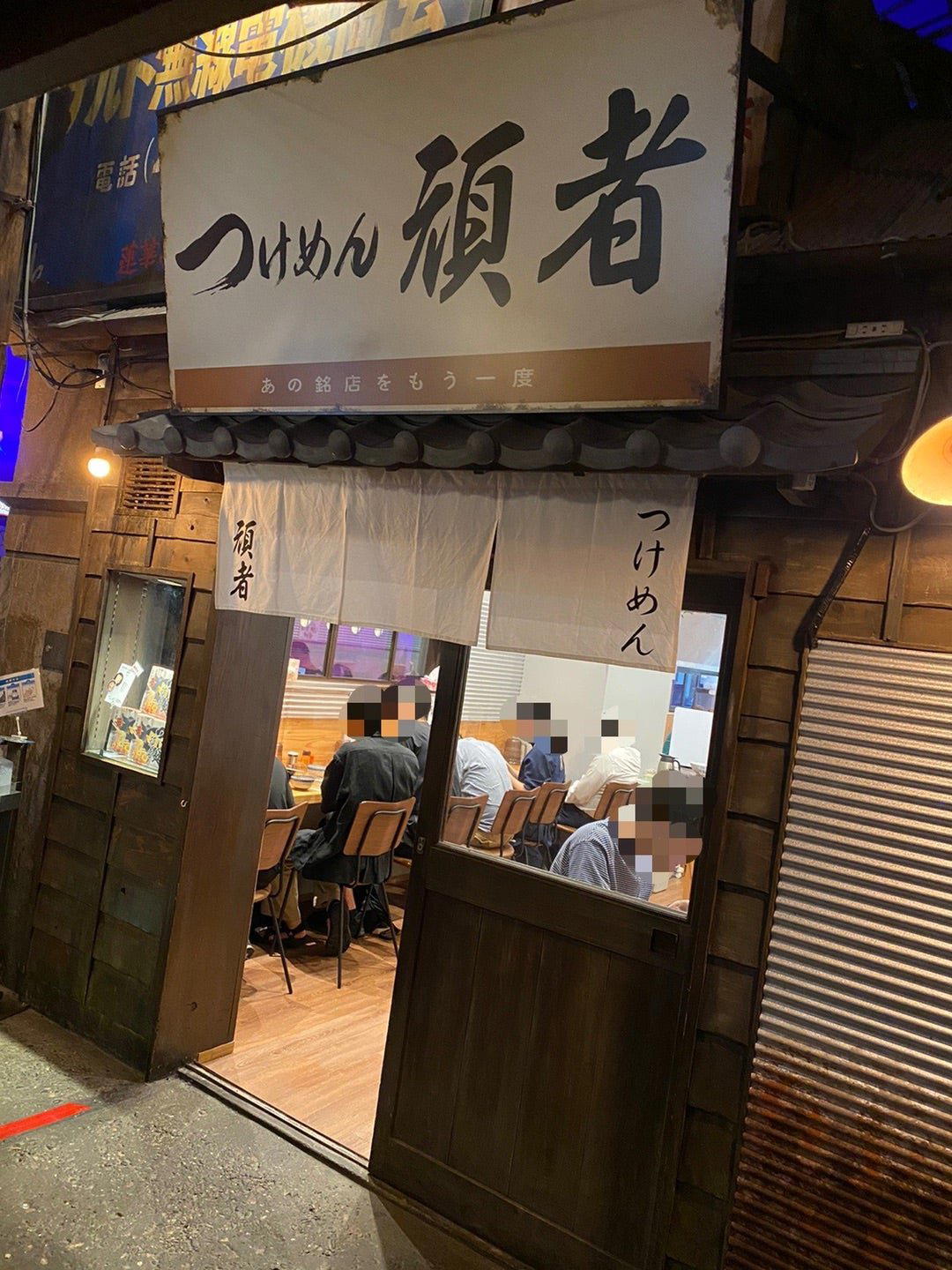
Descend two floors beneath Shin-Yokohama's commuter grid and the year changes. The Shin-Yokohama Ramen Museum reconstructed a 1958 streetscape in its basement when it opened in 1994, making it one of the earliest food-experience museums in Japan and a format that remains largely uncopied at this scale. The setting is not incidental. The museum's curators have always argued that ramen is inseparable from the era and neighbourhood that produces it, and the physical environment is meant to make that argument visible. Ganjya sits within that architecture, which means regulars descend into a postwar alley atmosphere before they order a single noodle.
That context matters for understanding who returns here and why. Visitors to the Ramen Museum are not all casual tourists. A significant share are ramen enthusiasts who track regional styles, follow specific shops across prefectures, and treat the museum's rotating and permanent tenant roster as a kind of curated index of Japanese noodle culture. For that cohort, Ganjya's presence in the building is a signal in itself.
Tsukemen as a Distinct Discipline
Within Japanese noodle culture, tsukemen occupies a different register from ramen. Where ramen delivers broth and noodle in a single bowl, tsukemen separates them: thick, chilled or room-temperature noodles arrive alongside a concentrated dipping broth, and the eater controls the ratio of noodle to liquid with each dip. The broth, freed from the obligation to coat every strand, can be made far more intense than a conventional ramen soup. Serious tsukemen shops calibrate that concentration carefully, knowing that a broth too thin loses its purpose and one too aggressive becomes fatiguing by the midpoint of the bowl.
Ganjya built its reputation on this discipline. The Saitama-origin shop developed a following in the competitive greater Tokyo tsukemen scene before the Ramen Museum placement brought it in front of a broader, international-facing audience. That trajectory from regional favourite to museum tenant is a common pattern among the museum's residents, who are selected to represent distinct regional or stylistic traditions rather than simply high foot-traffic potential.
What Regulars Are Actually Ordering
The tsukemen format rewards regulars disproportionately. Because the eater controls the pace and the dip depth, familiarity with a shop's broth concentration allows for a kind of calibration that first-timers miss. Regulars at tsukemen counters often develop personal approaches: lighter dips early in the bowl when the broth is at its most intense, deeper dips toward the end as the noodle temperature drops and the flavour exchange slows. The Ganjya format, with its concentrated broth profile associated with the shop's Saitama origins, rewards this kind of attentive eating.
The end-of-bowl ritual common at serious tsukemen shops is worth noting for first-timers. Most shops, including those in the Ganjya lineage, will dilute the remaining broth with hot dashi on request at the end of the meal, converting the concentrated dipping liquid into a drinkable soup. Regulars know to ask. It is one of those unwritten steps that separates a complete tsukemen meal from an incomplete one.
For context on Yokohama's wider dining range, from counter seats at Nakajo (Sushi) to the Cantonese dim sum tradition at Manchinro Tenshinpo (萬珍樓 點心舗), the city covers significant ground. The Ramen Museum tenant cluster represents a deliberately preserved slice of that range, focused specifically on noodle culture.
The Museum Format and What It Changes
Eating at the Ramen Museum changes the visitor dynamic relative to a standalone shop. The basement holds multiple tenants, which means queues redistribute across the floor depending on the day and the roster. Weekday visits in the late morning or early afternoon tend to involve shorter waits than weekend afternoons, when the museum draws family and tourist traffic alongside the enthusiast core. There is no reservation system for individual stalls; the queue is managed in person.
The museum charges an entry fee separate from any food purchase, which filters the visitor profile toward those with genuine interest in the subject. That fee has been part of the model since the museum opened, and it shapes the room: the people eating around you at any given counter have made a deliberate choice to be there. For a solo visitor working through a bowl of tsukemen with intent, the atmosphere is more focused than a typical noodle shop floor.
The museum's location at Shin-Yokohama station, on the Tokaido Shinkansen line, makes it reachable from Tokyo in under 30 minutes, and from Kyoto or Osaka as a stop on a longer journey. That accessibility has always been part of the museum's logic: position it on the Shinkansen corridor and you capture travellers who might otherwise not divert into Yokohama's neighbourhoods. Shin-Yokohama itself is largely a transit hub rather than a dining destination, which makes the museum an anchor rather than one option among many.
Yokohama's broader restaurant range is covered in our full Yokohama restaurants guide, which maps the city's dining character across price tiers and neighbourhoods. For reference points elsewhere in Japan, the kaiseki approach at Gion Sasaki in Kyoto and the French-influenced precision of HAJIME in Osaka illustrate how different the country's fine dining register is from the counter-focused, single-dish discipline of a tsukemen shop. Both ends of that spectrum are worth understanding.
Within Yokohama, the comparison set for a noodle-focused visit is narrow. Enishi operates in a different register, and high-end yakitori at 1000 (Yakitori) sits in the JPY 15,000-19,999 tier, well above the price point of a museum tsukemen bowl. The Nodaiwa (野田岩) eel tradition occupies a separate culinary lineage entirely. The Ramen Museum fills a gap that the rest of Yokohama's restaurant scene does not address: concentrated, curatorial access to noodle culture at accessible price points.
For travellers building a broader Japan itinerary, the noodle culture reference points extend well beyond Yokohama. Goh in Fukuoka operates in the city most associated with tonkotsu ramen's origins, while Harutaka in Tokyo represents the capital's counter-dining precision in a different format. The akordu in Nara and regional Japanese tables like 一本木 石川製 in Nanao, 北海道山乃 in Sapporo, 湖畔荘 in Takashima, and 庄羽屋 in Nishikawa Machi each anchor distinct regional food traditions. Further afield, Birdland in Sakai and international references like Le Bernardin in New York City and Atomix in New York City show how differently national dining cultures frame the single-discipline counter format.
Planning a Visit
The Ramen Museum is open daily, with hours and entry pricing listed on the museum's official site. No advance reservation is possible for individual stall queues; arrive with time to walk the floor and assess queue lengths before committing to a counter. Weekday mornings and early afternoons offer the most manageable crowds. Shin-Yokohama station is served by the JR Yokohama Line and the Tokaido Shinkansen, making it one of the most transit-accessible museum destinations in greater Tokyo.
Frequently asked questions
Where exactly is つけめん 頑者 新横浜ラーメン博物館店?
つけめん 頑者 新横浜ラーメン博物館店 is located at 港北区新横浜2-14-21 (新横浜ラーメン博物館 B2F), 横浜市, 神奈川県, 222-0033, Yokohama.
Is つけめん 頑者 新横浜ラーメン博物館店 worth visiting just for tsukemen if you've already eaten ramen nearby?
Tsukemen and ramen are structurally different enough that eating both in a single museum visit is a legitimate comparison exercise rather than repetition. Ganja operates on B2 of the Shin-Yokohama Ramen Museum at 港北区新横浜2-14-21, inside a reconstructed 1958 streetscape where each tenant is genre-specific. Because the dipping broth at a tsukemen shop is typically far more concentrated than any ramen soup, the flavour profile and eating pace are distinct enough to justify a separate bowl.
What's the best thing to order at つけめん 頑者 新横浜ラーメン博物館店?
Ganja built its reputation on tsukemen, so the dipping noodle format is the reason to visit. The shop is situated in the Shin-Yokohama Ramen Museum's B2 floor, where the tenants are selected precisely for genre specialisation, which means the tsukemen here is not a menu afterthought but the entire point. Order the standard tsukemen and adjust noodle portion to your appetite, regulars learn the broth concentration and dip depth that suits them after a first visit.
How hard is it to get a table at つけめん 頑者 新横浜ラーメン博物館店?
No advance reservation is possible for individual stalls inside the Ramen Museum, so arrival timing is the only queue management tool available. The museum's basement holds multiple tenants, which means crowd pressure distributes across shops rather than concentrating on one counter. Weekend afternoons and public holidays generate the longest waits; arriving at opening or during mid-afternoon lulls shortens the queue considerably.
What's つけめん 頑者 新横浜ラーメン博物館店 best at?
Ganja's focus is tsukemen as a distinct discipline: thick noodles served separately from a concentrated dipping broth, a format that requires the cook to calibrate intensity differently than a standard ramen bowl. Within the Ramen Museum's curated Yokohama lineup, Ganja represents the tsukemen category specifically, making it the reference point for visitors who want to compare the dipping style against ramen served at neighbouring counters in the same basement.
Cuisine Context
| Venue | Cuisine | Price | Awards |
|---|---|---|---|
| つけめん 頑者 新横浜ラーメン博物館店This venue (the venue you are viewing) | Tsukemen (Dipping Ramen) | $1–10 | Not listed |
| Nakajo | Edomae Sushi Omakase | $300–500 | Tabelog Bronze #305 |
| Omino Kamiyacho | Modern Yakitori Omakase | $150–200 | Tabelog Bronze |
| 1000 | Japanese | Not listed | Tabelog Bronze #392 |
| Ribatei | Traditional Yakitori Omakase | $50–100 | Tabelog Bronze #368 |
| Yoda | Modern Tonkatsu | $50–100 | Tabelog 100 #43 |
Continue exploring
More in Yokohama
Restaurants in Yokohama
All restaurants in Yokohama →


Bars in Yokohama
Browse all →


Details
- Well Known
- Lively
- Casual Hangout
- Solo
- Group Dining
- Counter Dining
- A La Carte
Casual counter-style dining in a museum food court setting with energetic ramen shop atmosphere and communal seating.