

Omino Kamiyacho belongs to Tokyo’s serious yakitori tier rather than the casual skewer-shop category, with a 14-seat counter format, Kiyotaka Nakajo in the kitchen, and recognition from Tabelog including a 2025 Bronze Award and repeated Tabelog 100 Yakitori selections. The draw is disciplined poultry cookery shaped by shokunin apprenticeship logic: narrow focus, controlled pacing, and a room built around the grill.
Pearl is the En Primeur Club membership app — saves, bookings, and concierge access live there. Same editors, same standards.
- Address
- Japan, 〒105-0001 Tokyo, Minato City, Toranomon, 3 Chome−17−1 Tokyu Reit 虎ノ門ビル 1階
- Phone
- +81 3-6403-1922
- Website
- yakitori-omino.com
- Directions
- Get directions
 Saves & bookings on Pearl
Kamiyacho’s dining rhythm changes after office hours: Toranomon empties, and the restaurants that matter become smaller, quieter, more exacting. Here, a serious yakitori counter is the main event, built on heat control, cut selection, and a chef’s ability to make repetition disciplined rather than mechanical.
That is the useful way to read Omino Kamiyacho. The address is in Minato’s Toranomon area rather than Yokohama proper, but its inclusion reflects how high-end Japanese dining crosses municipal habits for travelers moving between Tokyo and Kanagawa. The category is yakitori and poultry cookery, not sushi, despite occasional English-language mislabeling of Japanese counter restaurants. Tabelog lists it in its Yakitori EAST “Tabelog 100” for 2025, with prior selections in 2022, 2023, and 2024, plus a Tabelog Award 2025 Bronze distinction.
A 14-seat grill counter in the serious yakitori tier
Tokyo’s premium yakitori scene has narrowed into a form that looks simple and demands technical discipline. The format strips dinner back to chicken, charcoal, seasoning, sake or wine, and timing. Luxury is portion sequence, smoke management, skin-to-flesh contrast, and confidence in keeping poultry central.
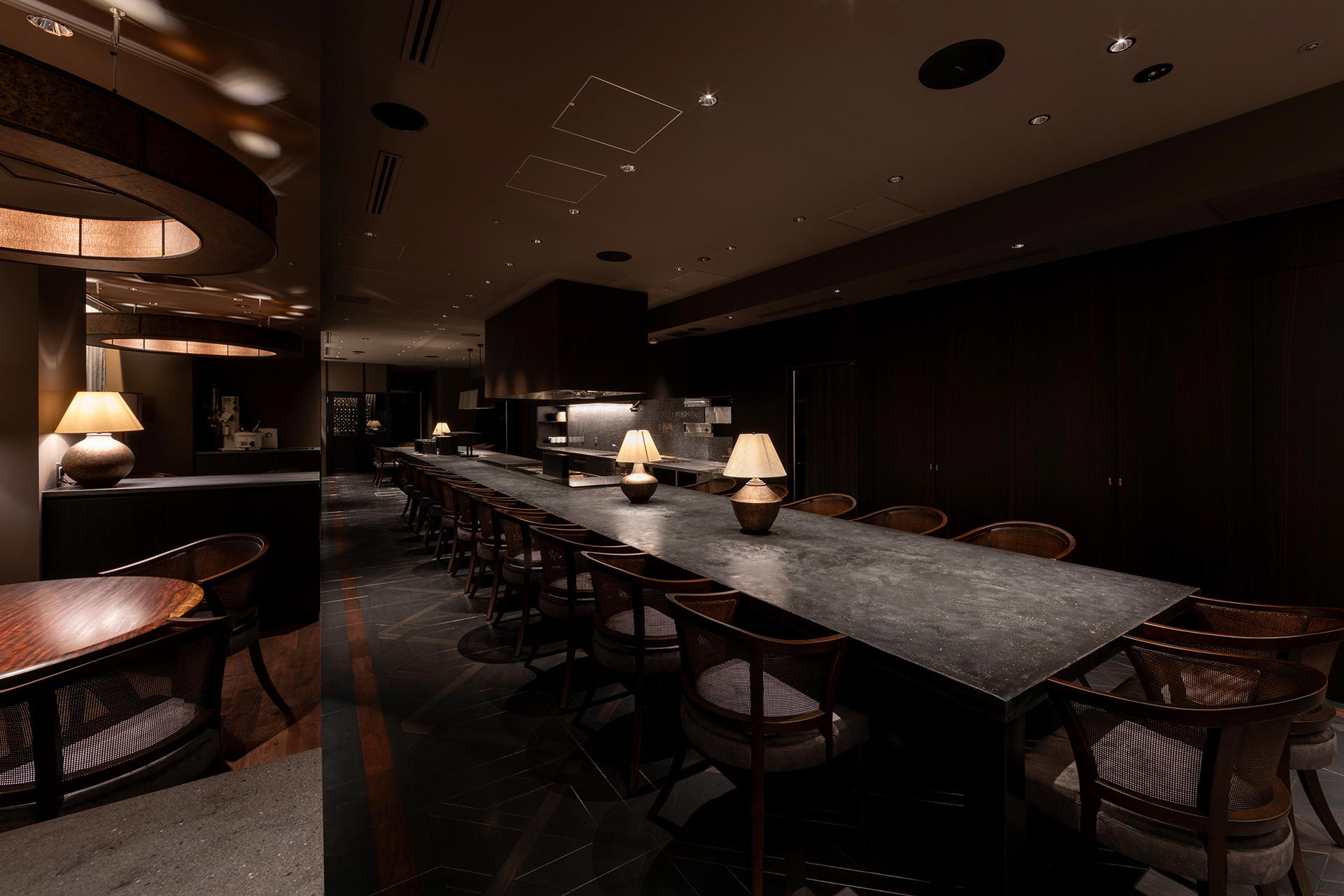
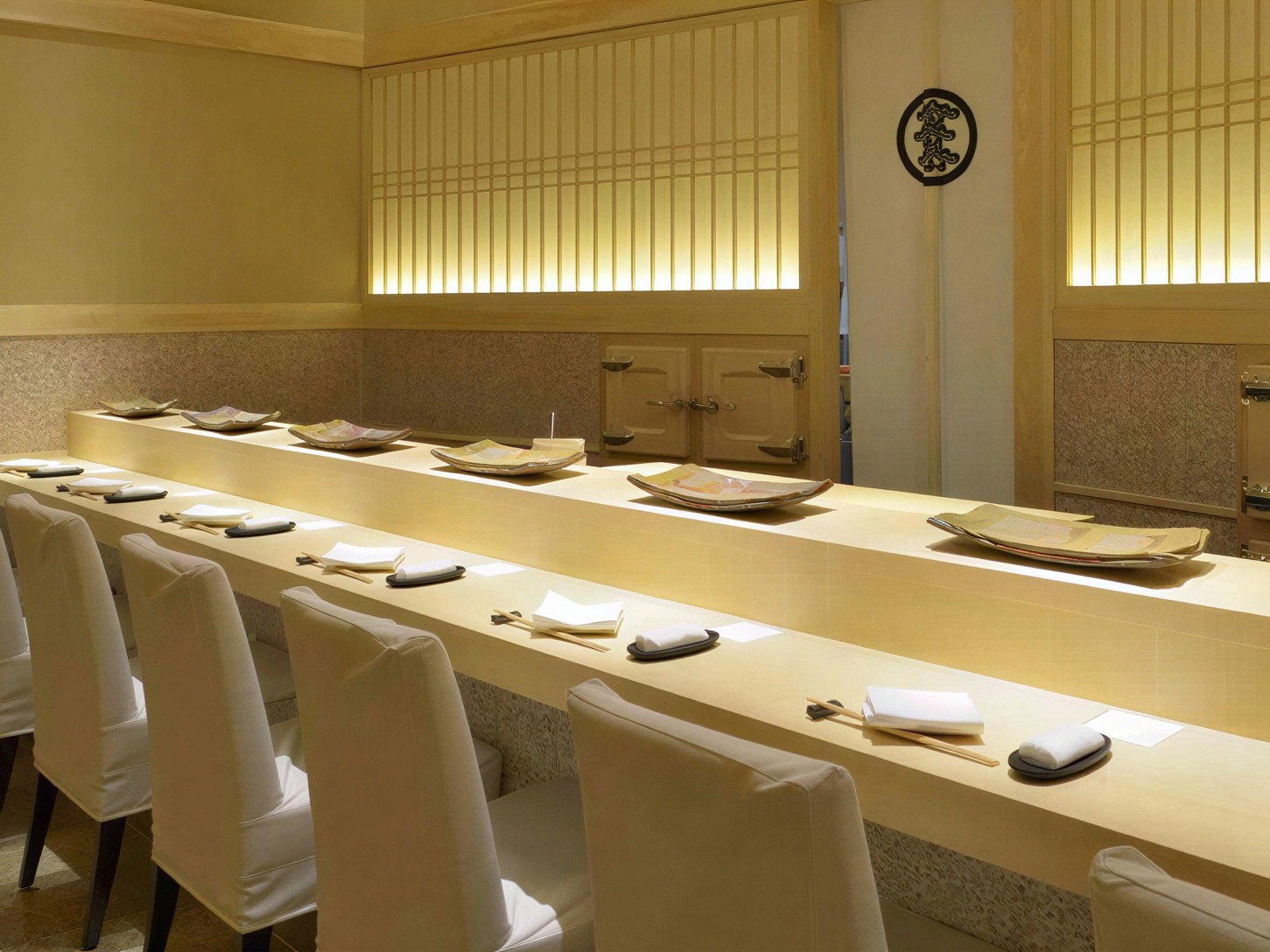
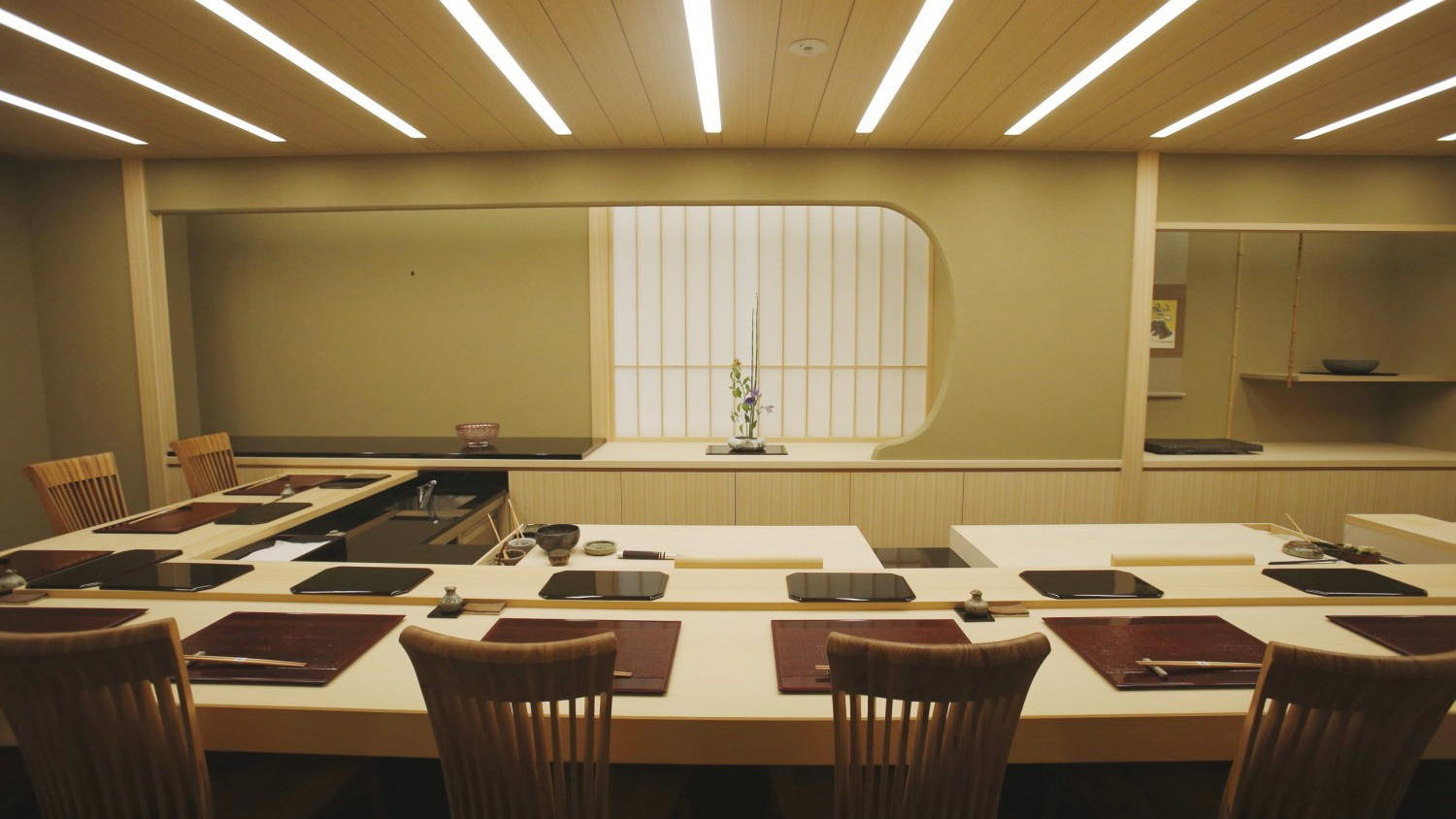
Omino Kamiyacho operates with 14 seats, keeping the grill visible and pacing integral. Counter seating matters because yakitori is cooked in increments, not assembled in advance. Guests watch repeated decisions: when to move a skewer, salt, rest, and serve. The reward is attention, not spectacle.
Its recognition places it in a competitive bracket where Tabelog matters to domestic diners. A 2025 Bronze Award and multiple Tabelog 100 Yakitori selections suggest consistency in a deep Tokyo field. Opinionated About Dining also placed it at #518 in its 2025 Japan ranking, a useful secondary marker for travelers who follow international lists while understanding yakitori’s Japanese reputation is often shaped more by specialist platforms than broad global awards.
Comparison clarifies the choice. Sushi counters such as Saito, Tachiguisushi Akira, Shimbashi Tsuruhachi, Sushi Sugaya, Fujisushi, and Tokyo’s 3110, Sushi in Tokyo follow another grammar: rice temperature, neta condition, vinegar balance, and seat scarcity. A grill counter such as Omino Kamiyacho asks whether poultry, handled through a narrow set of cuts and fire, can sustain a full evening at a premium price. For travelers comparing Japanese counter formats, that distinction matters more than grandeur.
Apprenticeship logic, not chef mythology
The shokunin tradition is often romanticized, but in yakitori it is practical. Apprenticeship teaches repetition under pressure: breaking down birds, maintaining a grill, managing multiple doneness points, and serving each skewer at the moment it has purpose. Kiyotaka Nakajo’s name is a credential, but the larger story is the system around him: Japanese counter dining prizes technique transferred through observation and correction, then tested close-range in front of guests.
That model explains why serious yakitori has become a distinct luxury category rather than a nostalgic tavern form. A skewer counter cannot hide behind sauces or decorative plating; it must hold attention through shifts in texture, fat, seasoning, and smoke. In Tokyo, the category has absorbed wine and sake programs, moving yakitori into the same evening-length bracket as sushi omakase or kappo without losing its grill identity.
The drink positioning fits that shift, with sake, shochu, and wine all part of the format. That combination is now common at ambitious yakitori counters, where chicken fat, salt, char, and offal cuts cross pairings more flexibly than the old beer-and-highball stereotype suggests. This is not Westernization; the genre has become more confident about its range.
For a broader Yokohama and Tokyo itinerary, pair by contrast rather than duplication. Nakajo gives another view of Japanese precision dining, while 1000 (Yakitori (Grilled chicken skewers)) keeps the poultry thread closer to Yokohama. Regional variety can include Aichun, Ajowan, Alpenjiro Honten, (Shoku) Vietnam in Kawasaki, and -Grilled beef Sukiyaki- KAMAKURA TANUKIAN 鎌倉 たぬき庵 in Kamakura. Beyond Kanagawa, compare counter culture with 鮪と炭火焼き うお炭 秋葉原店 in Tokyo, casual café direction at.cafe in Osaka, contemporary regional dining at.know in Kumamoto, curry specialization at [Curry Senmon Ten] Maruyama Kyoju. in Sapporo, and sushi contrast at AKA to SHIRO, Sushi in Osaka.
Who this counter rewards
This is a poor choice for diners seeking a broad menu, large dining room, or loose family meal. It is strong for guests who understand premium yakitori as restraint. The price tier is around JPY 15,000 to JPY 19,999 for both lunch and dinner, with a 10 percent service charge, above casual grill counters and below Tokyo omakase’s stratosphere. That middle-premium position is where yakitori has gained force: expensive enough to demand intent, focused enough to avoid luxury theater.
The house rules show the room’s priorities. Cashless payment is required, perfume can be an issue, children under 19 are not admitted, and video recording is restricted. These are compact-room etiquette, not quirks: the experience depends on shared concentration, late arrival can disrupt the sequence, and strong fragrance can interfere with food in a small room built around charcoal and seasoning.
Plan precisely. Reservations are accepted, seats open up to two months ahead, and groups of five or more should call. Lunch appears on Wednesday and Saturday only; dinner is the core format. The restaurant is near Kamiyacho Station on the Hibiya Line, and Toranomon works well for travelers moving through central Tokyo, even if based in Yokohama. For wider regional planning, use Our full Yokohama restaurants guide, then balance dining with Our full Yokohama hotels guide, Our full Yokohama bars guide, Our full Yokohama wineries guide, and Our full Yokohama experiences guide.
The editorial case is clear: the restaurant is for diners who want yakitori treated with the seriousness often reserved for sushi counters. The award history, small seat count, price bracket, and etiquette point the same way. This is not a broad introduction to Japanese grilled chicken, but a concentrated version shaped by apprenticeship culture and measured by grill discipline.
How It Stacks Up
Comparable venues by cuisine and price in the same metro.
| Venue | Cuisine | Price | Notes |
|---|---|---|---|
| Omino KamiyachoThis venue — the venue you are viewing | Modern Yakitori Omakase | $$$ | Not listed |
| Tempura Fukunishi Zen to Takumi | Seasonal Tempura | $$$ | Nishi |
| Sushi Tsugu | Edomae Sushi Omakase | $$$ | Naka |
| Yakitori Midori | Yakitori Omakase | $$$ | Naka |
| Sumire Yokohama ten | Hokkaido-Style Miso Ramen | $$ | Naka |
| Hetchikan Fukutomichou honten | Ramen & Japanese Sake Bar | $$ | Naka |
Recognition history
Dated appearances from independent guides and award organizations, with the underlying list record or original source where available.
Opinionated About Dining Top Restaurants in Japan Ranked #518
Opinionated About Dining
Tabelog Bronze
Tabelog
Tabelog 100 #4 · No. 4
Tabelog · Tabelog 100 - Yakitori - EAST - 2025








At a Glance
- Elegant
- Intimate
- Sophisticated
- Date Night
- Special Occasion
- Business Dinner
- Chefs Counter
- Open Kitchen
- Sake Program
Current opening hours
- Monday
- 4:30–10 p.m.
- Tuesday
- 4:30–10 p.m.
- Wednesday
- 11:30 a.m.–2 p.m., 4:30–10 p.m.
- Thursday
- 4:30–10 p.m.
- Friday
- 4:30–10 p.m.
- Saturday
- 11:30 a.m.–2 p.m., 4:30–10 p.m.
- Sunday
- Closed
Hours can change for holidays and private events. Last verified .
Cozy, stylish counter seating with relaxing atmosphere, excellent ventilation, and a focus on intimate dining experiences.