ベルナール occupies a ground-floor address in Kanazawa's Musashimachi district, bringing a French-inflected sensibility to a city already serious about its table. The menu's architecture is the main event here: structured courses that sit in quiet conversation with Ishikawa's seasonal produce rather than shouting over it. Book ahead and arrive with time to read the room.
Pearl is the En Primeur Club membership app — saves, bookings, and concierge access live there. Same editors, same standards.
- Address
- Japan, 〒920-0855 Ishikawa, Kanazawa, Musashimachi, 6−1 レジデンス第2武蔵 102
- Phone
- +81762258682
- Directions
- Get directions
 Saves & bookings on Pearl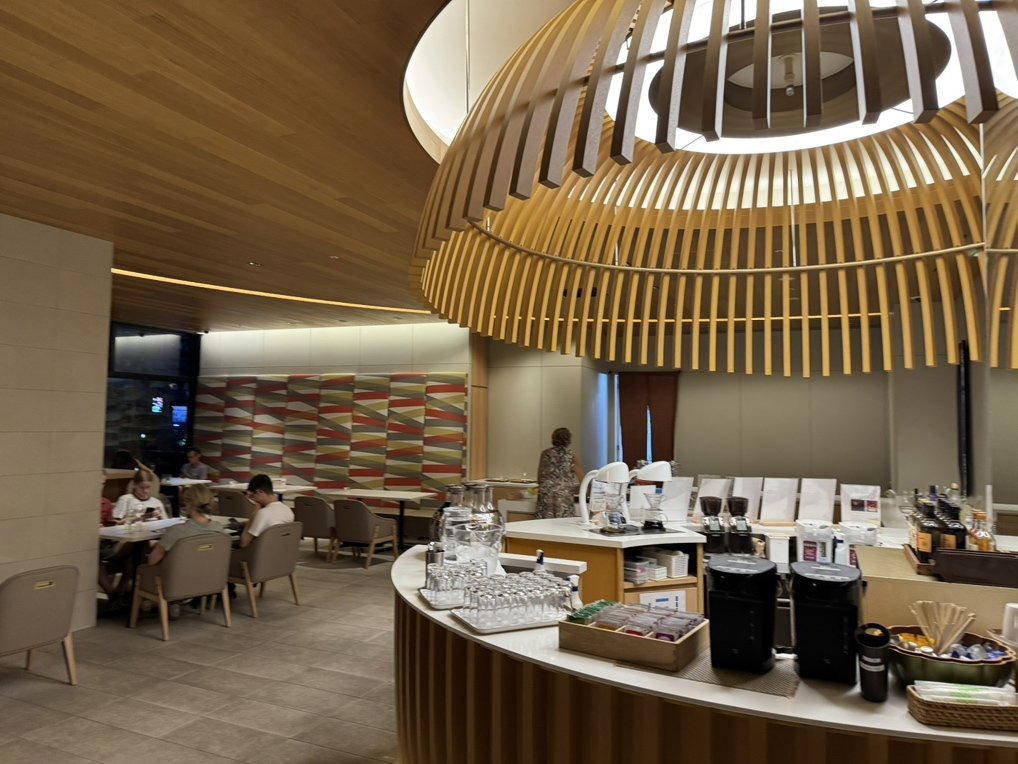
Where Kanazawa's French Tradition Takes a Quieter Form
Kanazawa has long held a reputation as Japan's most serious provincial dining city, a place where the local seafood, mountain vegetables, and centuries of culinary craft create conditions that reward ambitious kitchens. That reputation rests largely on kaiseki, on names like Zeniya and Kataori that have defined the city's register. But French-inflected dining has quietly established its own foothold here, operating in a different idiom while drawing from the same larder. ベルナール, positioned on the ground floor of a residential building on Musashimachi — one of Kanazawa's established commercial streets — sits inside that smaller, less-discussed current.
The address itself signals something. Musashimachi is a working part of the city rather than a curated dining destination, and a ground-floor space in a residential block places the restaurant in the pragmatic, neighbourhood-facing category of French dining that has defined much of provincial Japan's leading cooking for decades. These are rooms that earn their reputation through the plate rather than through room design or location theatre.
How the Menu Speaks
The editorial angle that matters most with ベルナール is the architecture of the menu itself, because in French-leaning restaurants of this type, the structure is the statement. Course-driven French dining in Japan has evolved considerably since the postwar era when Western techniques arrived and were adapted with considerable discipline. The contemporary version, particularly outside Tokyo and Osaka, tends toward restraint: fewer courses than their Parisian counterparts, tighter seasonal framing, and a tendency to let Japanese primary ingredients do the conceptual work that French technique would normally carry.
That approach places ベルナール in a recognisable cohort: French restaurants in secondary Japanese cities that position themselves not as interpretations of European originals but as locally grounded kitchens using a French grammatical structure. The distinction matters because it changes what a diner should be looking for. This is not a room where you measure success by fidelity to a Parisian reference point. The question is how well the menu's sequence builds, whether the courses develop a logic across the meal rather than simply arriving in the conventional order of raw, warm, fish, meat, sweet.
Kanazawa's access to Noto seafood, to the rice and vegetables of the Kaga plain, and to mountain produce from the interior of Ishikawa prefecture means the raw material available to any serious kitchen here is genuinely competitive with what chefs in the major cities work with. Budoonomori Les Tonnelles, one of the city's more formally positioned French addresses, represents one register of that ambition. ベルナール, by its location and its residential-building context, likely operates in a more intimate register, a room where the conversation between kitchen and diner is closer and the formality index is lower.
For comparison outside the city: Japanese French dining at the highest pitch of ambition can be found in HAJIME in Osaka, which operates at three Michelin stars with a heavily conceptual menu, or in the precision-led kaiseki-adjacent French of Gion Sasaki in Kyoto. ベルナール sits at a different point on that spectrum, closer in spirit to the neighbourhood-anchored French restaurants that have always been the backbone of serious provincial dining in Japan, where the room seats a small number of guests and the kitchen's relationship with local suppliers is the primary credential.
Kanazawa as Context
Understanding ベルナール requires understanding what Kanazawa does to its restaurants. The city's food culture is unusually self-contained: local residents eat out with frequency and with expectation, the market at Omicho supplies some of Japan's most consistent Noto crab, yellowtail, and clam, and the culture of gift-giving and food appreciation is embedded in daily life in a way that supports restaurants operating at multiple price points with genuine seriousness. This is not a city where a French restaurant succeeds by importing prestige from elsewhere. It has to earn its position within a local food community that already has very high standards set by kaiseki.
That context also means the competition for any French kitchen in Kanazawa comes not just from within the French category but from the broader table: from Dokkan, from more casual expressions of local eating, and from the sheer quality of what a Kanazawa household or izakaya can produce with the same Ishikawa ingredients. Surviving in that environment is its own form of credential. You can find similarly grounded French dining in other Japanese prefectural cities, akordu in Nara applies a different European influence to the same logic of local-ingredients-first, but Kanazawa's version is shaped by the particular intensity of the local food culture.
For readers planning a broader Kanazawa table, Amanatto Kawamura offers the city's confectionery tradition, while Hakuichi represents another dimension of Ishikawa craft. The full Kanazawa restaurants guide maps the complete range.
Planning Your Visit
The Musashimachi address is walkable from Kanazawa Station in under fifteen minutes and sits close to the Katamachi and Korinbo districts. For a restaurant of this type in a residential block, reservations are advisable rather than optional: French-format restaurants in Japanese provincial cities of this scale typically run at high occupancy during dinner service, and walk-in availability is rarely guaranteed. Contact through direct enquiry is the standard approach for restaurants of this category in Kanazawa where online booking infrastructure varies. Dinner is the main event, though confirming lunch service availability at the point of booking is worth doing. Travellers arriving from Tokyo can reach Kanazawa via the Hokuriku Shinkansen in roughly two and a half hours from Tokyo Station, which has made the city's restaurant scene more accessible to short-stay visitors since the line's extension in 2024.
For reference across a wider Japan dining itinerary, Harutaka in Tokyo and Goh in Fukuoka represent the range of serious dining available in cities along the same travel corridor. Regional comparators in the Sea of Japan and northern Honshu circuit include 一本木 石川産 in Nanao and 湖畔荘 in Takashima. Further afield, 北海道産乃 in Sapporo and 奥羽屋 in Nishikawa Machi operate in the same regional-serious register. For those whose interest in French dining extends globally, the contrast with Le Bernardin in New York City and the Korean-inflected precision of Atomix in New York City illustrates how differently French technique can be applied when rooted in a specific local identity. Closer to Kanazawa's own format, Birdland in Sakai shows how a focused single-category kitchen can anchor a neighbourhood dining culture in the same way.
How ベルナール Kanazawa compares with similar nearby venues.
| Venue | Price |
|---|---|
| Restaurant Ennu | JPY 10,000 - JPY 14,999 JPY 6,000 - JPY 7,999 |
| Ajiraku Yumemi | JPY 6,000 - JPY 7,999 |
| BIRD | JPY 10,000 - JPY 14,999 View spending breakdown |
Continue exploring
More in Kanazawa
Restaurants in Kanazawa
Browse all →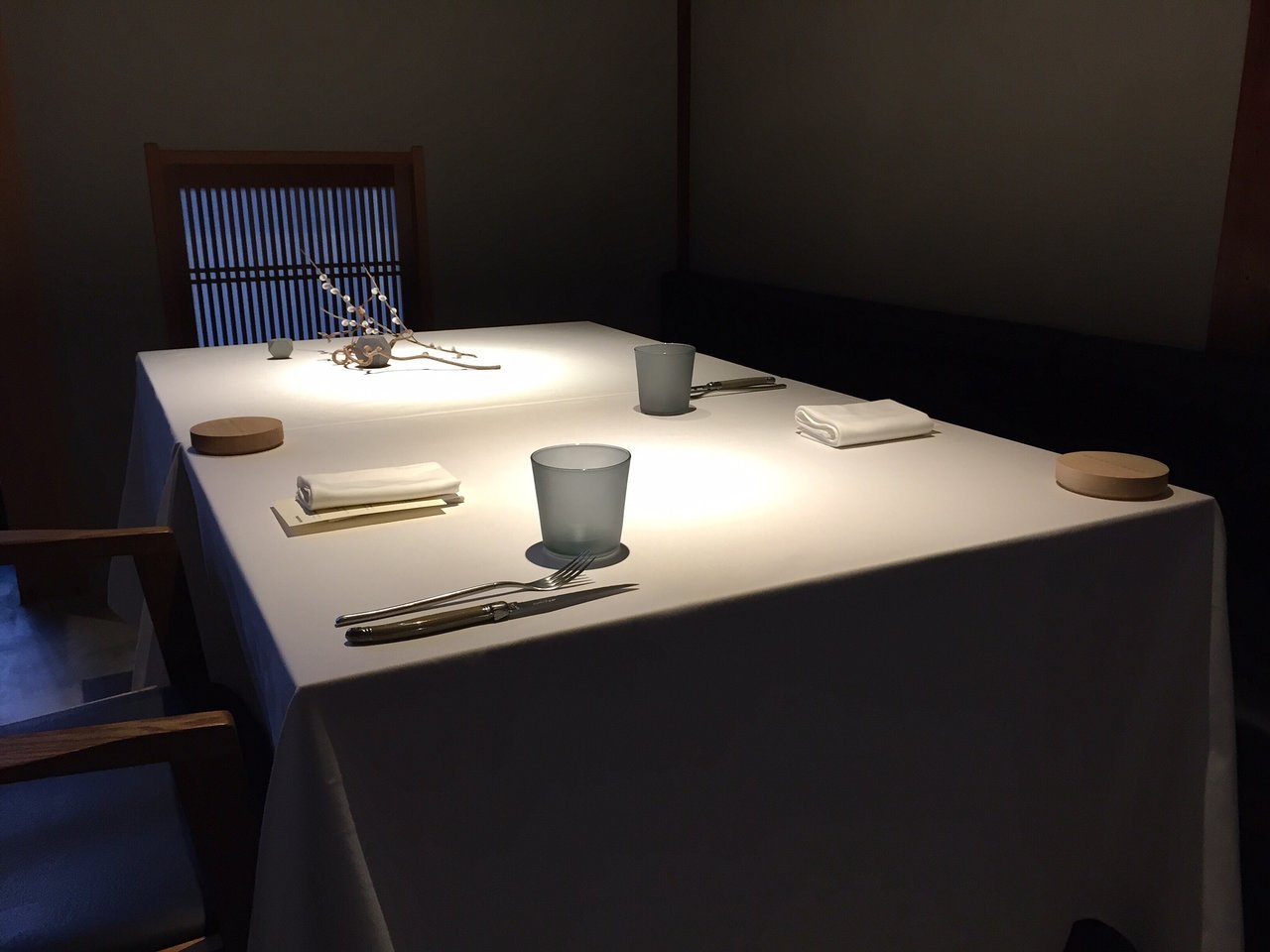
Bars in Kanazawa
Browse all →
Hotels in Kanazawa
Browse all →
Wineries in Kanazawa
Browse all →
At a Glance
- Intimate
- Elegant
- Sophisticated
- Special Occasion
- Date Night
- Business Dinner
- Celebration
- Standalone
- Sake Program
- Local Sourcing
Charming, intimate, and homey fine-dining atmosphere near Omicho Market, with an understated hidden-gem feel.
Know Before You Go
- Getting there
- Japan, 〒920-0855 Ishikawa, Kanazawa, Musashimachi, 6−1 レジデンス第2武蔵 102