Din Tai Fung's Kyoto outpost occupies the third floor of the Takashimaya department store in Shimogyo Ward, placing one of Asia's most recognised dumpling chains inside a city better known for austere kaiseki tradition. The format here is consistent with the global brand: precisely folded xiao long bao, efficient service, and a clientele that ranges from Kyoto locals to international visitors crossing the city's restaurant spectrum.
Pearl is the En Primeur Club membership app — saves, bookings, and concierge access live there. Same editors, same standards.
- Address
- 下京区真町52 (京都タカシマヤ 3F), 京都市, 京都府, 600-8520
 Saves & bookings on Pearl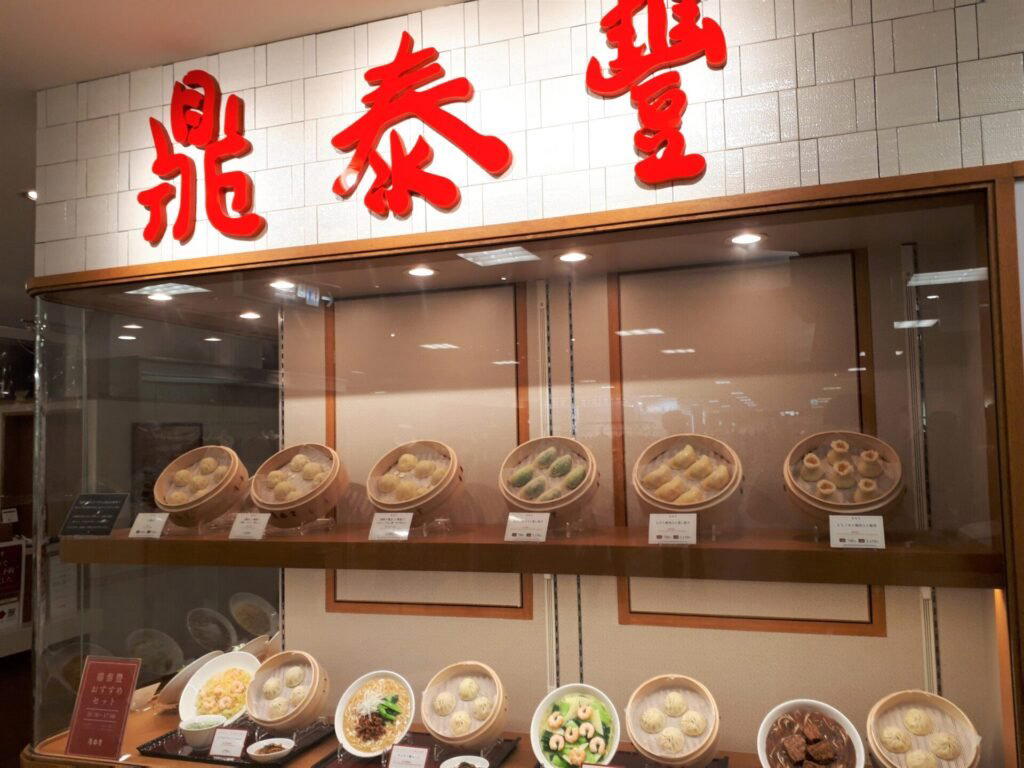
Department Store Dining and the Din Tai Fung Formula in Kyoto
Kyoto's dining identity is built around restraint and seasonal precision: the kaiseki counter, the tofu specialist, the centuries-old soba house. Against that backdrop, the third floor of the Takashimaya department store in Shimogyo Ward operates as a different kind of destination entirely. Din Tai Fung sits here, inside a retail complex that anchors the southern end of Shijo-dori, and the contrast between its surroundings and the city's dominant culinary register is deliberate rather than accidental. Department store restaurant floors in Japan have long served as quality validators, and Takashimaya's curated dining level places the brand in direct conversation with that tradition.
The approach at Din Tai Fung's Kyoto location follows the chain's consistent global logic: standardised production technique and high-volume throughput across Asia and beyond. What you see before you sit down at many of the brand's locations is the folding itself: dumpling makers working through tight repetition, each piece shaped to a specification that the company has maintained across its international network. That legibility is part of the appeal, especially in a city where most premium kitchens stay entirely out of view.
The Xiao Long Bao Standard and What It Represents
Din Tai Fung built its global reputation on a single product: the xiao long bao, or soup dumpling. The format is unforgiving technically. The wrapper must be thin enough to show the broth within but strong enough to hold under the weight of filling and liquid. The pleat count at Din Tai Fung has become a kind of industry benchmark, referenced in food media across East Asia and beyond as a marker of consistency rather than creativity. In Kyoto, that same standard applies, connecting this location to the broader quality story that the brand has maintained since its origins as a cooking oil retail shop in Taipei in the 1950s.
The menu extends well beyond soup dumplings. Steamed pork ribs, shrimp and pork wontons, egg fried rice, and seasonal vegetable preparations fill out a format that is more complete than the brand's singular reputation might suggest. For visitors moving through Kyoto's restaurant circuit, which skews heavily toward multi-course Japanese formats at venues like Gion Sasaki, Hyotei, Kikunoi Honten, or Mizai, Din Tai Fung offers a structurally different meal: immediate, informal, and ordered at your own pace.
Shimogyo Ward and the Takashimaya Context
The Shimogyo location is not incidental. Kyoto's Takashimaya on Shijo-dori has long anchored the city's central commercial district, drawing both residents and visitors who combine shopping with dining in a single visit. The building's food floor functions as a curated selection rather than an open marketplace, and the presence of Din Tai Fung reflects the brand's position as a recognised quality reference in the Asian dining category. For a city that hosts visitors moving across Japan, from HAJIME in Osaka to Harutaka in Tokyo, the Shimogyo outpost functions as a known quantity inside an otherwise highly local restaurant culture.
Kyoto's dining scene is concentrated in specific wards: Higashiyama and Gion for kaiseki, Fushimi for izakaya, and the central Shimogyo and Nakagyo districts for a more mixed register that includes Chinese, Italian, and international formats. Din Tai Fung at Takashimaya sits within that central band, accessible from the Shijo subway station and the Hankyu Kyoto line, making it a practical choice between sightseeing circuits that run from Nishiki Market to Fushimi Inari.
How This Fits the Wider Japan Circuit
Din Tai Fung as a chain has an unusual position in Japan's dining hierarchy. It operates in a country with among the more demanding restaurant cultures in the world, where Taiwanese and Chinese cuisine categories face direct competition from highly refined local interpretations. The brand's longevity and footprint in Japan reflect a consistent product rather than novelty, which distinguishes it from the kind of trend-driven openings that cycle through Tokyo and Osaka rapidly. Elsewhere in Japan, the dining circuit spans formats from the intimate counter of akordu in Nara to the focused regional cooking at Goh in Fukuoka and specialist venues like Abon in Ashiya, affetto akita in Akita, Aji Arai in Oita, Ajidocoro in Yubari District, Akakichi in Imabari, and aki nagao in Sapporo. Din Tai Fung in Kyoto occupies a different register: it is not competing with those venues on craft or singularity, but on reliability and access.
For travellers whose Kyoto itinerary is already weighted toward high-commitment dining at Isshisoden Nakamura or the extended kaiseki format at any of the city's ¥¥¥¥ counters, Din Tai Fung functions as a flexible meal with direct access. That positioning has value in a city where the premium dining circuit demands weeks of lead time and a degree of language navigation that not every visitor has managed before arrival. Din Tai Fung at Takashimaya is a direct option within central Kyoto.
Planning Your Visit
The Shimogyo address places Din Tai Fung at 下京区真町52, on the third floor of Kyoto Takashimaya. The Shijo subway station and Hankyu Shijo-Kawaramachi station are both within walking distance, making this one of the more logistically direct dining stops in central Kyoto. Department store dining floors in Japan typically align with retail hours, and queues can build on weekends and public holidays.
Reputation Context
Comparable venues nearby, for context on price, style, and recognition.
| Venue | Cuisine | Price | Notes |
|---|---|---|---|
| Din Tai Fung (鼎泰豊)This venue — the venue you are viewing | Taiwanese Dim Sum | $$ | Not listed |
| Gion Morikou | Kyoto‑style Cantonese (Chinese) | $$ | Higashiyama |
| Shaoxiao | Hong Kong-style Cantonese Roast & Congee | $$ | Higashiyama |
| SUKEMASA (高辻 亮昌) | Kyoto-Style Gyoza | $$ | Shimogyo-ku |
| Ito Sen | Kyoto-style Chinese (Cantonese influence) | $$ | Kamigyō |
| Biryani Senmon Ten INDIA GATE | Indian biryani & curry house | $$ | Nakagyō |
At a Glance
- Modern
- Well Known
- Casual Hangout
- Group Dining
- Open Kitchen
- Sake Program
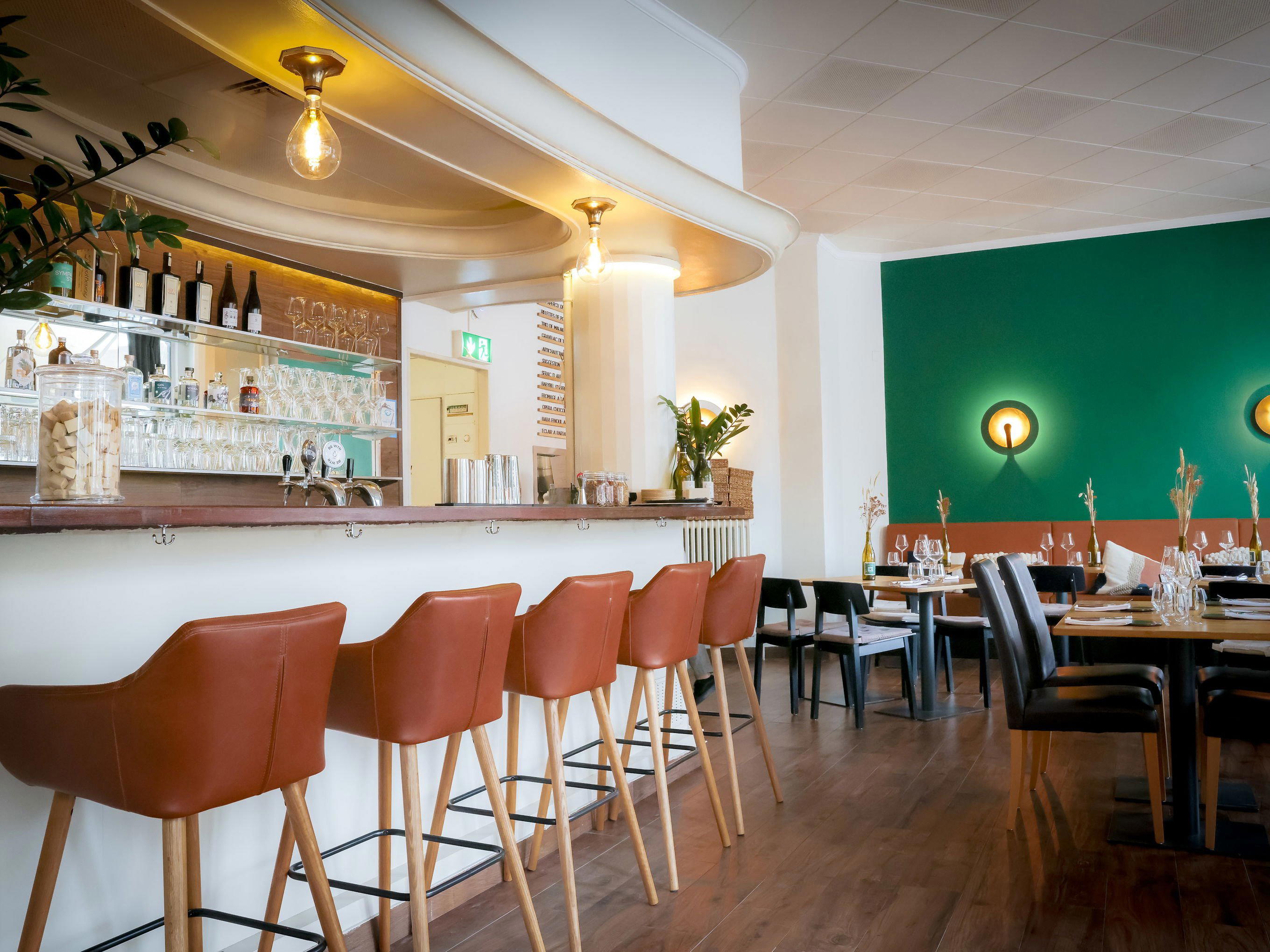
Clean, fresh, and modern department store dining room with efficient bustling service.