
Kyoto’s Karasuma area is usually read through kaiseki, ramen, coffee, and confectionery, but its compact dining culture also makes room for serious specialist counters. Biryani Senmon Ten INDIA GATE brings Indian curry and biryani into that tight urban format, with Tabelog 100 Asian/Ethnic WEST selections in 2023 and 2024 giving it a firmer critical signal than the casual price tier suggests.
Pearl is the En Primeur Club membership app — saves, bookings, and concierge access live there. Same editors, same standards.
- Address
- 271 Tenjinyamacho, Nakagyo Ward, Kyoto, 604-8221, Japan
- Phone
- +81 75-708-2414
- Website
- instagram.com
 Saves & bookings on Pearl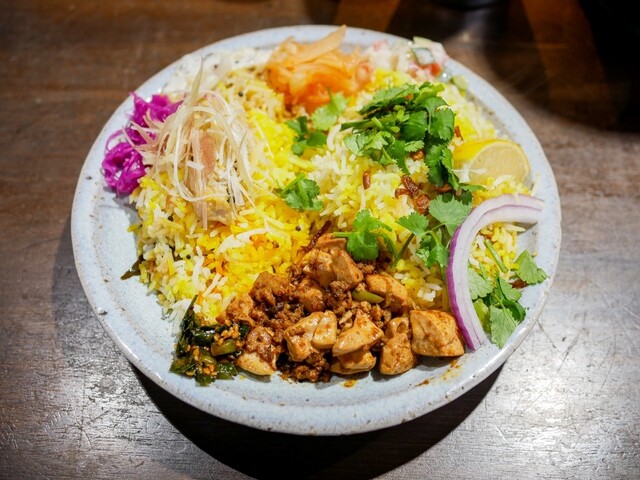
Karasuma’s restaurant streets work by compression rather than theatrical excess: narrow frontages, compact counters, office workers between Shijo and Nakagyo backstreets, and dining rooms that ask for attention, not ceremony. In that setting, biryani suits Kyoto when treated less as banquet dish than specialist format. Biryani Senmon Ten INDIA GATE sits in that smaller register, where the appeal is focus: Indian and curry cooking filtered through the city’s appetite for counters, queues, and precise short-form meals.
Kyoto’s foreign-cuisine scene is often overshadowed by Japanese dining, but its stronger non-washoku rooms share a trait with the old local canon: a narrow lane of expertise. A biryani specialist belongs beside ramen shops with one broth style, confectioners built around a single sweet, and tiny wine bars with one point of view. For visitors planning beyond temple-adjacent meals, Our full Kyoto restaurants guide gives the wider picture, while nearby Karasuma options such as 3TOKU6MI Shijo karasuma ten, [ki:], and Abbesses show how compact formats define the neighbourhood’s dining rhythm.
Karasuma's counter culture makes biryani feel sharper, not smaller
Biryani carries different expectations from Kyoto’s set-course meals: layered, spiced, rice-led, and structurally complete before it reaches the table. Counter culture changes the frame. Instead of a sprawling restaurant for groups and long menus, the small-room specialist model puts the cooking beside curry shops, ramen counters, and lunch-focused kitchens competing on clarity over ceremony. That makes the venue useful for travellers who want a serious meal without another reservation-heavy evening format.
The Tabelog 100 Asian cuisine / Ethnic cuisine WEST selections in 2023 and 2024 place this address in a regional field, not merely a Kyoto one. Tabelog’s Hyakumeiten lists are not Michelin-style star systems, but in Japan they are a strong local signal for category specialists, especially where international guide coverage is thin. A 3.67 Tabelog score adds another clue: this is not a novelty stop, but a small specialist shop recognised within competitive west-Japan Asian and ethnic cooking.
The category also helps an itinerary. Kyoto dining can become monotonous for visitors booking only temples, ryokan dinners, and formal Japanese meals. A curry-and-biryani counter in Nakagyo breaks that pattern without breaking the city’s deeper habits. The meal stays compact, urban, and format-driven; it simply shifts flavour from dashi, soy, and seasonal plating to spice, rice, and heat management. That contrast is the point.
How it compares with Kyoto's casual and specialist rooms
At lower and middle price tiers, Kyoto has two broad casual modes: everyday volume and narrow specialization. 551蓬莱 represents the former, a familiar Kansai name with mass appeal. Biryani Senmon Ten INDIA GATE belongs to the latter, closer to tightly defined noodle or curry rooms than general-purpose dining. Among the comparison set, YUMMY occupies a similar accessible spend bracket, while Wajo Ryo Men Sugari sits at the lower ramen end; the difference is genre, not seriousness. Kyoto’s stronger specialist rooms do not need luxury cues to earn a detour.
That also separates it from formal Kyoto dining. Kentan Horibe operates in a Japanese, higher-spend register, and Mescita Pane e Vino sits in an Italian, mid-priced lane. Those venues answer different questions: where to spend an evening, where to drink wine, where to stage a longer meal. A Karasuma biryani specialist answers a sharper one: where to insert a focused, spice-led meal into a city better known for restraint. For an EP Club reader, it is more than convenience; it corrects the idea that Kyoto’s serious food culture begins and ends with Japanese tradition.
The compact format has trade-offs. This is not for private-room dining, extended tableside pacing, or large groups. It is better understood as a small specialist counter with take-out available and an English multilingual menu, making it easier for travellers than many focused Japanese-language rooms. Drinks span sake, shochu, and wine, a telling Kyoto adaptation: the category is Indian and curry, but the drinking frame acknowledges local habits rather than importing a full foreign-restaurant template.
Where it fits in a Kyoto day
Nakagyo sits between sightseeing Kyoto and lived-in Kyoto. Shijo and Karasuma offer department stores, offices, subway access, and side-street density that rewards wandering without making every meal a destination exercise. The restaurant becomes a smart pivot between morning cultural plans and evening drinks, especially for travellers in central hotels. For lodging, Our full Kyoto hotels guide is the better planning layer; for after-dinner pacing, Our full Kyoto bars guide maps the city’s quieter drinking culture.
A broader Kyoto itinerary benefits from contrast. A day can move from sweets at Aburi Mochi Honke Nemoto Kazariya to a spice-led central meal, then into wine or sake without becoming a checklist of one genre. Travellers building a wider Japan food map can compare this specialist focus with [Curry Senmon Ten] Maruyama Kyoju. in Sapporo, (Shoku) Vietnam in Kawasaki.cafe in Osaka.know in Kumamoto, and. 鮪と炭火焼き うお炭 秋葉原店 in Tokyo, each showing how tightly defined formats travel across Japanese cities.
The verdict is practical and editorial: Biryani Senmon Ten INDIA GATE is strongest for diners who understand Kyoto as a city of specialists, not only tradition. The Tabelog 100 selections give it category credibility, Karasuma gives it itinerary value, and its narrow Indian-curry identity gives it a clean reason to exist in a crowded central dining field. For planning beyond restaurants, Our full Kyoto wineries guide and Our full Kyoto experiences guide round out the city map; outside Japan, similarly focused casual formats such as Jōdo Saké Bar in Los Angeles, Onigiri Time in Pasadena, and -Grilled beef Sukiyaki- KAMAKURA TANUKIAN 鎌倉 たぬき庵 in Kamakura make the same larger argument: small formats can carry serious intent without formal dining signals.
A Tight Comparison
Comparable venues by price and recognition.
| Venue | Cuisine | Price | Notes |
|---|---|---|---|
| Biryani Senmon Ten INDIA GATEThis venue — the venue you are viewing | Nakagyō, Indian biryani & curry house | $$ | Not listed |
| セクションドール | Okazaki, Tandoori Chicken Specialist | $$ | Not listed |
| Kyoto Mo:Mo Pasal /Café Restaurant OA | Kamigyō, Nepalese & Indian Curry | $$ | Not listed |
| Kamal (カマル) | Sanjo, Indian & Thai Curry Fusion | $$ | Not listed |
| Mujara | Not listed | $ | Shimogyō, Spice curry shop with Indian-style curries |
| Menya Inoichi Hanare | Not listed | $$ | Shimogyō, Modern seafood-based ramen & tsukemen |
Recognition history
Dated appearances from independent guides and award organizations, with the underlying list record or original source where available.
Tabelog 100 #20 · No. 20
Tabelog · Tabelog 100 - Asian cuisine / Ethnic cuisine - WEST - 2024
Continue exploring
More in Kyoto
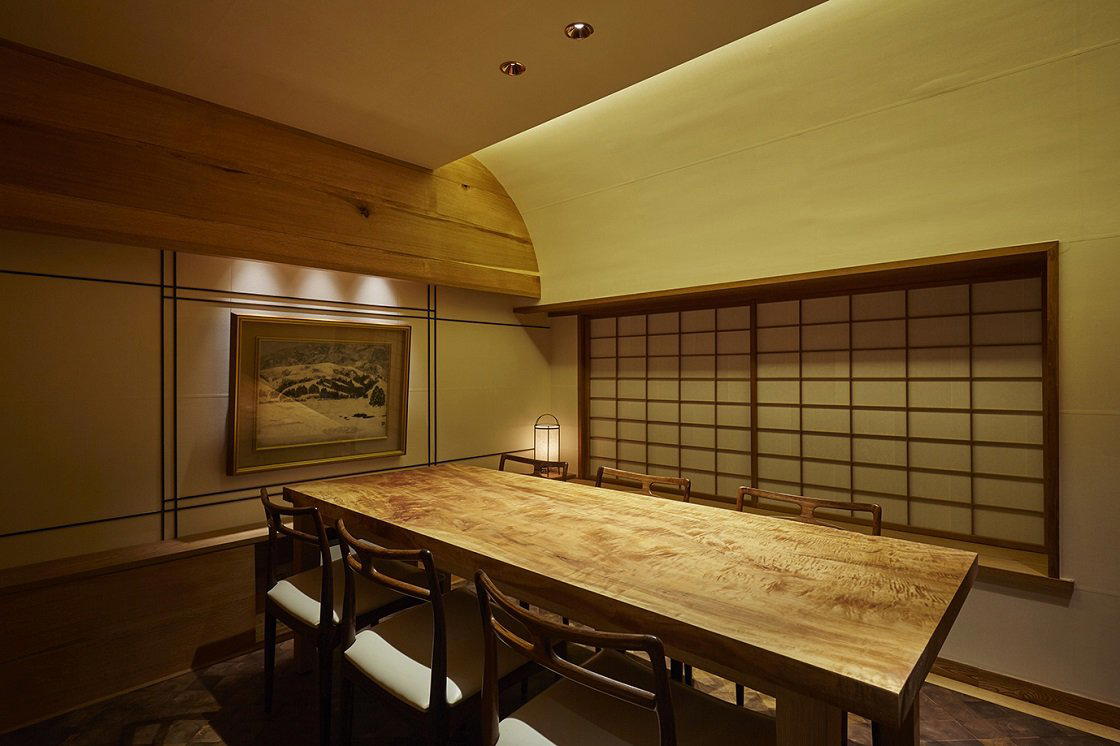
Restaurants in Kyoto
Browse all →
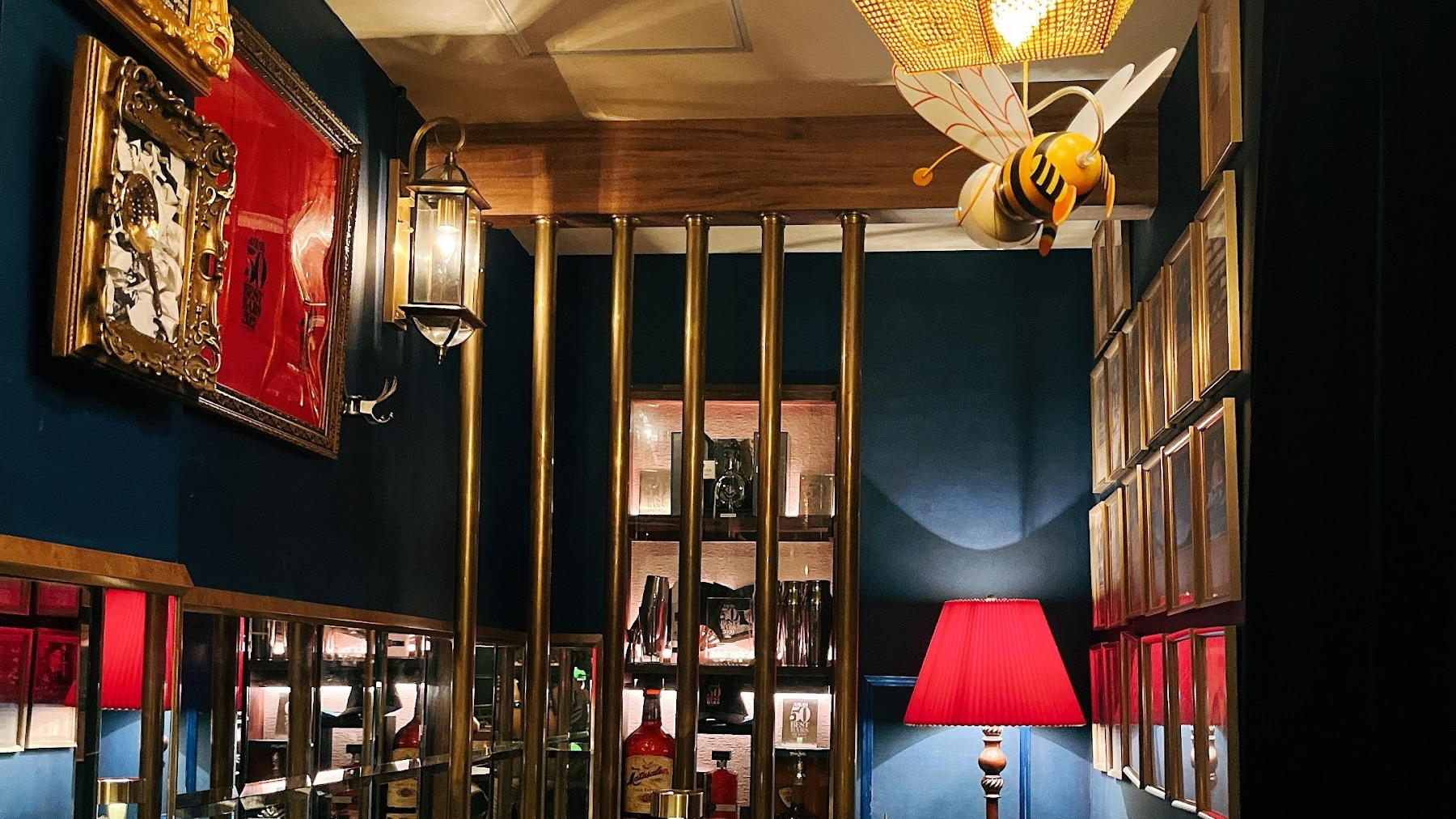
Bars in Kyoto
Browse all →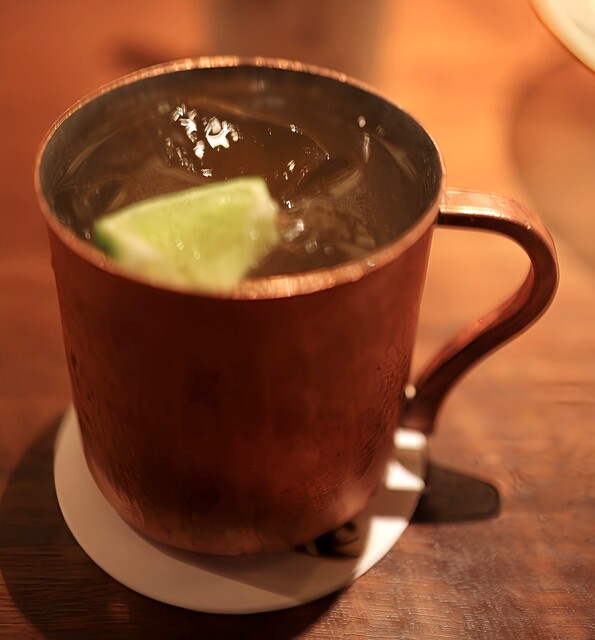



Hotels in Kyoto
Browse all →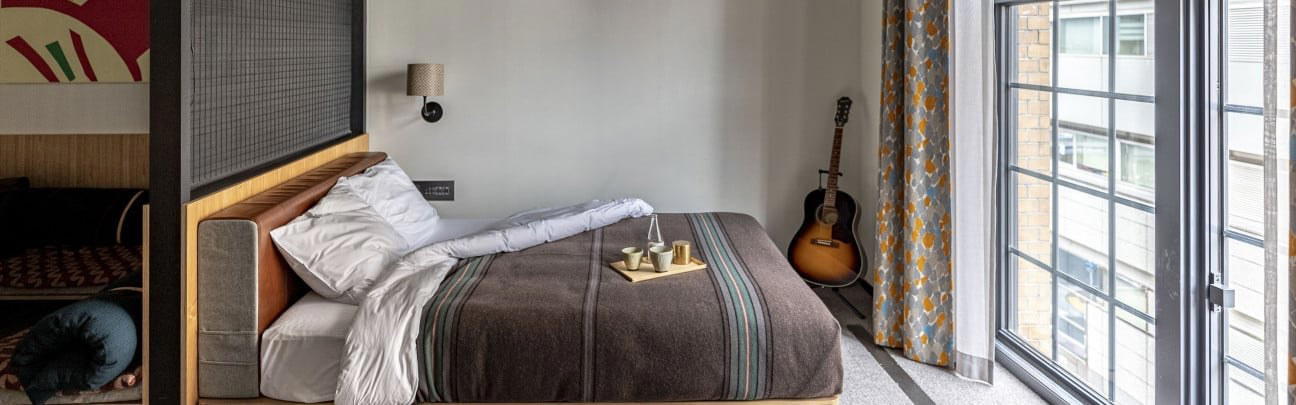
Wineries in Kyoto
Browse all →
At a Glance
- Cozy
- Casual Hangout
- Group Dining
- Solo
- Standalone
Current opening hours
- Monday
- 11:30 AM–3 PM, 5–9 PM
- Tuesday
- 11:30 AM–3 PM, 5–9 PM
- Wednesday
- Closed
- Thursday
- Closed
- Friday
- 11:30 AM–3 PM, 5–9 PM
- Saturday
- 11:30 AM–3 PM, 5–9 PM
- Sunday
- 11:30 AM–4 PM
Hours can change for holidays and private events. Last verified .
Casual, compact Indian eatery with simple decor and a cozy, lively feel typical of small Kyoto curry and biryani shops.