SUKEMASA occupies a quiet address in Kyoto's Shimogyo ward, positioned within the city's dense concentration of serious Japanese dining. The restaurant draws attention for its place in a neighbourhood where kaiseki tradition and seasonal discipline define the competitive set. For visitors building a Kyoto itinerary around formal Japanese cuisine, it merits consideration alongside the ward's established names.
Pearl is the En Primeur Club membership app — saves, bookings, and concierge access live there. Same editors, same standards.
- Address
- 下京区堀之内町263 (西洞院高辻東入ル北側), 京都市, 京都府, 600-8446
 Saves & bookings on Pearl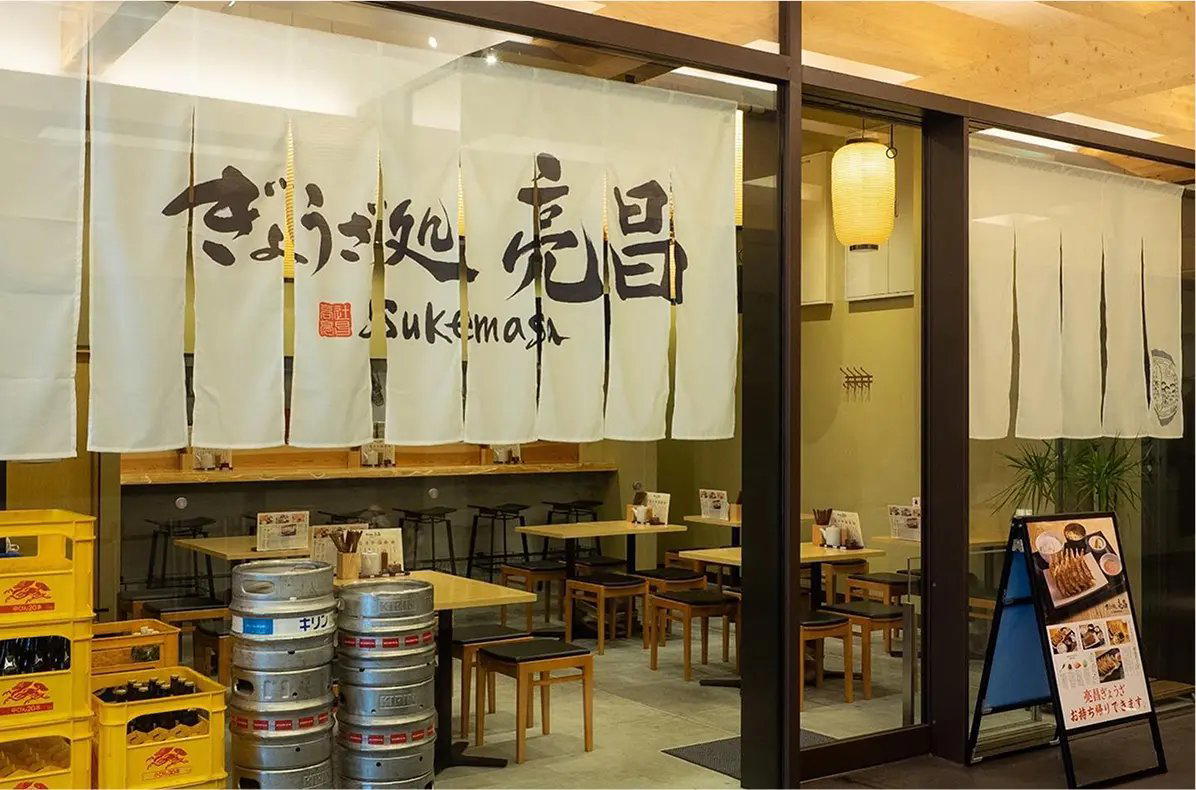
A Shimogyo Address in Kyoto's Most Demanding Dining District
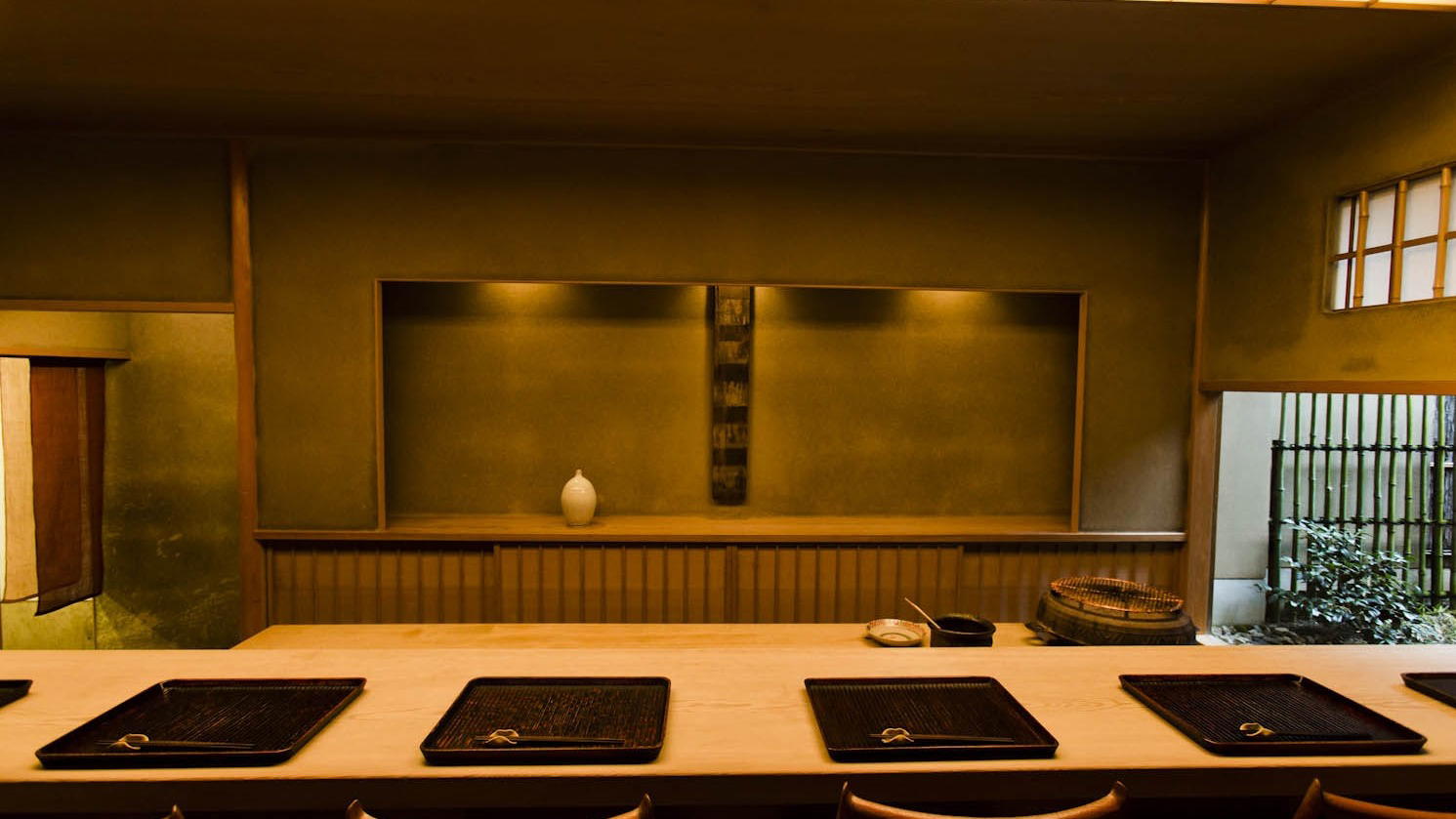
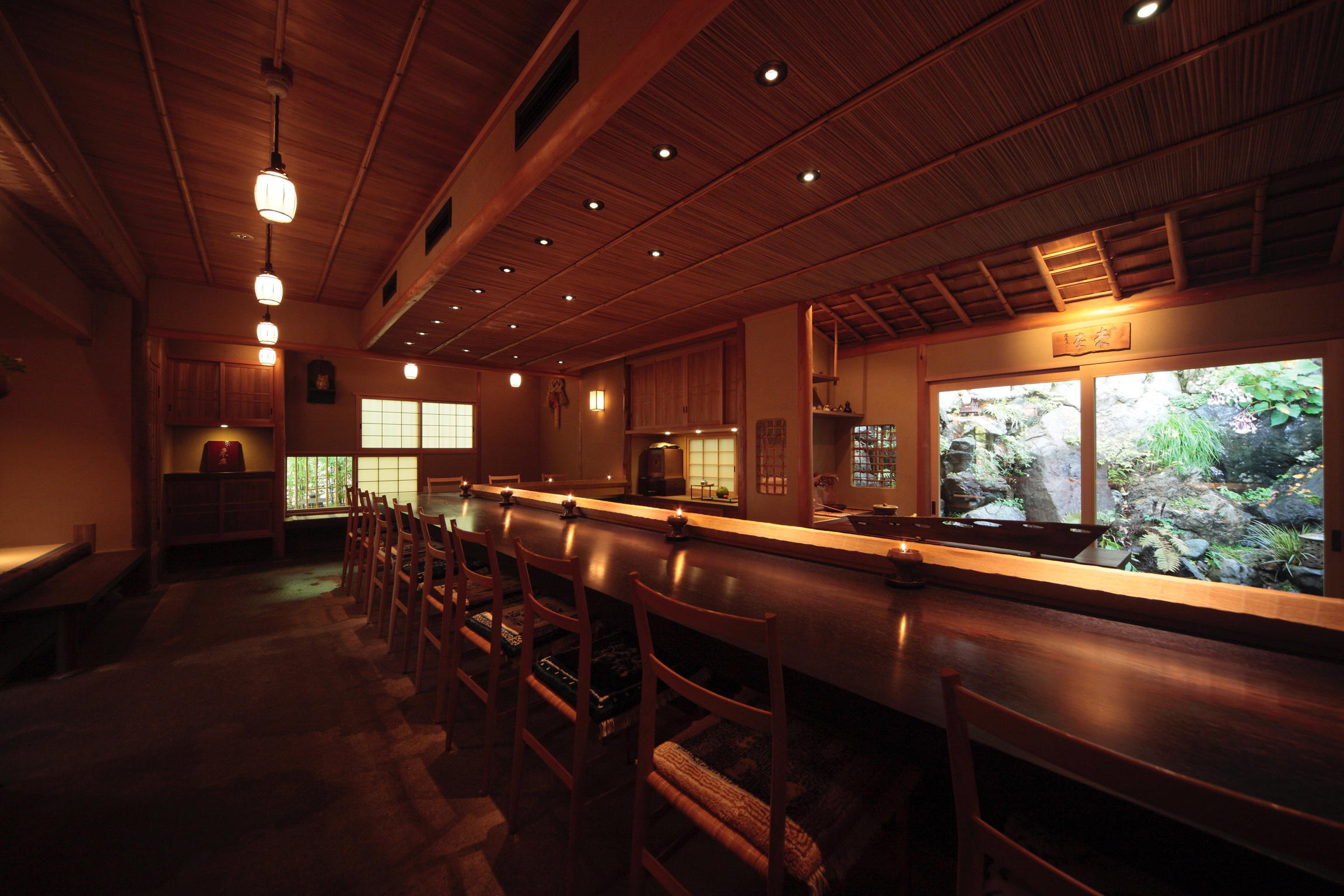
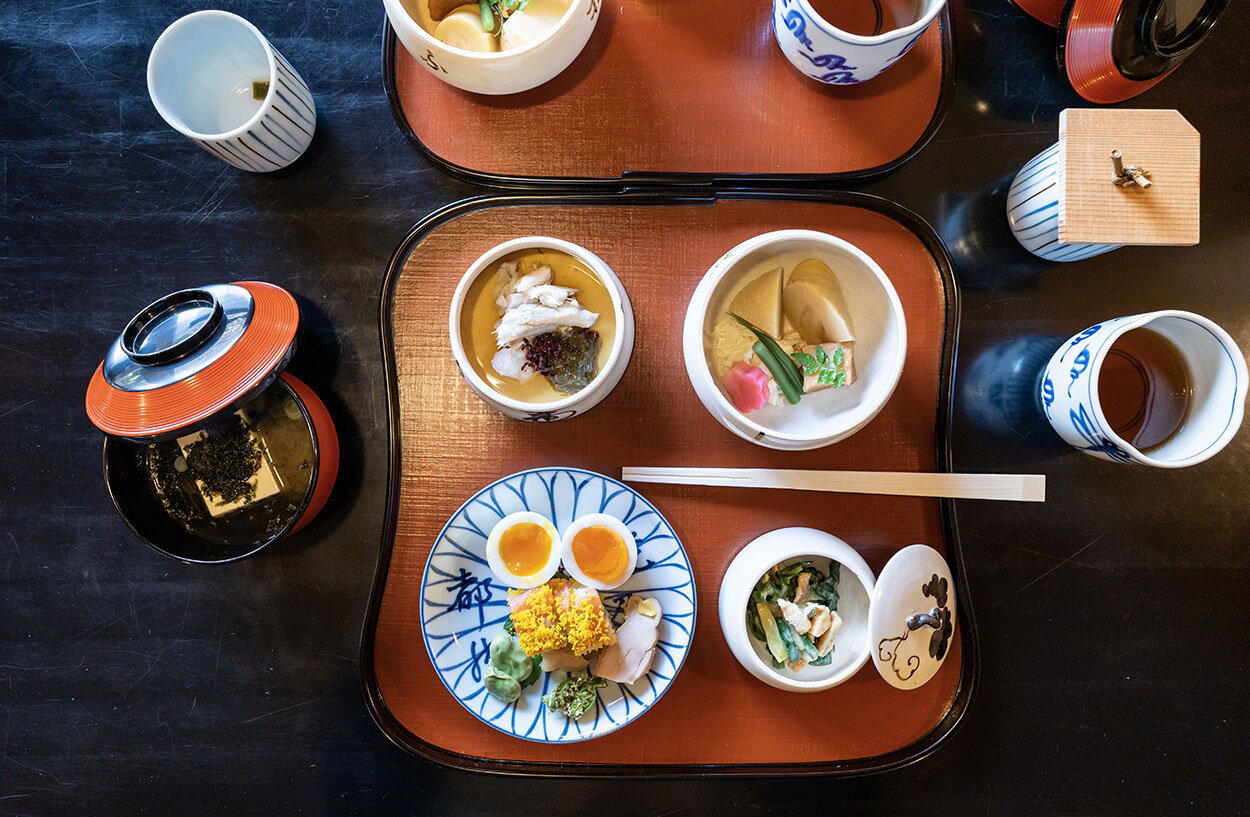
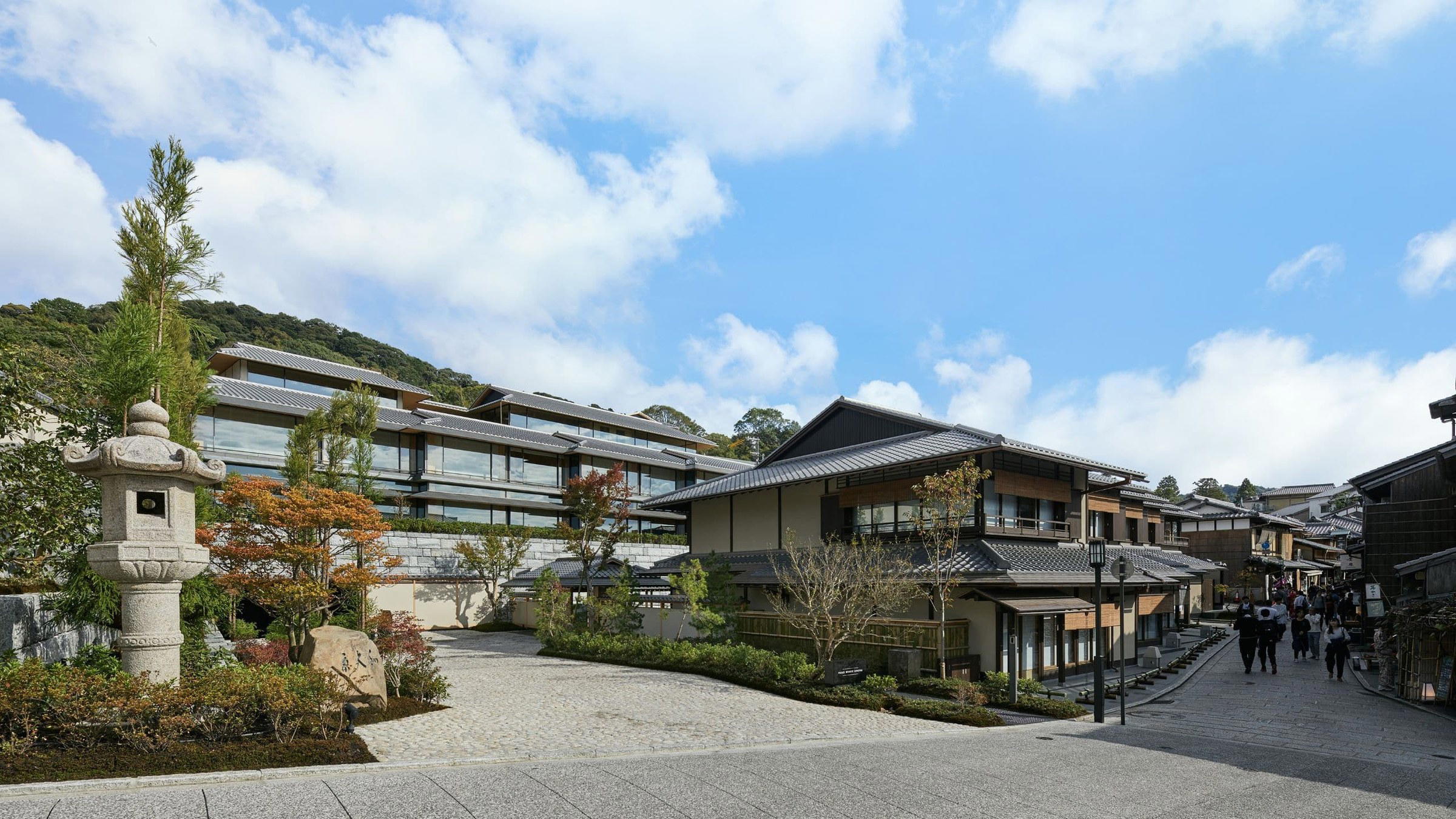
SUKEMASA (高辻 亮昌) is a Kyoto restaurant in Shimogyo ward serving Kyoto-Style Gyoza at a casual, walk-in-friendly price point. In Kyoto, restraint in exterior presentation has long functioned as a signal rather than an oversight. The city's most serious dining rooms announce themselves through the quality of their thresholds and the precision of their seasonal plantings, not through signage. Arriving here places you inside one of Japan's most concentrated zones of formal culinary practice, where venues like Gion Sasaki, Hyotei, and Kikunoi Honten define the upper tier against which any serious Japanese restaurant is measured.
How Daytime and Evening Service Shape the Experience
At the kaiseki tier and the restaurants adjacent to it, lunch typically offers a compressed version of the kitchen's range: fewer courses, a somewhat lighter price commitment, and an atmosphere calibrated to visitors who want structured Japanese dining without the full ceremonial weight of an evening seating. Dinner, by contrast, is where the kitchen operates at its fullest register. The pace slows, the course count rises, and the room shifts from something approaching accessibility to something closer to occasion.
At Mizai and Isshisoden Nakamura, for instance, the evening format carries a different expectation than the midday seating, both in terms of what the kitchen sends out and what the guest is expected to bring to the table in terms of time and attention. SUKEMASA, positioned in Shimogyo, operates within this same structural logic. The lunch seating is the more practical entry point for first-time visitors or those building a multi-restaurant day across the city. Evening is where the full seriousness of the address comes through.
Kyoto's upper-tier kaiseki dinners routinely run into the higher five-figure yen range, while lunch formats at comparable kitchens often represent the same technique and sourcing at a more measured price point. The seasonal discipline that defines this cuisine, produce chosen week by week as ingredients reach their brief peak, applies equally across both services. What changes is the elaboration, not the underlying standard.
Seasonal Discipline and the Kyoto Kitchen Calendar
Kyoto cuisine follows a tight seasonal calendar, with ingredients shifting week by week through the year. Winter brings a particular severity to menus here: root vegetables, salted preparations, and the deep broths that reflect the season's demands.
Autumn, from October through November, represents the other peak. Momiji season draws visitors who understand that Kyoto's formal dining rooms treat the changing maple leaves as a culinary event as much as a visual one, with menus that respond directly to autumnal produce at its height.
Where SUKEMASA Sits in Kyoto's Competitive Dining Map
Kyoto's formal restaurant hierarchy is unusually well documented by international critical standards. Kyoto's dining scene remains shaped by long-established Japanese traditions, with houses like Hyotei setting a high benchmark for the city. The mid-tier in Kyoto formal dining is more interesting than in most cities precisely because the baseline here, shaped by centuries of court cuisine and Buddhist dietary tradition, is higher than almost anywhere else in Japan.
Shimogyo-based restaurants operate in a slightly different register from the Gion and Higashiyama addresses that attract international attention. The neighbourhood's character is more residential, less mediated by tourist infrastructure. That positioning tends to attract a local professional clientele alongside serious visitors, which shifts the room's atmosphere in ways that matter. Comparable addresses elsewhere in Japan include HAJIME in Osaka, which operates at the intersection of classical Japanese structure and contemporary technique, and akordu in Nara, which approaches regional ingredients through a European framework. SUKEMASA's Shimogyo address places it inside Kyoto's domestic-facing serious dining culture rather than its internationally oriented showpiece tier.
For visitors building a broader Japan itinerary, it is worth noting that comparable formal Japanese dining in other cities, Harutaka in Tokyo or Goh in Fukuoka - operates within related but distinct culinary traditions. Kyoto's specific contribution is the kaiseki framework itself, a multi-course progression tied to tea ceremony aesthetics that other cities have borrowed and adapted but rarely replicated in its original form.
Further afield, the contrast with something like Le Bernardin in New York City or Atomix in New York City illustrates how differently the formal tasting menu format functions across culinary cultures. In New York, the tasting menu is often a platform for chef personality and technique display. In Kyoto, the same format is in service of season, ingredient, and a hospitality tradition that predates the modern restaurant entirely.
Nearby-ish Comparables
Comparable venues nearby, for context on price, style, and recognition.
| Venue | Cuisine | Price | Notes |
|---|---|---|---|
| SUKEMASA (高辻 亮昌)This venue — the venue you are viewing | Kyoto-Style Gyoza | $$ | Not listed |
| Ito Sen | Kyoto-style Chinese (Cantonese influence) | $$ | Kamigyō |
| 微風台南 | Authentic Taiwanese Street Food | $$ | 上京区 |
| Meirin | Kyoto Chinese | $$ | Kamigyō |
| Kanton Sankan Houhi | Chinese (Cantonese) restaurant | $ | Kita |
| Mr. Gyoza | Gyoza & Chinese comfort food | $ | Minami |



At a Glance
- Cozy
- Casual
- Casual Hangout
- Standalone
- Sake Program
- Local Sourcing
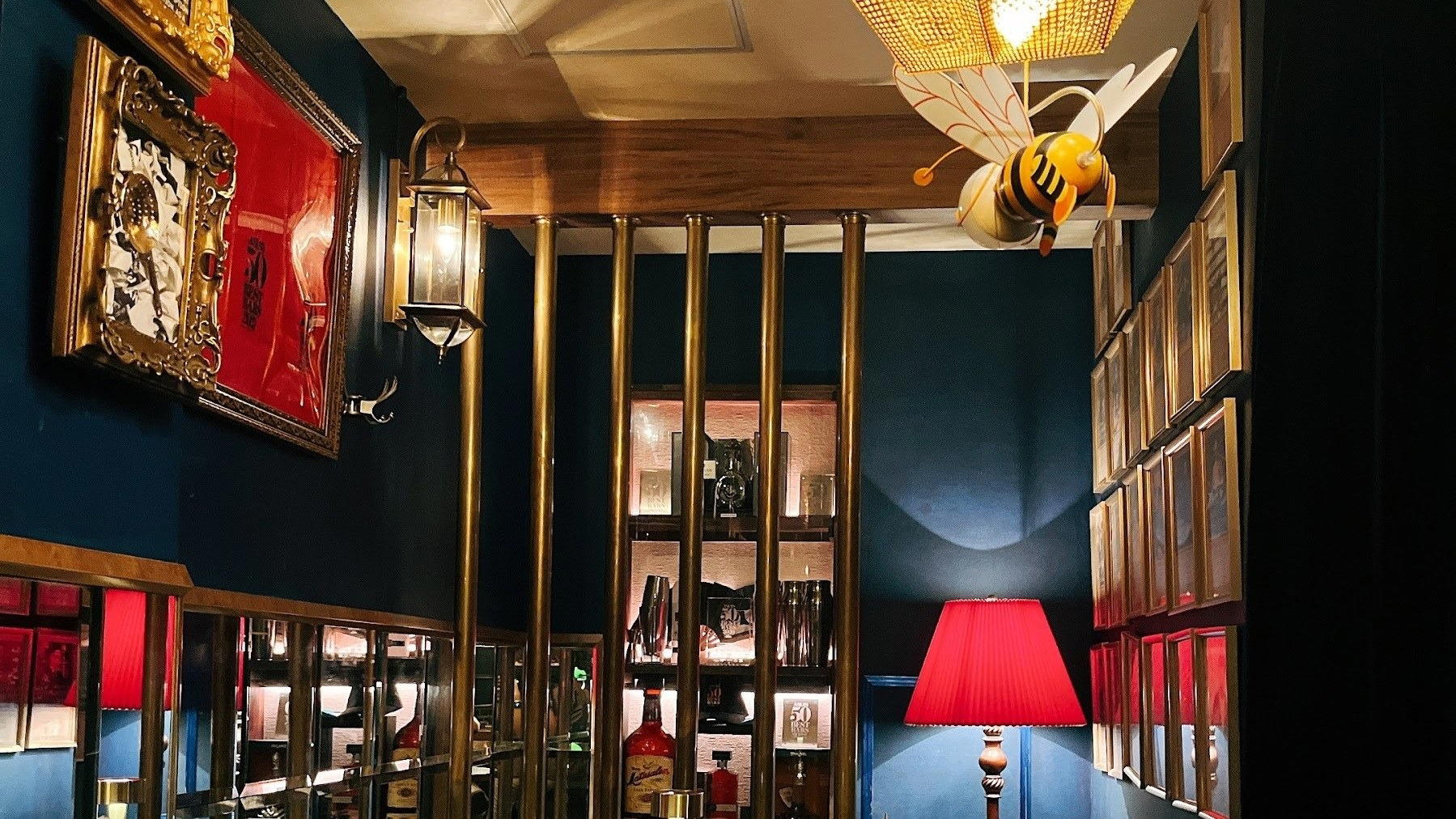
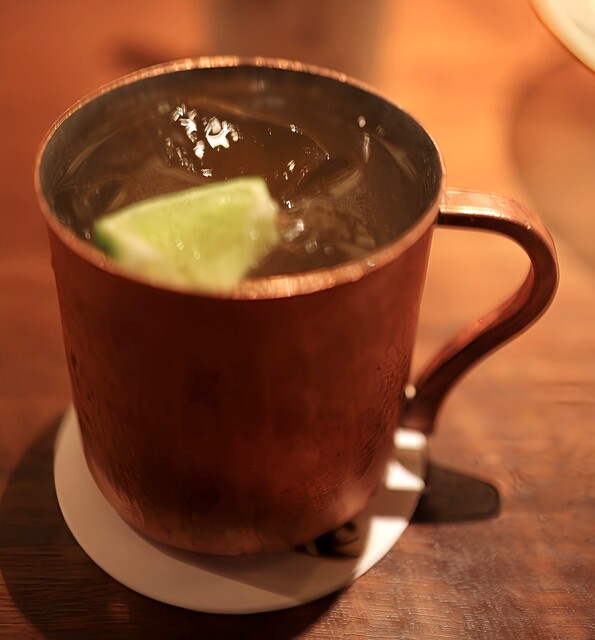
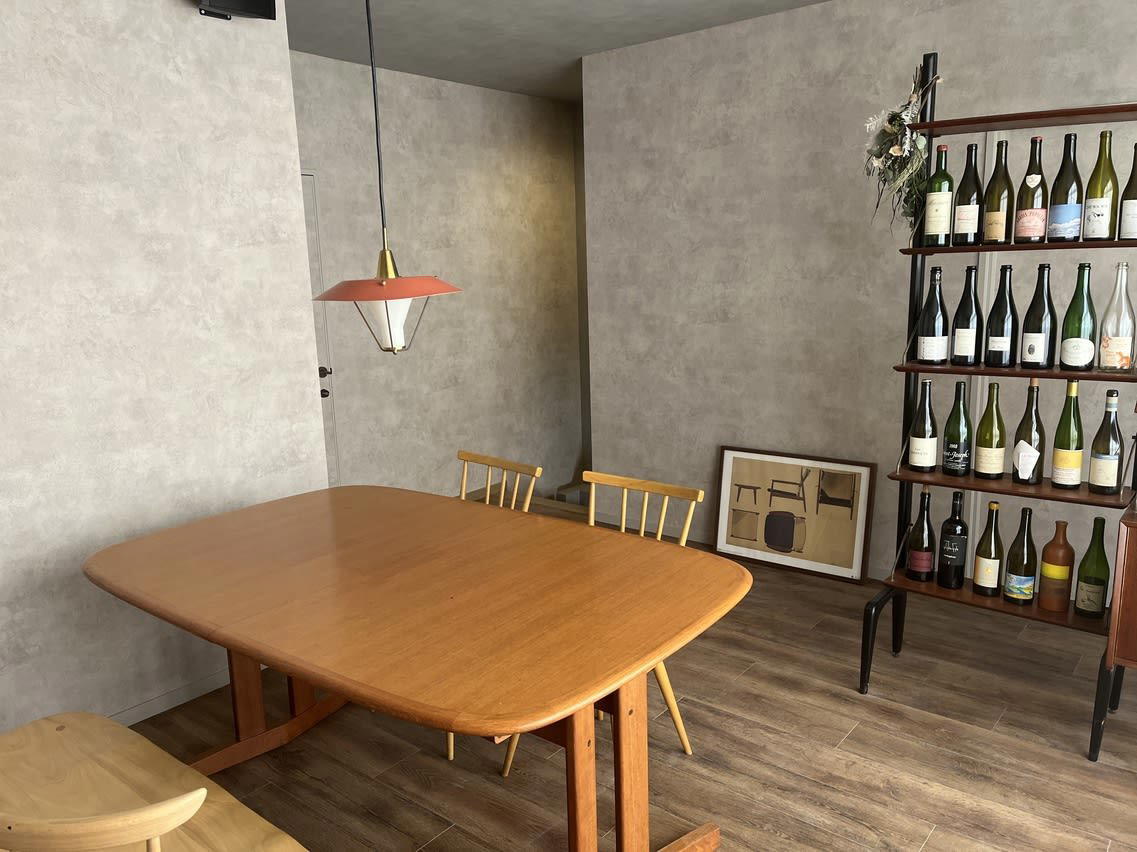
Cozy and casual atmosphere ideal for quick, satisfying meals with a welcoming local vibe.