
Gion Morikou gives Kyoto’s Chinese dining scene a quieter Gion address rather than a hotel-dining stage. Its Tabelog Chinese WEST “Tabelog 100” selections in 2021, 2024, and 2026 place it in a regional conversation where sourcing, dim sum craft, private-room dining, and Kyoto’s seasonal habits matter as much as category labels.
Pearl is the En Primeur Club membership app — saves, bookings, and concierge access live there. Same editors, same standards.
- Address
- Japan, 〒605-0069 Kyoto, Higashiyama Ward, Karatohanacho, 554
- Phone
- +81 75-531-8000
- Website
- morikoh.com
 Saves & bookings on Pearl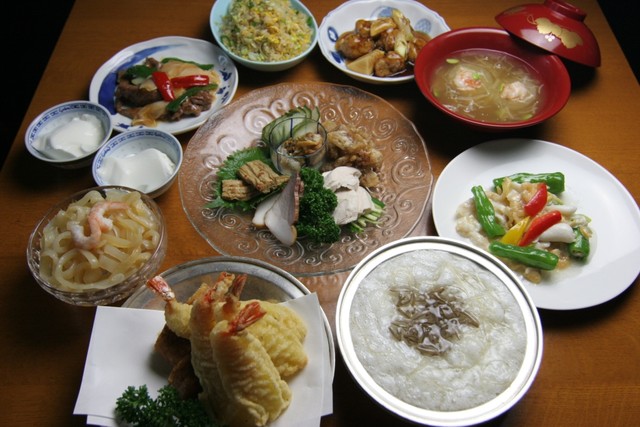
Shirakawa-side Gion changes the terms of a Chinese meal: not neon, banquet volume, or late-night Chinatown energy, but Higashiyama light, low roofs, river air, and a dining room closer to a Kyoto restaurant than a generic Chinese address. That matters in a city that has long absorbed outside cuisines through local habits: seasonality, restraint, small-group rooms, and ingredients that register with the calendar rather than spectacle.
Gion Morikou sits in that hybrid space. Categorized as Chinese and dim sum/yum cha, its setting and recognition place it in a narrower Kyoto lane: Chinese cooking adapted to a city that prizes produce timing, texture, and the social rhythm of private dining. Its selection for Tabelog Chinese WEST “Tabelog 100” in 2021, 2024, and 2026 gives it a credible regional marker without making the meal a trophy exercise. More useful is the comparison: it is not competing with the high-ticket kappo tier of Ito, nor the everyday Chinese comfort bracket of Marushin Hanten. It occupies the middle ground where technique, room format, and price discipline make the case.
Kyoto-style Chinese cooking, read through seasonality rather than spectacle
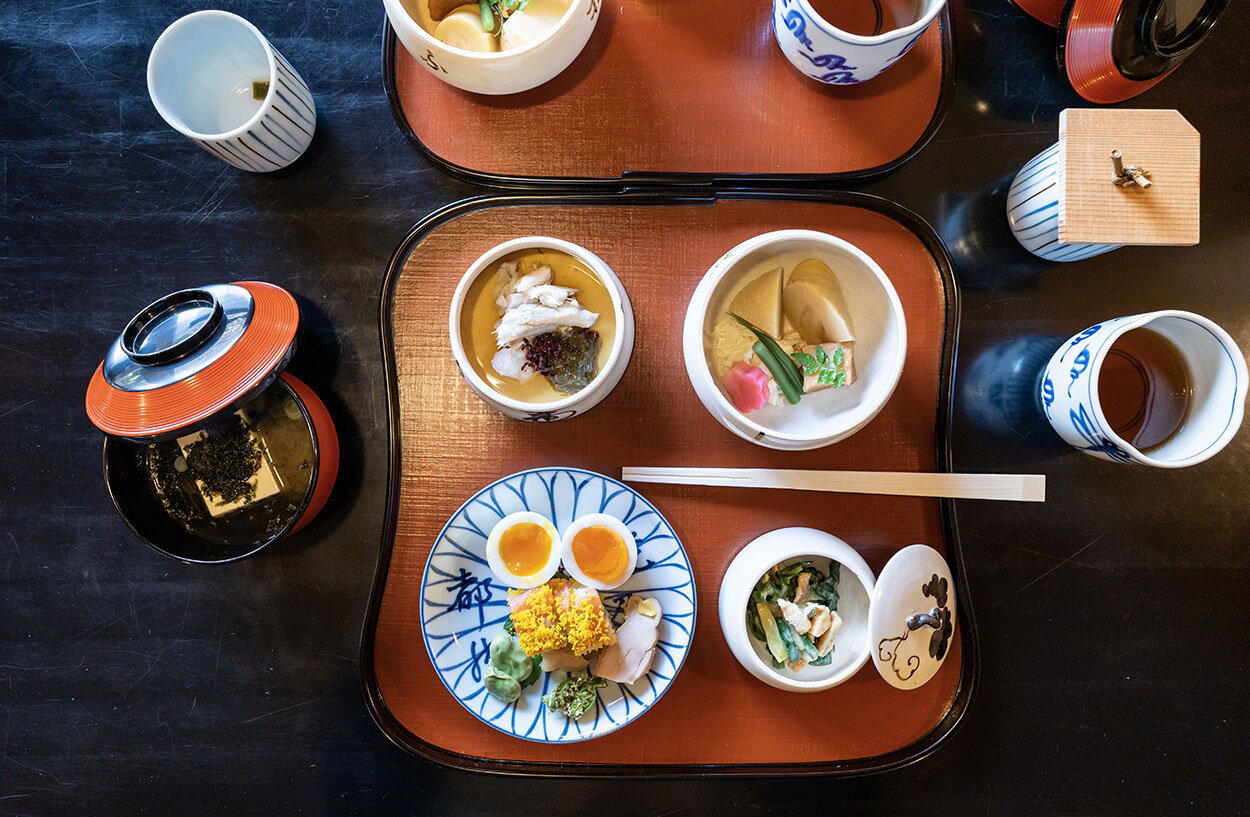
Chinese food in Kyoto is rarely one story. The city has hotel Cantonese rooms, neighbourhood gyoza counters, banquet restaurants, and chef-led hybrids shaped by local produce. Interesting tier borrows Kyoto’s sense of season without abandoning Chinese technique. Here, ingredient sourcing is not decorative; it changes the meal’s balance. Vegetables, seafood, aromatics, and dim sum fillings have to feel timed to Kyoto rather than imported as a fixed template.
The category label only gets halfway there. “Chinese” explains the grammar; Kyoto explains the pacing. Dim sum and yum cha suggest handwork, steam, wrappers, filling ratios, and eating that can scale from lunch to dinner. The city’s expectations push that format toward smaller calibrations: cleaner seasoning, seasonal shifts, and table composition suited to friends, family, or business dining more than banquet excess. Gion Morikou’s WEST-wide Chinese recognition is useful evidence, signaling durability in a regional field where Osaka and Kobe often dominate Chinese dining conversations, while Kyoto’s version is quieter and more locally inflected.
The drinks list points to Kyoto’s mixed dining culture. Sake, shochu, and wine sit alongside the Chinese category, suggesting pairings that cross Japanese and Western habits rather than follow one textbook. That breadth suits Kyoto restaurants serving mixed groups: one table may want nihonshu with seasonal dishes, another a wine dinner, another shochu. The result is not fusion as slogan, but ordinary flexibility in a city where diners move between kaiseki, French, yakitori, sweets, and Chinese in the same week.
The room format says as much as the menu
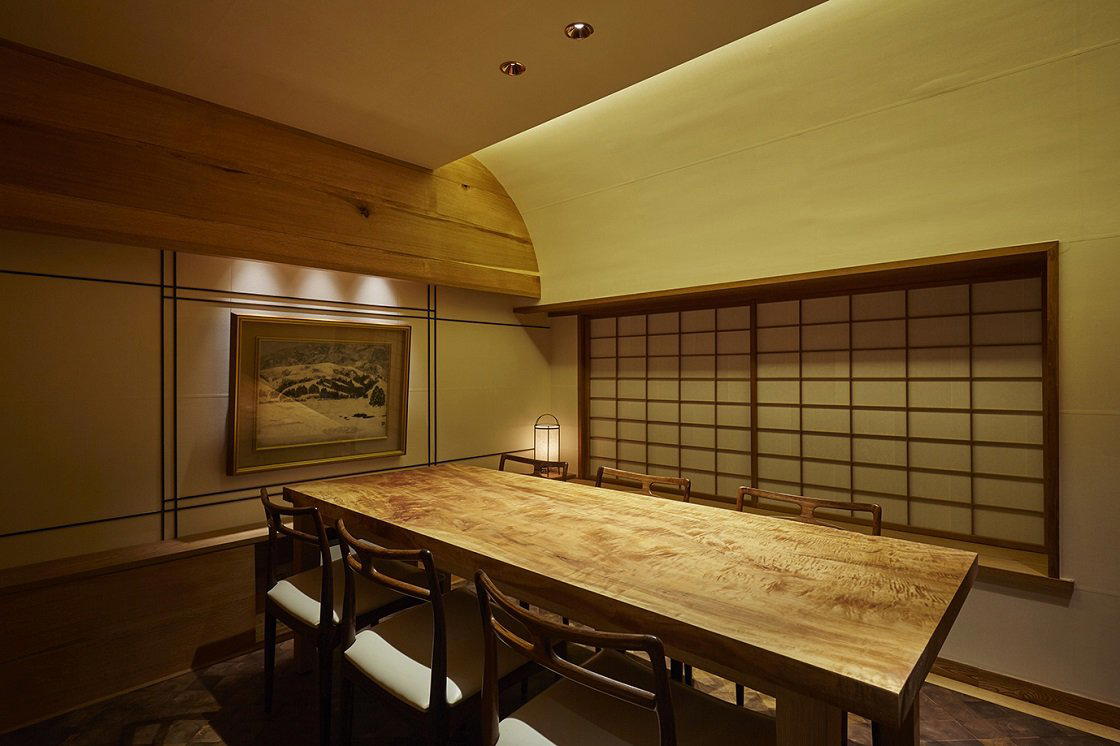
Kyoto often makes privacy part of the value equation. Tatami rooms, sunken seating, and compact table counts shape how a meal is used. Gion Morikou’s 37-seat scale, with table seating and private rooms including sunken kotatsu, fits a city where a Chinese meal can be a social appointment rather than a loud dining-hall event. A 10% charge applies only to tatami-room use, a small but telling distinction: the room choice is part of the experience, not just a seat assignment.
That format is especially legible for travellers who understand Kyoto dining categories. A counter-led kaiseki meal can be intense and expensive; a casual snack stop such as 551蓬莱 serves another purpose; sweets traditions around places such as Aburi Mochi Honke Nemoto Kazariya belong to another register. Chinese cooking in Gion fills the space between: structured enough for a planned meal, flexible enough for groups, and less ceremonial than a full Japanese tasting format.
Comparison sharpens the point. Kissho Karyo Gion honten sits in a lighter price band and a sweet-leaning Kyoto rhythm. Hiiragitei belongs to yakitori’s directness, where grill and skewer sequence define the night. Tan reads through contemporary Japanese cooking. The restaurant differs because Chinese technique is filtered through Gion’s expectations of calm pacing and room-based hospitality. That is a specific Kyoto proposition, not simply “Chinese food in Kyoto.”
How to place it within a Kyoto itinerary
The reason to place this meal in a Kyoto plan is contrast. Many visitors over-index on temples by day and formal Japanese cuisine by night, then find the trip repetitive. A Chinese meal in Higashiyama breaks that pattern while staying within the city’s appetite for seasonality and composure. It is a smart counterpoint after sushi, kaiseki, soba, or wagashi, especially for diners who want regional recognition without the highest-price bracket.
The practical read is clear. The restaurant operates lunch and dinner services on most days and closes Wednesday, with reservations available. Credit cards are accepted only under stated conditions; electronic money and QR payments are not; parking is not provided, though coin parking is nearby. Treat it as a planned meal rather than a casual drop-in between sightseeing stops. Its proximity to Higashiyama Station puts it in an easy dining corridor for travellers staying around Gion, Sanjo, or eastern Kyoto.
For a broader Kyoto food map, compare it with ingredient-led modern rooms such as [ki:], French-leaning addresses such as Abbesses, and casual city meals such as 3TOKU6MI Shijo karasuma ten. The fuller planning frame sits in Our full Kyoto restaurants guide, with companion context in Our full Kyoto hotels guide, Our full Kyoto bars guide, Our full Kyoto wineries guide, and Our full Kyoto experiences guide.
Outside Kyoto, the comparison set is less about similarity than how Japanese dining categories travel across cities: beef-focused meals at -Grilled beef Sukiyaki- KAMAKURA TANUKIAN 鎌倉 たぬき庵 in Kamakura, charcoal-and-tuna formats at. 鮪と炭火焼き うお炭 秋葉原店 in Tokyo, cafe culture at.cafe in Osaka, regional dining at.know in Kumamoto, Vietnamese cooking at (Shoku) Vietnam in Kawasaki, curry specialization at [Curry Senmon Ten] Maruyama Kyoju. in Sapporo, sake-bar culture at Jōdo Saké Bar in Los Angeles, and Japanese comfort formats abroad at Onigiri Time in Pasadena. The restaurant’s role is narrower and Kyoto-specific: a Chinese table shaped by place, season, and a dining room built for conversation.
How It Stacks Up
Comparable venues side-by-side for orientation.
| Venue | Cuisine | Price | Notes |
|---|---|---|---|
| Gion MorikouThis venue — the venue you are viewing | Kyoto‑style Cantonese (Chinese) | $$ | Not listed |
| Shaoxiao | Hong Kong-style Cantonese Roast & Congee | $$ | Higashiyama |
| 微風台南 | Authentic Taiwanese Street Food | $$ | 上京区 |
| Meirin | Kyoto Chinese | $$ | Kamigyō |
| Marushin Hanten | Classic Kyoto Chinese diner (tenshinhan & gyoza) | $ | Higashiyama |
| Grill Kodakara (グリル小宝) | Retro Yoshoku (Japanese Western) | $$ | Okazaki |
Recognition history
Dated appearances from independent guides and award organizations, with the underlying list record or original source where available.
Tabelog 100 #62 · No. 62
Tabelog · Tabelog 100 - Chinese cuisine - WEST - 2026
Continue exploring
More in Kyoto
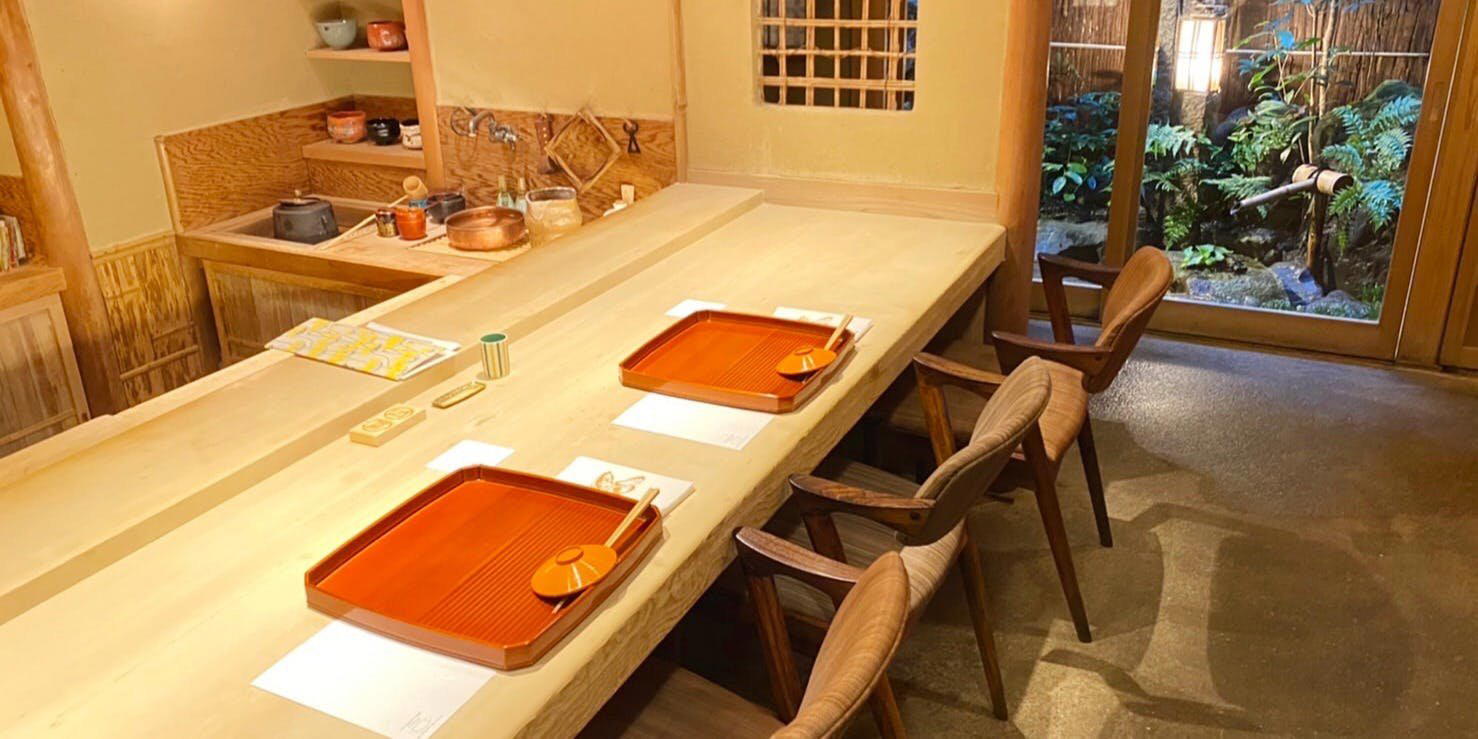
Restaurants in Kyoto
Browse all →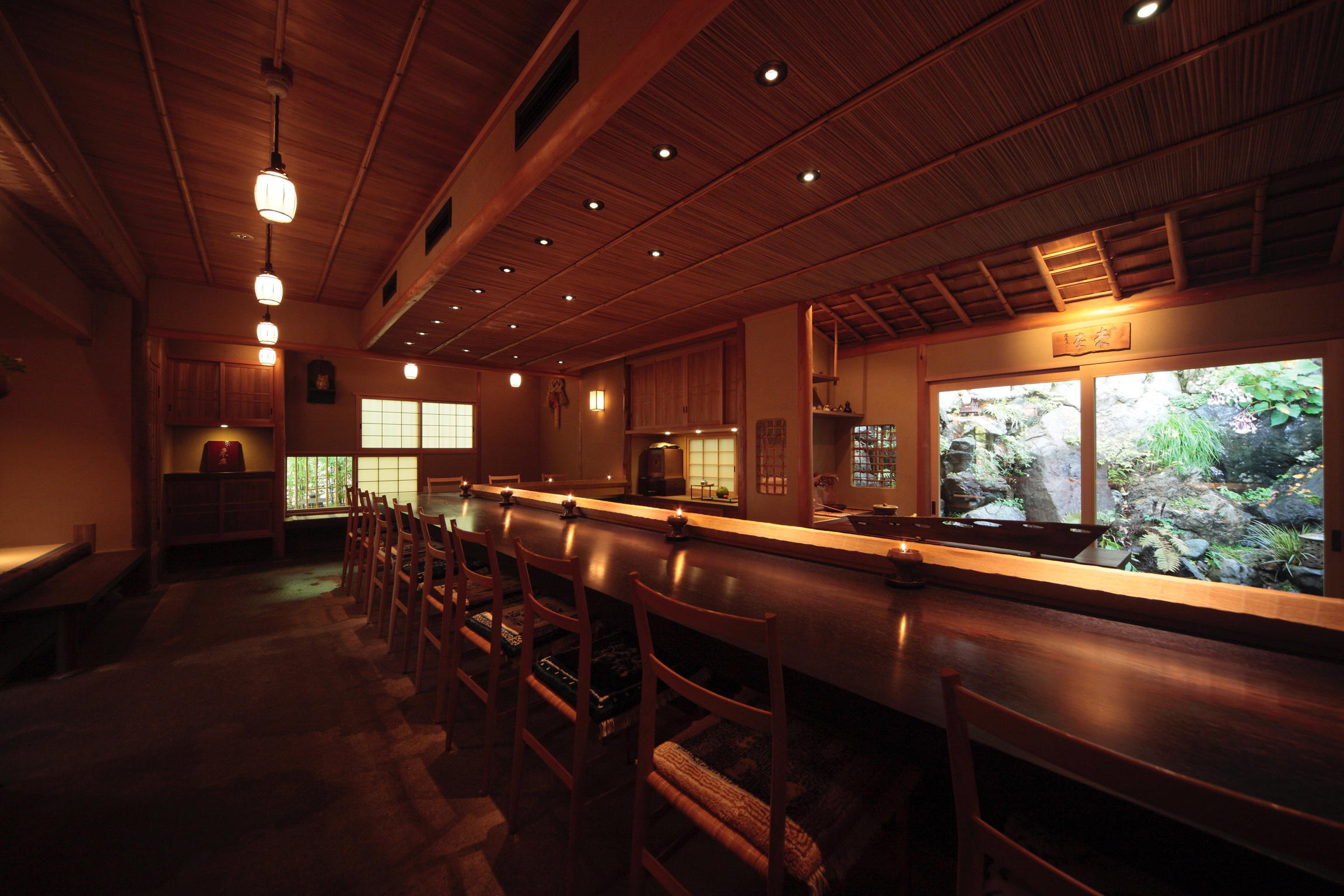
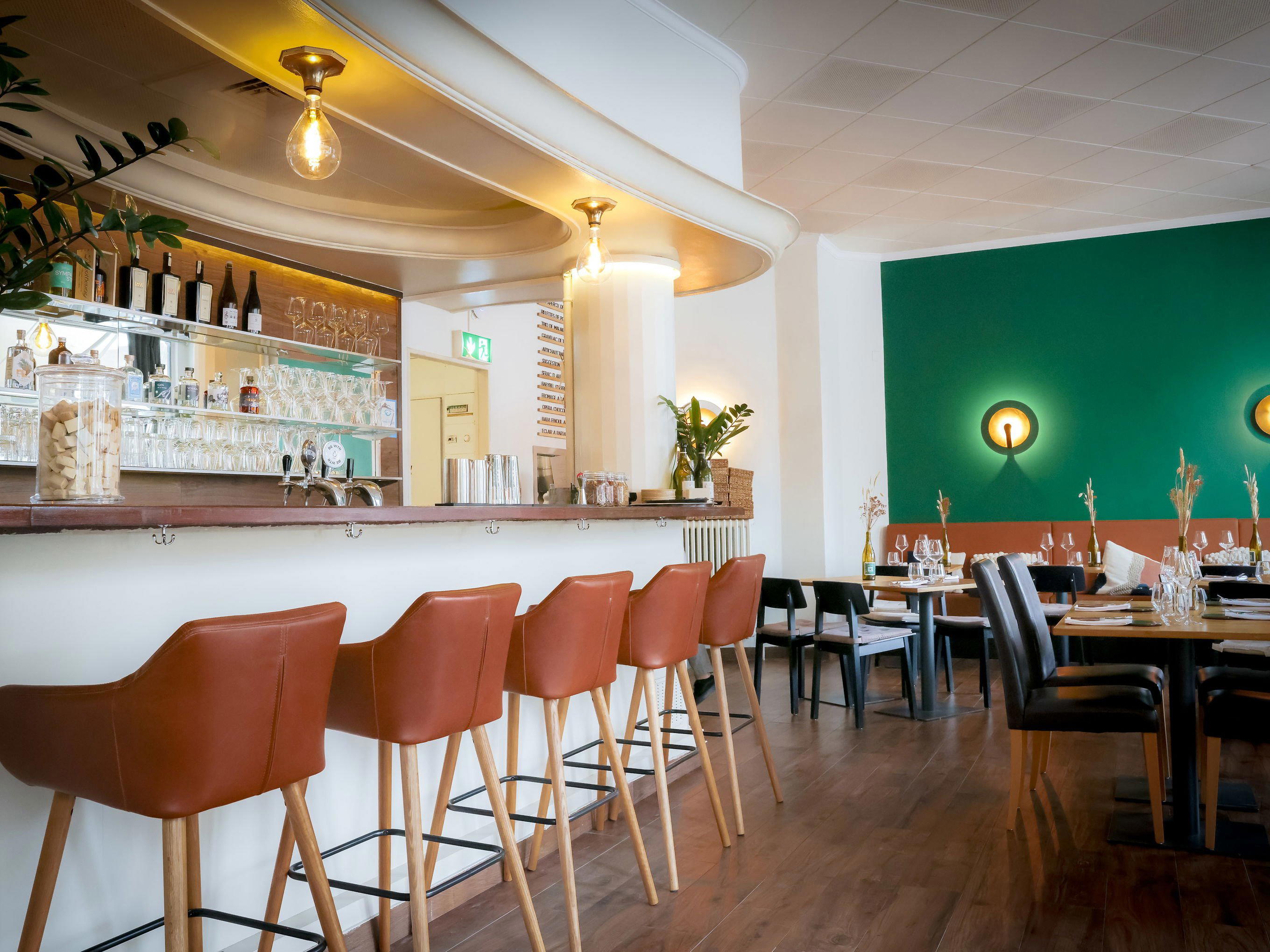
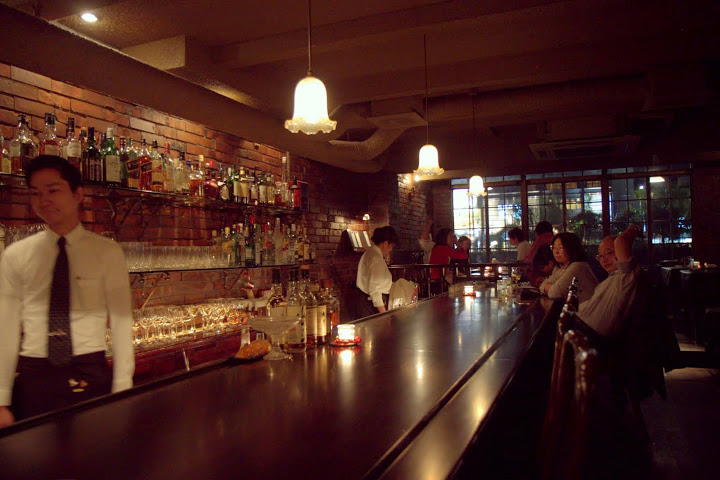
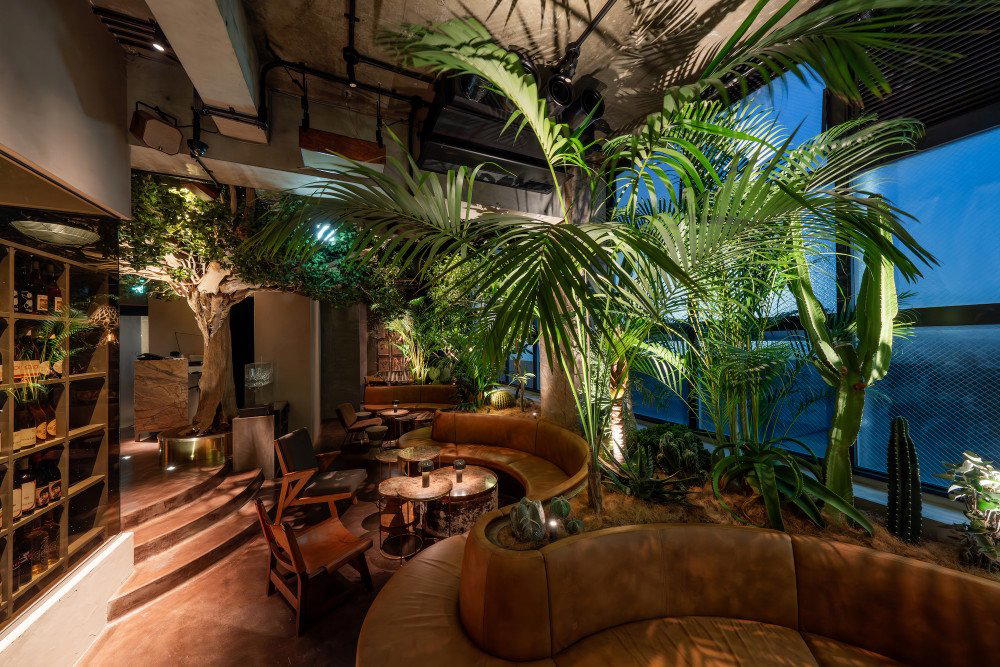
Bars in Kyoto
Browse all →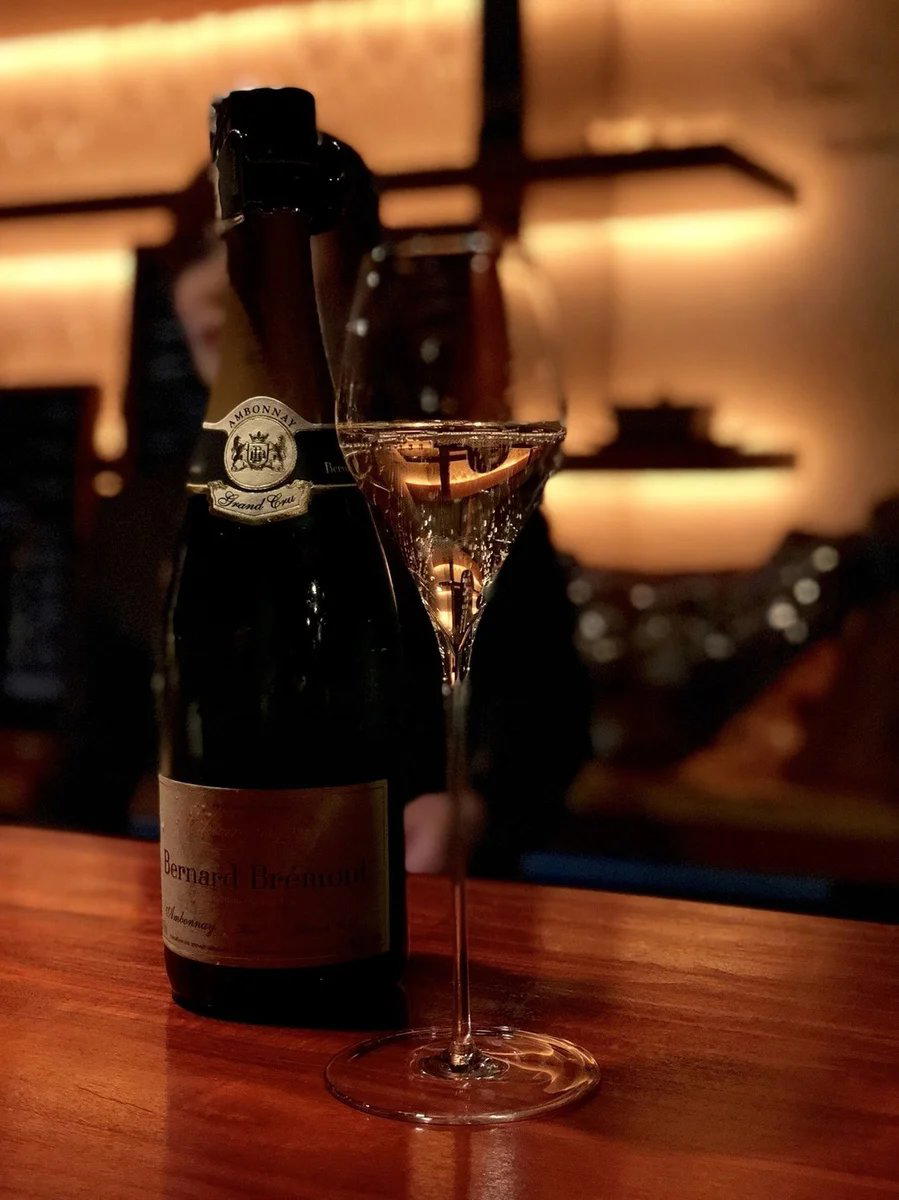
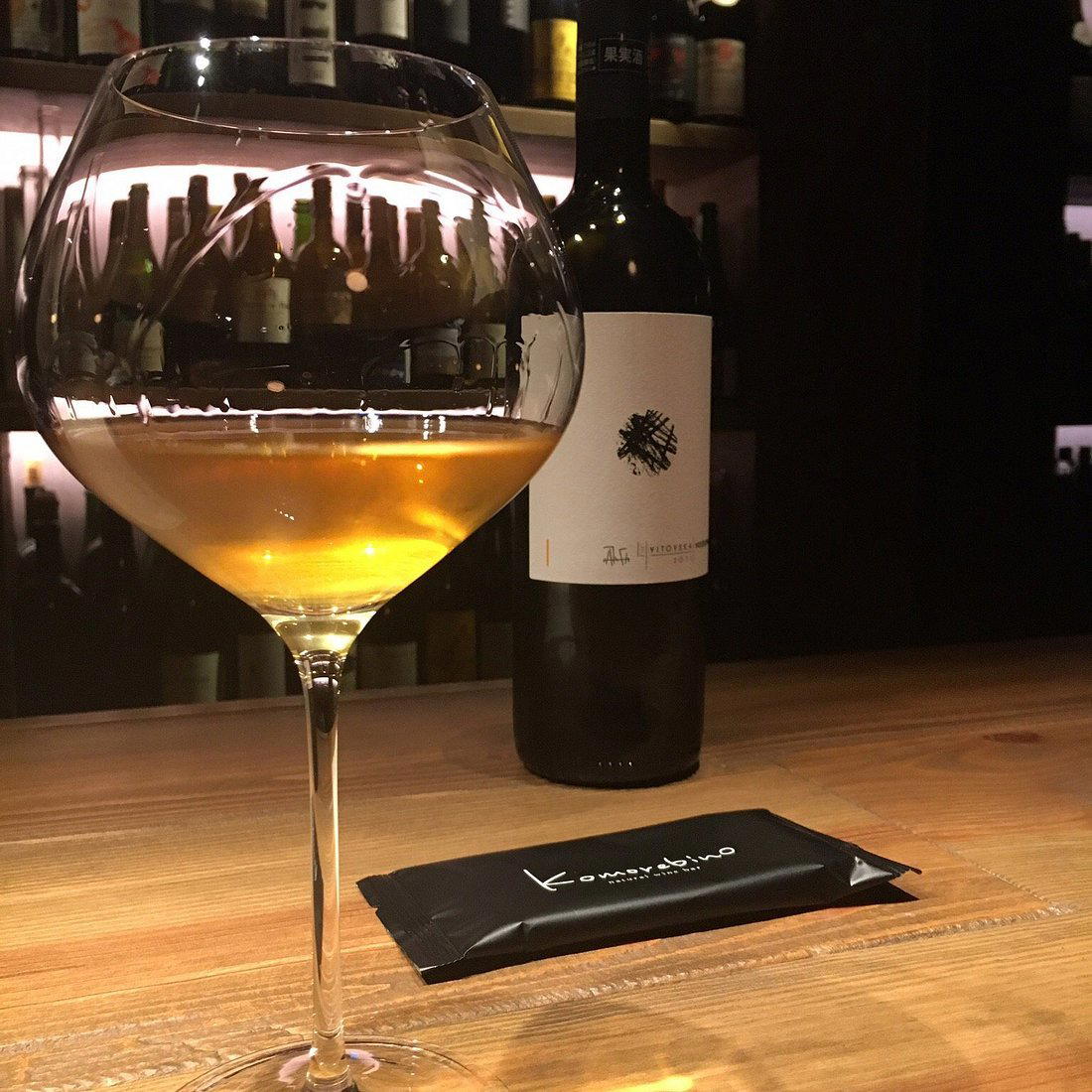

Hotels in Kyoto
Browse all →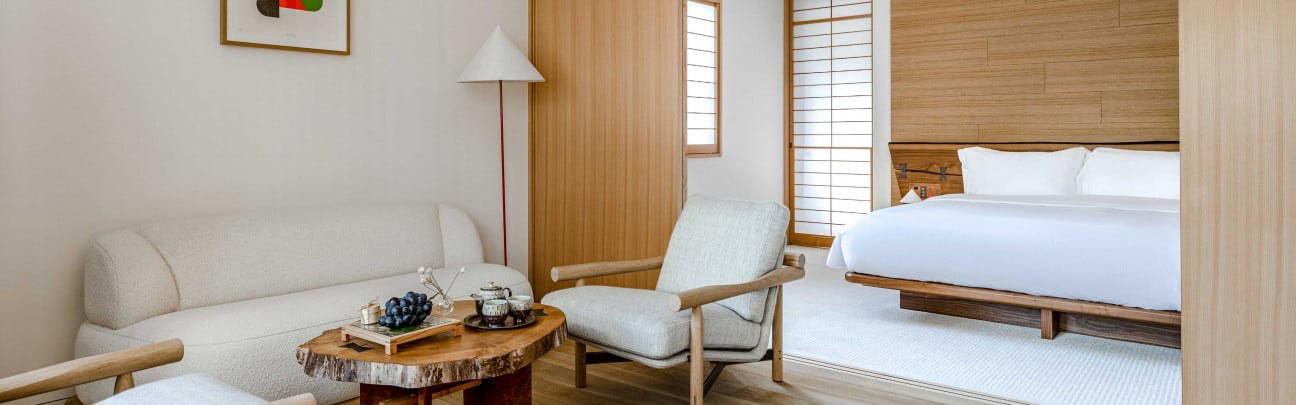
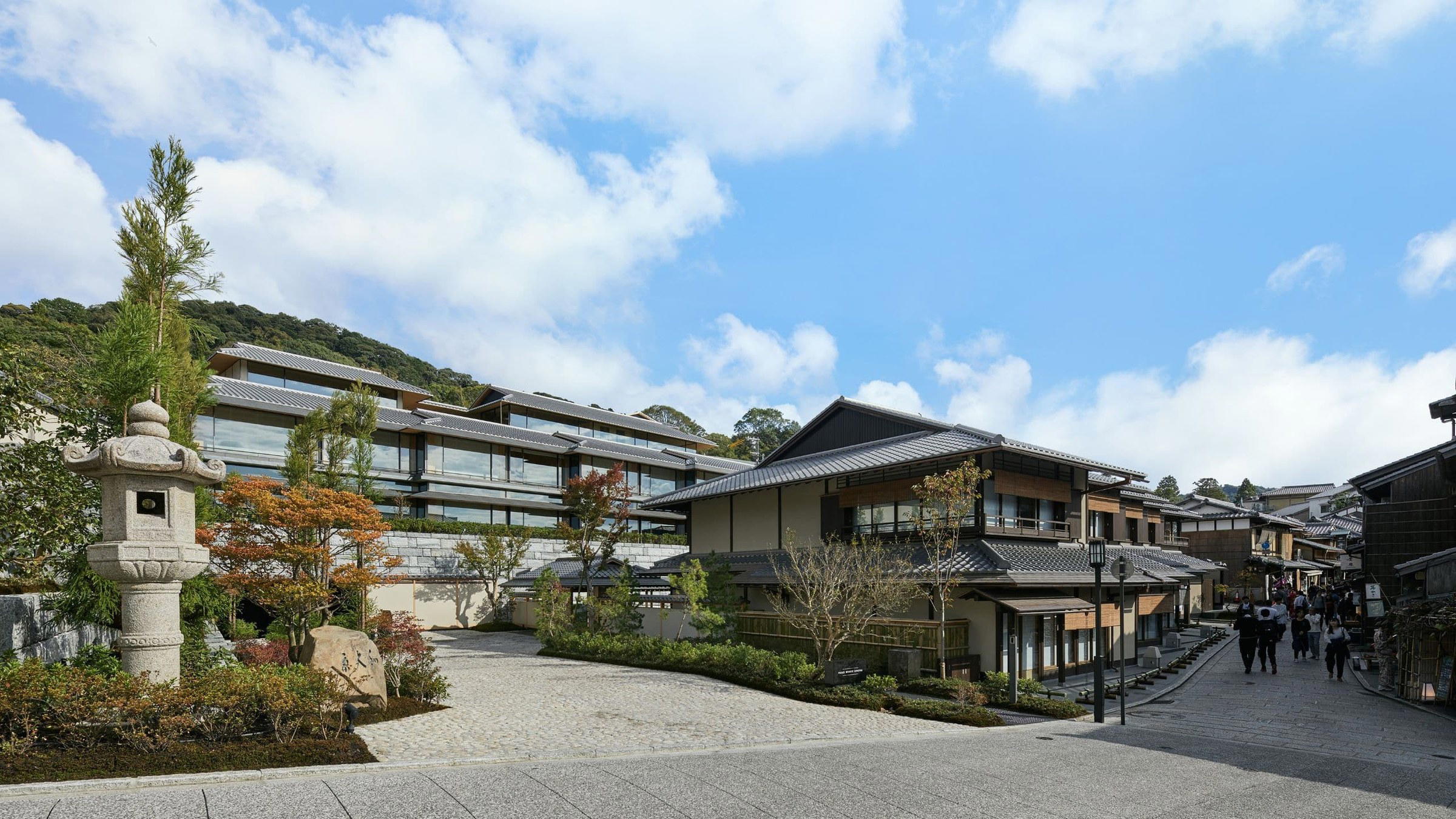
Wineries in Kyoto
Browse all →
At a Glance
- Classic
- Cozy
- Scenic
- Family
- Group Dining
- Casual Hangout
- Business Dinner
- Celebration
- Private Event
- Waterfront
- Private Dining
- Standalone
- Historic Building
- Local Sourcing
- Waterfront
- Street Scene
Current opening hours
- Monday
- 11:30 AM–1:30 PM, 5–9:30 PM
- Tuesday
- 11:30 AM–1:30 PM, 5–9:30 PM
- Wednesday
- Closed
- Thursday
- 11:30 AM–1:30 PM, 5–9:30 PM
- Friday
- 11:30 AM–1:30 PM, 5–9:30 PM
- Saturday
- 11:30 AM–1:30 PM, 5–9:30 PM
- Sunday
- 11:30 AM–1:30 PM, 5–9:30 PM
Hours can change for holidays and private events. Last verified .
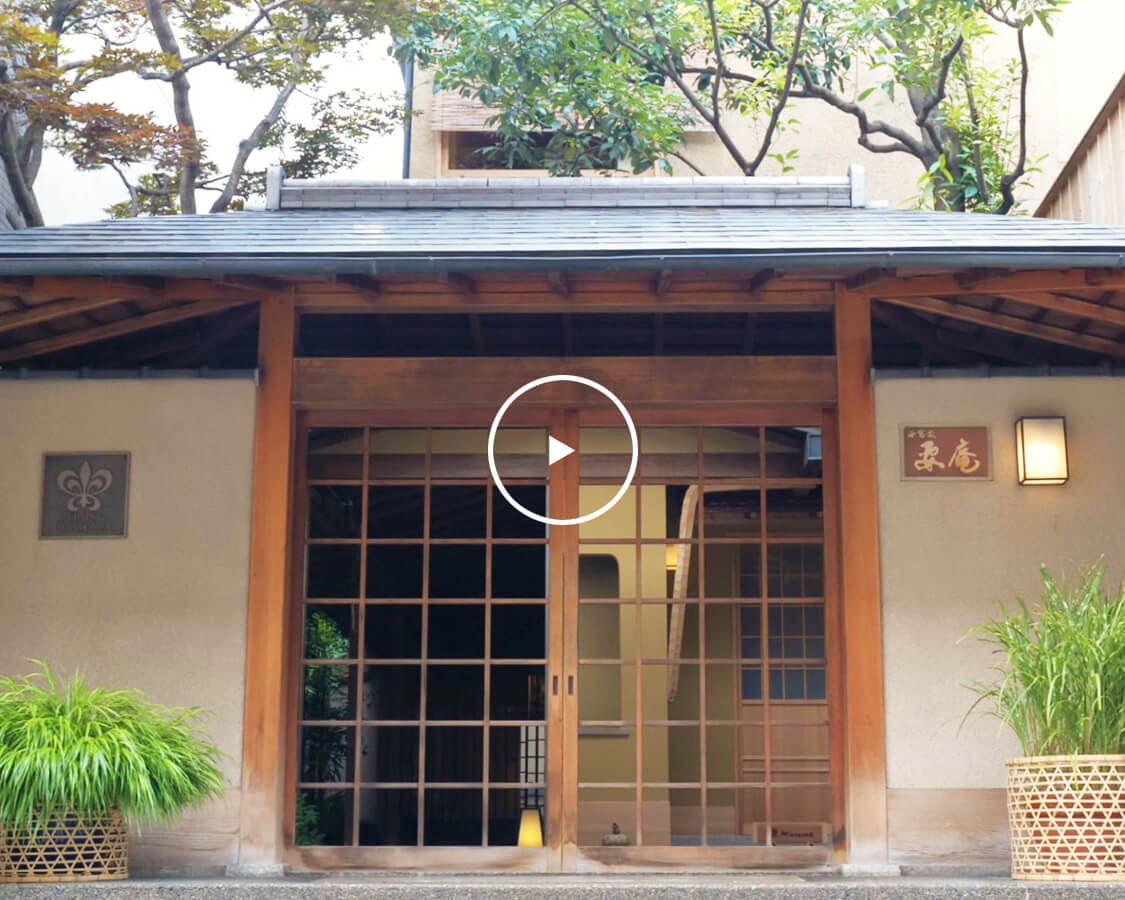
Warm, traditional Japanese interior with horigotatsu tatami seating and bright, homey halls, offering a calm, welcoming atmosphere that feels more like a neighborhood house restaurant than a formal Chinese dining room, complemented by the scenic Shirakawa riverside location.