
Ito Sen puts Kyoto Chinese cooking in a quieter register: residential Kamigyo setting, small-room intimacy, and recognition from Tabelog 100 Chinese WEST 2026 rather than hotel-restaurant spectacle. It suits diners who plan ahead, pay attention to cash logistics, and want a local dinner rhythm closer to a neighborhood house restaurant than a formal tasting-menu room.
Pearl is the En Primeur Club membership app — saves, bookings, and concierge access live there. Same editors, same standards.
- Address
- Japan, 〒602-8381 Kyoto, Kamigyo Ward, Shinseicho, 729-16
- Phone
- +81 75-463-8172
- Website
- s.tabelog.com
 Saves & bookings on Pearl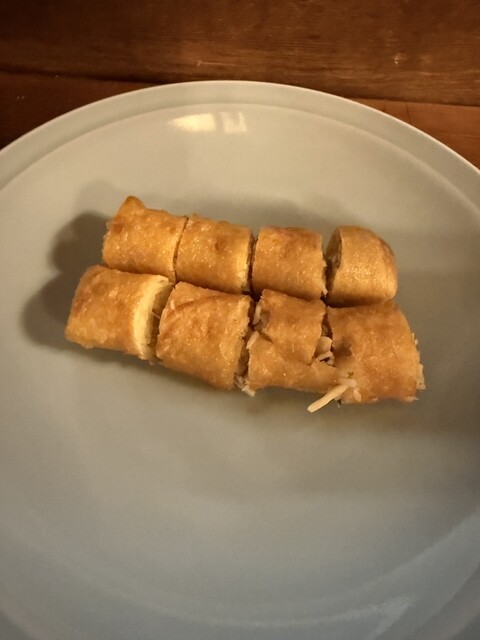
Approaching northern Kyoto changes dinner’s tempo. Beyond the central hotel corridors, Kamigyo’s lanes value modest frontages, regulars, and advance planning over glossy street presence. Here, Chinese cooking is neither lazy-Susan banquet cliché nor the hyper-luxury tasting format that dominates many international lists. It is a local category shaped by Japanese adaptation, where portioning, seasoning, sake compatibility, and room scale matter as much as regional Chinese labels.
Ito Sen fits that Kyoto pattern. Its selection for Tabelog 100 Chinese WEST 2026 places it within a vetted western-Japan group, not among Kyoto’s temple-side kaiseki rooms or downtown wine-led bistros. The point is not grandeur, but that a 44-seat Chinese restaurant in Kamigyo carries enough local confidence to compete in a category often overshadowed by sushi, kappo, tempura, and Kyoto cuisine. For a serious Kyoto eating week, that matters: the city is wider than its familiar high-end Japanese formats suggest.
Kyoto Chinese cooking, measured by restraint rather than spectacle
Chinese restaurants in Japan often follow a different grammar from Hong Kong, Shanghai, or Singapore. The cooking is filtered through Japanese expectations of pacing, clarity, and drink pairing; heavy sauces and large-format abundance give way to smaller plates, sharper sequencing, and rooms built for conversation rather than display. In Kyoto, the category is especially useful when diners need relief from formal counter meals without falling into casual noodle territory.
The restaurant’s Tabelog score of 3.65 and inclusion in the 2026 Chinese WEST 100 list give it a measurable place in the middle-to-serious tier. It is not priced or framed like a luxury hotel Chinese dining room, and it needs no omakase-counter theater to justify attention. The draw is Chinese cooking at a scale that fits Kyoto’s quieter residential dining culture. Ito Sen belongs to the same habit, though its lane is Chinese rather than sweets, tempura, or ramen.
That specialization makes this a planning-led meal. Visitors often overfill central itineraries and leave northern dinners to chance, missing how much strong neighborhood eating sits away from the main hotel axis. Kamigyo rewards diners who treat dinner as a fixed evening point, not a fallback after sightseeing. For broader city context, compare it with Our full Kyoto restaurants guide, then keep the rest of the night deliberately simple.
A house-restaurant rhythm in Kamigyo
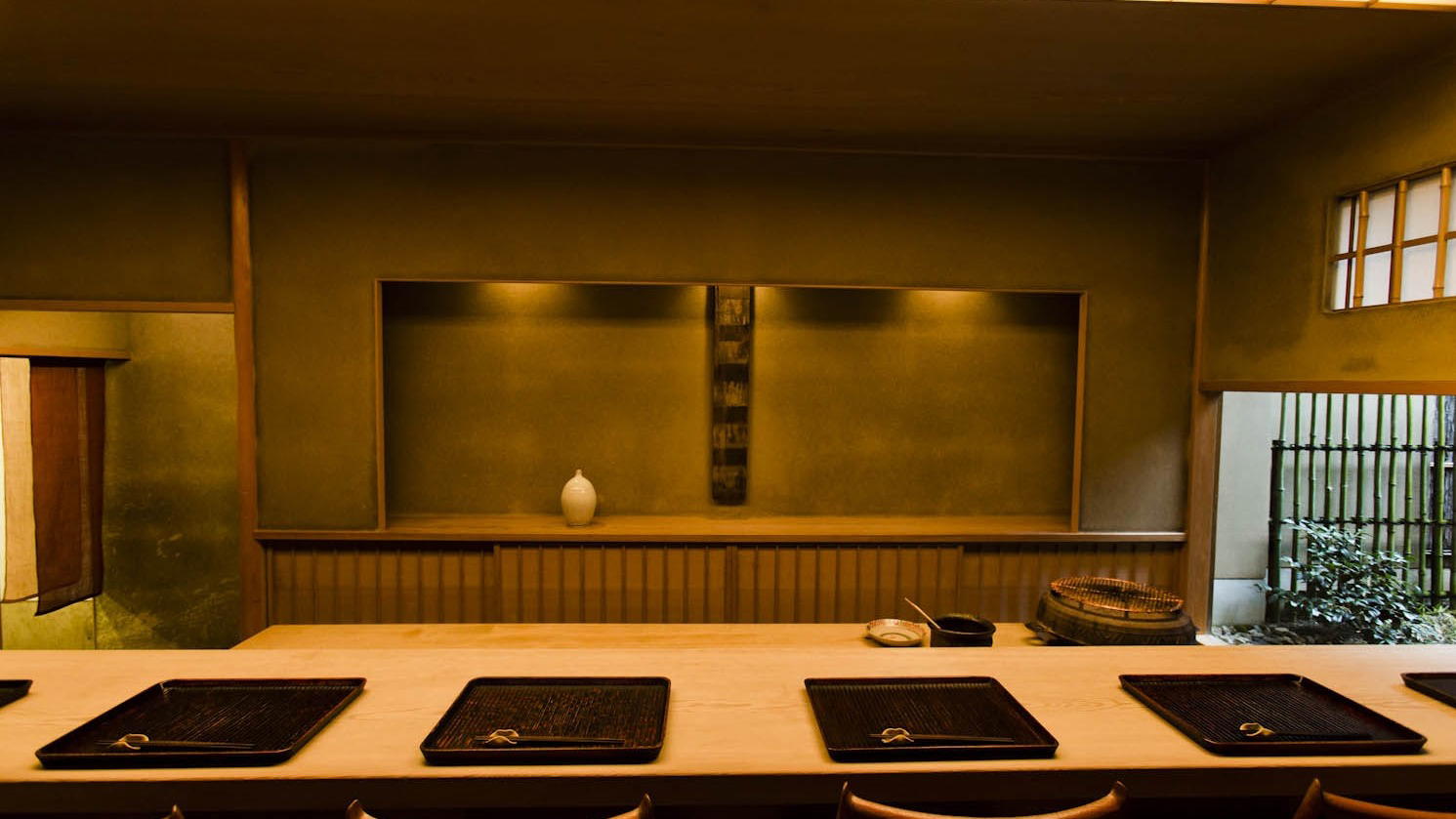
The room format is part of the argument. Seating is listed at 44, with counter seating, table seating, tatami space, and private-room availability. The mix suits several Kyoto uses at once: small groups, regular dinners, and contained gatherings that do not need the ceremony of a private kaiseki room. Non-smoking status and sake availability place it in a contemporary local-dining frame, where Chinese food is not isolated from Japanese drinking culture.
Kamigyo suits this meal because it sits outside visitor-heavy corridors while staying deeply connected to old Kyoto. Around Kitano Hakubaicho and Kamishichiken, the evening mood differs from Shijo or Kyoto Station: less transit convenience, more neighborhood commitment. The reservation is therefore part of the point. The table is not just a slot; it is a decision to spend dinner in northern Kyoto and let the evening follow that geography.
Do not treat every award-listed Kyoto restaurant as the same target. A Tabelog 100 Chinese WEST selection says something different from a Michelin kaiseki listing or hotel dining-room accolade. Here, the recognition points to category credibility, repeat local appeal, and consistency among western Japan’s Chinese restaurants. It does not promise luxury ritual; it signals a restaurant operating above anonymous neighborhood level while keeping the form grounded.
That groundedness helps on a long itinerary. Kyoto can become overly formal if every dinner means counter seats, chef-led pacing, and ceremonial service. A Chinese dinner in Kamigyo offers another register: structured enough to warrant advance attention, relaxed enough for friends, and specific enough to show how Kyoto eats beyond its exported image. Ito Sen earns its place because format, category recognition, and neighborhood location align.
How to place it within a Kyoto itinerary
The practical question is whether the evening can support a northern Kyoto anchor. If the day already includes Kitano Tenmangu, Nishijin, or the older residential quarters above the central grid, the meal fits naturally. If the night continues in Gion, Pontocho, or Kyoto Station, logistics need more intent. That is not a flaw; it is the cost of eating beyond the obvious restaurant belt.
The value proposition is specific. Dinner sits in a modest mid-range Kyoto band, making the restaurant relevant for travelers who want award recognition without the budget or duration of high-end tasting menus. Cash-only payment also changes planning. In Japan, that is not quaint; it is operational. Arrive prepared and the evening runs smoothly. Treat it like a casual drop-in and the restaurant’s local systems will feel less forgiving.
For a wider Kyoto plan, use 3TOKU6MI Shijo karasuma ten, 551蓬莱, [ki:], Abbesses, and Aburi Mochi Honke Nemoto Kazariya as contrasting reference points, not substitutes. They map central convenience, casual appetite, contemporary cooking, French-inflected dining, and old Kyoto sweets. For sleep, drinks, wine context, and activities on the same trip, keep Our full Kyoto hotels guide, Our full Kyoto bars guide, Our full Kyoto wineries guide, and Our full Kyoto experiences guide close.
The national comparison is useful only broadly. Japan rewards specialists at every price tier, from -Grilled beef Sukiyaki- KAMAKURA TANUKIAN 鎌倉 たぬき庵 in Kamakura and. 鮪と炭火焼き うお炭 秋葉原店 in Tokyo to.cafe in Osaka.know in Kumamoto, (Shoku) Vietnam in Kawasaki, and [Curry Senmon Ten] Maruyama Kyoju. in Sapporo. Outside Japan, Jōdo Saké Bar in Los Angeles and Onigiri Time in Pasadena show how specific formats travel and tighten around a clear idea. Kyoto’s version is quieter: match the right restaurant to the right part of the city, then plan precisely enough for the meal to work.
Cuisine Context
Comparable venues in the metro at similar price points.
| Venue | Cuisine | Price | Notes |
|---|---|---|---|
| Ito SenThis venue — the venue you are viewing | Kyoto-style Chinese (Cantonese influence) | $$ | Not listed |
| 微風台南 | Authentic Taiwanese Street Food | $$ | 上京区 |
| Din Tai Fung (鼎泰豊) | Taiwanese Dim Sum | $$ | Shimogyo-ku |
| Yamamoto Menzo (山元麺蔵) | Authentic Kyoto-Style Udon | $$ | Okazaki |
| Kichi Kichi Omurice | Japanese Omurice | $$ | Gion |
| Marukyu Koyamaen Nishinotouin ten | Traditional Japanese tea house & sweets cafe | $$ | Nakagyō |
Recognition history
Dated appearances from independent guides and award organizations, with the underlying list record or original source where available.
Tabelog 100 #18 · No. 18
Tabelog · Tabelog 100 - Chinese cuisine - WEST - 2026
Continue exploring
More in Kyoto
Restaurants in Kyoto
Browse all →
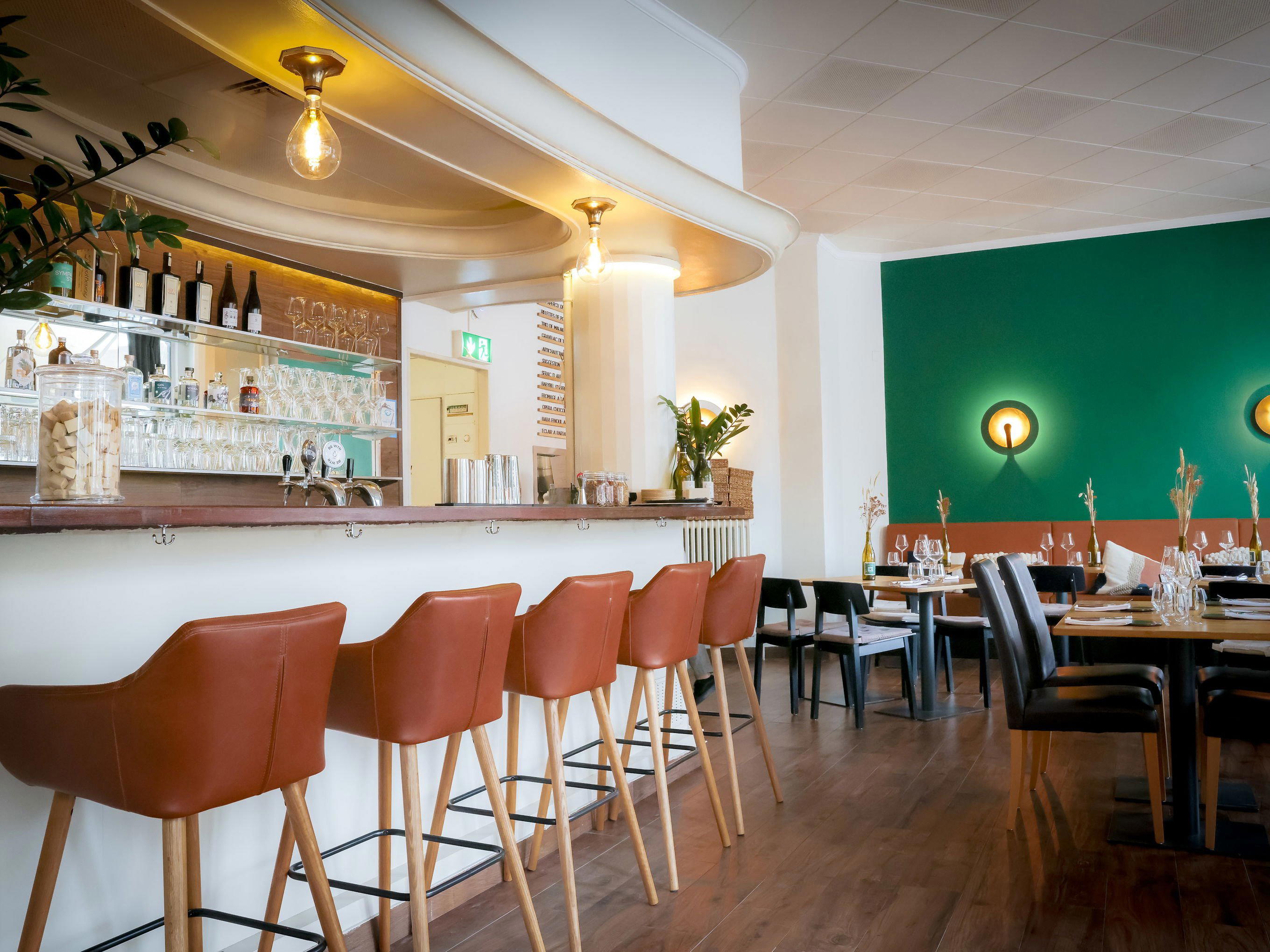
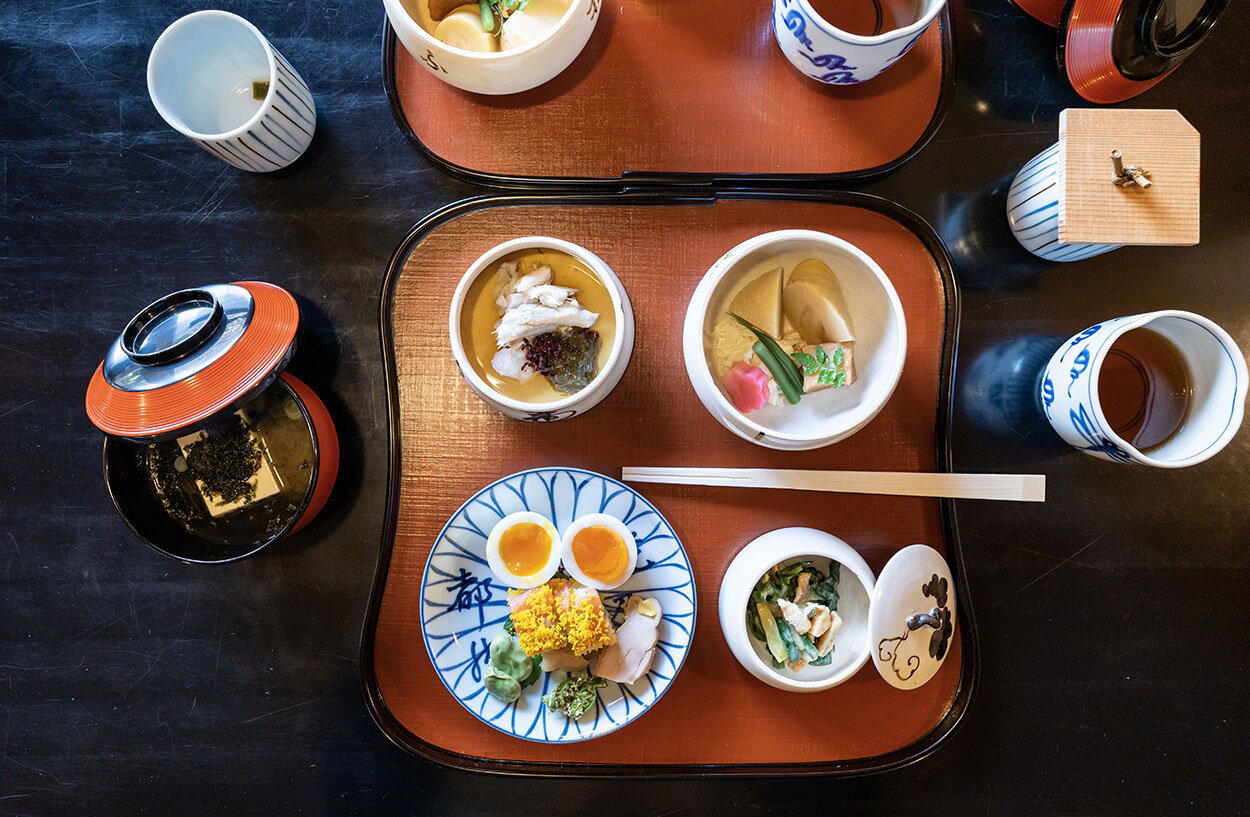
Bars in Kyoto
Browse all →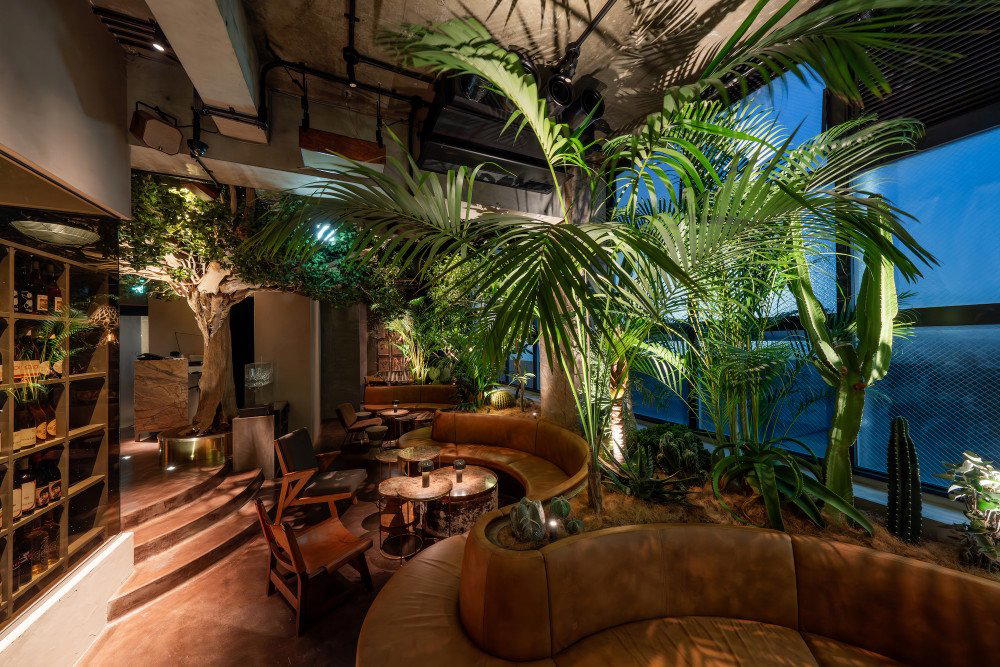
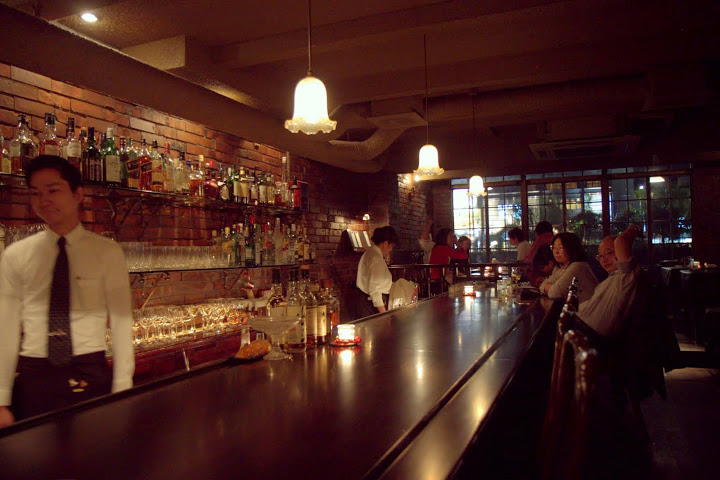
Hotels in Kyoto
Browse all →
Wineries in Kyoto
Browse all →
At a Glance
- Cozy
- Classic
- Group Dining
- Family
- Casual Hangout
- Celebration
- Business Dinner
- Standalone
- Historic Building
- Private Dining
Current opening hours
- Monday
- 5:30–9 PM
- Tuesday
- Closed
- Wednesday
- Closed
- Thursday
- 5:30–9 PM
- Friday
- 5:30–9 PM
- Saturday
- 5:30–9 PM
- Sunday
- 5:30–9 PM
Hours can change for holidays and private events. Last verified .
The restaurant occupies a traditional house-like space with a relaxed, quietly bustling atmosphere, combining counter seats, tatami rooms, and simple classic decor that feels like a cozy neighborhood hideout rather than a formal Chinese banquet hall.