

Tabelog 100 #11
Our verdict
A kaiseki address in Nishiazabu that has earned a place on the Opinionated About Dining Casual Japan list for 2025, ranked 107th nationally. Dal-Matto operates within Tokyo's mid-tier kaiseki tier, where seasonal ingredient sourcing and dashi craft set the standard rather than Michelin points alone.

Pearl is the En Primeur Club membership app, where members save venues, book tables and use the concierge.
The menu
What to order
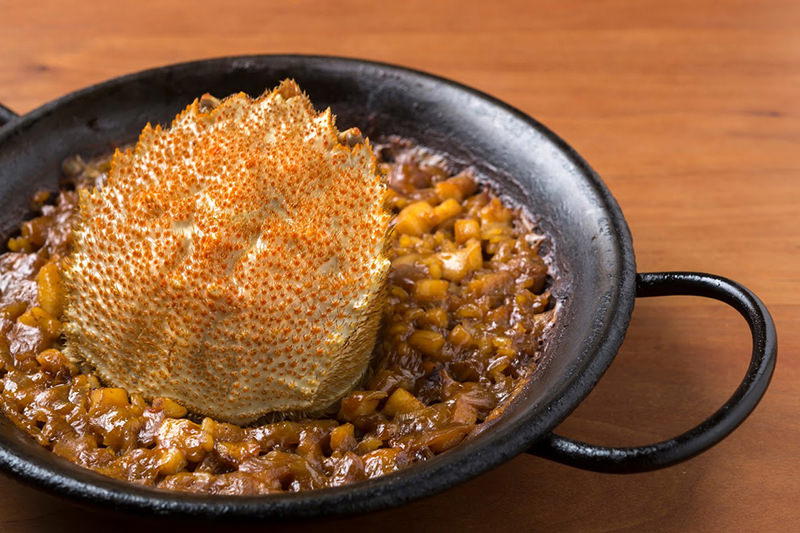
- Cold pasta with seasonal fruits
- A5 Rank Yamagata Beef Bistecca
- Fresh sea urchin pasta
- Homemade Taglioni with fermented butter and bottarga
Where Nishiazabu Meets the Kaiseki Tradition
The streets around Nishiazabu have long operated at a remove from the tourist circuits of Shinjuku or Shibuya. This part of Minato City, tucked between Roppongi's late-night energy and the quieter residential avenues heading toward Hiroo, has accumulated a dining identity built on discretion. The buildings are low, the signage modest, and the restaurants inside them tend to assume that guests already know what they are looking for. Dal-Matto, occupying the ground floor of a compact building on 1 Chome-10-8, fits that pattern precisely. Nothing about the exterior announces itself to the street.
That restraint is not accidental. It reflects a broader posture shared by much of Tokyo's kaiseki tier outside the headline Michelin bracket. Where venues like Kikunoi - Tokyo carry the institutional weight of an established Kyoto lineage transplanted to the capital, and where Roppongi-adjacent kaiseki addresses such as RyuGin operate at the ¥¥¥¥ tier with three-star recognition, Dal-Matto positions itself differently: present enough to register on national radar, understated enough to remain primarily a neighbourhood address.
The Ingredient Logic of Kaiseki
Kaiseki is, at its structural core, a cuisine of raw material deference. The format exists to showcase what is seasonal and what is sourced, not to impose technique on reluctant ingredients. Dashi is the foundation on which the entire argument rests. In Kyoto, that foundation is typically drawn from kombu harvested in Hokkaido and katsuobushi from Kagoshima; the specific provenance of each component is understood as inseparable from the flavour logic of the dish. Tokyo's kaiseki kitchens inherit this grammar, but operate within a city that aggregates Japan's finest produce markets, Toyosu for fish, direct-farm relationships for mountain vegetables, and a density of specialist suppliers that allows even mid-tier addresses to work with materials that would have been inaccessible a generation ago.
Dal-Matto sits in the casual tier of that tradition, a designation confirmed by its 2025 ranking of 107th on the Opinionated About Dining Casual Japan list. The OAD Casual distinction matters here: it signals a kitchen that takes its sourcing and technique seriously without the ceremony-to-price inflation that characterises the Michelin upper bracket. Comparable addresses in this OAD tier, such as Hirosaku and Akasaka Ogino, tend to emphasise the purity of individual ingredients over architectural plating, and their dining formats reflect that priority.
In seasonal terms, kaiseki tracks the Japanese agricultural calendar with a specificity that most other cuisines do not attempt. Spring brings bamboo shoots and cherry blossom-adjacent garnishes; summer calls for ayu sweetfish and chilled preparations designed to suggest coolness; autumn pivots to matsutake mushroom, chestnuts, and the first of the season's fatty fish. Winter is the season most kaiseki kitchens consider their strongest hand, with fugu, snow crab, and the deepest, most mineral dashi profiles arriving together. A visit to Dal-Matto at any point in the year will deliver a different set of primary ingredients, and the kitchen's relationship to those materials is where the real evaluation happens.
Nishiazabu in Context
The neighbourhood that surrounds Dal-Matto is worth understanding on its own terms. Nishiazabu is not a dining destination in the way that Ginza or Minami-Aoyama is. It lacks the retail density that drives walk-in traffic, and its residential character means that most visitors arrive by intention rather than by proximity. That self-selecting audience tends to correlate with a more engaged dining room: the guests at Nishiazabu restaurants, whether izakaya or kaiseki, generally came specifically for that meal rather than drifting in after shopping.
For visitors to Tokyo building a wider itinerary around Japanese fine dining, Nishiazabu sits within easy reach of several anchor addresses. Aoyama Jin operates nearby in the broader Aoyama corridor, while the Roppongi axis connects this part of the city to an unusually dense cluster of destination restaurants. Our full Tokyo restaurants guide maps the competitive set across neighbourhoods and price tiers, useful for situating Dal-Matto within a multi-day eating plan.
The Casual Kaiseki Tier: Where Dal-Matto Competes
The OAD Casual Japan ranking positions Dal-Matto within a specific competitive tier that is worth examining. At the upper end of Tokyo kaiseki, venues like RyuGin (Michelin 3 Stars, ¥¥¥¥) charge accordingly for the full theatrical architecture of a long-form tasting sequence. Below that bracket, the casual kaiseki category contains kitchens that apply equally serious ingredient sourcing and seasonal discipline, but within a more compressed format and at a price point that allows for return visits rather than annual pilgrimages.
At the top of the Michelin bracket, ratings tend toward the mid-to-high 4s but on far fewer reviews, since meal frequency is inherently limited by price and availability. A 4.4 across 146 responses suggests a kitchen delivering consistent quality to a repeat-visit audience, which is the right kind of signal for a kaiseki address operating below the ¥¥¥¥ ceiling.
For those comparing kaiseki experiences across Japanese cities, the tradition reads differently depending on geography. Gion Sasaki in Kyoto and Ifuki and Ankyu in Kyoto represent the tradition in its home city, where kaiseki carries both its oldest institutional weight and its most codified seasonal rules. Tokyo's version has always been slightly more adaptive, absorbing influences from French technique and from the city's role as Japan's primary produce aggregator. HAJIME in Osaka and Goh in Fukuoka extend the comparison further, each representing regional inflections on the same seasonal-ingredient logic.
Planning a Visit
The Nishiazabu address places Dal-Matto within the Minato City ward, accessible from Hiroo Station on the Hibiya Line or from Roppongi Station on the Hibiya and Oedo lines. Neither is a short walk, and the building is on a side street rather than a main arterial, so first-time visitors should allow extra navigation time and confirm the exact building before arriving. For those building a Tokyo stay around this kind of dining, our full Tokyo hotels guide covers accommodation options across Minato City and adjacent wards, and our Tokyo bars guide maps post-dinner options in the Roppongi and Nishiazabu corridor. Our Tokyo experiences guide and Tokyo wineries guide are also available for broader trip planning.
For those considering kaiseki outside Tokyo entirely, akordu in Nara, 1000 in Yokohama, and 6 in Okinawa each offer regional perspectives worth comparing against the Tokyo baseline.
Know Before You Go
- Address: 1 Chome-10-8 第2大晃ビル 1F, Nishiazabu, Minato City, Tokyo 106-0031
- Cuisine: Kaiseki
- OAD Ranking: Casual Japan #107 (2025)
- Nearest Stations: Hiroo (Hibiya Line) or Roppongi (Hibiya / Oedo lines), confirm walking route before arrival
- Price Range:
- Hours:
Frequently asked questions
What is the signature dish at Dal-Matto?
Dal-Matto operates within the kaiseki format, which means the menu changes with the season rather than rotating around a fixed signature dish. The cuisine's logic is ingredient-first: dashi quality, the provenance of seasonal produce, and the kitchen's handling of whatever the current season delivers are the real through-line. In winter that typically means snow crab and the deepest mineral dashi profiles; in autumn, matsutake mushroom and fatty fish. Any dish described as a permanent signature would be at odds with the tradition the restaurant works within.
Accolades, Compared
| Venue | Cuisine | Price | Awards | Notes |
|---|---|---|---|---|
| Dal-MattoThis venue (the venue you are viewing) | Seasonal Italian Omakase | $100–150 | Tabelog 100 #11 | Not listed |
| Harutaka | Edo-Style Omakase Sushi | $200–300 | 3 Michelin Stars · World's 50 Best #76 | Sushi |
| RyuGin | Modern Kaiseki | $500+ | 3 Michelin Stars · World's 50 Best #41 | Kaiseki, Japanese |
| L'Effervescence | Modern French with Japanese Influences | $200–300 | 3 Michelin Stars · World's 50 Best #69 | French |
| HOMMAGE | Modern French with Japanese Influences | $150–200 | 2 Michelin Stars · World's 50 Best #78 | Innovtive French, French |
| MAZ | Innovative Peruvian-Japanese Fusion | $150–200 | 2 Michelin Stars · World's 50 Best #28 | Innovative |
Recognition history
Dated appearances from independent guides and award organizations, with the underlying list record or original source where available.
Opinionated About Dining Casual in Japan Highly Recommended
Opinionated About Dining
Tabelog 100 #11 · No. 11
Tabelog · Tabelog 100 - Italian - TOKYO - 2025
Full recognition history (3 entries)
Opinionated About Dining Casual in Japan Ranked #107
Opinionated About Dining
Continue exploring
More in Tokyo
More from Chef Various
Browse all →
Restaurants in Tokyo
All restaurants in Tokyo →

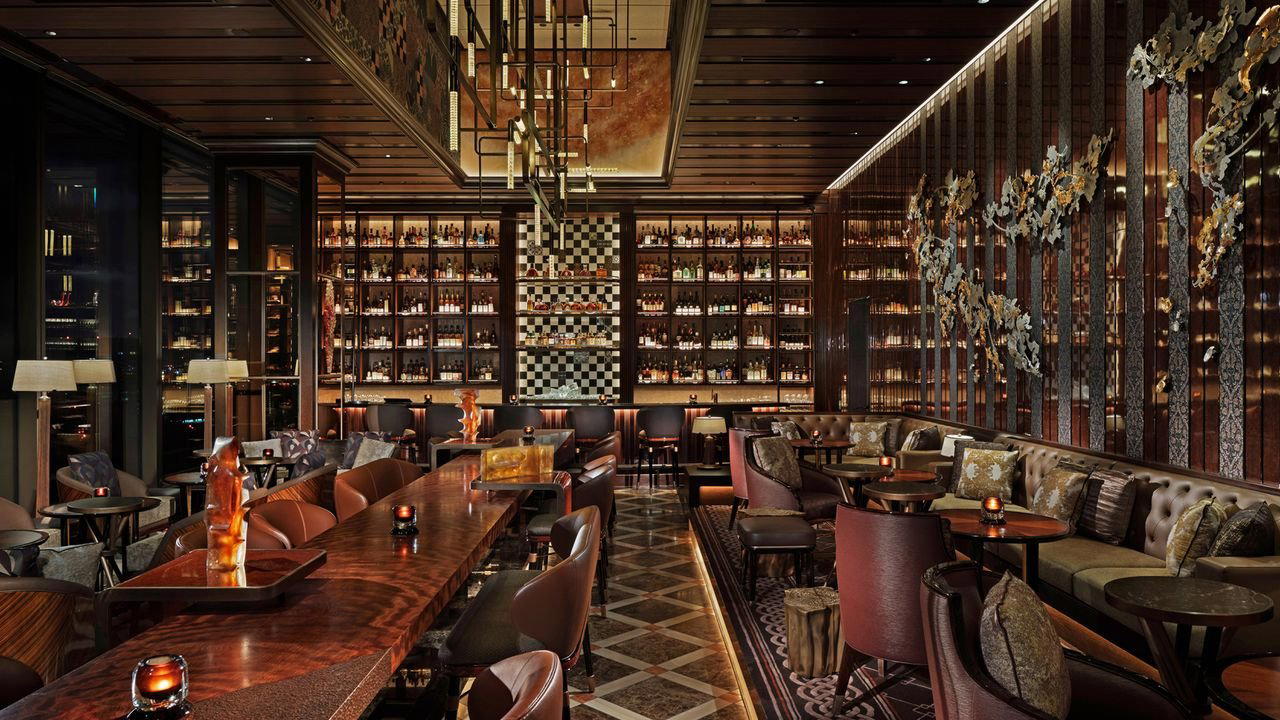
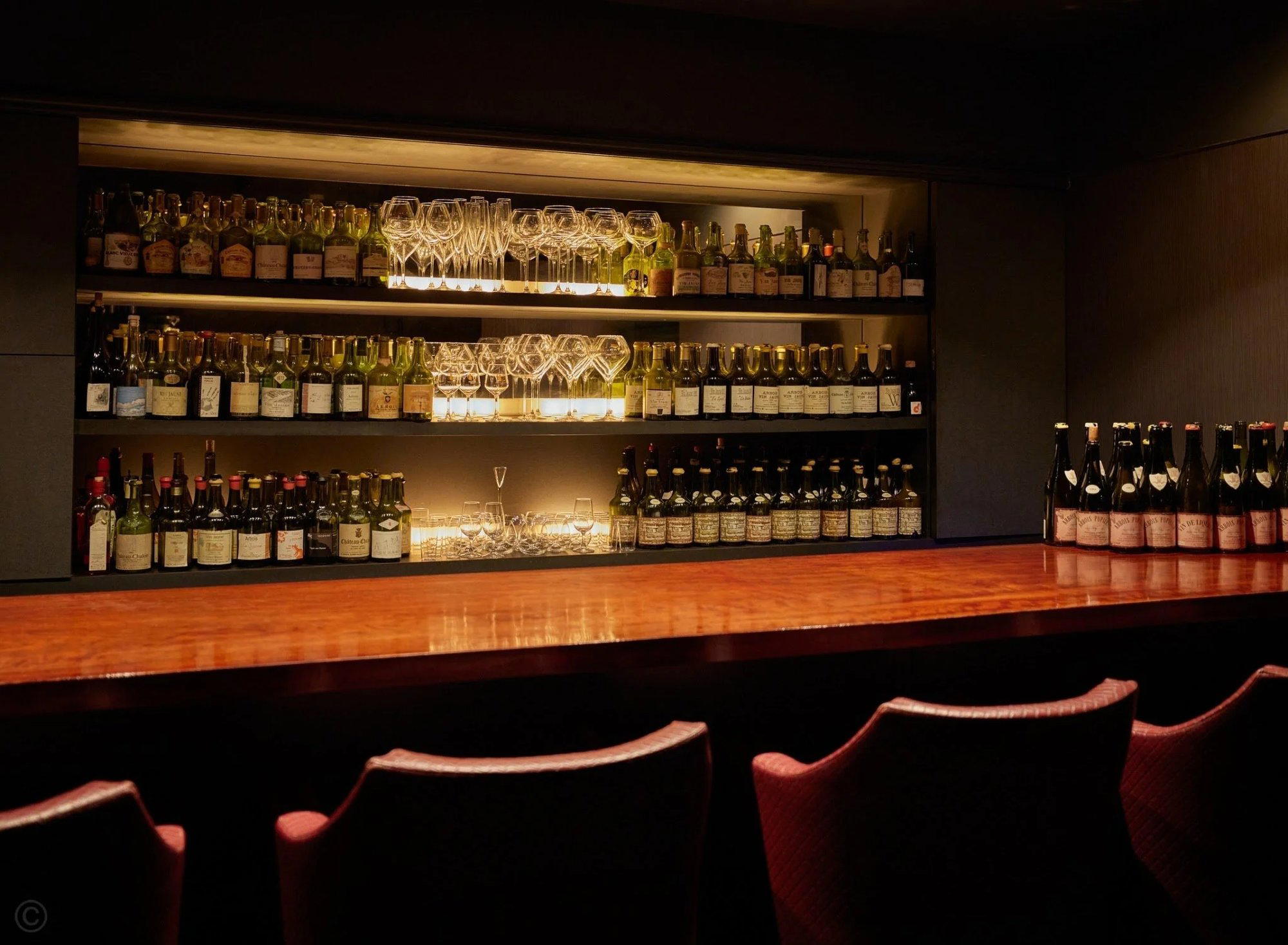
Bars in Tokyo
All bars in Tokyo →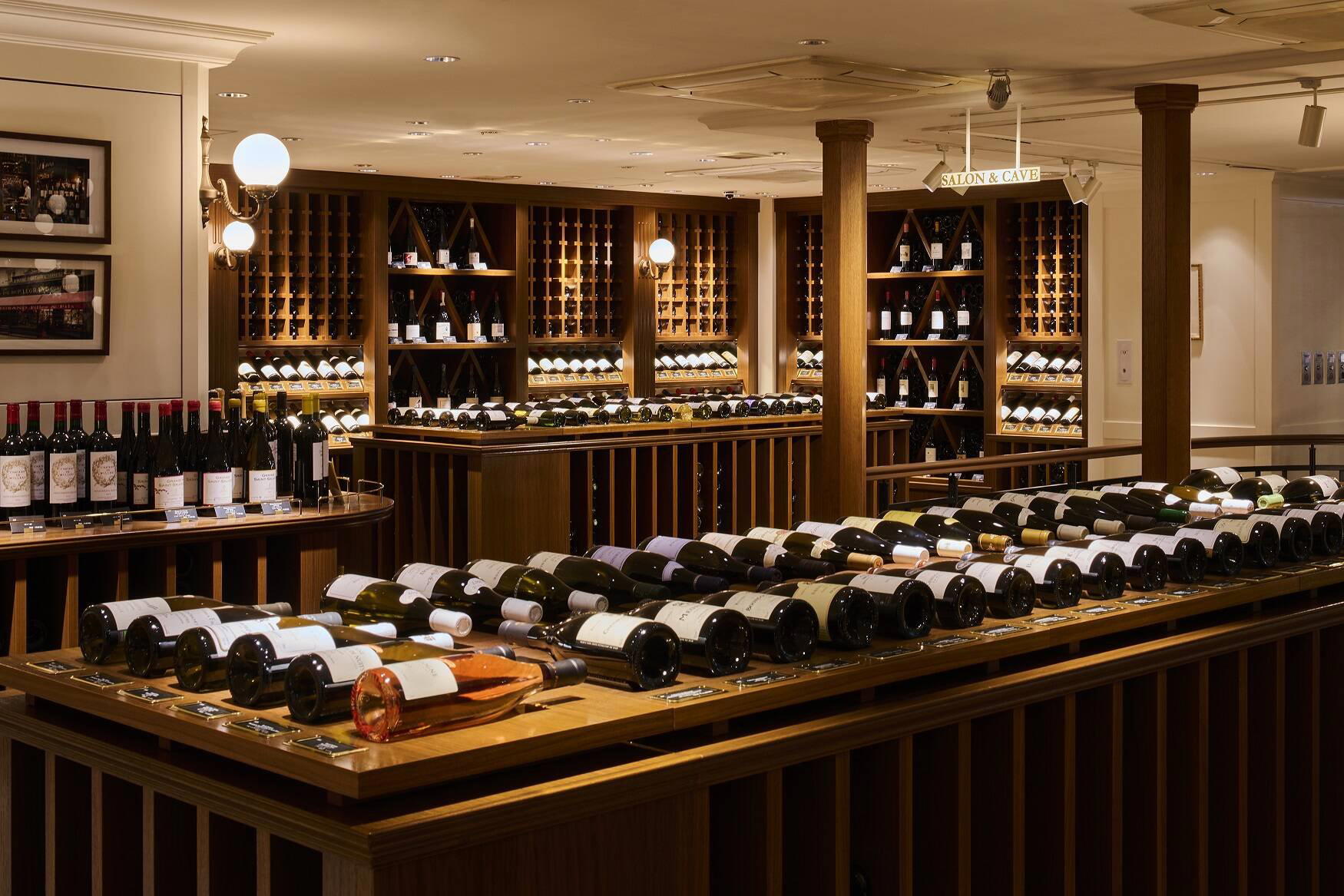





Details
- Elegant
- Intimate
- Sophisticated
- Modern
- Date Night
- Special Occasion
- Business Dinner
- Open Kitchen
- Chefs Counter
- Sommelier Led
- Farm To Table
- Organic
- Local Sourcing
- Omakase
- Set Menu
- A La Carte
- Wine
- Spumante
- Allergy Accommodating
Current opening hours
- Monday
- 11:30 AM–3:30 PM, 5:30–10 PM
- Tuesday
- 11:30 AM–3:30 PM, 5:30–10 PM
- Wednesday
- 11:30 AM–3:30 PM, 5:30–10 PM
- Thursday
- 11:30 AM–3:30 PM, 5:30–10 PM
- Friday
- 11:30 AM–3:30 PM, 5:30–10 PM
- Saturday
- 11:30 AM–3:30 PM, 5:30–10 PM
- Sunday
- 11:30 AM–3:30 PM, 5:30–10 PM
Hours can change for holidays and private events. Hours as of .
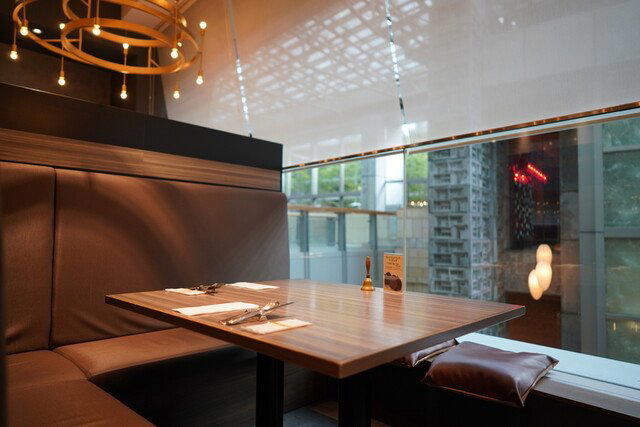
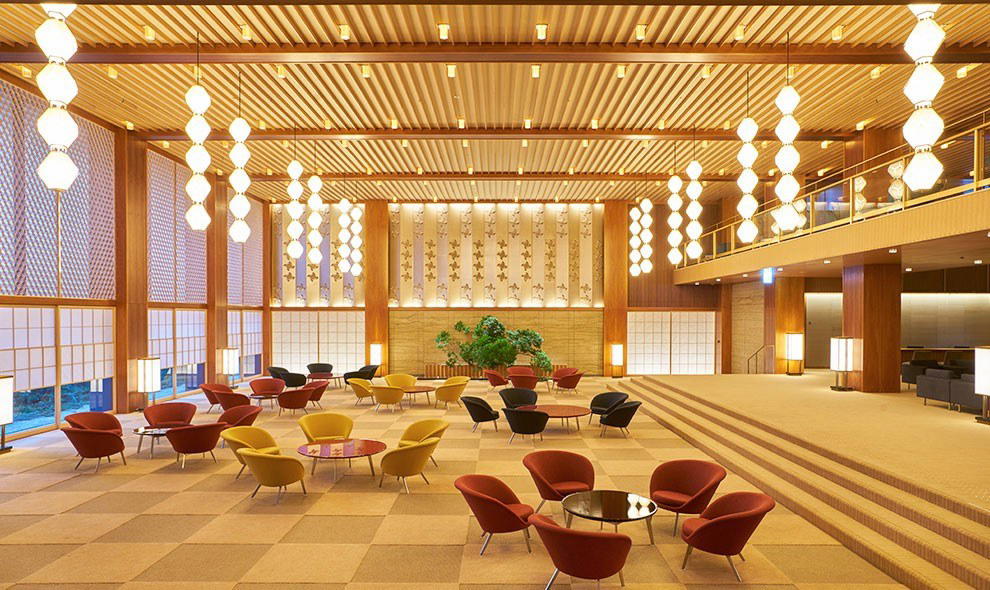
Minimalist dining room with partly open kitchen, closely packed tables with bare surfaces, open kitchen visible to diners creating an intimate, cozy atmosphere with slick presentation.