
Toriyaki Sasaya places Meguro yakitori in a disciplined, course-led frame: whole-chicken grilling, izakaya adjacency, and a drinks program spanning sake, shochu, and wine. Its repeated selection for Tabelog 100 Yakitori from 2021 through 2025 gives it a clear signal in Tokyo’s crowded grilled-chicken category without pushing it into the luxury omakase bracket.
Pearl is the En Primeur Club membership app — saves, bookings, and concierge access live there. Same editors, same standards.
- Address
- Japan, 〒153-0063 Tokyo, Meguro City, Meguro, 1 Chome−24−6 室井ビル 1階
- Phone
- +81 3-5719-7627
- Website
- tabelog.com
 Saves & bookings on Pearl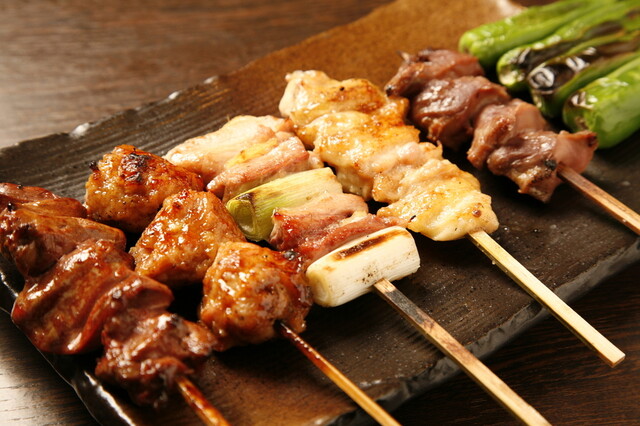
Meguro’s restaurant streets thin quickly once the station noise drops behind you, and that quieter edge suits serious yakitori. The format rewards small rooms, controlled heat, and a menu that moves by sequence rather than whim. Toriyaki Sasaya belongs to that Tokyo category: not a broad izakaya where skewers are background drinking food, but a yakitori house where the structure of the meal carries the argument.
Tokyo has turned yakitori into a spectrum. At one end sit casual counters built around a few skewers, beer, and a short stay. At the other sit tasting-menu rooms where the bird is treated with the same pacing discipline as sushi or kappo. This Meguro address occupies the middle-to-serious tier: accessible enough to remain recognisably convivial, selective enough to make the course format matter. Its Tabelog 100 Yakitori selections from 2021 through 2025 place it inside a sustained group of eastern Japan yakitori names rather than a single-year curiosity.
Whole-chicken yakitori, arranged as a course rather than a skewer checklist
The useful way to read the menu is architectural. Whole-chicken yakitori shifts attention from familiar thigh-and-leek comfort toward sequence, contrast, and offcut handling. Rare cuts are part of the stated appeal here, which matters because Tokyo yakitori culture prizes the ability to turn a single bird into a progression of textures and temperatures without flattening everything under tare or smoke.
That course-led approach also changes how the table behaves. Instead of ordering defensively, adding safe skewers around a drink order, the meal asks diners to follow the kitchen’s rhythm. In yakitori, that is not theatre for its own sake. Charcoal cooking is timing-sensitive; the difference between a cleanly grilled skewer and a tired one is often a matter of minutes. A controlled sequence gives the grill a clearer brief and gives the diner a better reading of the bird as a whole.
The izakaya label remains relevant, but it is not the full story. Sake, shochu, and wine are all part of the drinks frame, which signals a room built for more than quick beer-and-skewer turnover. Wine alongside nihonshu and shochu has become a meaningful Tokyo yakitori marker: it pulls the category closer to contemporary counter dining while keeping the grammar of grilled chicken intact.
Meguro's quieter seriousness suits this style of grilling
Meguro is useful for diners who want Tokyo intensity without Ginza formality or Shinjuku volume. The neighbourhood has a residential gravity that supports compact specialist restaurants: places with a defined point of view, modest frontage, and a clientele that can fill seats without spectacle. For yakitori, that matters. Smoke, pacing, and conversation work better when the room is not fighting a district built on speed.
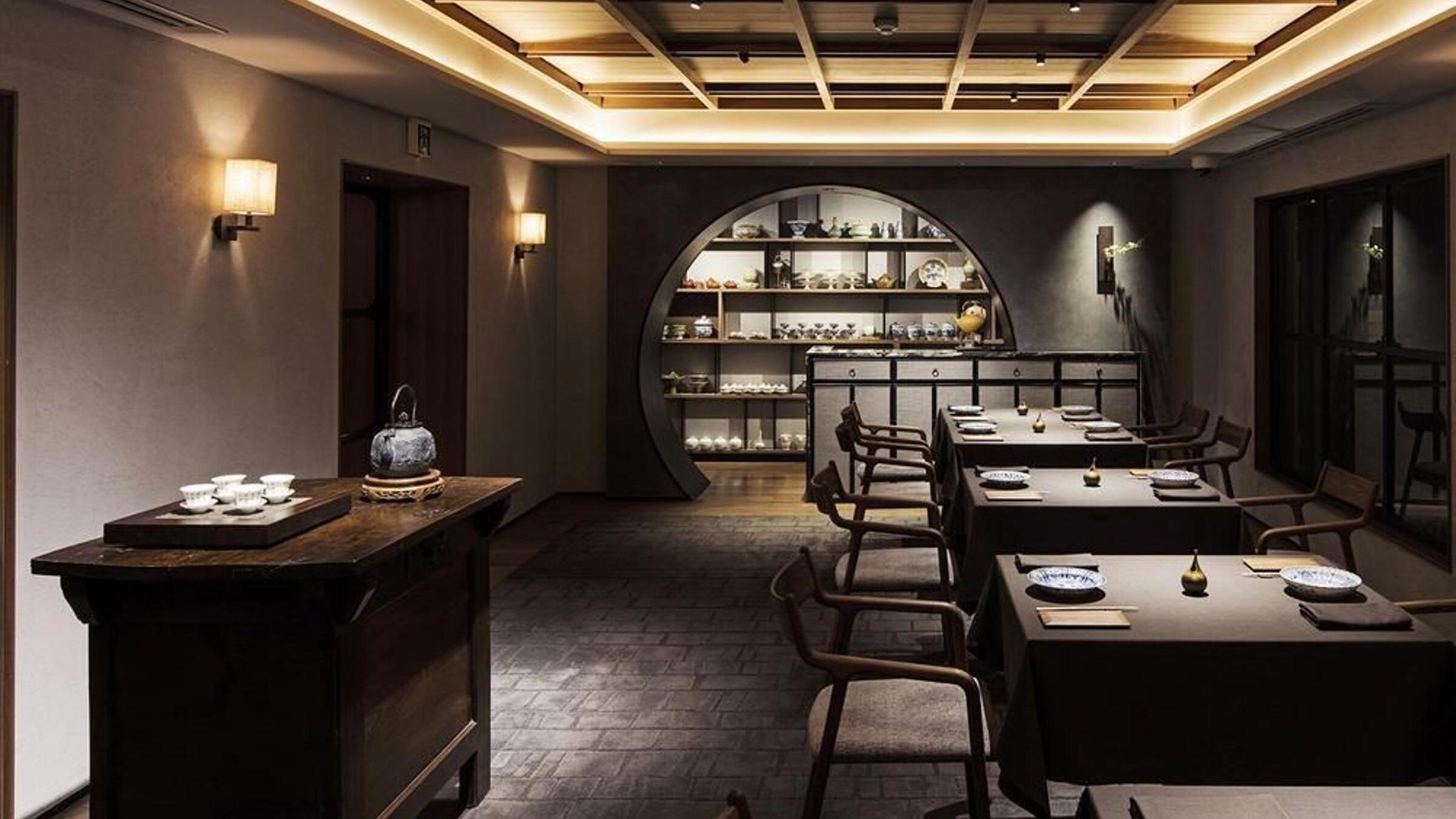
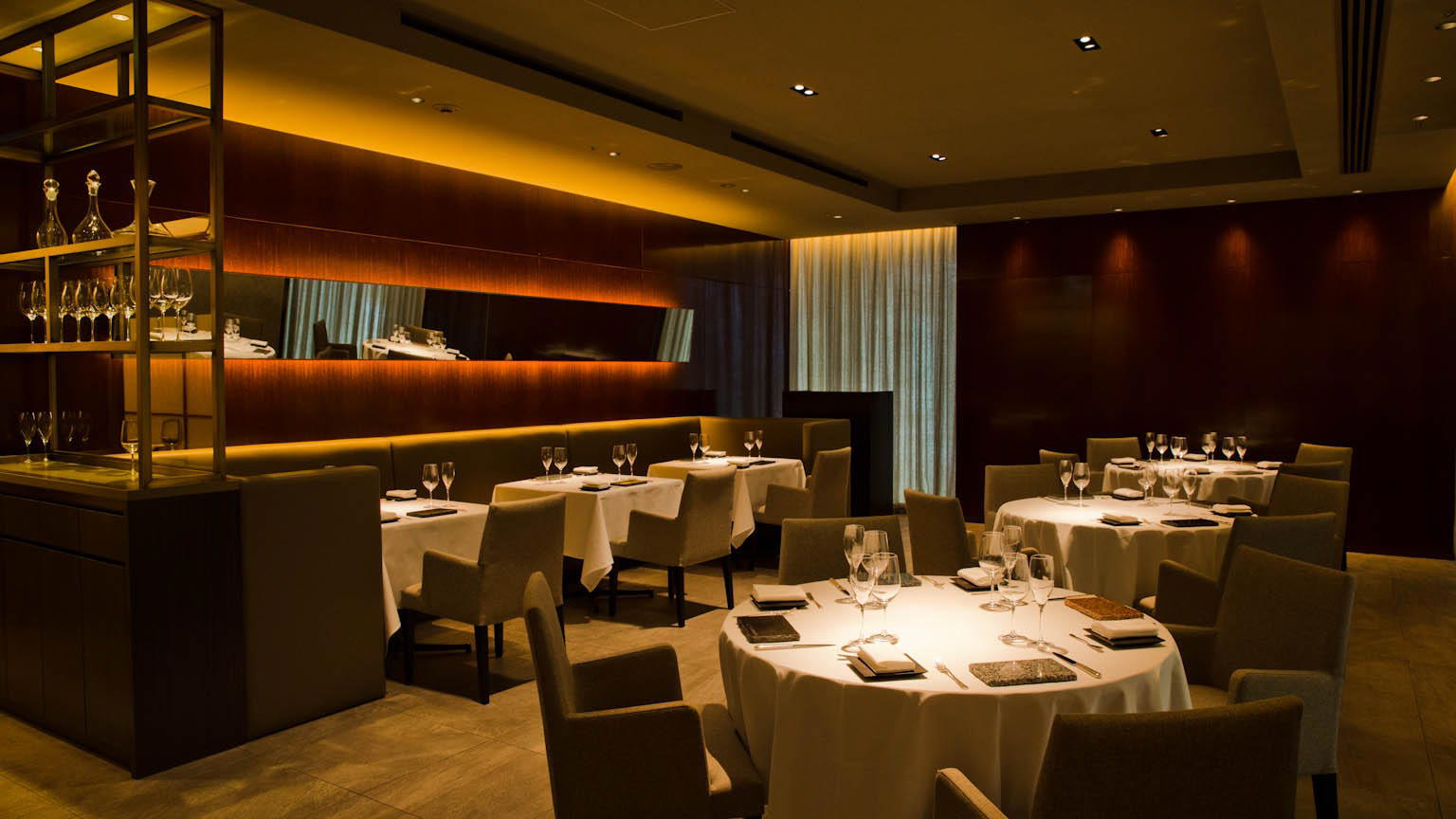
Toriyaki Sasaya runs with counter seating, table seating, and semi-private room options, a split that says something about the intended audience. The counter keeps the grill central for diners who care about sequence and craft; tables and private-room formats make the same cooking legible for small groups. That flexibility is not always present at more austere yakitori counters, where the experience can be narrower and less forgiving for mixed parties.
The venue’s Tabelog score of 3.65 and 2025 Tabelog 100 Yakitori EAST selection give it an external trust signal in a category where local reputation carries weight. Tabelog’s yakitori lists are especially useful for travellers because Michelin coverage does not map every strong grill room, and Tokyo’s better chicken specialists often operate below the international radar. In practical editorial terms, repeated list inclusion is the stronger point than any single badge: it suggests consistency across several cycles.
Compared with other Tokyo dining decisions, this is a sharper choice than a general-purpose night out. Thai Mimotto sits in a higher spend bracket, while Savoy Pizza and Tonki represent narrower comfort-food traditions with different pacing. Within the yakitori lane, the better comparison is not cuisine-to-cuisine prestige, but whether the room treats grilled chicken as a full meal or as drinking support. Sasaya belongs to the former camp.
Know Before You Go
- Format: Yakitori and izakaya cooking, with reservations available for course meals.
- Recognition: Selected for Tabelog 100 Yakitori in 2021, 2022, 2023, 2024, and 2025.
- Room: 28 seats, including counter seats, tables, and semi-private seating.
- Drinks: Sake, shochu, and wine are part of the listed drinks program.
- Payments: Major credit cards are accepted; electronic money and QR code payments are not listed as accepted.
- Smoking: Non-smoking.
- Family note: Children are expected to be old enough to eat the equivalent of one adult meal.
For a Tokyo itinerary, this is a dinner to use when the goal is focused grilled chicken rather than a maximalist tasting menu. It works especially well for diners who understand yakitori as a progression: lean cuts, richer cuts, organ cuts, seasoning shifts, and drinks that can move between sake, shochu, and wine. The point is not luxury signalling; it is whether the kitchen can make a whole bird feel coherent over the length of a meal.
For broader planning, compare it with Our full Tokyo restaurants guide, then map the rest of the trip through Our full Tokyo hotels guide, Our full Tokyo bars guide, Our full Tokyo wineries guide, and Our full Tokyo experiences guide. Nearby or category-adjacent Tokyo references include 124. KAGURAZAKA (Yakitori). 鮪と炭火焼き うお炭 秋葉原店, 12/10 Shinjuku ten, 2D Cafe, and 3 Chome no Curry Ya San. Wider Japan and overseas references for itinerary contrast include -Grilled beef Sukiyaki- KAMAKURA TANUKIAN 鎌倉 たぬき庵 in Kamakura.cafe in Osaka.know in Kumamoto, (Shoku) Vietnam in Kawasaki, [Curry Senmon Ten] Maruyama Kyoju. in Sapporo, [ki:] in Kyoto, Jōdo Saké Bar in Los Angeles, and Onigiri Time in Pasadena.
Cuisine and Awards Snapshot
Comparable venues to anchor price and recognition.
| Venue | Cuisine | Price | Notes |
|---|---|---|---|
| Toriyaki SasayaThis venue — the venue you are viewing | Traditional Yakitori Course Menu | $$$ | Not listed |
| Tori Nago Ebisu ten | Duck hot pot & chicken izakaya | $$$ | Shibuya |
| りゅうの介 | Japanese Seafood | $$$ | Minato |
| Sushi Sagawa | Traditional Edomae Sushi | $$$ | Minato |
| Yakitori Nakamura | Yakitori Omakase | $$$ | Minato |
| Hiromiya No.3 | Yakiniku (Japanese BBQ) set-course | $$$ | Shinjuku |
Recognition history
Dated appearances from independent guides and award organizations, with the underlying list record or original source where available.
Tabelog 100 #16 · No. 16
Tabelog · Tabelog 100 - Yakitori - EAST - 2025












At a Glance
- Cozy
- Intimate
- Elegant
- Classic
- Date Night
- Business Dinner
- Group Dining
- Special Occasion
- After Work
- Chefs Counter
- Open Kitchen
- Private Dining
- Standalone
- Sake Program
- Beer Program
Current opening hours
- Monday
- 5:30–11 PM
- Tuesday
- 5:30–11 PM
- Wednesday
- 5:30–11 PM
- Thursday
- 5:30–11 PM
- Friday
- 5:30–11 PM
- Saturday
- 5:30–11 PM
- Sunday
- Closed
Hours can change for holidays and private events. Last verified .
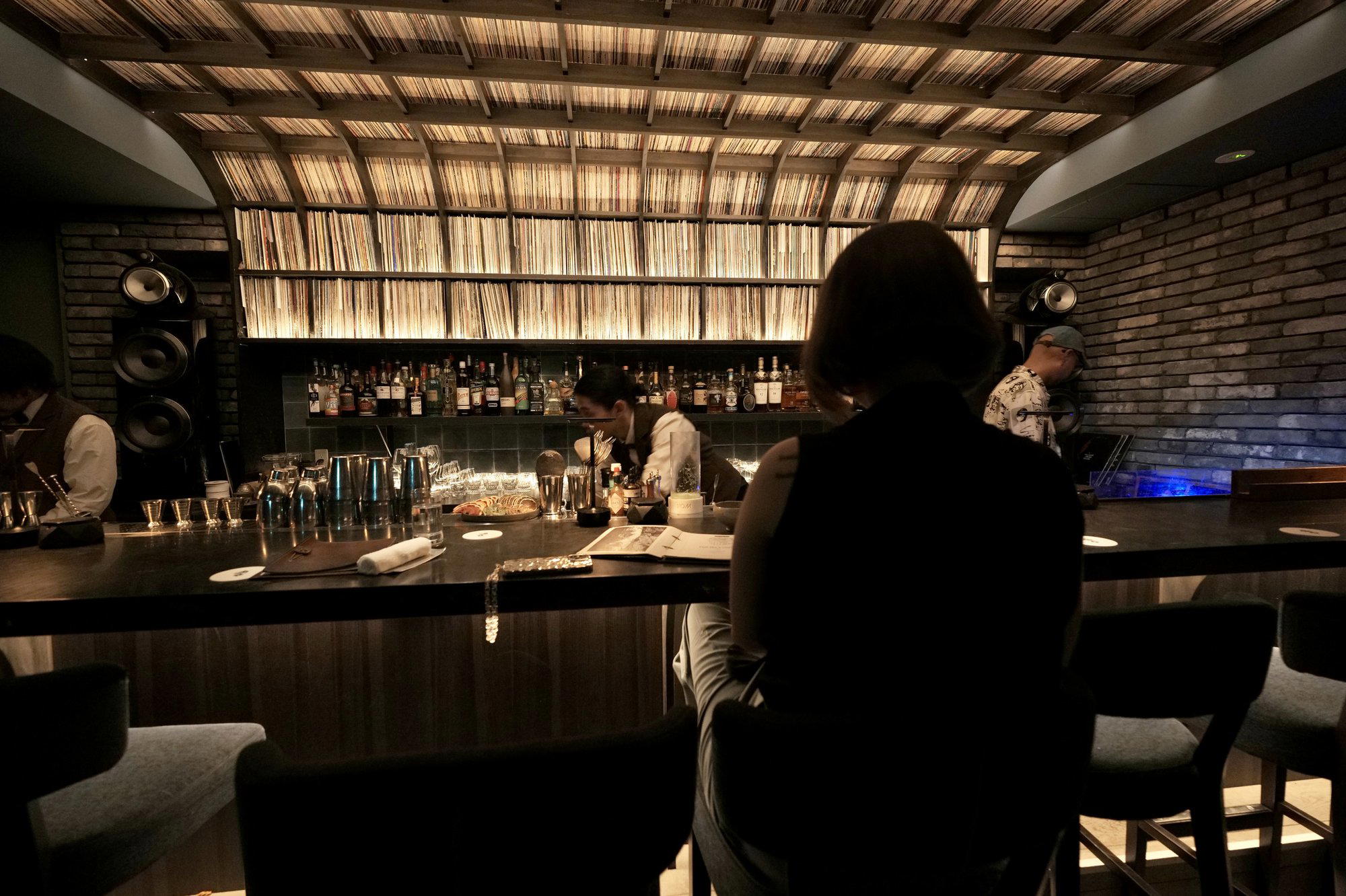
A small, 28-seat yakitori house with counter, table, and semi-private room seating, dim and relaxed lighting, and a calm, grown-up atmosphere suited to business dinners and special occasions rather than casual drop-ins or families.