Located in Shibuya's Shinsencho district, 小笹 occupies a quieter register in Tokyo's premium dining conversation, a neighbourhood address that rewards those who seek it out over those who follow awards lists. The venue sits in a city where the gap between celebrated and overlooked is often thinner than expected, making it a considered choice for a significant meal.
Pearl is the En Primeur Club membership app — saves, bookings, and concierge access live there. Same editors, same standards.
- Address
- 10-12 Shinsencho, Shibuya, Tokyo 150-0045, Japan
- Phone
- +81354582828
 Saves & bookings on Pearl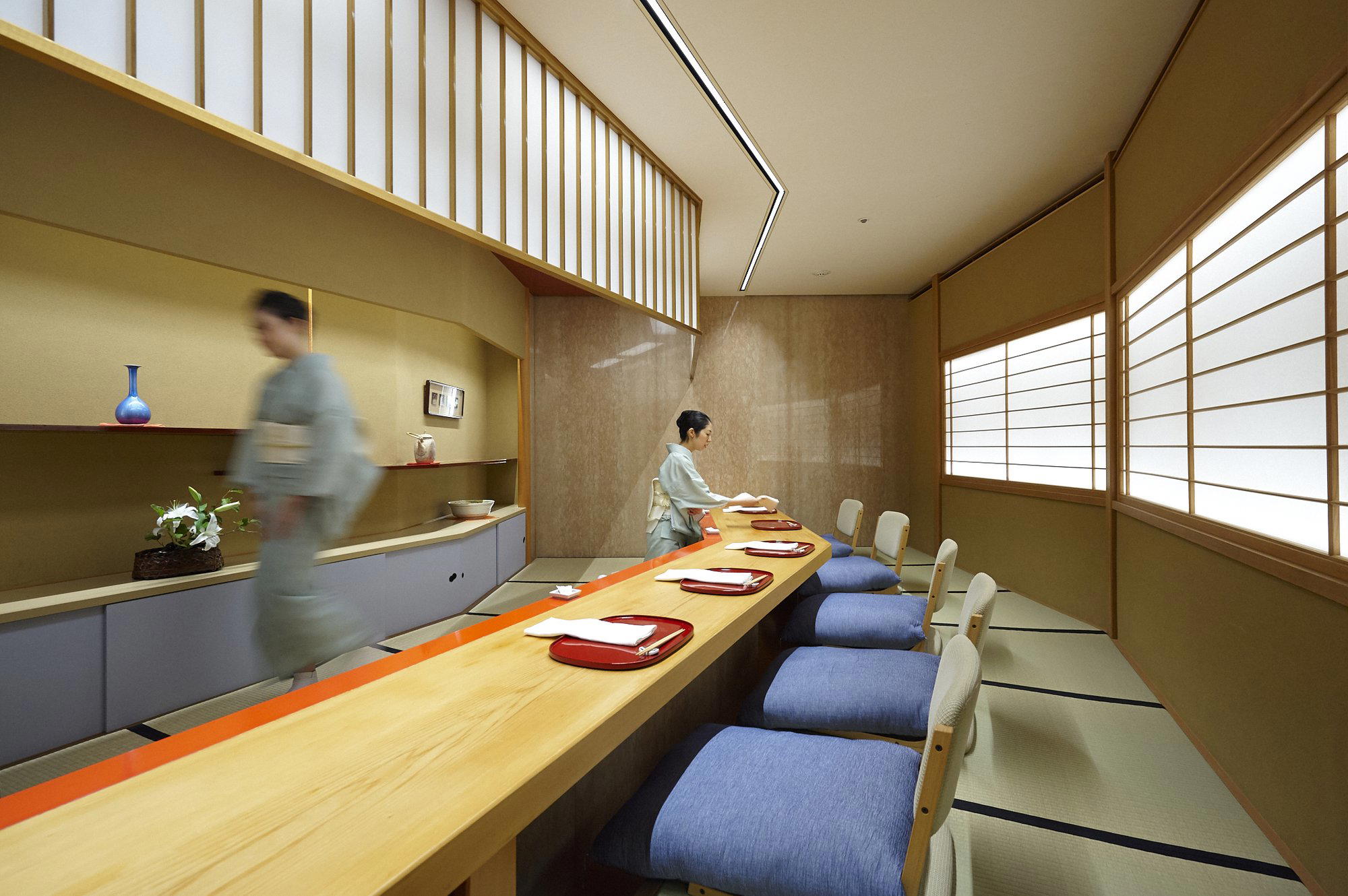
A Shibuya Address for a Serious Meal
Shinsencho sits on the southern edge of Shibuya, and the streets carry a residential calm. The blocks here mix low-rise apartments with the occasional restaurant that has no interest in foot traffic, relying instead on repeat visitors who already know the door. 小笹, at 10-12 Shinsencho, belongs to that pattern.
Tokyo's premium dining geography tends to concentrate recognition in Ginza, Minami-Aoyama, and Marunouchi. Venues outside those corridors often operate with equivalent technical ambition but a different relationship to visibility. That gap between quality and profile is not a weakness in a city this large, it is, in practice, what defines the tier of restaurant that regulars protect. For a milestone meal, this kind of address can offer a sense of discovery.
Occasion Dining in Context
Tokyo's anniversary and celebration reservations reflect that density. The city's leading omakase counters, kaiseki rooms, and contemporary French houses often require early reservation windows and persistent follow-up. Venues at the celebrated end of that spectrum, like Harutaka in the sushi category or RyuGin in kaiseki, operate against that pressure fully and price accordingly at the ¥¥¥¥ tier.
What distinguishes a neighbourhood room in Shinsencho is the possibility of a different kind of occasion experience: more intimate, less surveilled by the broader dining conversation, and often more focused on what arrives at the table than on the social performance that surrounds it. The physical intimacy of a smaller room concentrates attention. A celebration in a setting where you are not competing with the ambient noise of other tables doing the same thing carries its own weight.
This dynamic is not distinctive to Tokyo. The same logic plays out in Kyoto, where Gion Sasaki operates in a residential context that feels removed from the tourist circuit, or in Nara, where akordu has built a serious dining program in a city most visitors move through rather than stay in. In each case, the occasion is shaped as much by the decision to be there as by what arrives on the plate.
The Shibuya Dining Tier
Shibuya's dining identity has shifted considerably in the past decade. The ward remains associated with youth culture and commercial density, but the pockets that surround the station's immediate radius, Daikanyama, Tomigaya, Shinsencho, have developed a quieter, more editorial dining character. French-influenced contemporary cooking has found a particular home in this corridor; Crony in the innovative French category and L'Effervescence, which operates with a full ¥¥¥¥ price tier and consistent critical attention, both reflect this pattern. The area has also attracted rooms that sit between formal and informal in a way that Ginza, with its structural expectation of ceremony, rarely accommodates.
For a celebration, this matters. The choice between a Ginza room and a Shibuya-adjacent address is partly a choice about register: one frames the occasion through formality, the other through precision. Neither is wrong, but they produce different meals and different memories.
Japan's Broader Occasion Dining Map
If the Tokyo visit is part of a wider Japan itinerary, the country's serious dining rooms spread well beyond the capital. HAJIME in Osaka operates in the contemporary French register with a level of recognition that makes it the natural peer of Tokyo's most celebrated rooms. Goh in Fukuoka represents the regional Japanese creative cooking tradition at high resolution. Further from the main circuits, 一本杉川島製 in Nanao and 湖里庵 in Takashima offer occasion meals embedded in landscape and regional ingredient culture that no urban room can replicate. For serious occasion dining outside Japan entirely, Le Bernardin in New York City and Atomix, also in New York, represent the high-end comparison set in the Western context, with the latter drawing directly on Korean culinary tradition at a price tier and reservation difficulty that mirrors Tokyo's most competitive rooms.
Within Japan, the mountain and rural dining rooms deserve specific mention for occasion travel. 奥羽荘 in Nishikawa Machi and 古代山乃 in Sapporo speak to a different kind of milestone meal, one where the journey to the table is part of the occasion itself. These are not convenient choices, but convenience has never been the point of a meal you will remember.
Regional comparisons outside the main urban corridors are worth building into any itinerary designed around eating well: Bistro Ange in Toyohashi and Birdland in Sakai both illustrate how Japan's mid-sized cities have developed dining programs with genuine ambition. And Sézanne in Tokyo, French-influenced and operating in the ¥¥¥¥ tier with sustained recognition, remains one of the clearest reference points for how Western culinary tradition translates at the highest level within the city.
Know Before You Go
What It’s Closest To
Comparable venues nearby, for context on price, style, and recognition.
| Venue | Cuisine | Price | Notes |
|---|---|---|---|
| 小笹This venue — the venue you are viewing | Herbivorous Japanese | Not listed | Not listed |
| Bio Cafe | Organic French-Inspired Cafe | $$ | Shibuya |
| Himitsu Do | Japanese Shaved Ice / Kakigori Café | $$ | Taitō |
| Azabu Shokudo (麻布食堂) | Yoshoku Omurice | $$ | Nishiazabu |
| Chatei Hatou | Traditional Japanese Kissaten / Coffee Shop | $$ | Shibuya |
| 海月 | japanese | Not listed | Shibuya |














At a Glance
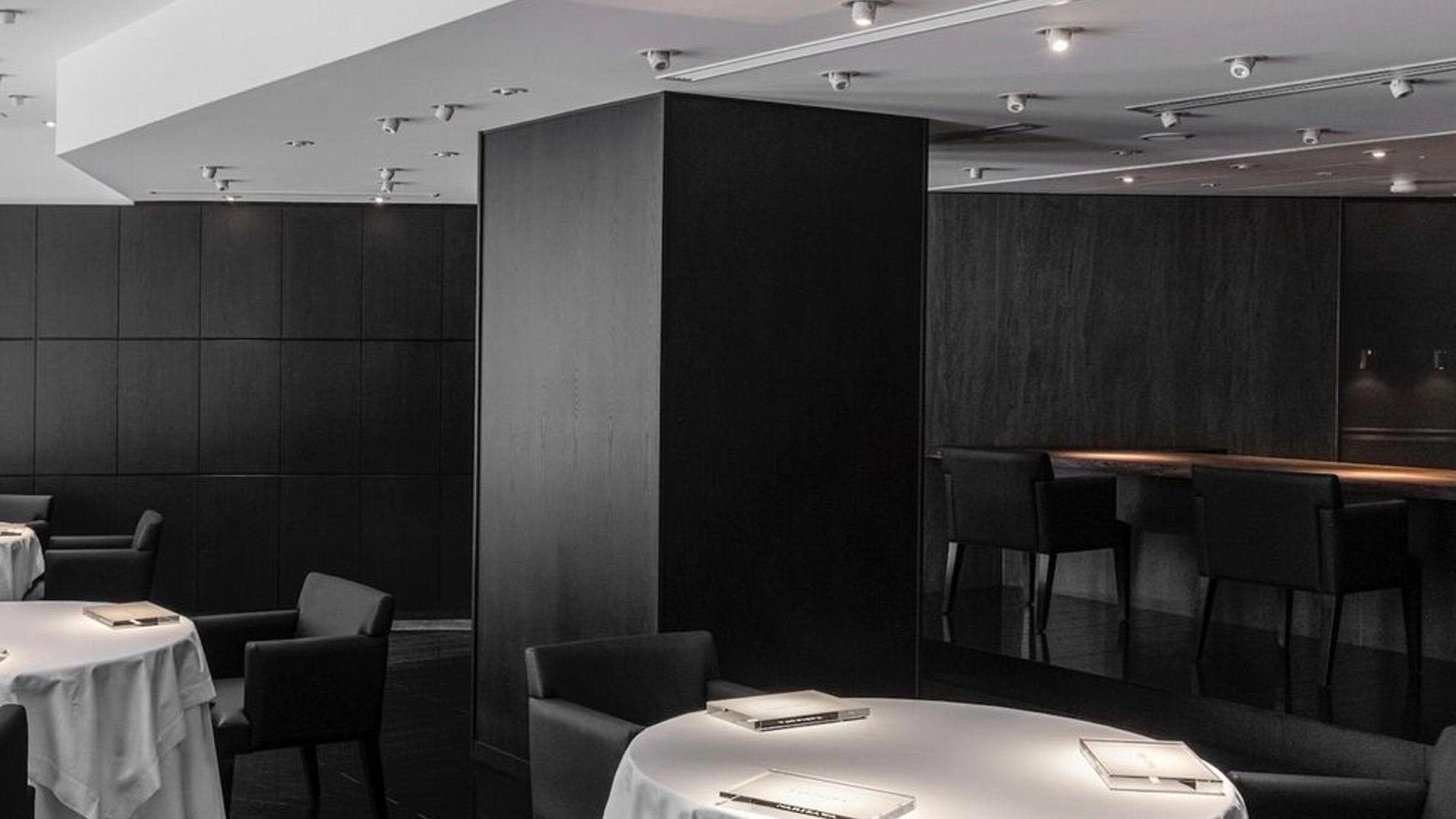
cozy and gentle atmosphere