In a city where kaiseki dominates the upper dining registers, Cafe Momoharu occupies a quieter frequency, a Kyoto cafe whose approach to ethical sourcing and seasonal restraint aligns more closely with the slow-food movement than with the city's formal restaurant traditions. For travellers looking beyond the tatami-and-lacquerware circuit, it offers a different kind of engagement with what Kyoto grows and produces.
 Request Booking on Pearl
Pearl is the En Primeur Club membership app — saves, bookings, and concierge access live there. Same editors, same standards.
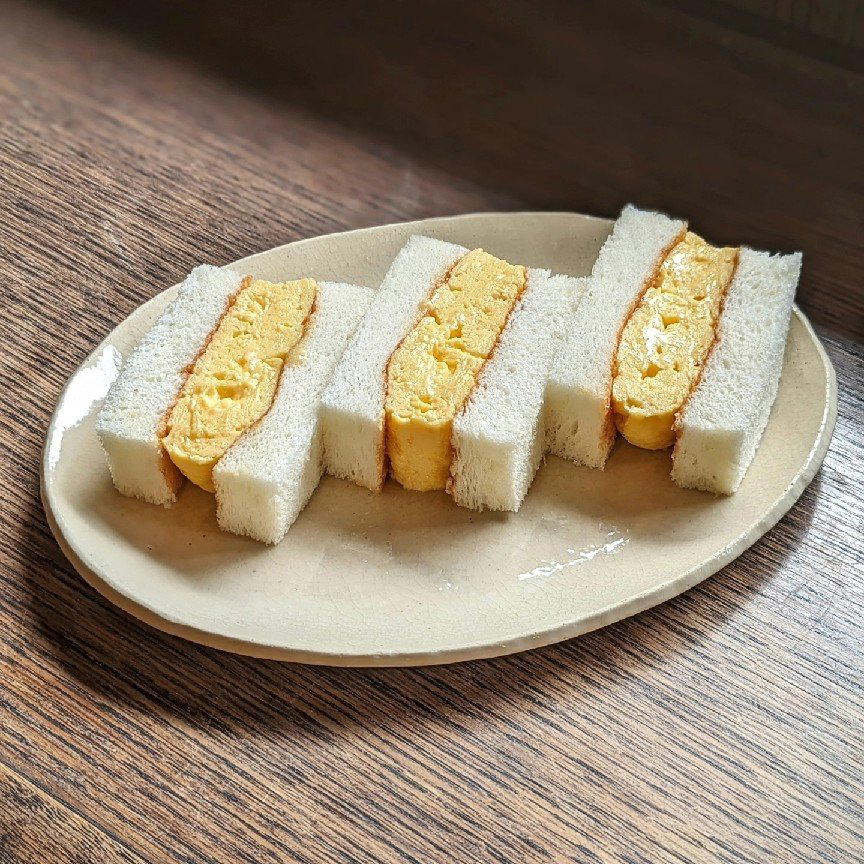
A Different Register of Kyoto Dining
The dominant narrative of eating well in Kyoto runs through kaiseki: multi-course precision, centuries of ritual, and a price bracket that reflects both. Venues like Gion Sasaki, Hyotei, and Kikunoi Honten define that upper tier, where sourcing philosophy and seasonal discipline are already built into the operating logic. But Kyoto has always sustained a parallel register, smaller, less ceremonial spaces where the same respect for ingredients plays out without the formality or the four-digit bill. Cafe Momoharu is a Japanese cafe in Kyoto, priced at about $15 per person, and it belongs to that second category, drawing on the same respect for ingredients without the formality or the four-digit bill.
The Sustainability Angle in a City Built on Seasonality
Kyoto's culinary identity is inseparable from the concept of shun, the Japanese principle of eating ingredients at their precise seasonal peak. What has changed in recent decades is how that principle maps onto contemporary concerns about waste, sourcing ethics, and agricultural relationships. Across Japan, a growing cohort of cafes and smaller restaurants has begun framing shun not just as aesthetic preference but as environmental practice: shorter supply chains, direct producer relationships, and a deliberate rejection of year-round availability in favour of what's actually in season locally.
This is the context in which Cafe Momoharu operates. Where kaiseki houses like Mizai or Isshisoden Nakamura express seasonal sourcing through elaborate tasting formats at premium price points, a cafe-format venue operating with the same underlying values does so through accessible, lower-cost expressions, a bowl, a small plate, a carefully brewed cup, where the ingredient remains the story but the context is less theatrical. The trade-off is reduced ceremony; the gain is proximity to the ingredient itself, unmediated by elaborate preparation.
This model has precedent beyond Kyoto. In Osaka, HAJIME has made ecological sourcing a cornerstone of its three-Michelin-star identity, demonstrating that sustainability framing and formal recognition can coexist at the highest level. At the cafe end of the spectrum, the argument is different: that ethical sourcing doesn't require a tasting menu format to be meaningful, and that the discipline of working within seasonal and local constraints is itself a form of craft.
Kyoto as a Setting for This Approach
Few cities in Japan offer a richer agricultural hinterland for a cafe operating on these principles. The Kyoto basin and surrounding Tamba region produce some of Japan's most respected vegetables, Kyo-yasai, the collective term for traditional Kyoto vegetables including Shishigatani pumpkin, Kamo eggplant, and Kujo negi, which appear in the menus of everything from street-level lunch spots to three-star kaiseki counters. A venue choosing to build its identity around responsible sourcing in Kyoto is working with notable raw material and within a culinary culture that already prizes restraint and provenance.
That cultural context matters when comparing Kyoto's cafe scene to its equivalents elsewhere in Japan. In Tokyo, the density of options and the pace of dining culture favour variety and turnover. In Fukuoka, places like Goh demonstrate how regional identity can anchor a progressive dining approach without the weight of Kyoto's historical prestige. Kyoto's slower tempo and its existing culture of craft, in textiles, ceramics, tea, creates a more natural home for a space that prioritises deliberateness over novelty.
Further afield, the same slow-food logic has shaped notable operations in smaller Japanese cities: restaurants in Takashima and Nishikawa Machi that orient themselves around hyper-local production, and venues in Nanao working within the constraints of Sea of Japan seasonality. What these share with a Kyoto cafe-format venue is a resistance to the logic of abundance, the idea that a kitchen that says no to certain ingredients, at certain times, is making a principled rather than a limiting choice.
Where Cafe Momoharu Sits in the Broader Scene
Kyoto's mid-range dining scene has expanded considerably over the past decade, partly driven by tourism volume and partly by a domestic appetite for less formal expressions of the city's culinary values. The city now sustains a range of Italian-leaning and cross-cultural venues, cenci being one notable example at the ¥¥¥ tier, alongside Chinese-influenced options and the continued dominance of washoku formats at every price point. Within this expanded field, a cafe with a clear sustainability identity occupies a niche that is neither the tourist-facing lunch economy nor the reservation-heavy kaiseki circuit.
For context on what fine dining with genuine ecological commitment looks like at scale, Atomix in New York and Le Bernardin represent international benchmarks where sourcing ethics are embedded into award-level operations. Akordu in nearby Nara offers another regional reference point: a venue that draws on local Yamato ingredients with a non-Japanese culinary framework, demonstrating that sourcing values can operate across cuisine traditions. The restaurant, in its cafe format, argues for the same principles at a different scale and register.
For visitors building a broader Kyoto itinerary, Kyoto's dining scene spans price tiers and cuisine types, from the formal kaiseki houses to more casual neighbourhood spots. Places like Bistro Ange in Toyohashi and Birdland in Sakai show how the Kansai region sustains a wide range of dining registers, each with its own sourcing logic. Operations in Sapporo and Harutaka in Tokyo complete the picture of how Japan's leading ingredient-led venues calibrate their sourcing commitments to local geography and seasonal availability.
Planning a Visit
The restaurant is walk-in friendly, casual in dress code, and priced at about $15 per person.
Category Peers
Comparable venues nearby, for context on price, style, and recognition.
| Venue | Cuisine | Price | Notes |
|---|---|---|---|
| Cafe MomoharuThis venue — the venue you are viewing | Japanese Cafe with Egg Sandwiches | $$ | Not listed |
| Wagashi Mise Seiyo | Seasonal Japanese Wagashi Sweets Shop | $$ | Kita |
| Coco Hana | Modern Japanese Organic Cafe | $$ | Kita |
| Ebisu | Kyushu Izakaya | $$ | Shimogyo-ku |
| 八起庵 | Kyoto Bird Cuisine | $$ | Shimogyo-ku |
| Takatsuji Kasui | Seasonal Kyoto Izakaya | $$ | Shimogyō |

At a Glance
- Cozy
- Quiet
- Intimate
- Solo
- Casual Hangout
- Brunch
- Sake Program
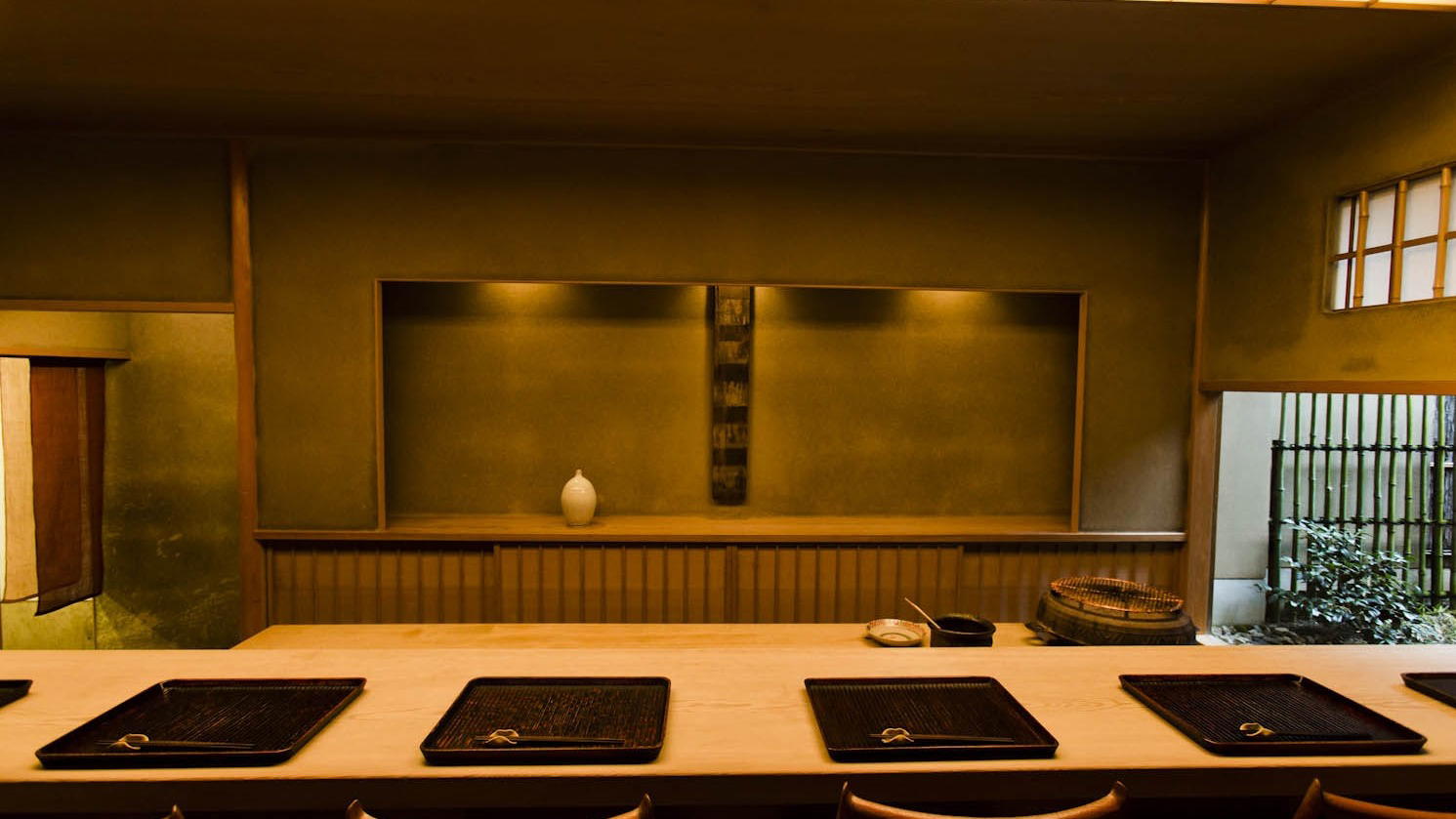
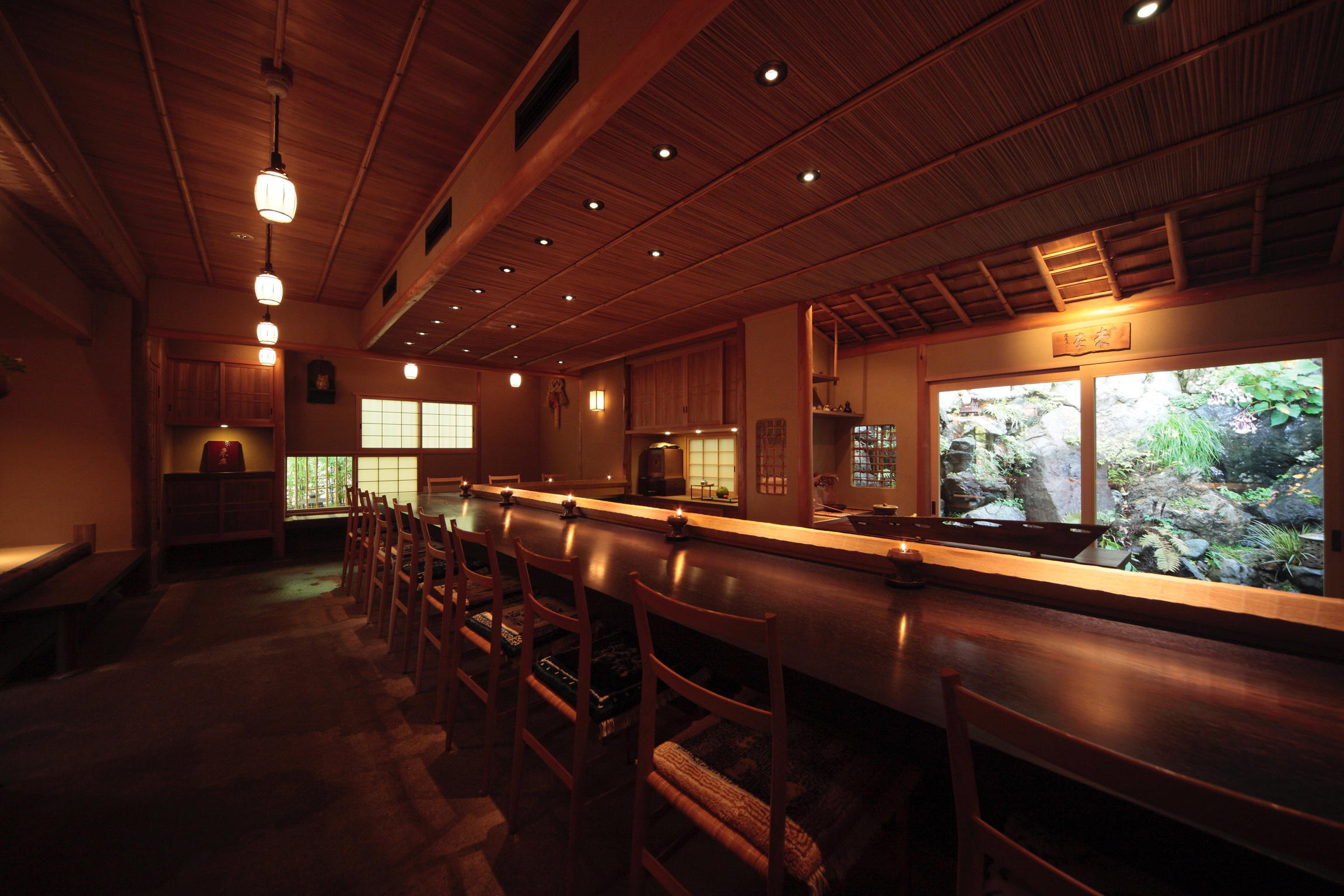
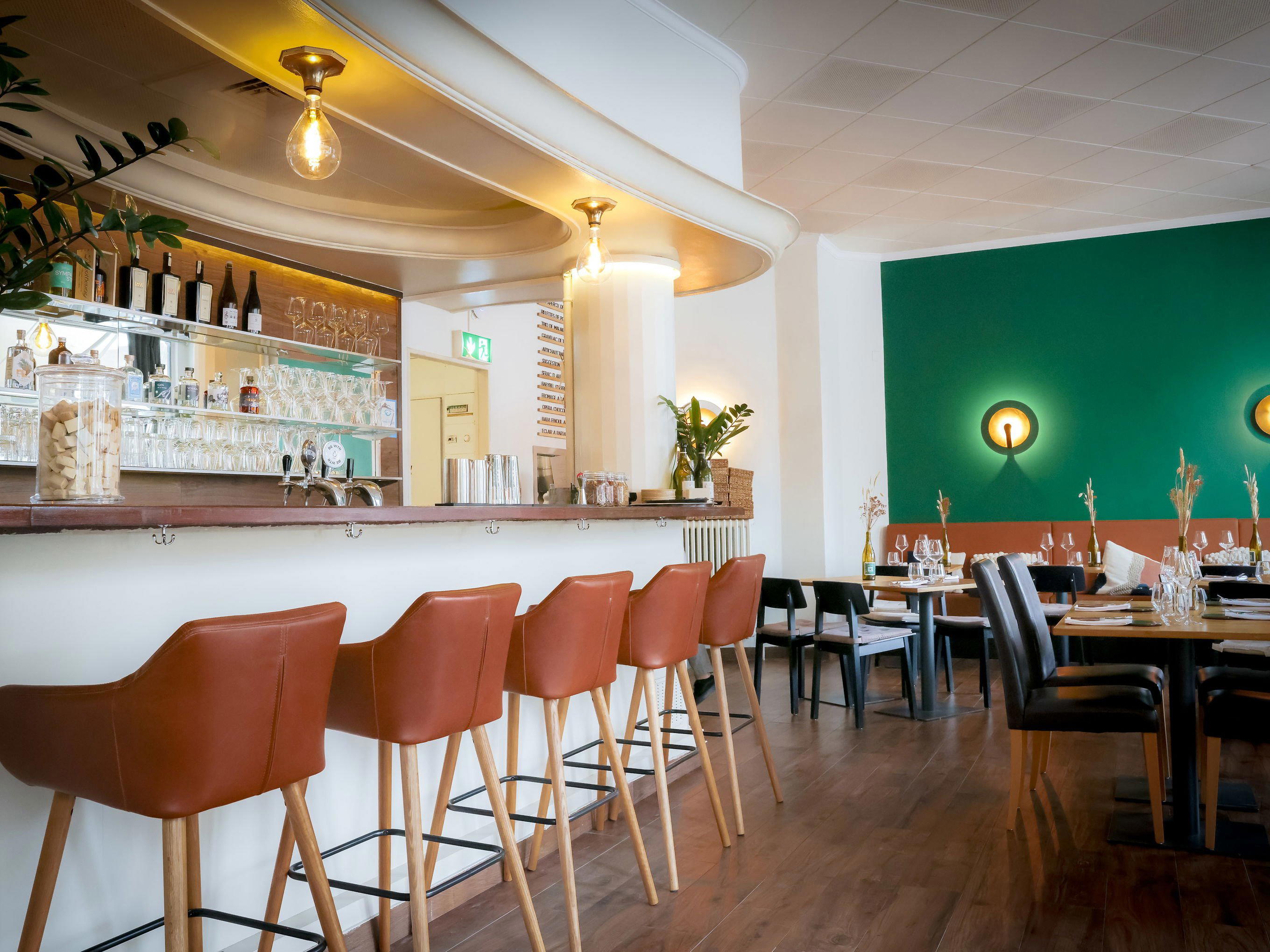
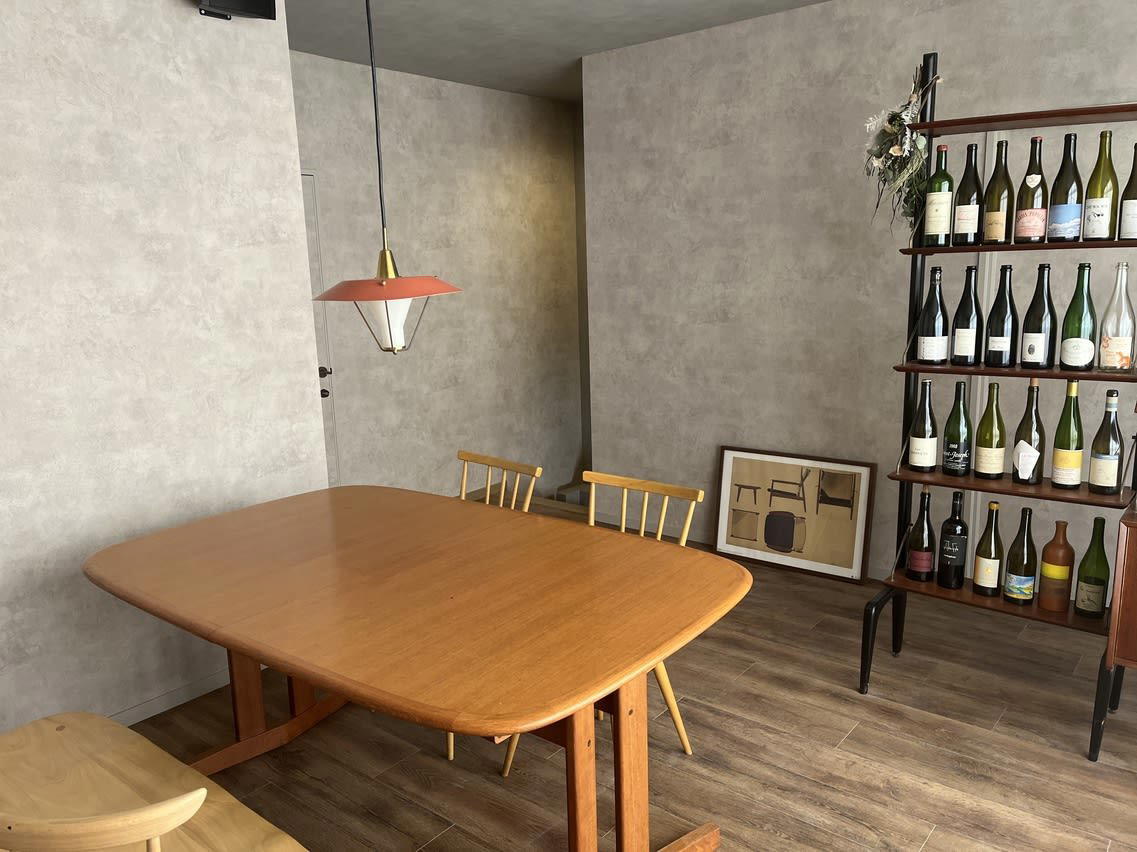
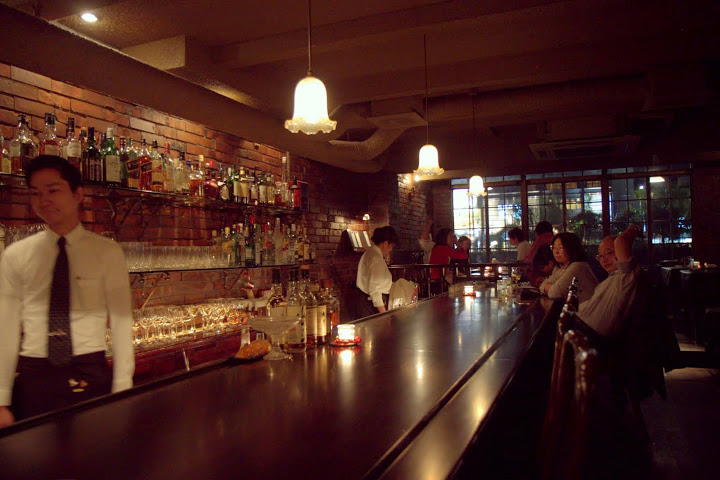
Cozy and tranquil atmosphere with the aroma of freshly roasted coffee, offering a quiet and leisurely space.