Kyoto's fine dining culture reaches one of its more considered expressions at Ebisu, where the wine program operates with the same seasonal logic that governs the kitchen. Positioned within the city's premium dining tier alongside kaiseki houses such as Gion Sasaki and Kikunoi Honten, Ebisu draws visitors who treat the cellar as seriously as the menu. Advance planning is advisable for any season.
Pearl is the En Primeur Club membership app — saves, bookings, and concierge access live there. Same editors, same standards.
- Address
- Kyoto, Japan
- Directions
- Get directions
 Saves & bookings on Pearl
Where the Glass Shapes the Table
Kyoto's dining culture is often framed through the kaiseki lens: the slow accumulation of seasonal courses, the restraint of plating, the primacy of the ingredient over the technique. What receives less attention is how the city's premium restaurants have, over the past decade, built wine programs that match that same editorial discipline. The cellar is no longer an afterthought appended to a Japanese tasting menu; at the better addresses, it functions as a parallel argument about season, provenance, and precision. Ebisu sits inside that shift.
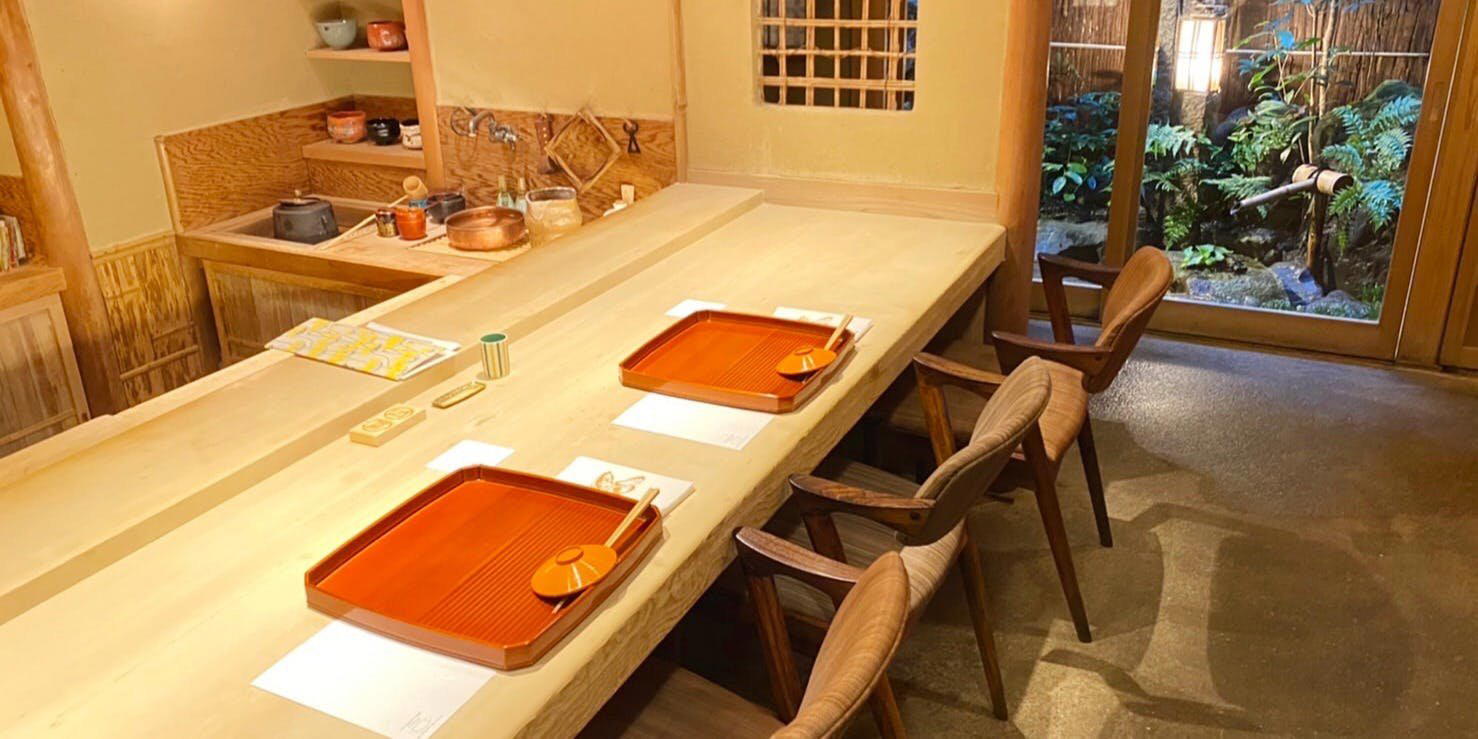
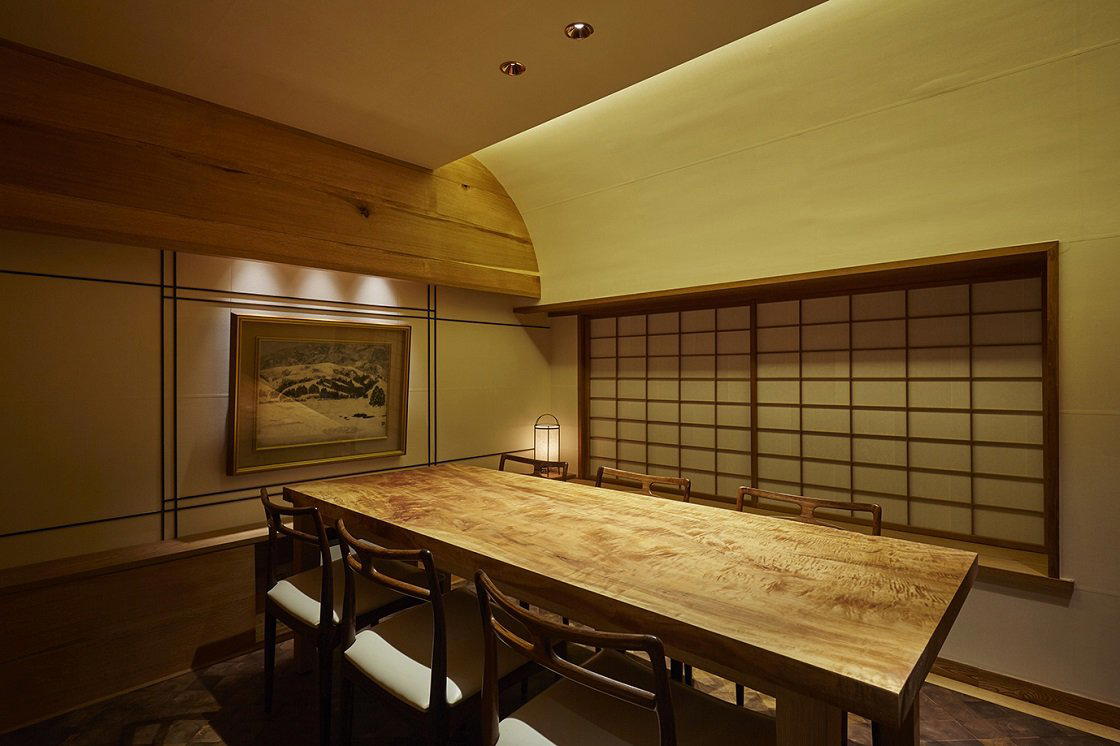
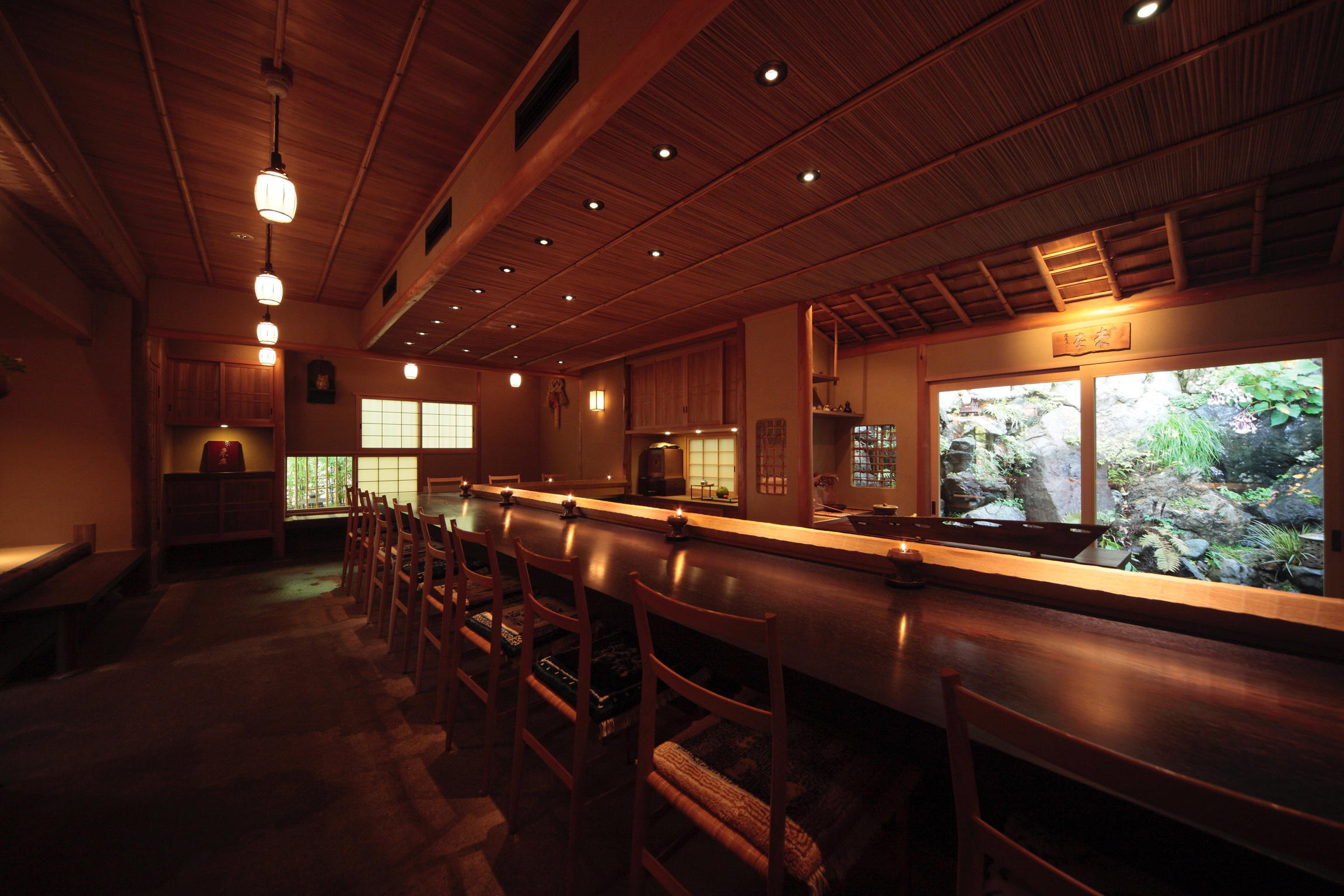
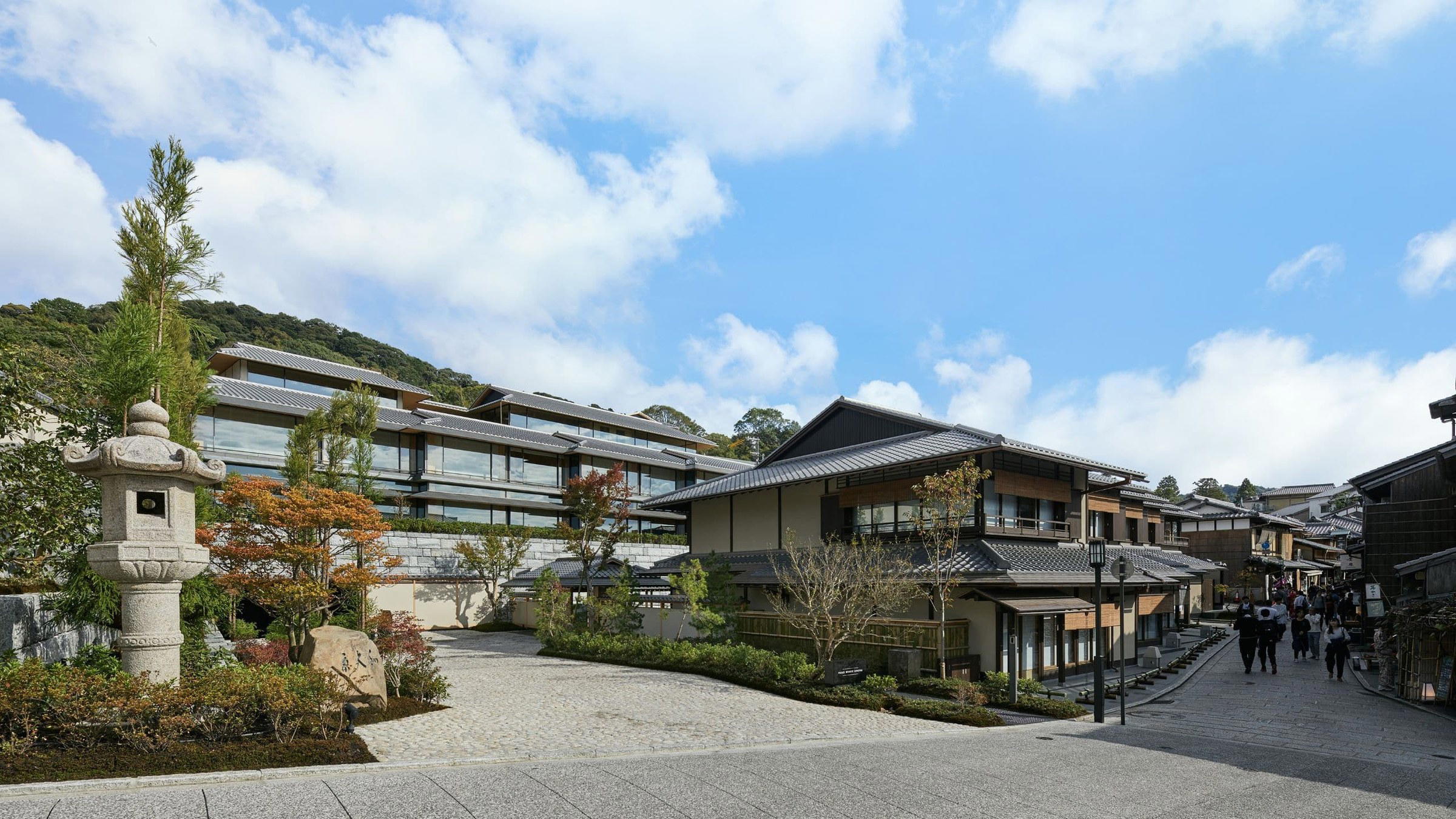
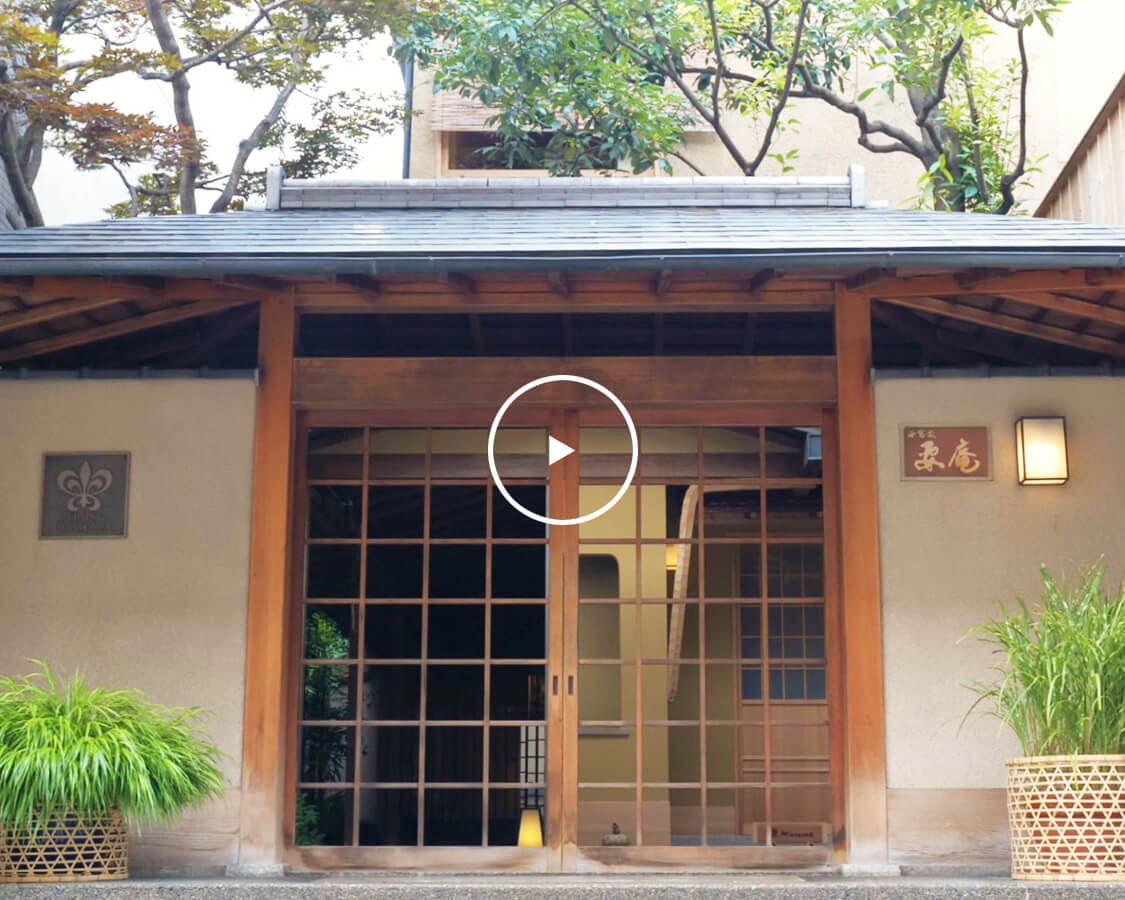
Arriving at a Kyoto restaurant of this register, the physical approach tends to signal what follows. Older machiya townhouse conversions along narrow lanes, stone entry paths kept dark until you are expected, the soft compression of a small entrance that opens into something more considered than the street suggests. These are not decorative choices; they reflect a hospitality logic that treats arrival as part of the experience, calibrating your attention before you sit. Whether Ebisu follows this template precisely is a function of its specific address, but the broader Kyoto premium format holds: the space will be smaller than comparable price points in Tokyo, more materially specific, and quieter by design.
The Wine Program as Editorial Statement
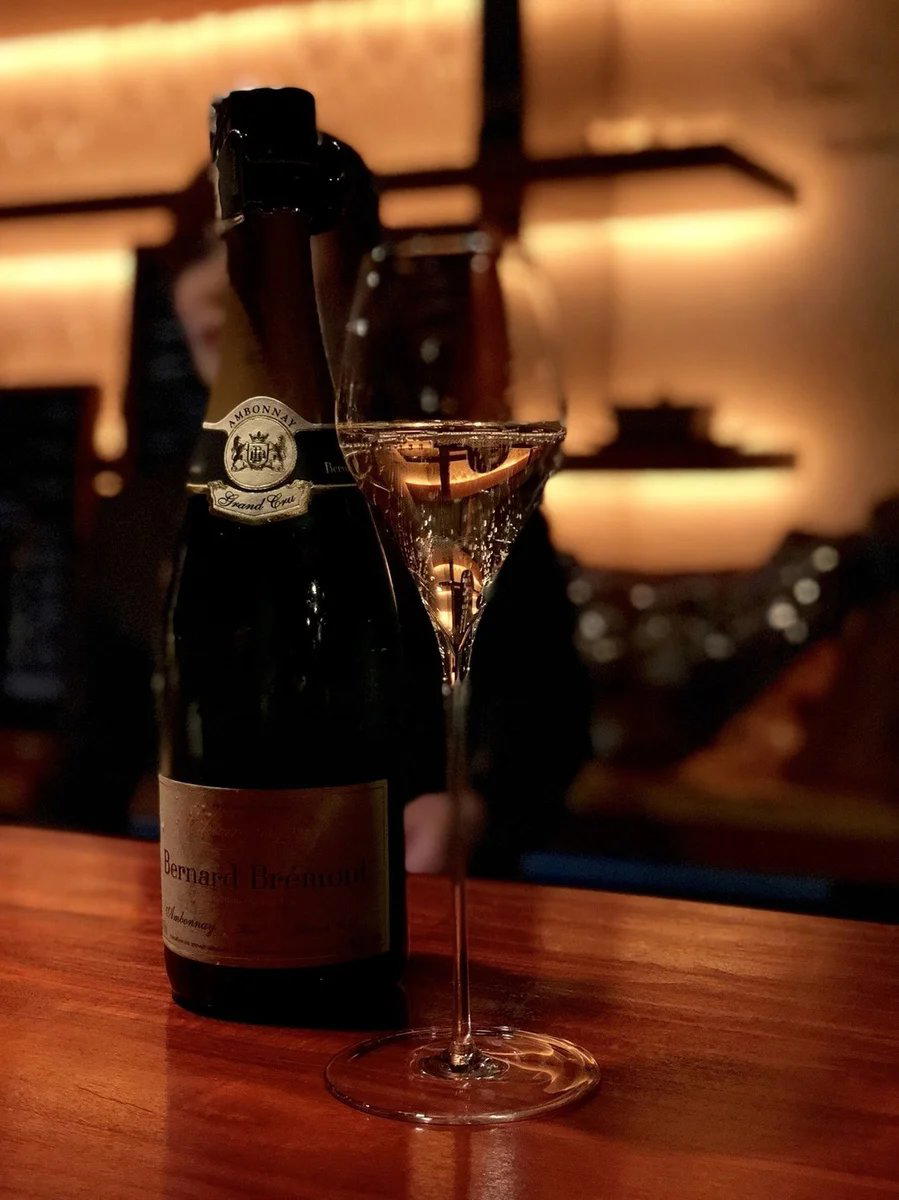
Japan's relationship with fine wine has matured considerably since the early 2000s, when imported bottles functioned primarily as status signals at business dinners. The current generation of sommeliers working Kyoto's leading tables tends to operate with a curatorial intelligence closer to what you find at serious European restaurants. The reasoning: Burgundy and the northern Rhône align structurally with Japanese food in ways that New World fruit-forward styles do not. Acidity, mineral register, and textural precision in a wine do what soy and dashi do in a broth: they extend rather than compete.
At this tier in Kyoto, restaurants such as Kikunoi Honten and Gion Sasaki have built cellars that reflect exactly this pairing logic, favouring depth over breadth and vintage range over novelty. Ebisu operates within the same city-wide premium tier, where the wine list is expected to carry both intellectual weight and practical flexibility across a multi-course format. A list curated with this standard in mind will offer aged white Burgundy alongside the lighter fish courses, and move toward structured reds or natural expressions from lesser-known European appellations as the menu progresses. The structural expectation is set by the peer group, not by any single venue's idiosyncrasy.
For visitors arriving from Tokyo or elsewhere in Japan, it is worth noting that the city's premium wine culture operates at a different pace than, say, the high-volume sommelier theater you find in a large Tokyo hotel. Kyoto's preference runs toward quiet authority: a sommelier who offers a considered recommendation without theatre, who understands that the menu is the primary argument and the wine is its accompaniment. Harutaka in Tokyo exemplifies the Tokyo version of this restraint; Kyoto carries it further into silence.
Positioning Within Kyoto's Premium Dining Set
Understanding where Ebisu sits requires a clear picture of Kyoto's fine dining stratification. At the top of the pyramid sit the multi-generation kaiseki institutions: Hyotei and Isshisoden Nakamura represent this tier, where the reputation precedes the meal by centuries and the booking window can stretch to months. Below that, a second tier of newer but equally serious restaurants, including Mizai, competes on precision and seasonal intelligence rather than institutional weight. Ebisu operates in this context, in a city where the dining room format, the price bracket, and the seasonal philosophy are all legible signals of competitive positioning.
The broader Kansai region frames Kyoto's premium tier usefully. HAJIME in Osaka represents the region's more experimental end, where French technique meets Japanese produce in a way that Kyoto's tradition-conscious market rarely endorses. Akordu in Nara offers a counterpoint from a smaller, less trafficked city. Ebisu, as a Kyoto address, carries the expectation of seasonal discipline and format clarity that the city's reputation demands from any restaurant operating at this price register.
Across Japan more broadly, comparable wine-forward fine dining approaches are visible at Goh in Fukuoka and at regional houses such as those operating in Nanao and Takashima, where smaller cities have produced serious kitchens that attract wine-literate diners willing to travel. The pattern suggests that Japan's fine dining geography has decentralised. Kyoto remains one of its most coherent centres.
Seasonality and When to Go
Kyoto's culinary calendar is inseparable from its natural one. The kaiseki tradition maps courses directly to what is available: the first tender bamboo shoots of spring, the cold-water fish of winter, the persimmon and matsutake of autumn. A restaurant at Ebisu's level is expected to honour this logic, which means the experience in March differs materially from the same seats in October. Autumn is the window most wine-oriented visitors prioritise: the menu's heavier preparations, including mushroom and game elements, create the most direct structural argument for aged red Burgundy or northern Rhône. Spring and early summer, with their emphasis on lighter, more acidic preparations, align well with white wine or sake-led pairings.
Cherry blossom season in April and the autumn foliage period in November represent Kyoto's two peak travel windows. Restaurant demand during both periods exceeds supply across every price tier. The more practical booking windows are January through February and the quieter stretches of June and September, when visitor volume drops and availability opens. Restaurants at this level in Kyoto do not discount during low season; the quality of the meal is consistent, but the competition for seats eases considerably.
For international visitors structuring a Japan itinerary, Kyoto pairs naturally with a Nara day trip for context contrast, and with Osaka as an overnight extension if the Kansai food circuit is the primary motivation. Those extending further north should note Sapporo's premium dining scene, which operates on an entirely different seasonal clock driven by Hokkaido's produce calendar.
Planning Your Visit
Restaurants at this level in Kyoto typically require reservations made several weeks in advance at minimum, and the most in-demand tables book two to three months ahead for preferred dates. For peak travel periods, that window extends further. International visitors are advised to use hotel concierge networks or a specialist reservation service, as direct online booking systems for smaller Kyoto restaurants often require a Japanese phone number or a local intermediary. The EP Club Kyoto restaurant guide provides current context for the city's full dining tier, from established kaiseki houses to newer addresses in the second tier. For reference points across the EP Club portfolio, Le Bernardin in New York and Atomix offer comparable standards of wine program curation in a Western context, useful calibration for visitors approaching Kyoto's premium tier for the first time.
Comparable Options
A short peer table to compare basics side-by-side.
| Venue | Cuisine | Price |
|---|---|---|
| EbisuThis venue — the venue you are viewing | Not listed | Not listed |
| Gion Sasaki | Kaiseki, Japanese | ¥¥¥¥ |
| cenci | Italian | ¥¥¥ |
| Ifuki | Kaiseki | ¥¥¥¥ |
| Kyokaiseki Kichisen | Japanese | ¥¥¥¥ |
| Kyo Seika | Chinese | ¥¥¥ |
Continue exploring
More in Kyoto
Restaurants in Kyoto
Browse all →
Bars in Kyoto
Browse all →
Hotels in Kyoto
Browse all →

Wineries in Kyoto
Browse all →
At a Glance
- Lively
- Cozy
- Casual Hangout
- After Work
- Sake Program
Cozy underground tavern with lively atmosphere for enjoying local Japanese flavors.