食堂 わた occupies a precise address in Shinjuku's dense dining grid, where the shokudo format, Japan's workhorse of everyday eating, meets a more considered approach to what lands on the table. The venue sits at the intersection of neighbourhood convenience and ingredient awareness, a combination that defines a growing tier of Tokyo dining that resists easy categorisation between the casual and the ceremonial.
Pearl is the En Primeur Club membership app — saves, bookings, and concierge access live there. Same editors, same standards.
- Address
- 1 Chome-19-11 Shinjuku, Shinjuku City, Tokyo 160-0022, Japan
- Phone
- +81368227907
 Saves & bookings on Pearl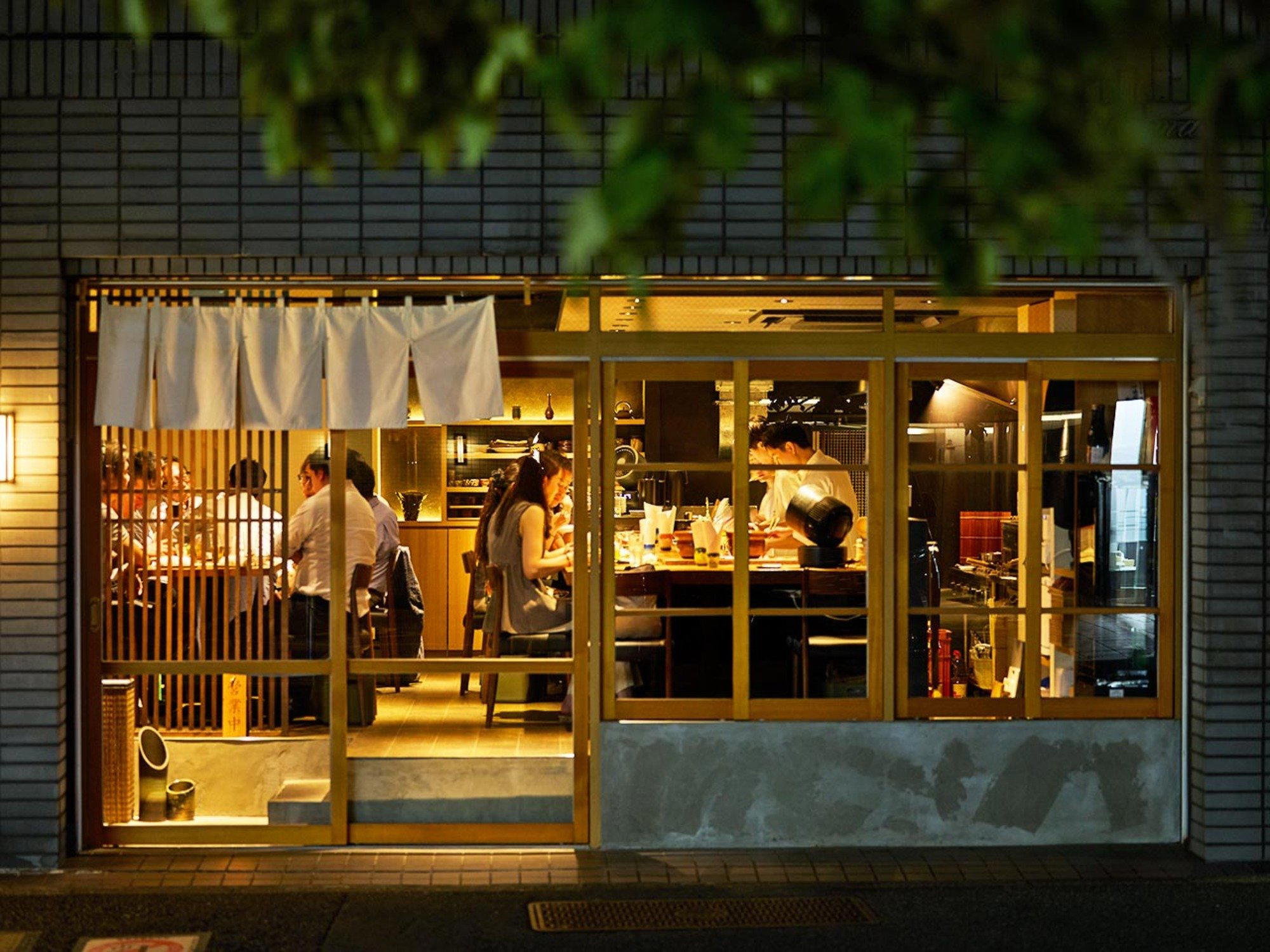
Shinjuku's Shokudo Tier: Between the Everyday and the Deliberate
The shokudo, Japan's equivalent of the neighbourhood canteen, is one of the most durable formats in Japanese dining. It predates kaiseki refinement and omakase theatre by centuries, built on the logic of feeding people well, affordably, and without ceremony. What has shifted in the past decade across Tokyo is the emergence of a subset of shokudo-adjacent spaces that apply the format's accessibility while taking the sourcing and preparation of ingredients more seriously than tradition demands. 食堂 わた is a casual Japanese izakaya in Shinjuku, Tokyo, at 1 Chome-19-11 Shinjuku, Shinjuku City, Tokyo 160-0022, Japan. Its Shinjuku address places it in one of Tokyo's most contested dining districts, where everything from standing ramen bars to four-figure omakase counters compete for attention within the same few blocks.
That address matters for context. Shinjuku feeds more people per square kilometre than almost any other district in the city. The volume of dining options creates a natural pressure: to survive in that environment without competing on price or scale, a venue has to offer something that narrows its audience deliberately. The shokudo format, taken seriously at the ingredient level, is one way to do that, and it represents a different competitive logic from the Harutaka-tier omakase counters or the refined French approach at L'Effervescence that define Tokyo's leading price bracket.
The Sourcing Logic Behind the Shokudo Format
Japan's food sourcing infrastructure is, by global standards, unusually fine-grained. Prefectural identity matters: Yamagata rice travels differently from Niigata rice, and a kitchen that treats those distinctions as meaningful is signalling something about how it approaches the plate. The shokudo format, at its more attentive end, lends itself to this kind of sourcing specificity because the menu is narrower and the cooking style less obscuring. A braise or a clear soup makes ingredient quality immediately legible in a way that a complex sauce might not.
This is the tradition that venues like 食堂 わた operate within when they apply a considered sourcing lens to an accessible format. Across Japan, some of the most instructive examples of ingredient-led thinking appear not in Michelin-starred rooms but in quieter, less photographed spaces: the small tempura-ya in Osaka's backstreets, the regional specialist in Nara that akordu references, the kind of precision sourcing that informs something like Goh in Fukuoka. The lesson across those examples is consistent: format and price tier do not determine ingredient quality. Intention does.
In the broader context of how Tokyo's dining tier is evolving, the gap between an ambitious shokudo and something like RyuGin or Sézanne is less about technique and more about register. The high-end kaiseki or Franco-Japanese counter is a performative space; the shokudo at its finest is a functional one that happens to use good ingredients. Both can coexist in the same city block, and increasingly in Tokyo, they do.
What Shinjuku Demands From Its Neighbourhood Restaurants
Shinjuku's dining density creates a specific kind of reader. The people eating in this district are commuters, residents, and the kind of visitor who eats in the same area three times in a week. That repeat-visit logic favours venues that can offer consistency and value in the same breath, which is precisely what the better-executed shokudo provides. It is a different proposition from Crony's innovative French format or the precision omakase approach, both of which reward infrequent, occasion-driven visits.
The neighbourhood also has a broader geography worth noting. Shinjuku's food culture extends from the underground izakaya clusters near the station's east exit to the more composed dining rooms on quieter residential streets. The Ichome address of 食堂 わた places it towards the district's northern-facing grid, where the density of foot traffic is lower and the dining offer tends toward the regular rather than the destination-driven. That positioning suits the shokudo format, which has always been more legible to locals than to guidebook visitors.
For a wider map of how Tokyo's neighbourhoods arrange themselves by dining character, from Ginza's premium counter culture to the izakaya networks of Shinjuku and Shibuya, the EP Club Tokyo guide provides the frame. And for context on how ingredient-led thinking operates at the premium end of the Japanese national spectrum, the work being done at venues like HAJIME in Osaka and Gion Sasaki in Kyoto illustrates the ceiling of the form, against which the shokudo tier reads as a deliberate step toward accessibility without abandoning the sourcing discipline.
Planning a Visit: What to Expect Practically
食堂 わた is recommended for reservations, with casual dress and an average spend of about $25 per person. It is open Monday 5:30 to 10 PM; Tuesday, Wednesday, Friday, and Saturday 11 AM to 2 PM and 5:30 to 10 PM; Thursday 5:30 to 10 PM; Sunday closed. The format is not typically reservation-led, but in a neighbourhood this dense, arriving outside peak times reduces wait time significantly. Verification directly with the venue before visiting is recommended given the absence of confirmed contact details in the public record. The address, 1 Chome-19-11 Shinjuku, Shinjuku City, is confirmed.
For comparable regional dining contexts across Japan, the EP Club network covers venues from Nanao to Sapporo and from Takashima to Nishikawa Machi, providing sourcing and format context that extends well beyond the Tokyo centre. Where Tokyo's own shokudo tier intersects with the kind of ingredient discipline visible at venues like Birdland in Sakai or the regional French approach at Bistro Ange in Toyohashi, the common thread is a preference for knowing where food comes from before deciding how to cook it. That is the shokudo's oldest virtue, and when applied with attention, its most durable one.
Comparable Spots
Comparable venues nearby, for context on price, style, and recognition.
| Venue | Cuisine | Price | Notes |
|---|---|---|---|
| 食堂 わたThis venue — the venue you are viewing | Casual Japanese Izakaya | $$ | |
| らぁめん家 69'N' ROLL ONE 赤坂本店 | Chicken Clear Soy Ramen | $$ | Akasaka |
| breadworks Omotesando | Bakery-Cafe | $$ | Minato |
| 赤坂 炭火焼肉 金星 | Japanese Robatayaki | , | Minato |
| 隼 | Japanese Cuisine | , | Minato |
| 根深 | Tempura Kakiage | , | Minato |











At a Glance
- Cozy
- Casual
- Intimate
- Casual Hangout
- Sake Program
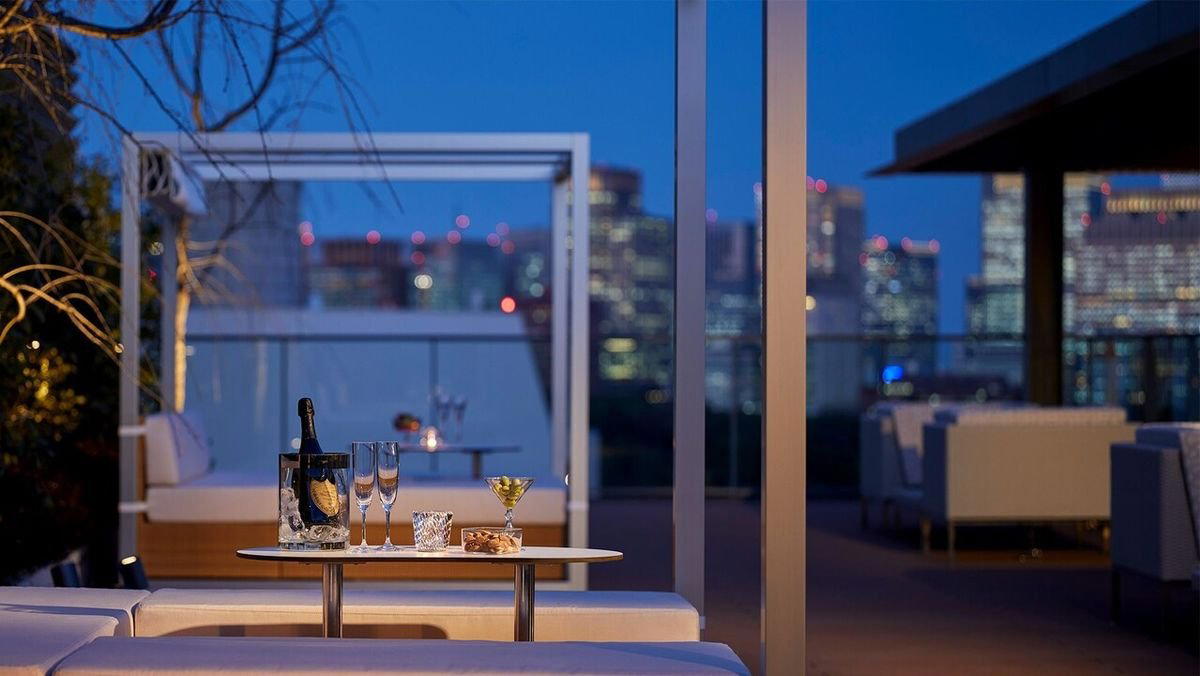
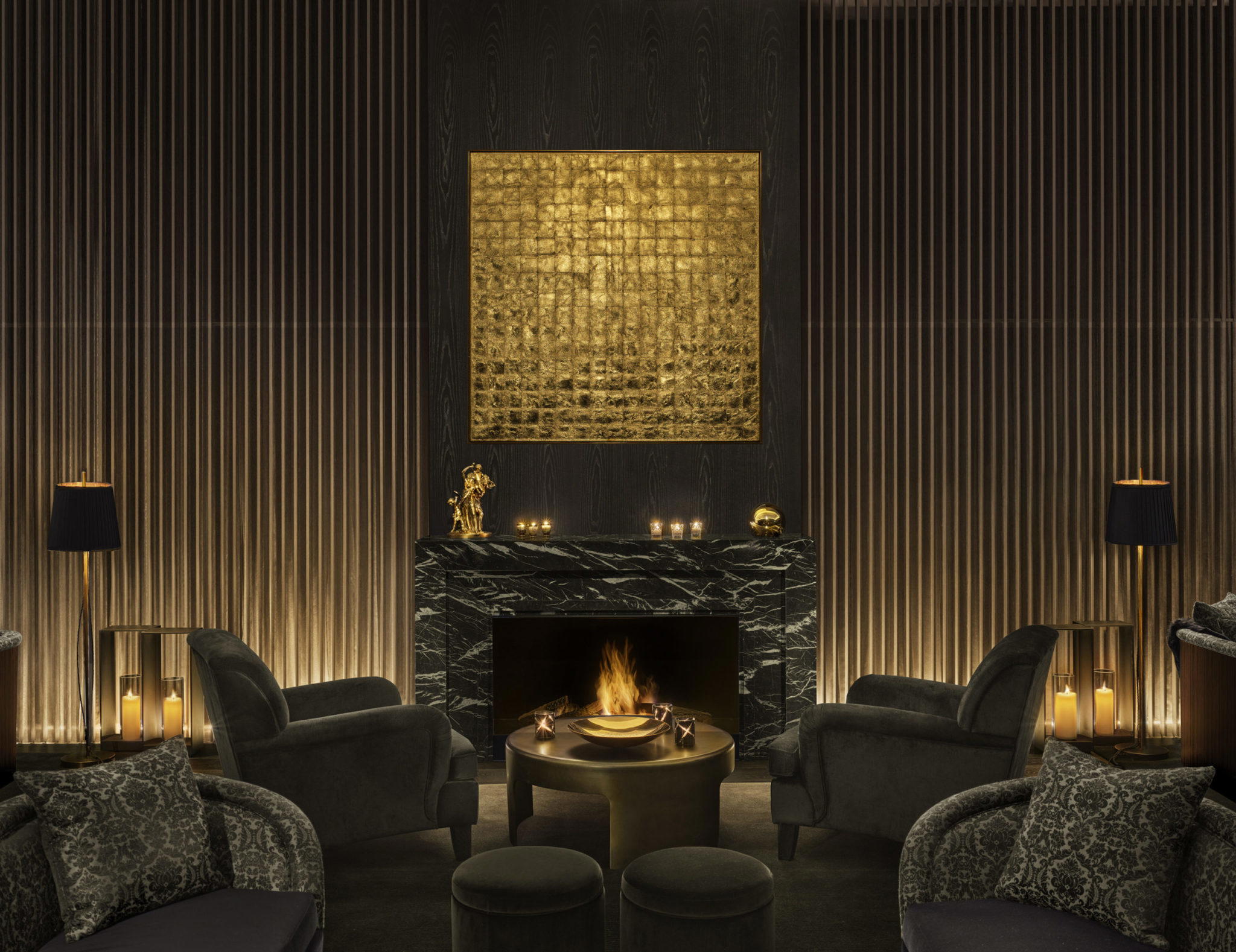
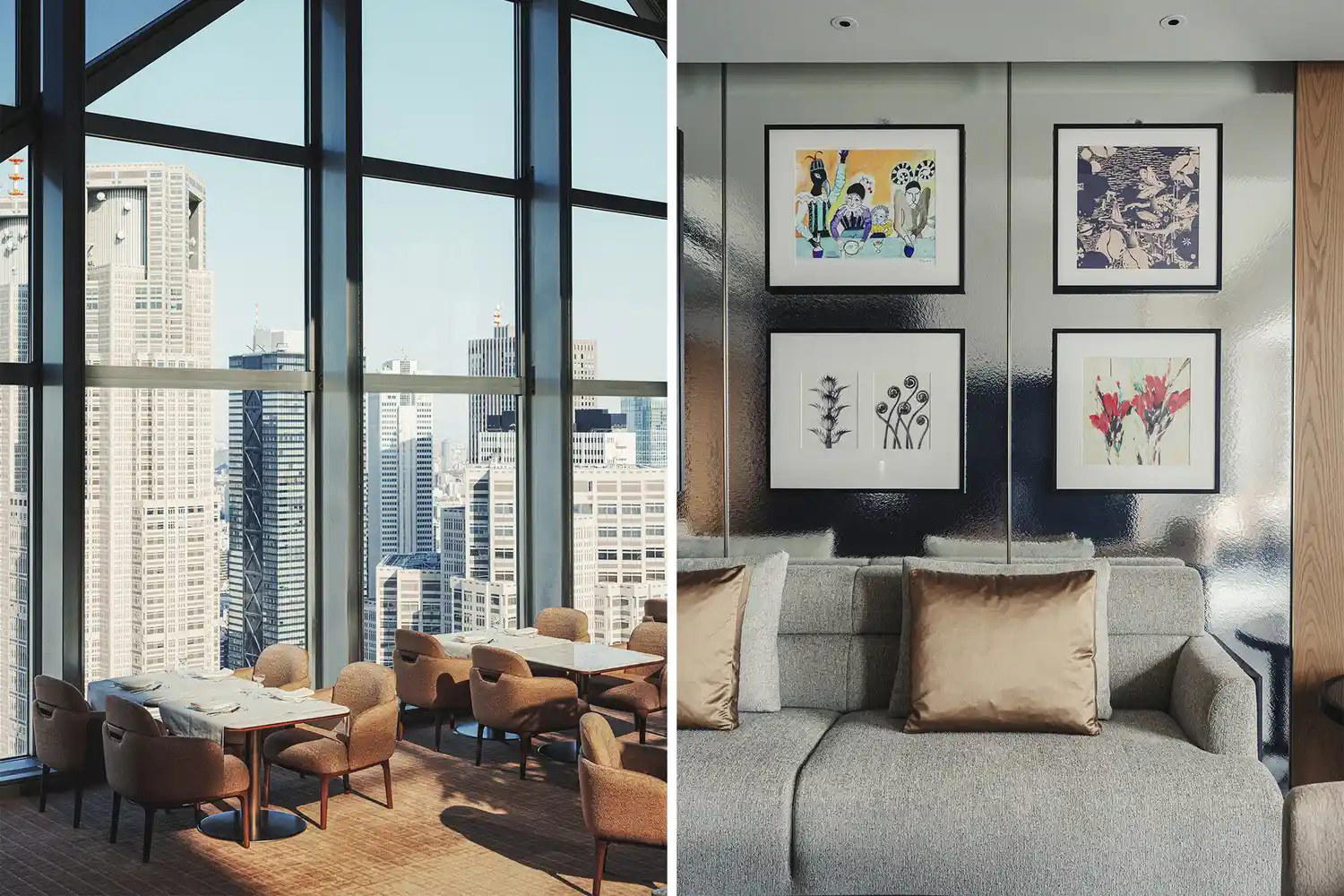
Warm lighting with a relaxed, traditional Japanese izakaya atmosphere.