
Tabelog 100 #95
Our verdict
Akasaka Momonoki occupies the third floor of Tokyo Garden Terrace Kioicho in Chiyoda, a neighbourhood where formal dining rooms sit alongside the city's political and business corridors. The restaurant takes its name from the peach tree, a classical symbol of longevity in Chinese and Japanese culture, and operates within a dining scene that prizes precision sourcing as much as technique. For Tokyo diners who follow ingredient-led Japanese cooking, this address merits attention.

Pearl is the En Primeur Club membership app, where members save venues, book tables and use the concierge.
Kioicho and the Discipline of Place
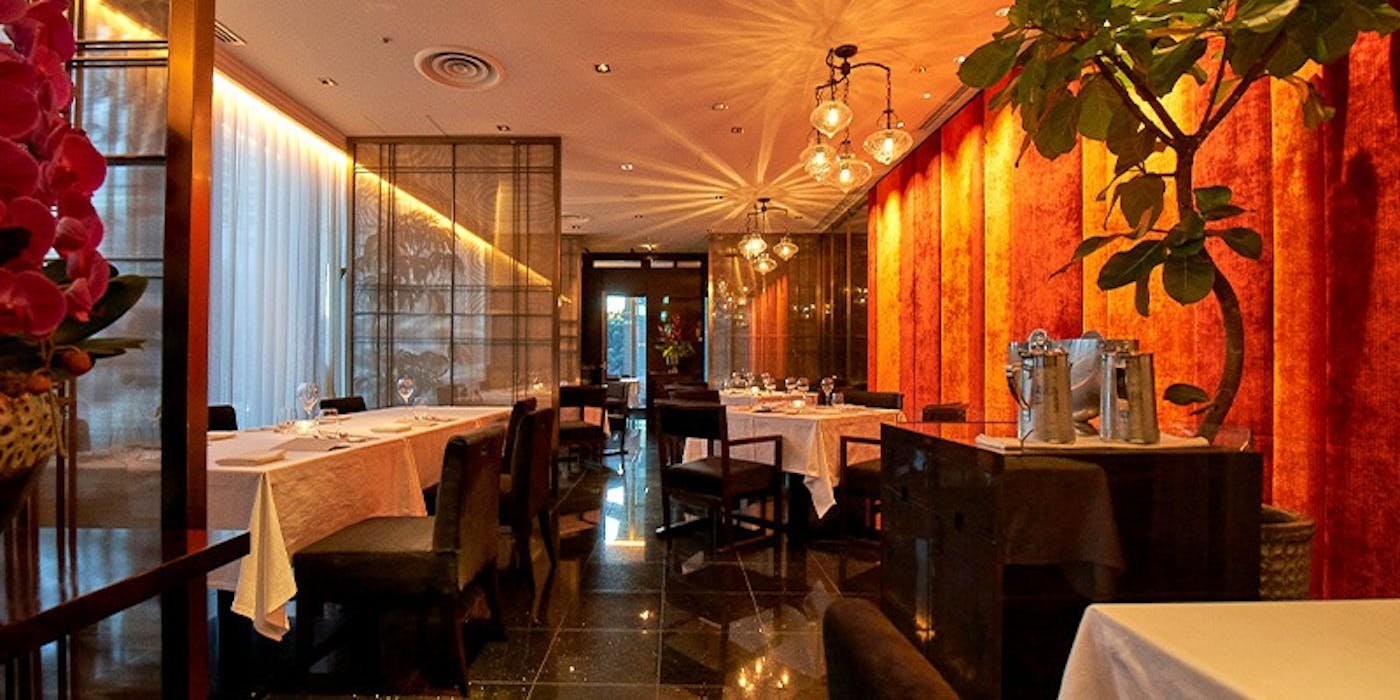
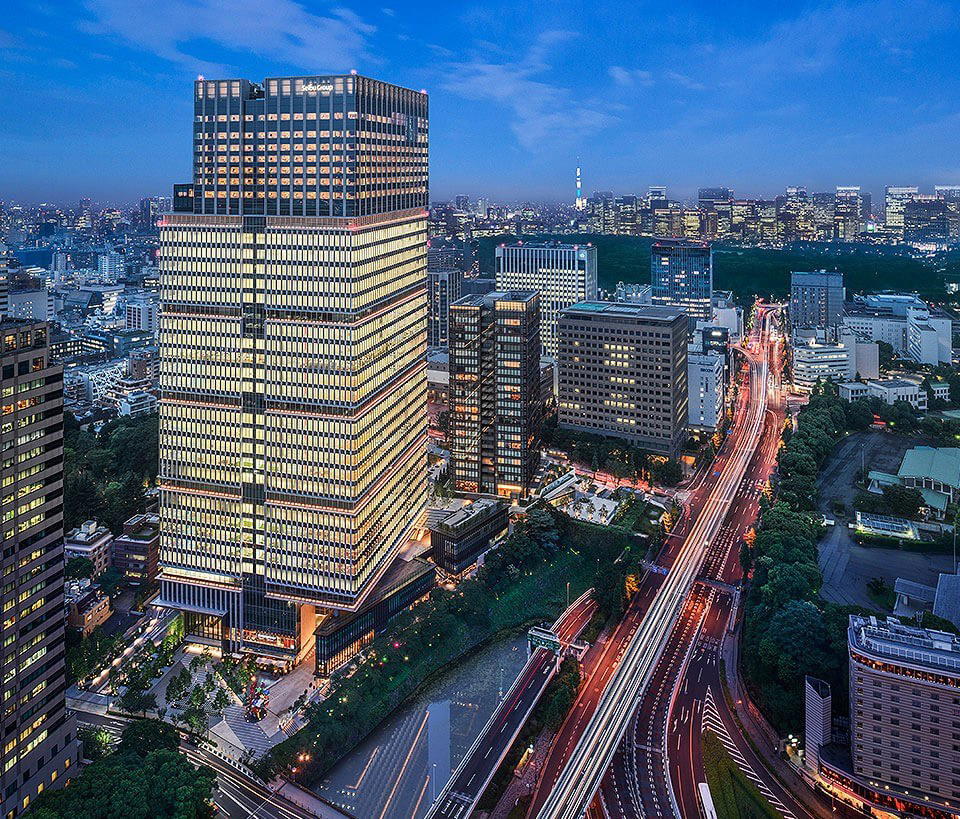
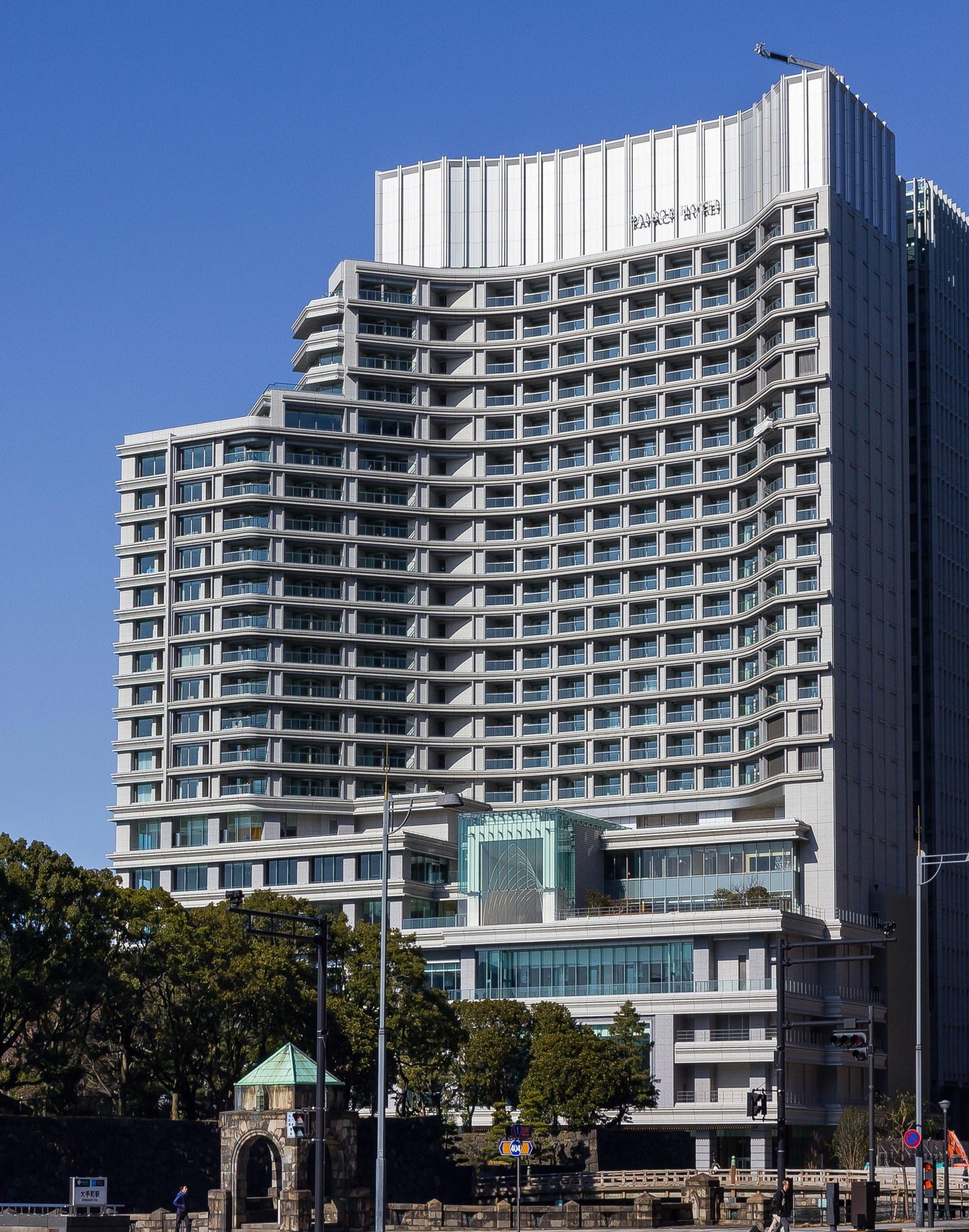
Chiyoda's Kioicho district sits at an unusual intersection in Tokyo's dining geography. It is neither the concentrated fine-dining corridor of Ginza nor the neighbourhood-restaurant density of Minami-Aoyama, but rather a zone shaped by proximity to the Imperial Palace grounds, the National Diet, and several foreign embassies. Restaurants here tend toward formality, and their clientele tends toward the kind of guests who treat dinner as an extension of professional life. Into this context, 赤坂 桃の木 occupies the third floor of the Tokyo Garden Terrace Kioicho development on Kioicho 1-3, a mixed-use complex that includes hotel and office components. The approach to the restaurant, through a modern atrium before ascending to a dining floor positioned above the district's tree canopy, establishes a register of quiet occasion before any food arrives.
Tokyo Garden Terrace as a frame matters because it positions the restaurant within a development designed for deliberate, occasion-driven visits rather than spontaneous drop-ins. That context shapes everything from reservation lead times to the expectations guests carry through the door. Diners arriving from comparable ¥¥¥¥ addresses in the city, such as RyuGin in Roppongi or L'Effervescence in Minami-Aoyama, will recognise the social grammar immediately.
The Sourcing Logic Behind Japanese Seasonal Cooking
The name 桃の木, meaning peach tree, draws on a classical reference that runs through Chinese poetry and Japanese seasonal aesthetics alike. The peach is associated with early spring, with longevity, and with the particular pleasure of produce at its moment of ripeness, not stored, not forced, but timed correctly. That symbolic anchor points toward a broader principle in serious Japanese seasonal cooking: that the sourcing calendar is not a menu feature but a structural constraint.
Across Japan's highest-regarded restaurants, from Gion Sasaki in Kyoto to HAJIME in Osaka, the discipline of ingredient sourcing operates on a different timeline than Western fine dining. Japanese chefs working in this tradition typically maintain direct relationships with specific farmers, fishermen, and foragers, sometimes for decades. A single dish might depend on a daikon variety grown in one prefecture, a particular grade of dashi kelp harvested from a single coastline, or a river fish available for three weeks a year. The kitchen's role is as much curation and restraint as transformation.
This approach has regional analogs worth noting. Akordu in Nara builds menus around produce from the Yamato region with a similar emphasis on proximity and seasonal precision. Goh in Fukuoka applies comparable sourcing discipline to Kyushu's distinct ingredient culture. What unites these approaches is not a shared technique but a shared epistemology: the belief that the leading cooking decision is often the decision not to intervene.
Akasaka as a Frame for Chinese-Influenced Japanese Cuisine
The restaurant's full name, 赤坂 桃の木, foregrounds its Akasaka neighbourhood identity even though the physical address is Kioicho, one block over. Akasaka has a long history as a centre for Chinese and Chinese-influenced Japanese cooking in Tokyo, a tradition rooted in the postwar period when the neighbourhood hosted diplomatic missions and entertained a clientele comfortable with continental Asian cuisine. Several of the city's longest-running Chinese and Japanese-Chinese restaurants operate within a short radius.
In contemporary Tokyo, the distinction between Chinese cooking and Japanese interpretations of Chinese technique has become a meaningful critical category. Restaurants like Crony, which works across French and Japanese registers, illustrate how Tokyo's fine-dining scene increasingly treats culinary tradition as a set of technical tools rather than fixed identity categories. A restaurant that names itself with a Chinese cultural reference while operating in a Japanese fine-dining context is positioning itself within this conversation deliberately.
For international visitors calibrating where this restaurant sits relative to global peers, the ingredient-obsession and seasonal discipline it shares with Japanese kaiseki traditions places it in a comparable register to Atomix in New York, which applies Korean fine-dining discipline and sourcing rigour to a Western context, or Le Bernardin in New York, where the sourcing of a single protein type structures an entire menu philosophy.
Planning a Visit
Tokyo Garden Terrace Kioicho sits adjacent to Nagatacho Station on the Tokyo Metro Namboku and Yurakucho lines, and within walking distance of Akasaka-Mitsuke and Yotsuya stations. The development's third-floor position means the restaurant is accessed by elevator from the main atrium lobby. Given the neighbourhood's professional dining culture, reservations are advisable well in advance, particularly for dinner. Diners familiar with the booking patterns at comparable Chiyoda and Akasaka establishments, or at high-demand Tokyo counters like Harutaka or Sézanne, should treat this address with the same forward planning. Direct contact via the Tokyo Garden Terrace concierge is a practical first step when the restaurant's own booking channel is not readily available online. For a fuller picture of Tokyo's current dining scene, the EP Club Tokyo restaurant guide provides comparative context across price tiers and cuisine types.
Beyond Tokyo, travelers moving through Japan's Kansai and regional dining circuits will find comparable commitment to seasonal ingredient sourcing at 湖畔荘 in Takashima, 羽根屋 in Nishikawa Machi, and bodai in Nachikatsuura. Each operates within a regional ingredient logic that rewards guests who understand the sourcing context before they arrive. Specialist venues such as Birdland in Sakai and Bistro Ange in Toyohashi demonstrate how Japan's ingredient culture extends well beyond its major cities. Blue Ocean Steak in Nakagami District illustrates the same sourcing discipline applied to Okinawan beef and local marine produce.
Frequently asked questions
Would 赤坂 桃の木 be comfortable with kids?
The Kioicho address inside Tokyo Garden Terrace suggests a formal dining environment consistent with the Akasaka neighbourhood's business-entertainment tradition. That context typically favours adult diners, particularly in the evening. Families with older children comfortable in a quiet, composed setting would likely find it manageable; very young children may find the pace and format a poor fit.
How would you describe the vibe at 赤坂 桃の木?
The third-floor position inside Tokyo Garden Terrace Kioicho places it squarely in Chiyoda's business-diplomatic register: composed, unhurried, and oriented toward serious eating rather than social spectacle. Akasaka's long history as a district for discreet, high-quality hospitality sets the tone before you arrive. Expect a room that rewards attention to the food over scene-watching.
How does 赤坂 桃の木 differ from other Chinese-influenced restaurants in Tokyo?
The restaurant's positioning in Kioicho, Chiyoda City, places it within the diplomatic and governmental quarter rather than the Ginza or Roppongi corridors where most high-profile Chinese-influenced kitchens in Tokyo operate. The name 桃の木 anchors the concept in classical Sino-Japanese seasonal aesthetics, suggesting a culinary philosophy closer to washoku sensibility than to contemporary Cantonese or Shanghainese restaurant formats found elsewhere in the city.
What should I eat at 赤坂 桃の木?
The kitchen works within a Chinese-influenced Japanese seasonal framework, meaning the menu turns with the calendar rather than staying fixed. The restaurant's name, 桃の木 (peach tree), signals an aesthetic rooted in classical seasonal reference drawn from both Chinese poetry and Japanese tradition. Specific dishes are best confirmed at the time of booking, as the seasonal logic is the guiding principle.
Where is 赤坂 桃の木 located?
赤坂 桃の木 is located at Japan, 〒102-0094 Tokyo, Chiyoda City, Kioicho, 1−3 紀尾井テラス 3F 東京ガーデンテラス, Tokyo.
What's the best way to book 赤坂 桃の木?
The restaurant sits on the third floor of Tokyo Garden Terrace Kioicho in Chiyoda City, accessible directly from Nagatacho Station on the Tokyo Metro Namboku and Yurakucho lines. Reservation details are not publicly listed, so the most reliable approach is to contact the venue through the Tokyo Garden Terrace concierge or to visit in person during service hours to inquire. Booking well in advance is advisable given the Akasaka dining circuit's demand.
In Context: Similar Options
Comparable venues nearby, for context on price, style, and recognition.
| Venue | Cuisine | Price | Awards | Notes |
|---|---|---|---|---|
| 赤坂 桃の木This venue (the venue you are viewing) | Modern Cantonese Chinese | $150–200 | Tabelog 100 #95 | Not listed |
| Tsukushi Rou Ginza ten | Luxury Chinese shark fin specialist | $100–150 | Tabelog 100 #92 | Chūō |
| Chinaroom | Authentic Cantonese Dim Sum | $50–100 | Not listed | Minato |
| Piaoxiang Hiroo Store | Traditional Sichuan Omakase | $200–300 | Tabelog 100 #74 · Black Pearl 1 Diamond | Shibuya |
| Fureika (中国飯店 富麗華) | Shanghai-Cantonese Chinese Fine Dining | $100–150 | Michelin Plate · Black Pearl 2 Diamond | Higashiazabu |
| Kakyubou | Orthodox Chinese Fine Dining | $150–200 | Michelin Plate | Minato |
Recognition history
Dated appearances from independent guides and award organizations, with the underlying list record or original source where available.
Tabelog 100 #95 · No. 95
Tabelog · Tabelog 100 - Chinese cuisine - TOKYO - 2026
Continue exploring
More in Tokyo
Restaurants in Tokyo
All restaurants in Tokyo →

Bars in Tokyo
All bars in Tokyo →



Details
- Elegant
- Sophisticated
- Cozy
- Date Night
- Business Dinner
- Special Occasion
- Private Dining
- Sake Program
- A La Carte
- Set Menu
Current opening hours
- Monday
- 11:30 AM–2 PM, 5–11 PM
- Tuesday
- 11:30 AM–2 PM, 5–11 PM
- Wednesday
- 11:30 AM–2 PM, 5–11 PM
- Thursday
- 11:30 AM–2 PM, 5–11 PM
- Friday
- 11:30 AM–2 PM, 5–11 PM
- Saturday
- 11:30 AM–2 PM, 5–11 PM
- Sunday
- 11:30 AM–2 PM, 5–11 PM
Hours can change for holidays and private events. Hours as of .
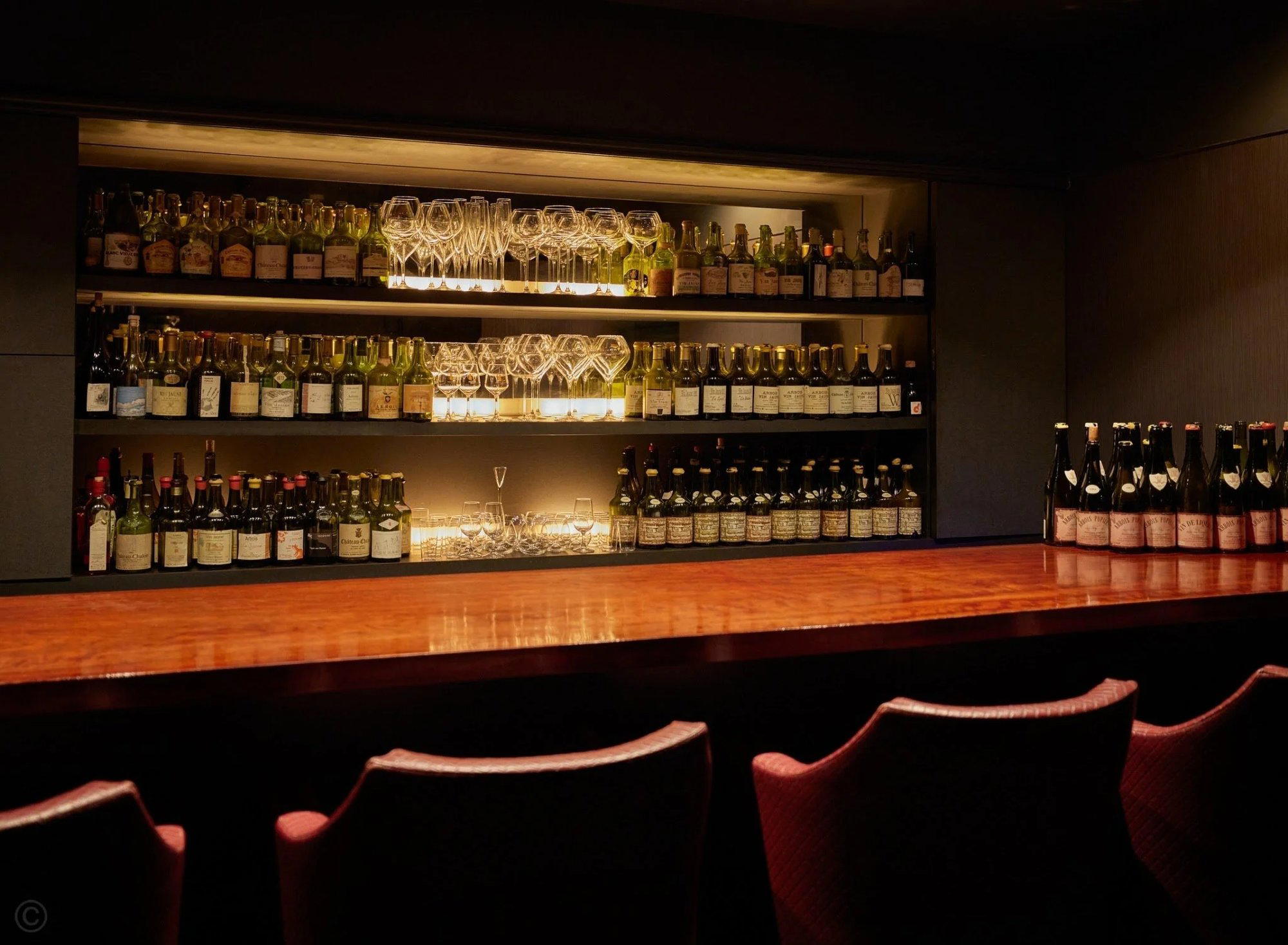
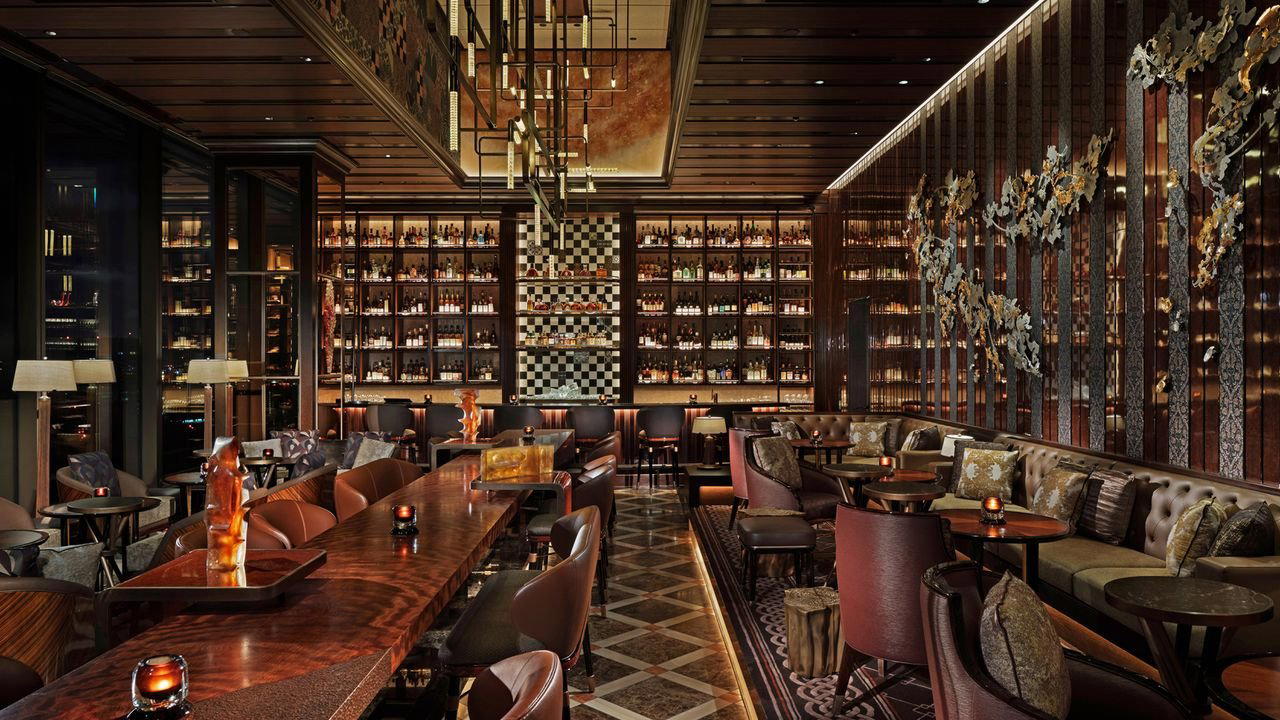
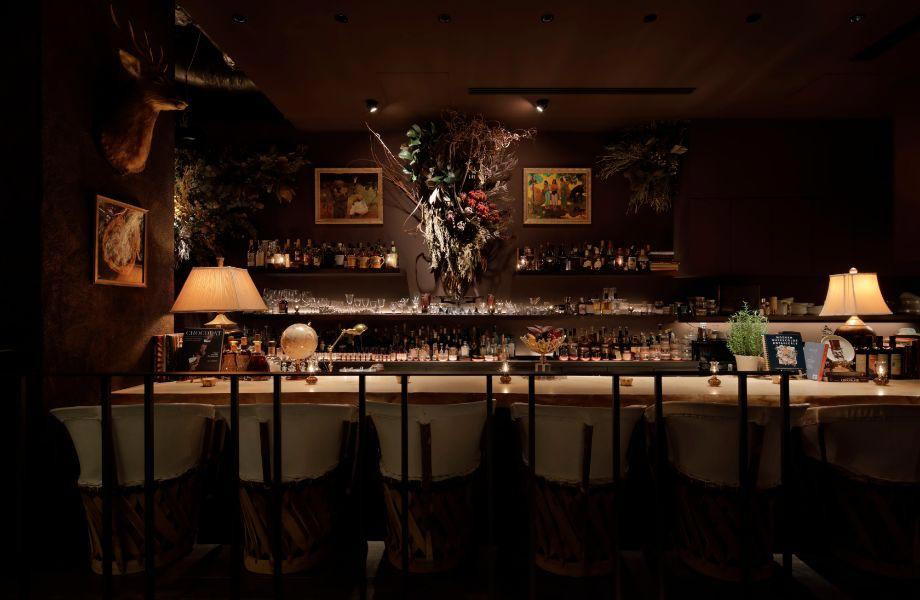
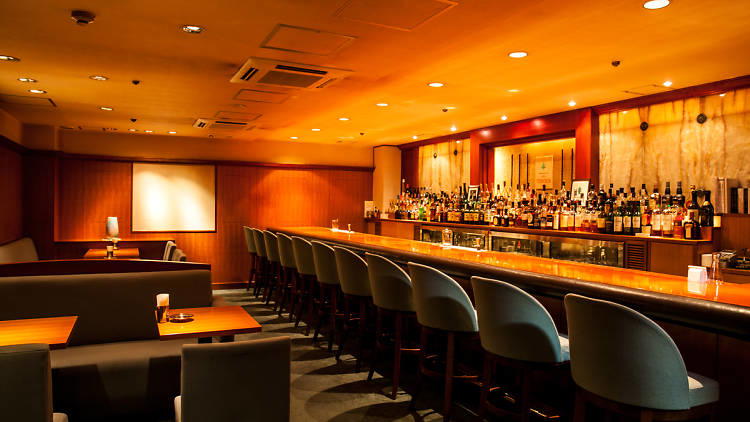
Calm and refined atmosphere with elegant,華やかな interiors in a terrace setting.