
Ginza’s Chinese dining scene sits apart from Tokyo’s counter-driven prestige culture: larger rooms, private dining, wine service, and a sharper sense of occasion. Tsukushi Rou Ginza ten belongs to that register, with Tabelog Chinese TOKYO 100 selections across 2021, 2023, 2024, and 2026, and a fish-conscious Chinese format that suits the district’s polished, cross-generational dining habits.
Pearl is the En Primeur Club membership app — saves, bookings, and concierge access live there. Same editors, same standards.
- Address
- 7 Chome-10-1 Ginza, Chuo City, Tokyo 104-0061, Japan
- Phone
- +81 3-3569-2946
- Website
- tsukushiro.co.jp
 Saves & bookings on Pearl
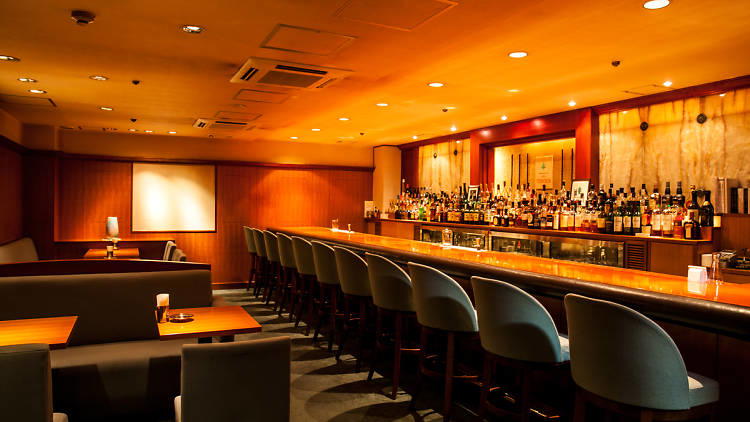
Below street level in Ginza, the mood shifts from the district’s glass-fronted retail glare to a more enclosed kind of Tokyo dining: upholstered seating, private-room discretion, and the low hum of a room built for conversation rather than performance. Chinese restaurants in this part of the city often work differently from the counter temples that dominate visitor itineraries. They are less about watching a chef’s hands and more about pacing, group comfort, wine and sake alongside the meal, and a room that can absorb families, business dinners, and friends without forcing every table into the same ritual.
That distinction matters in Ginza. The neighborhood has long rewarded restaurants that can carry ceremony without becoming stiff. Sushi and tempura counters may define the international image of high-end Tokyo, but Chinese dining occupies a parallel track: larger formats, more flexible occasions, and a broader drinks culture. Tsukushi Rou Ginza ten sits in that lane, recognized in Tabelog’s Chinese TOKYO 100 in 2021, 2023, 2024, and 2026. For travelers building a Tokyo food itinerary, that track deserves space beside the more familiar omakase and kappo reservations.
Ginza Chinese dining favors polish over counter theater
Tokyo’s prestige dining often asks guests to choose between intimacy and range. A counter can deliver focus, but it rarely suits a mixed-age group or a longer, looser evening. Ginza’s Chinese restaurants answer a different problem: how to make a serious meal feel socially usable. Here, the room carries as much weight as the cooking category. Private rooms, a sizeable dining room, and a drinks list spanning sake, shochu, wine, and cocktails point toward a restaurant built for conversation-heavy occasions, not just culinary scrutiny.
The cuisine category is listed simply as Chinese, but the more telling signals are fish focus and a health-conscious menu orientation. In Tokyo, Chinese cooking has absorbed local expectations around seafood sourcing, lighter pacing, and seasonality without abandoning banquet logic. That hybrid is why the category can sit comfortably in Ginza rather than feeling imported wholesale from another dining culture. It gives the neighborhood a useful middle ground between formal Japanese courses and casual izakaya energy.
Within that frame, Tsukushi Rou Ginza ten is not chasing the tiny-seat scarcity model. Its scale changes the experience. A 124-seat Chinese restaurant in Ginza reads differently from an eight-seat counter in the same district: less whisper, more occasion; less chef-as-stage, more table-as-unit. That makes it particularly relevant for travelers who want a polished Tokyo meal without asking every guest to conform to a tasting-counter script.
Recognition here signals consistency, not novelty
Tabelog’s Chinese TOKYO 100 is a useful marker because it separates this restaurant from the vast middle of Tokyo’s Chinese dining field. Repeated selection across several cycles suggests durability in a category where trends move quickly and where Ginza diners have alternatives across sushi, kaiseki, yakiniku, tempura, and Western fine dining. The point is not that an award turns dinner into a trophy. It means the restaurant has remained visible in a competitive Tokyo category while operating in a format that values scale and steadiness.
That steadiness is the editorial appeal. In Tokyo, the more dramatic reservation stories often cluster around small counters such as 寿司 健, Tempura Yamanoure, Azabu Kyutoku, Takeru, or kappo rooms like Kapo Choryumon. Chinese dining in Ginza plays another hand. It can be premium without being hushed, formal without being fragile, and suitable for guests who want a recognized table but not a night arranged around chef proximity. For a city where many high-end meals narrow the social field, that is a practical strength.
The room’s family-friendly positioning also tells a broader story about Ginza. This is not only a district for luxury shoppers and corporate cards; it is a neighborhood where multigenerational dining still has a place, provided the restaurant has the space and service structure to support it. Children are welcomed, strollers are accepted, and private rooms are available for small groups. Those details may sound logistical, but they shape the dining culture more than another abstract claim about refinement ever could.
How to place it in a Tokyo itinerary
Use this restaurant when the evening calls for Ginza polish with more flexibility than a counter format. It fits a group meal, a family dinner, or a business-adjacent night when the table needs privacy and a broader drinks range. It is less suited to travelers seeking the compressed drama of a chef-led tasting menu. That contrast is useful: Tokyo rewards diners who match format to occasion rather than chasing a single hierarchy of prestige.
For a wider map of the city, pair this Ginza read with Our full Tokyo restaurants guide, then build around mood and neighborhood rather than category alone. Akihabara can pull the itinerary toward charcoal and tuna at . 鮪と炭火焼き うお炭 秋葉原店, Shinjuku toward sharper urban dining at 12/10 Shinjuku ten, Kagurazaka toward yakitori at 124. KAGURAZAKA (Yakitori), and lighter daytime pacing at 2D Cafe or 3 Chome no Curry Ya San. For trip planning beyond restaurants, the same city logic extends through Our full Tokyo hotels guide, Our full Tokyo bars guide, Our full Tokyo wineries guide, and Our full Tokyo experiences guide.
Outside Tokyo, the contrast becomes clearer. Regional Japanese dining can lean into single-specialty formats such as -Grilled beef Sukiyaki- KAMAKURA TANUKIAN 鎌倉 たぬき庵 in Kamakura, café culture at.cafe in Osaka, local counter culture at.know in Kumamoto, Vietnamese cooking in the Tokyo orbit at (Shoku) Vietnam in Kawasaki, curry specialization at [Curry Senmon Ten] Maruyama Kyoju. in Sapporo, or Kyoto’s smaller-format precision at [ki:] in Kyoto. Even abroad, the Japanese dining conversation keeps branching, from Jōdo Saké Bar in Los Angeles to Onigiri Time in Pasadena. Against that spread, Ginza Chinese dining reads as its own Tokyo grammar: social, polished, and built for the table rather than the counter.
Comparable Spots
Comparable venues to anchor price and recognition.
| Venue | Cuisine | Price | Notes |
|---|---|---|---|
| Tsukushi Rou Ginza tenThis venue — the venue you are viewing | Luxury Chinese shark fin specialist | $$$$ | |
| Xie Wang Fu | Luxury Shanghai Crab Fine Dining | $$$$ | Chūō |
| 4000 Chinese Restauranat | Reservation-only Sichuan tasting menu | $$$$ | Minami-Aoyama |
| Renge Equriosity Shinbashi | Modern Shanghai Chinese Fine Dining | $$$$ | Chūō |
| Chinese Hanten Mita ten | Classic Chinese restaurant known for Peking duck | $$$ | Minato |
| Chinese Hanten Ichigaya ten | Seasonal Shanghai Chinese (Chuugokuhanten Ichigaya) | $$$ | Chiyoda |








At a Glance
- Elegant
- Classic
- Sophisticated
- Business Dinner
- Special Occasion
- Group Dining
- Date Night
- Family
- Private Dining
- Standalone
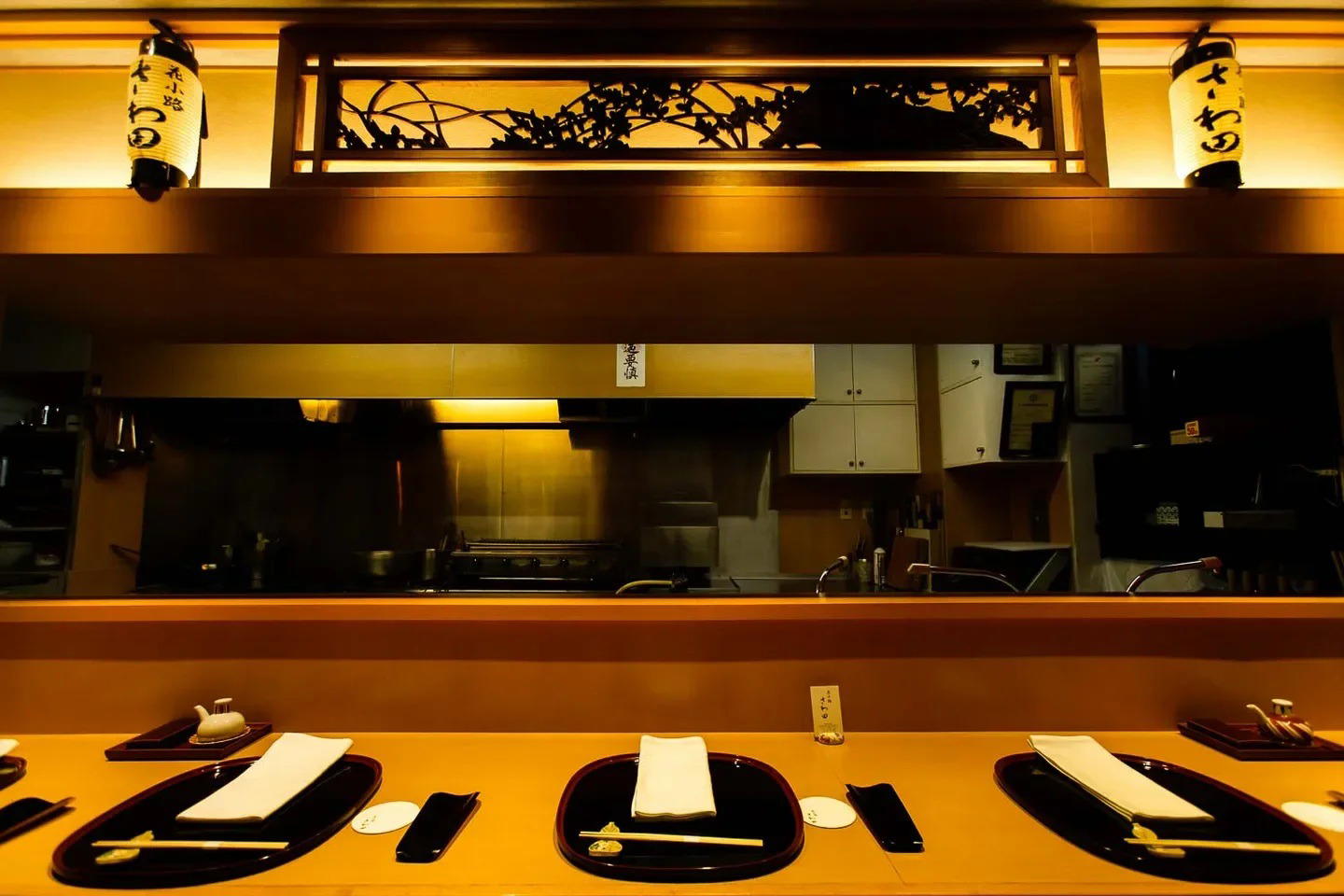
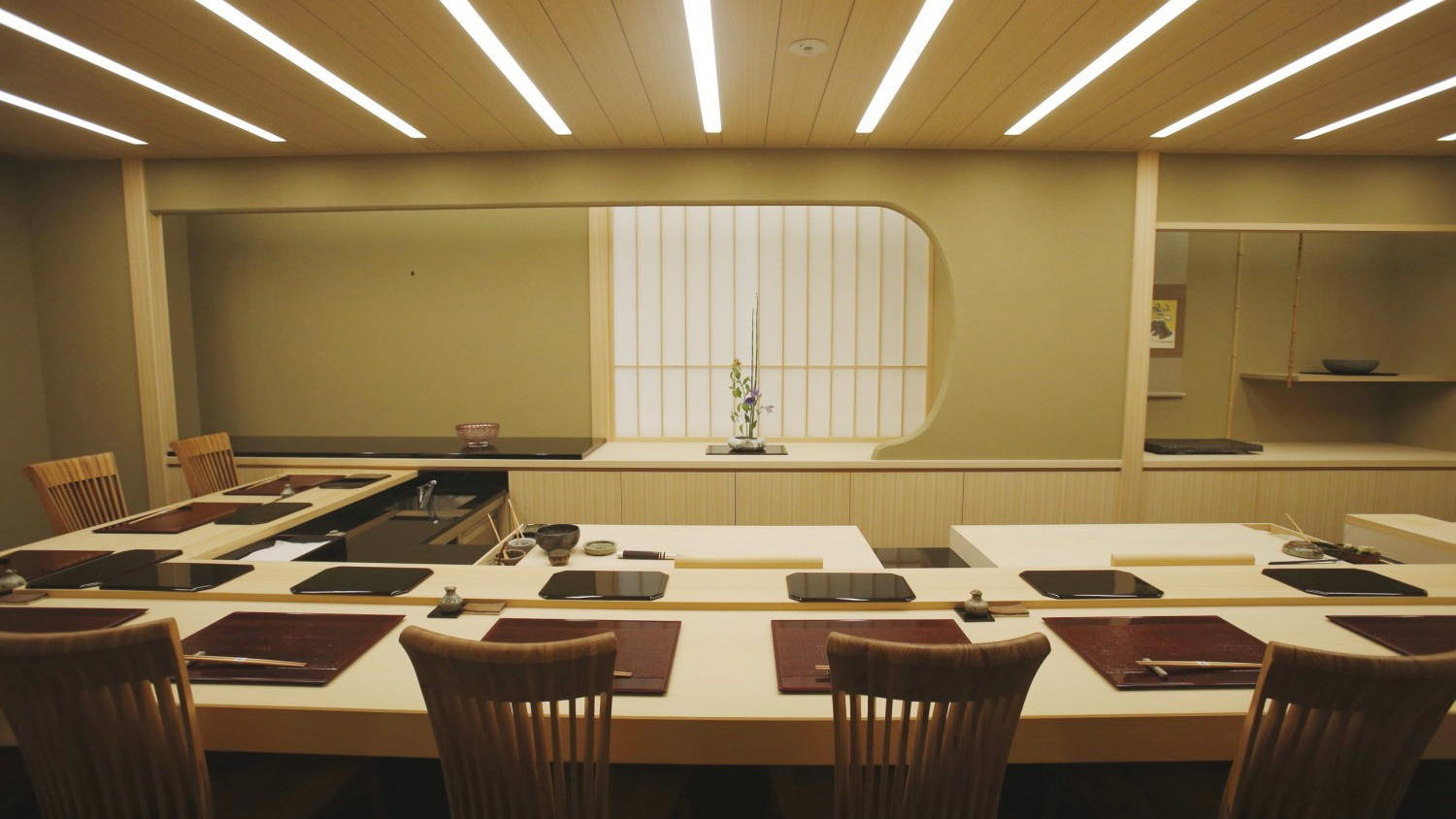
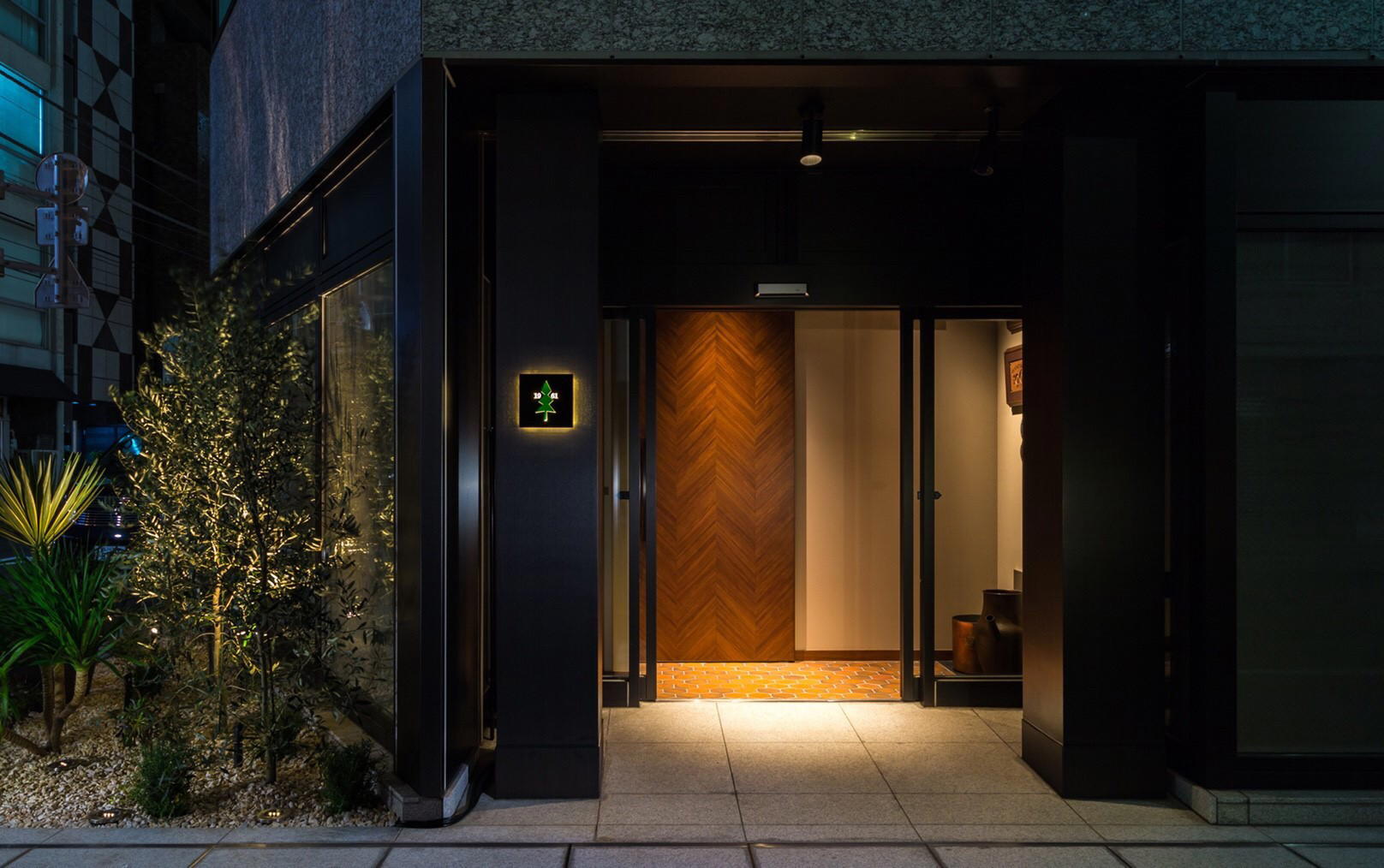
Upscale, classic Chinese fine-dining atmosphere in a basement Ginza location, with a calm, polished dining room suited to business and special-occasion meals.