Our verdict
Chinaroom occupies a sixth-floor address in Roppongi's Grand Hyatt Tokyo tower, positioning it inside one of the neighbourhood's most recognizable luxury hotel stacks. As Chinese dining in Tokyo continues to mature beyond the banquet-hall format, venues at this address level operate in a different register from street-level competition. Worth understanding before you book how the lunch and dinner divide shapes the experience here.

Pearl is the En Primeur Club membership app, where members save venues, book tables and use the concierge.
The menu
What to order
- Peking duck
- Dim sum buffet
- Shrimp dumpling with truffles
Roppongi's Hotel-Tower Dining Circuit and Where Chinese Cuisine Fits
Roppongi has long operated as Tokyo's international dining corridor. The neighbourhood draws embassy staff, expat residents, and high-spending visitors in a density that few other Tokyo districts match, and the consequence is a cluster of hotel-anchored restaurants that price and position against each other rather than against the city's broader restaurant scene. The Grand Hyatt Tokyo tower on Roppongi 6-chome sits at the core of that cluster, and Chinaroom occupies space within it as the property's Chinese dining offering.
Chinese cuisine within Tokyo's premium hotel sector occupies a specific niche. Unlike kaiseki rooms or omakase sushi counters, which carry deep local cultural weight and generate their own critical ecosystems, Chinese restaurants in Tokyo luxury hotels tend to be evaluated on a different axis: execution of regional Chinese technique, the quality of imported ingredients, and the degree to which the kitchen moves beyond the Cantonese-banquet template that dominated the category for decades.
Lunch and Dinner: Two Different Propositions
The lunch-versus-dinner divide is the most operationally significant distinction in hotel-tower Chinese dining, and it applies directly here. Across the category, lunch service at this address tier typically offers a more accessible entry point: shorter set menus, dim sum-style formats, and price points that allow guests to experience the room and kitchen without committing to a full evening spend. The room tends to read differently at midday, with natural light softening what evening service transforms into something more formally charged.
Dinner at this tier shifts the register considerably. Longer tasting formats, more elaborate preparations, and a room atmosphere oriented toward corporate entertaining and celebration bookings all converge to create a service experience that is more ceremonial in pacing. For visitors whose primary interest is understanding the kitchen's range, the dinner format is the more complete read. For those focused on value efficiency, lunch is the clearer choice. This is a pattern consistent across Chinese fine dining in Tokyo's hotel sector, from the Ritz-Carlton's Chinese room to the InterContinental properties across the city.
What distinguishes Roppongi as a dinner location is that the neighbourhood's activity level sustains late-evening dining energy in a way that, say, Marunouchi or Akasaka do not. The streets around Roppongi Hills and the Grand Hyatt remain animated well past 22:00, which means arriving for an 18:30 dinner reservation does not carry the sense of dining in isolation that can affect hotel restaurant evenings in quieter business districts.
The Sixth-Floor Address and What It Signals
Address-level positioning matters in Tokyo's hotel dining hierarchy. The Grand Hyatt Tokyo is a well-established full-service property that opened in 2003 and has since anchored a collection of restaurants across different cuisine categories. Being housed within this building places Chinaroom in a specific competitive and operational context: the property's service infrastructure, wine and beverage programs, and event-booking patterns all shape how individual restaurants within it operate. Hotel-circuit Chinese restaurants at this level typically run larger floor plates than standalone fine-dining rooms, which means a different spatial experience from the intimate counter formats that dominate Tokyo's critical conversation around places like Harutaka.
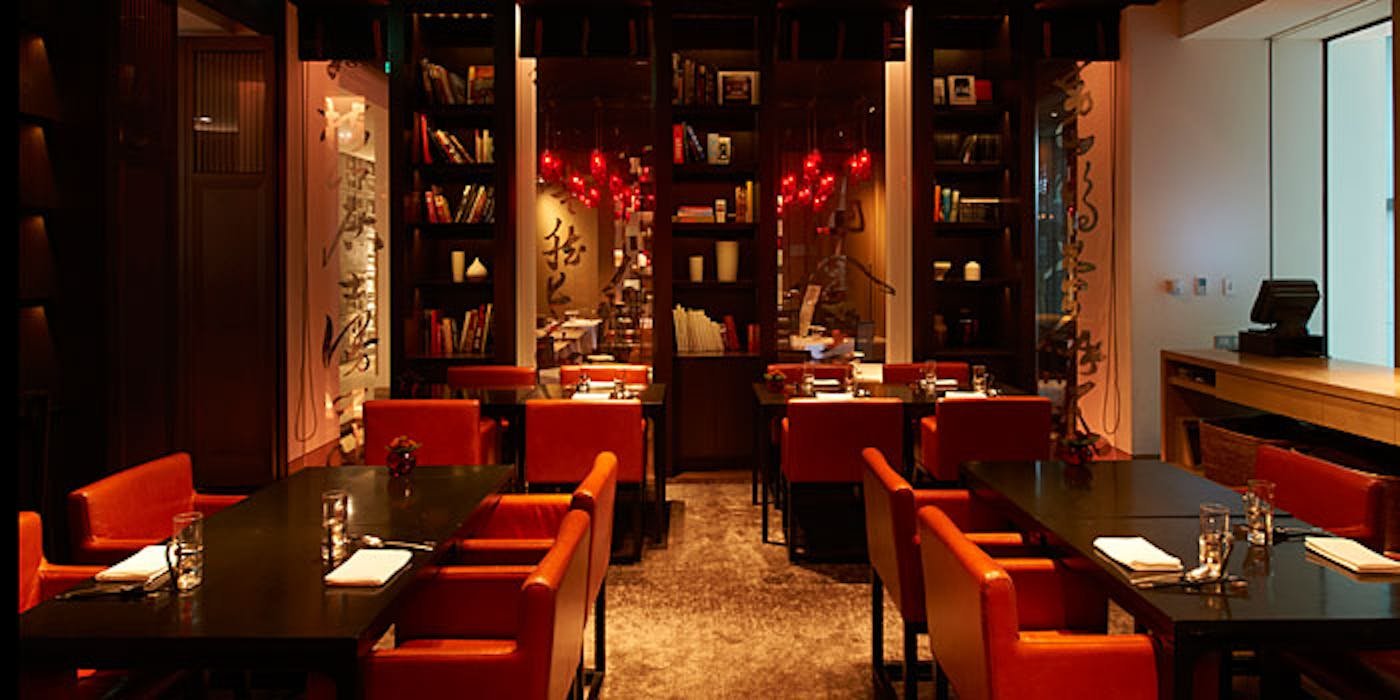
The implications for the guest experience are concrete. Tables are spaced to accommodate group dining. Private room configurations, common in Cantonese fine-dining formats, are typically available at this scale. The room reads as a formal Chinese dining space rather than a tasting-counter experience, and visitors should calibrate expectations accordingly. This is not the format of Crony's chef-driven innovation or Sézanne's intimate French precision. It is a different kind of restaurant doing different work.
Tokyo's Chinese Dining Scene in Broader Context
Tokyo's relationship with Chinese cuisine is longer and more textured than casual observers often credit. The city has maintained significant Chinese-diaspora communities since the Meiji era, and the cooking that developed through Yokohama's Chinatown and Tokyo's own Chinese restaurant history created a hybrid register that is neither mainland Chinese nor purely Japanese-adapted. The premium hotel sector entered this space later, importing Cantonese and Sichuan technique at higher price points and targeting the city's international business community.
Within Japan's wider restaurant geography, the contrast is instructive. Venues like HAJIME in Osaka or Gion Sasaki in Kyoto operate inside deeply rooted local culinary traditions with their own critical frameworks. The hotel-tower Chinese restaurant in Tokyo operates in a more internationalized critical space, judged partly by comparison to Chinese fine dining in Hong Kong, Singapore, and the major global hotel circuits. That is not a weakness, but it does mean the conversation around quality is less locally anchored than in most other Tokyo dining categories.
For visitors building a broader Japan itinerary, akordu in Nara, Goh in Fukuoka, and Abon in Ashiya all offer different regional dining registers worth stacking against a Tokyo visit. The contrast between hotel-circuit dining in the capital and the more idiosyncratic choices available in smaller cities is part of what makes a Japan trip with serious culinary intent worthwhile. See our full Tokyo restaurants guide for the wider picture.
Planning Your Visit
Know Before You Go
- Address: 6-10-3 Roppongi, Minato City, Tokyo 106-0032 (Grand Hyatt Tokyo, 6F)
- Neighbourhood: Roppongi, within the Grand Hyatt Tokyo tower
- Getting There: Roppongi Station on the Hibiya and Toei Oedo lines is the nearest subway stop, approximately five minutes on foot
- Booking: Hotel restaurant reservations in Tokyo at this tier are typically handled via the property's central reservations system or the hotel concierge; contact the Grand Hyatt Tokyo directly
- Leading For: Group dining, corporate entertaining, hotel guests seeking Chinese cuisine without leaving the property
- Format Note: Lunch and dinner service differ in pace, menu scope, and price commitment; confirm which service you are booking and what format is offered
Frequently asked questions
Is Chinaroom good for families?
At the price point and formality level typical of Grand Hyatt hotel dining in Tokyo, this is not a restaurant optimized for young children; the format and atmosphere are pitched at adults and business entertaining.
What should I expect atmosphere-wise at Chinaroom?
Hotel-tower Chinese dining rooms in Tokyo at this address level carry a formal, internationally oriented atmosphere. The Grand Hyatt Roppongi property positions itself toward business travelers and high-spend leisure guests, which shapes the room's energy and service register. Expect a more ceremonial pace than you would find at mid-tier Chinese restaurants across the city, and a room designed for group dining rather than intimate counter experiences of the kind that define much of Tokyo's critical dining conversation.
What should I order at Chinaroom?
As a general principle in hotel-circuit Chinese dining in Tokyo, Cantonese preparations and dim sum formats at lunch tend to represent the clearest expression of the kitchen's range. Verify the current menu directly with the restaurant before visiting, as hotel restaurants in this tier adjust seasonal offerings regularly.
Should I book Chinaroom in advance?
For dinner service, particularly on weekends or during corporate entertaining seasons in Tokyo (Q4 and Q1 tend to be the busiest for business dining), advance reservations are the prudent approach. The Grand Hyatt Roppongi serves a high volume of hotel guests and external diners; walk-in availability at prime dinner hours is not guaranteed. Lunch service may carry more flexibility, but booking is still advisable.
What's the signature at Chinaroom?
In the context of Tokyo's hotel-circuit Chinese dining, the kitchen's benchmark preparations tend to sit in classic Cantonese territory: whole fish, roasted preparations, and layered seafood dishes that reflect the format's institutional strengths. Consult the current menu directly for what the kitchen is leading with.
Does Chinaroom work as part of a wider Roppongi dining evening?
Roppongi's dining and nightlife density makes it one of the few Tokyo neighbourhoods where a hotel restaurant dinner fits naturally into a longer evening rather than marking its end. The Grand Hyatt's 6-chome location sits within easy walking distance of Roppongi Hills and the area's bar circuit, so guests who finish dinner at Chinaroom have a functional range of options for continuing the evening without committing to a taxi or subway change. For visitors exploring the wider Japanese restaurant scene beyond Tokyo, properties like affetto akita in Akita, Aji Arai in Oita, Ajidocoro in Yubari District, Akakichi in Imabari, and aki nagao in Sapporo represent the kind of regionally rooted dining that sits at the opposite end of the hotel-circuit spectrum and is worth building into any serious Japan itinerary. For international reference points, Le Bernardin in New York City and Lazy Bear in San Francisco illustrate how hotel-adjacent and chef-driven fine dining coexist and diverge in other major cities.
Compact Comparison
A small set of peers for context, based on recorded venue fields.
| Venue | Cuisine | Price | Awards | Notes |
|---|---|---|---|---|
| ChinaroomThis venue (the venue you are viewing) | Authentic Cantonese Dim Sum | $50–100 | Not listed | Not listed |
| Harutaka | Edo-Style Omakase Sushi | $200–300 | 3 Michelin Stars · World's 50 Best #76 | Sushi |
| L'Effervescence | Modern French with Japanese Influences | $200–300 | 3 Michelin Stars · World's 50 Best #69 | French |
| RyuGin | Modern Kaiseki | $500+ | 3 Michelin Stars · World's 50 Best #41 | Kaiseki, Japanese |
| Crony | Modern French with Japanese Influences | $150–200 | 2 Michelin Stars · World's 50 Best #34 | Innovative, French |
| Den | Modern Japanese Kaiseki | $150–200 | 2 Michelin Stars · World's 50 Best #51 | Innovative, Japanese |
Continue exploring
More in Tokyo
Restaurants in Tokyo
All restaurants in Tokyo →








Details
- Elegant
- Sophisticated
- Modern
- Business Dinner
- Group Dining
- Special Occasion
- Private Dining
- Hotel Restaurant
- Sake Program
- Local Sourcing
- A La Carte
- Set Menu
- Small Plates
- Sake Program
- Vegetarian Friendly
- Halal
Current opening hours
- Monday
- 11:30 AM–2:30 PM, 5:30–8:30 PM
- Tuesday
- 11:30 AM–2:30 PM, 5:30–8:30 PM
- Wednesday
- 11:30 AM–2:30 PM, 5:30–8:30 PM
- Thursday
- 11:30 AM–2:30 PM, 5:30–8:30 PM
- Friday
- 11:30 AM–2:30 PM, 5:30–8:30 PM
- Saturday
- 11:30 AM–3 PM, 5:30–8:30 PM
- Sunday
- 11:30 AM–3 PM, 5:30–8:30 PM
Hours can change for holidays and private events. Hours as of .
Stylish interior with striking red lighting accents creating an elegant and relaxing atmosphere.