
Michelin Bib Gourmand
Our verdict
Bistro Cerisier holds consecutive Michelin Bib Gourmand recognition (2024 and 2025) for its classically grounded French cooking in Kyoto's Sakyo Ward. Regional French dishes, quenelles, cassoulet, white asparagus with Hollandaise, appear alongside a sauce-forward kitchen philosophy that positions this among the city's most serious Western tables at a mid-range price point.

Pearl is the En Primeur Club membership app, where members save venues, book tables and use the concierge.
French Regionalism in a City Built on Precision
French cooking in Kyoto occupies a peculiar position. The city's fine-dining hierarchy is overwhelmingly kaiseki, with a handful of starred European rooms cenci for Italian, Hiramatsu Kodaiji for French with a luxury-hotel frame, anchoring the Western end of the spectrum. Bistro Cerisier does not compete in that tier. It competes in the register below it, where the question is whether the cooking justifies the cover charge, not whether the room warrants a special occasion. The answer, according to two consecutive Michelin Bib Gourmand distinctions (2024 and 2025), is clearly yes.
The Bib Gourmand is a specific judgment. Michelin awards it not to restaurants that are merely affordable but to those where the cooking reaches a quality threshold that inspectors consider to exceed the price point. Cerisier has now met that threshold twice running, which in a city with Kyoto's density of precision cooking is a signal worth taking seriously.
The Room Before the Food
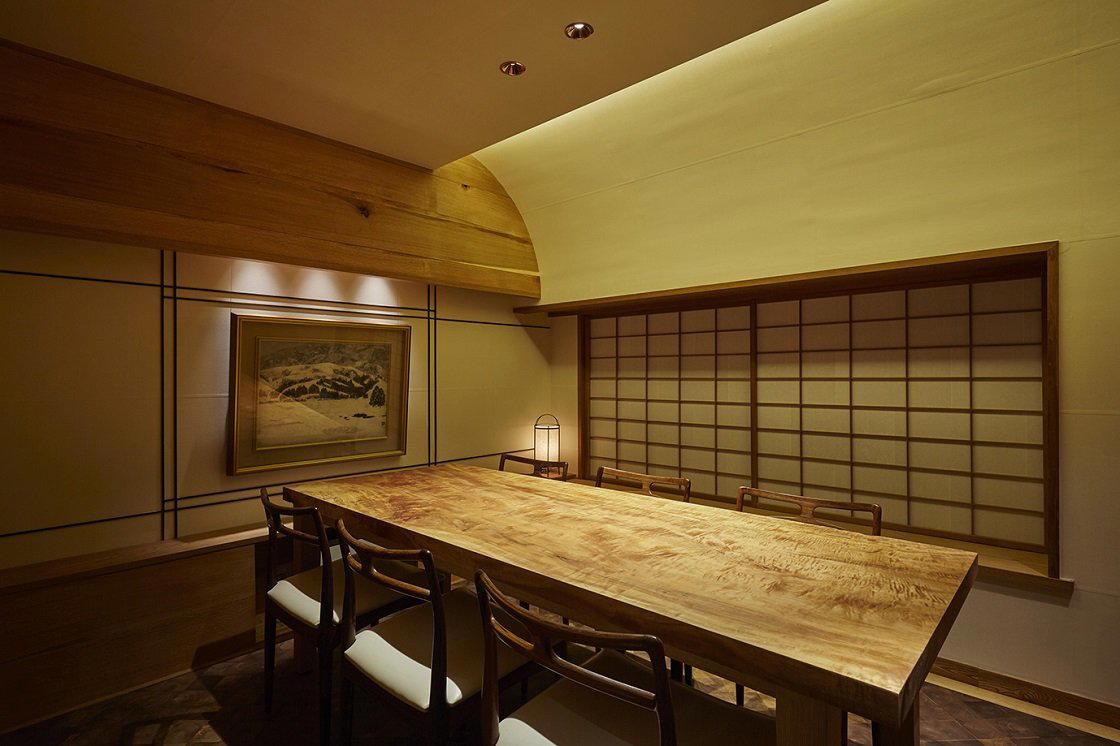
The address places Bistro Cerisier in Sakyo Ward, north of the main tourist grid, in a neighbourhood shaped more by Kyoto University's proximity than by shrine traffic. This is not the Gion postcard. The interior returns to France rather than to its host city: retro fittings, French ballads through the speakers, the general atmosphere of a bistro that has decided its references are Lyon and Languedoc rather than anything Japanese. That choice is deliberate and consistent. The room makes clear what kind of meal is coming before the menu arrives.
That kind of unambiguous identity is rarer than it sounds. Many Western kitchens in Japan calibrate their rooms to local expectations, subdued palettes, restrained music, a studied neutrality. Cerisier does something different: it commits to the French-bistro register without apology, which either works for a diner or it doesn't. For those who respond to the cues, it functions as a genuine change of register from Kyoto's prevailing aesthetic.
What the Menu Argues
The kitchen's organizing principle is regional French cooking, not the haute cuisine of three-star Paris, but the specific, ingredient-rooted traditions of France's provinces. Quenelles from Lyon. Cassoulet from Languedoc. These are dishes with strong geographic identities and exacting technical standards; a poorly made quenelle is immediately obvious, and a cassoulet that hasn't been built with patience announces itself.
The seasonal structure reinforces the same argument. White asparagus with Hollandaise sauce appears in spring, following the European calendar for that ingredient rather than substituting a Japanese equivalent. Salmis of roast mallard, a classical preparation requiring roasting, then finishing the bird in a sauce made from its own carcass, brings a technique that most Western kitchens in Japan would not attempt. The commitment to classical French method at a mid-range price point is precisely what the Bib Gourmand recognizes.
Thread connecting these dishes is sauce work. Hollandaise, salmis reduction, the braising liquids that cassoulet demands: these are preparations that reveal whether a kitchen understands French cooking at its structural level or is only approximating it by surface. Cerisier's recurring Michelin recognition suggests the former. Compared to the city's French rooms at higher price tiers, Droit, La Biographie, or la bûche, Cerisier asks considerably less of the diner's budget while making a case for the same underlying tradition.
Value as an Editorial Position
At the ¥¥ price range, Bistro Cerisier occupies the mid-market tier in a city where serious French dining frequently sits at ¥¥¥ or above. The kaiseki rooms that define Kyoto's international reputation, Gion Sasaki at three Michelin stars, Ifuki at two, operate at ¥¥¥¥. Even among Western kitchens, cenci and Kyo Seika sit at ¥¥¥. Cerisier's position at ¥¥ with consecutive Bib Gourmand recognition makes it structurally different from its peers: the quality argument is there in the awards record, but the price remains accessible to a wider range of travelers.
This matters in Kyoto specifically. The city's dining infrastructure skews toward either high-ceremony kaiseki or tourist-facing casual food, with relatively little in between that has independent critical recognition. A Bib Gourmand French bistro with provincial ambitions fills a gap that a traveler building a three- or four-night itinerary will genuinely feel. It functions as the kind of mid-week dinner, informal enough not to require advance ceremony, serious enough to be worth seeking out, that the city's dining map otherwise lacks in French form.
For context on how French cooking is positioned in Japan's broader dining scene, L'Effervescence in Tokyo and Hotel de Ville Crissier represent the upper end of the tradition that Cerisier draws from at a different register entirely. Within the Kansai region, HAJIME in Osaka and akordu in Nara offer useful comparison points for how European-trained sensibilities operate across the region.
Planning a Visit
Bistro Cerisier sits at 1-3 Tanaka Shimoyanagicho in Sakyo Ward, north of central Kyoto. The Sakyo location means it draws from a local dining public shaped by the university rather than from the shrine-circuit visitor economy, worth knowing as context for what to expect in the room. Given the consecutive Bib Gourmand recognition and the relatively small scale implied by a bistro format, reservations ahead of arrival are advisable, particularly for weekend evenings or during spring when the white asparagus dishes would be in season. Specific hours and booking contacts are best confirmed directly through current listings. Chef Joseph Fontelera leads the kitchen.
For those building a wider Kyoto itinerary, anpeiji offers another reference point in the city's mid-tier dining conversation. The full EP Club guides for Kyoto restaurants, hotels, bars, wineries, and experiences cover the broader picture. Further afield, Harutaka in Tokyo, Goh in Fukuoka, 1000 in Yokohama, and 6 in Okinawa are worth adding to a wider Japan dining itinerary.
What to Order at Bistro Cerisier
The menu is structured around classical French regional cooking, so the dishes that most directly test the kitchen's commitments are the technically demanding ones: quenelles if they appear, cassoulet during appropriate seasons, and whatever sauce-led preparation is current. In spring, white asparagus with Hollandaise is the seasonal anchor. The salmis of roast mallard, where available, is the dish that most clearly signals where the kitchen's technical confidence sits. These are not dishes that reward ordering casually, they are the reason the Bib Gourmand inspectors returned.
Frequently asked questions
Is Bistro Cerisier award-winning?
Bistro Cerisier has received recognition including: French ballads warble through a retro interior, recalling the good old days. Regional cuisines such as quenelles from Lyon and cassoulet from Languedoc spill across the menu. Old-school recipes, like white asparagus with Hollandaise sauce i….
Who's behind the kitchen at Bistro Cerisier?
The chef associated with Bistro Cerisier is Joseph Fontelera.
What should I eat at Bistro Cerisier?
The menu is anchored in French regional cooking, so dishes rooted in specific traditions are where the kitchen earns its Bib Gourmand recognition: quenelles in the Lyon style and cassoulet from the Languedoc tradition are the clearest tests of that commitment. Seasonal preparations, white asparagus with Hollandaise in spring, salmis of roast mallard when available, follow old-school recipes rather than modernised interpretations. The sauces are treated as a point of principle here, so any dish built around them will reflect the kitchen's priorities most directly.
What's the pricing like at Bistro Cerisier?
Pricing at Bistro Cerisier is listed as ¥¥.
Where exactly is Bistro Cerisier?
Bistro Cerisier is located at 1-3 Tanaka Shimoyanagicho, Sakyo Ward, Kyoto, 606-8204, Japan, Kyoto.
A Tight Comparison
A compact comparison to help you place this venue among nearby peers.
| Venue | Cuisine | Price | Awards | Notes |
|---|---|---|---|---|
| Bistro CerisierThis venue (the venue you are viewing) | Classic French Bistro | $50–100 | Michelin Bib Gourmand | Not listed |
| Gion Sasaki | Modern Kaiseki | $300–500 | 3 Michelin Stars · La Liste Top Restaurants | Kaiseki, Japanese |
| cenci | Innovative Italian-Japanese Fusion | $100–150 | 1 Michelin Star · World's 50 Best #76 | Italian |
| Ifuki | Sumibi Kappo Kaiseki | $200–300 | 2 Michelin Stars · La Liste Top Restaurants | Kaiseki |
| Kyokaiseki Kichisen | Kyoto Kaiseki | $200–300 | 2 Michelin Stars · La Liste Top Restaurants | Japanese |
| Kyo Seika | Modern Chinese Fine Dining | $150–200 | 1 Michelin Star · Tabelog Bronze #216 | Chinese |
Recognition history
Dated appearances from independent guides and award organizations, with the underlying list record or original source where available.
Michelin Bib Gourmand
Michelin
Full recognition history (3 entries)
Michelin Bib Gourmand
Michelin
Michelin Bib Gourmand
Michelin
Continue exploring
More in Kyoto
Restaurants in Kyoto
All restaurants in Kyoto →
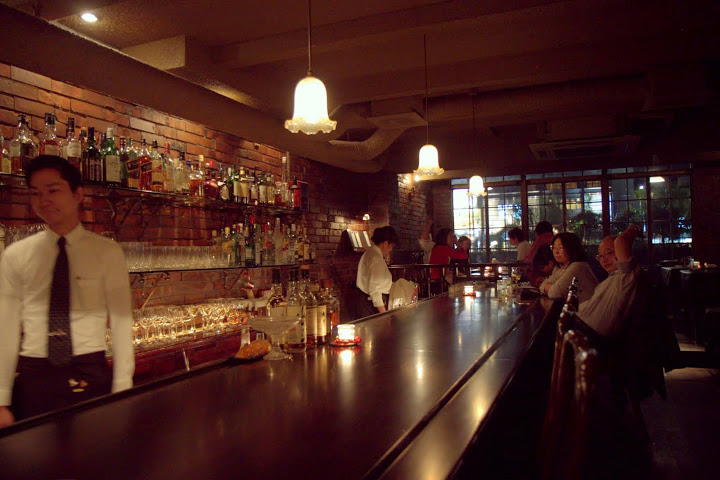
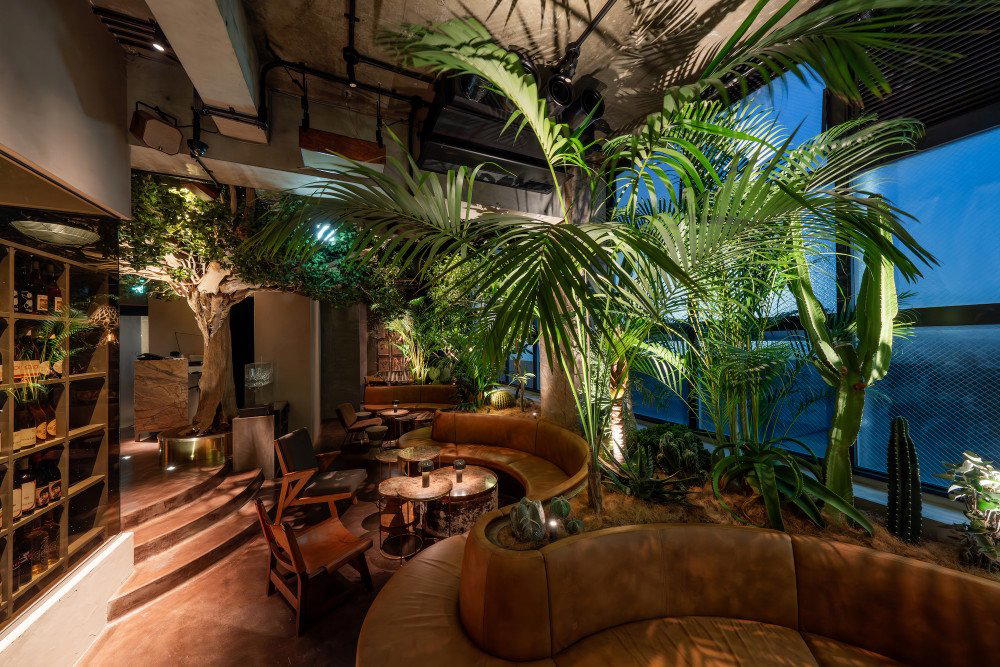
Bars in Kyoto
All bars in Kyoto →

Hotels in Kyoto
All hotels in Kyoto →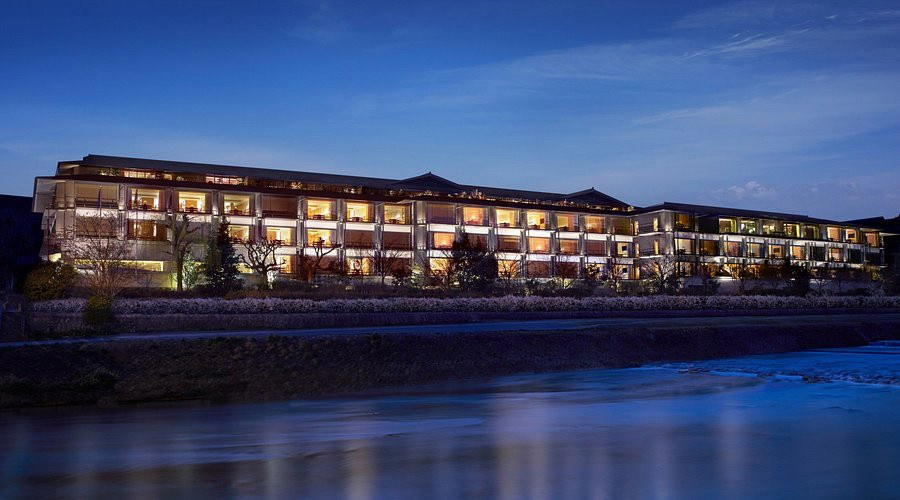
Wineries in Kyoto
Browse all →
Details
- Cozy
- Intimate
- Elegant
- Classic
- Date Night
- Special Occasion
- Sake Program
- Local Sourcing
- A La Carte
- Vegetarian Friendly
Current opening hours
- Monday
- 8:30 AM–2 PM, 6–9:30 PM
- Tuesday
- 8:30 AM–2 PM, 6–9:30 PM
- Wednesday
- 8:30 AM–2 PM, 6–9:30 PM
- Thursday
- 8:30 AM–2 PM
- Friday
- 8:30 AM–2 PM, 6–9:30 PM
- Saturday
- 6–9:30 PM
- Sunday
- 6–9:30 PM
Hours can change for holidays and private events. Hours as of .
Cozy and inviting with retro interior, bare Spartan decor, white walls, simple wooden tables, and warm welcoming atmosphere.