トゥ・ラ・ジョア sits in Nagoya's Naka Ward, in the Art Plaza Sannō building on a quiet Masaki block that signals neighborhood destination rather than tourist circuit. With sparse public data and no press profile to speak of, the restaurant occupies the understated end of Nagoya's dining register, the kind of address passed between regulars rather than broadcast. For visitors building a serious Nagoya itinerary, it warrants investigation on the ground.
Pearl is the En Primeur Club membership app — saves, bookings, and concierge access live there. Same editors, same standards.
- Address
- Japan, 〒460-0024 Aichi, Nagoya, Naka Ward, Masaki, 1 Chome−14−2 アートプラザ山王 1F
- Website
- omakase.in
 Saves & bookings on Pearl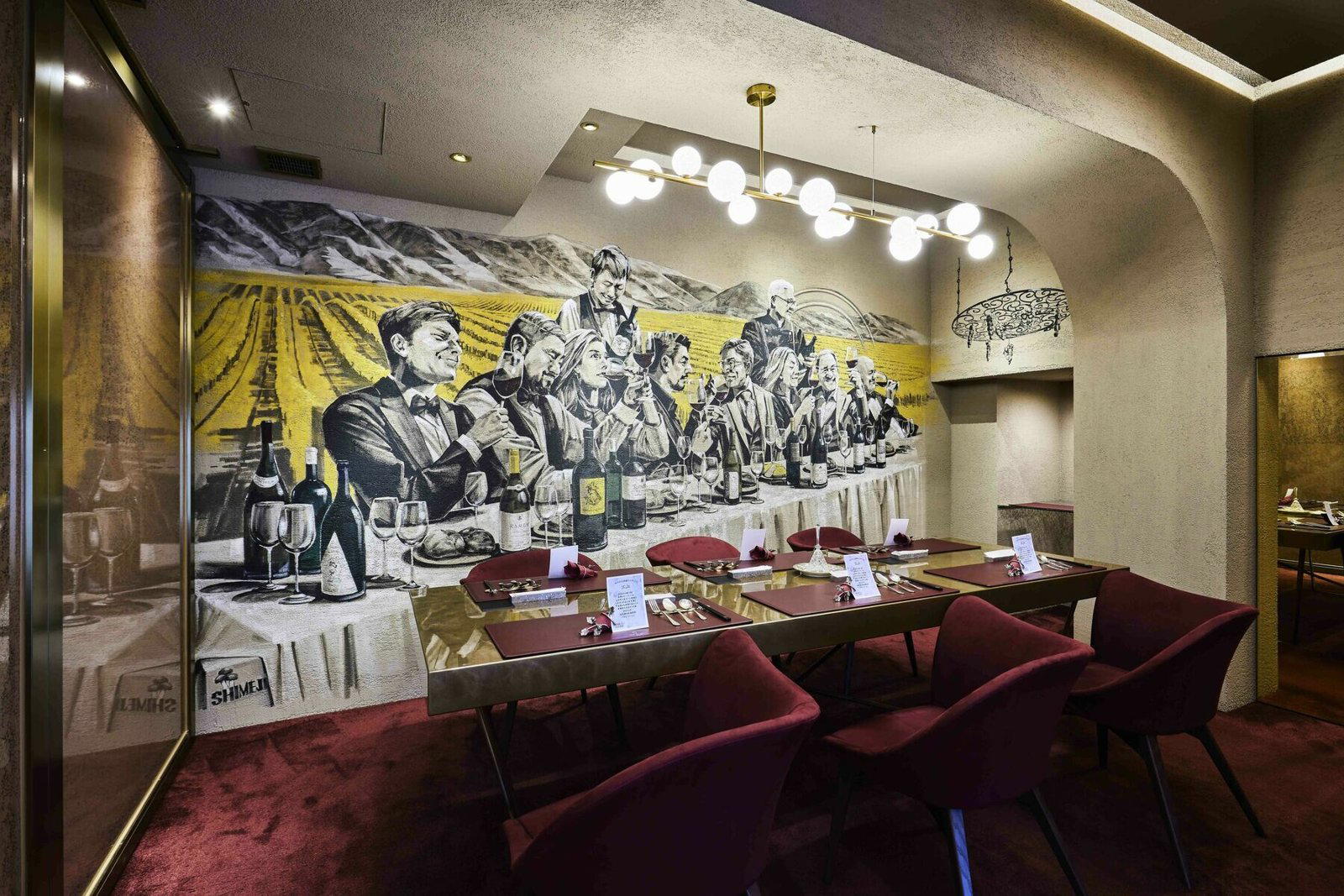
A Quiet Block in Naka Ward, and What That Signals
トゥ・ラ・ジョア is a restaurant in Nagoya's Naka Ward serving Innovative French Fusion, with a smart casual dress code and reservations essential. The city's most-discussed restaurants cluster around Sakae and the Nishiki corridor, where visibility is high and reservation queues move slowly. A different tier operates further from that center: restaurants in residential-adjacent blocks, lodged in low-rise mixed-use buildings, where the absence of a street-level crowd is a feature rather than a warning sign. トゥ・ラ・ジョア sits in that second category, occupying the ground floor of the Art Plaza Sannō building in Masaki, a Naka Ward address that places it between the central business district and the quieter residential streets to the south.
The building itself is unassuming. Approaching along Masaki's narrow block, In Japanese dining culture, this kind of physical restraint often correlates with a room that depends on returning guests rather than walk-in volume.
Nagoya's French-Adjacent Scene and Where Small Rooms Fit
France-influenced cooking has a longer history in Nagoya than the city's industrial reputation might suggest. The same post-bubble concentration of corporate wealth that built the city's department-store food halls also produced a cohort of European-trained chefs who returned to open intimate rooms rather than hotel dining rooms. The result, over decades, has been a scatter of small French and French-adjacent restaurants across Naka and Higashi wards, most operating without significant awards coverage and most booking through word of mouth or local food media rather than international platforms.
That pattern matters when reading a restaurant like トゥ・ラ・ジョア. Across Japan, particularly precise cooking happens at this scale: rooms of twenty seats or fewer, menus calibrated to a loyal clientele, wine selections curated by a single person who also serves. At Gion Sasaki in Kyoto, that kind of intimate, owner-operated format produced a three-Michelin-star kitchen that spent years beneath the international radar. At akordu in Nara, a European-trained team built a serious wine and food program in a city not known for either. The small-room, low-profile format is not a limitation in Japan; it is frequently a deliberate structural choice.
The Team Dynamic in Small European Rooms
French and Italian restaurants of this footprint in Japan typically run on tight collaboration between kitchen and floor. In the absence of a large brigade, the front-of-house carries more interpretive weight: explaining courses, reading the pace of a table, managing the transition between wine and food that a sommelier might handle separately in a larger room.
This format has produced strong results at comparable venues across Japan. HAJIME in Osaka operates with a precision-oriented team dynamic where every element of the guest experience is choreographed between kitchen and floor. At Goh in Fukuoka, a small core team sustains a Michelin-starred program in a market that punches well above its international profile. These precedents establish the category context clearly: in Japan's small European restaurant tier, the team structure is the product as much as the food.
Within Nagoya specifically, restaurants like cucina Wada and Bacio demonstrate how Italian-inflected small rooms can sustain serious cooking programs without broad international recognition. Chez Kobe and Cucina Italiana Gallura occupy a similar structural position: known locally, under-indexed internationally, and operating at a level of consistency that a single visit may not immediately reveal. The restaurant shares the address logic of this peer group.
Nagoya as a Dining City Worth Taking Seriously
International dining coverage of Japan tends to concentrate on Tokyo, Kyoto, and Osaka. Nagoya, Japan's fourth-largest city by population, home to a manufacturing economy that generates significant disposable income, receives a fraction of the attention its restaurant scene warrants. The city holds multiple Michelin-starred addresses, a strong tradition of local cuisine anchored by institutions like Atsuta Horaiken, and a European dining tier that runs deeper than most first-time visitors expect.
That under-coverage has practical consequences. Restaurants that would carry extensive press trails in Tokyo or Osaka operate in Nagoya with thin digital footprints, minimal English-language documentation, and booking systems oriented toward local regulars. Approaching the city's dining scene through our full Nagoya restaurants guide provides a broader framework for building an itinerary that accounts for this structural gap in public information.
For reference points outside Japan's major cities, the comparison extends further: 一本杉 川嶋製菓 in Nanao, 夕月亭山乃 in Sapporo, and 庭羽屋 in Nishikawa Machi all represent the pattern of serious regional cooking operating well outside the international press circuit. 湖畔荘峯 in Takashima and Birdland in Sakai extend that pattern to other under-covered prefectures. The Nagoya case is not notable; it is representative of how Japanese regional dining sits in relation to international media.
Planning a Visit
Arriving at the restaurant without prior contact carries meaningful risk. The address, ground floor, Art Plaza Sannō, 1 Chome-14-2 Masaki, Naka Ward, is confirmed, and the building is a small mixed-use block rather than a restaurant complex, which means navigation is direct once you are in the neighborhood.
Similar Picks
Comparable venues nearby, for context on price, style, and recognition.
| Venue | Cuisine | Price | Notes |
|---|---|---|---|
| トゥ・ラ・ジョアThis venue — the venue you are viewing | Innovative French Fusion | $$$$ | Not listed |
| Auberge de L'Ill Nagoya | Classic Alsatian French fine dining with panoramic city views | $$$$ | Nakamura |
| Sushisho | Edo-style Sushi Omakase | $$$$ | Naka |
| Setsugekka Nagoya | Premium Wagyu Niku Kappo | $$$$ | Nakamura |
| Sushi Shumbi Nishikawa | Nagoya-style Omakase Sushi | $$$$ | Nishi |
| Chuka Kappou Hisada | Seasonal Chinese Kappo / Kaiseki-style Counter | $$$$ | Higashi |
Continue exploring
More in Nagoya
Restaurants in Nagoya
Browse all →
At a Glance
- Elegant
- Intimate
- Sophisticated
- Special Occasion
- Date Night
- Chefs Counter
- Sake Program
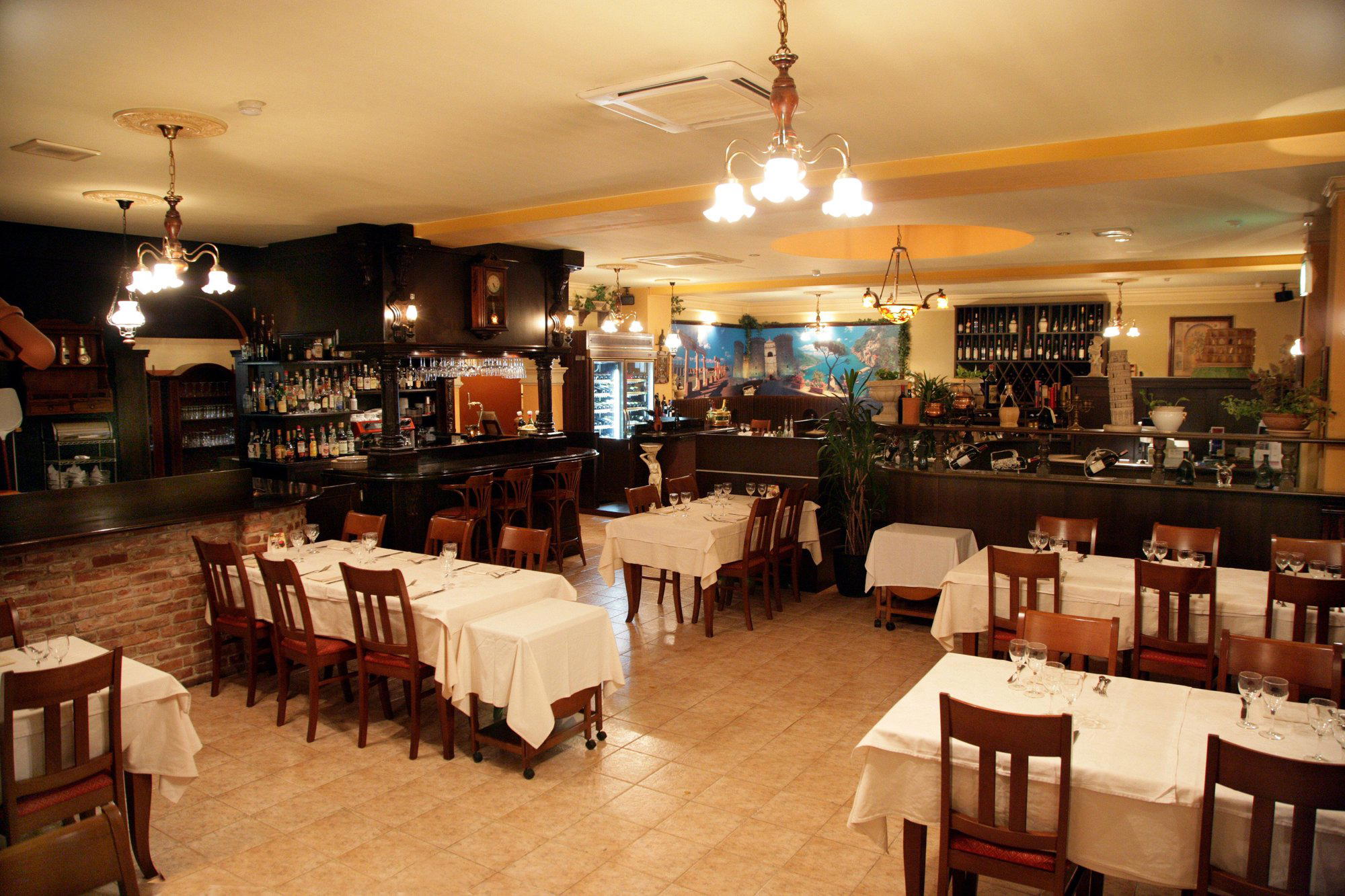
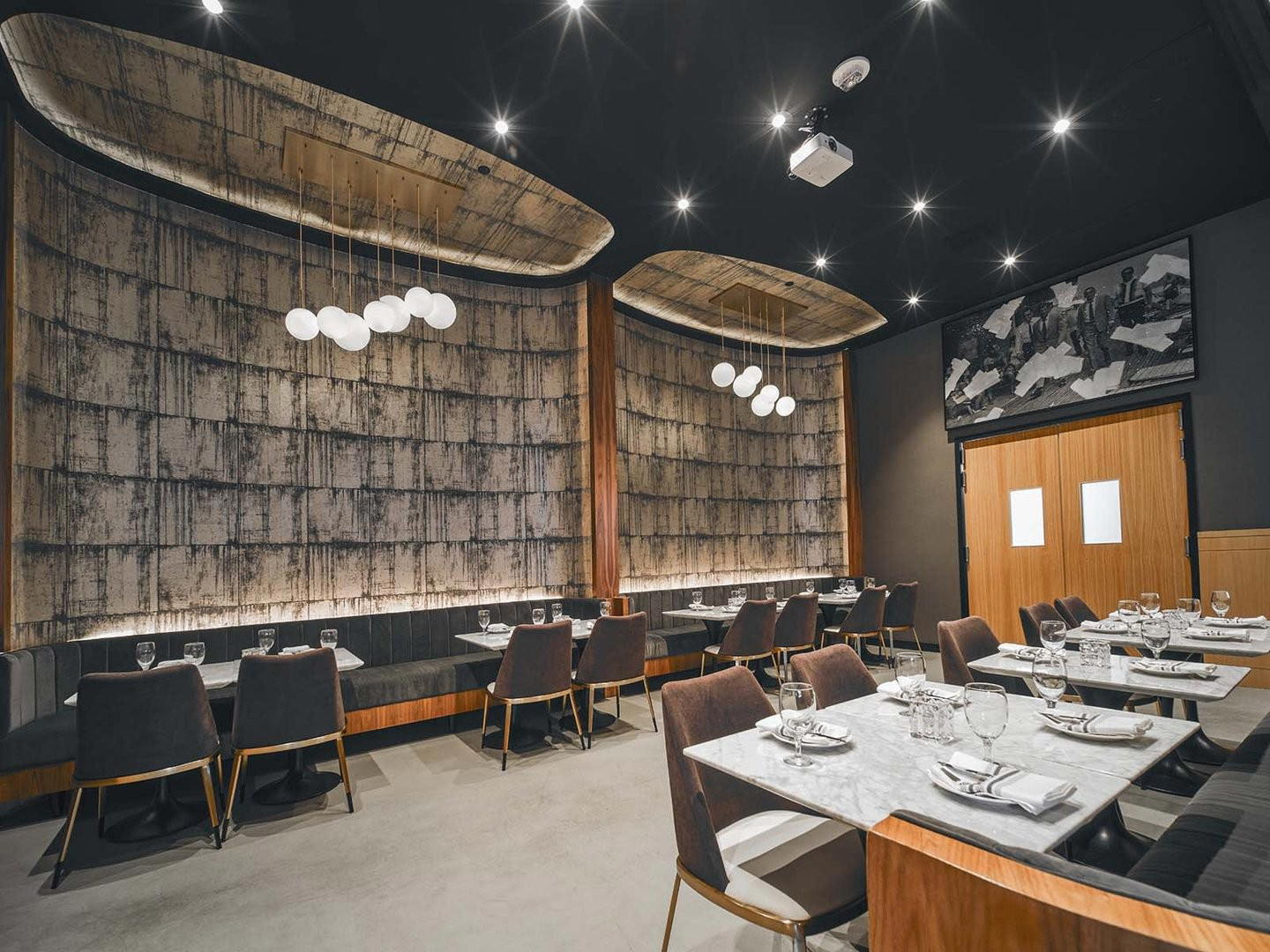
Intimate salon-like space resembling an artist's studio with brick and green facade, fostering joy and personalized fine dining.