
Auberge de L'Ill Nagoya brings French and innovative cooking into Nagoya’s high-rise dining tier, with Tabelog French EAST 100 selections in 2021, 2023, and 2025. The draw is not only the room above Meieki but the coordinated format: sommelier service, private-room capacity, and a polished front-of-house rhythm built for long celebratory meals.
Pearl is the En Primeur Club membership app — saves, bookings, and concierge access live there. Same editors, same standards.
- Address
- 4 Chome-7-1 Meieki, Nakamura Ward, Nagoya, Aichi 450-6242, Japan
- Phone
- +81 52-527-8880
- Website
- hiramatsurestaurant.jp
 Saves & bookings on Pearl
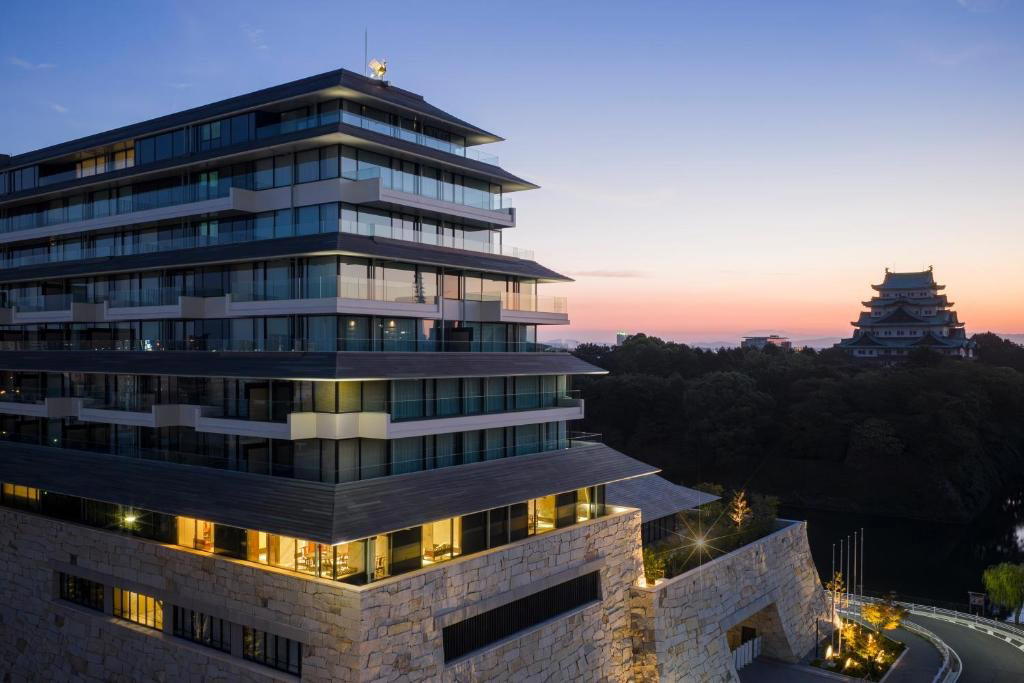
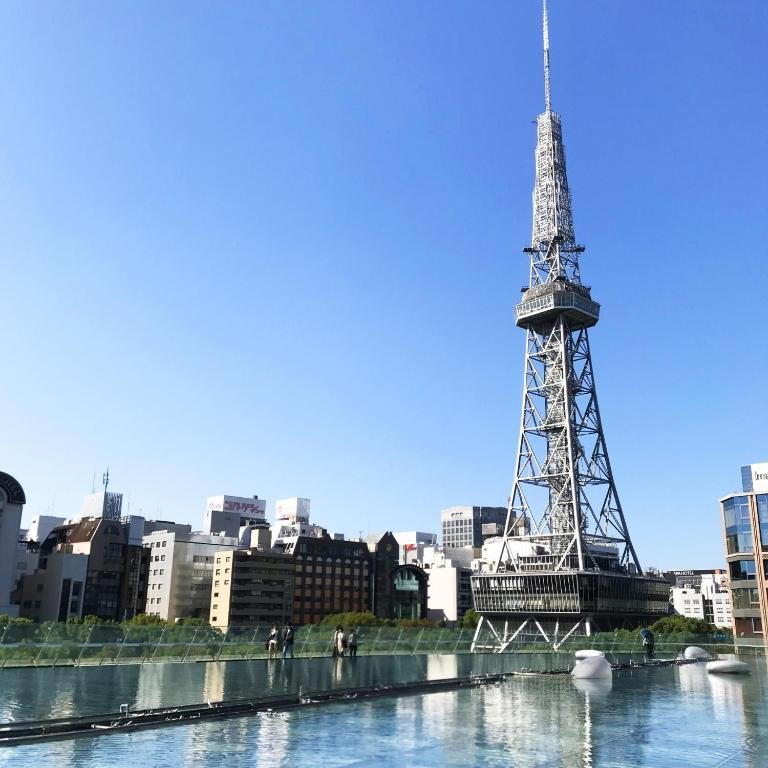
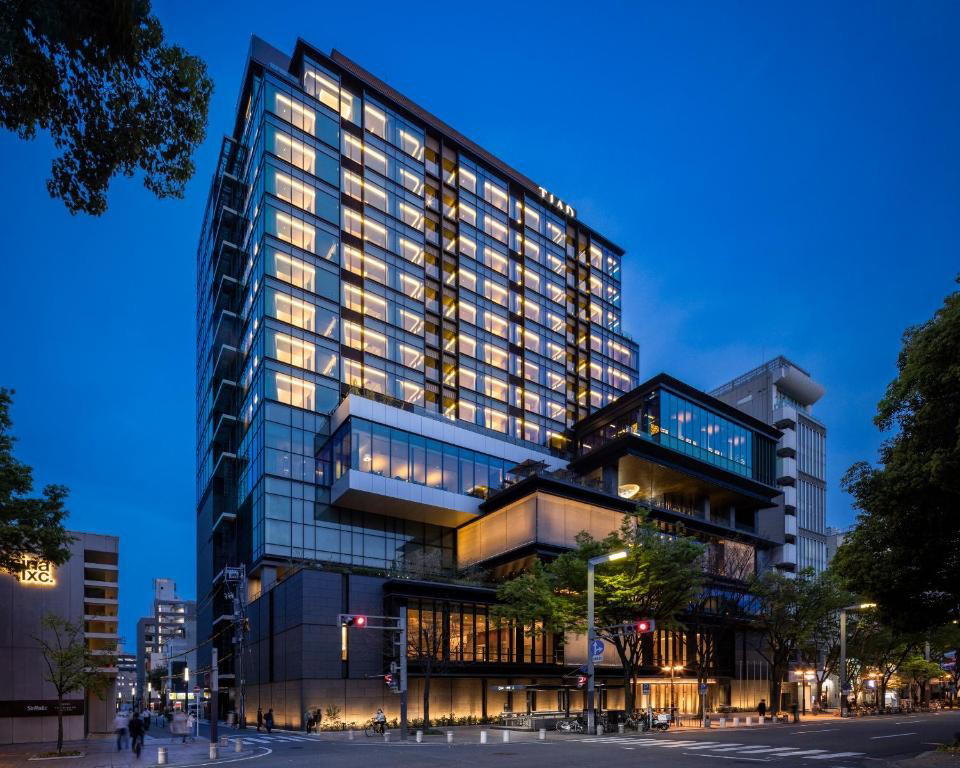
High above Meieki, Nagoya’s station district shifts from transit pressure to formal dining theatre. The city’s luxury tables often sit inside towers, hotels, and department-store complexes, where access is easy but the room has to work harder to feel like an occasion. Auberge de L'Ill Nagoya belongs to that urban Japanese-French category: a polished high-floor restaurant where the view, cellar, and service choreography matter as much as the kitchen’s classical discipline.
French dining in Nagoya has a different tempo from Tokyo’s counter-led intensity. The serious rooms here tend to serve business entertaining, family celebrations, and multi-generational meals, which changes the measure of success. Precision still matters, but so do pacing, privacy, wine handling, and the ability of the floor team to read a table over a long service. The restaurant’s 96-seat scale, with a 72-seat main dining room and two private rooms, places it in the larger-format end of the city’s premium French scene rather than the small chef-counter bracket.
French formality in a Meieki tower, not a Tokyo counter play
Nagoya’s Meieki dining cluster is built around convenience and hierarchy: station access, corporate entertaining, hotel-adjacent polish, and rooms designed for planned occasions rather than spontaneous grazing. Within that pattern, French restaurants compete less on secrecy than on composure. Tabelog’s French EAST 100 selections in 2021, 2023, and 2025 give this room a clear recognition signal, especially in a region where French dining shares attention with kaiseki, sukiyaki, Chinese banquet rooms, and Italian wine-led restaurants.
The local comparison set is revealing. Ningyocho Imahan Nagoya middorandosukuea ten works the sukiyaki tradition in the same premium urban register. Chinese Hanten Reiho occupies a similarly serious dining band through Chinese banquet form. Kyoto Kiccho Nagoya ten brings the kaiseki model into the city’s high-end circuit, while Enoteca Pinchiorri speaks to the Italian fine-dining and wine-service lineage. Against those formats, French cooking has to justify its place through structure: course progression, sauce work, bread and wine service, and the quiet authority of the dining room.
That is where team dynamics become central. A French room of this scale does not live or die by the chef alone. Sommelier availability is listed, wine is a stated focus, and cocktails are available, which points to a service model where the beverage team is expected to carry part of the evening rather than trail behind the food. The floor also has to manage private rooms, celebrations, children’s policies, and long parties without turning formal service into stiffness. In Nagoya, that operational range is a serious advantage.
The experience is built around pacing, wine, and room control
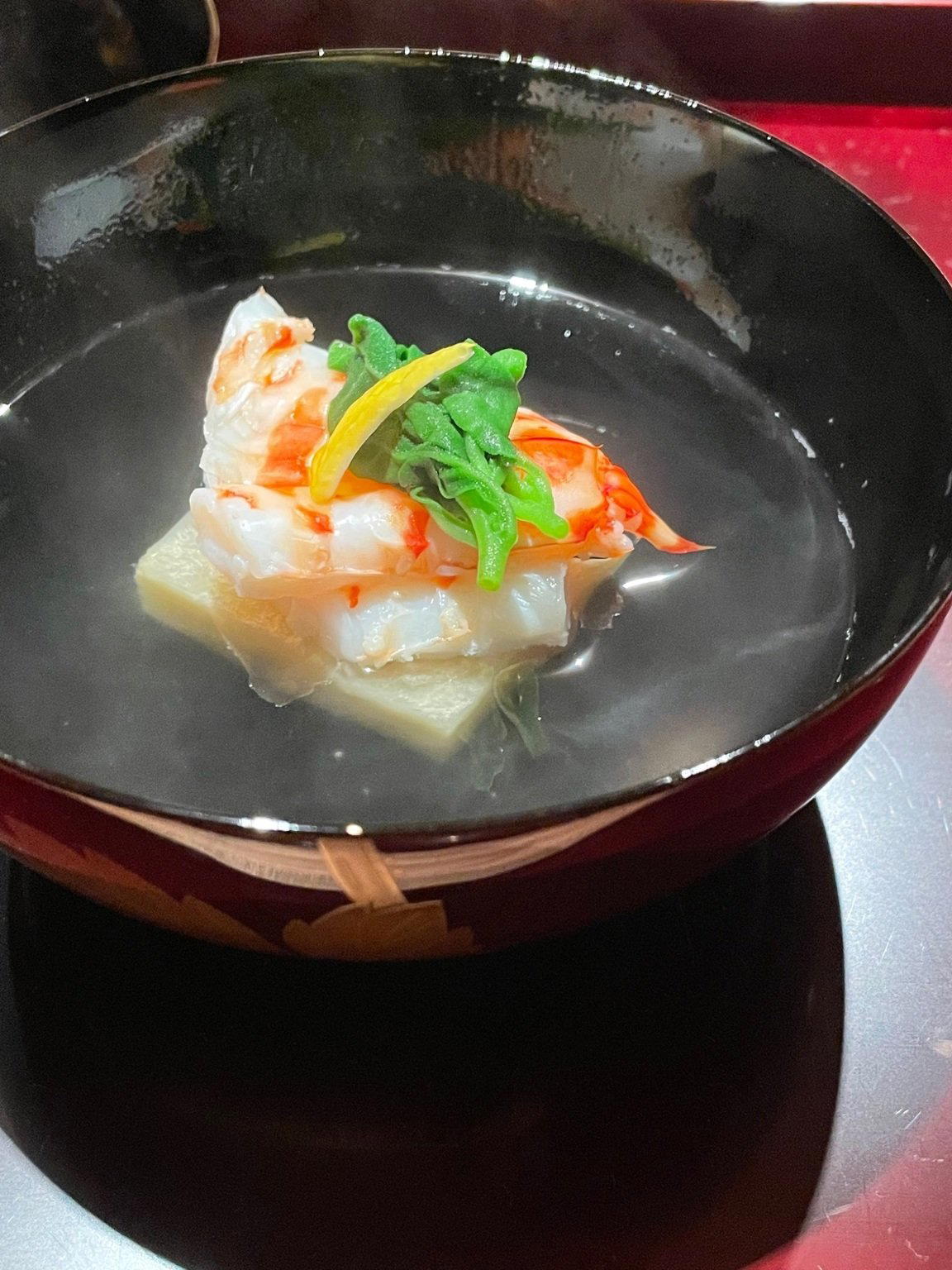
The cooking is categorized as French and innovative, a pairing that usually signals classical technique adjusted for contemporary Japanese dining expectations: lighter pacing, sharper plating, and seasonal flexibility, without abandoning the grammar of a French meal. Specific dishes are not the useful lens here. The more important point is format. This is a restaurant for a composed progression, with the sommelier and front-of-house shaping the arc of the meal as much as the kitchen.
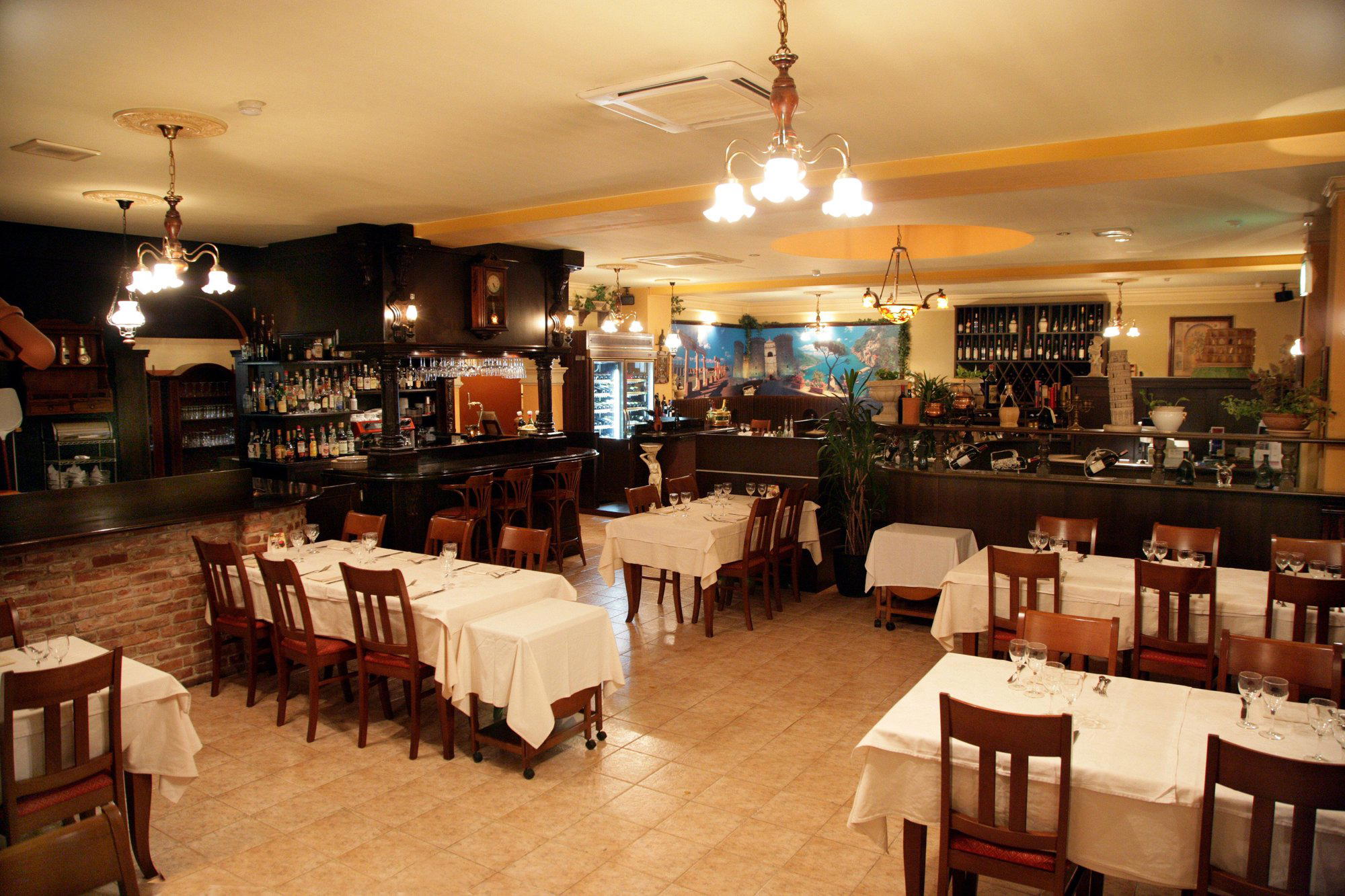
The room’s practical architecture reinforces that reading. A large main dining area suits guests who want the theatre of a high-floor restaurant, while the private rooms serve the Japanese demand for controlled hospitality: family milestones, business dinners, and formal meals where conversation matters. Children are welcomed under defined conditions, including a kids’ menu and age guidance for the main dining area, which makes the restaurant more flexible than many serious French rooms while preserving the tone of the dining room.
Service charge, credit-card acceptance, non-smoking status, and parking availability all point to a restaurant designed for planned dining rather than casual discovery. That may sound administrative, but in Japan’s premium restaurant culture, these details shape the evening. A room can have polished cooking and still fail if the payment flow, seating privacy, and pacing feel improvised. Here, the infrastructure is part of the value proposition.
For readers mapping the city more broadly, Our full Nagoya restaurants guide is the natural starting point, with Our full Nagoya hotels guide, Our full Nagoya bars guide, Our full Nagoya wineries guide, and Our full Nagoya experiences guide filling in the city around the table. Nearby editorial context across Japan includes 1022, 451, Aaron, Alan., and All Day Dining Montmartre.
Who should choose this room
This is a strong fit for diners who want French structure in Nagoya without the intensity of a tiny tasting counter. It is also suited to guests who value the mechanics of hospitality: sommelier support, defined private-room options, a non-smoking environment, and enough seating depth to handle formal occasions. The better comparison is not a casual bistro but a polished city dining room where the meal is allowed to take time.
Travellers building a Japan dining itinerary may find useful contrast in regional and international formats such as -Grilled beef Sukiyaki- KAMAKURA TANUKIAN 鎌倉 たぬき庵 in Kamakura. 鮪と炭火焼き うお炭 秋葉原店 in Tokyo.cafe in Osaka.know in Kumamoto, (Shoku) Vietnam in Kawasaki, [Curry Senmon Ten] Maruyama Kyoju. in Sapporo, Jōdo Saké Bar in Los Angeles, and Onigiri Time in Pasadena. The contrast clarifies the Nagoya proposition: not street-level immediacy, not omakase scarcity, but a formal French room where kitchen, cellar, and service team move in concert.
At a Glance
Comparable venues by category and price.
| Venue | Cuisine | Price | Notes |
|---|---|---|---|
| Auberge de L'Ill NagoyaThis venue — the venue you are viewing | Not listed | $$$$ | Not listed |
| le Lotus | Not listed | $$$$ | Higashi, Seasonal French with Japanese ingredients |
| ビストロ ダイア | Shinei, Neo French Bistro | $$$ | Not listed |
| サングリエ | Meitō, Classic French | $$$ | Not listed |
| With | Meitō, Seasonal French in Nagoya | $$$ | Not listed |
| restaurant.m | Naka, Modern French | $$$ | Not listed |
Recognition history
Dated appearances from independent guides and award organizations, with the underlying list record or original source where available.
Tabelog 100 #74 · No. 74
Tabelog · Tabelog 100 - French - EAST - 2025
Continue exploring
More in Nagoya
Restaurants in Nagoya
Browse all →
At a Glance
- Elegant
- Scenic
- Romantic
- Sophisticated
- Celebration
- Date Night
- Business Dinner
- Private Event
- Group Dining
- Panoramic View
- Rooftop
- Design Destination
- Private Dining
- Standalone
- Extensive Wine List
- Sommelier Led
- Skyline
Current opening hours
- Monday
- 11 AM–3:30 PM, 5:30–11 PM
- Tuesday
- 11 AM–3:30 PM, 5:30–11 PM
- Wednesday
- 11 AM–3:30 PM, 5:30–11 PM
- Thursday
- 11 AM–3:30 PM, 5:30–11 PM
- Friday
- 11 AM–3:30 PM, 5:30–11 PM
- Saturday
- 11 AM–3:30 PM, 5:30–11 PM
- Sunday
- 11 AM–3:30 PM, 5:30–11 PM
Hours can change for holidays and private events. Last verified .
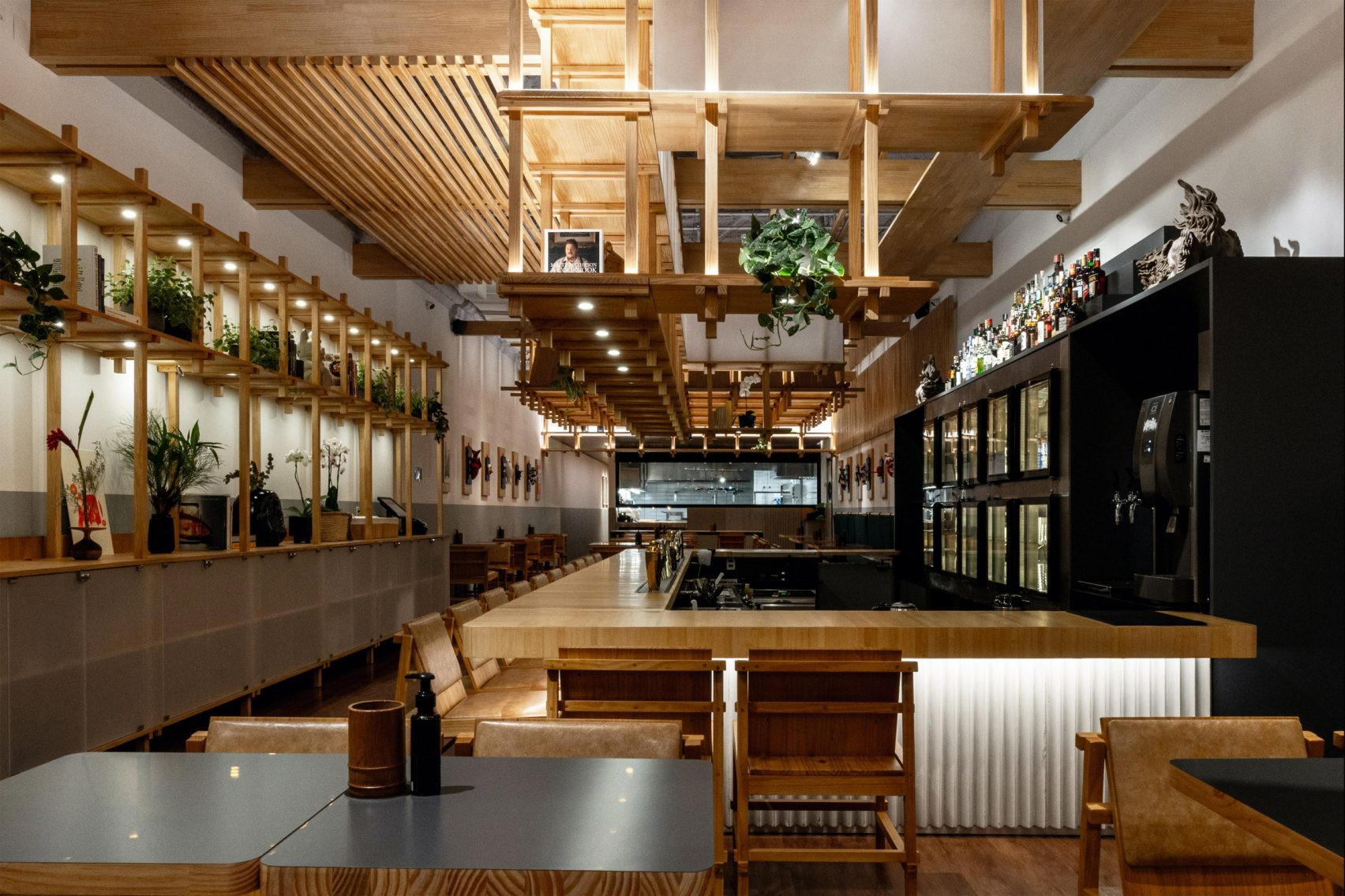
A refined sky restaurant with warm, polished service, white-tablecloth formality, and floor‑to‑ceiling city views, blending classic French fine‑dining elegance with contemporary Japanese design touches.