
Chuka Kappou Hisada brings the counter discipline of kappo to Nagoya’s Chinese dining scene, with an eight-seat format and a course structure that reads closer to Japanese tasting-menu rhythm than banquet-room abundance. Its selection for Tabelog’s Chinese EAST 100 in 2026 places it in a serious regional conversation, especially for diners comparing Nagoya’s small-format kitchens.
Pearl is the En Primeur Club membership app — saves, bookings, and concierge access live there. Same editors, same standards.
- Address
- Japan, 〒461-0001 Aichi, Nagoya, Higashi Ward, Izumi, 2 Chome−19−11 キャストビル 泉2F
- Phone
- +81 52-508-8812
- Website
- tabelog.com
 Saves & bookings on Pearl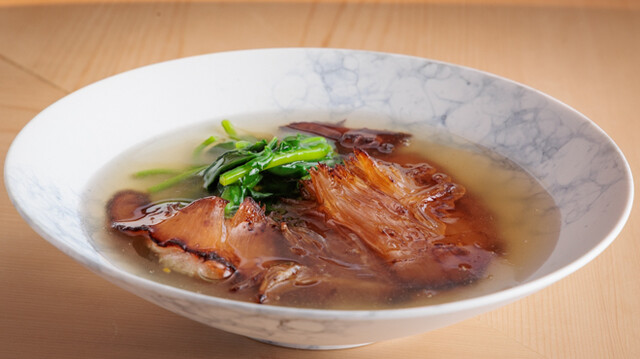
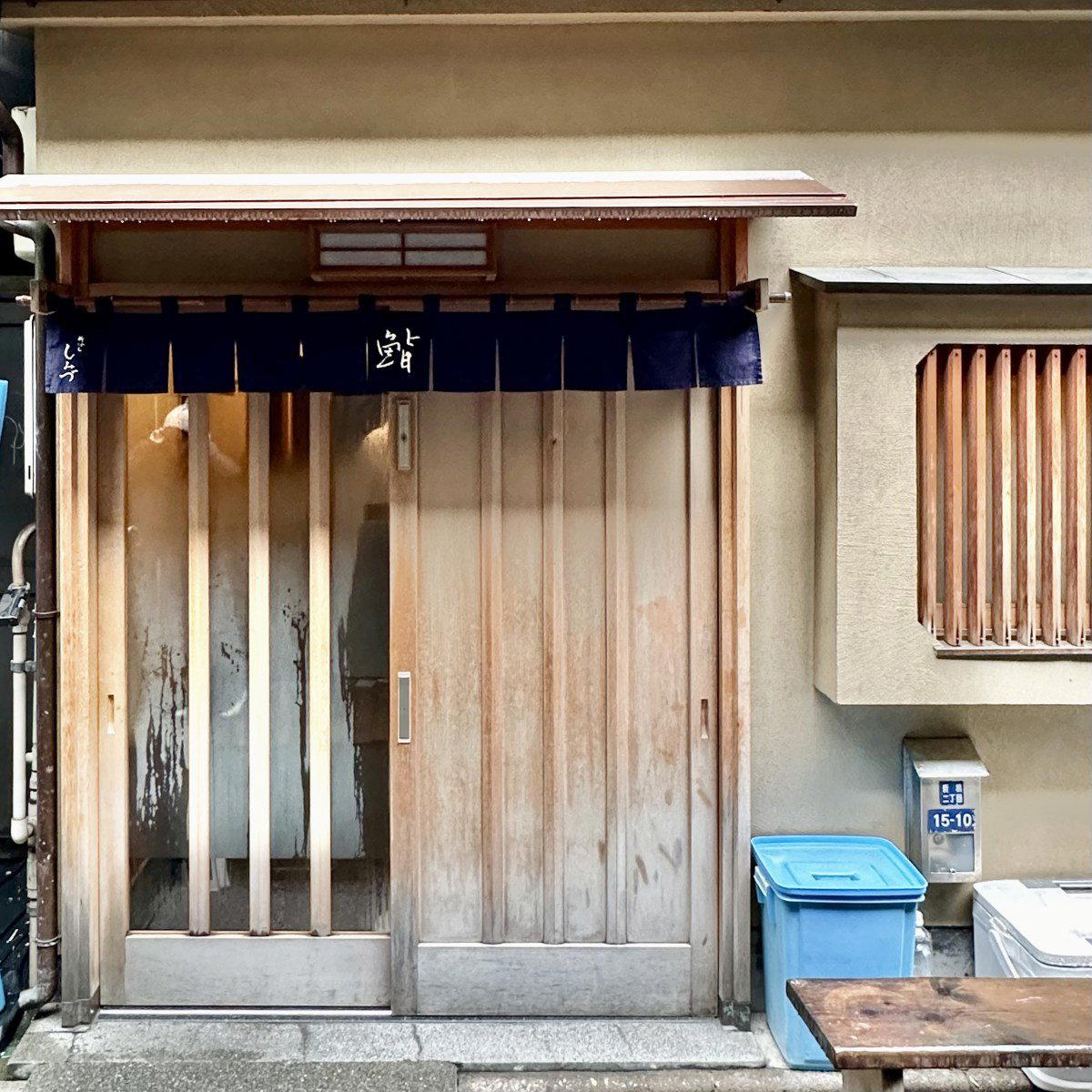
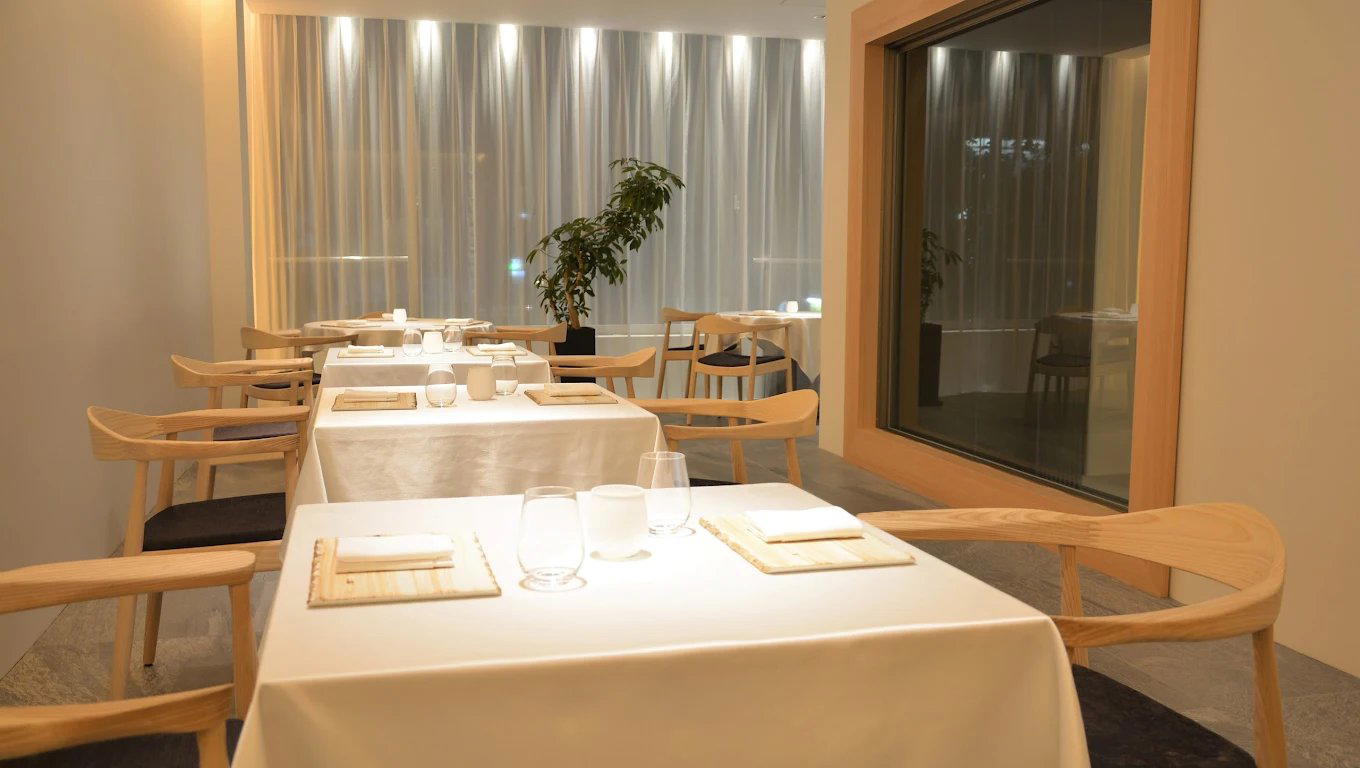
The room sets the terms before the first course: counter seating, little distance between kitchen and diner, and a format built for attention rather than sprawl. In Nagoya, where serious dining often splits between kappo intimacy, beef-led comfort, and polished hotel restaurants, Chuka Kappou Hisada occupies a narrower lane: Chinese cooking presented with the cadence of Japanese course dining.
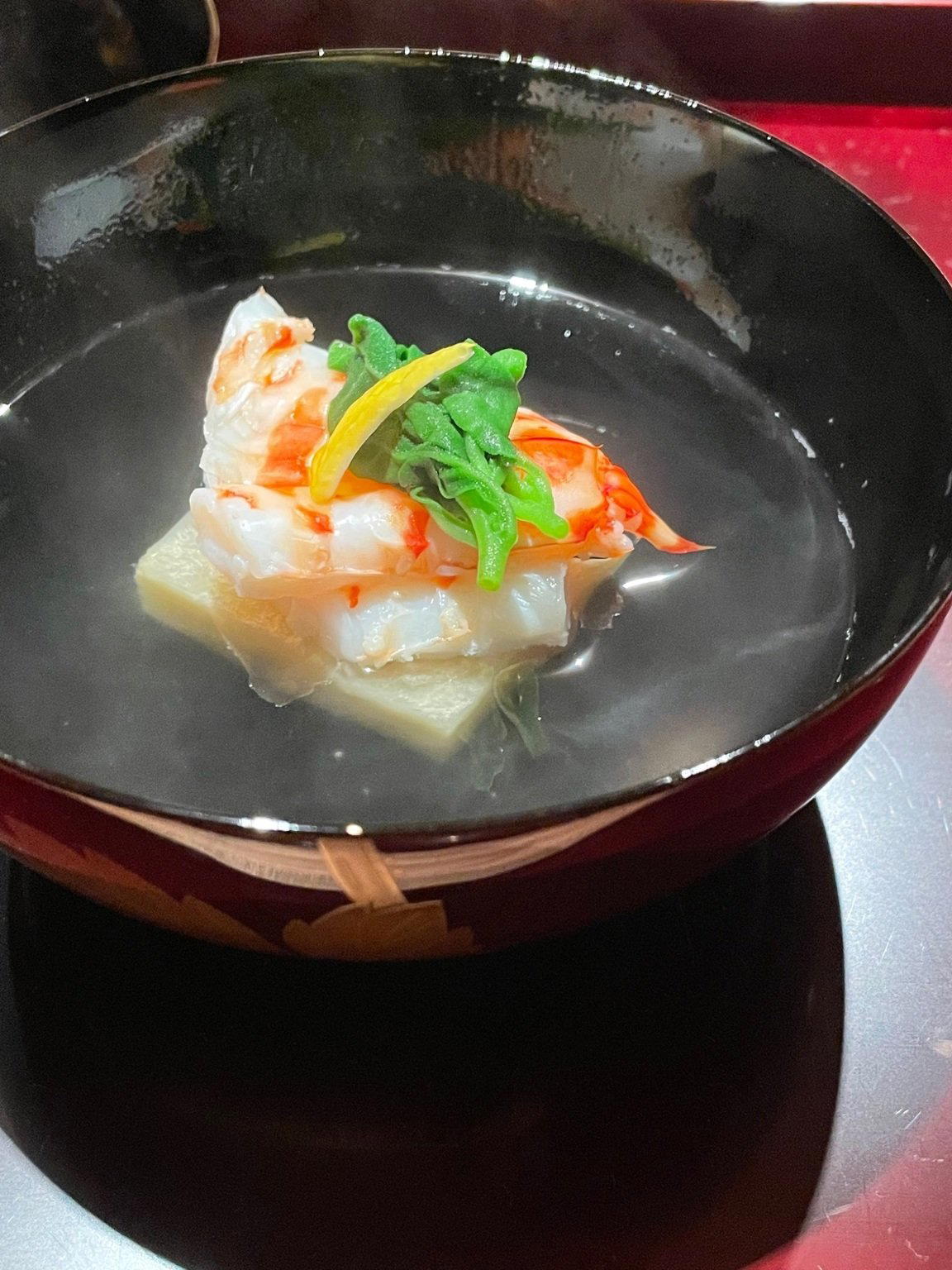
That matters because Chinese restaurants in Japan can mean family-run neighborhood tables, gyoza-and-beer counters, or banquet rooms where scale shapes the meal. The kappo-inflected version changes the grammar: courses arrive in sequence, the counter becomes part of the editing process, and the meal is judged less by abundance than by pacing, heat control, and how each plate advances the structure.
Chinese cooking in a kappo rhythm
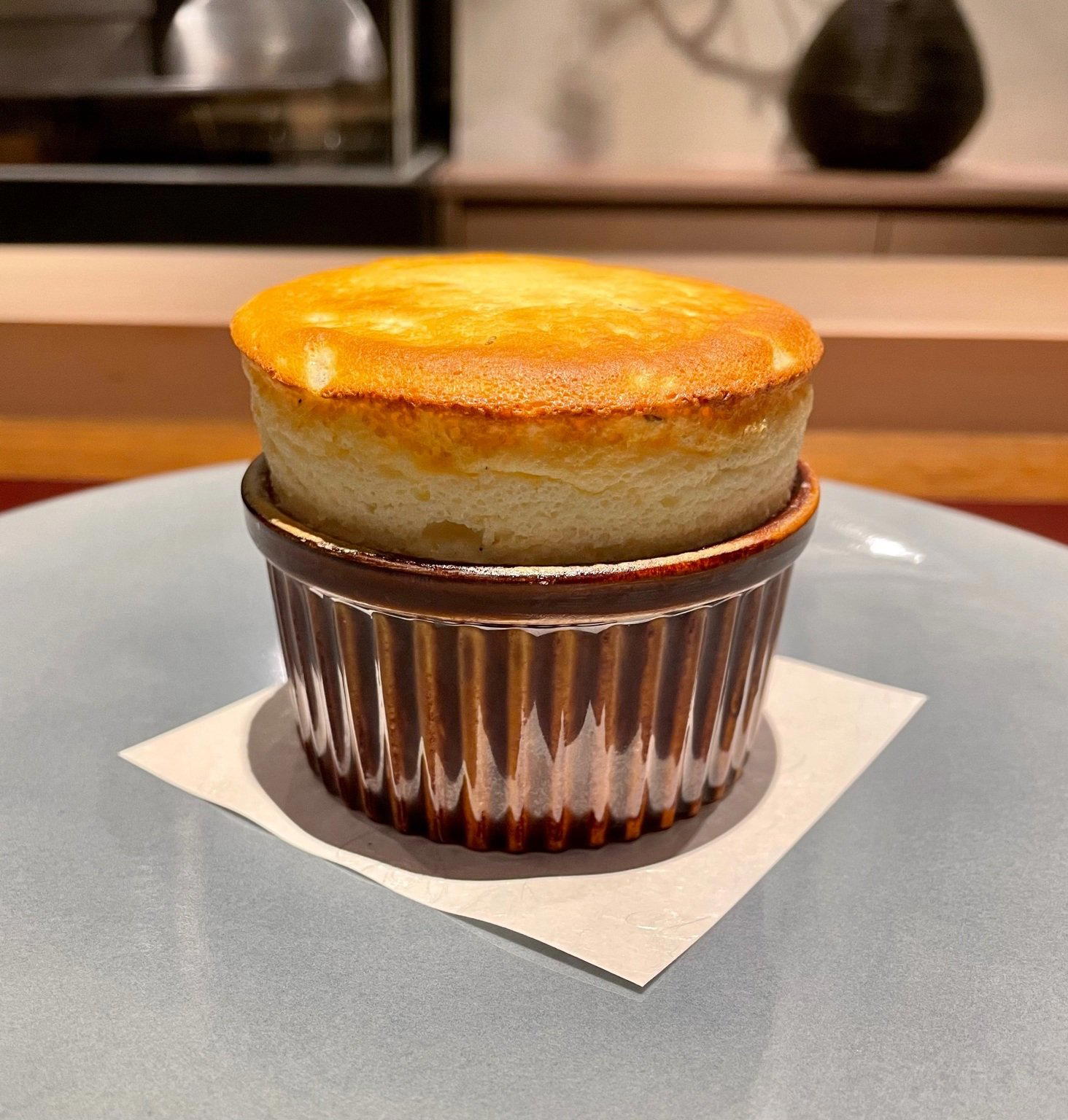
The name states the idea. “Chuka” places the restaurant in Chinese cuisine, while “kappou” points to a Japanese service tradition where cooking happens close to the guest and the sequence is tightly managed. The combination is not decorative. It means less banquet-style breadth, more edited progression, and Chinese technique composed within a Japanese tasting-menu frame.
Chuka Kappou Hisada was selected for Tabelog’s Chinese EAST 100 in 2026, a useful marker where national Michelin coverage can be uneven outside the largest dining capitals. Its Tabelog score of 3.65 also suggests Japanese diners are signaling more than casual approval. Those numbers do not explain the meal, but they do explain why this eight-seat counter belongs in a Nagoya dining plan built around small rooms and structured courses.
The Nagoya comparison set is instructive. Kamisono and Tori Ryori Masa sit in a lower price bracket, while Onkui Sekio and le Lotus share a similar evening spend. Japanese cuisine Takamitsu operates above that range and speaks to a different, seafood-driven Japanese register. Against those peers, Hisada’s case is not a broader menu; it is menu architecture that carries Chinese cooking through a format more often associated with kappo and tasting counters.
For readers mapping Nagoya beyond one table, Our full Nagoya restaurants guide is the broader starting point. The city rewards cross-category planning: a focused dinner counter one night, a hotel dining room the next, then bars or cultural programming around the meal. For that wider itinerary, use Our full Nagoya hotels guide, Our full Nagoya bars guide, Our full Nagoya wineries guide, and Our full Nagoya experiences guide as companion maps.
What the small counter says about the meal
An eight-seat counter is not a neutral detail. It compresses service, limits diners moving through the same sequence, and makes pacing part of the restaurant’s identity. In a large Chinese dining room, rhythm can be collective and table-led; here, the kitchen controls the tempo. The experience suits diners who enjoy course-menu logic more than those seeking freewheeling shared plates.
The absence of private rooms reinforces the point. This is a counter meal, not a closed-door business banquet, though the price bracket and format can suit a serious dinner. Private use is available, letting a small group turn the entire room into one focused table without losing the proximity that defines the format. The non-smoking policy aligns the room with contemporary tasting-counter expectations in Japan.
Wine is listed as part of the drink program, a notable signal for Chinese dining in Japan. Pairing Chinese cooking with wine requires different logic from sake-led kappo or beer-led casual Chinese, especially when heat, oil, vinegar, and aromatic sauces enter the sequence. The point is not novelty; it is positioning for diners who think of the meal as a composed evening rather than a quick stop.
Practical planning follows the small-format logic. Dinner runs nightly, while lunch operates irregularly as a course for a minimum of two guests. Major credit cards are accepted, but lunch is cash-only. There is no on-site parking, so treat this as a rail-and-walk dinner rather than a drive-in booking.
Where it fits in Nagoya's serious dining circuit
Nagoya’s high-end dining identity is not as internationally flattened as Tokyo’s or Kyoto’s. The city has its own rhythms: strong local loyalty, smaller counters with limited seats, and support for formats that do not need global branding to fill a room. Hisada fits that pattern. The restaurant opened in 2023, yet its 2026 Tabelog Chinese EAST 100 selection gives it a public credential within a short operating window.
That makes it a strong choice for travelers who understand Japanese counter dining and want to see how that structure handles Chinese cuisine. It is less suited to diners seeking a broad à la carte survey or noisy group dinner. The value lies in compression: few seats, a defined course rhythm, and a category Nagoya does not present to international visitors as often as sushi, kaiseki, or beef.
For additional restaurant research across Japan and beyond, EP Club’s city pages include concise references such as 1022, 451, Aaron, Alan., and All Day Dining Montmartre. Broader Japanese listings range from -Grilled beef Sukiyaki- KAMAKURA TANUKIAN 鎌倉 たぬき庵 in Kamakura and. 鮪と炭火焼き うお炭 秋葉原店 in Tokyo to.cafe in Osaka.know in Kumamoto, (Shoku) Vietnam in Kawasaki, and [Curry Senmon Ten] Maruyama Kyoju. in Sapporo. For cross-Pacific context on Japanese drinking and casual formats, see Jōdo Saké Bar in Los Angeles and Onigiri Time in Pasadena.
The editorial read is clear: book Hisada for structure, not spectacle. Nagoya has larger rooms and lower-commitment Chinese meals, but this counter belongs to the city’s more exacting dinners, where the format itself tells the diner how to pay attention.
Peers Worth Knowing
Comparable venues at the same tier for side-by-side context.
| Venue | Cuisine | Price | Notes |
|---|---|---|---|
| Chuka Kappou Hisada | Seasonal Chinese Kappo / Kaiseki-style Counter | $$$$ | Higashi |
| 1022 | Modern Chinese Fine Dining | $$$$ | Nishi |
| toraneko | Cantonese-inspired Creative Chinese | $$$ | Higashi |
| kibi | Wood-fire Modern Italian & Fusion | $$$$ | Naka |
| Kyoto Kiccho Nagoya ten | Traditional Kyoto-style kaiseki | $$$$ | Nakamura |
| China Sichuan Kinsui En | Authentic Sichuan Chinese | $$ | Kita |
Recognition history
Dated appearances from independent guides and award organizations, with the underlying list record or original source where available.
Tabelog 100 #12 · No. 12
Tabelog · Tabelog 100 - Chinese cuisine - EAST - 2026
Continue exploring
More in Nagoya
Restaurants in Nagoya
Browse all →
At a Glance
- Elegant
- Intimate
- Cozy
- Romantic
- Sophisticated
- Special Occasion
- Business Dinner
- Date Night
- Celebration
- Solo
- Chefs Counter
- Standalone
- Design Destination
- Extensive Wine List
- Local Sourcing
Current opening hours
- Monday
- 6–11 PM
- Tuesday
- 6–11 PM
- Wednesday
- 6–11 PM
- Thursday
- 6–11 PM
- Friday
- 6–11 PM
- Saturday
- 6–11 PM
- Sunday
- 6–11 PM
Hours can change for holidays and private events. Last verified .
A refined, Japanese-style kappo space centered on a small counter, with calm lighting and close interaction with the chef creating an intimate yet lively atmosphere suited to anniversaries and business dinners.