Our verdict
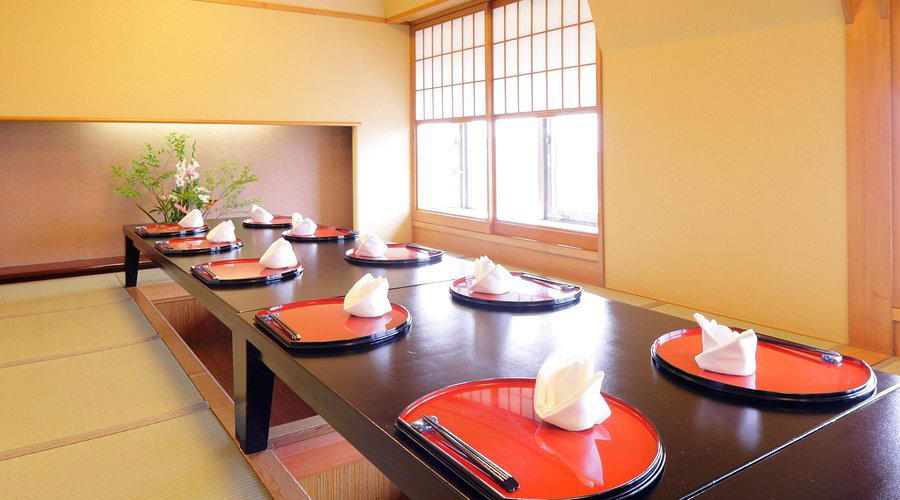
桃花庵 serves Seasonal Kaiseki Omakase at Ibara-59-1 in Asakita Ward, with a chef’s counter, formal service, and a sake program for an extended dinner.

Pearl is the En Primeur Club membership app — saves, bookings, and concierge access live there. Same editors, same standards.
- Address
- Ibara-59-1 Shirakicho, Asakita Ward, Hiroshima, 739-1301, Japan
- Phone
- +81828282455
- Website
- facebook.com
- Directions
- Get directions
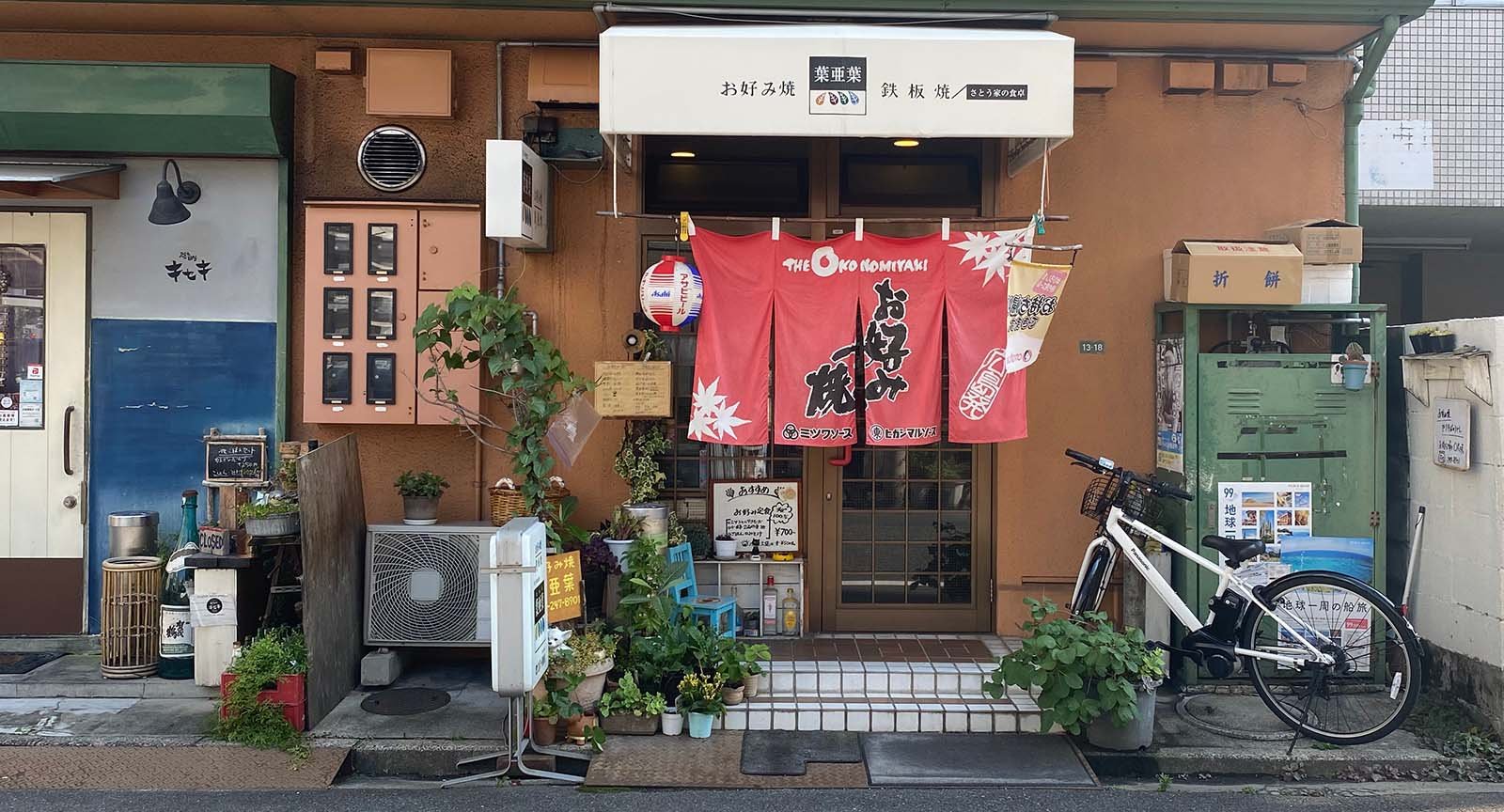
A Country Road, A Quiet Counter
Asakita Ward sits at the northern edge of Hiroshima's urban reach, where the city's density dissolves into forested hillsides and the roads narrow to single lanes threading through small farming hamlets. The address at Ibara-59-1, Shirakicho places this restaurant well outside the downtown corridors where most visitors concentrate. Arriving here requires intention: a deliberate choice to leave the Peace Memorial axis and follow directions into a landscape that feels detached from the city's tourist gravity. That remove is, in itself, an editorial signal about what the dining ritual inside is likely to prioritise.
Restaurants at this kind of geographic distance from a city centre generally fall into one of two categories: those coasting on isolation as a substitute for quality, and those where the distance is earned by a dining experience that makes the effort feel proportionate. The latter tend to draw a particular kind of guest, one already comfortable with the choreography of formal Japanese dining, or curious enough to learn it.
The Ritual Before the First Course
In kaiseki and similarly structured Japanese dining formats, the meal's architecture begins before anything edible arrives. The entry, the seating, the placement of tableware, the pacing of greeting — each step carries meaning. In regional settings away from Kyoto's kaiseki establishment or Tokyo's competitive omakase circuit, that ritual framework often expresses itself differently: less rigidly codified, more shaped by the particular sensibility of the house and its relationship to local ingredients and seasonal shifts.
Hiroshima's food identity leans on the Seto Inland Sea to its south, which supplies some of Japan's most prized oysters and a range of seafood that changes in character across the year. Mountain ingredients from the Chugoku range to the north and west add a contrasting register. A kitchen operating from Asakita Ward sits closer to that northern, mountainous source material than to the city's waterfront markets, a geographic positioning that tends to shape what arrives first on a tasting sequence and what forms the structural midpoints of a meal.
The pace of eating in this format is not incidental. Long intervals between courses are not inefficiency; they allow the palate to reset and the diner to be present rather than simply consuming. Whether that tempo is maintained here is something guests report as central to the experience, and it aligns with a broader pattern across serious regional restaurants in Japan's mid-sized cities, where the absence of competitive noise from a dense restaurant scene can translate into a more considered, less pressured progression through a meal.
Where桜花亭 Sits in Hiroshima's Dining Structure
Hiroshima's restaurant scene tends to be discussed through a handful of reference points: okonomiyaki as cultural touchstone, the Michelin coverage that has grown modestly but steadily in recent years, and a cluster of kaiseki-adjacent houses that serve a local clientele more than a tourist one. Chiso Sottakuito and Eizan represent the kind of quiet, technically accomplished Japanese dining that Hiroshima does without publicising widely. CHILAN and Denko Sekka show the city's appetite for format experimentation. MASUKI adds a Chinese-inflected register to the mix. Taken together, these venues suggest a city whose serious dining identity runs deeper than its surface reputation implies.
桜花亭, positioned in Asakita's rural fringe, belongs to a category that all of Japan's major regional cities contain but rarely shout about: the destination restaurant that requires genuine local knowledge to find, and that rewards the effort with a meal structured around place rather than performance. Across Japan, comparable examples in geography and spirit include Abon in Ashiya and affetto akita in Akita, restaurants where distance from the urban core has become part of the dining proposition rather than an obstacle to it. On a grander scale, what HAJIME in Osaka does with architectural precision, or what Gion Sasaki in Kyoto achieves with kaiseki tradition, provides a frame for understanding where smaller regional houses fit into Japan's wider fine dining architecture.
For international visitors calibrating expectations, the comparison points outside Japan are instructive more for format than for price tier. The kind of commitment to a long, paced, single-menu meal that Lazy Bear in San Francisco or Le Bernardin in New York City exemplifies in Western contexts has deep roots in Japanese dining culture, and a rural restaurant in Asakita Ward is, in its own register, drawing from the same well of intentional hospitality. Our full Hiroshima restaurants guide maps the wider picture.
Reaching Asakita and Planning the Visit
The Asakita Ward address places 桜花亭 roughly in the northern mountain zone of greater Hiroshima, a significant distance from central Hiroshima Station. Reaching Shirakicho without a car is possible via local bus lines that serve the outer wards, but the connections are infrequent, and the return journey late in the evening requires planning well in advance. Most guests travelling specifically for a meal here drive or arrange a taxi for the return leg. Reservations at this category of restaurant in Japan are typically made weeks ahead, often through the restaurant's direct booking channel or via a concierge service if language is a barrier.
For guests planning a wider itinerary around the Hiroshima region, the Chugoku area offers compelling comparison meals. Akakichi in Imabari and Aji Arai in Oita both sit in the western Japan orbit. Goh in Fukuoka represents the kind of regional-city fine dining that has drawn international attention in recent years. Harutaka in Tokyo and akordu in Nara extend the reference set for those moving through the main island. Ajidocoro in Yubari District offers another data point on Japan's tradition of serious eating in unexpected postcodes.
What the Format Asks of the Diner
The dining ritual at a restaurant of this type places particular demands on attentiveness. Courses arrive at the kitchen's pace, not the diner's. Communicating dietary restrictions before arrival, ideally at the time of booking, is standard practice and essential rather than optional in set-menu formats. The meal is the evening; treating it as one stop in a longer night of activity would miss the point of the exercise.
That kind of unhurried engagement is, increasingly, what separates the most committed Japanese regional restaurants from venues that have adopted the aesthetic of kaiseki without its underlying philosophy of seasonality, restraint, and hospitality as a considered act. The Asakita Ward setting of 桜花亭 suggests a restaurant operating in the spirit of that tradition, in a location that filters for guests prepared to meet it on those terms.
Frequently asked questions
What's the address for æ¡è±åºµ?
æ¡è±åºµ is located at Ibara-59-1 Shirakicho, Asakita Ward, Hiroshima, 739-1301, Japan, Hiroshima.
What do people recommend at 桜花亭?
Given its location in Asakita Ward — far north of central Hiroshima — 桜花亭 draws visitors specifically for its structured, course-driven format rather than à la carte exploration. Regulars tend to commit to the full sequence rather than arriving with a specific dish in mind, which is consistent with kaiseki-adjacent dining in Japan where the kitchen sets the pace.
Should I book æ¡è±åºµ in advance?
Reservations are recommended for æ¡è±åºµ in Hiroshima. Confirm current policy via the venue's official channels.
Should I book 桜花亭 in advance?
The Asakita Ward address — Ibara-59-1 Shirakicho, a significant distance from central Hiroshima Station — means this is not a walk-in proposition. Travel time alone warrants planning well ahead. For structured Japanese dining formats in smaller, quieter settings outside city centres, advance reservation is standard practice, and arriving without one carries real risk of a wasted trip to a remote location.
Cuisine and Awards Snapshot
Comparable venues nearby, for context on price, style, and recognition.
| Venue | Cuisine | Price | Awards | Notes |
|---|---|---|---|---|
| 桃花庵This venue — the venue you are viewing | Seasonal Kaiseki Omakase | $200–300 | Not listed | Not listed |
| 馳走啐啄一十 | Modern Japanese Omakase | $200–300 | Tabelog Silver #15 | Naka |
| Sobiki | Traditional Seasonal Kaiseki | $150–200 | Tabelog Bronze #416 | Saijo |
| Wagyu lab K | Sakakiyama Beef Yakiniku | $50–100 | Tabelog Bronze #509 | Nishi |
| Shunrai | Teppanyaki Steak & Seafood | $50–100 | Tabelog 100 #53 | Naka |
| Chiso Sottakuito | Modern Japanese Omakase | $200–300 | Tabelog Silver #15 | Naka |
Continue exploring
More in Hiroshima
Restaurants in Hiroshima
Browse all →
Bars in Hiroshima
Browse all →
Details
- Elegant
- Intimate
- Sophisticated
- Date Night
- Special Occasion
- Chefs Counter
- Sake Program
- Local Sourcing
- Tasting Menu
- Counter Dining
- Sake
- Vegetarian Friendly
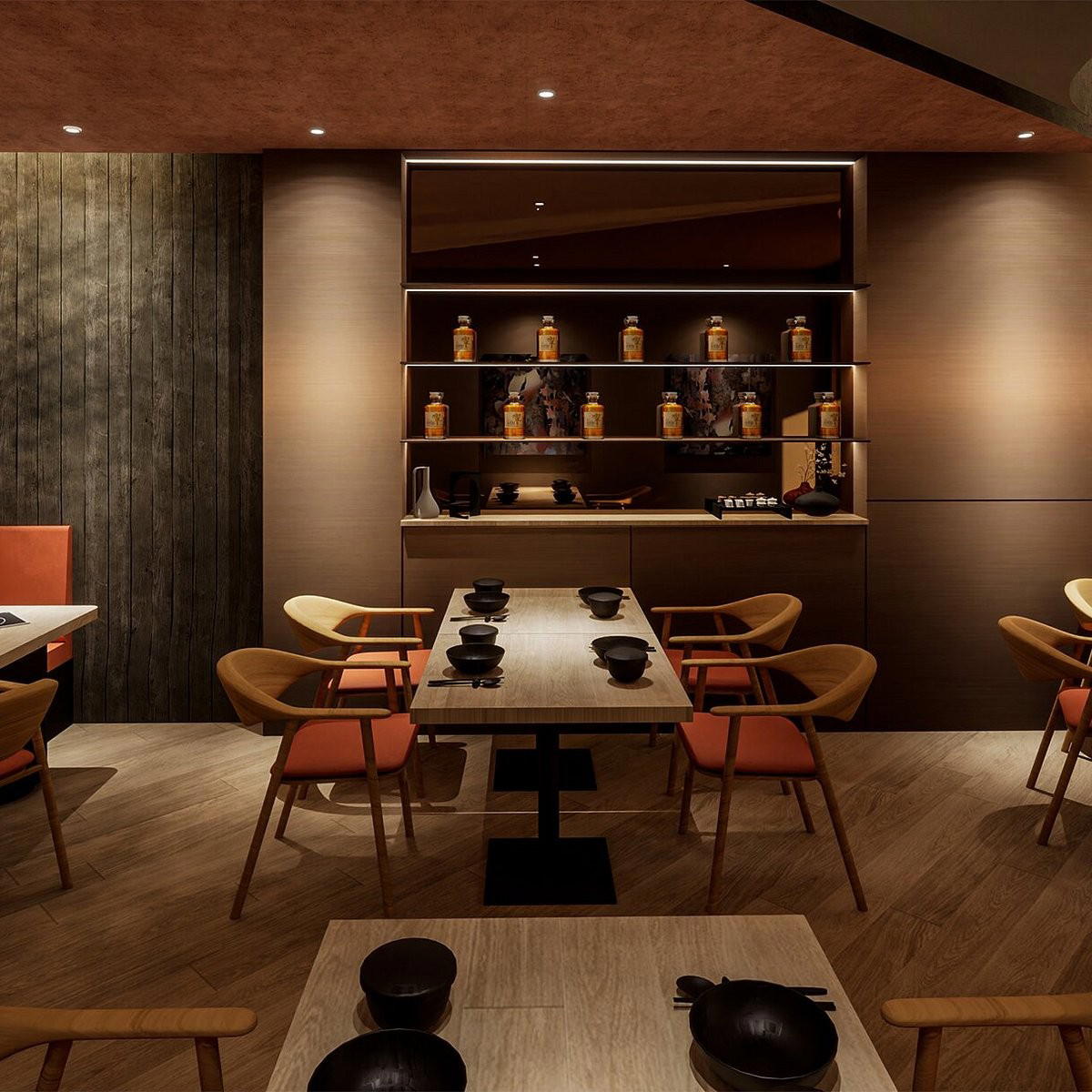
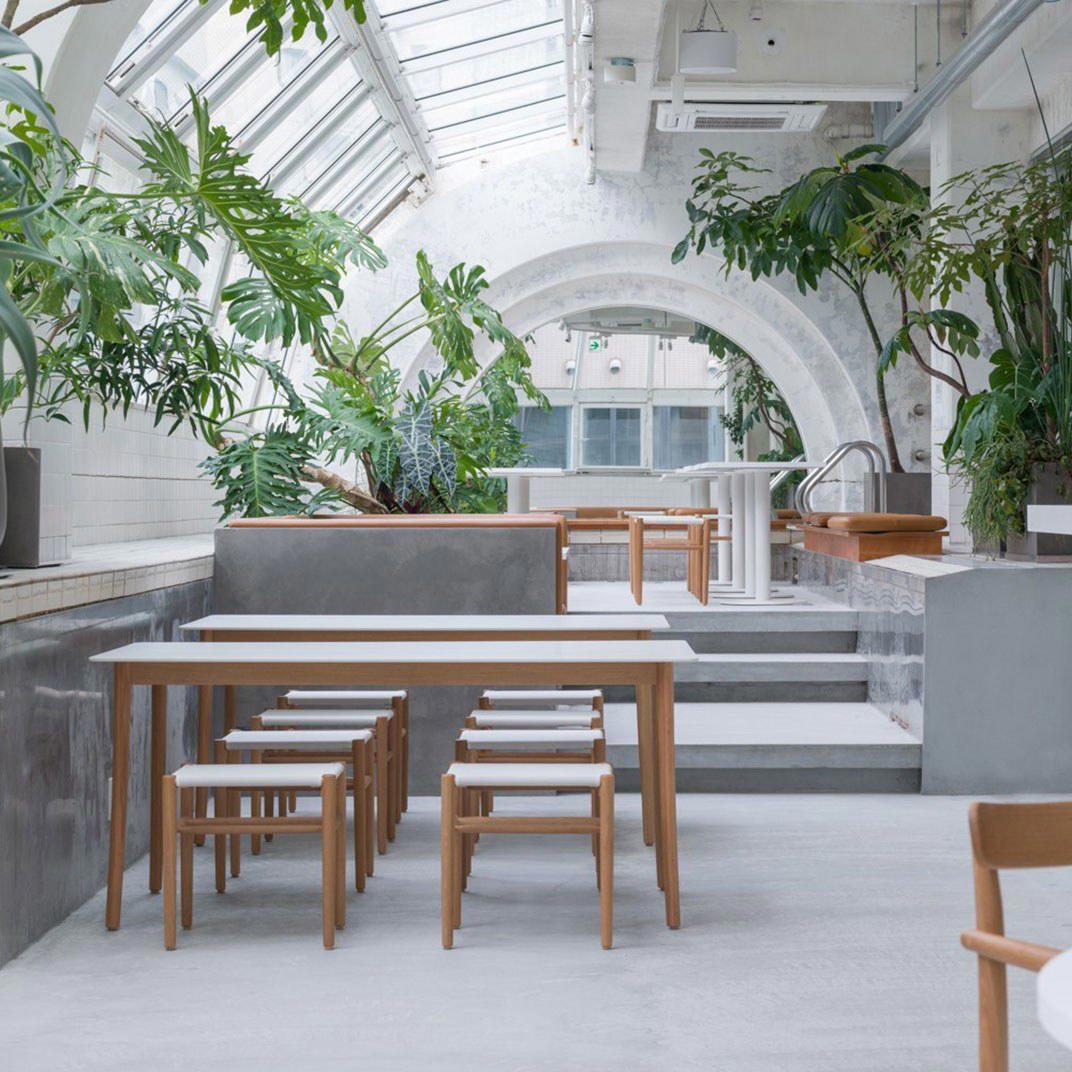
Dimly lit with minimalist Japanese aesthetics, creating a serene and elegant atmosphere focused on the chef's craft.