
ふじさわ occupies a residential address in Tempaku Ward, placing it well outside Nagoya's central dining circuit. The format and cuisine type remain deliberately unannounced, which in Japan's kaiseki and kappo tradition signals a counter that depends on reputation rather than visibility. For the reader willing to commit to the research, that opacity is itself a data point.
Pearl is the En Primeur Club membership app — saves, bookings, and concierge access live there. Same editors, same standards.
- Address
- 1 Chome-111-1 Uedayama, Tempaku Ward, Nagoya, Aichi 468-0001, Japan
- Phone
- +81527821048
- Website
- sushi-fujisawa.com
- Directions
- Get directions
 Saves & bookings on Pearl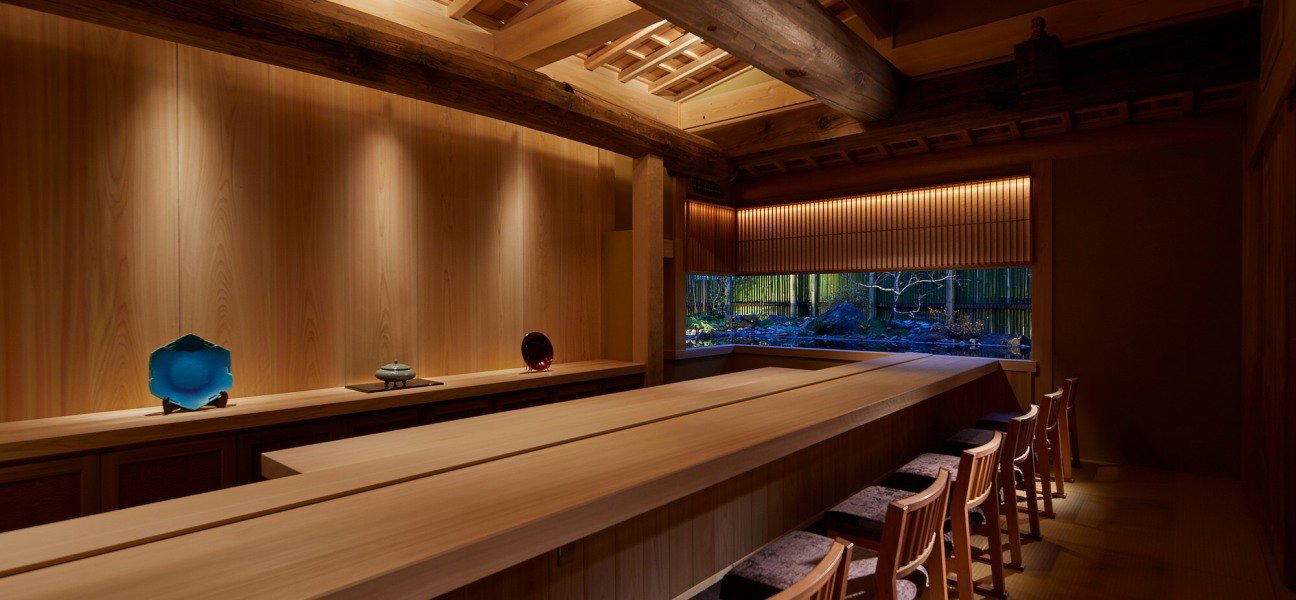
Tempaku Ward and the Geography of Deliberate Distance
Japan's most considered restaurants rarely position themselves at intersections. The address at 1 Chome-111-1 Uedayama, Tempaku Ward places ふじさわ in a residential pocket of Nagoya's southern reach, a part of the city where the density of commercial signage thins and the buildings settle into something quieter. That geography is a choice restaurants in this tier make deliberately. The reasoning is consistent across Japan's better kappo and kaiseki houses: distance filters the room. A diner who has made the effort to find the address, confirm the booking, and travel south from Nagoya's Sakae or Fushimi cores is already a different kind of guest than one who walked past a window display.
Nagoya's dining scene is less internationally catalogued than Tokyo's or Kyoto's, which makes the city's quieter addresses genuinely harder to locate through conventional channels. That relative obscurity is not a quality signal in itself, but it does mean that word-of-mouth carries more weight here than in cities with denser foreign press coverage. Venues like Atsuta Horaiken (あつた蓬莱軒 本店) have absorbed generations of that word-of-mouth precisely because their address is fixed and their reputation travels faster than their marketing. ふじさわ occupies a different position in the same ecosystem: newer in the city's consciousness, legible primarily to those already operating inside the local intelligence network.
When a Japan-based restaurant omits cuisine type, price range, hours, chef name, and booking method from its public record, the pattern is recognisable. Counter restaurants operating at a serious level in Japan frequently decline to broadcast format details. The assumption is that guests arrive already briefed. That briefing tends to come through introduction, a regular customer's referral, or a city-specific guide that requires some legwork. The absence of a website compounds this: it is not a gap in operational infrastructure but a deliberate signal about how the venue expects to be found.
For context, this model appears at various points along Japan's quality spectrum, from neighbourhood izakayas that have never needed a digital presence to multi-course counters that run by reservation only and communicate dates through LINE or telephone. What the address and structural opacity do indicate is a venue calibrated for a local audience that already knows what it is walking into.
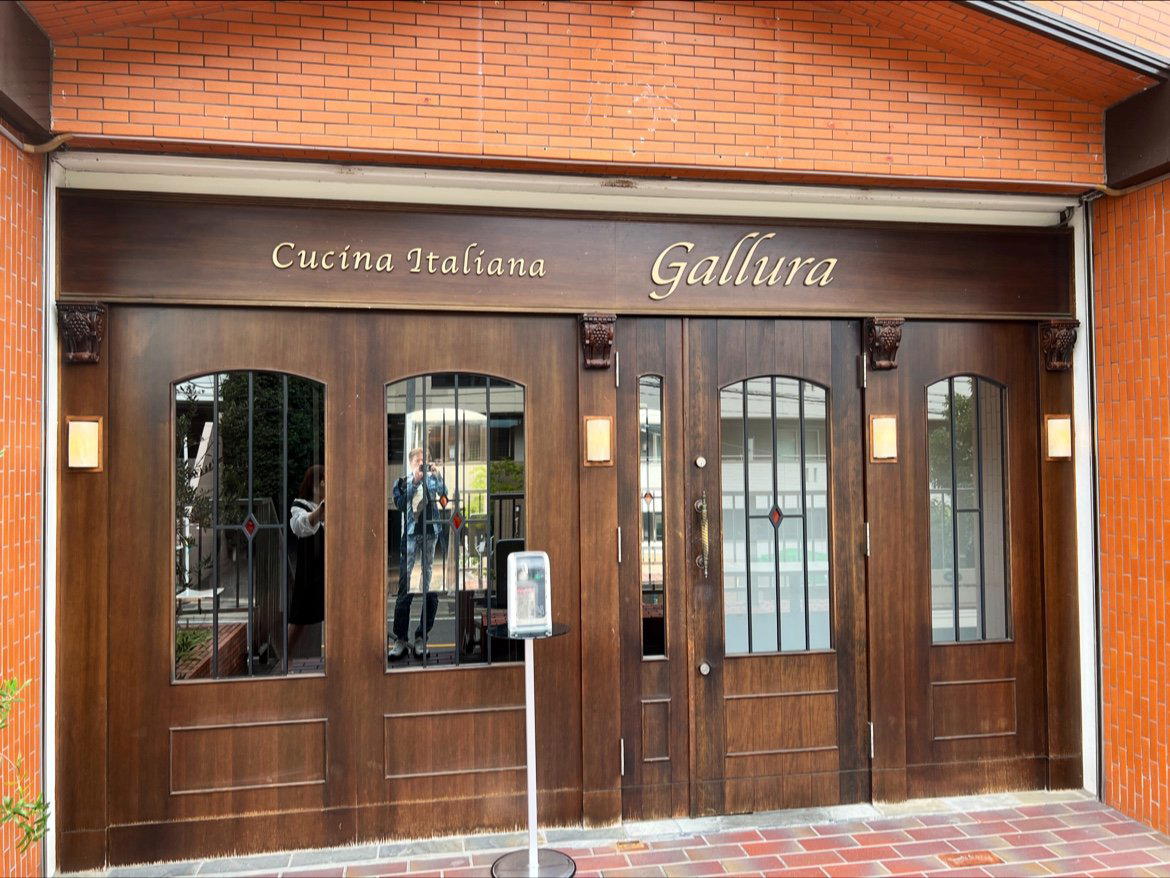
The comparison venues active in Nagoya's more formally documented tier include Cucina Italiana Gallura, which operates as a sushi counter under an Italian name, and Bacio. Both sit within Nagoya's more central geography. ふじさわ's Tempaku location puts it in a different neighbourhood register, one more consistent with the kind of intimate counter that relies on proximity to a residential customer base rather than foot traffic from business districts.
The Multi-Course Question: Reading the Progression from the Outside
Japan's counter dining tradition structures meals as sequences, not collections of dishes. Whether a venue runs full kaiseki, abbreviated kappo, or a shorter omakase, the progression logic is broadly consistent: lighter preparations move toward richer ones, seasonal ingredients signal time and place, and the pacing is controlled by the kitchen rather than the guest. At counters with limited seats, the distance between kitchen and table collapses, and the meal becomes a form of conversation conducted through food and timing rather than words.
The editorial angle appropriate to ふじさわ, given its address and format opacity, is the arc that begins before the first course: the decision to travel to Tempaku, the moment of arrival in a quieter residential block, the entry into a room whose dimensions and register you cannot verify in advance. That opening sequence sets the frame for everything that follows. Japan's most discussed counter restaurants, including Harutaka in Tokyo and Gion Sasaki in Kyoto, operate with a similar logic: the effort of arrival is part of the experience's design, not incidental to it. Comparable regional examples exist at HAJIME in Osaka, Goh in Fukuoka, and akordu in Nara, each of which calibrates its physical context to the register of its food. The pattern extends to venues further afield in Japan's dining geography, including 一本木 皆川製 in Nanao, 奥仁山乃 in Sapporo, 湖西廊 in Takashima, 庄羽屋 in Nishikawa Machi, and Birdland in Sakai.
At the international level, the logic of sequenced progression as experience design shows up in very different culinary registers. Le Bernardin in New York City and Atomix in New York City both treat multi-course structure as a narrative tool, though through French technique and Korean fine dining respectively. The underlying impulse, controlling the pace and arc of a meal so that it builds toward a conclusion rather than simply ending, is consistent across formats and cultures.
Nagoya's Wider Restaurant Register
Nagoya operates as Japan's fourth-largest city but receives a fraction of the international dining attention directed at Tokyo, Osaka, or Kyoto. That gap creates a particular dynamic: the city's serious restaurants tend to be known precisely and narrowly, with reputations that travel through specific communities rather than broad media coverage. Chez Kobe and cucina Wada occupy recognisable points in that network, each with a defined cuisine and public identity. ふじさわ's profile is less fixed in the public record, which for certain readers is precisely the relevant data point. For the full picture of what Nagoya's restaurant scene currently looks like across price tiers and formats, our full Nagoya restaurants guide maps the broader field.
Planning a Visit
Tempaku Ward sits to the south of Nagoya's central wards, accessible by the Tsurumai subway line. The address at 1 Chome-111-1 Uedayama places the venue in a low-density residential area where street-level navigation requires a precise address rather than a landmark. Given the absence of a listed phone number, website, or confirmed booking method in the public record, first contact is most reliably made through a local intermediary, a hotel concierge with genuine city knowledge, or through a curated reservation service operating in the Japanese market. Arriving without a confirmed booking at this type of venue in Japan is generally inadvisable; the model assumes prior arrangement.
How ふじさわ Nagoya compares with similar nearby venues.
| Venue | Cuisine | Price |
|---|---|---|
| Patisserie Vivienne. | Not listed | JPY 1,000 - JPY 1,999 |
| BHANCHA GHAR | Not listed | JPY 1,000 - JPY 1,999 - JPY 999 |
| Cucina Italiana Gallura | Sushi | Not listed |
| La Liliana | Not listed | JPY 10,000 - JPY 14,999 JPY 6,000 - JPY 7,999 |
Recognition history
Dated appearances from independent guides and award organizations, with the underlying list record or original source where available.
Tabelog Bronze #74
Tabelog
Tabelog 100 #79 · No. 79
Tabelog · Tabelog 100 - Sushi - EAST - 2025
Tabelog Bronze
Tabelog
At a Glance
- Intimate
- Elegant
- Date Night
- Special Occasion
- Chefs Counter
- Sake Program
Current opening hours
- Monday
- 6–9 PM
- Tuesday
- 6–9 PM
- Wednesday
- 6–9 PM
- Thursday
- 6–9 PM
- Friday
- 6–9 PM
- Saturday
- 6–9 PM
- Sunday
- 6–9 PM
Hours can change for holidays and private events. Last verified .
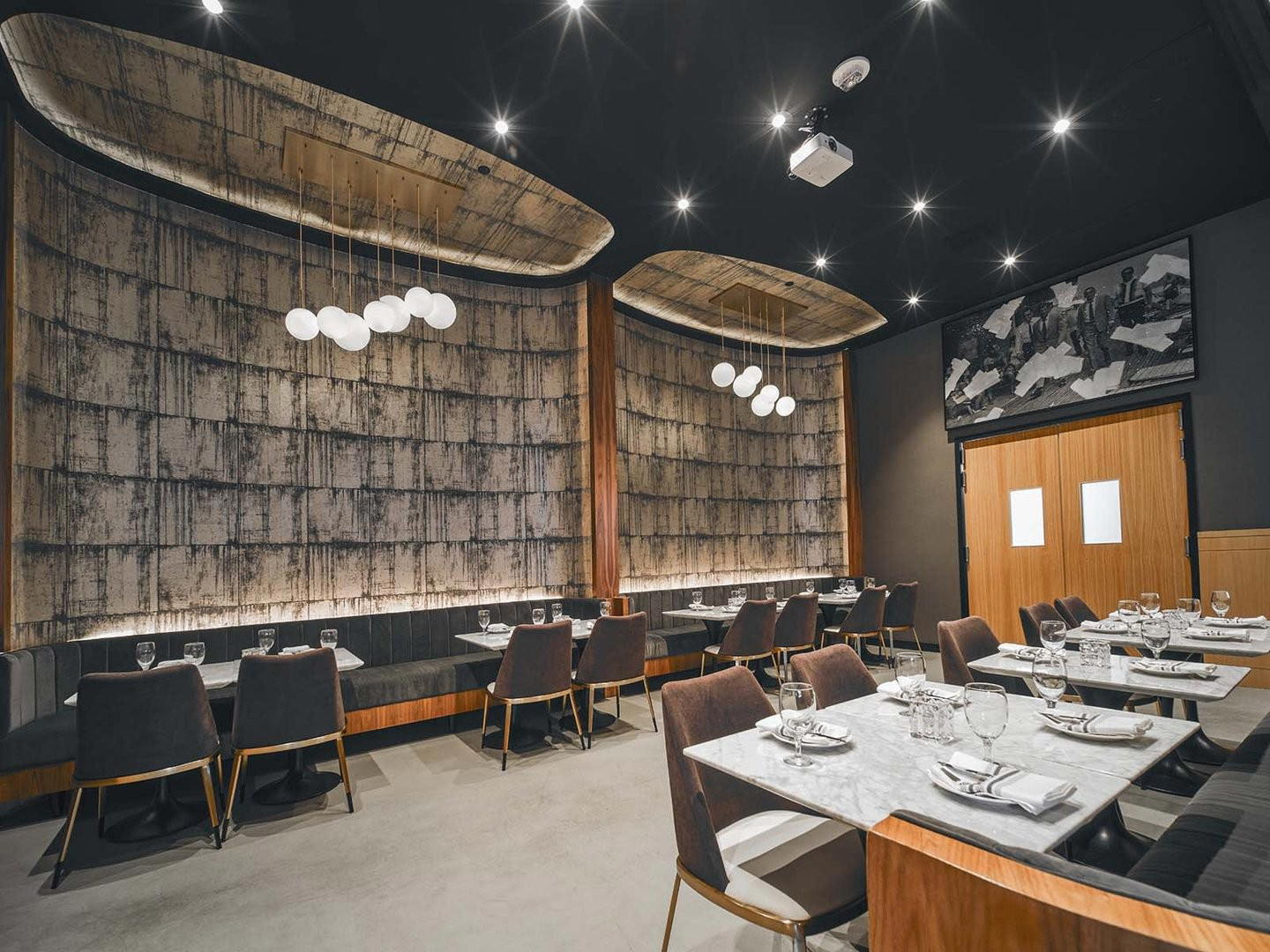
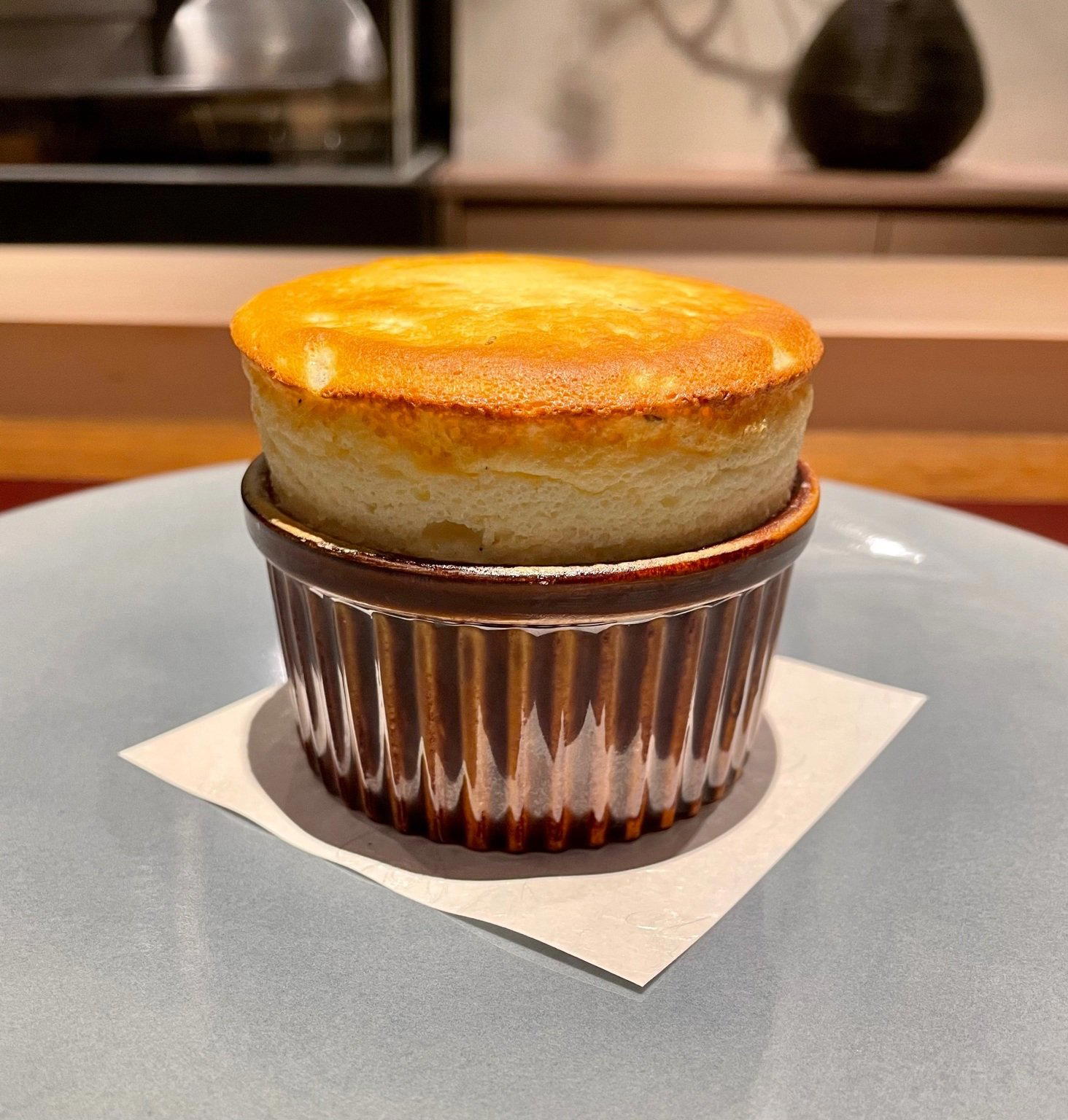
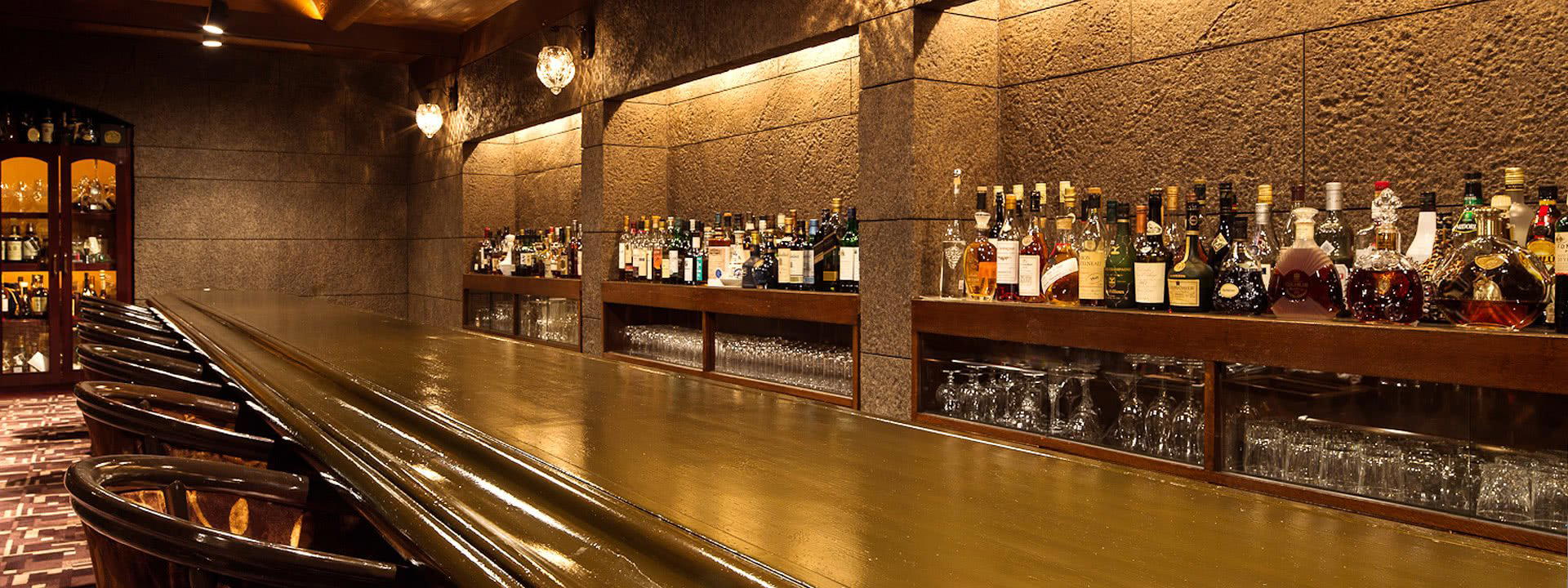
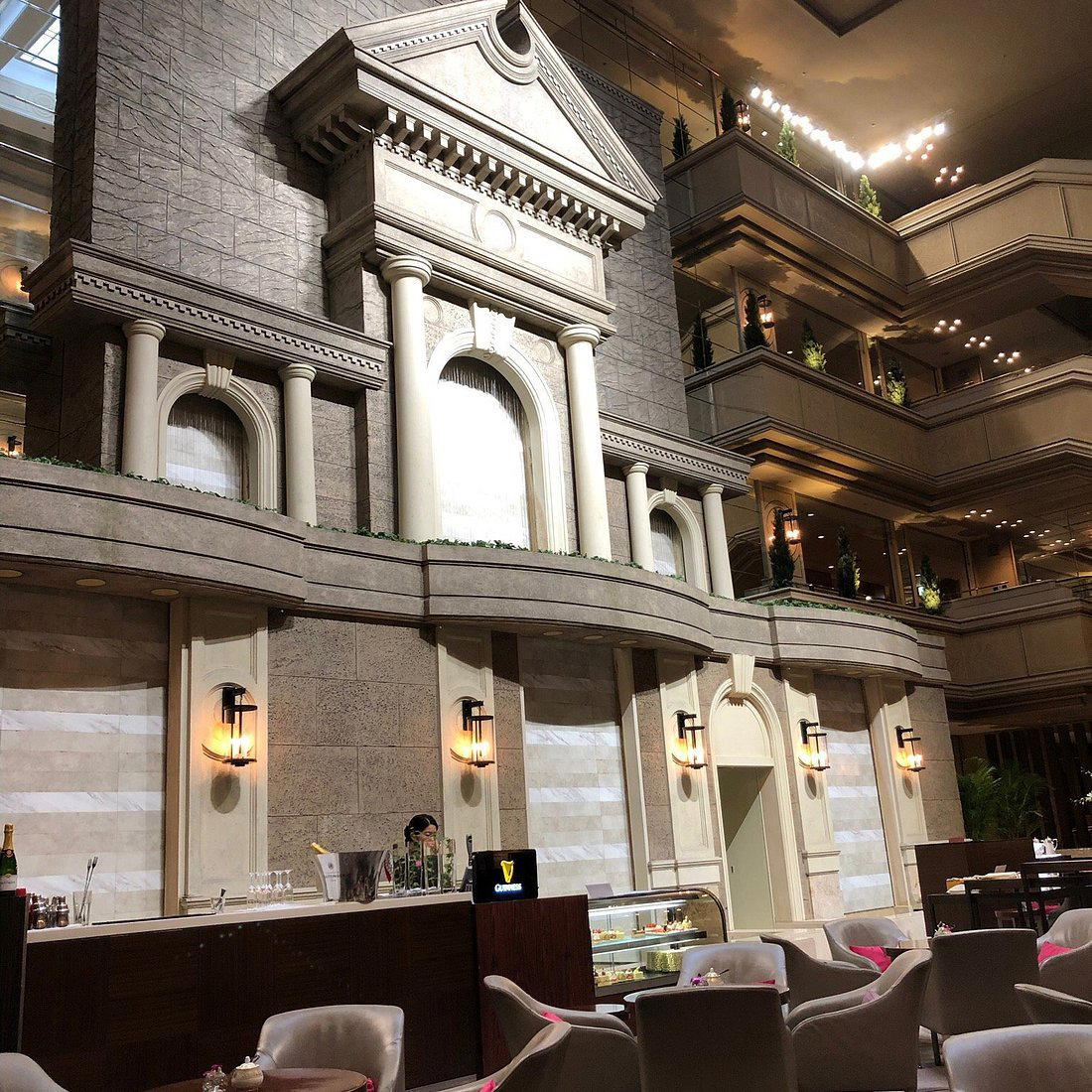
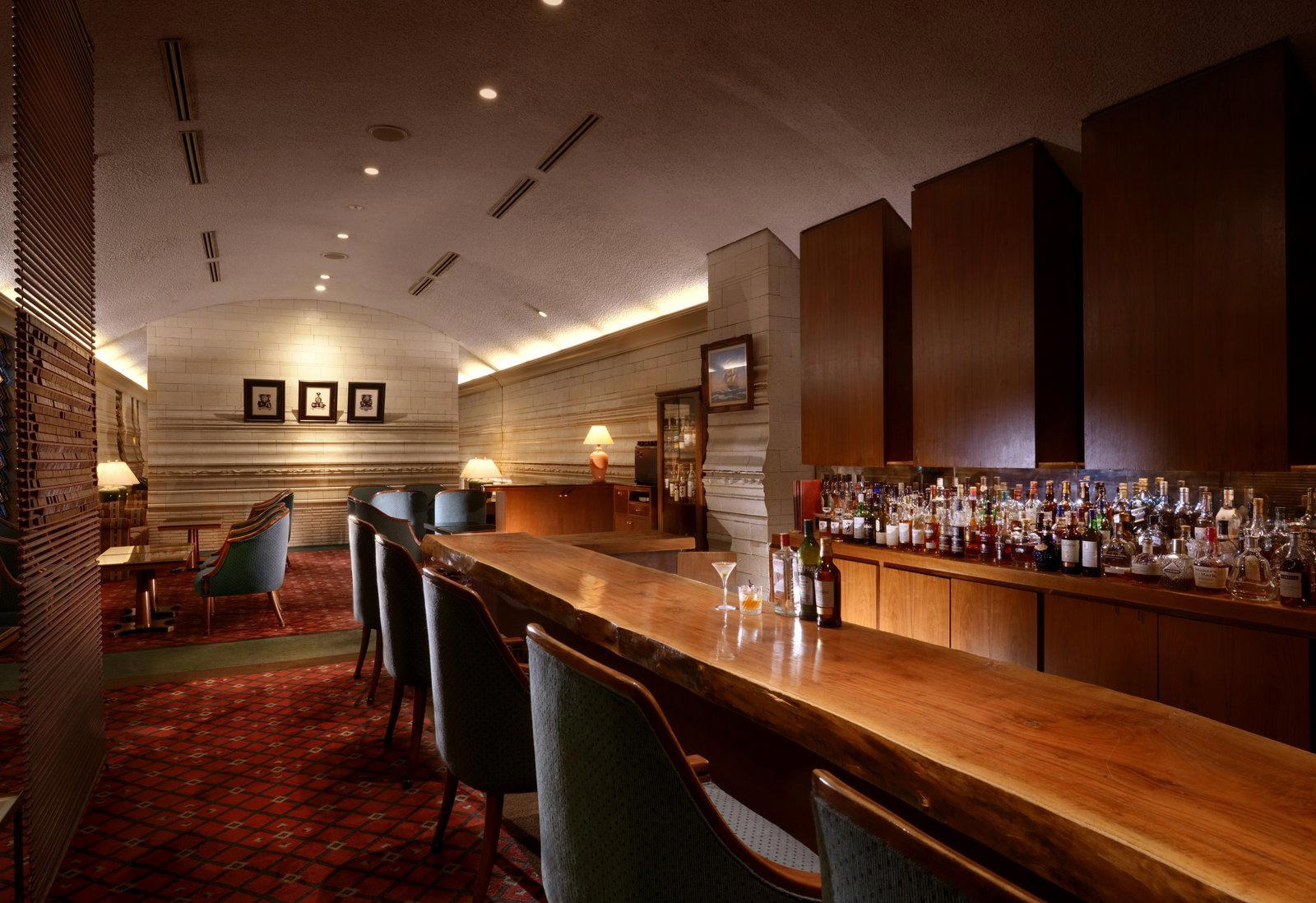
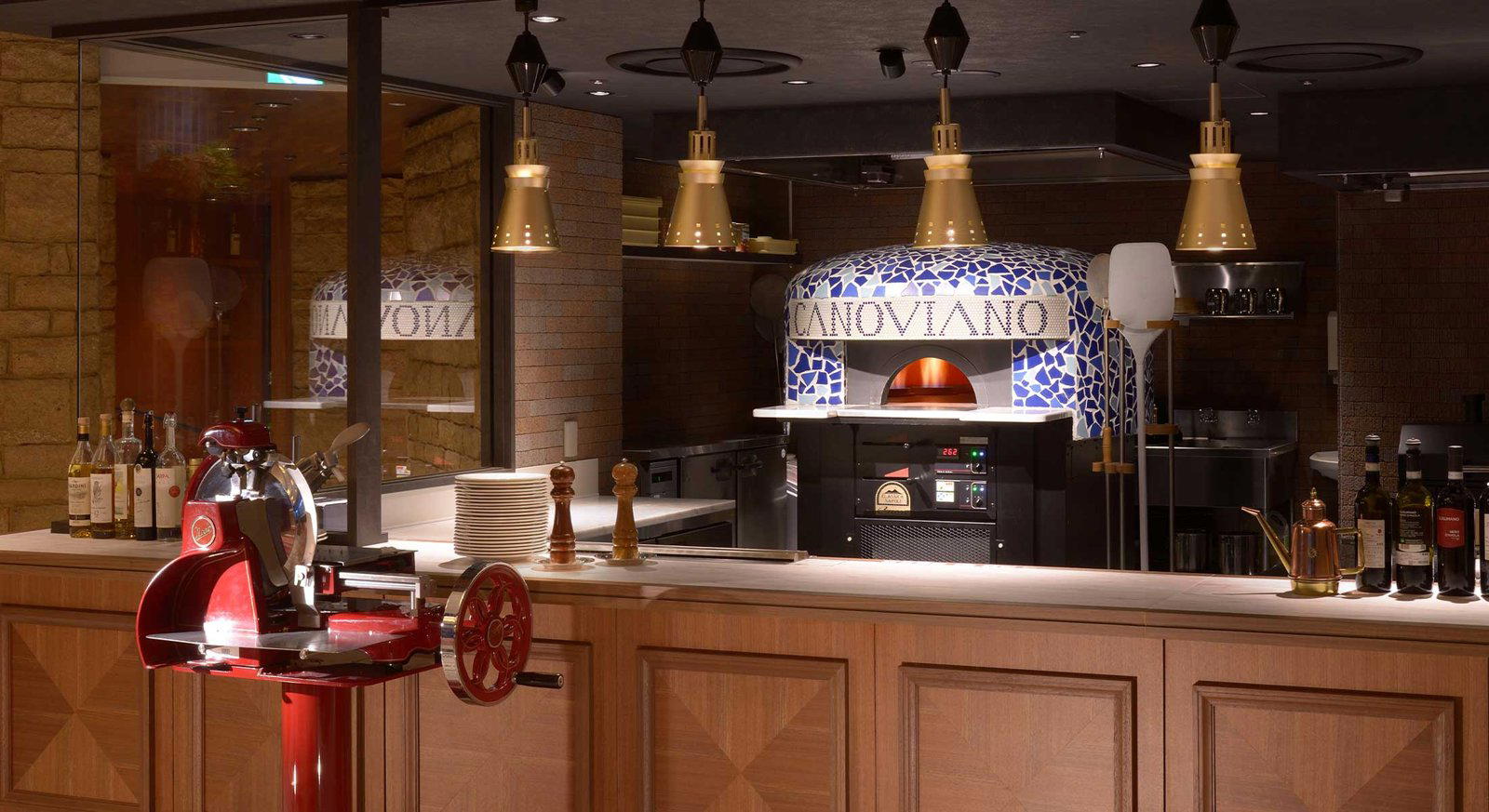
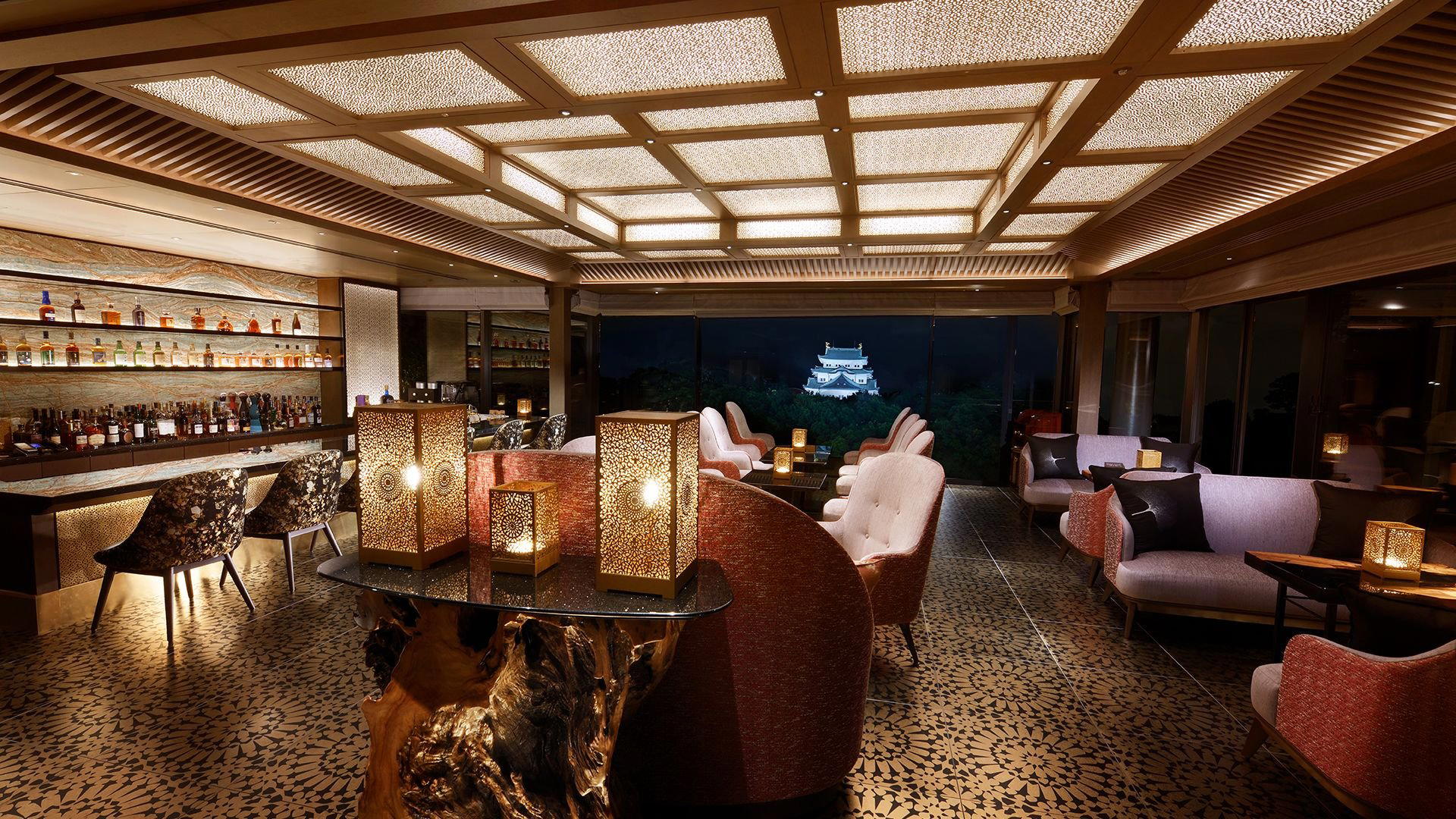
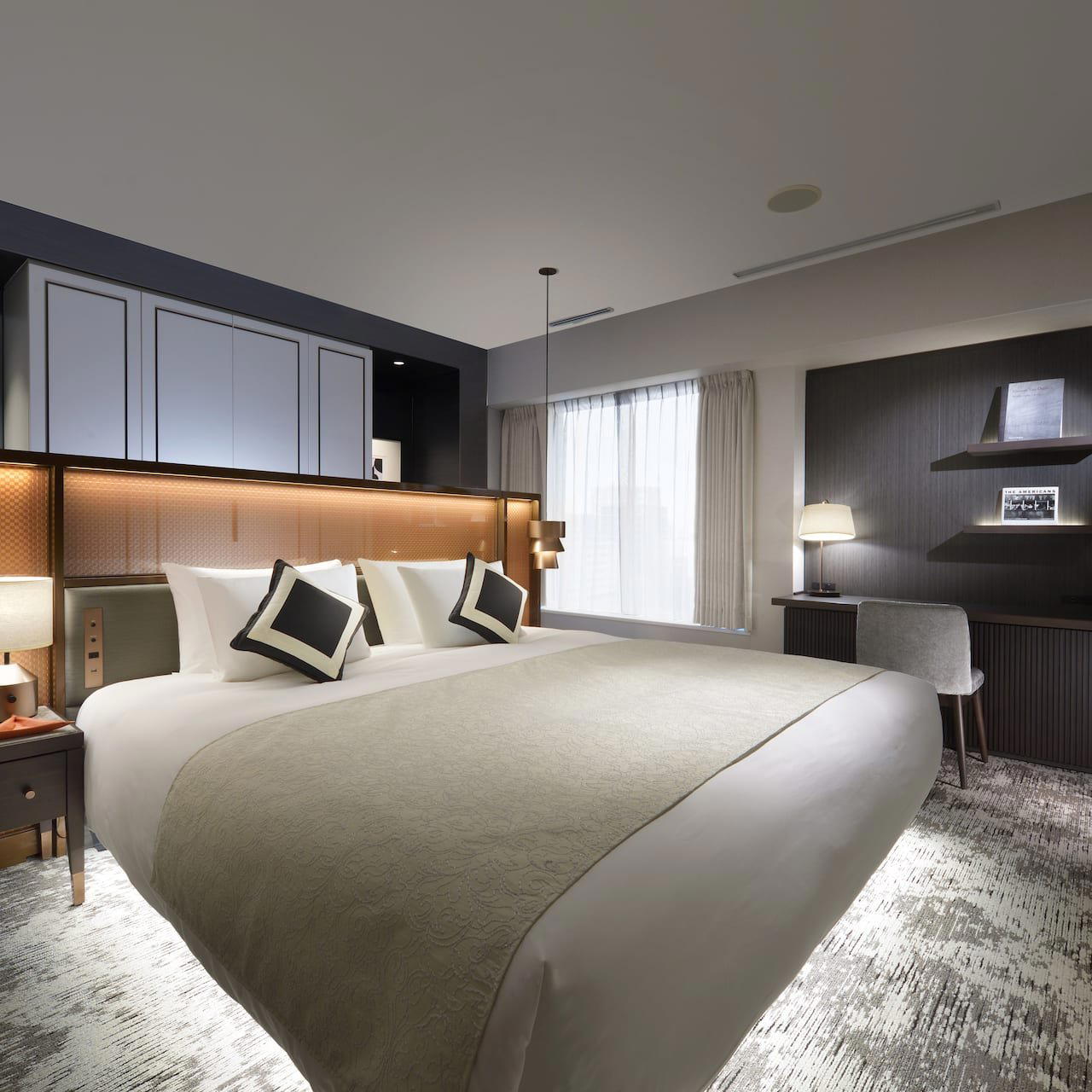
Clean and beautifully appointed intimate setting with counter seating and private rooms, fostering a sophisticated and serene dining atmosphere.
Know Before You Go
- Getting there
- 1 Chome-111-1 Uedayama, Tempaku Ward, Nagoya, Aichi 468-0001, Japan