
Myoan belongs to Nagoya’s quieter school of serious Japanese dining, where the meal is judged by progression rather than spectacle. Its Tabelog Japanese cuisine EAST “Tabelog 100” selections in 2023 and 2025 place it among a narrow set of restaurants valued for disciplined sequencing, counter intimacy, and a sake-led reading of the season.
Pearl is the En Primeur Club membership app — saves, bookings, and concierge access live there. Same editors, same standards.
- Address
- Japan, 〒461-0023 Aichi, Nagoya, Higashi Ward, Tokugawacho, 2103 城ビル 1F
- Phone
- +81 50-5488-3874
- Website
- nbu5400.gorp.jp
 Saves & bookings on Pearl
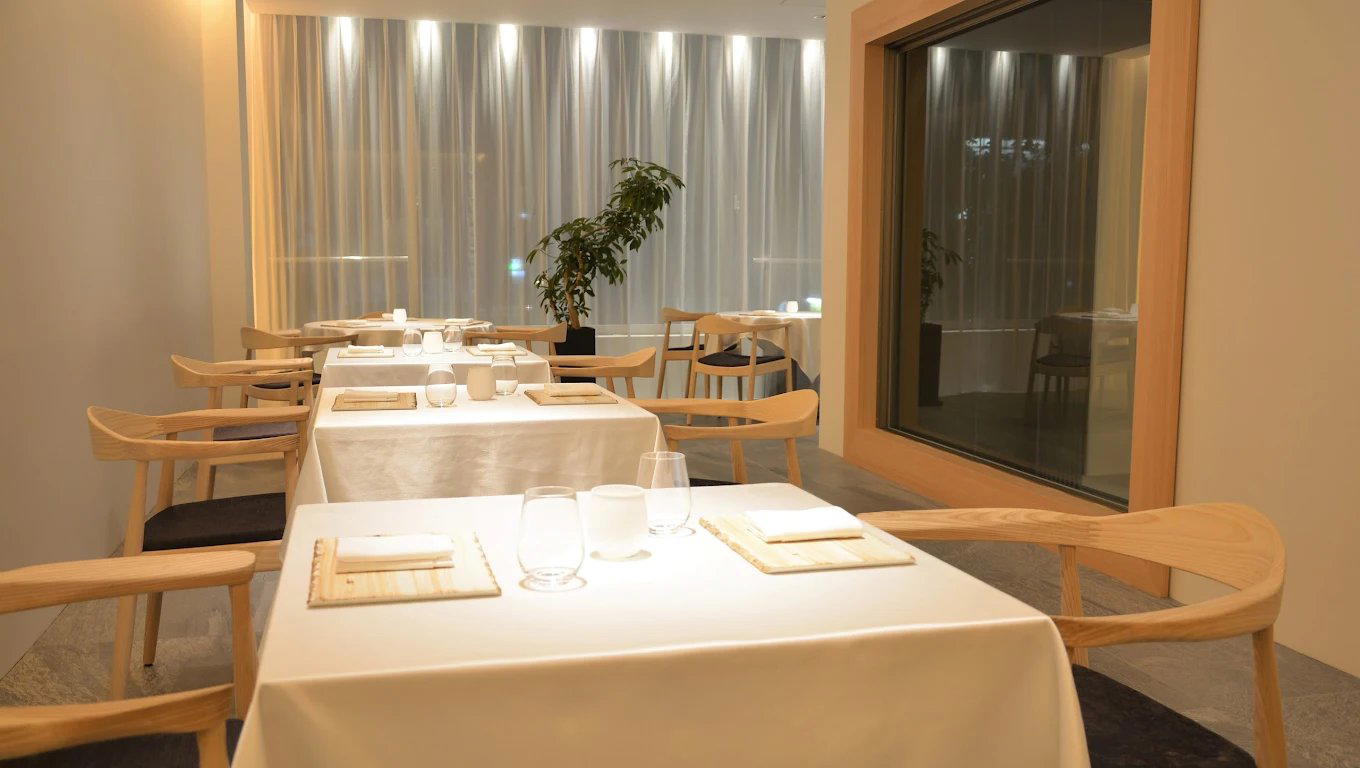
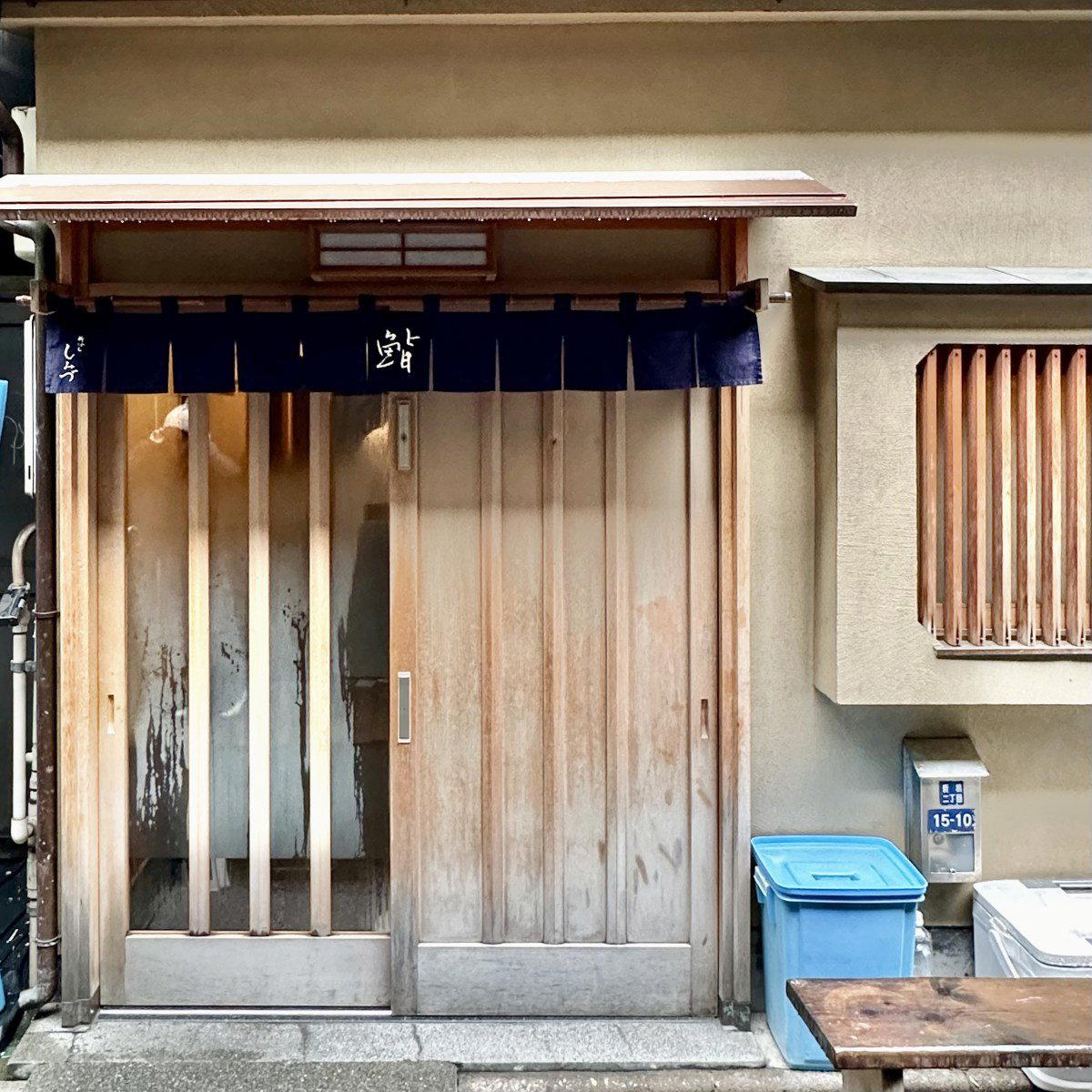
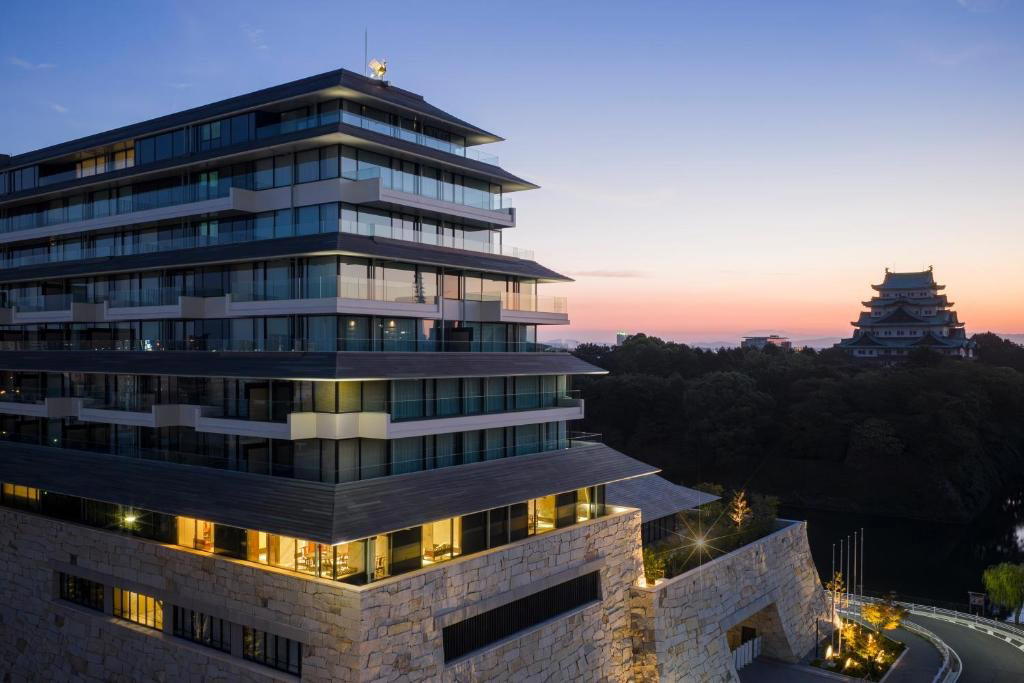
Tokugawacho is not the Nagoya of station-tower dining or Sakae neon. The approach feels residential and composed, which matters here: Japanese cuisine at this level often works by lowering the volume before the meal begins. Myoan’s counter-led room, with 11 seats and no private rooms, places the focus on pacing, temperature, and the order in which dishes arrive. The point is not a single plate that carries the evening, but the cumulative argument of a multi-course meal.
Nagoya’s dining reputation is often flattened into local comfort signatures, but the city also supports a more formal Japanese register that sits apart from the casual miso-katsu and kishimen shorthand. In Tokugawacho, that contrast becomes useful. Nearby options range from the garden-setting French formality of Garden Restaurant Tokugawaen and LE PIGNON to low-cost neighborhood specialists such as Ramen Senmon Ten Tokugawa Cho Josui, Yoshimitsu, and Tokugawa Cho Buta Fuku. Myoan occupies a different bracket: small, reservation-only Japanese cuisine with Tabelog Japanese cuisine EAST “Tabelog 100” selections in 2023 and 2025.
A multi-course meal built on sequence rather than showmanship
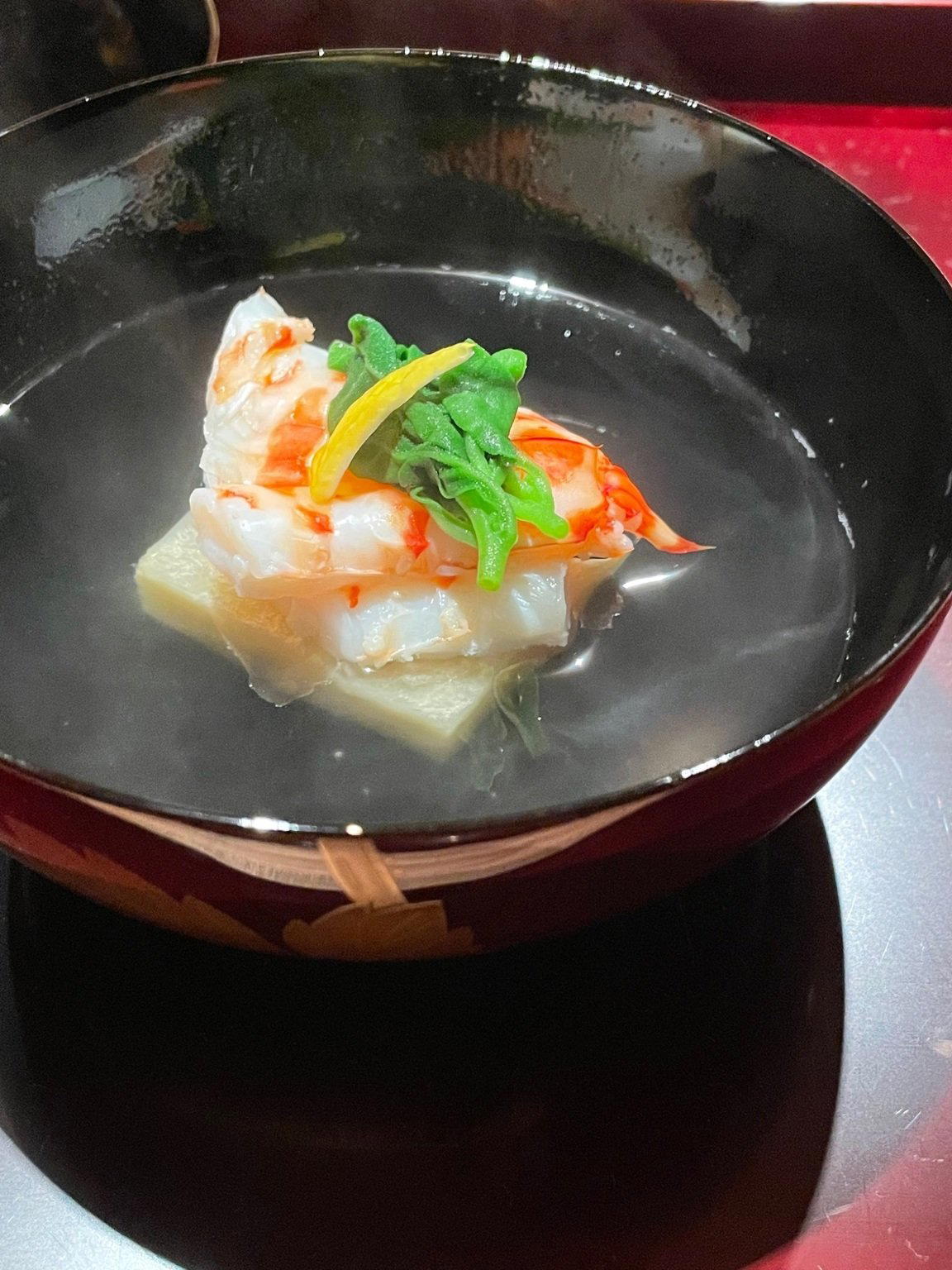
The strongest way to read this restaurant is through progression. In Japanese cuisine, especially at the higher end, the rhythm usually matters as much as any ingredient: opening bites set temperature and restraint, sashimi or seasonal preparations establish clarity, grilled and simmered courses bring weight, and the closing rice or soup sequence gives the meal its landing. Without verified dish names, the useful editorial point is structural. This is the sort of format where diners should pay attention to the shape of the meal rather than hunt for a single headline item.
That makes the counter important. Counter seating reduces the distance between kitchen cadence and diner attention, and in an 11-seat room the margin for drift is small. A large dining room can absorb uneven pacing; a room this compact cannot. The recognition from Tabelog’s Hyakumeiten program, which selects 100 restaurants by category and region, is a signal that the restaurant is being judged within a specialist Japanese-cuisine context rather than as a general fine-dining address.
The drink direction also points toward a traditional reading of the meal. Sake and shochu are listed as the relevant categories, which fits the cooking’s likely architecture better than a broad international wine program would. For diners used to Tokyo omakase counters or Kyoto kaiseki rooms, Nagoya’s appeal is partly its scale: the city has serious rooms without the same density of international attention. That can make the experience feel less performative, though not casual.
Where it sits in Nagoya's serious Japanese dining tier
Price tier and format separate this address from the surrounding neighborhood in a clear way. Garden Restaurant Tokugawaen and LE PIGNON sit in a lower published dinner band, while the casual local options nearby operate at a fraction of that level. Myoan’s bracket places it in the city’s special-occasion Japanese category, where the diner is paying for sequence, product selection, and a small-room service model rather than variety or convenience.
The Tabelog score of 3.58 should be read with Japanese context. On Tabelog, scores tend to cluster tightly, and category awards often matter more than raw number comparisons across cuisine types. The 2025 Tabelog 100 Japanese cuisine EAST selection is the cleaner signal: it places the restaurant within a regional list for Japanese cuisine, not a broad popularity chart. For travelers building a Nagoya dining itinerary, that distinction matters. This is not the restaurant to use as an introduction to the city’s casual food culture; it is for a diner who wants to see how Nagoya handles formal Japanese progression outside the Tokyo-Kyoto axis.
There is also a useful neighborhood contrast. Tokugawacho carries cultural weight because of the Tokugawa area’s historic associations, but the dining scene around it is mixed rather than uniformly luxurious. That gives the restaurant a sharper edge: serious Japanese cooking in a district where the evening can otherwise move between garden-side dining, French formality, and everyday noodle shops. For broader planning, Our full Nagoya restaurants guide gives the citywide context, while Our full Nagoya hotels guide, Our full Nagoya bars guide, Our full Nagoya wineries guide, and Our full Nagoya experiences guide help frame the rest of the trip.
How to decide if this is the right Nagoya dinner
This is a strong fit for diners who prefer a compact room, a formal Japanese structure, and a meal that unfolds in controlled stages. It is a weaker fit for anyone seeking a lively group dinner, private-room comfort, or a broad à la carte style. The listed non-smoking policy and card acceptance make the logistics easier for international travelers, but the real decision is about attention span: this kind of restaurant rewards diners who settle into the order of the meal and let the kitchen set the tempo.
Compared with destination dining in Tokyo, Nagoya’s advantage is not density but contrast. A traveler can eat high-form Japanese cuisine one night and return to the city’s direct, local cooking the next. For national context beyond Nagoya, see EP Club restaurant coverage including 1022, 451, Aaron, Alan., All Day Dining Montmartre, -Grilled beef Sukiyaki- KAMAKURA TANUKIAN 鎌倉 たぬき庵 in Kamakura. 鮪と炭火焼き うお炭 秋葉原店 in Tokyo.cafe in Osaka.know in Kumamoto, (Shoku) Vietnam in Kawasaki, [Curry Senmon Ten] Maruyama Kyoju. in Sapporo, Jōdo Saké Bar in Los Angeles, and Onigiri Time in Pasadena.
How It Stacks Up
Comparable venues to calibrate price, style, and recognition.
| Venue | Cuisine | Price | Notes |
|---|---|---|---|
| MyoanThis venue — the venue you are viewing | Seasonal Japanese Kappo / Kaiseki | $$$$ | Not listed |
| Housa Saryo | Seasonal Japanese Kaiseki with Uni Specialties | $$$$ | Chikusa |
| Tomi Sushi | Seasonal Sushi Omakase | $$$$ | Naka |
| ふじさわ | Modern Japanese Sushi | $$$$ | Chikusa |
| Sushisho | Edo-style Sushi Omakase | $$$$ | Naka |
| Yanagibashi Yakiniku Waniku | Kobe Beef Yakiniku Kaiseki | $$$$ | Nakamura |
Recognition history
Dated appearances from independent guides and award organizations, with the underlying list record or original source where available.
Tabelog 100 #80 · No. 80
Tabelog · Tabelog 100 - Japanese cuisine - EAST - 2025
Continue exploring
More in Nagoya
Restaurants in Nagoya
Browse all →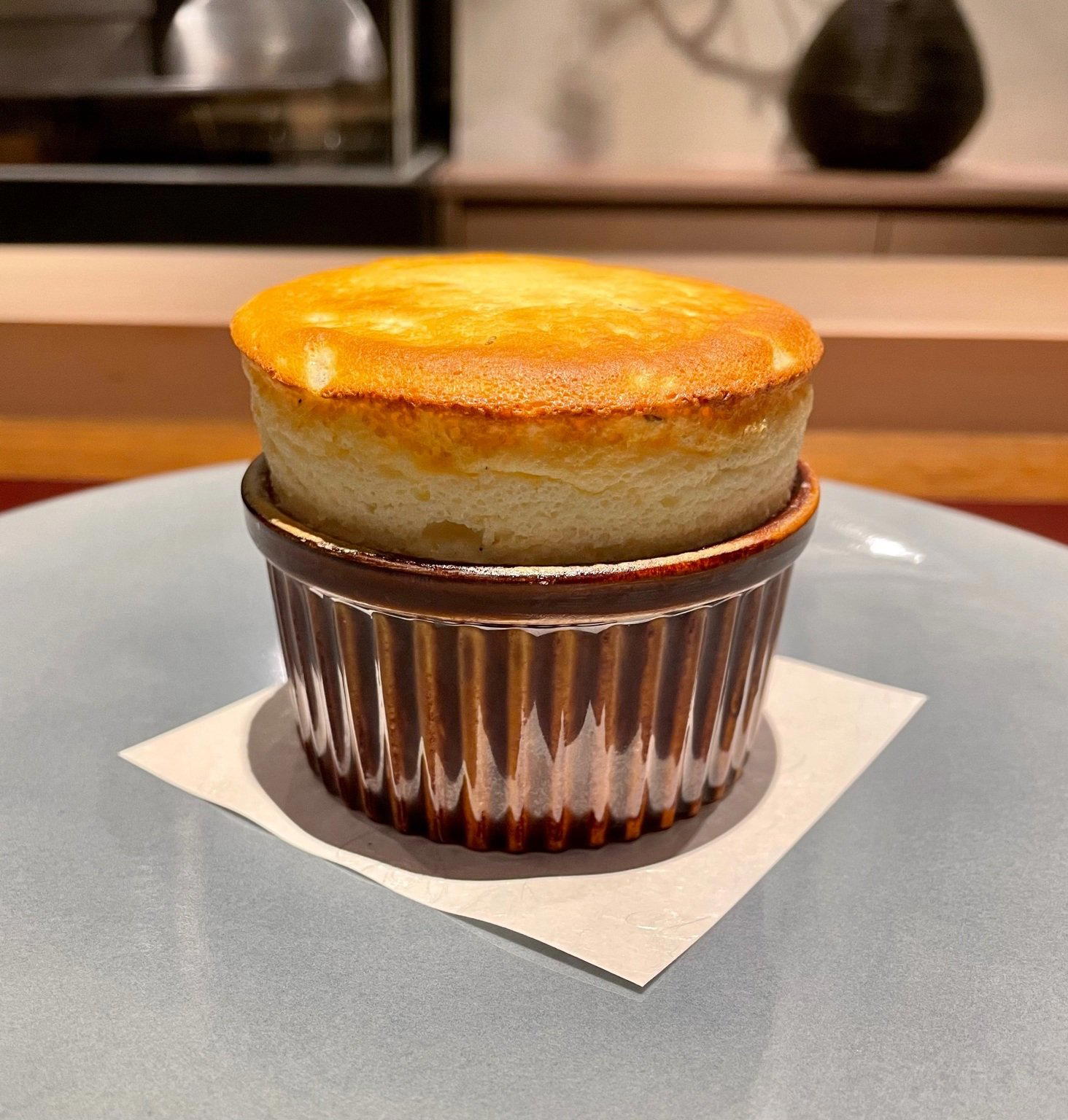

At a Glance
- Intimate
- Cozy
- Classic
- Elegant
- Special Occasion
- Date Night
- Business Dinner
- Celebration
- Solo
- Chefs Counter
- Standalone
- Sake Program
- Local Sourcing
Current opening hours
- Monday
- 6:30–10 PM
- Tuesday
- 6:30–10 PM
- Wednesday
- 6:30–10 PM
- Thursday
- 6:30–10 PM
- Friday
- 6:30–10 PM
- Saturday
- 6:30–10 PM
- Sunday
- 6:30–10 PM
Hours can change for holidays and private events. Last verified .
Calm, intimate counter-only space with a quietly elegant, traditional Japanese aesthetic, designed for lingering over seasonal dishes in a relaxed atmosphere.