
Onkaiseki Shiratama places Nagoya kaiseki in a formal, room-led register: private rooms, tatami and sunken seating, a tea-room option, and a scale that suits ceremonies as much as meals. Its 2025 Tabelog 100 selection for Japanese cuisine in EAST gives the address a clear editorial signal within Aichi’s higher-end Japanese dining tier.
Pearl is the En Primeur Club membership app — saves, bookings, and concierge access live there. Same editors, same standards.
- Address
- 愛知県名古屋市北区上飯田西町2-36
- Phone
- +81529816868
- Website
- siratama.jp
 Saves & bookings on Pearl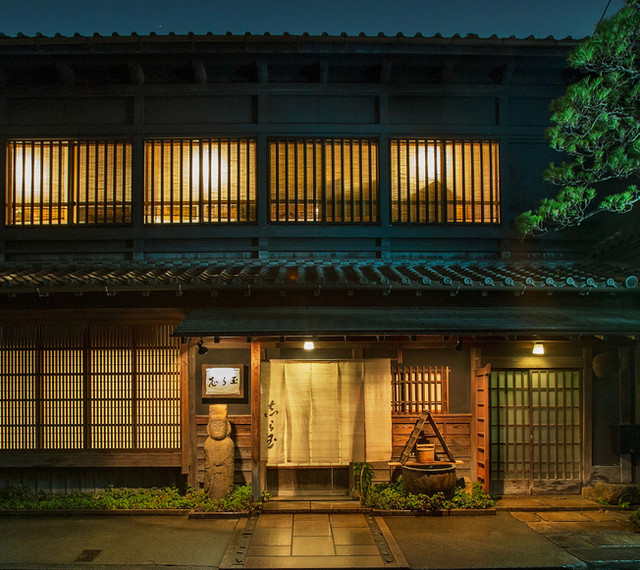
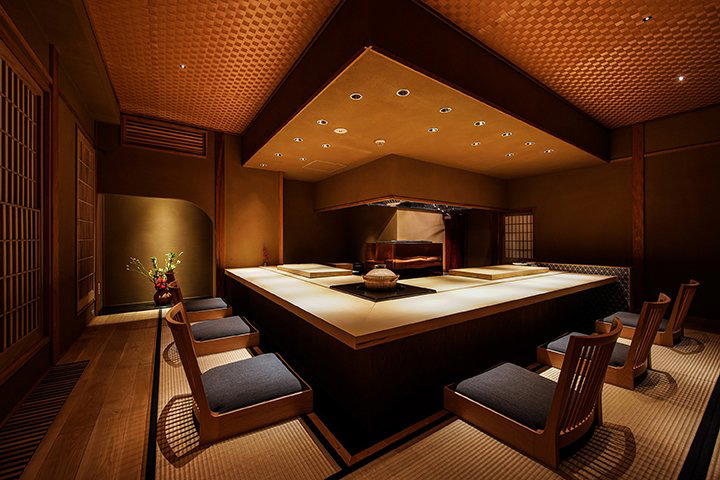
The first cue is architectural rather than culinary: a house-restaurant setting, tatami rooms, sunken seating, and the hush that comes with private-room dining in Japan. Nagoya has plenty of fast, precise eating, from station-area noodles to late-night grilled meat, but kaiseki works on a different clock. Here, the meal is framed by rooms, pauses, service choreography, and the expectation that conversation matters as much as the sequence of dishes.
That matters in a city often read through miso-katsu, hitsumabushi, kishimen, and the practical appetite of a major manufacturing capital. Formal Japanese dining in Nagoya sits slightly apart from the city’s everyday food image. It is less about novelty and more about occasion: family gatherings, business hospitality, seasonal menus, and a controlled sense of ceremony. Onkaiseki Shiratama belongs to that register, with Japanese cuisine and creative cooking listed as its categories and a 2025 Tabelog 100 selection for Japanese cuisine in EAST placing it in a recognized national conversation rather than a purely local one.
Private-room kaiseki in a city built for practical eating
Nagoya’s dining range is unusually broad for a city that outsiders often reduce to regional staples. The comparison set tells the story. Cafe Tanaka Honten sits in the low-price café and pastry bracket; Tsukesoba Jinguji occupies the accessible noodle lane; Yakiniku Horumon Gensho moves into a richer grilled-meat tier; Tempura Yokoi and Yadorigi point toward more formal Japanese dining. Against that spread, this kaiseki address reads as an occasion restaurant, not an everyday stop between trains.
The scale is part of the distinction. A 100-seat kaiseki restaurant with private rooms for small parties through large groups is a different proposition from the counter-driven, reservation-scarce model that dominates much of Japan’s international fine-dining conversation. The appeal is not intimacy at all costs. It is controlled privacy: chair seating, sunken kotatsu seating, tatami rooms, and space for ceremonies, receptions, and family meals where the room has to support the event.
That also explains the sensory frame. Kaiseki is often discussed through seasonality, but in formal Japanese restaurants the environment carries equal weight. Shoes, posture, textiles, screens, room acoustics, and the procession of courses shape the meal before the first dish arrives. The listed focus on vegetables, fish, sake, shochu, and wine suggests a broad hospitality structure rather than a narrow chef-counter performance. A multilingual English menu is a useful signal for visitors, but the format remains rooted in Japanese dining etiquette.
Recognition, ceremony, and the slower end of Nagoya dining
The Tabelog 100 Japanese cuisine EAST 2025 selection is the cleanest external marker here. Tabelog’s Hyakumeiten lists do not function like Michelin stars; they are category-based selections drawn from a platform with deep domestic usage. For travelers, that distinction matters. A Michelin star often pushes a venue into an international pilgrimage economy, while a Tabelog category selection can signal strong local and national attention without implying the same type of global demand.
Onkaiseki Shiratama is therefore better understood as part of Nagoya’s formal Japanese hospitality culture than as a chef-personality destination. The available facts point toward room design, private dining, and ceremonial use. Shamisen performances featuring Nagoya Jinku can be arranged, and a tea room is available, which moves the experience closer to hosted cultural occasion than standard restaurant service. Those details also make the address useful for travelers planning around guests, elders, children, or a group with mixed comfort levels around long meals.
The family-friendly details are unusually explicit for this price tier in Japan. Children are welcome, strollers are accepted, and a children’s meal is listed for younger diners. That does not turn the room into casual dining; it means the restaurant can absorb multigenerational use without forcing the meal into the rigid adult-only format common at smaller counters. In Nagoya, where family meals and business occasions often overlap, that flexibility is a meaningful part of the appeal.
For readers building a broader Nagoya itinerary, this is the formal Japanese counterweight to the city’s more casual strengths. Our full Nagoya restaurants guide is the natural next stop for placing it among other meals, while Our full Nagoya hotels guide, Our full Nagoya bars guide, Our full Nagoya wineries guide, and Our full Nagoya experiences guide help build the rest of the day around a slower lunch or dinner.
How to read it against Japan's broader restaurant map
Japan’s premium dining scene often rewards tiny rooms and chef-led intensity, but not every serious meal needs to be a counter. This address is closer to the reception-room tradition: polished, structured, and built for hosting. That makes it a useful contrast with smaller or more casual listings across the EP Club map, from 1022, 451, Aaron, Alan., and All Day Dining Montmartre to regional Japan entries such as -Grilled beef Sukiyaki- KAMAKURA TANUKIAN 鎌倉 たぬき庵 in Kamakura. 鮪と炭火焼き うお炭 秋葉原店 in Tokyo.cafe in Osaka.know in Kumamoto, (Shoku) Vietnam in Kawasaki, and [Curry Senmon Ten] Maruyama Kyoju. in Sapporo.
The editorial decision is simple: choose this for atmosphere, privacy, and a traditional Japanese meal shaped around the room. Choose elsewhere if the priority is a fast regional specialty, a counter with direct chef interaction, or a lower-price bite between sightseeing stops. In an international itinerary, it also pairs conceptually with sake-led and casual Japanese formats abroad, including Jōdo Saké Bar in Los Angeles and Onigiri Time in Pasadena, because the contrast clarifies what kaiseki does differently: it turns dining into a managed social setting rather than a single-product meal.
Fast Comparison
Nearby venues at a similar price tier for orientation.
| Venue | Cuisine | Price | Notes |
|---|---|---|---|
| Onkaiseki ShiratamaThis venue — the venue you are viewing | Traditional Tea Kaiseki | $$$$ | Not listed |
| Sushi Ishiguro | Traditional Edomae Sushi Omakase | $$$$ | Nakamura |
| Sushi Daisaku | Seasonal Edomae Sushi Omakase | $$$$ | Naka |
| Sekine | Traditional Japanese Kaiseki | $$$$ | Shōwa |
| Hama Gen | Edomae Omakase Sushi | $$$$ | Shōwa |
| Kajikawa | Seasonal Japanese Kaiseki Counter | $$$$ | Chikusa |
Recognition history
Dated appearances from independent guides and award organizations, with the underlying list record or original source where available.
Tabelog 100 #95 · No. 95
Tabelog · Tabelog 100 - Japanese cuisine - EAST - 2025
Continue exploring
More in Nagoya
Restaurants in Nagoya
Browse all →
At a Glance
- Classic
- Elegant
- Quiet
- Intimate
- Well Known
- Special Occasion
- Date Night
- Business Dinner
- Group Dining
- Private Event
- Private Dining
- Historic Building
- Design Destination
- Standalone
- Sake Program
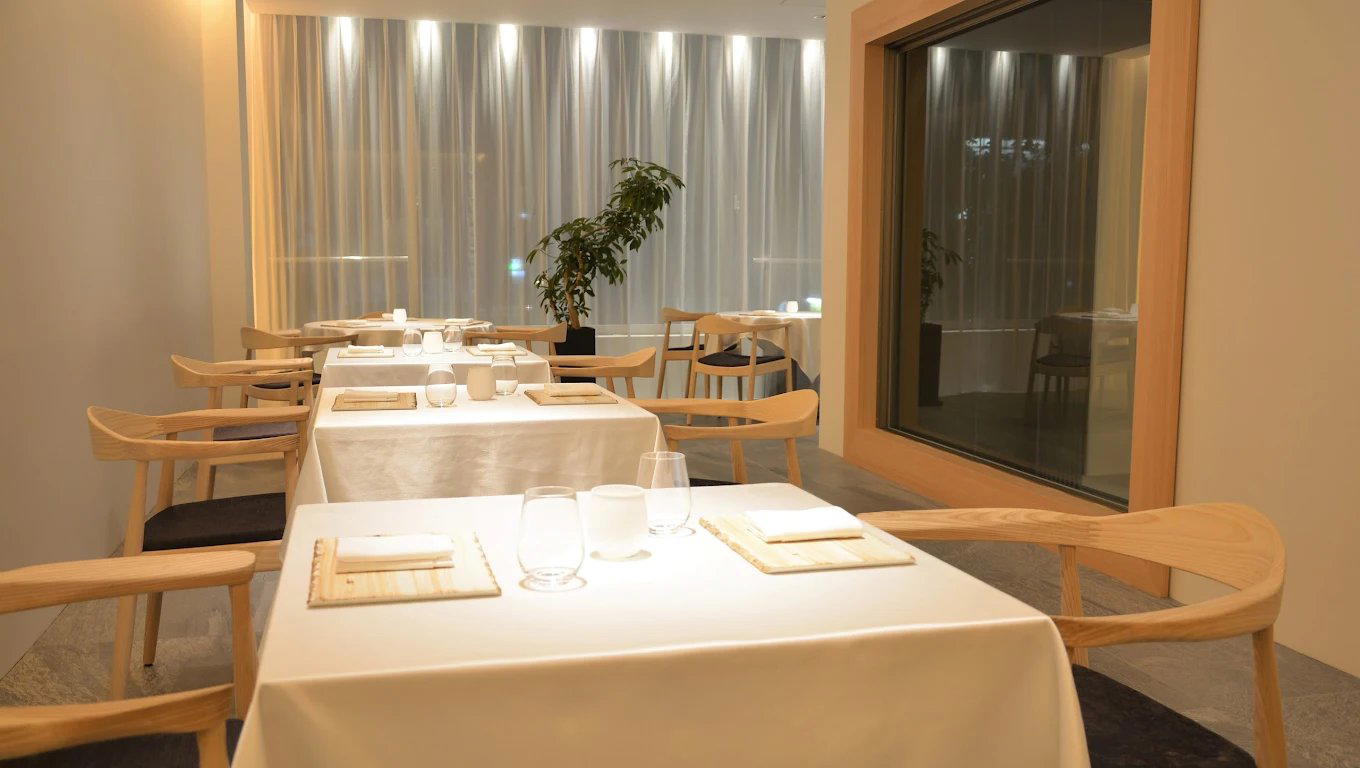
A serene, traditional Edo-style Japanese townhouse atmosphere with tatami rooms and a historic tea room, emphasizing quiet, contemplative dining and refined seasonal presentation.