

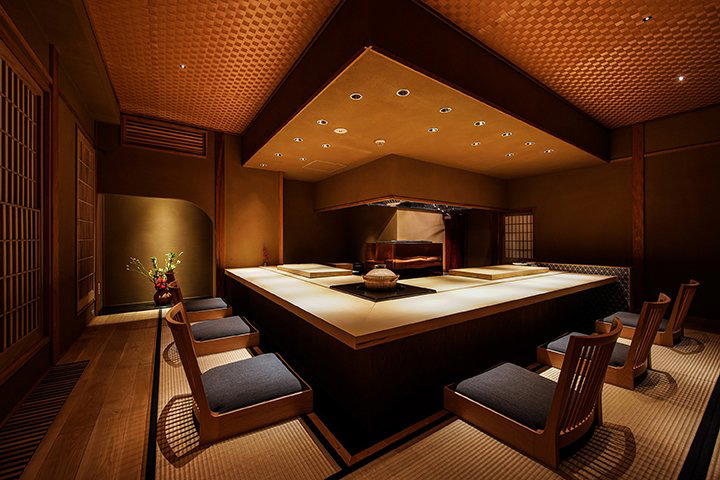
Nagoya’s Meieki dining corridor has grown into a serious counter-dining district, not just a station-side convenience zone. Sushi Hanakuruma sits in that compact, high-commitment sushi tier: eight counter seats, simultaneous starts, Tabelog Sushi EAST 100 selection in 2025, and OAD Top Restaurants in Japan Recommended recognition for 2026.
Pearl is the En Primeur Club membership app — saves, bookings, and concierge access live there. Same editors, same standards.
- Address
- Japan, 〒450-0002 Aichi, Nagoya, Nakamura Ward, Meieki, 4 Chome−6−23 The 3rd Horiuchi Building, B1F
- Phone
- +81 52-433-5855
- Website
- instagram.com
 Saves & bookings on Pearl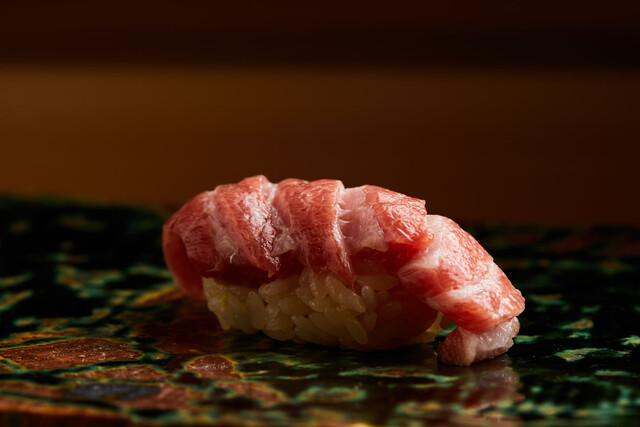
Below street level in Meieki, Nagoya’s station district changes register. Traffic, department stores, hotel lobbies, and commuter pace give way to the coded quiet of counter dining: small rooms, fixed rhythms, and service that rewards punctuality and restraint. In this context, Sushi Hanakuruma fits a newer Nagoya pattern, where serious sushi is no longer confined to old merchant quarters or Tokyo comparison tables. It sits in the city’s practical heart, yet asks diners to behave as if entering a much smaller culinary universe.
That tension is part of the appeal. Meieki is often treated as a place to pass through, but its restaurants now indicate how Nagoya eats at the premium end. Around the station, expense-account yakiniku, formal kaiseki, hotel dining, and compact counters compete for the same evening. Compared with TANAKA YAKINIKU RESTAURANTE or Wagyu Yakiniku Jirouya Kai wagyu&sake Nagoya ekimae honten, the sushi counter allows less improvisation. Compared with Kyoto Kiccho Nagoya ten, it trades ceremony for immediacy. The meal is built around the counter, not the private room.
Meieki's station-side sushi counter, judged by timing rather than theatre
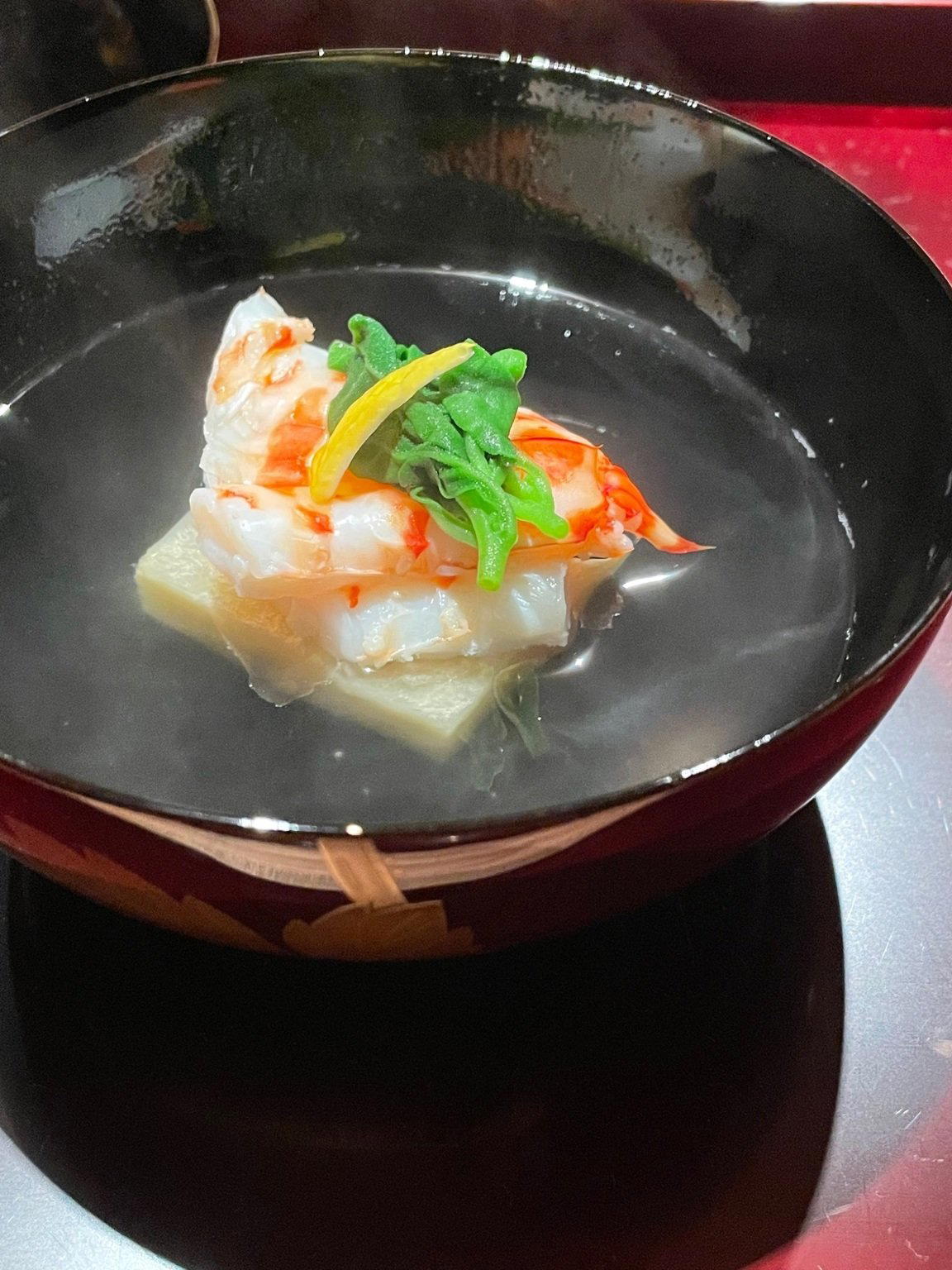
Nagoya has a strong local food identity, but high-end sushi is judged against a national grammar: rice temperature, fish handling, pacing, and the sequence between prepared dishes and nigiri. The eight-seat counter makes those standards visible. There is little room for distraction, and simultaneous starts make the meal a shared tempo rather than a loose à la carte evening. In Meieki, where many restaurants trade on convenience, convenience is only the geography, not the experience.
The external signals place the restaurant in a defined bracket. Tabelog selected it for Sushi EAST 100 in 2025, with a listed score of 3.90, and Opinionated About Dining included it as Recommended in its 2026 Japan Top Restaurants list. These are not decorative badges. In Japan’s sushi economy, they mark a counter that has moved beyond neighbourhood approval into national conversation, while remaining outside the ultra-scarce Tokyo reservation mythology that distorts visitor expectations.
The Ginza connection matters as context. Tabelog describes the restaurant as supervised by Sushi Arai, a name signalling seriousness about Edomae tradition. That does not make Nagoya into Ginza, nor promise imitation. More interesting is how regional cities absorb Tokyo technique without surrendering local dining habits. Nagoya diners value clarity, consistency, and value relative to format; a small Meieki counter must satisfy those expectations while speaking a national sushi language.
For readers mapping Nagoya beyond one reservation, the city’s range is better understood laterally than hierarchically. Contemporary projects such as 1022, 451, Aaron, Alan., and All Day Dining Montmartre show the breadth of the premium dining field. Sushi Hanakuruma sits at its tighter end, where the room is small, the format disciplined, and the margin for casual drop-in behaviour low.
What the format says about Nagoya's premium dining habits
The restaurant opened in 2022, placing it in the post-pandemic generation of Japanese counters: smaller rooms, clearer reservation channels, stronger online visibility, and a sharper split between lunch and evening demand. That generation is more legible to international diners than many older counters, but etiquette remains Japanese. Strong scents are discouraged, children are not part of the format, and the counter is the point. These are not lifestyle flourishes; they protect the shared conditions of a sushi meal, where aroma, timing, and concentration affect every seat.
The drinks position is also telling. Sake, shochu, and wine appear in the restaurant’s stated drinks scope, with wine given particular emphasis. That reflects a broader shift at serious sushi counters in Japan: sake remains the historical anchor, but wine has become a legitimate pairing language for diners seeking acidity, texture, and temperature contrast across a longer sequence. Nagoya’s corporate dining culture helps that shift. The city has enough business demand to support higher-spend counters, and enough local pride to resist becoming a satellite of Tokyo dining fashion.
Meieki gives the experience a practical edge without making it casual. The location near Nagoya Station suits travellers building a tight food itinerary, especially alongside the city’s hotel and bar infrastructure. For wider planning, Our full Nagoya restaurants guide maps the restaurant field, while Our full Nagoya hotels guide, Our full Nagoya bars guide, Our full Nagoya wineries guide, and Our full Nagoya experiences guide place dinner inside a fuller stay rather than treating it as an isolated booking.
How to read the counter before committing a night
This is a narrow-format choice, not a catch-all recommendation. Diners seeking open-ended drinking, private-room conversation, or a broad menu will be better served elsewhere in Nagoya. The case for this counter is precision: few seats, a defined sushi category, national recognition, and a station-district setting that makes the meal logistically efficient without softening expectations. It suits travellers who understand that premium sushi is less about luxury signalling than compliance with rhythm.
The comparison outside Nagoya is useful too. Japan’s dining map includes specialist counters, regional comfort rooms, and international Japanese formats. A sushi reservation here has little in common with -Grilled beef Sukiyaki- KAMAKURA TANUKIAN 鎌倉 たぬき庵 in Kamakura. 鮪と炭火焼き うお炭 秋葉原店 in Tokyo.cafe in Osaka.know in Kumamoto, (Shoku) Vietnam in Kawasaki, or [Curry Senmon Ten] Maruyama Kyoju. in Sapporo. Nor does it resemble the Japanese-adjacent drinking and casual formats represented abroad by Jōdo Saké Bar in Los Angeles or Onigiri Time in Pasadena. Placing these names together is not to rank them, but to clarify category. Sushi Hanakuruma is a counter decision: compact, punctual, and better for diners who want Nagoya’s station district at its sharpest rather than its easiest.
A Lean Comparison
Comparable venues at a glance for context.
| Venue | Cuisine | Price | Notes |
|---|---|---|---|
| Sushi HanakurumaThis venue — the venue you are viewing | Nakamura, Edomae Sushi Omakase | $$$$ | Not listed |
| Onkaiseki Shiratama | Kita, Traditional Tea Kaiseki | $$$$ | Not listed |
| Sushi Shumbi Nishikawa | Nishi, Nagoya-style Omakase Sushi | $$$$ | Not listed |
| Tomi Sushi | Naka, Seasonal Sushi Omakase | $$$$ | Not listed |
| Ozashiki Tempura Ayame | Not listed | $$$$ | Naka, Seasonal Tempura Omakase in Private Tatami Rooms |
| 寿し道 桜田 | Naka, Nagoya Edomae Sushi | $$$$ | Not listed |
Recognition history
Dated appearances from independent guides and award organizations, with the underlying list record or original source where available.
Opinionated About Dining Top Restaurants in Japan Recommended
Opinionated About Dining
Tabelog 100 #21 · No. 21
Tabelog · Tabelog 100 - Sushi - EAST - 2025
Continue exploring
More in Nagoya
Restaurants in Nagoya
Browse all →
At a Glance
- Elegant
- Intimate
- Sophisticated
- Date Night
- Special Occasion
- Business Dinner
- Solo
- Chefs Counter
- Standalone
- Sake Program
- Sustainable Seafood
Current opening hours
- Monday
- 12–2 PM
- Tuesday
- 6–10:30 PM
- Wednesday
- Closed
- Thursday
- 12–2 PM, 6–10:30 PM
- Friday
- 12–2 PM, 6–10:30 PM
- Saturday
- 12–2 PM, 6–10:30 PM
- Sunday
- 12–2 PM, 6–10:30 PM
Hours can change for holidays and private events. Last verified .
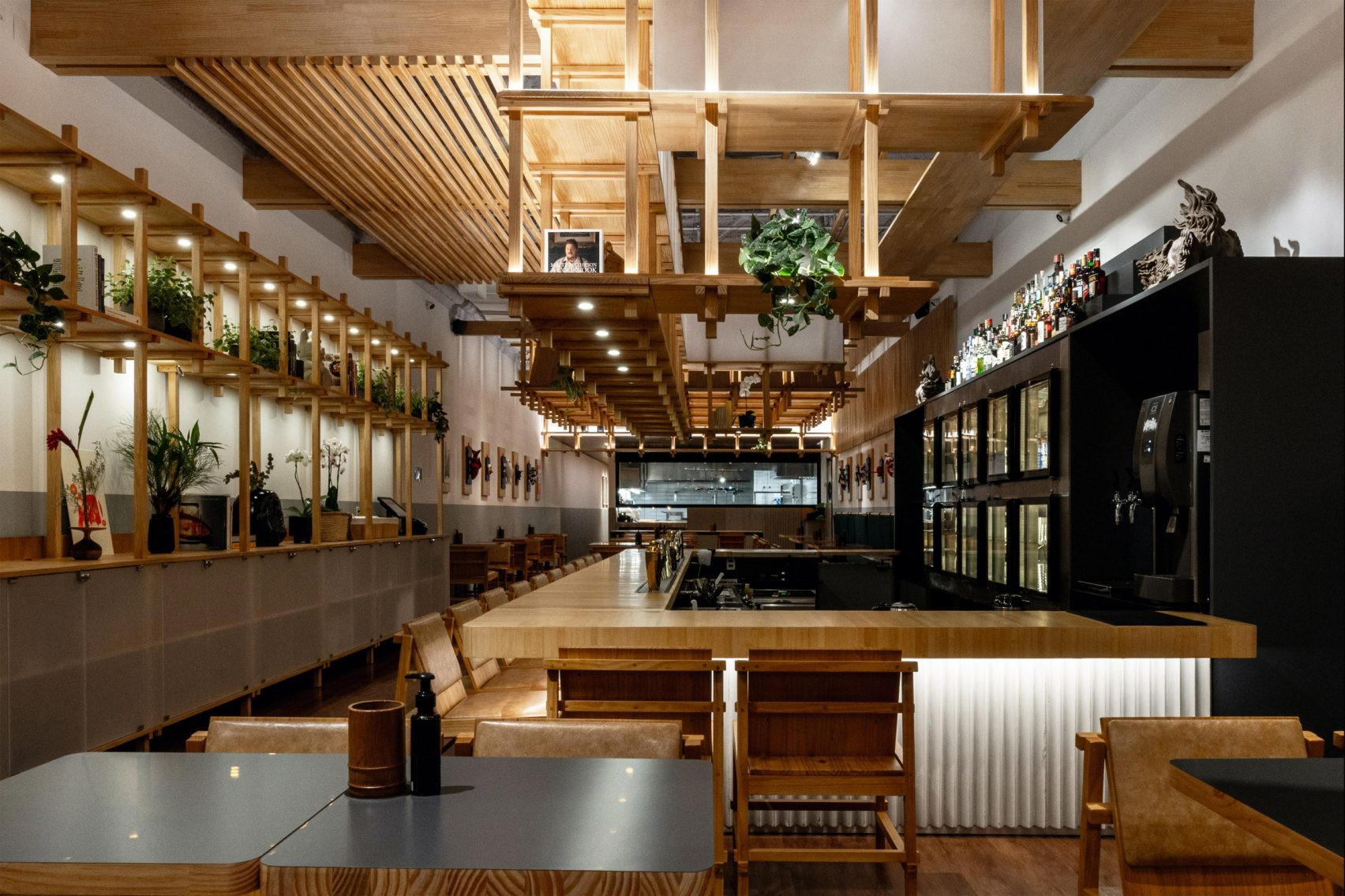
An intimate basement sushi counter with an elegant, focused atmosphere, where guests share fixed-time omakase seatings that feel calm and conversational rather than noisy.