
A Michelin Plate recipient for 2024 and 2025, Asakusa Nagami brings Kyoto-trained seasonal discipline to one of Tokyo's oldest shitamachi neighbourhoods. Chef Takumi Nagami's kaiseki-influenced cooking honours ingredient flavour over technique display, with signatures including yuzu-served appetiser platters and kaminari-okoshi rice puff batter, a direct nod to the Asakusa street food tradition.
Pearl is the En Primeur Club membership app — saves, bookings, and concierge access live there. Same editors, same standards.
- Address
- 4 Chome-43-6 Asakusa, Taito City, Tokyo 111-0032, Japan
- Phone
- +81 3-6240-6280
- Website
- asakusanagami.jp
 Saves & bookings on Pearl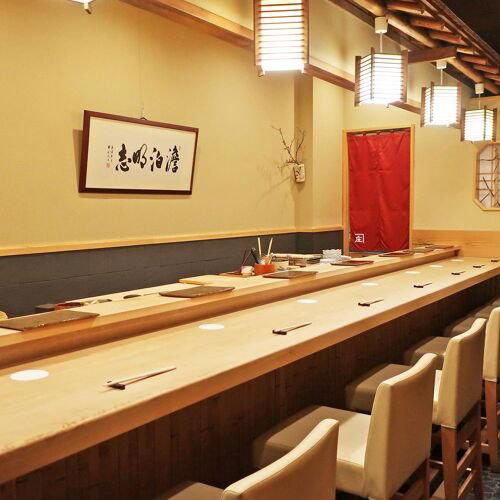
Where Old Tokyo Meets Kyoto Seasonal Discipline
Asakusa Nagami is a Traditional Kaiseki restaurant in Tokyo's Taito City, with a Michelin Plate from 2024 to 2025 and a typical spend of about ¥150 per person. Asakusa operates at a different frequency from the rest of Tokyo's dining scene. The neighbourhood, dense with incense smoke from Senso-ji, the clatter of rickshaw wheels on stone, and the persistent hum of street vendors, is shitamachi at its most intact. This is old-town Tokyo, where craft traditions and neighbourhood loyalties run deeper than trend cycles. It is an unusual address for serious kaiseki-influenced cooking, which more commonly anchors itself in the quieter lanes of Minami-Aoyama or Kagurazaka. That positioning is the first thing worth understanding about Asakusa Nagami.
Kaiseki Discipline in a Shitamachi Setting
The kaiseki tradition is built on a central constraint: season governs everything. Ingredients appear at their correct moment, are handled with minimum interference, and are presented in a sequence that mirrors the logic of a full seasonal day. The philosophy demands that the cook step back, that restraint function as technique. Tokyo has a range of kaiseki and kaiseki-influenced tables across its price tiers, from the ¥¥¥¥ counters of Azabu Kadowaki and Kagurazaka Ishikawa to the deeply personal modern Japanese cooking at Myojaku. Asakusa Nagami sits at the ¥¥¥ tier, a price point that in Tokyo's competitive kaiseki segment still signals serious intention without requiring the full commitment of an omakase counter.
Chef Takumi Nagami trained in Kyoto, and that formation shows in his approach to dashi. The soup stock here is kept deliberately light, seasoned below the level at which it would assert itself over the main ingredients. This is a philosophical choice as much as a technical one: in Kyoto's kaiseki orthodoxy, the stock's role is support, not statement. The approach is notably distinct from the heavier, more assertive broths found in Tokyo-native washoku traditions and separates Nagami's cooking from the bolder flavour profiles at peers like Ginza Fukuju.
Reading the Menu
Two appetiser platter formats anchor the opening of the meal. One presents drinking snacks adorned with seasonal leaves; the other uses hollowed-out yuzu fruits as vessels. The yuzu option is worth noting specifically: the fruit's sourness and aromatics function as a framing device, sharpening perception of whatever sits inside, and the presentation signals a kitchen that thinks about sequence and preparation as a complete system. Neither platter is incidental garnish work.
Particularly distinctive technical signature is the use of kaminari-okoshi, the traditional sweet rice puff confection historically associated with Asakusa street stalls and temple souvenir shops, as batter for fried items. This is ingredient sourcing as neighbourhood dialogue. Kaminari-okoshi has been sold near the Kaminarimon gate for generations; repurposing it as a cooking element rather than a sweet brings the locale directly into the plate. The result is a batter with a lighter, crisper texture than conventional panko, and the move ties the restaurant to a local food tradition that most fine-dining tables in Tokyo would not reference at all.
How Asakusa Nagami Sits in Tokyo's Kaiseki Tier
At the ¥¥¥¥ end of Tokyo's kaiseki spectrum, three-Michelin-starred tables like RyuGin set the ceiling in terms of both price and recognition. Below that tier, the ¥¥¥ segment houses a range of serious kitchens that use Michelin Plate recognition as a credibility marker rather than a star count. The restaurant has held that designation in both 2024 and 2025, placing it in a cohort of recognised tables operating at the intersection of craft and accessibility.9 across 59 reviews is a strong signal in a city where diners are typically exacting in their assessments.
The comparison to Jingumae Higuchi is instructive: both operate in the ¥¥¥ tier with Michelin recognition, and both use seasonal Japanese frameworks, but their neighbourhood contexts are entirely different. Jingumae's Omotesando setting speaks to a different kind of diner. The restaurant draws from a neighbourhood audience with deep roots in shitamachi craft culture, and the cooking reflects that relationship.
Japan's kaiseki tradition extends well beyond Tokyo's city limits. Gion Sasaki in Kyoto and Isshisoden Nakamura in Kyoto represent the form in its home city. Kashiwaya Osaka Senriyama and HAJIME in Osaka show how it translates to Kansai's commercial capital. Nagami's Kyoto training positions his kitchen in dialogue with those lineages, even from an Asakusa address. Further afield, akordu in Nara, Goh in Fukuoka, 1000 in Yokohama, and 6 in Okinawa illustrate how Japanese fine dining has spread across regional formats that each carry their own ingredient logic.
Planning a Visit
The restaurant is located at 4 Chome-43-6 Asakusa, Taito City, within walking distance of Senso-ji and the area's main shopping lanes, though set back enough to feel removed from the tourist throughflow. The ¥¥¥ price range places it in the mid-to-upper tier of accessible Tokyo fine dining, comparable in spend to a number of Michelin-recognised tables that do not carry the neighbourhood premium of Ginza or Roppongi addresses. Booking in advance is advisable given the strong review metrics and the Michelin recognition, though specific reservation windows are best confirmed directly with the restaurant.
Reputation First
Comparable venues nearby, for context on price, style, and recognition.
| Venue | Cuisine | Price | Awards | Notes |
|---|---|---|---|---|
| Asakusa NagamiThis venue — the venue you are viewing | Traditional Kaiseki | $$$ | Michelin Plate | Not listed |
| Chiso Koryu | Seasonal Japanese Kaiseki | $$$ | Michelin Plate | Chūō |
| Tsurutokame | Seasonal Kaiseki | $$$ | Michelin Plate | Chūō |
| Sushi Marufuku | Aged Sushi Omakase | $$$ | Michelin Plate | Suginami |
| Mitsui | Seasonal Japanese Omakase | $$$ | Michelin Plate | Minato |
| Aoyama Ototo | Seasonal Japanese Kaiseki with Charcoal-Grilled Seafood | $$$ | Michelin Plate | Shibuya |
Recognition history
Dated appearances from independent guides and award organizations, with the underlying list record or original source where available.
Michelin Plate
Michelin
Michelin Plate
Michelin
Michelin Plate
Michelin







At a Glance
- Intimate
- Elegant
- Quiet
- Sophisticated
- Date Night
- Special Occasion
- Solo
- Chefs Counter
- Open Kitchen
- Sake Program
- Extensive Wine List
- Sommelier Led
- Local Sourcing
Current opening hours
- Monday
- Closed
- Tuesday
- 12–2:30 PM, 6–10:30 PM
- Wednesday
- 12–2:30 PM, 6–10:30 PM
- Thursday
- 12–2:30 PM, 6–10:30 PM
- Friday
- 12–2:30 PM, 6–10:30 PM
- Saturday
- 12–2:30 PM, 6–10:30 PM
- Sunday
- Closed
Hours can change for holidays and private events. Last verified .
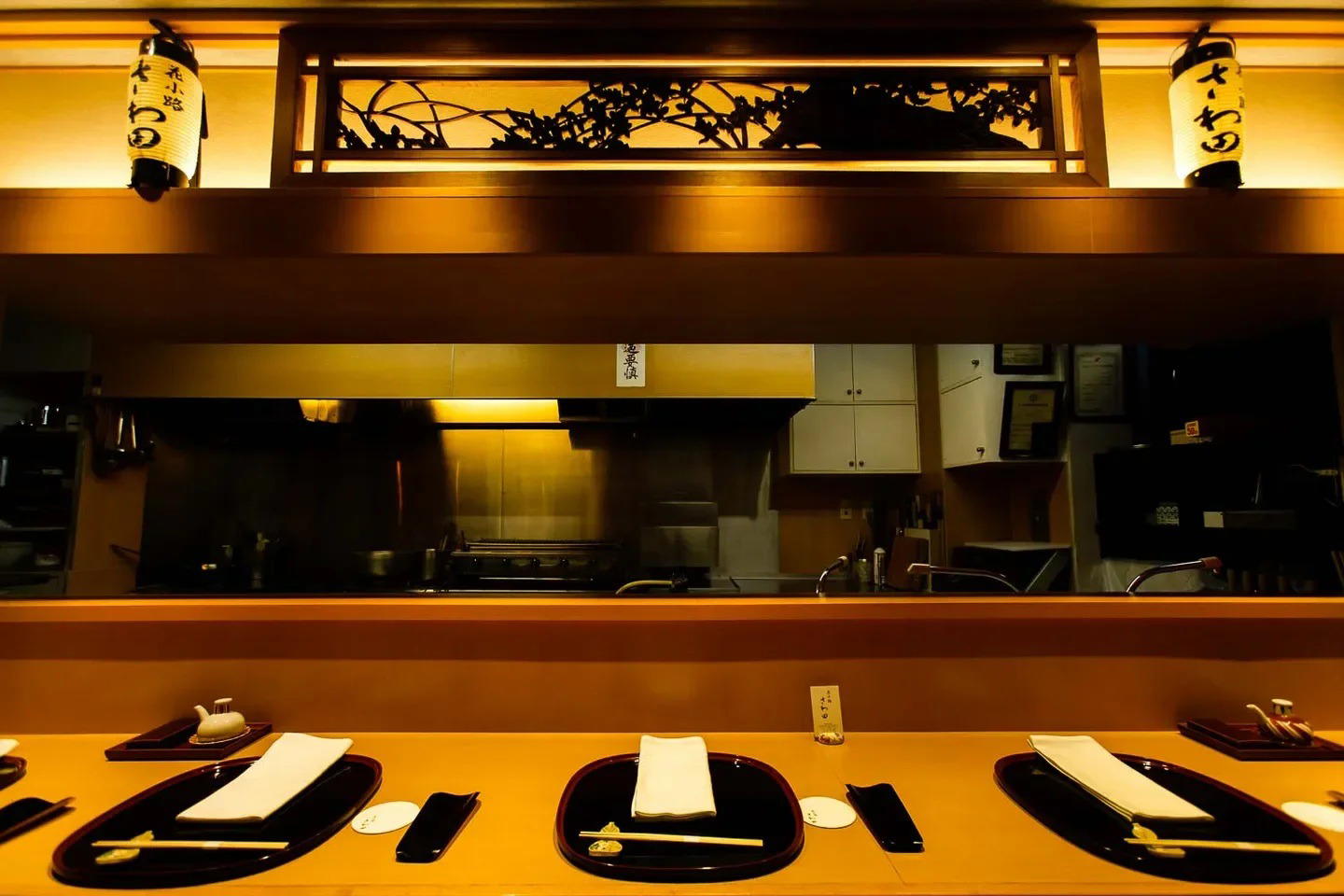
Relaxing and serene counter seating space with tasteful flower arrangements and a calm, elegant atmosphere.