Our verdict
aoi serves Traditional Kyoto Obanzai with nimono stews and aemono dressed vegetables, in a casual, conversational dinner setting.

Pearl is the En Primeur Club membership app — saves, bookings, and concierge access live there. Same editors, same standards.
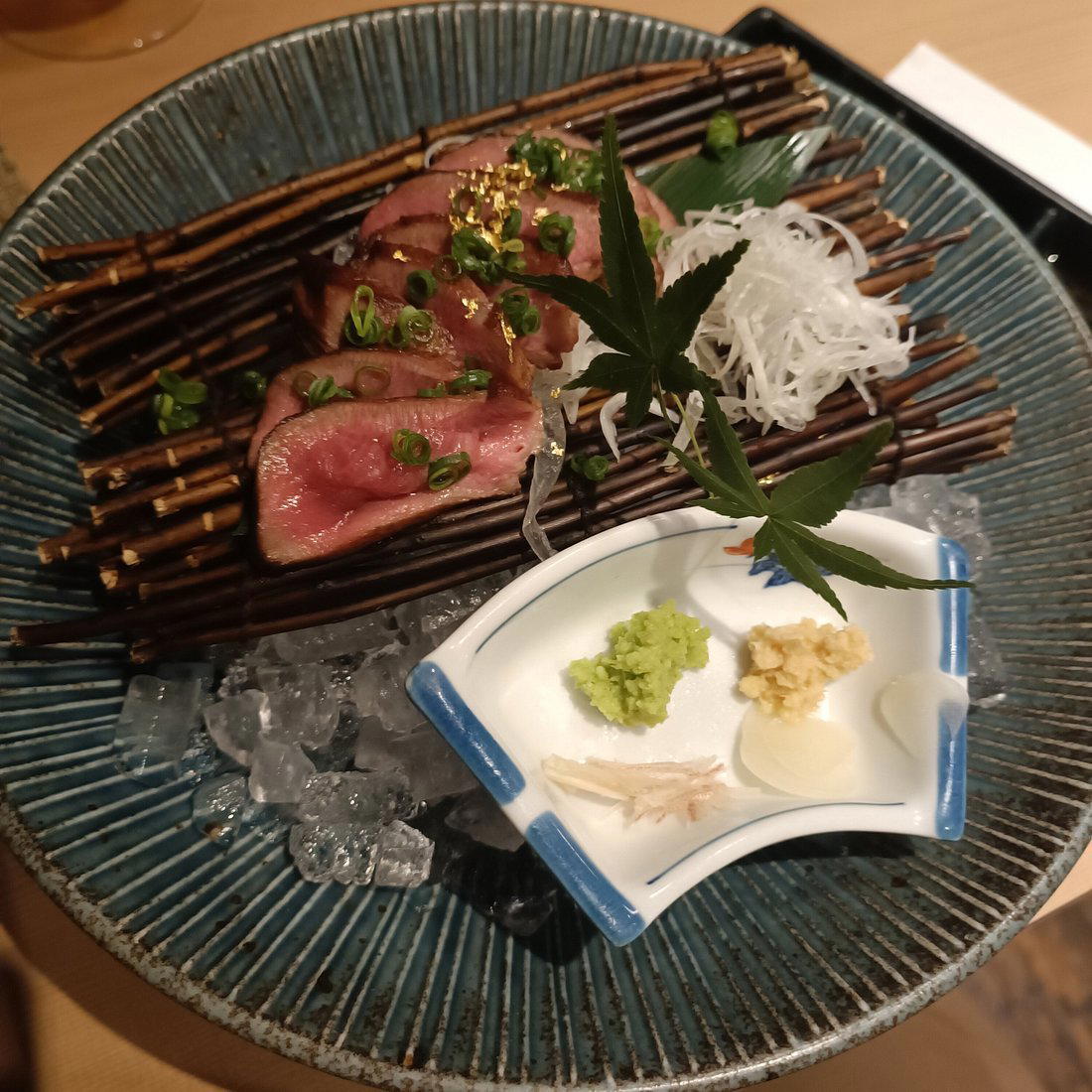
Shimogamo and the Grammar of Kyoto Dining
Sakyo Ward sits north of the city's tourist core, where the Kamo River splits near the Shimogamo Shrine precincts and the neighbourhood takes on a quieter register. Streets here run through old residential fabric rather than souvenir lanes, and the dining scene reflects that character: fewer theatrical set pieces, more rooms that assume their guests already understand the context. Aoi, addressed at 52-1 Shimogamo Matsunokicho, belongs to this part of Kyoto rather than to the Gion-Higashiyama circuit that concentrates much of the city's restaurant attention.
That address matters editorially. Kyoto's premium dining splits fairly cleanly between venues positioned to capture visitors making the standard cultural tour and those that function as neighbourhood restaurants for residents who eat at this level regularly. The Shimogamo district tilts toward the latter, which shapes what a room like Aoi's can assume about its audience and how it frames its cooking.
Kaiseki's Cultural Architecture
To understand where Aoi sits, it helps to understand what kaiseki asks of a kitchen and a guest. The format is not simply a long tasting menu in the Western sense. It developed from the tea ceremony tradition, where a small meal preceded the bowl of matcha, with each course calibrated to create a particular psychological and sensory state rather than to satisfy appetite. Seasonal ingredients were not a marketing angle but a structural principle: the menu existed to make a specific moment in the year legible through food.
That formalism gives Kyoto's kaiseki rooms their particular character compared with, say, the omakase format that dominates Tokyo's premium sushi scene. Where a counter like Harutaka in Tokyo centres on the chef's real-time reading of fish quality and temperature, kaiseki builds its intelligence into sequence and composition over an entire progression. The chef's authorship is present in every course, but the guest's job is to receive that sequence rather than to interact with it. It is a more formal relationship, and Kyoto's kaiseki rooms maintain that formality deliberately.
Among the city's established kaiseki houses, Kikunoi Honten and Hyotei hold Michelin three-star recognition and represent the senior tier of the form, while Gion Sasaki and Mizai anchor the ¥¥¥¥ bracket alongside those establishments. Isshisoden Nakamura, one of the city's oldest operating houses, extends that lineage with centuries of institutional memory. Aoi occupies the same Sakyo Ward geography as some of these rooms, situating it inside a competitive set defined by proximity to the Shimogamo Shrine and the culinary sensibility that Kyoto's northern districts have sustained for generations.
The Room and Its Logic
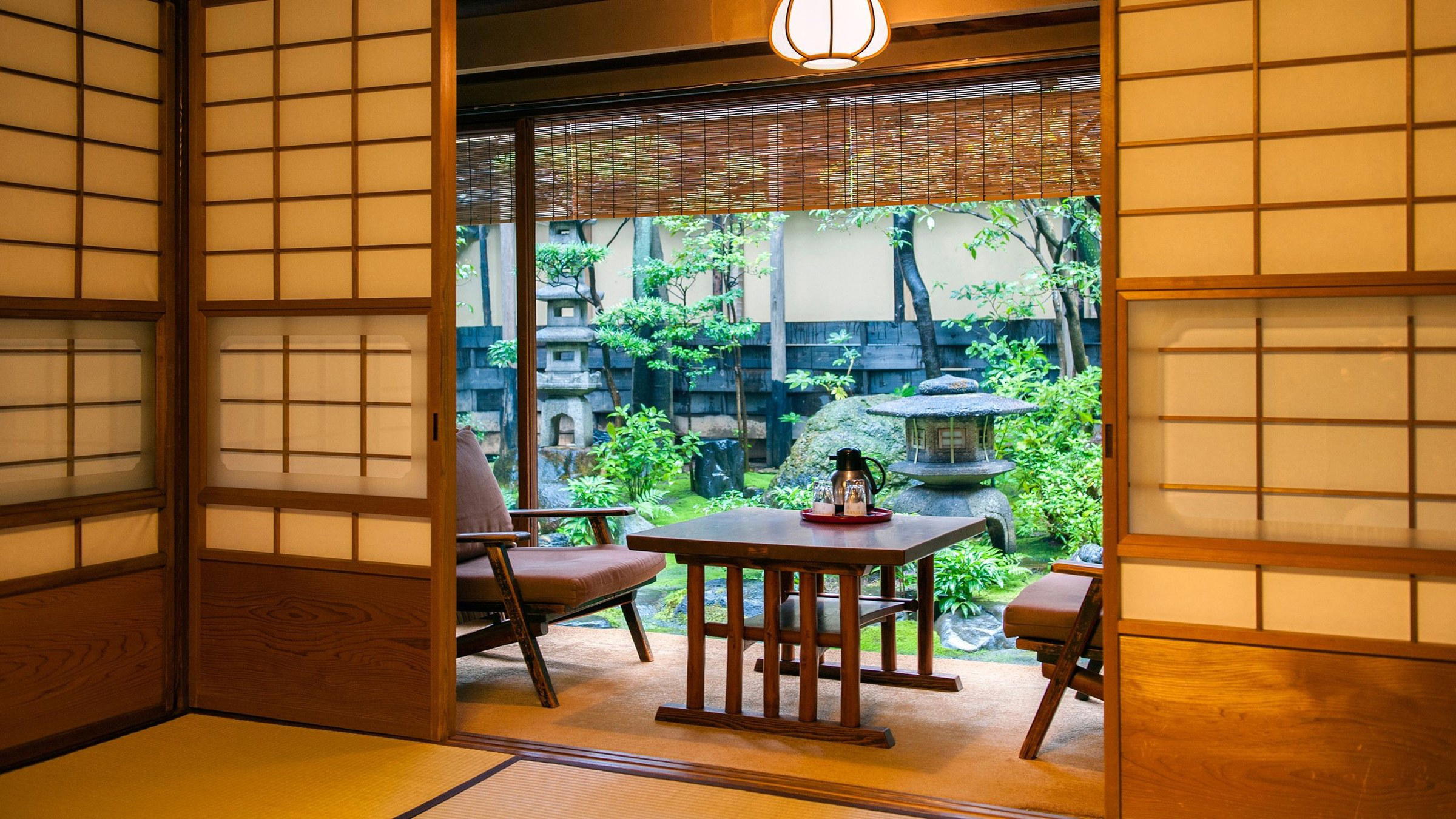
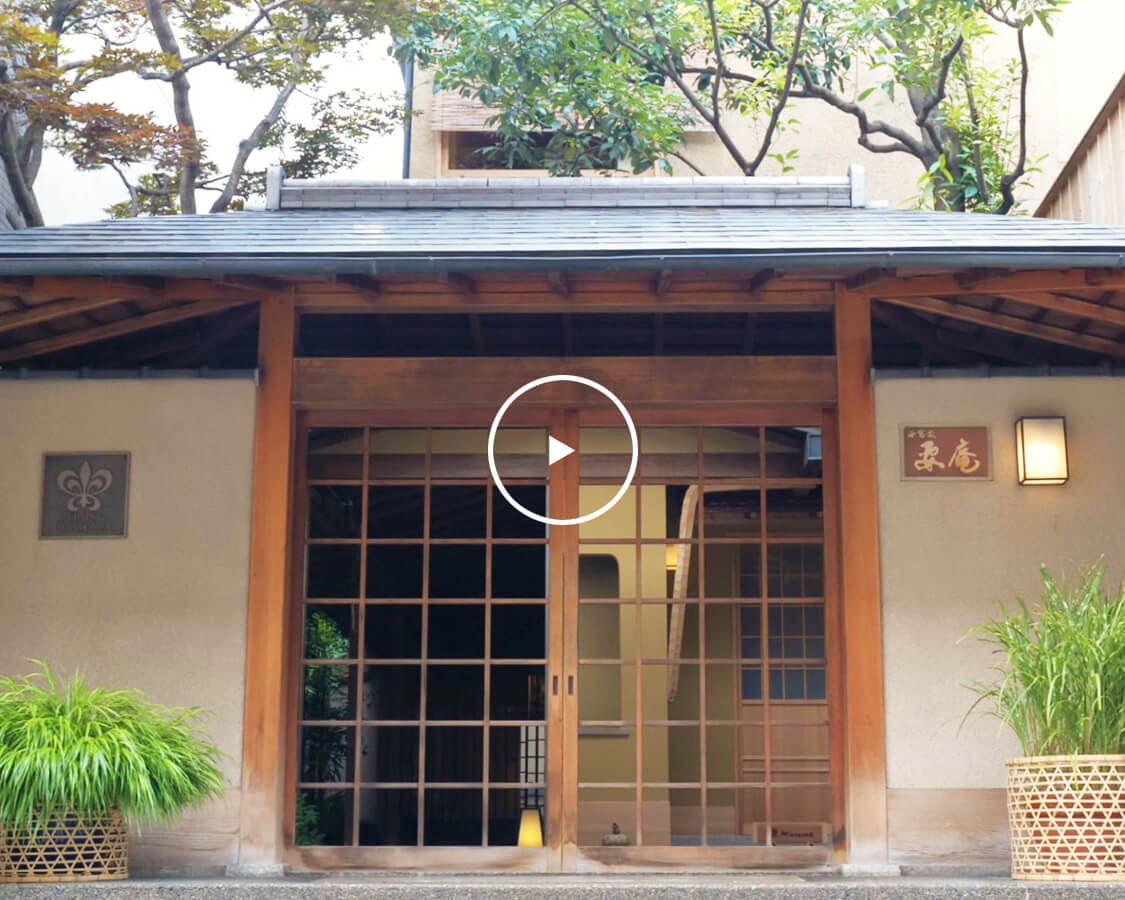
Kaiseki rooms in Kyoto's residential districts tend to use architecture to do rhetorical work. The approach through a garden, the low threshold, the tatami or the sparse timber interior: these are not decorative choices but are part of the meal's pacing, designed to decompress a guest before the first course arrives. In Shimogamo, where the surrounding streets are genuinely quiet rather than performatively quiet, that transition carries weight. The neighbourhood itself does part of the room's job.
The structure of a kaiseki progression at this level typically runs from light to complex and back to simple, with soup, sashimi, a grilled course, a simmered course, and rice appearing in a sequence whose proportions shift with the season. In late spring, the accent falls on bamboo shoots and young herbs; in autumn, on mushroom and root vegetables; in winter, on warming preparations built around root stocks and preserved ingredients. A room operating in Shimogamo in early summer is, in kaiseki terms, working with a specific editorial brief determined entirely by what the season provides.
Kyoto in a Wider Japanese Context
Visitors approaching Kyoto from elsewhere in Japan's restaurant circuit will find the city's kaiseki rooms operate with different assumptions than, for instance, HAJIME in Osaka, where the format borrows more heavily from European fine dining's visual language, or Goh in Fukuoka, which occupies a different regional culinary tradition entirely. Kyoto's rooms are, by and large, more conservative about format: the sequence is legible, the tableware comes from established ceramic traditions, and the cooking does not reach for novelty as a primary value. That conservatism is a position, not a limitation. It reflects the city's relationship with its own history.
Outside Japan, the structural logic of kaiseki has influenced chefs at venues including Lazy Bear in San Francisco and, in a different register, the sourcing discipline of rooms like Le Bernardin in New York City shares kaiseki's insistence that ingredient quality precedes technique. The format's influence on high-end cooking globally has been substantial, though Kyoto's practitioners would likely regard that global uptake with some detachment. The form was never designed for export.
For travellers moving through the Kansai region, Aoi sits within a reasonable range of dining options in neighbouring prefectures: akordu in Nara represents a different culinary register in a city with its own deep historical identity, while further afield, venues including Abon in Ashiya, affetto akita in Akita, Aji Arai in Oita, Ajidocoro in Yubari District, Akakichi in Imabari, and aki nagao in Sapporo illustrate the breadth of Japan's regional dining outside the major metropolitan circuits. Our full Kyoto restaurants guide maps the city's complete dining picture for those planning around multiple meals.
Planning a Meal at Aoi
Shimogamo Matsunokicho is accessible from central Kyoto by taxi or the city bus network, with the Shimogamo Shrine serving as the neighbourhood's primary landmark for orientation. Kyoto's premium dining rooms generally require advance reservations, often weeks ahead for weekday seatings and longer for weekends; rooms in residential districts sometimes operate with more flexibility than the heavily trafficked Gion addresses, though that is not a reliable assumption.
The kaiseki format at this price level in Kyoto typically runs to a multi-course dinner with no a la carte option; lunch seatings, where offered, provide access to a similar format at a lower price point. Dress expectations in Kyoto's kaiseki rooms are conservative by default: smart casual at minimum, with anything approaching formal wear received without comment.
Frequently asked questions
Where is aoi located?
aoi is located at 52-1 Shimogamo Matsunokicho, Sakyo Ward, Kyoto, 606-0816, Japan, Kyoto.
How does Aoi's location near Shimogamo Shrine affect the atmosphere compared to central Kyoto kaiseki restaurants?
Shimogamo Matsunokicho sits adjacent to the Tadasu no Mori forest corridor and the Shimogamo Shrine grounds, meaning the approach to a meal here carries a different quality than arriving off a Gion side street. Sakyo Ward's residential character filters out the foot traffic that surrounds many of Kyoto's better-known kaiseki addresses. That separation is not incidental — in Kyoto's dining culture, the journey to a room is considered part of the meal's architecture.
What should I order at aoi?
Kaiseki is a kitchen-determined progression, not a menu you select from. The sequence of courses follows the season, and the kitchen at a Shimogamo address like this one works within Kyoto's strict expectation that ingredients speak to the calendar month. Arriving with preferences or dietary requirements is reasonable; arriving expecting to choose dishes is not how the format works.
What's the best way to book aoi?
The most consistent route for international visitors is through a Kyoto hotel concierge, particularly those at properties with established relationships in the city's kaiseki circuit. Japanese-language assistance is often necessary for first-time reservations at Sakyo Ward restaurants of this type.
What's the standout thing about aoi?
The Shimogamo address in Sakyo Ward is the most immediately distinguishing factor. Kyoto's kaiseki rooms cluster heavily around Gion and Higashiyama, so a venue positioned near the Shimogamo Shrine precincts operates in a quieter, more residential register — one that shapes how guests arrive and how the meal is framed before a single course is served.
Cost and Credentials
| Venue | Cuisine | Price | Awards | Notes |
|---|---|---|---|---|
| aoiThis venue — the venue you are viewing | Traditional Kyoto Obanzai | $10–20 | Not listed | Not listed |
| Gion Sasaki | Modern Kaiseki | $300–500 | 3 Michelin Stars · La Liste Top Restaurants | Kaiseki, Japanese |
| cenci | Innovative Italian-Japanese Fusion | $100–150 | 1 Michelin Star · World's 50 Best #76 | Italian |
| Ifuki | Sumibi Kappo Kaiseki | $200–300 | 2 Michelin Stars · La Liste Top Restaurants | Kaiseki |
| Kyokaiseki Kichisen | Kyoto Kaiseki | $200–300 | 2 Michelin Stars · La Liste Top Restaurants | Japanese |
| Kyo Seika | Modern Chinese Fine Dining | $150–200 | 1 Michelin Star · Tabelog Bronze #216 | Chinese |
Continue exploring
More in Kyoto
Restaurants in Kyoto
All restaurants in Kyoto →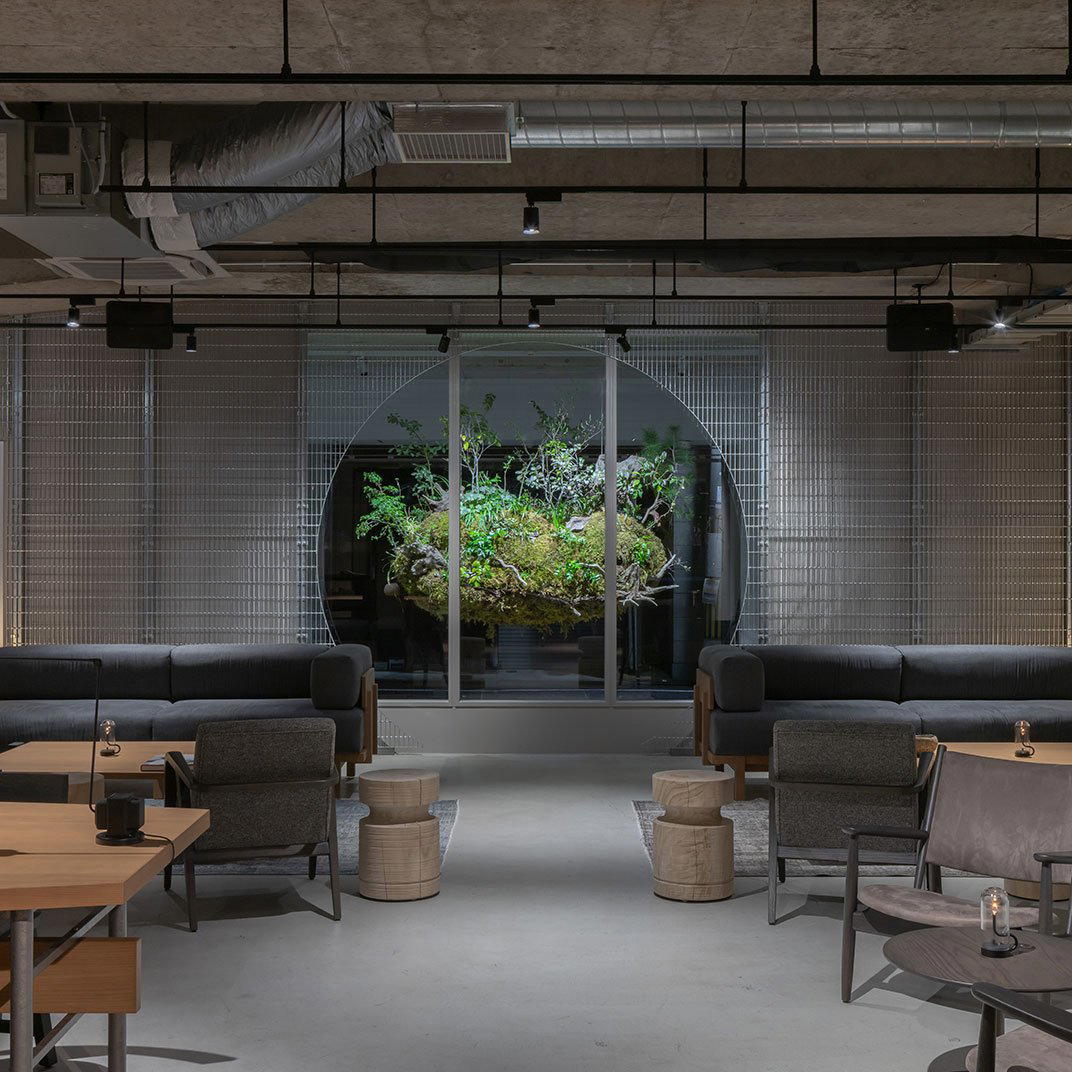
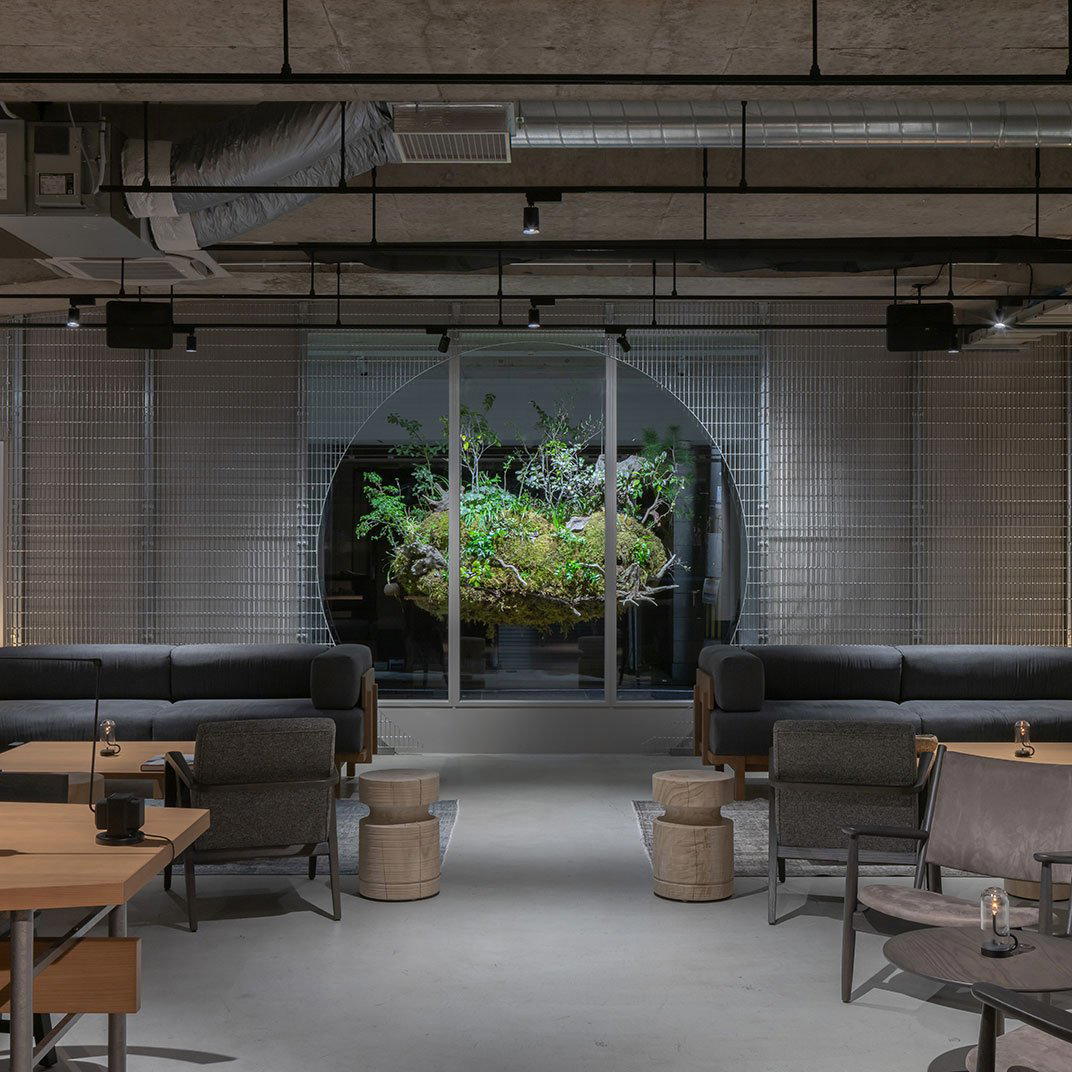
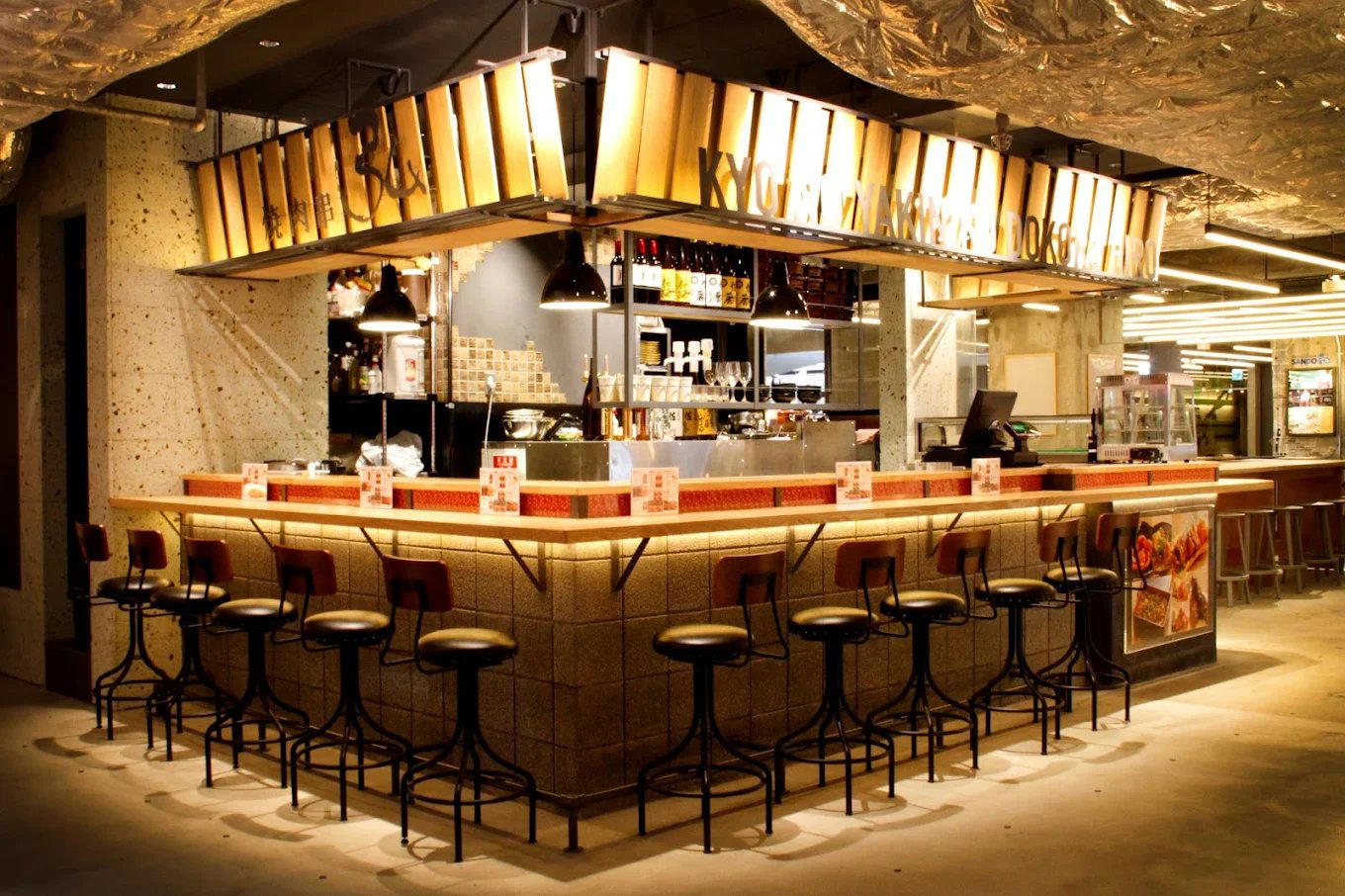
Bars in Kyoto
All bars in Kyoto →
Hotels in Kyoto
All hotels in Kyoto →
Wineries in Kyoto
Browse all →
Details
- Cozy
- Classic
- Intimate
- Casual Hangout
- Solo
- Beer Program
- Local Sourcing
- Counter Dining
- A La Carte
- Local Sake
- Beer
Current opening hours
- Monday
- 12–4 PM
- Tuesday
- 12–4 PM
- Wednesday
- 12–4 PM
- Thursday
- 12–4 PM
- Friday
- 12–4 PM
- Saturday
- 12–4 PM
- Sunday
- 12–4 PM
Hours can change for holidays and private events. Last verified .
Warm and inviting with a compact counter setup featuring large bowls of traditional Kyoto dishes, creating a friendly neighborhood atmosphere.