
Tabelog 100 #85
Our verdict
Saryo Housen occupies a quiet address in Kyoto's Shimogamo district, where the city's northern residential character shapes the setting as much as the kitchen. Positioned within Kyoto's layered fine-dining scene, it draws visitors looking beyond the central tourist corridor for a more considered encounter with Japanese culinary tradition. Booking ahead is strongly advised for this low-profile address.

Pearl is the En Primeur Club membership app, where members save venues, book tables and use the concierge.
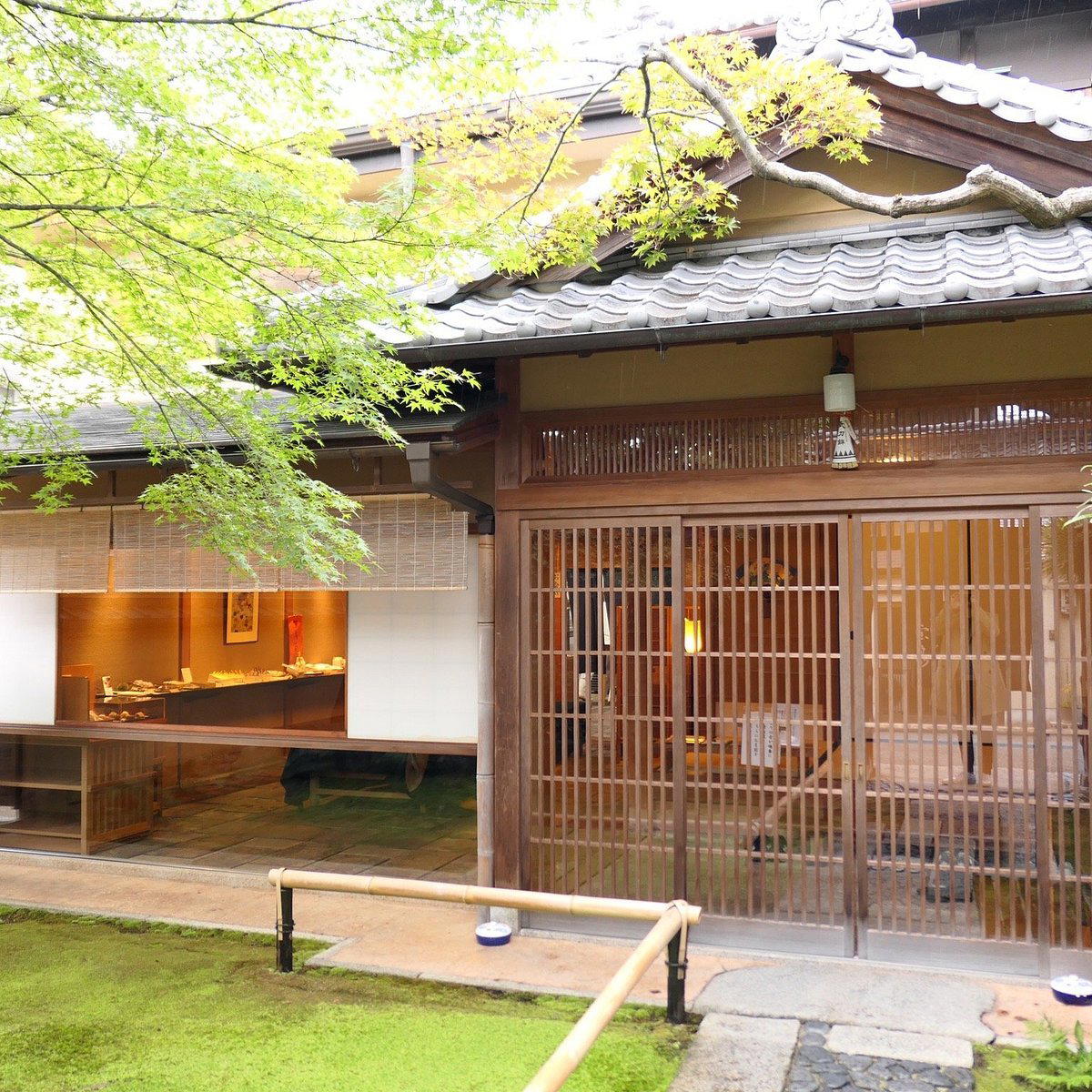
Where Kyoto's Northern Quiet Meets the Counter
Kyoto's fine-dining geography has a clear centre of gravity: the lanes of Gion, the riverside blocks near Kiyamachi, the polished addresses that cluster around the tourist circuit. But the city's northern wards tell a different story. Shimogamo, anchored by its ancient shrine complex and the confluence of the Kamo and Takano rivers, carries a residential stillness that the central neighbourhoods rarely achieve. Saryo Housen sits within this quieter register, at an address in Shimogamo Nishitakagicho that places it well north of the high-traffic kaiseki corridor, a location that functions as an implicit editorial statement about what kind of dining experience the venue is constructed around.
This matters in Kyoto more than in most cities. The capital of Japanese culinary formalism has spent decades sorting its restaurants into legible tiers: the three-Michelin-star houses like Hyotei and Kikunoi Honten that anchor the institutional end of the spectrum; the newer kaiseki counters like Gion Sasaki and Mizai that have built international followings on tighter formats and deeper seasonal discipline; and then a quieter tier of addresses that operate outside that critical spotlight but serve a clientele that knows exactly what it is looking for. Saryo Housen's Shimogamo location places it in conversation with that last group.
The Scene Around the Counter
Japanese dining at this level of seriousness is rarely experienced in isolation. The room, the service rhythm, and the progression of dishes function as a coordinated whole, and in a city where kaiseki has been refined over centuries into something close to a performing art, the space between courses carries as much weight as the food itself. The Shimogamo neighbourhood reinforces this tendency. Without the foot traffic and ambient noise of central Kyoto, a meal here unfolds at a pace dictated by the kitchen rather than the street outside.
That spatial logic connects Saryo Housen to a broader pattern visible across Japanese fine dining: the deliberate retreat from high-visibility locations in favour of addresses that require the diner to make an effort. Isshisoden Nakamura, one of Kyoto's longest-established Japanese houses, operates on a similar logic of earned arrival. So does akordu in Nara, where the provincial setting is itself part of the dining proposition. The journey is not incidental, it signals the register of attention the kitchen expects in return.
Collaboration as the Kitchen's Operating System
At Saryo Housen, the editorial angle that matters most is not a single chef's biography but the way front-of-house, kitchen, and service work as a coordinated unit. This is a structural feature of Japanese fine dining at its most considered tier, and it distinguishes the category from the chef-as-auteur model that dominates European fine dining. In Kyoto particularly, where the kaiseki tradition distributes authority across preparation, plating, and service, no single figure carries the full weight of the experience. The team dynamic is the experience.
This approach has visible parallels in how Japan's most admired restaurant groups operate. At HAJIME in Osaka, the creative and service sides of the operation are understood as interdependent rather than hierarchical. At Goh in Fukuoka, the front-of-house contribution to the tasting experience is treated as a craft category in its own right. Even internationally, at counters like Atomix in New York City, where Korean fine dining absorbed Japanese service philosophy, the coordination between kitchen and floor is what separates the format from a meal into something closer to a choreographed sequence. Saryo Housen's Shimogamo address, operating in the city where that philosophy originated, works within this tradition rather than against it.
Locating Saryo Housen within Kyoto's competitive structure requires a clear-eyed look at what the city's top tier actually comprises. The concentration of Michelin-starred restaurants per capita in Kyoto is among the highest of any city globally, which means the baseline for serious dining is unusually high. Venues like Hyotei, three stars, multi-generational, operating in a format refined over more than a century, represent the institutional apex. The next tier, which includes Kikunoi Honten and Gion Sasaki, competes on seasonal precision and international critical recognition. Saryo Housen, with its Shimogamo positioning, operates in a register that is less legible to international visitors but no less deliberate in its construction.
Comparisons extend beyond Kyoto. Japan's regional fine-dining circuit now includes addresses of serious ambition that sit outside the primary media cities: 一本杉川嶋 in Nanao, 湖邸庵 in Takashima, and 羽根屋 in Nishikawa Machi all indicate that the infrastructure for high-quality Japanese dining has spread well beyond Tokyo and Kyoto. Saryo Housen's northern Kyoto address places it on that same axis of deliberate distance from the obvious. For visitors already covering the broader Kansai circuit, it sits alongside destinations like Harutaka in Tokyo and Le Bernardin in New York City as proof that format authority and address prominence are entirely separable.
See our full Kyoto restaurants guide for a broader mapping of the city's dining tiers, from kaiseki institutions to neighbourhood counters.
Planning a Visit
Know Before You Go
- Location: Shimogamo Nishitakagicho, Sakyo Ward, Kyoto, the northern residential quarter, removed from the central Gion corridor
- Getting There: Shimogamo is accessible by bus from central Kyoto; the Shimogamo Shrine area is a well-understood landmark for navigation
- Booking: Contact details are limited in public circulation; approaching via a hotel concierge or specialist reservation service is advisable for international visitors
- Peer Context: Sits within Kyoto's broader fine-dining tier alongside addresses like Mizai and Isshisoden Nakamura
- Nearby: Bistro Ange in Toyohashi and Birdland in Sakai offer points of comparison for those building a broader Kansai itinerary
- Regional Alternatives: 夕佳亭山乃 in Sapporo represents a comparable ethos of quiet, residential-quarter Japanese dining at the northern end of the country
Frequently asked questions
How do I find Saryo Housen?
Saryo Housen is located at Japan, ã606-0861 Kyoto, Sakyo Ward, Shimogamo Nishitakagicho, ï¼ï¼, Kyoto.
What makes Saryo Housen different from Kyoto's Gion restaurant corridor?
Saryo Housen is located in Shimogamo, Sakyo Ward, north of the concentrated fine-dining addresses around Gion and Kiyamachi that define most Kyoto restaurant guides. That geography is not incidental: it places the venue in a quieter residential district rather than the high-traffic tourist circuit. For diners specifically seeking Kyoto counter dining outside the standard itinerary, the Shimogamo address is the clearest differentiating fact.
What's the must-try dish at Saryo Housen?
Saryo Housen's kitchen operates as a collaborative system rather than around a single signature dish, so the menu progression itself is the focal point. Visiting without fixed expectations is consistent with how serious Japanese counter dining works.
Is Saryo Housen reservation-only?
Counter restaurants in Kyoto's serious dining tier, the category Saryo Housen sits within in Shimogamo, Sakyo Ward, operate almost exclusively on reservations. Walk-in access at this level is not standard practice in Kyoto's fine-dining structure. Contacting the venue directly before your visit is the reliable approach.
Recognition, Side-by-Side
Comparable venues nearby, for context on price, style, and recognition.
| Venue | Cuisine | Price | Awards | Notes |
|---|---|---|---|---|
| Saryo HousenThis venue (the venue you are viewing) | Traditional Japanese Tea House and Sweets | $10–20 | Tabelog 100 #85 | Not listed |
| Tasuki Pass The Baton | Traditional Japanese Tea Room & Kakigori | $10–20 | Not listed | Gion |
| ZEN CAFE | Japanese Sweets Café | $10–20 | Tabelog 100 #36 | Higashiyama |
| é«å°å¯º åä¹ å³ | Shojin Ryori (Buddhist Temple Cuisine) | Not listed | Not listed | Higashiyama |
| Kyoto Tonkatsu Katsuda Shijokarasuma | Traditional Japanese Tonkatsu | $10–20 | Not listed | Shimogyō |
| Ore no Ramen Appare Ya | Japanese Ramen | $10–20 | Tabelog 100 #83 | Joyo |
Recognition history
Dated appearances from independent guides and award organizations, with the underlying list record or original source where available.
Tabelog 100 #85 · No. 85
Tabelog · Tabelog 100 - Japanese traditional sweets / Japanese sweets cafe - WEST - 2023
Continue exploring
More in Kyoto
Restaurants in Kyoto
All restaurants in Kyoto →
Bars in Kyoto
All bars in Kyoto →

Hotels in Kyoto
All hotels in Kyoto →
Wineries in Kyoto
Browse all →
Details
- Quiet
- Cozy
- Elegant
- Classic
- Intimate
- Solo
- Casual Hangout
- Garden
- Historic Building
- Sake Program
- Garden
- A La Carte
- Matcha
- Tea
Current opening hours
- Monday
- 10 AM–4:30 PM
- Tuesday
- 10 AM–4:30 PM
- Wednesday
- Closed
- Thursday
- Closed
- Friday
- 10 AM–4:30 PM
- Saturday
- 10 AM–4:30 PM
- Sunday
- 10 AM–4:30 PM
Hours can change for holidays and private events. Last verified .
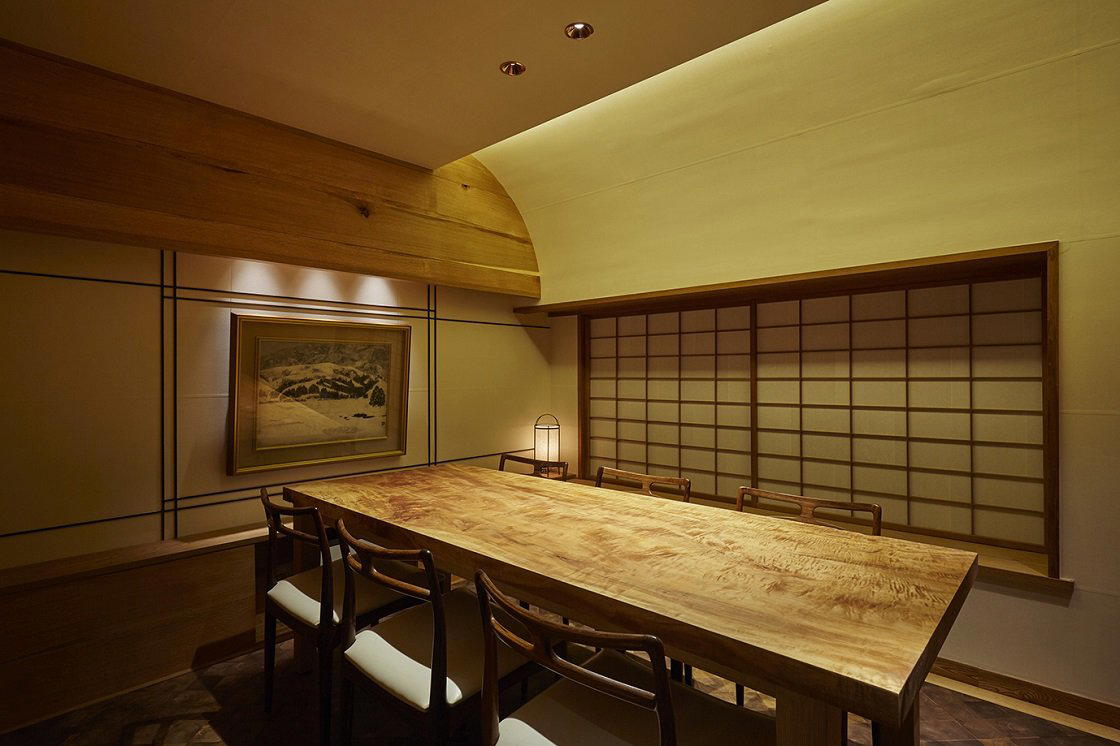
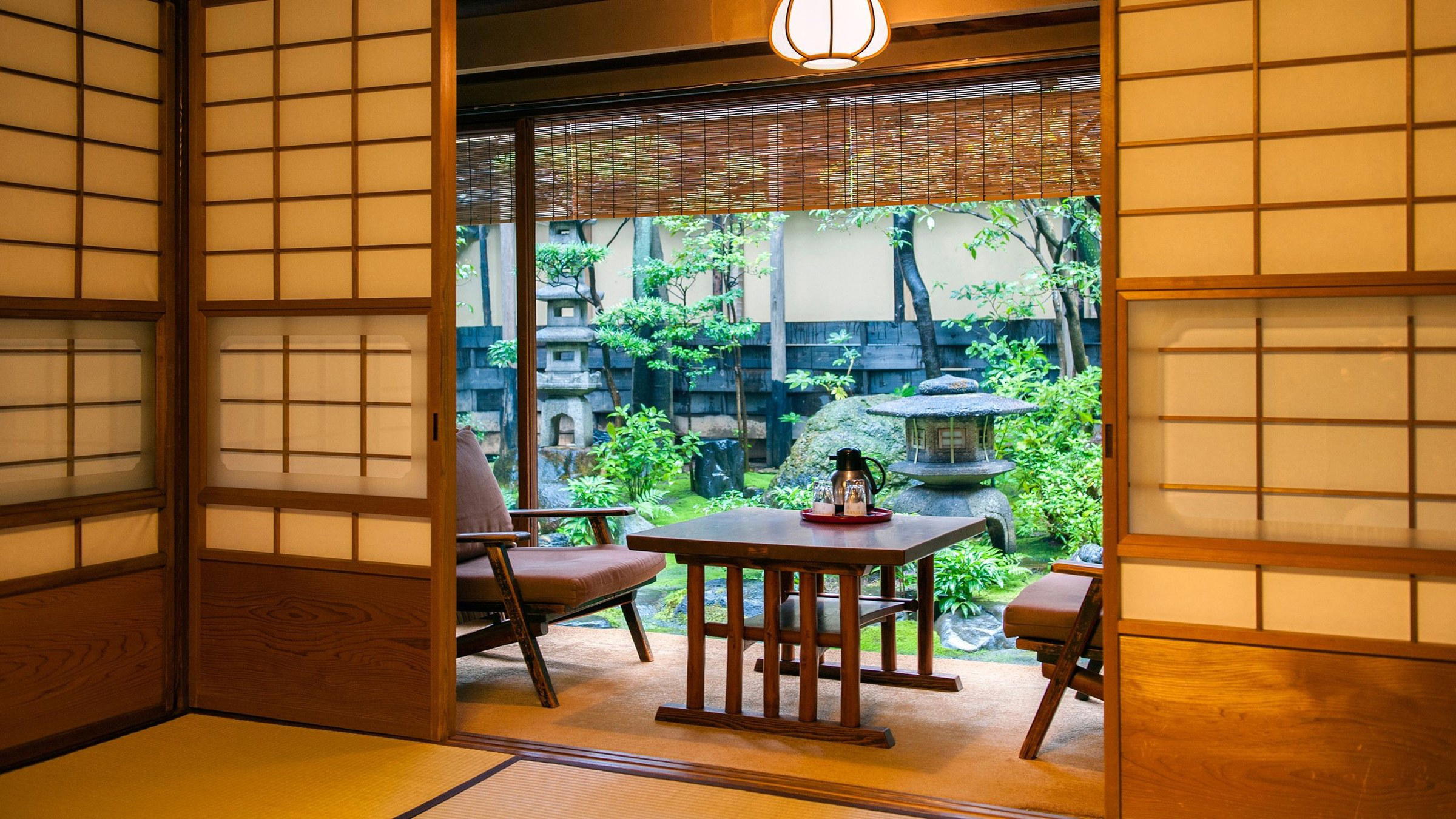
Tranquil and relaxing atmosphere in a historic tatami room machiya with soft natural light from the garden view.